
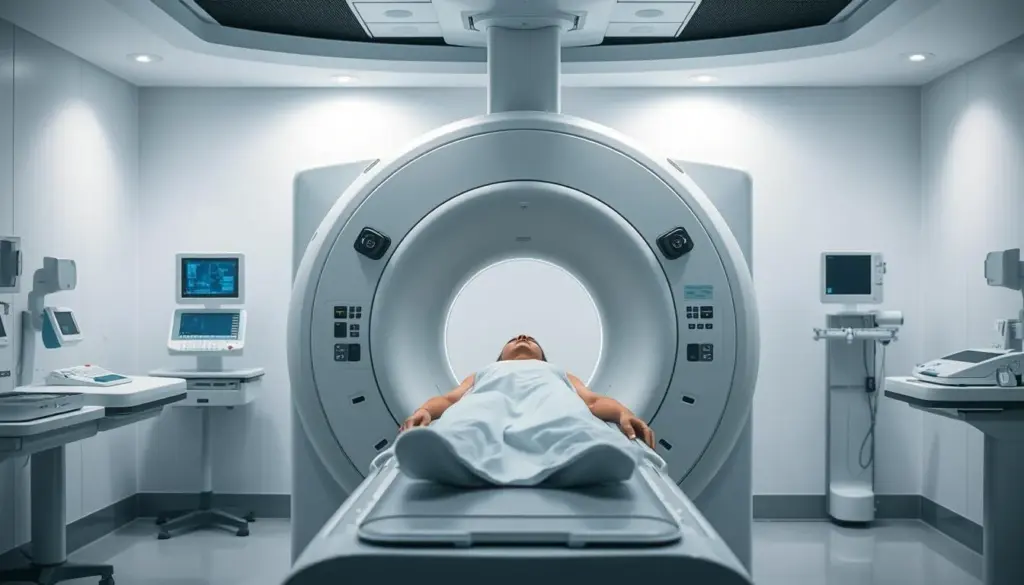
Positron Emission Tomography (PET) scans are considered very safe. But, like any medical procedure, they have some risks. Many patients feel anxious when they have to get a PET scan.
PET scans usually have more benefits than risks. But, it’s important to know the possible complications. These can include getting too much radiation and allergic reactions to the tracer used in the scan. Understanding these risks is key for both patients and healthcare providers. It helps them make better choices about using PET scans for diagnosis and treatment.
Key Takeaways
- PET scans are generally safe but carry some risks.
- Radiation exposure is a possible risk with PET scans.
- Allergic reactions to the tracer can happen.
- Knowing the risks helps in making informed healthcare choices.
- PET scans are a valuable tool in medical diagnosis and treatment.
Understanding What a PET Scan Is and How It Works
PET scans have changed medical imaging a lot. They give deep insights into how our bodies work. A PET scan, or Positron Emission Tomography scan, is a tool that helps find and track health issues. This includes cancer, brain problems, and heart diseases.
Definition and Basic Principles of PET Scanning
PET scanning uses a special kind of imaging. It involves a radioactive tracer to see how the body works. A tiny bit of radioactive material, often linked to glucose, is injected into the body.
This material builds up in different body parts. It then sends out gamma rays. The PET scanner catches these rays, making detailed pictures of what’s inside us.
Diseased tissues usually work differently than healthy ones. For example, cancer cells use more glucose. This makes PET scans great for finding and watching cancer.
The Role of Radioactive Tracers
Radioactive tracers are key to PET imaging. The most used one is Fluorodeoxyglucose (FDG). It’s a glucose molecule with a radioactive fluorine atom. When injected, it goes to areas that use a lot of glucose, like tumors.
Choosing the right tracer is important. It depends on what the scan is for. Some tracers target specific cancers or check heart health.
Tracers let PET scans show how tissues and organs work. This adds to what CT and MRI scans show about the body’s structure.
PET Scan vs. Other Imaging Technologies
PET scans are different from CT and MRI scans. CT scans use X-rays to show body anatomy. MRI scans use magnetic fields for soft tissue images. But PET scans focus on how tissues work.
|
Imaging Modality |
Primary Use |
Key Features |
|---|---|---|
|
PET Scan |
Metabolic activity assessment |
Uses radioactive tracers to visualize tissue function |
|
CT Scan |
Anatomical imaging |
Provides detailed cross-sectional images using X-rays |
|
MRI Scan |
Soft tissue imaging |
Uses magnetic fields to create detailed images of soft tissues |
For more info on PET scans, check out OncoDaily’s PET Scan Library. It has lots of details on PET scans in cancer and more.
Medical Applications and Benefits of PET Scans
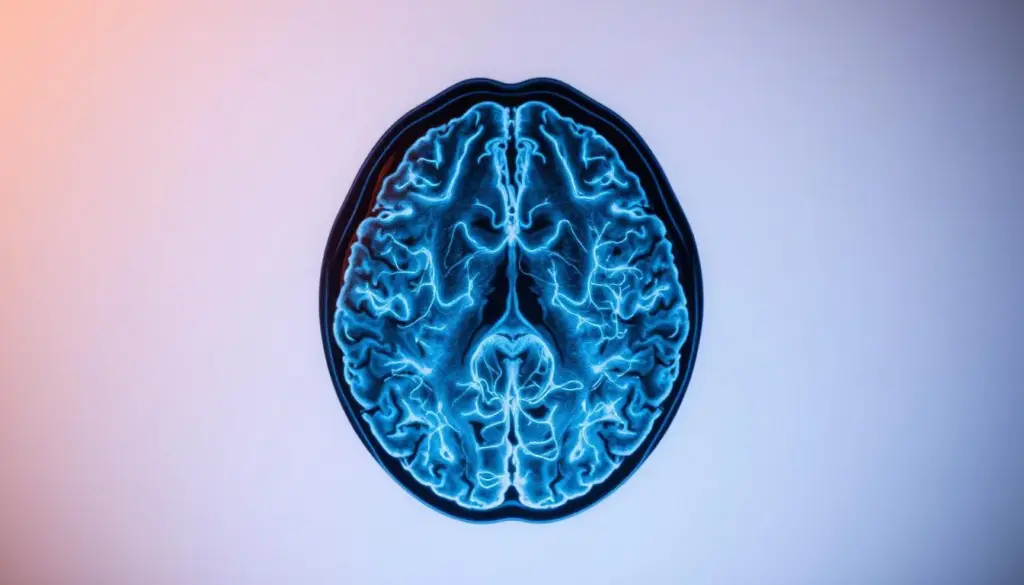
PET scans show detailed images of the body’s metabolic processes. They are key in diagnosing and managing complex diseases. They help detect cancer, stage it, and monitor treatment. They also check brain function in neurological disorders and heart disease.
Cancer Detection, Staging, and Treatment Monitoring
PET scans are very useful in oncology. They help find cancer early, figure out how far it has spread, and check if treatment is working. They can spot cancerous cells even before they cause big changes. This early detection helps start treatment sooner, improving patient results.
In lymphoma, PET scans show how far the disease has spread. This is key for planning treatment. They also check if a patient is responding to chemotherapy or radiation. This lets doctors adjust treatment plans as needed.
|
Cancer Type |
PET Scan Application |
Benefit |
|---|---|---|
|
Lymphoma |
Staging and treatment monitoring |
Accurate assessment of disease spread and response to treatment |
|
Breast Cancer |
Detection and treatment monitoring |
Early detection of cancer and evaluation of treatment effectiveness |
|
Colorectal Cancer |
Staging and recurrence detection |
Precise staging and early detection of recurrence |
Neurological Disorders and Brain Function Assessment
PET scans are also key in neurology. They help check brain function in diseases like Alzheimer’s, Parkinson’s, and epilepsy. They show how active the brain is, helping diagnose and understand disease progression.
In Alzheimer’s, PET scans show where the brain is not active. This helps diagnose and understand how severe the disease is. They are also used in research to find new treatments for neurological disorders.
Cardiovascular Disease Evaluation
In cardiology, PET scans check if heart muscle is working or not. They find out if heart muscle is alive but not working because of bad blood flow. This helps decide the best treatment, like heart procedures.
For example, Trethera Corporation is working on a new Crohn’s disease treatment. PET scans check if it’s working. In heart disease, PET scans help see if heart muscle is working and guide treatment.
The Complete PET Scan Procedure: From Preparation to Results
To have a smooth PET scan experience, knowing what to expect is key. We’ll walk you through from preparation to getting your results.
Pre-Scan Preparation Requirements
Before a PET scan, proper preparation is vital for accurate results. This includes:
- Following specific dietary instructions, which often involve fasting or consuming a special meal.
- Avoiding strenuous exercise for a certain period before the scan.
- Informing their doctor about any medications they are taking.
Proper preparation is key to obtaining clear and useful images from the PET scan.
What Happens During a PET Scan
A small amount of radioactive tracer is injected into a vein during the PET scan. This tracer goes through the body and builds up in areas with high activity, like growing cancer cells. The PET scanner then detects this tracer and creates detailed images of the body’s internal structures.
- The patient lies on a table that slides into the PET scanner.
- The scanner detects the radioactive tracer and sends the information to a computer.
- The computer creates detailed images based on the tracer’s distribution in the body.
Post-Scan Recovery and Results Timeline
After the scan, patients can usually go back to their normal activities right away. They might be told to drink plenty of water to help flush out the tracer.
The PET scan results are usually ready in a few days. But this can change based on the facility and the scan’s specifics. Your healthcare provider will talk to you about the results and what steps or treatments might be next.
Radiation Exposure: The Primary Risk of PET Scans
PET scans are very useful for doctors to diagnose diseases. But, they do expose patients to ionizing radiation. This is a big deal in medical imaging.
Ionizing radiation has enough energy to remove tightly bound electrons from atoms. This creates ions. In medical imaging, it helps make detailed images of the body’s internal structures.
Understanding Ionizing Radiation in Medical Imaging
Ionizing radiation is used in many medical imaging techniques, like PET scans. It detects the energy from a radioactive tracer in the body. This tracer goes to areas with high chemical activity, like growing cancer cells.
This helps doctors create detailed images. These images are key for diagnosing and monitoring diseases.
Typical Radiation Dose in a Standard PET Scan
The radiation dose from a PET scan can vary. But, a standard PET scan usually has a dose of about 7 millisieverts (mSv). To understand this better, the average annual background radiation in the U.S. is about 3.1 mSv.
Comparing PET Scan Radiation to Natural Background Radiation
Natural background radiation is the ionizing radiation we all get from the environment. It’s usually measured in areas far from any known radiation sources. The dose from a PET scan is higher than the daily background radiation.
For example, a 7 mSv dose from a PET scan is like 2.3 years of natural background radiation. Knowing this helps patients understand the risks of PET scans.
Even though PET scans involve ionizing radiation, their benefits are often worth the risks. This is true, mainly when dealing with serious health conditions like cancer.
Long-Term Cancer Risk Associated with PET Scan Radiation
PET scans are useful for diagnosing diseases but carry a risk of cancer due to radiation. This risk is small but important, mainly for certain groups of people.
Scientific Evidence on Radiation-Induced Cancer
Research shows that PET scans can slightly raise the risk of cancer. This is because they use ionizing radiation. Studies and models help estimate this risk.
Key findings from recent studies include:
- More CT scans and other imaging increase cancer risk.
- Children and young adults face higher risks because they live longer and are more sensitive to radiation.
- Getting many scans over time raises cancer risk even more.
Lifetime Risk Assessment and Statistics
Calculating cancer risk from PET scans is complex. It depends on the radiation dose, the patient’s age, and the cancer type.
Studies say the risk of fatal cancer from a PET scan is low. For example, it might be 1 in 10,000 to 1 in 50,000.
Population Groups with Higher Sensitivity to Radiation
Some groups are more at risk from PET scan radiation. These include:
- Children and Adolescents: Their growing bodies and long lives make them more vulnerable.
- Pregnant Women: The fetus is very sensitive to radiation, raising childhood cancer risk.
- Young Adults: Like children, their long lives increase the chance of radiation-induced cancer.
Knowing these risks helps make better choices about PET scans. It also encourages ways to reduce radiation exposure.
Combined PET-CT Scans: Increased Radiation Exposure Concerns
Modern medical imaging has made a big leap with the fusion of PET and CT technologies. This has improved how we see inside the body. But, it also means more radiation exposure.
Why PET and CT Are Frequently Combined
PET scans show how the body works by looking at its metabolic activities. CT scans give detailed pictures of the body’s structures. Together, they help doctors diagnose and treat diseases, like cancer, better.
This combo makes it easier to find where in the body things are happening. It’s a big help in finding and treating diseases.
Cumulative Radiation Dose in PET-CT Procedures
When PET and CT scans are done together, the patient gets more radiation. PET scans use radioactive tracers, and CT scans use X-rays. It’s important to think about how much radiation they add up to.
|
Imaging Modality |
Typical Effective Dose (mSv) |
|---|---|
|
PET Scan |
4-7 |
|
CT Scan (Diagnostic) |
2-10 |
|
Combined PET-CT |
6-17 |
Protocols for Minimizing Radiation in Combined Scans
Medical places have rules to lower radiation risks. They adjust CT scan settings, use low-dose CT, and keep PET tracer doses low.
Key strategies for minimizing radiation exposure include:
- Using advanced PET-CT scanners with improved sensitivity and resolution.
- Implementing low-dose CT protocols for attenuation correction and localization.
- Optimizing the dose of the PET tracer based on patient factors.
These steps help doctors use PET-CT scans safely. They keep the benefits of these scans while cutting down on radiation risks.
Allergic Reactions and Side Effects from PET Scan Tracers
PET scans can cause allergic reactions to the tracers used. These reactions are rare but understanding them is key for safety. Knowing the risks helps keep patients safe.
Common Radioactive Tracers Used in PET Imaging
The most common tracer in PET scans is Fluorodeoxyglucose (FDG). It’s a glucose molecule with a radioactive atom. It helps see how active different body parts are, like in cancer.
Other tracers are used for specific needs. For example, Fluorothymidine (FLT) checks cell growth, and Rubidium-82 looks at heart blood flow.
Incidence and Types of Allergic Reactions
Allergic reactions to PET tracers are rare. They can be mild, like skin rashes, or severe, like anaphylaxis. But severe reactions are very rare.
For example, allergic reactions to FDG happen less than 1 in 100,000 times.
Treatment Protocols for Adverse Reactions
If an allergic reaction happens during a PET scan, medical staff act fast. They use antihistamines for mild reactions and epinephrine for severe ones.
They also watch patients closely before and after the scan. This helps catch and treat any problems quickly.
|
Type of Reaction |
Symptoms |
Treatment |
|---|---|---|
|
Mild Allergic Reaction |
Skin rash, itching |
Antihistamines |
|
Moderate Allergic Reaction |
Hives, swelling |
Corticosteroids, antihistamines |
|
Severe Allergic Reaction (Anaphylaxis) |
Difficulty breathing, rapid heartbeat, drop in blood pressure |
Epinephrine, oxygen, emergency medical services |
Allergic reactions to PET scan tracers are rare. But PET scans are very helpful in diagnosing and managing serious health issues. The benefits usually outweigh the risks for most patients.
Common Temporary Side Effects After Undergoing a PET Scan
PET scans can cause temporary side effects for some people. These effects are usually mild and don’t last long. Knowing what to expect can help make recovery easier. We’ll talk about common side effects like discomfort at the injection site and other symptoms like nausea and fatigue.
Injection Site Discomfort and Reactions
Some people might feel mild discomfort, redness, or swelling where the injection was given. This usually goes away within a few hours.
Systemic Effects: Nausea, Headache, and Fatigue
Nausea, headache, and fatigue can happen because of the tracer used in PET scans. These symptoms are usually mild and don’t last long. Drinking plenty of water and getting plenty of rest can help.
Duration and Management of Post-Scan Symptoms
Most symptoms after a PET scan go away within 24 hours. Below is a table that lists common side effects, how long they last, and tips to manage them.
|
Side Effect |
Typical Duration |
Management Tips |
|---|---|---|
|
Injection site discomfort |
Few hours to 24 hours |
Apply cold compress, rest |
|
Nausea |
Few hours |
Stay hydrated, eat small meals |
|
Headache |
Few hours to 24 hours |
Rest, over-the-counter pain relievers |
|
Fatigue |
24 hours |
Rest, stay hydrated |
If symptoms don’t get better or get worse, it’s best to talk to your doctor.
Psychological Risks: Managing Claustrophobia and Scan Anxiety
Many patients feel claustrophobic and anxious during PET scans. The enclosed PET scanner and the need to stay very quiet can cause a lot of distress.
Prevalence of Scanner-Related Anxiety
Many people get anxious or feel claustrophobic during PET scans. This anxiety often comes from the small space of the scanner or not knowing what to expect.
We take this anxiety seriously and want to help. We offer support and solutions to manage it.
Techniques for Managing Claustrophobia During Scans
There are ways to deal with claustrophobia and anxiety during PET scans:
- Pre-Scan Education: Knowing what the scan is about can make you feel better. We explain the process in detail to help you relax.
- Relaxation Techniques: Deep breathing, meditation, and muscle relaxation can calm you down.
- Communication: Talking about your fears with the medical team can help. They can offer support and reassurance.
- Visual Imagery: Imagining a peaceful place can be helpful during the scan.
When Sedation or Medication May Be Necessary
For some, the anxiety is so strong that they need sedation or medication. We work with patients to find the best solution for them.
If your claustrophobia is severe, sedation might be suggested. We carefully choose the sedation to keep you safe and comfortable.
We aim to create a supportive environment for your PET scan. By understanding and addressing the psychological risks, we help make the process easier for you.
Special PET Scan Risks for Pregnant and Breastfeeding Women
Pregnant and breastfeeding women need to think carefully about PET scans. We must consider the risks to the fetus or baby. It’s important to weigh the benefits against the possible harm.
Potential Effects of Radiation on Fetal Development
PET scans can expose the fetus to radiation. This can raise the risk of fetal malformations, childhood cancers, and developmental delays. The dose of radiation depends on the tracer and the fetus’s age.
- The risk is higher in early pregnancy when the fetus is most vulnerable.
- Research shows that radiation can harm the fetus, but the exact risk depends on several factors.
Recommended Waiting Period for Breastfeeding After a PET Scan
For breastfeeding women, the worry is the infant’s exposure to radioactive tracers through breast milk. The waiting period before breastfeeding again varies by tracer.
We suggest that breastfeeding mothers pump and discard breast milk for a while after the PET scan. This helps reduce the infant’s exposure to radioactive materials. The exact time depends on the tracer’s half-life and should be discussed with a healthcare provider.
|
Tracer Used |
Recommended Waiting Period |
|---|---|
|
FDG (Fluorodeoxyglucose) |
24 hours |
|
Other Tracers |
Varies (consult healthcare provider) |
Safer Alternative Imaging Options During Pregnancy
When possible, we prefer imaging methods that don’t use ionizing radiation during pregnancy. These include:
- Ultrasound: A safe and commonly used imaging technique.
- MRI (Magnetic Resonance Imaging): Can be used without ionizing radiation, but contrast agents should be carefully considered.
We recommend talking to a healthcare provider about these alternatives. They can help choose the best imaging strategy for individual needs and medical conditions.
PET Scan Considerations for Patients with Diabetes
Diabetic patients need special care when getting a PET scan. Managing diabetes is key to get accurate results. Blood glucose levels can affect how well the scan works.
How Blood Glucose Levels Affect PET Scan Accuracy
Blood glucose levels are very important for PET scan accuracy. This is true when using fluorodeoxyglucose (FDG), a common tracer. High blood sugar can make FDG uptake poor, leading to wrong results. It’s important for diabetic patients to manage their blood sugar before the scan.
- Monitor blood glucose levels closely before the scan.
- Adjust diabetes medications as advised by your healthcare provider.
- Follow a fasting regimen as instructed to ensure optimal glucose levels.
Modified Preparation Guidelines for Diabetic Patients
Diabetic patients may need a special prep for a PET scan. We suggest:
- Inform your healthcare provider about your diabetes and medications.
- Follow specific dietary instructions to manage blood glucose levels.
- Adjust your medication schedule as recommended by your healthcare provider.
Working closely with your healthcare team is key. They can help create a plan that balances diabetes care with PET scan prep.
Managing Diabetes Medications Before and After the Scan
Managing diabetes meds before and after a PET scan is vital. We advise:
- Consult with your healthcare provider about adjusting your medication schedule.
- Monitor your blood glucose levels closely after the scan.
- Resume your normal medication regimen as advised by your healthcare provider.
By following these steps, diabetic patients can help ensure their PET scan results are accurate and reliable.
Risk-Benefit Analysis: When is a PET Scan Medically Justified?
To decide if a PET scan is right, we must weigh its benefits against risks. We look at how it helps diagnose against the dangers of radiation, allergic reactions, and other side effects.
Clinical Scenarios Where Benefits Outweigh Risks
PET scans are very useful in some situations. Their benefits are much greater than the risks. For example:
- They help in cancer staging and treatment by showing tumor activity and spread.
- They are useful in neurological disorders like Alzheimer’s to check brain function.
- In heart disease, they help see how well the heart works and blood flows.
In these cases, PET scans give vital information. This can lead to better treatment plans and outcomes for patients.
Essential Questions to Discuss with Your Healthcare Provider
It’s important to talk to your doctor before a PET scan. Ask questions like:
- What specific information does the PET scan aim to find?
- How will the scan’s results affect my treatment?
- Are there safer ways to get similar information?
- What’s being done to reduce risks from the scan?
By asking these, you’ll understand why the scan is needed. This ensures it’s right for you.
Exploring Alternative Diagnostic Approaches
There might be safer ways to get the same info as a PET scan. These include:
|
Alternative Diagnostic Approach |
Description |
Potential Benefits |
|---|---|---|
|
MRI (Magnetic Resonance Imaging) |
Uses magnetic fields and radio waves to create detailed images of the body. |
No radiation exposure; excellent soft tissue differentiation. |
|
Ultrasound |
Uses high-frequency sound waves to create images of internal structures. |
No radiation exposure; non-invasive; can be used for real-time imaging. |
|
CT Scan with Low-Dose Protocol |
Uses X-rays to create detailed cross-sectional images, with protocols to minimize radiation dose. |
Quick and widely available; can be used in emergency situations. |
Talking to your doctor about these options can help find the best test for you.
Safety Protocols and Risk Reduction in Modern PET Scanning
PET scanning has become much safer thanks to new safety steps and technologies. It’s important to know how these steps help reduce risks during PET scans.
Institutional Safety Standards and Quality Control
Good PET scanning places follow strict safety rules and quality checks. These include:
- Regular maintenance and calibration of PET scanning equipment
- Strict protocols for handling and administering radioactive tracers
- Comprehensive training programs for technologists and staff
- Quality assurance programs to monitor and improve scanning procedures
These steps help make sure PET scans are done carefully. This reduces radiation exposure and other risks.
Technological Advancements Reducing Radiation Exposure
New technologies have greatly reduced radiation in PET scans. Some key advancements are:
- More sensitive PET scanners that need less radioactive tracers
- Improved image algorithms that make images better with less radiation
- Combining PET with CT and MRI for better diagnosis with less radiation
These changes have made PET scans safer for patients.
The Importance of Facility Accreditation and Technologist Certification
Accreditation and certification are key for safe PET scanning. Bodies like the American College of Radiology (ACR) and the Intersocietal Accreditation Commission (IAC) set high standards. Technologist certification means the people running the scanners are well-trained.
Choosing an accredited place with certified techs means patients can trust their PET scan’s safety and quality.
In summary, modern PET scanning uses many safety steps and ways to reduce risks. From strict safety rules to new technologies and the value of accreditation and certification, these all work together. They make sure PET scans are done safely and well.
Conclusion: Making Informed Decisions About PET Scan Safety
PET scans are a key tool in medicine, helping doctors understand many health issues. They are useful for spotting cancer and neurological problems. But, they also involve some risks because they use radiation.
It’s important to know about these risks. This includes the chance of getting too much radiation, allergic reactions to the tracers used, and feeling anxious or claustrophobic. Patients and doctors need to think about these points carefully.
To stay safe during a PET scan, follow all instructions given by your doctor. This means talking about any health issues you have, like being pregnant or having diabetes. It also means sharing if you’ve had bad reactions to contrast agents before.
By being well-informed and taking the right steps, you can lower the risks of PET scans. Keeping up with new safety steps and technology is also key.
Deciding on PET scan safety is a team effort. Patients and doctors working together can make sure PET scans are safe and helpful.
FAQ
What is a PET scan and how does it work?
A PET (Positron Emission Tomography) scan is a test that uses a radioactive tracer. It shows how the body’s cells work. A small amount of radioactive material is injected into the body. The PET scanner then detects this radiation, creating detailed images of the body’s internal structures.
What are the common uses of PET scans in medical diagnosis?
PET scans help diagnose and monitor many conditions. These include cancer, neurological disorders, and cardiovascular disease. They also check brain function and treatment success.
What are the risks associated with PET scans?
PET scans carry risks like radiation exposure and allergic reactions. You might also feel temporary side effects like injection site discomfort or nausea.
How much radiation is involved in a PET scan?
A standard PET scan’s radiation dose is similar to natural background radiation. But, the dose can change based on the procedure and your health.
Are PET scans safe for pregnant or breastfeeding women?
PET scans are not recommended for pregnant women due to radiation risks. Breastfeeding women should wait before resuming after a scan.
Can patients with diabetes undergo a PET scan?
Yes, people with diabetes can have a PET scan. They might need special preparation to get accurate results. Blood sugar levels can affect the scan’s accuracy.
What are the benefits of combining PET and CT scans?
Combining PET and CT scans gives more detailed information. But, it also means more radiation exposure.
How can patients minimize radiation exposure during a PET scan?
To reduce radiation, follow PET scan guidelines. Use the lowest dose of radioactive tracer needed.
What are the common side effects of PET scans, and how long do they last?
Side effects like injection site discomfort, nausea, and fatigue are common. They are usually mild and go away quickly.
How can patients manage claustrophobia or scan anxiety during a PET scan?
Use relaxation techniques like deep breathing or meditation. Or talk to your healthcare provider about sedation or medication options.
Are there alternative diagnostic approaches to PET scans?
Yes, alternatives like MRI or CT scans exist. The choice depends on your medical condition and needs.
How can patients ensure their safety during a PET scan?
Follow safety protocols and choose an accredited facility. Make sure the scan is done by a certified technologist.
References:
OncoDaily. (n.d.). PET scan: A comprehensive guide to modern medical imaging. Retrieved from https://oncodaily.com/oncolibrary/radiotherapy/pet-scan



 Departments
 Related Videos
 Our Doctors
 News
News