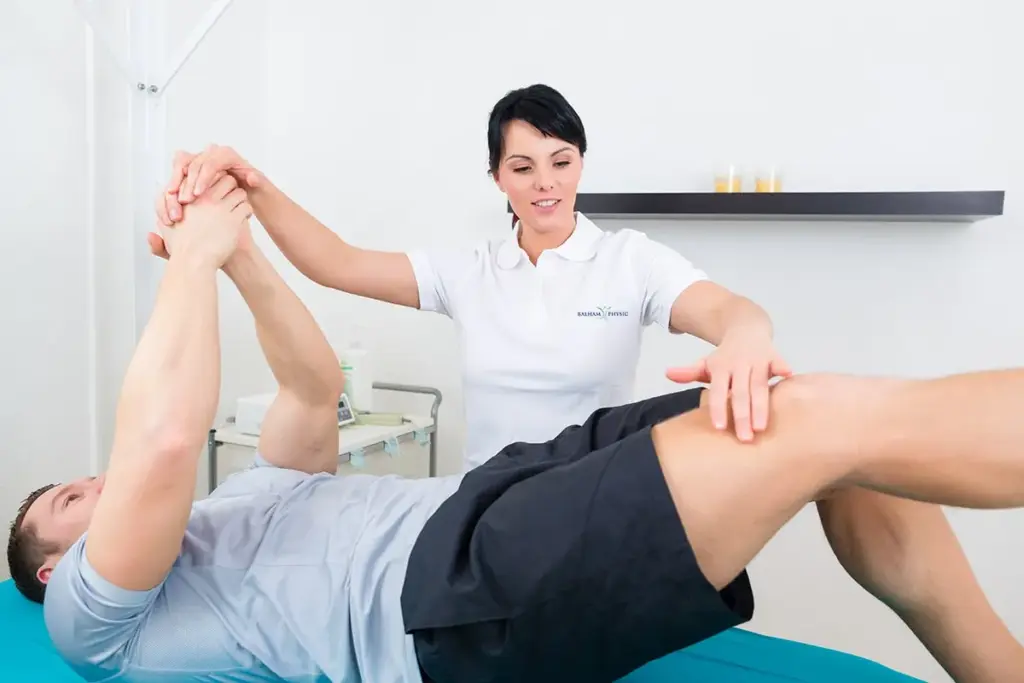
Did you know that nearly 1 in 4 adults worldwide suffer from chronic pain? This pain can really affect their quality of life. Rehabilitation through specialized care can make a big difference for these people.
We assist patients in recovering from injuries, managing chronic conditions, and enhancing their overall health. We do this with personalized physical therapy programs.
Key Takeaways
- Physical therapy is key for managing chronic pain and recovering from injuries.
- Specialized care can greatly improve someone’s quality of life.
- Our therapy programs are made just for each patient’s needs.
- Rehabilitation is a big part of getting better.
- Our team is committed to giving the best care possible.
Seniors and Elderly Patients: Primary Candidates for Physical Therapy
Physical therapy is key for seniors facing physical decline. As people get older, they often see changes that affect their movement and balance. Our physical therapists create custom exercise plans for elderly patients, focusing on their unique needs and goals.
Addressing Age-Related Mobility Decline
Many seniors worry about losing their mobility, which can make them less independent and increase fall risks. Physical therapy interventions can strengthen muscles and improve flexibility. Our therapists help design exercises that match each patient’s abilities and needs.
Fall Prevention and Balance Training
Falls are a big concern for seniors, often causing serious injuries. Balance training is a key part of physical therapy for the elderly. It helps improve stability and lowers fall risks. We use proven methods to assess and prevent falls.
Managing Chronic Conditions in Older Adults
Seniors often deal with chronic conditions like arthritis and diabetes. Physical therapy can help manage these conditions, improving symptoms and health. Our therapists create personalized management plans that include exercise and lifestyle changes.
Physical therapy can greatly improve the lives of seniors by addressing mobility decline, preventing falls, and managing chronic conditions. Our team is committed to providing caring and effective care. We help our patients stay independent and enjoy a better life.
Post-Surgical Recovery: Why Physical Therapy Is Essential
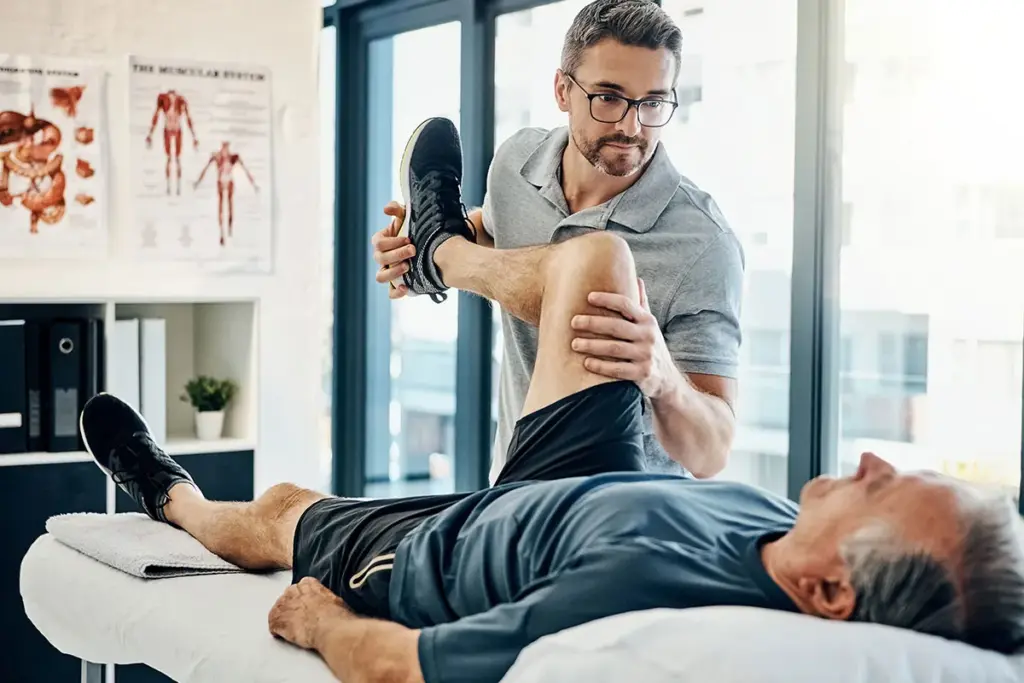
Recovering from surgery is more than just resting. It needs a well-planned rehabilitation program for the best results. Our physical therapy clinic offers detailed care for patients after different surgeries.
Orthopedic Surgery Rehabilitation
Rehab after orthopedic surgery is key for patients with joint replacements, fracture repairs, or soft tissue fixes. Our physical therapists create custom exercise plans. These plans help with healing, function, and avoiding complications.
- Improving range of motion and flexibility
- Strengthening muscles around the affected joint or area
- Enhancing balance and coordination
- Gradually returning to normal activities
Cardiac and Thoracic Surgery Recovery
Recovering from cardiac and thoracic surgery needs careful management. It’s important to get back to good heart health and overall well-being. Our programs for these patients focus on:
- Monitoring and managing vital signs during exercise
- Improving cardiovascular endurance through aerobic exercises
- Enhancing respiratory function through breathing exercises
- Gradually increasing physical activity levels
Neurological Surgery Rehabilitation Protocols
Rehab after neurological surgery is special. It’s designed for patients after brain or spinal cord surgeries. Our therapists use proven methods to tackle these challenges, including:
- Cognitive rehabilitation to improve memory and concentration
- Motor skill training to regain strength and coordination
- Balance and gait training to reduce fall risk
- Functional training to improve daily living activities
We offer personalized rehabilitation programs to help patients recover well. Our aim is for every patient to regain strength, mobility, and function. This way, they can confidently return to their daily lives.
Athletes Recovering from Sports Injuries
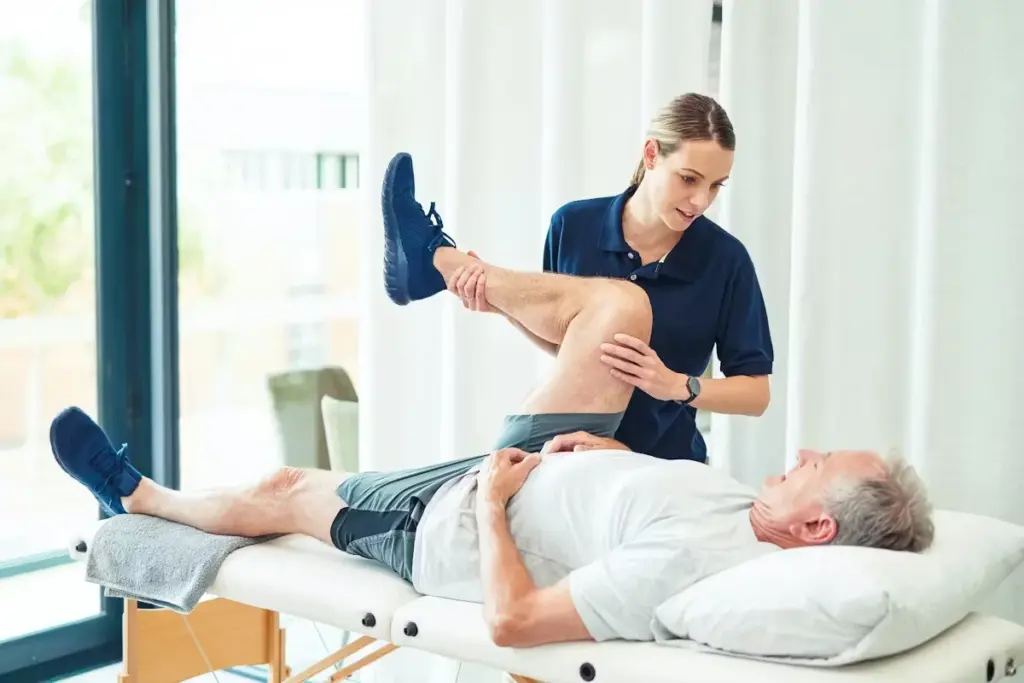
Athletes often face the daunting task of recovering from sports injuries. This challenge requires a detailed and personalized approach. Injuries can range from minor sprains to severe fractures and tears, each needing a unique rehabilitation plan.
We know athletes want to get back to their sport quickly and safely. Our physical therapists create customized rehabilitation programs. These programs meet the athlete’s specific needs and goals.
Acute Injury Rehabilitation Strategies
Acute injuries, like ligament sprains or muscle strains, need immediate care and a structured rehab program. Our therapists use proven techniques to help the injury heal, reduce pain, and improve function.
Key components of acute injury rehabilitation include:
- Initial assessment and diagnosis
- Pain management and inflammation reduction
- Progressive strengthening and mobility exercises
- Functional training to restore sport-specific movements
Sport-Specific Recovery Programs
Every sport has its own demands and needs. Our physical therapists design recovery programs that mimic the athlete’s sport. This ensures a safe and effective return to competition.
For instance, a soccer player might need a program that focuses on agility, speed, and quick changes of direction. On the other hand, a distance runner might require a program that emphasizes endurance and stamina.
Preventing Reinjury Through Physical Therapy
Preventing reinjury is a key part of the rehab process. Our therapists teach athletes proper techniques, provide strengthening exercises, and include injury prevention strategies in their programs.
By addressing the underlying causes of injury and improving overall physical function, athletes can reduce their risk of reinjury. This helps them maintain long-term health and performance.
Chronic Pain Sufferers: Finding Relief Through Physical Therapy Interventions
Physical therapy is a promising way to help those with chronic pain. It can improve daily life and mental health. We offer effective, non-invasive treatments for chronic pain sufferers.
Alternatives to Pain Medication
Physical therapy can help reduce or stop the need for pain meds. Our therapists create custom exercise plans to improve function and reduce pain. We use manual therapy, exercises, and heat or cold therapy to manage pain.
Physical therapy interventions are made just for you. They address the root causes of pain. This way, patients can find lasting relief without medication.
Long-term Pain Management Approaches
Managing chronic pain takes a long-term plan. We teach patients about body mechanics and posture to avoid pain. We also teach relaxation and stress management to handle pain’s mental side.
- Personalized exercise programs to improve function and reduce pain
- Manual therapy techniques to enhance joint mobility and reduce stiffness
- Modalities such as electrical stimulation or ultrasound to promote healing
Addressing the Mind-Body Connection in Pain
The mind-body connection is key in chronic pain. Our therapists use techniques like CBT and mindfulness to help. They teach patients to cope with pain better.
By combining physical therapy with mind-body techniques, we offer a complete pain management plan. This approach not only relieves pain but also boosts overall well-being.
Stroke Survivors: Regaining Function and Independence
Physical therapy is key for stroke survivors to regain independence. After a stroke, people face big challenges in getting back lost functions. That’s why detailed rehabilitation programs are vital.
Early Intervention Rehabilitation
Early help is essential in stroke recovery. We offer timely and effective physical therapy. This helps the brain recover and adapt.
- Assessment of initial condition and setting rehabilitation goals
- Personalized therapy plans tailored to individual needs
- Intensive therapy sessions to maximize recovery
Neuroplasticity and Recovery
The brain can change and adapt, even after damage. Our therapists use this to help survivors regain function. We focus on using proven methods to help them get back as much as they can.
Key aspects of our approach include:
- Utilizing neuroplasticity-based exercises
- Implementing task-specific training
- Monitoring progress and adjusting therapy plans
Long-term Adaptation Strategies
Recovering from a stroke takes time. We offer strategies and support for long-term recovery. Our goal is to help survivors live independently and improve their quality of life.
Children with Developmental Delays and Disorders
We offer special pediatric physical therapy for kids with developmental delays and disorders. Our aim is to help them reach their developmental goals. We want them to fit well into their daily lives.
Early Intervention Pediatric Physical Therapy
Early action is key for kids with developmental delays. Our team creates special plans with families. These plans help improve motor skills and balance.
Key components of early intervention include:
- Assessment of the child’s current developmental stage
- Creation of a customized therapy plan
- Regular therapy sessions with our experienced therapists
- Ongoing support and guidance for families
School-Based Therapy Programs
Our school-based therapy helps kids in their school setting. We work with teachers to make therapy part of their school day. This helps them join in school activities better.
The benefits of school-based therapy include:
- Improved academic performance
- Enhanced social interactions
- Better adaptation to the school environment
Supporting Children with Neurological Conditions
Kids with neurological conditions need special care. Our therapists are trained to help with their unique challenges. This improves their life quality.
We use different methods to help these kids, including:
|
Therapy Technique |
Description |
Benefits |
|---|---|---|
|
Neurodevelopmental Therapy |
Focuses on improving motor skills through specific exercises |
Enhances motor function and coordination |
|
Vestibular Rehabilitation |
Targets balance and equilibrium issues |
Reduces dizziness and improves balance |
Workplace Injury Victims: Returning to Functional Employment
We help people who got hurt at work get better and go back to their jobs. Workplace injuries can make it hard for people to do their job well. This can lead to lost work time and money. Our programs are made to help with these problems.
Occupational Rehabilitation Approaches
We make special plans for each patient in our programs. We look at the work place and what the job needs. This way, our patients can go back to work safely.
Key parts of our programs include:
- Checking the work place for dangers
- Creating special exercises to get stronger and more flexible
- Teaching how to move and lift safely
- Training for job tasks
Ergonomic Training and Injury Prevention
Ergonomic training helps prevent injuries at work. We teach workers how to set up their work space and move right. This makes the work place safer and helps prevent injuries.
The good things about ergonomic training are:
- Less chance of getting hurt
- Working better and faster
- Feeling more comfortable at work
- Following safety rules
Work Hardening Programs
Our work hardening programs are for those who need more help. They mix physical therapy, occupational therapy, and job training. This helps people get strong and ready to go back to work.
|
Program Component |
Description |
Benefits |
|---|---|---|
|
Physical Therapy |
Exercises to get stronger and more flexible |
Feeling better and less pain |
|
Occupational Therapy |
Learning to do job tasks |
Doing job tasks better |
|
Vocational Training |
Learning about work safety and ergonomics |
Less chance of getting hurt again |
Our work hardening programs offer a full way to get better. This makes sure our patients are ready to go back to their jobs.
Patients with Neurological Disorders
Neurological disorders like multiple sclerosis, Parkinson’s disease, and traumatic brain injuries need special care. We create therapy plans that fit each patient’s needs. Our physical therapy is designed to meet the unique challenges of these conditions.
Multiple Sclerosis Management
Our physical therapists create exercise plans for multiple sclerosis patients. These plans help manage symptoms and improve mobility. Our goal is to keep patients independent and enhance their quality of life. We use balance training, stretching, and strengthening exercises.
Parkinson’s Disease Therapy Protocols
Parkinson’s disease therapy at our center includes personalized exercise programs. These programs aim to boost mobility, balance, and coordination. Our therapists work with patients to find ways to manage symptoms and improve daily life.
Traumatic Brain Injury Rehabilitation
Rehab for traumatic brain injuries is a detailed process. It may include physical therapy, cognitive training, and more. Our aim is to help patients regain function and reach their highest level of independence. We use proven methods to make rehabilitation plans that fit each patient’s needs.
We focus on the unique challenges of neurological disorders. This helps patients improve their function, mobility, and quality of life. Our team is dedicated to providing caring, expert care during the rehabilitation journey.
Amputees: Adapting to Life with Prosthetics
Amputees face unique challenges, but the right care can help them be independent and functional. Adapting to life with a prosthetic needs a full approach. This includes physical, emotional, and psychological support.
Pre-prosthetic Preparation and Training
Before getting a prosthetic, preparation is key. This step involves checking the residual limb, managing pain, and building muscle strength. Our team helps patients with a custom exercise plan. This plan gets them ready for their prosthetic.
Key components of pre-prosthetic preparation include:
- Pain management through medication and alternative therapies
- Strengthening exercises for the residual limb and surrounding muscles
- Flexibility and range-of-motion exercises to maintain or improve mobility
- Education on prosthetic care and maintenance
Prosthetic Fitting and Gait Training
After getting a prosthetic, gait training is critical. Our physical therapists help amputees walk naturally. This improves mobility and lowers fall risks. They practice walking, turning, stopping, and navigating different terrains.
|
Prosthetic Fitting Component |
Description |
Benefit |
|---|---|---|
|
Suspension System |
Ensures the prosthetic remains securely in place |
Enhances stability and confidence |
|
Gait Training |
Teaches natural walking patterns |
Improves mobility and reduces fall risk |
|
Balance Exercises |
Improves overall balance and stability |
Reduces the risk of falls and injuries |
Long-term Adaptation and Maintenance
Long-term care and maintenance are vital. Our team guides on prosthetic care, fit monitoring, and adjustments. We also help with long-term issues and improving life quality.
We focus on full care and rehabilitation to help amputees live active, fulfilling lives. Our goal is to support each person to reach their best, whether at work, in leisure, or daily life with confidence and freedom.
Pregnancy and Postpartum Women: Specialized Physical Therapy Needs
The journey through pregnancy and beyond involves many physical changes. These changes can affect a woman’s musculoskeletal health and overall well-being. Specialized physical therapy can be very helpful during this time.
Managing Pregnancy-Related Musculoskeletal Changes
Pregnancy brings many musculoskeletal changes. These changes can cause discomfort, pain, and reduced mobility. Our physical therapists use exercises and manual therapy to help.
Some common changes include:
- Postural adjustments due to the growing belly
- Relaxation of ligaments and joints
- Increased stress on the lower back and pelvis
Our therapists create personalized exercise programs. These programs help strengthen, flex, and balance the body, easing these changes.
Postpartum Recovery and Rehabilitation
The postpartum period is key for recovery and rehabilitation. Physical therapy helps new mothers regain strength and improve posture. It also addresses issues like diastasis recti or perineal trauma from childbirth.
|
Postpartum Issue |
Physical Therapy Intervention |
|---|---|
|
Diastasis Recti |
Core strengthening exercises |
|
Perineal Trauma |
Pelvic floor rehabilitation |
|
Postural Changes |
Postural correction and strengthening |
Pelvic Floor Dysfunction Treatment
Pelvic floor dysfunction is common during and after pregnancy. It can cause symptoms like incontinence, pelvic pain, and sexual dysfunction. Our physical therapists use proven techniques to treat this, including pelvic floor exercises and manual therapy.
By treating these issues, women can see big improvements in their quality of life. They regain control over their bodily functions and enjoy a healthier, more active lifestyle.
Cardiac and Pulmonary Rehabilitation Patients
Our cardiac and pulmonary rehabilitation programs help patients recover from heart surgeries or conditions. They also improve lung function. We know each patient is different, so we tailor our programs to meet their needs.
Cardiac rehabilitation helps patients with heart conditions or surgeries. Our programs include monitored exercise, heart-healthy living education, and stress management. This helps patients improve their heart health.
Post-Heart Attack Recovery Programs
Our post-heart attack recovery programs help patients regain strength and confidence. These programs include:
- Monitored exercise sessions tailored to the patient’s condition
- Education on risk factor modification, such as diet and smoking cessation
- Stress management techniques to cope with the emotional aspects of recovery
COPD and Respiratory Condition Management
Our pulmonary rehabilitation programs help patients with COPD and other respiratory conditions. They offer a complete approach to managing symptoms and improving quality of life. Our programs include:
- Breathing exercises and techniques to improve lung function
- Exercise training to enhance endurance and strength
- Education on managing symptoms and avoiding exacerbations
Improving Cardiovascular Endurance and Function
Improving cardiovascular endurance is a key part of our programs. We use aerobic exercises, strength training, and flexibility exercises. This helps patients achieve better heart health and fitness.
We aim to empower patients with the knowledge and skills to manage their conditions. This reduces symptoms and improves their quality of life. By focusing on complete care and personalized plans, we make a positive difference in our patients’ lives.
Individuals with Balance and Vestibular Disorders
Balance and vestibular disorders can really change someone’s life. They make simple tasks hard. These issues affect how we balance and move. At our place, we get it and offer special physical therapy for these problems.
Vestibular Rehabilitation Techniques
Vestibular rehab helps with balance and dizziness. Our team uses the newest methods. This includes:
- Canalith repositioning for BPPV
- Exercises to improve balance and reduce dizziness
- Therapy plans made just for each patient
These methods help patients feel better and more confident in their daily lives.
Fall Risk Assessment and Prevention
Falling is a big worry for those with balance issues. We do detailed checks to find and fix risks. This includes:
|
Assessment Criteria |
Intervention Strategies |
|---|---|
|
Balance and gait check |
Balance training exercises |
|
Muscle strength test |
Strengthening exercises for legs |
|
Home safety check |
Advice on making homes safer |
Improving Daily Function and Quality of Life
We aim to improve life for our patients. We do this by:
“Rehabilitation is not just about recovering from an illness or injury; it’s about regaining the ability to live life to the fullest.”
— Rehabilitation Specialist
We focus on helping patients do everyday things again. This way, they can feel independent and confident.
Our approach includes rehab, fall prevention, and daily life improvement. We tailor plans for each patient’s needs.
Conclusion: The Life-Changing Impact of Physical Therapy
Physical therapy changes lives in many ways. At our facility, we’ve seen it help seniors move better and athletes get back to sports.
It’s more than just getting better; it’s about living better. Our patients see big improvements, and we’re all about top-notch care.
We tailor our care to meet each patient’s needs. This approach leads to amazing success stories. Our team is all about making a big difference in people’s lives.
We’re committed to helping people reach their goals and live well. The positive changes our patients experience show our programs work. Our team’s skill and dedication shine through.
FAQ
What is physical therapy, and how can it help me?
Physical therapy helps people get better from injuries and manage long-term conditions. Our team creates special exercise plans for each patient. They also offer treatments that fit their needs.
What conditions can physical therapy treat?
Physical therapy can help with many issues. This includes muscle and bone injuries, brain disorders, and heart and lung problems. We also help with recovery after surgery, sports injuries, and work-related accidents.
How can physical therapy help manage chronic pain?
Physical therapy has many ways to tackle chronic pain without drugs. Our therapists help patients find lasting ways to manage pain. They focus on both the physical and mental sides of pain.
Can physical therapy help after surgery?
Yes, physical therapy is key for a good recovery after surgery. We have programs for patients who have had surgery on their bones, heart, lungs, or brain.
How can physical therapy support athletes recovering from sports injuries?
Physical therapy is vital for fixing injuries and getting athletes back in the game. Our team creates plans that help athletes get stronger and avoid future injuries.
What is vestibular rehabilitation, and how can it help?
Vestibular rehabilitation helps people with balance and dizziness problems. Our therapists use special methods to improve balance and reduce dizziness. This enhances overall function and quality of life.
Can physical therapy help children with developmental delays?
Yes, physical therapy can greatly help children with developmental delays. We offer early intervention and school-based therapy. We also support children with neurological conditions to reach their milestones.
How can physical therapy support individuals with neurological disorders?
Physical therapy helps people with conditions like multiple sclerosis, Parkinson’s disease, and brain injuries. Our therapists create personalized plans to improve function and quality of life.
What is the role of physical therapy in cardiac and pulmonary rehabilitation?
Physical therapy is important for heart and lung health. We offer programs for heart attack recovery and managing lung conditions. Our goal is to improve endurance and function.
How can physical therapy help pregnant and postpartum women?
Physical therapy supports pregnant and postpartum women. It helps with musculoskeletal changes during pregnancy and aids in recovery after childbirth. We also treat pelvic floor issues.
National Center for Biotechnology Information. Evidence-Based Medical Insight. Retrieved from https://pmc.ncbi.nlm.nih.gov/articles/PMC3201926/