
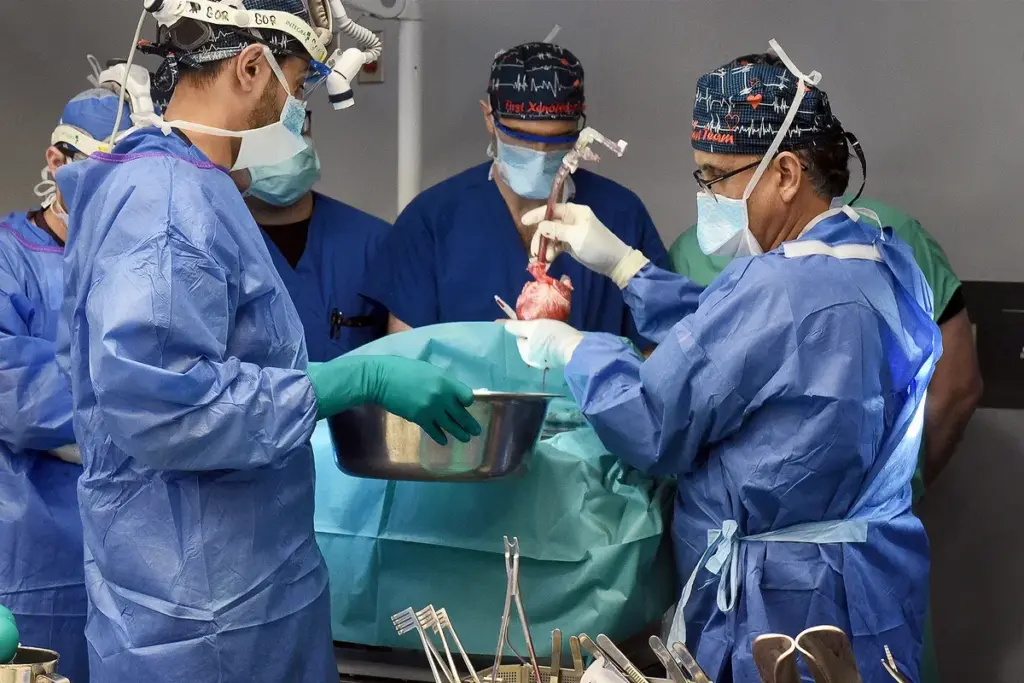
We are leading the way in a new cardiac treatment that’s changing lives globally. Pig valve surgery, also known as porcine valve replacement, is a lifesaving procedure. It replaces a failing heart valve with one made from pig tissue.
Use a piglet heart valve for repair. Learn vital transplant facts and amazing medical outcomes for a brilliant and healthy heart life.
This new method is a great option instead of mechanical heart valve replacements. It gives hope and more years of life to those who need it. Our team uses the latest methods and puts patients first, ensuring the best results. This makes us a top choice for heart valve replacement treatments.
Key Takeaways
- Porcine valve replacement is a life-saving alternative to mechanical heart valves.
- Our hospital’s advanced protocols ensure exceptional patient outcomes.
- Pig valve surgery offers hope and extended life to patients with heart valve diseases.
- Patient-centered care is our top priority in delivering cardiac treatments.
- We are a leader in heart valve replacement therapies.
The Fundamentals of Pig Valve Surgery
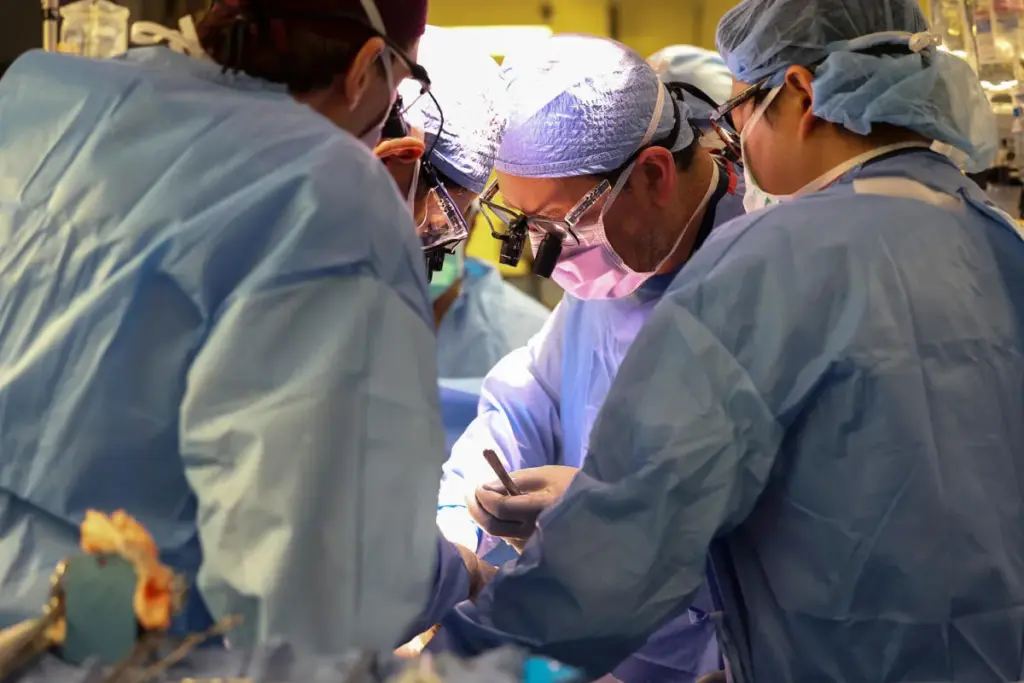
Pig valve surgery is a big step forward in heart surgery. It offers a good option instead of mechanical valves. Pig heart valves are chosen because they match human hearts in size and function.
We will look into what pig valve surgery is and why it’s used. We’ll also see how it has developed over time. This will help us understand why pig valves are a top pick for heart valve replacement.
Definition and Medical Purpose
Pig valve surgery replaces a bad heart valve with one from a pig. This surgery aims to fix heart problems, ease symptoms, and improve life quality for those with heart valve issues.
The pig valve is chosen because it fits well with the human heart. Its shape and how it works are close to human valves, making it a great substitute.
|
Characteristics |
Porcine Valve |
Human Valve |
|---|---|---|
|
Size |
Similar |
Variable |
|
Functionality |
Comparable |
Normal |
|
Durability |
10-15 years on average |
Lifelong |
Historical Development of Porcine Valve Replacement
The idea of using animal tissues for heart valves started many years ago. The first successful pig valve replacement was in the 1960s. This started a new chapter in heart surgery.
“The introduction of porcine valves revolutionized heart valve surgery, providing a more natural and less invasive alternative to mechanical valves.”
—Cardiac Surgeon
Over time, better ways to process and preserve tissues, and new surgery methods, have made pig valve replacement surgeries better.
Now, pig valve surgery is a well-known procedure. Scientists keep working to make pig valves last longer and work better.
Why Pig Hearts: Anatomical Similarities to Human Hearts
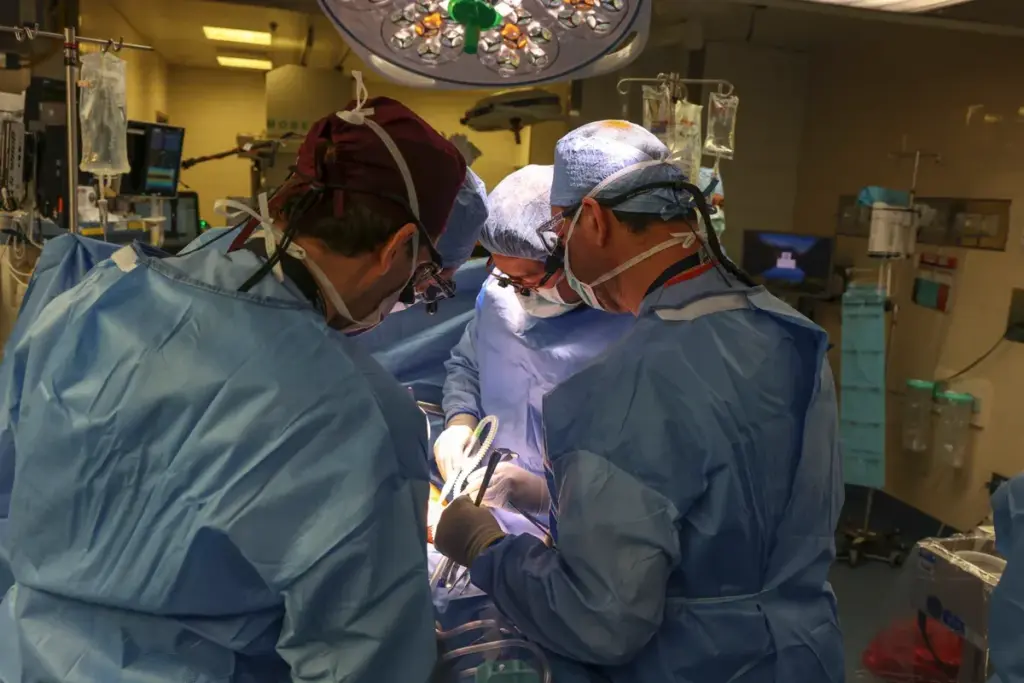
Pig hearts are used in valve replacement surgery because they closely resemble human hearts. This similarity is key to the surgery’s success. It ensures the pig heart valves work well in the human body.
Structural Comparison Between Pig and Human Cardiac Anatomy
The pig heart is very similar to the human heart, mainly in the heart valves. Both have four chambers: left and right atria, and left and right ventricles. The heart valves are vital for blood to flow correctly through the heart.
Key similarities between pig and human heart anatomy include:
- The size and shape of the heart chambers
- The structure and function of the heart valves
- The coronary artery distribution
Size and Functional Compatibility Factors
The size and how well pig heart valves fit human hearts are critical for success. Research shows pig heart valves are close in size to human ones. This makes them a good choice for replacement.
|
Characteristics |
Pig Heart Valves |
Human Heart Valves |
|---|---|---|
|
Size |
Similar to human valves |
Variable, but generally similar to pig valves |
|
Structure |
Three cusps, similar to human valves |
Three cusps, similar to pig valves |
|
Function |
Effective in regulating blood flow |
Effective in regulating blood flow |
The match between pig and human heart valves is a big plus in surgery. It leads to effective and lasting results.
Types of Heart Valves Available for Replacement
There are many types of heart valves for replacement, each with its own benefits. The right valve depends on the patient’s age, lifestyle, and health.
Mechanical Valves: Structure and Function
Mechanical heart valves are made from strong materials like titanium and carbon. They are built to last and are often chosen for younger patients. The main plus of mechanical valves is their long life. But, they need lifelong blood thinner treatment to stop blood clots.
Biological Valves: Options and Sources
Biological heart valves come from animal tissues, like pigs or cows, or from human donors. The big plus of biological valves is they usually don’t need long-term blood thinner treatment. But, they might not last as long and could need to be replaced.
Porcine Valves: Unique Characteristics
Porcine valves come from pigs and are a type of biological valve. They closely match human heart valves, making them a favorite choice. Porcine valves offer natural flow and are less likely to cause blood clots, which means less need for blood thinners.
In summary, the choice between mechanical, biological, and porcine valves depends on the patient’s needs. We help patients choose the best valve for their condition, aiming for the best results.
Medical Conditions Requiring Heart Valve Replacement
Heart valve disease is a serious condition that affects the heart’s valves. It requires surgical treatment, often through heart valve replacement. We will look at the main medical conditions that make this treatment necessary.
Severe Stenosis: Narrowing of Heart Valves
Severe stenosis is when the heart valves narrow, blocking blood flow. This can cause chest pain, shortness of breath, and fatigue. If not treated, it can lead to heart failure.
Treatment Options: For severe stenosis, surgery to replace the valve is often needed. The choice to replace the valve depends on the severity of symptoms and the valve’s condition.
Valve Regurgitation: Leaking Heart Valves
Valve regurgitation happens when the heart valves don’t close right, letting blood leak back. This makes the heart work harder and can lead to heart failure if not treated.
Symptoms and Diagnosis: Symptoms include palpitations, shortness of breath, and fatigue. Doctors usually diagnose it with echocardiography.
Infected Valves: Endocarditis and Treatment
Infective endocarditis is an infection of the heart valves that can damage or destroy them. It needs quick treatment, often with antibiotics and sometimes surgery.
|
Condition |
Symptoms |
Treatment |
|---|---|---|
|
Severe Stenosis |
Chest pain, shortness of breath, fatigue |
Surgical valve replacement |
|
Valve Regurgitation |
Palpitations, shortness of breath, fatigue |
Surgical valve replacement or repair |
|
Infective Endocarditis |
Fever, chills, heart murmur |
Antibiotics, possible surgical intervention |
The Piglet Heart: From Farm to Operating Room
The journey of a piglet heart from farm to operating room is strictly controlled and carefully managed. This ensures the heart valves are top quality and safe for human patients. These valves are used in heart valve replacement surgery.
Harvesting and Selection Process
The journey starts with harvesting piglet hearts from farms that follow strict animal welfare standards. We work with these farms to ensure the animals are healthy. The hearts are then taken to our facilities under controlled conditions.
At our facilities, the hearts go through a detailed selection process. This checks for any disease or damage that could affect the valve quality. Only hearts that meet our high standards are chosen for further processing.
Key factors in the selection process include:
- The overall health of the animal
- The condition of the heart tissue
- The presence of any anatomical abnormalities
Tissue Processing and Preservation
After selection, the hearts undergo a cleaning, disinfecting, and preserving process. This is key to removing contaminants and ensuring the valve’s longevity.
We use advanced techniques to keep the valve tissue intact and functional. Special solutions are used to prevent tissue deterioration and calcification.
“The preservation process is critical for the valve’s durability and performance,” saysa cardiac surgery expert.
Quality Control Measures
We have strict quality control measures at every stage. This includes audits of suppliers, tissue testing, and final product inspections. These steps ensure the highest quality of our product.
Our quality control team works with surgical teams to meet each patient’s needs. This ensures the valves are not only high quality but also suitable for the surgery.
The quality control process involves:
- Supplier audits to ensure compliance with our standards
- Tissue testing for disease and contaminants
- Final product inspection before release for surgical use
By maintaining high standards, we ensure the piglet heart valves are of the highest quality. This improves the outcomes of heart valve replacement surgeries.
Surgical Approaches for Pig Valve Replacement
Surgeons use different methods for pig valve replacement, based on each patient’s needs. The surgical approach chosen can greatly affect the outcome and recovery time.
Traditional Open-Heart Surgery Technique
Traditional open-heart surgery requires a big chest incision to reach the heart. This method lets surgeons see and work on the heart valves directly. But, it means a longer recovery because of the big cut.
“Open-heart surgery has been the main way to replace heart valves for years,” saysa top cardiothoracic surgeon. “It gives a clear view, making precise valve replacement possible.”
Minimally Invasive Surgical Options
Minimally invasive surgery uses smaller cuts and special tools to see the heart. This method can lead to quicker recovery and less scarring. But, it might not work for everyone, depending on their health and body shape.
- Smaller cuts mean less damage and trauma.
- Lower risk of infection and problems.
- Shorter hospital stays and faster return to daily life.
Recovery Differences Between Approaches
The recovery time is very different between open-heart surgery and minimally invasive surgery. Patients with minimally invasive surgery usually feel less pain and heal faster. Open-heart surgery, on the other hand, needs a longer hospital stay and more recovery time.
Key differences in recovery include:
|
Recovery Aspect |
Traditional Open-Heart Surgery |
Minimally Invasive Surgery |
|---|---|---|
|
Hospital Stay |
Typically 7-10 days |
Often 3-5 days |
|
Pain and Discomfort |
More significant due to larger incision |
Less due to smaller incisions |
|
Return to Normal Activities |
Several weeks to months |
A few weeks |
In conclusion, choosing between open-heart surgery and minimally invasive surgery for pig valve replacement depends on many factors. These include the patient’s health, the valve being replaced, and the surgeon’s skills. We work with patients to find the best surgical method for their needs.
Durability and Longevity Expectations
Knowing how long pig valve replacements last is key for those thinking about this surgery. How long porcine valves last affects your life quality and future medical needs.
Average Lifespan of Porcine Valves
Porcine valves usually last 10 to 15 years. But, this can change based on several things. Your age, lifestyle, and health can all play a part. Getting regular check-ups and taking good care of yourself can help your valve last longer.
Age-Related Durability Factors
Age also affects how long pig valves last. Younger people might need valves that last longer because they live longer. Older people might not worry as much about long-term durability. Talking to your doctor about your situation can help you understand how long your valve might last.
Things like your lifestyle, medical history, and other health issues also matter. For example, smoking or diabetes can shorten valve life. Living a healthy life and managing health problems can help your valve last longer.
Survival Rates and Statistical Outcomes
Survival rates after pig valve replacement surgery depend on several factors, like where the valve is placed. Knowing these stats is key for both patients and doctors to make smart choices.
Aortic Position: 66% at Ten Years
For those with pig valves in the aortic position, studies show a 66% survival rate at ten years. This is important because it shows how well porcine valves last in this spot.
Key statistics for aortic position survival include:
- 66% survival rate at 10 years
- Lower risk of valve-related complications
- Improved quality of life post-surgery
Mitral Position Survival Statistics
For pig valves in the mitral position, survival rates are good but can change based on many factors. Generally, survival rates for mitral valve replacement are a bit lower than for the aortic position.
Factors influencing mitral position survival rates include:
- Patient’s pre-existing heart conditions
- Surgical approach and technique
- Post-operative care and management
Comparison with Mechanical Valve Outcomes
It’s important to compare pig valve survival rates to mechanical valves. Mechanical valves are very durable but carry a higher risk of blood clots and need lifelong blood thinners.
Survival rate comparisons:
|
Valve Type |
5-Year Survival |
10-Year Survival |
|---|---|---|
|
Pig Valve |
80% |
66% |
|
Mechanical Valve |
85% |
70% |
Choosing between pig valves and mechanical valves depends on many things. Our team helps patients pick the best valve based on their needs and health.
Benefits of Choosing Porcine Valves
Porcine valves in cardiac surgery have many advantages. They are a popular choice for heart valve replacement. This is because they are compatible and perform well.
Reduced Need for Blood Thinners
Porcine valves need less blood thinner than mechanical valves. This is a big plus. It lowers the risk of bleeding and makes life easier for patients.
Natural Hemodynamic Performance
Porcine valves work like the heart’s natural valves. They help blood flow smoothly. This reduces the chance of problems seen with mechanical valves.
Quality of Life Considerations
Choosing porcine valves can greatly improve a patient’s life. They need less medicine and blood flows naturally. This means patients can get back to their daily activities faster.
|
Benefits |
Porcine Valves |
Mechanical Valves |
|---|---|---|
|
Need for Blood Thinners |
Reduced |
Lifelong |
|
Hemodynamic Performance |
Natural |
Turbulent |
|
Quality of Life |
Improved |
Restricted |
We think porcine valves are a great choice for many. They offer clear benefits. Knowing these can help patients and doctors make the best decision.
Potential Risks and Complications
Pig valve surgery, like any big surgery, has risks and possible problems. Knowing these risks helps us make better choices.
Surgical Risks and Immediate Complications
There are risks like bleeding, infection, and bad reactions to anesthesia with pig valve surgery. These issues aren’t just for pig valve surgery but happen in many surgeries. Thanks to careful watching and new surgical methods, these problems are less common now.
Long-term Valve Deterioration
Another big worry is the pig valve wearing out over time. This could lead to problems like stenosis or regurgitation. Regular check-ups with a heart doctor are key to keeping an eye on the valve and fixing any problems fast.
Need for Reoperation
Because the valve might not last forever, a second surgery might be needed. Whether or not you’ll need another surgery depends on your health and the valve’s state after the first surgery. Knowing this helps set realistic expectations.
Patient Selection: Who Should Consider Pig Valve Surgery
Choosing the right patients for pig valve surgery is key to success. We look at many factors to make sure the procedure is a good fit.
Age-Based Recommendations
Age is a big factor in deciding if someone is right for pig valve surgery. Older patients are often better candidates because they don’t need to worry about the valve wearing out as much. Patients over 65 years are usually the best fit because their life span matches the valve’s durability.
Lifestyle and Activity Level Considerations
A person’s lifestyle and how active they are also matter a lot. People who are very active might do well with a porcine valve. But, they might have to cut back on very hard activities after surgery. We check how active a patient is and what their future plans are to pick the right valve for them.
Medical Contraindications
Some health issues make pig valve surgery not a good idea. For example, severe kidney disease or a high risk of calcium buildup are big no-nos. We do detailed checks to find out if there are any reasons why someone shouldn’t have the surgery. If there are, we talk about other options.
By carefully looking at these factors, we can find the best candidates for pig valve surgery. This way, we can help them live better and healthier lives.
Recovery and Life After Pig Valve Surgery
The journey to recovery after pig valve surgery is complex. It involves a hospital stay, long-term monitoring, and big lifestyle changes. Understanding each stage is key for a smooth recovery.
Hospital Stay and Immediate Recovery
The first part of recovery happens in the hospital. Here, doctors watch for any quick problems after surgery. Most people stay 7 to 10 days to check their health, manage pain, and watch for infections or bleeding.
When you go home, you’ll get advice on self-care. This includes wound care, taking medicine, and knowing when to call a doctor. Following these steps is vital for a good recovery.
Long-term Monitoring Requirements
Keeping an eye on your health long-term is important after surgery. You’ll see your cardiologist often to check the valve and your heart. These visits might include tests like echocardiograms to make sure everything is working right.
You might also need blood tests to check how your body is doing with medication. This helps catch any problems early.
Lifestyle Adjustments and Restrictions
Living a healthy lifestyle is important after surgery. This means eating well, exercising, and not smoking. While everyone’s situation is different, most people can get back to their usual activities over time.
It’s also important to know that surgery comes with risks. Talking to your doctor about these can help you understand what to expect.
Leading Hospitals and Multidisciplinary Care Approaches
Top hospitals with advanced care are leading in pig valve surgery. They focus on a care model that meets each patient’s needs.
Advanced Protocols in Action
Their team works together to give patients the best care, from start to finish. For more on pig valve replacement, visit.
Their protocols include:
- Comprehensive pre-operative assessment
- Personalized surgical planning
- State-of-the-art operating facilities
- Multidisciplinary post-operative care
Patient-Centered Care Models
Key aspects of patient-centered care include:
- Clear communication and education
- Emotional support and counseling
- Personalized rehabilitation programs
- Continuous monitoring and follow-up
International Standards and Innovations
We use the latest research and technologies in our care. This ensures our patients get the best treatment.
|
Innovation |
Description |
Benefit |
|---|---|---|
|
Tissue Engineering |
Advanced techniques for valve preservation |
Improved durability and function |
|
Anti-Calcification Treatments |
Methods to prevent valve calcification |
Enhanced longevity of the valve |
|
Minimally Invasive Surgery |
Less invasive surgical approaches |
Reduced recovery time and scarring |
Alternatives to Porcine Valve Replacement
Porcine valves are not the only choice for heart valve replacement. Many alternatives exist, each with its own benefits and drawbacks. It’s important to explore all options to find the best fit for each patient.
Mechanical Valve Options
Mechanical heart valves are a durable option, made from materials like titanium or pyrolytic carbon. They are designed to last long and handle the heart’s pumping action well. But, they need lifelong anticoagulation therapy to prevent blood clots.
Advantages of Mechanical Valves:
- Durable and long-lasting
- Less likely to deteriorate over time
- Suitable for younger patients
Disadvantages:
- Requires lifelong anticoagulation therapy
- Increased risk of bleeding complications
Other Biological Valve Sources
Other biological valve sources include bovine pericardial valves and human donor valves. Bovine pericardial valves are made from cow heart tissue and are known for their durability. Human donor valves, though less common, offer another biological option.
|
Biological Valve Source |
Characteristics |
Durability |
|---|---|---|
|
Porcine Valves |
Made from pig heart tissue |
Average lifespan: 10-15 years |
|
Bovine Pericardial Valves |
Made from cow heart tissue |
Known for durability and performance |
|
Human Donor Valves |
Made from human donor heart tissue |
Limited availability |
Valve Repair Techniques
Valve repair is a viable option for some patients. It involves fixing the damaged or diseased valve instead of replacing it. This method can be less invasive and lead to quicker recovery times for certain types of valve disease.
Benefits of Valve Repair:
- Less invasive than replacement surgery
- Potential for quicker recovery
- Preserves the patient’s native valve tissue
In conclusion, while porcine valve replacement is common, other options exist. Mechanical valves, other biological sources, and valve repair each have their own benefits. Patients should discuss these alternatives with their healthcare provider to find the best treatment for their needs.
Future Innovations in Pig Valve Technology
Pig valve technology is changing heart valve surgery. New research and tech are making pig valve replacements better and last longer.
Tissue Engineering Advancements
Tissue engineering is a fast-growing field. It combines cells, materials, and molecules to create heart valves that can grow and repair themselves. This could make valve replacements more durable and better for the body.
Key benefits of tissue engineering in pig valve technology include:
- Enhanced biocompatibility
- Potential for growth and self-repair
- Reduced risk of calcification and other complications
Anti-Calcification Treatments
Calcification harms bioprosthetic heart valves. Researchers are working on treatments to stop this. These treatments aim to keep calcium from building up on the valve, making it last longer.
|
Treatment Type |
Description |
Potential Benefits |
|---|---|---|
|
Chemical Treatment |
Application of chemicals to reduce calcification |
Reduced calcification, extended valve lifespan |
|
Biological Treatment |
Use of biological agents to inhibit calcification |
Improved biocompatibility, reduced complications |
Extended Durability Research
Researchers are trying to make pig valve replacements last longer. They’re working on better designs, materials, and making processes. This is to make valves that work better and last longer in the human heart.
Future advancements in pig valve technology will come from tissue engineering, anti-calcification treatments, and durability research. These advancements promise better outcomes and a better life for those getting heart valve surgery.
Conclusion: Making Informed Decisions About Pig Valve Surgery
Pig valve surgery is a good option for those needing a heart valve replacement. It’s important to know the basics, benefits, and risks of porcine valves. This knowledge helps people make smart choices about their treatment.
Choosing pig valve surgery can mean less need for blood thinners and better heart function. As research gets better, we’ll see new improvements in pig valve technology. This will make the valves last longer and work better for patients.
To make a good choice about pig valve surgery, you need to understand your options well. It’s also key to work closely with your healthcare team. We suggest talking openly with your doctors to find the best treatment for you.
FAQ
What is pig valve surgery?
Pig valve surgery is a procedure where a damaged heart valve is replaced. This is done with a valve made from pig tissue.
Why are pig hearts used for valve replacement?
Pig hearts are used because they are similar to human hearts. This makes them a good choice for transplantation.
What are the benefits of choosing porcine valves for heart valve replacement?
Choosing porcine valves means less need for blood thinners. They also work naturally and improve life quality.
What are the possible risks and complications with pig valve replacement?
Risks include surgical complications and valve wear over time. Sometimes, another surgery is needed.
How long do porcine valves typically last?
Porcine valves usually last 10 to 15 years. Their durability depends on age, lifestyle, and health.
What are the survival rates for pig valve replacement?
Survival rates vary by valve position. Aortic valves have a 66% survival rate at ten years.
Who is a suitable candidate for pig valve surgery?
Candidates are chosen based on age, lifestyle, and health. Activity level and medical conditions also matter.
What is the recovery process like after pig valve surgery?
Recovery includes a hospital stay and long-term monitoring. Lifestyle changes are also needed for the best recovery.
Are there alternative options to porcine valve replacement?
Yes, alternatives include mechanical valves and other biological sources. Valve repair is also an option.
What advancements are being made in pig valve technology?
Advances include tissue engineering and treatments to prevent valve calcification. Research aims to make valves last longer and work better.
What is the harvesting and selection process for piglet hearts?
Hearts are carefully selected and evaluated. This ensures the best quality valves for transplant.
How do porcine valves compare to mechanical valves?
Porcine valves offer natural performance and less need for blood thinners. But, they may not last as long as mechanical valves.
Can pig valve surgery be performed using minimally invasive techniques?
Yes, minimally invasive surgery is an option. It reduces recovery time and trauma to the patient.
Reference
National Center for Biotechnology Information. Evidence-Based Medical Insight. Retrieved from https://pubmed.ncbi.nlm.nih.gov/22877802/



 Departments
 Related Videos
 Our Doctors
 News
News