
Getting a diagnosis of malignant pleural mesothelioma can feel overwhelming. A pleurectomy is a surgery that removes part or all of the pleura. This thin layer of tissue surrounds the lungs. It’s a lung-sparing option that can help patients live longer and have fewer complications.
The pleura is key for breathing. When it’s affected, it can really hurt a patient’s quality of life. By taking out the affected pleura, a pleurectomy tries to ease symptoms. It also aims to improve quality of life for patients with malignant pleural mesothelioma.
Key Takeaways
- A pleurectomy is a surgical procedure that removes part or all of the pleura.
- It is often considered for patients with malignant pleural mesothelioma.
- This lung-sparing surgery can improve survival rates and reduce complications.
- Pleurectomy aims to alleviate symptoms and improve patient outcomes.
- International medical centers are setting new standards in care for patients undergoing pleurectomy.
Understanding the Pleura: Anatomy and Function
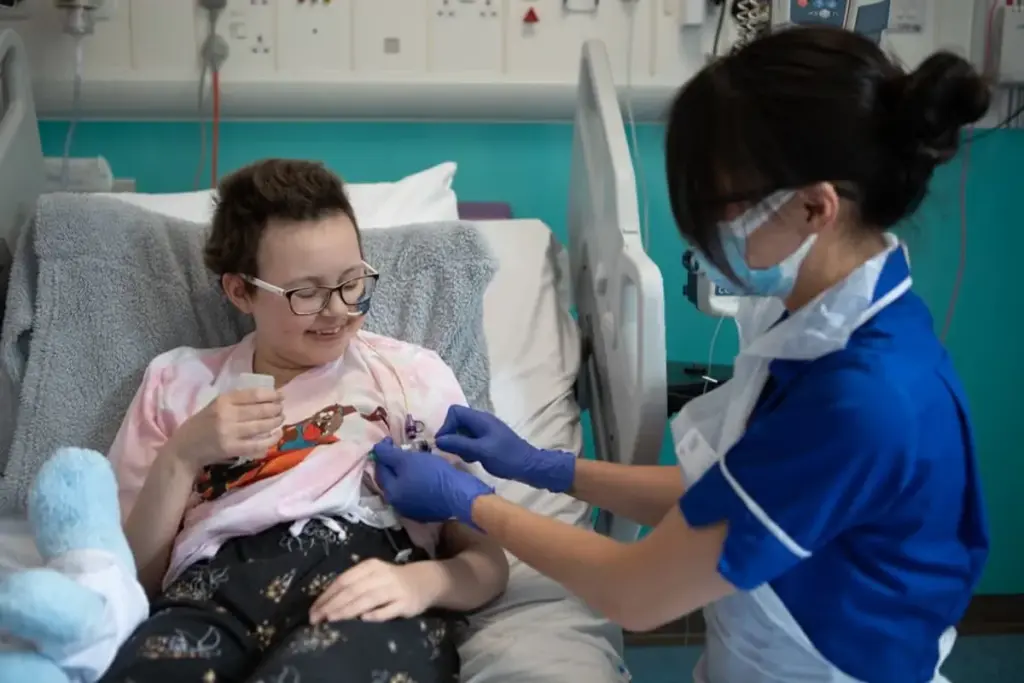
To understand pleurectomy, we must first know about the pleura. The pleura is a thin, double-layered membrane. It surrounds the lungs and lines the chest cavity. It plays a key role in how we breathe.
Structure of the Pleural Membrane
The pleura has two layers: the visceral pleura and the parietal pleura. The visceral pleura sticks to the lungs. The parietal pleura lines the chest cavity. Between them is the pleural space with a small amount of fluid. This fluid helps the lungs move smoothly.
Physiological Role of the Pleura in Respiratory Function
The pleura helps the lungs move smoothly in the chest. The fluid in the pleural space acts as a lubricant. It lets the pleura glide smoothly during breathing. It also helps keep the pressure in the pleural space negative. This is key for the lungs to expand and contract.
|
Function |
Description |
|---|---|
|
Lubrication |
Pleural fluid reduces friction between the lungs and chest wall. |
|
Negative Pressure Maintenance |
The pleura helps maintain negative pressure for lung expansion. |
|
Respiratory Facilitation |
Facilitates smooth movement of the lungs within the thoracic cavity. |
Common Pleural Conditions
Several conditions can affect the pleura. Pleural effusion is when too much fluid builds up. This can cause breathing problems. Pleural decortication is a surgery to remove a thick layer that forms around the lung. It helps the lung expand better.
Pneumothorax is when air gets into the pleural space. This can cause the lung to collapse. Surgical puncturing of the pleura is a serious issue that can lead to pneumothorax.
Knowing about these conditions helps us see why pleurectomy is needed. It removes diseased parts of the pleura. This can help patients feel better and live better lives.
Pleurectomy: Definition and Medical Purpose
Pleurectomy is a surgery that removes part or all of the pleura. This membrane surrounds the lungs. It’s a key treatment for many pleural conditions.
Medical Definition and Scope
Pleurectomy is a surgery that removes the pleura. It can be partial or total, based on the disease. It’s used for conditions like cancer in the pleura, repeated lung collapses, and fluid buildup in the pleura.
This surgery is more than just removing the pleura. It’s about carefully checking the patient’s health and the disease’s extent. We look at the patient’s overall health, how much of the pleura is affected, and any other health issues.
Historical Development of the Procedure
Pleurectomy has changed a lot over time. It was first used for infections and tuberculosis complications. Now, it’s used for many conditions, including cancer.
Big steps in anesthesia, tools, and care have made pleurectomy safer and more effective. These changes have helped improve the surgery.
Primary Indications for Pleurectomy
Pleurectomy is mainly for cancer in the pleura, repeated lung collapses, and fluid buildup in the pleura. These conditions can cause breathing problems.
- Malignant pleural mesothelioma
- Recurrent pneumothorax
- Chronic pleural effusions
Understanding why pleurectomy is needed helps us see its importance. It’s a careful decision based on the patient’s situation and what’s best for them.
Types of Pleurectomy Procedures
Pleurectomy is a surgery that treats different pleural conditions. There are many types of pleurectomy surgeries. Each one is suited for specific needs and offers unique benefits.
Partial Pleurectomy
Partial pleurectomy removes part of the pleura. It’s used to treat symptoms like pleural effusions or pleural thickening. This surgery can reduce pain and improve breathing. It’s often chosen for patients with localized pleural issues.
Complete Pleurectomy
Complete pleurectomy removes the whole pleura. It’s for patients with widespread pleural diseases, like malignant pleural mesothelioma. This surgery aims to remove diseased pleura, improving life quality and sometimes survival time. For more details, check out studies at.
Pleurectomy/Decortication (P/D)
Pleurectomy/Decortication removes the pleura and a fibrotic layer on the lung. It’s great for patients with diseases that make it hard for the lung to expand. By removing both, P/D can greatly improve lung function and patient outcomes. The choice of P/D depends on the disease extent and patient health.
In conclusion, choosing a pleurectomy procedure depends on several factors. These include the disease type, patient health, and the surgery’s benefits and risks. We help patients pick the best surgery for their condition.
Medical Conditions Requiring Pleurectomy
Pleurectomy is a key surgery for many pleural diseases. It’s needed for different medical conditions, each with its own challenges and treatments.
Malignant Pleural Mesothelioma
Malignant pleural mesothelioma is a rare and aggressive cancer. It affects the pleura, the lining around the lungs. It’s mainly linked to asbestos. Pleurectomy/decortication (P/D) is used to treat it, aiming to remove the tumor and ease symptoms.
Recurrent Pneumothorax
Recurrent pneumothorax, or collapsed lung, is a serious condition. It often needs surgery. Pleurectomy is used for those with repeated episodes. It removes the diseased pleura and helps the lung stick to the chest wall.
Chronic Pleural Effusions
Chronic pleural effusions are fluid buildup in the pleural space. This causes breathing problems and other issues. Pleurectomy is a good treatment for managing these effusions, mainly in patients with cancer.
Other Pleural Pathologies
Other conditions needing pleurectomy include pleural fibrosis, infections, and rare tumors. The choice to do pleurectomy depends on the patient’s health and the surgery’s benefits.
|
Condition |
Description |
Treatment Considerations |
|---|---|---|
|
Malignant Pleural Mesothelioma |
Rare, aggressive cancer associated with asbestos exposure |
Pleurectomy as part of multimodal treatment |
|
Recurrent Pneumothorax |
Repeated episodes of lung collapse |
Pleurectomy to prevent future occurrences |
|
Chronic Pleural Effusions |
Fluid accumulation in the pleural space |
Pleurectomy for managing recurrent or refractory effusions |
Patient Selection and Candidacy for Pleurectomy
Choosing the right patients for pleurectomy is complex. We look at many factors to see if a patient is a good fit for this surgery.
Evaluation Criteria
We check a patient’s health, the extent of pleural disease, and if they can handle surgery. We also look at their medical history, including past surgeries or treatments for pleural conditions.
Key evaluation factors include:
- Cardiac function and overall cardiovascular health
- Pulmonary function, including lung capacity and respiratory efficiency
- The extent and nature of pleural disease, including tumor burden if applicable
- Presence of any comorbidities that could impact surgical risk or recovery
Contraindications
Some conditions make pleurectomy risky or not recommended. We check for these to make sure surgery is safe and beneficial.
Common contraindications include:
- Severe cardiac disease or significant cardiovascular instability
- Poor pulmonary function that would preclude safe surgery
- Widespread or distant metastasis in cases of malignant disease
- Significant comorbidities that would impair recovery or increase surgical risk
Risk Assessment Factors
Assessing risks is key in choosing patients for pleurectomy. We look at various factors to understand the risks for each patient.
|
Risk Factor |
Description |
Impact on Surgery |
|---|---|---|
|
Age |
Advanced age may increase surgical risk |
May require more intensive perioperative care |
|
Comorbidities |
Presence of other health conditions |
Can complicate surgery and recovery |
|
Pulmonary Function |
Lung capacity and respiratory efficiency |
Affects ability to tolerate surgery and recover |
Age and Health Considerations
Age and health are big factors in deciding if someone can have pleurectomy. While age isn’t a direct no, older people might need more careful checks.
We look at the patient’s health, including age-related issues, to see if they’re right for pleurectomy. This detailed check helps us give personalized care and advice.
Diagnostic Process Before Pleurectomy
Before a pleurectomy, a detailed check-up is done. This is key to knowing the patient’s health and the specifics of their condition. It helps decide the best surgery and care after.
Imaging Studies
Imaging tests are very important. They give us clear pictures of the pleura and nearby areas. We use:
- Chest X-ray: First look at the chest area.
- Computed Tomography (CT) Scan: Shows detailed pictures of the chest, showing how much of the pleura is affected.
- Magnetic Resonance Imaging (MRI): Helps see how far tumors have spread.
- Positron Emission Tomography (PET) Scan: Finds active tumors.
These tests help us see how bad the pleural problem is. This is key for planning surgery.
Biopsy Procedures
Biopsies are vital for a clear diagnosis. We use different methods based on where and what the problem is:
|
Biopsy Method |
Description |
Advantages |
|---|---|---|
|
Needle Biopsy |
Uses a needle to take a tissue sample. |
Less risk, quick recovery. |
|
Surgical Biopsy |
Takes a larger tissue sample surgically. |
Gets more detailed samples. |
|
Thoracoscopic Biopsy |
Uses a small camera to see and take samples. |
Accurate and direct. |
Biopsy results are key for confirming the diagnosis and planning treatment, like pleurectomy.
Pulmonary Function Testing
Pulmonary function tests (PFTs) check lung health before surgery. They include:
- Forced Vital Capacity (FVC): Measures air exhaled forcefully.
- Forced Expiratory Volume in 1 second (FEV1): Checks air exhaled in one second.
- Diffusing Capacity of the Lung for Carbon Monoxide (DLCO): Tests gas transfer in the lungs.
PFTs help us see how well lungs can handle surgery and recovery.
A top thoracic surgeon says, “A detailed check-up before surgery is key. It lets us tailor care to each patient.”
“The diagnostic process is not just about confirming the diagnosis; it’s about understanding the patient’s condition in its entirety, which guides our surgical strategy and improves outcomes.”
Preparing for Pleurectomy Surgery
Getting ready for pleurectomy surgery is a big step. It’s important to know what to do to make your recovery better. Understanding the steps before surgery helps make the process smoother.
Comprehensive Medical Evaluation
A detailed medical check-up is key before surgery. We look at your health history, current condition, and past treatments. We also do tests like imaging and lung function tests to check your health and find any risks.
We check your heart health too. Pleurectomy surgery can be hard on the heart. Our team helps you get ready for surgery by managing health conditions like diabetes or high blood pressure.
Preoperative Instructions
Following pre-surgery instructions is very important. We give you clear guidelines for the day of your surgery. This includes:
- Medications to avoid or continue before surgery
- Dietary restrictions, like fasting
- How to stay clean to avoid infections
It’s important to follow these instructions carefully. This helps avoid complications and ensures the best results.
Mental and Physical Preparation
Getting mentally and physically ready is just as important as the medical check-up. We suggest relaxation techniques like deep breathing or meditation to manage stress. Eating well and staying active also helps with recovery.
Our team is here to support you. We guide you on what to expect and how to prepare for surgery and recovery.
Insurance and Financial Considerations
It’s important to understand your insurance and the costs of surgery. We suggest you talk to your insurance company about what they cover and any costs you might have to pay.
Our financial counselor can help with any questions about costs and insurance. They make sure you understand your financial situation.
The Pleurectomy Surgical Procedure in Detail
Understanding the pleurectomy surgical procedure is key for both patients and doctors. This detailed operation needs precision and care. It aims to treat different pleural conditions well.
Anesthesia and Patient Positioning
The surgery starts with general anesthesia to keep the patient comfortable and safe. Patient positioning is critical. They are usually placed on their side to access the pleural cavity better.
Surgical Approaches and Techniques
There are a few ways to do a pleurectomy, like thoracotomy and video-assisted thoracic surgery (VATS). The choice depends on the patient’s health and the surgeon’s choice. Thoracotomy uses a bigger cut for direct access. VATS is less invasive, using small cuts and a camera.
Step-by-Step Procedure Overview
The pleurectomy procedure has several important steps:
- Incision and access to the pleural cavity
- Removing the pleura, which can be partial or complete
- Decortication, if needed, to remove fibrous tissue or tumors
- Closing the incision and starting recovery
For more detailed information on pleurectomy, visit.
|
Surgical Approach |
Description |
Advantages |
|---|---|---|
|
Thoracotomy |
Open surgery with a larger incision |
Direct access, better visualization |
|
VATS |
Minimally invasive with smaller incisions |
Less trauma, quicker recovery |
Recovery After Pleurectomy
The recovery after pleurectomy involves several important steps. Healthcare providers watch these closely to help patients get better. This process is complex but essential for the best results.
Hospital Stay Duration
The time spent in the hospital after pleurectomy varies. It depends on the patient’s health and the surgery’s complexity. Usually, patients stay for a few days to a week or more.
- Monitoring for immediate post-surgical complications
- Management of pain and discomfort
- Initiation of respiratory therapy
Pain Management Protocols
Managing pain after pleurectomy is key. We use a mix of medicines and other methods to help with pain.
- Use of epidural anesthesia or patient-controlled analgesia (PCA)
- Administration of oral pain medications as the patient recovers
- Alternative methods such as nerve blocks or acupuncture
Respiratory Therapy and Rehabilitation
Respiratory therapy is vital in recovery. Our team creates a personalized plan for each patient.
“Early mobilization and respiratory therapy are critical in preventing complications and improving outcomes after pleurectomy.”Thoracic Surgeon
- Breathing exercises to improve lung function
- Physical therapy to maintain mobility and strength
- Education on managing respiratory symptoms at home
Long-term Recovery Timeline
The recovery after pleurectomy can take weeks to months. We offer ongoing support to watch for late complications and address concerns.
Key aspects of long-term recovery include:
- Follow-up appointments to monitor healing
- Gradual return to normal activities
- Ongoing respiratory therapy as needed
Potential Complications and Risks of Pleurectomy
Pleurectomy is a vital surgery but comes with risks. It’s important to know these risks and how to manage them. This helps patients understand what to expect.
Respiratory Complications
Respiratory issues are a big risk with pleurectomy. These can include respiratory failure, pneumonia, and air leaks. Respiratory failure is very serious and may need long-term ventilation. We do everything we can to prevent these problems, including careful checks before and after surgery.
Bleeding Complications
Bleeding is another risk, though less common. It can range from small bleeding to serious hemorrhage needing blood transfusions. Close monitoring during and after surgery helps catch and manage bleeding quickly.
Infection Risks
Infection is a possible complication after pleurectomy. This can include infections at the surgical site, empyema, or other infections. We use strict infection control, like antibiotics and careful wound care, to lower these risks.
Long-term Side Effects and Management
Long-term side effects of pleurectomy can include chronic pain and reduced lung function. Managing these side effects is key to keeping patients’ quality of life good. We work with patients to create a care plan that addresses these long-term issues.
Knowing the risks of pleurectomy helps patients make better choices about their care. Our team is dedicated to providing top care to reduce these risks and ensure the best results.
Outcomes and Survival Rates
Pleurectomy’s success is seen in median survival rates and patient quality of life after the procedure. We’ll look at these to see how well pleurectomy works for different pleural conditions.
Median Survival Rates
Research shows that patients who get pleurectomy live from 10 to 25 months on average. This time can change based on the disease, its stage, and the patient’s health.
Survival rates differ a lot depending on the disease and how much surgery is needed. For example, people with cancer in the pleura might live longer than those with repeated lung collapses.
30-Day Mortality Rates
The 30-day death rate is key to knowing if pleurectomy is safe and works well. Rates are between 0 and 6.8%. This shows how important it is to choose the right patients and check them well before surgery.
Things like the patient’s health before surgery, how complex the surgery is, and any problems after surgery affect the 30-day death rate.
Quality of Life Considerations
Looking at quality of life after pleurectomy is vital. Survival rates tell part of the story, but how well a patient feels and functions is just as important.
Studies show that breathing therapy and rehab can really help patients after pleurectomy. These help patients get better and do things they love again.
Factors Affecting Prognosis
Many things can change how well a patient does after pleurectomy. These include the type of disease, how far it has spread, and the patient’s health and how well they can do things.
Also, the surgery method and how much is removed can affect results. A team effort from doctors, nurses, and other healthcare workers is key to the best care.
Multidisciplinary Approach to Pleurectomy Care
Managing pleurectomy requires teamwork from many healthcare experts. This team effort ensures patients get all-around care. It covers surgery and the patient’s overall health.
The Surgical Team
The surgical team is key to pleurectomy success. Experienced thoracic surgeons lead, working with anesthesiologists, nurses, and others. Their skill is vital for managing risks and care after surgery.
Oncology Coordination
For those with cancer, oncology coordination is vital. Our team works with oncologists to plan treatments like chemotherapy or radiation. This ensures care is smooth from start to finish.
Respiratory Therapy Integration
Respiratory therapy is essential in pleurectomy care. Respiratory therapists help patients recover by improving lung function. Therapy starts before surgery and continues after, helping patients manage their condition.
Palliative Care Considerations
Palliative care is a big part of our approach. It focuses on easing symptoms and stress of serious illness. Our team works with specialists to support patients with pain, nutrition, and emotional care.
Our multidisciplinary care improves pleurectomy outcomes and quality of life. It’s all about giving patients the best care possible.
Pleurectomy vs. Alternative Surgical Approaches
Pleurectomy is a surgical option that’s gaining attention. But how does it stack up against other methods? It’s important to weigh the pros and cons of each surgery for treating pleural diseases.
Comparison with Extrapleural Pneumonectomy
Extrapleural pneumonectomy (EPP) is a bigger surgery. It removes the pleura, lung, and parts of the diaphragm and pericardium. Pleurectomy, on the other hand, keeps the lung intact. A study on shows the choice between these surgeries depends on the patient’s health and disease extent.
|
Surgical Procedure |
Description |
Indications |
|---|---|---|
|
Pleurectomy |
Removal of the pleura, preserving the lung |
Malignant pleural mesothelioma, recurrent pneumothorax |
|
Extrapleural Pneumonectomy (EPP) |
Removal of the pleura, lung, and parts of the diaphragm and pericardium |
Advanced malignant pleural mesothelioma |
Less Invasive Alternatives
Less invasive options include thoracoscopic pleural biopsy and drainage. These are good for patients who can’t handle more invasive surgeries due to health issues.
When Pleurectomy is the Preferred Option
Pleurectomy is often chosen to save lung function while treating pleural issues. It’s great for patients with early-stage malignant pleural mesothelioma.
Emerging Treatment Modalities
New treatments include intraoperative heated chemotherapy and advanced radiation. These are being looked into to better outcomes for pleurectomy patients.
As thoracic surgery advances, pleurectomy and its alternatives will evolve. This will give patients more personalized treatment options.
Conclusion
Pleurectomy is a key surgery for treating diseases like malignant pleural mesothelioma. It needs a team effort from surgical oncology and thoracic surgery experts.
This surgery is vital for lung cancer treatment and managing other pleural diseases. Its success relies on choosing the right patients, doing thorough checks before surgery, and skilled surgery.
Understanding the pleura’s anatomy and function is key to doing pleurectomy well. By combining surgical skills with oncology, respiratory therapy, and palliative care, doctors can give patients the best support.
In the end, pleurectomy is a major treatment for certain pleural conditions. It can improve patients’ lives and outcomes. As medical tech and surgery methods get better, pleurectomy’s importance in thoracic surgery will likely grow.
FAQ
What is a pleurectomy?
A pleurectomy is a surgery that removes part or all of the pleura. This thin membrane surrounds the lungs. It’s done to treat diseases like malignant pleural mesothelioma.
What is the pleura, and what is its function?
The pleura is a thin membrane around the lungs and the chest cavity. It helps the lungs expand and contract smoothly. This reduces friction during breathing.
Why is pleurectomy performed?
Pleurectomy treats conditions like malignant pleural mesothelioma. It also helps with recurrent pneumothorax and chronic pleural effusions. The surgery removes diseased or damaged pleural tissue.
What are the different types of pleurectomy procedures?
There are several types of pleurectomy procedures. These include partial pleurectomy, complete pleurectomy, and pleurectomy/decortication (P/D). Each is tailored to the specific condition and extent of the pleural disease.
How is a patient selected for pleurectomy?
Choosing a patient for pleurectomy involves a detailed evaluation. This includes checking overall health, lung function, and the extent of pleural disease. It also considers any contraindications and risk factors.
What diagnostic tests are required before undergoing pleurectomy?
Before pleurectomy, several tests are needed. These include CT scans, biopsy procedures, and pulmonary function testing. These tests confirm the diagnosis and assess lung capacity.
How should I prepare for pleurectomy surgery?
Preparing for pleurectomy surgery is key. It involves a medical evaluation, following preoperative instructions, and mental and physical preparation. You should also consider insurance and financial aspects.
What does the pleurectomy surgical procedure involve?
The pleurectomy procedure starts with anesthesia and positioning the patient. It involves a chosen surgical approach and removing the diseased pleura. The goal is to treat the underlying condition effectively.
What is the recovery process like after pleurectomy?
Recovery after pleurectomy includes a hospital stay and pain management. It also involves respiratory therapy and a long-term recovery timeline. Patients are monitored for complications and supported in their recovery.
What are the possible complications and risks of pleurectomy?
Pleurectomy can have complications like respiratory and bleeding issues. There are also infection risks and long-term side effects. These are managed through careful patient selection, surgical technique, and postoperative care.
What are the outcomes and survival rates for pleurectomy patients?
Outcomes and survival rates for pleurectomy patients vary. They depend on the underlying condition, overall health, and the extent of surgery. Median survival rates and quality of life are important considerations.
How does pleurectomy compare to other surgical approaches?
Pleurectomy is compared to other surgeries like extrapleural pneumonectomy and less invasive alternatives. The choice depends on the specific condition, patient health, and other factors.
What is the role of a multidisciplinary team in pleurectomy care?
A multidisciplinary team is vital in pleurectomy care. It includes surgeons, oncologists, respiratory therapists, and palliative care specialists. They provide supportive care throughout the treatment process.
What is pleurectomy/decortication (P/D), and when is it used?
Pleurectomy/decortication (P/D) is a surgery that removes the pleura and the fibrotic layer covering the lung. It’s mainly used to treat malignant pleural mesothelioma.
What is the difference between pleurectomy and thoracentesis?
Pleurectomy is a surgery to remove part or all of the pleura. Thoracentesis is a less invasive procedure to drain fluid from the pleural space. They have different indications and goals.
How does pleurectomy impact quality of life?
Pleurectomy can improve quality of life by alleviating symptoms and improving lung function. It can also potentially prolong survival. The impact varies based on individual factors and the underlying condition.
References
National Center for Biotechnology Information. Evidence-Based Medical Insight. Retrieved from https://pubmed.ncbi.nlm.nih.nih.gov/26082165/