Understanding Pneumonia and How It Affects the Lungs
Pneumonia is a lung infection that causes inflammation in the air sacs, making breathing difficult and reducing the body’s ability to get enough oxygen. It can range from mild to severe, depending on the type of infection, a person’s age, and overall health. Many people search for pneumonia symptoms or wonder how do you get pneumonia because it often begins like a common cold or flu but quickly becomes more serious.
The lungs fill with fluid or mucus during pneumonia, which leads to coughing, fever, and difficulty breathing. While most people recover fully with the right care, pneumonia can become dangerous if left untreated. Medical centers like Liv Hospital provide detailed evaluations, laboratory testing, imaging, and personalized pneumonia treatments to support fast and safe recovery.
Recognizing the Most Common Symptoms of Pneumonia
Understanding pneumonia symptoms helps people identify the condition early and seek timely medical attention. Symptoms vary depending on age, the organism causing the infection, and the severity of the illness.
Common pneumonia symptoms include
• Persistent cough with mucus
• Fever and chills
• Shortness of breath
• Chest pain, especially when breathing deeply
• Fatigue or weakness
• Fast or shallow breathing
• Sweating or clammy skin
• Confusion, especially in older adults
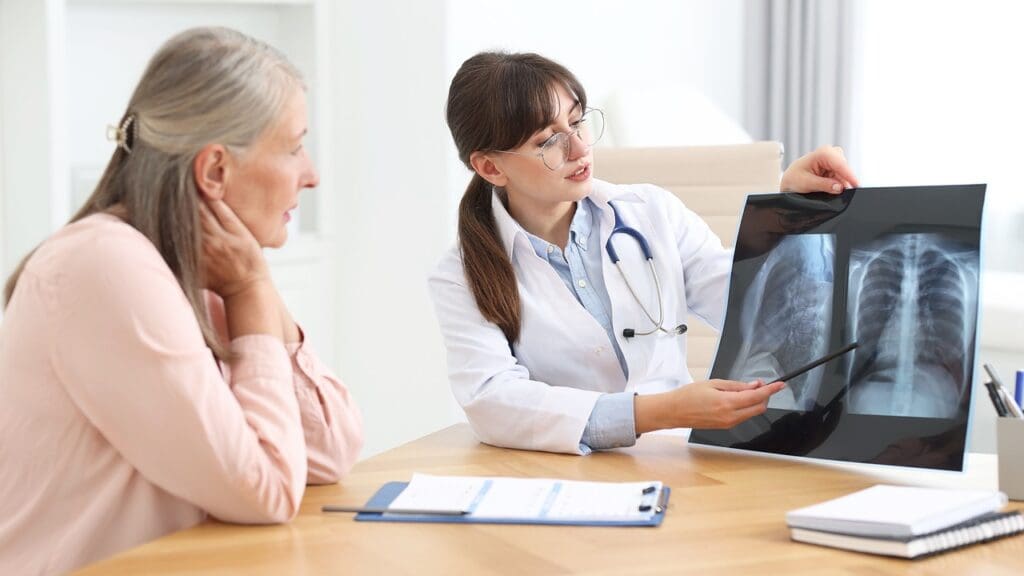
Some individuals experience mild pneumonia symptoms that resemble a bad cold, while others develop severe breathing difficulties that require hospital care. Liv Hospital pulmonologists use chest X rays, blood tests, and oxygen monitoring to diagnose pneumonia accurately.
Understanding Whether Pneumonia Is Contagious
Many people ask is pneumonia contagious because transmission depends on the type of pneumonia. Infections caused by viruses and bacteria can spread from person to person, especially through droplets from coughing or sneezing.
Pneumonia can be contagious when it is
• Viral pneumonia
• Bacterial pneumonia
• Mycoplasma pneumonia
• Pneumococcal pneumonia
Pneumonia is not contagious when
• Caused by inhaling chemicals
• Caused by aspiration of food or liquids into the lungs
• Related to long term medical illness
Preventing the spread of contagious pneumonia includes handwashing, covering coughs, avoiding close contact with sick individuals, and maintaining strong immune health. Liv Hospital infectious disease specialists guide patients on how to prevent transmission in households and workplaces.
What You Should Know About Walking Pneumonia
Walking pneumonia is a milder form of lung infection, often caused by mycoplasma pneumonia. It gets its name because people can continue with daily activities despite feeling unwell. Walking pneumonia can still be contagious, causing slow spreading infections within families, schools, and workplaces.
Symptoms of walking pneumonia often include
• Persistent dry cough
• Mild fever
• Tiredness
• Sore throat
• Headache
• Chest discomfort
Because symptoms are mild, many individuals do not realize they have pneumonia and may not seek treatment. Even though walking pneumonia is less severe, medical evaluation is still important to avoid complications. Patients at Liv Hospital receive appropriate antibiotic treatments when needed and guidance for recovery at home.
Understanding Whether Walking Pneumonia Is Contagious
The question is walking pneumonia contagious is one of the most common concerns. The answer is yes. Walking pneumonia caused by mycoplasma pneumonia spreads through respiratory droplets when infected individuals cough, sneeze, or speak closely with others.
Children and young adults are especially susceptible. Although the illness is mild, it can cause persistent coughing that spreads the infection easily. Liv Hospital recommends early testing and treatment to reduce transmission and shorten the length of illness.
Exploring Mycoplasma Pneumonia and How It Differs From Other Types
Mycoplasma pneumonia is caused by a type of bacteria that is smaller and more adaptable than typical bacteria. It commonly affects teenagers and young adults, often leading to walking pneumonia. The condition usually develops gradually over one to three weeks.
Symptoms of mycoplasma pneumonia
• Dry, persistent cough
• Fatigue
• Mild fever
• Headache
• Ear pain or sore throat
Unlike typical bacterial pneumonia, mycoplasma pneumonia rarely causes severe lung damage. Treatment includes rest, hydration, and specific antibiotics. Liv Hospital provides targeted therapy based on age, symptoms, and laboratory findings to ensure effective recovery.
Understanding How Pneumonia Can Spread and When It Becomes Contagious
Many people search pneumonia contagious because the illness can spread easily under certain conditions. Both viral and bacterial pneumonia are contagious through respiratory droplets. The contagious period often begins before symptoms appear and continues for several days after treatment begins.
Pneumonia spreads through
• Close personal contact
• Shared surfaces
• Coughing or sneezing droplets
• Shared utensils or drinks
• Touching the face after contact with germs
Individuals with weakened immune systems, elderly adults, and young children are at higher risk. Prevention strategies and early treatment provided by Liv Hospital help control transmission effectively.
Treatment Options That Help You Recover From Pneumonia
Pneumonia treatments vary depending on the cause of the infection. Bacterial pneumonia requires antibiotics, while viral pneumonia relies on supportive care and antiviral medication in some cases.
Common pneumonia treatments include
• Antibiotics for bacterial infections
• Antiviral medication for viral pneumonia
• Cough suppressants or expectorants
• Fever reducing medication
• Nebulizer therapy
• Increased hydration
• Oxygen therapy in severe cases
Recovery speed depends on overall health, early diagnosis, and following medical advice. Liv Hospital respiratory specialists create personalized pneumonia treatments based on test results, severity, and patient needs.
How Long Pneumonia Usually Lasts
A common question is how long does pneumonia last, and the answer depends on the type of pneumonia, the age of the patient, and the strength of the immune system.
Typical recovery timelines
• Walking pneumonia: 1 to 3 weeks
• Mild bacterial pneumonia: 1 to 2 weeks
• Viral pneumonia: 2 to 3 weeks
• Severe pneumonia: several weeks or months
Cough and fatigue may linger even after the infection clears. Liv Hospital provides follow up evaluations to ensure the lungs heal properly and prevent long term complications.
How People Commonly Get Pneumonia
People often ask how do you get pneumonia because infections seem to occur suddenly. Pneumonia develops when germs enter the lungs and the immune system cannot fight them off effectively.
Common causes
• Viruses that cause the flu or common cold
• Bacteria such as pneumococcus
• Mycoplasma pneumonia
• Fungal infections in rare cases
• Inhalation of harmful chemicals
• Aspiration of food or liquids
Weakened immunity, chronic illness, smoking, and age can increase a person’s risk. Liv Hospital provides preventive recommendations, including vaccinations and lung health assessments.
Comparing Bronchitis and Pneumonia
Bronchitis vs pneumonia is a common comparison because both conditions involve coughing and breathing difficulty. However, they affect different parts of the respiratory system.
Bronchitis affects
• The bronchial tubes
• Usually causes a persistent cough
• Often develops after a viral cold
• Typically milder than pneumonia
Pneumonia affects
• The air sacs inside the lungs
• Often includes fever and chest pain
• May require antibiotics
• Can become serious if untreated
Doctors at Liv Hospital use chest X rays and clinical evaluations to distinguish bronchitis from pneumonia and recommend proper treatment.
Understanding Pneumococcal Pneumonia and Its Risks
Pneumococcal pneumonia is caused by the bacterium Streptococcus pneumoniae. It is one of the most common and serious forms of bacterial pneumonia, especially in children, older adults, and those with chronic illnesses.
Symptoms include
• High fever
• Chest pain
• Productive cough
• Difficulty breathing
• Chills
Pneumococcal pneumonia spreads through droplets and can lead to complications such as bloodstream infections or meningitis if untreated. Vaccination is an effective way to prevent it, and Liv Hospital offers pneumococcal vaccines and expert care for high risk groups.
Conclusion
Pneumonia is a serious lung infection that can range from mild walking pneumonia to severe pneumococcal pneumonia requiring specialized care. Understanding pneumonia symptoms, knowing whether pneumonia is contagious, learning how do you get pneumonia, and recognizing the difference between bronchitis vs pneumonia empower people to act quickly and responsibly.
Liv Hospital provides advanced diagnostics, modern pneumonia treatments, and personalized care to support safe recovery. Whether dealing with mycoplasma pneumonia or severe lung infection, early evaluation and professional treatment are essential for protecting long term health.
* Liv Hospital Editorial Board has contributed to the publication of this content .
* Contents of this page is for informational purposes only. Please consult your doctor for diagnosis and treatment. The content of this page does not include information on medicinal health care at Liv Hospital .
For more information about our academic and training initiatives, visit Liv Hospital Academy
Frequently Asked Questions
What is pneumonia?
Pneumonia is a lung infection that causes inflammation in the air sacs, leading to coughing, fever, and difficulty breathing.
What are the main symptoms of pneumonia?
Common symptoms include cough with mucus, fever, chest pain, shortness of breath, fatigue, and fast breathing.
Is pneumonia contagious?
Yes. Viral, bacterial, mycoplasma, and pneumococcal pneumonia can spread through respiratory droplets.
What is walking pneumonia?
Walking pneumonia is a milder form of pneumonia, often caused by mycoplasma, with symptoms that allow people to continue daily activities.
Is walking pneumonia contagious?
Yes. Walking pneumonia spreads easily through coughing, sneezing, and close contact.
How do you get pneumonia?
You can get pneumonia from viruses, bacteria, mycoplasma, fungal infections, inhaled chemicals, or aspiration of food and liquids.
How is pneumonia treated?
Treatments include antibiotics, antivirals, fever reducers, cough medication, hydration, and oxygen therapy when needed.
How long does pneumonia usually last?
Recovery can take 1 to 3 weeks for mild cases and several weeks or months for severe pneumonia.
What is the difference between bronchitis and pneumonia?
Bronchitis affects the bronchial tubes and is usually milder, while pneumonia affects the lung air sacs and can be more serious.
What is pneumococcal pneumonia?
It is a serious bacterial pneumonia caused by Streptococcus pneumoniae, preventable with vaccination and treatable with antibiotics.