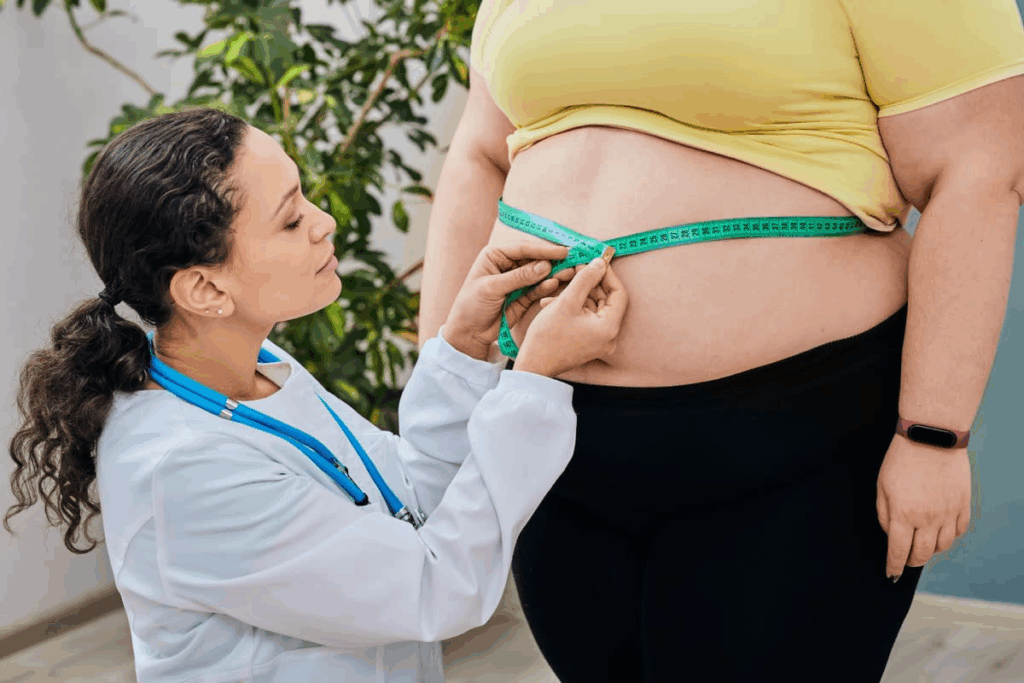
Polycystic ovary syndrome (PCOS) is a complex hormonal condition that affects women of reproductive age. It causes issues with fertility, weight, and overall health. Effective management of PCOS is key to achieving reproductive health and well-being. PCOS affects 6 to 13 percent of women worldwide, making it the most common endocrine disorder among females in this age group polycystic ovaries and pregnancy.
Modern medicine and personalized treatment strategies now offer realistic ways to manage PCOS effectively. By understanding the causes and symptoms of PCOS, women can better navigate the condition. Genetics may play a role in the development of PCOS, as it tends to run in families.
We will explore the complexities of PCOS, its symptoms, and various treatment options available. We will also discuss the importance of weight loss, diet, and lifestyle changes in improving reproductive function and overall health.
Key Takeaways
- PCOS is a common endocrine disorder affecting women of reproductive age worldwide.
- Effective management of PCOS is key for achieving reproductive health and well-being.
- Genetics may play a role in the development of PCOS.
- Weight loss, diet, and lifestyle changes are important in managing PCOS.
- Personalized treatment strategies can help women navigate PCOS effectively.
Understanding PCOS: A Common Endocrine Disorder

Polycystic Ovary Syndrome (PCOS) is a complex endocrine disorder affecting millions of women globally. It causes a variety of symptoms that can greatly impact their lives. PCOS is marked by hormonal, metabolic, and reproductive problems.
To grasp PCOS, knowing its definition, how common it is, and its effects on women’s health is key. PCOS is diagnosed when a woman shows at least two signs: high androgen levels, irregular or no periods, and specific ovarian changes.
What is Polycystic Ovary Syndrome?
PCOS symptoms include irregular or missing periods, too much androgen leading to hair loss and unwanted hair, insulin resistance, and difficulty getting pregnant. These symptoms vary greatly among women, making diagnosis and treatment hard.
The exact cause of PCOS is not fully understood. It’s thought to be due to genetics and environment. Insulin resistance, where the body doesn’t use insulin well, is common in PCOS. It can cause more androgen and other metabolic problems.
Prevalence and Impact on Women’s Health
PCOS is a common endocrine disorder among women of childbearing age, affecting about 8-13% worldwide. It has big health implications, including higher risks of type 2 diabetes, heart disease, and mental health issues like depression and anxiety.
Understanding PCOS’s prevalence and health impact is vital for better management and improving women’s lives. By tackling PCOS symptoms and related health risks, healthcare providers can offer full care. This supports the overall well-being of women with PCOS.
Recognizing PCOS Symptoms and Diagnosis

It’s important to know the signs of Polycystic Ovary Syndrome (PCOS) early. PCOS is a complex disorder that affects women of childbearing age. Its symptoms can vary a lot from person to person.
Common Signs and Symptoms
Women with PCOS may have irregular periods, acne, and extra hair on their face and body. They might also gain weight, mainly around the middle. This can make insulin resistance worse, a common problem in PCOS.
Not every woman with PCOS will show all these signs. Some might have regular periods but have acne and extra hair. The severity of symptoms can differ a lot.
Diagnostic Criteria and Tests
To diagnose PCOS, doctors look at symptoms, medical history, and specific tests. They often use the Rotterdam criteria. This means a woman must have at least two of three things: irregular periods, signs of too much male hormone, and polycystic ovaries seen on ultrasound.
Doctors will ask about symptoms and menstrual cycles, do a physical exam, and might run lab tests. These tests check blood sugar, insulin, and hormone levels. Knowing these criteria is key for early treatment.
Diagnostic Tests for PCOS
Test | Purpose | Significance in PCOS Diagnosis |
Pelvic Ultrasound | To check for polycystic ovaries | Presence of multiple cysts on the ovaries |
Blood Tests | To measure hormone levels, including androgens and insulin | High levels of androgens and insulin resistance |
Glucose Tolerance Test | To assess insulin sensitivity and glucose metabolism | Identifying insulin resistance and risk of type 2 diabetes |
Just losing 5 percent of body weight can help a lot. It can improve reproductive function, reduce belly fat, and make insulin work better. This shows how important early treatment is.
PCOS is a long-term condition, but it can be managed. Treatments include hormonal contraceptives, anti-androgen medications, and fertility drugs. Sometimes, pcos medicine for weight loss is used to help manage weight and improve insulin sensitivity.
Whether PCOS can be treated or if polycystic ovaries can be cured is a complex question. There’s no definitive cure, but symptoms can be managed well with the right treatment. Making lifestyle changes, like diet and exercise, is key to managing PCOS symptoms and improving life quality.
The Connection Between PCOS and Weight Gain
Understanding the link between PCOS and weight gain is key to managing the condition. PCOS, or Polycystic Ovary Syndrome, is a complex disorder that affects women of childbearing age. Weight gain is a common symptom.
Women with PCOS often gain weight, mainly in the belly. This weight gain is not just about looks. It can harm their health and make PCOS symptoms worse.
How PCOS Affects Metabolism
PCOS changes how the body metabolizes food, making it hard to lose weight. Metabolic changes include insulin resistance, where cells don’t respond well to insulin, causing high blood sugar.
Insulin resistance is a big problem in PCOS. It leads to more insulin production. This can mess with ovulation and weight control.
The Insulin Resistance Factor
Insulin resistance is a key part of PCOS and contributes to weight gain. When cells resist insulin, glucose can’t get in, causing high blood sugar.
This resistance starts a cycle: high insulin levels lead to more fat storage, mainly around the belly. This makes weight gain and metabolic problems worse.
Understanding insulin resistance is key to managing PCOS symptoms, including weight gain. Changing lifestyle and sometimes taking medications like metformin can help improve insulin sensitivity.
Metformin is often given to women with PCOS to manage insulin resistance. It doesn’t directly help with weight loss. But, it can improve insulin sensitivity, helping with weight loss and better metabolic health.
Polycystic Ovaries and Pregnancy: Understanding Fertility Challenges
PCOS is a major cause of trouble getting pregnant, affecting 70 to 80 percent of women with it. It’s key to understand how it impacts pregnancy.
Polycystic Ovary Syndrome (PCOS) is a complex disorder that affects fertility. The hormonal imbalances in PCOS can stop ovulation. This makes it hard for women to get pregnant.
How PCOS Affects Ovulation
Ovulation is key for getting pregnant, and PCOS can mess with it. The hormonal imbalance, with too much androgens and insulin resistance, can mess up the ovulation cycle.
Key factors affecting ovulation in PCOS:
- Hormonal imbalance
- Insulin resistance
- Androgen excess
Subfertility Statistics and Causes
Women with PCOS often face trouble getting pregnant. About 70 to 80 percent of them have trouble due to ovulation problems.
Cause | Effect on Fertility | Prevalence in PCOS |
Hormonal Imbalance | Disrupts ovulation | High |
Insulin Resistance | Affects ovulation and egg quality | Common |
Androgen Excess | Impacts follicular development | Frequent |
It’s important to understand these challenges to find good treatments. Medications like metformin can help improve insulin sensitivity. This can help with ovulation and fertility.
Is PCOS Curable? Setting Realistic Expectations
Whether PCOS can be cured is a complex issue. While it’s not curable in the traditional sense, its symptoms can be managed well. This is done through a variety of treatments.
Managing vs. Curing PCOS
It’s important to know the difference between managing and curing PCOS. Managing PCOS means making lifestyle changes, using medicine, and trying alternative therapies. These help reduce symptoms and lower health risks.
Key management strategies include:
- Maintaining a healthy weight through diet and exercise
- Using medications to regulate menstrual cycles and improve insulin sensitivity
- Addressing related health issues such as high blood pressure and cholesterol levels
Potential for Symptom Reversal
Even though PCOS itself can’t be cured, some symptoms can be greatly improved or even reversed. For example, losing weight can help with insulin sensitivity. Certain medicines can also help regulate menstrual cycles and lower androgen levels.
Reversible symptoms include:
- Irregular menstrual cycles
- Insulin resistance
- Hirsutism and acne
Long-term Outlook for Women with PCOS
The future for women with PCOS depends on several things. This includes how well symptoms are managed and if they have other health issues. With the right care, many women with PCOS can live healthy, active lives.
Women with PCOS should work closely with their doctors to create a personal management plan. Regular check-ups and updates to this plan can help avoid long-term health problems.
Understanding that PCOS is manageable helps women set realistic goals. This way, they can take steps to improve their life quality.
The Power of Weight Loss in PCOS Management
Weight loss is key for women with PCOS. It affects both physical and hormonal health. Losing weight helps manage symptoms and boosts overall health.
Benefits of 5% Weight Reduction
Just a 5% weight loss can make a big difference. It improves insulin sensitivity and lowers androgen levels. This can also enhance reproductive function.
- Improve Insulin Sensitivity: This makes the body better at using insulin, lowering the risk of type 2 diabetes.
- Regulate Menstrual Cycles: It helps restore regular ovulation and menstrual cycles, boosting fertility.
- Reduce Androgen Levels: Lowering male hormone production can reduce acne and hirsutism symptoms.
How Weight Loss Improves Hormonal Balance
Weight loss affects hormonal balance in women with PCOS. Losing body fat, mainly around the belly, improves insulin sensitivity. This reduces insulin levels and androgen production.
A diet high in refined carbs worsens insulin resistance, making weight loss harder. A balanced diet, low in refined carbs and rich in nutrients, supports weight loss and hormonal balance.
Success Stories and Research Evidence
Many studies show weight loss’s positive effects on PCOS symptoms. Lifestyle changes, like diet and exercise, improve weight, insulin sensitivity, and hormonal balance.
One study found women with PCOS who lost 5-10% of their weight saw better menstrual cycles and ovulation rates. Another study emphasized the need for a complete lifestyle approach, including diet and exercise, to manage PCOS symptoms well.
These success stories highlight weight loss’s power to improve health and well-being in women with PCOS. It’s a key tool in managing this complex condition.
Effective Diet Strategies for PCOS Weight Loss
Managing PCOS symptoms often involves a multifaceted approach, with diet playing a key role. A balanced diet is essential for women with PCOS. It helps regulate blood sugar, improve insulin sensitivity, and support weight management.
Low-Glycemic Eating Plans
A low-glycemic diet focuses on foods that don’t cause a big spike in blood sugar. This is very helpful for women with PCOS. It helps manage insulin resistance, a common issue with the condition.
Foods with a low glycemic index include whole grains, non-starchy vegetables, and most fruits. Adding these to your diet can help keep blood sugar levels stable. It also improves insulin sensitivity.
Anti-Inflammatory Food Choices
Chronic inflammation is common in women with PCOS, causing various symptoms. Eating anti-inflammatory foods can help reduce this inflammation.
Some of the best anti-inflammatory foods include:
Food | Benefits |
Fatty Fish (Salmon, Sardines) | Rich in omega-3 fatty acids, which help reduce inflammation |
Leafy Greens (Kale, Spinach) | Packed with antioxidants and other nutrients that combat inflammation |
Tomatoes | High in lycopene, an antioxidant that reduces inflammation |
“Dietary interventions that reduce inflammation can have a significant impact on PCOS symptoms, improving both metabolic and reproductive outcomes.”
Meal Planning for PCOS
Effective meal planning is key for women with PCOS. It helps ensure dietary goals are met. Here are some tips for a PCOS-friendly meal plan:
- Focus on whole, unprocessed foods as much as possible
- Incorporate a variety of colorful vegetables and fruits
- Choose lean protein sources and healthy fats
- Limit refined carbohydrates and sugary drinks
By adopting a structured diet plan with low-glycemic and anti-inflammatory foods, women with PCOS can manage their symptoms better. This improves their overall health.
Exercise Recommendations for Women with PCOS
Regular exercise is key for managing PCOS symptoms and improving health. It helps reduce insulin resistance and balance hormones. It also supports weight loss, which is important for women with PCOS.
Cardio vs. Strength Training Benefits
Cardio and strength training each have special benefits for women with PCOS. Cardio exercises like running or swimming boost heart health and burn calories. Strength training builds muscle, which boosts metabolism and insulin sensitivity.
Mixing cardio and strength training in your workout routine offers the best benefits. Cardio helps reduce body fat. Strength training increases lean muscle, improving body composition.
HIIT Workouts for Insulin Sensitivity
High-Intensity Interval Training (HIIT) is known for improving insulin sensitivity and aiding in weight loss. It involves short, intense exercise followed by brief rest. This type of workout burns calories and improves insulin use.
HIIT is great for women with PCOS, as it reduces insulin resistance and boosts metabolic health. Examples include sprint intervals and burpees.
Creating a Sustainable Fitness Routine
Creating a lasting fitness routine is vital for managing PCOS symptoms. Choose exercises you enjoy and can do regularly. Setting achievable goals and tracking progress keeps you motivated.
A good fitness plan includes cardio, strength training, and flexibility exercises. Adding activities like yoga or Pilates can also improve mental health and overall well-being.
By combining regular exercise with a healthy diet and lifestyle, women with PCOS can manage their symptoms better. This improves their overall health and quality of life.
Metformin and Other Medications for PCOS Management
Many women with PCOS take metformin to manage insulin resistance. It lowers insulin and blood sugar levels. This helps with ovulation and metabolic issues.
How Metformin Works for PCOS
Metformin tackles insulin resistance in PCOS. It makes cells more responsive to insulin. This reduces the risk of type 2 diabetes and helps with weight.
It also helps regulate menstrual cycles and improve ovulation in women with PCOS.
Metformin Side Effects and Management
Metformin is usually well-tolerated but can cause side effects. Common ones include nausea, diarrhea, and stomach pain. Starting with a low dose and increasing it can help.
Taking it with food can also reduce stomach discomfort.
In rare cases, metformin can lead to lactic acidosis. This is more likely in women with kidney or liver disease. Always talk to your doctor about any health concerns.
Other Medications for PCOS Symptoms
Other medications are used for PCOS symptoms. Birth control pills help with menstrual cycles and reduce androgen levels. This improves acne and hair growth.
Anti-androgen medications treat excessive hair and acne. For those trying to conceive, clomiphene or letrozole may be used to stimulate ovulation. Gonadotropins are sometimes used, but they carry a higher risk of multiple pregnancies.
It’s important to work with a healthcare provider to find the right medication. Everyone’s needs and responses are different.
Regulating Menstrual Cycles with PCOS
Managing PCOS often starts with fixing irregular periods. This can be done with medical help and lifestyle changes. For women with PCOS, not having regular periods can be very stressful. It affects their health and happiness.
Hormonal Treatments for Period Regulation
Hormonal treatments are often the first step for managing PCOS. Birth control pills are a common choice to fix periods and lower androgen levels. These pills add hormones to make periods more regular.
A study in the Journal of Clinical Endocrinology and Metabolism shows birth control pills help. They make periods regular and lower the risk of certain health problems.
“Hormonal treatments, such as birth control pills, can help regulate menstrual cycles in women with PCOS, improving both their reproductive health and overall quality of life.”
Hormonal Treatment | Benefits | Considerations |
Birth Control Pills | Regulates menstrual cycles, reduces androgen levels | Potential side effects include weight gain, mood changes |
Progesterone Therapy | Induces withdrawal bleeding, protects against endometrial hyperplasia | May not regulate cycles as effectively as combined hormonal contraceptives |
Lifestyle Approaches to Restore Regular Cycles
Along with hormonal treatments, lifestyle changes can help too. Maintaining a healthy weight is key. Being overweight can make PCOS symptoms worse. Eating right and exercising regularly can help keep a healthy weight.
- Eating a low-glycemic diet to manage insulin levels
- Engaging in regular aerobic exercise to improve insulin sensitivity
- Reducing stress through mindfulness and relaxation techniques
A study in the Journal of Women’s Health found healthy living helps. Women with PCOS who ate well and exercised saw better periods and health.
When to Seek Medical Intervention
While lifestyle changes and treatments work, sometimes you need a doctor. If your periods are always off or you’re trying to get pregnant, see a doctor. They can find the best treatment for you.
See a doctor if you have severe period problems, too much hair or acne, or trouble getting pregnant. It’s important for your health.
Fertility Treatments for Women with PCOS
Women with PCOS face challenges in getting pregnant. This is often due to ovulation problems. But, there are many fertility treatments that can help improve their chances of having a baby.
First-Line Medications for Ovulation Induction
Medications that help induce ovulation are often the first step. Letrozole is now the top choice. It has better success rates and fewer side effects than older treatments like clomiphene citrate.
- Letrozole: This drug was first used to treat breast cancer. It lowers estrogen levels, which helps release hormones that trigger ovulation.
- Clomiphene Citrate: Though not the first choice anymore, it’s an option for some. It increases FSH production by blocking estrogen receptors.
Monitoring Ovulation and Timing Conception
After starting ovulation medication, it’s important to monitor progress. This helps find the right dosage and timing for conception. The process includes:
- Ultrasound checks to see how follicles are growing.
- Blood tests to check hormone levels.
- Timing sex or other treatments like IUI based on ovulation.
When to Consider Advanced Fertility Treatments
Women who don’t respond to first-line treatments or have other fertility issues may need advanced treatments. These include:
- In Vitro Fertilization (IVF): IVF fertilizes an egg outside the body and then transfers it to the uterus. It’s very effective for PCOS-related infertility.
- Intrauterine Insemination (IUI): IUI inserts sperm into the uterus around ovulation. It’s often used with ovulation medications.
Advanced treatments like IVF offer hope for women with PCOS. Talking to a fertility specialist can help find the best treatment plan.
Conclusion: Creating Your Personalized PCOS Management Plan
Creating a personalized PCOS management plan is key to managing symptoms and improving health. A good plan includes diet, exercise, and lifestyle changes. These can help manage PCOS symptoms.
We’ve talked about ways to manage PCOS, like losing weight, changing diets, exercising, and fertility treatments. Working with a healthcare provider helps women with PCOS create a plan that fits their needs.
A personalized treatment approach lets women take charge of their condition. Making informed decisions about their care is important. Lifestyle changes, like a healthy diet and regular exercise, are vital in managing PCOS symptoms and improving well-being.
By making these changes part of daily life, women with PCOS can lower their risk of health problems. They can also improve their quality of life. We encourage women to work closely with their healthcare provider to create a plan that meets their unique needs.
FAQ
What is PCOS and how does it affect women’s health?
PCOS, or Polycystic Ovary Syndrome, is a common endocrine disorder. It affects women of reproductive age worldwide. Symptoms include irregular menstruation, excessive androgen production, and insulin resistance. These can impact health and fertility.
Can PCOS be cured?
PCOS is not curable, but there are treatments to manage symptoms. Women can work with healthcare providers and make lifestyle changes. This can improve their health and manage symptoms.
How does weight loss affect PCOS symptoms?
Losing 5% of body weight can improve PCOS symptoms. This includes hormonal balance and insulin sensitivity. A healthy diet and exercise can help achieve and maintain weight loss.
What is the role of metformin in managing PCOS symptoms?
Metformin helps manage PCOS symptoms, like insulin resistance and ovulation. It improves insulin sensitivity and can aid in weight loss.
How can women with PCOS regulate their menstrual cycles?
Women with PCOS can regulate cycles with hormonal treatments and lifestyle changes. They can work with healthcare providers to find a personalized plan.
What fertility treatments are available for women with PCOS?
Women with PCOS have several fertility treatment options. These include medications for ovulation and timing conception. Advanced treatments may also be considered.
Can lifestyle changes help manage PCOS symptoms?
Yes, lifestyle changes can manage PCOS symptoms. A healthy diet, exercise, and stress management improve overall health.
What are the benefits of a low-glycemic eating plan for PCOS?
A low-glycemic diet improves insulin sensitivity and hormonal balance in PCOS. It focuses on whole foods and aids in weight loss.
How can exercise help women with PCOS?
Exercise, like cardio and strength training, improves insulin sensitivity and weight management. It reduces PCOS symptoms.
Is PCOS treatable?
Yes, PCOS is treatable. Women can work with healthcare providers to manage symptoms and improve health.
Can PCOS be reversed?
While PCOS can’t be cured, symptoms can be managed and sometimes reversed. Lifestyle changes and medical treatments help.
What is the connection between PCOS and weight gain?
PCOS can lead to weight gain due to insulin resistance. Understanding this connection is key to effective weight loss strategies.
How does PCOS affect fertility?
PCOS can affect fertility by disrupting ovulation. But, with the right treatment and lifestyle, women can improve their fertility.
References
World Health Organization. Evidence-Based Medical Guidance. Retrieved from https://www.who.int/news-room/fact-sheets/detail/polycystic-ovary-syndrome