
Ever thought about if polyps could be the reason for your bloating? We dive into the link between polyps in the gut and this common issue, looking at the latest studies.
Most colorectal polyps are harmless, but big ones can lead to constipation and other problems. They might also be more likely to turn cancerous. Polyps in the colon and stomach can sometimes make you feel bloated, though this symptom isn’t very specific.
We’ll look into the different kinds of polyps, their signs, and how to treat them. This will give you a better understanding of the gut’s connection.
Key Takeaways
- Bloating can be a symptom of gastrointestinal polyps.
- Large polyps are more likely to cause symptoms and be cancerous.
- Colorectal and gastric polyps can cause bloating.
- Early detection of polyps is key for your health.
- There are many types of polyps with different symptoms and treatments.
What Are Polyps and How Do They Form?
To understand polyps and bloating, we must first know what polyps are. They are abnormal growths on the lining of organs like the colon and rectum. Their formation is influenced by genetics, environment, and lifestyle.
Definition and Structure of Polyps
Polyps grow on the mucosal surface of organs. They come in different sizes, shapes, and numbers. Neoplastic polyps, like tubular adenomas, can become cancerous over time. A polyp has a stalk and a head, made of various cells.
The growth of polyps involves complex cell processes. For colon polyps, the growth is usually benign but can turn cancerous if not treated. Knowing the structure of polyps is key to understanding their health impact.
Common Locations for Polyp Development
Polyps can grow in the GI tract, with the colon being the most common site. They can also appear in the stomach and rectum. The location affects symptoms and clinical importance.
|
Location |
Type of Polyp |
Clinical Significance |
|---|---|---|
|
Colon |
Adenomatous, Hyperplastic |
Potential for malignancy, mainly for adenomatous polyps |
|
Stomach |
Fundic gland, Hyperplastic, Adenomatous |
Varies; some linked to higher gastric cancer risk |
|
Rectum |
Adenomatous, Hyperplastic |
Like colon polyps; has malignancy risk |
Knowing where polyps develop and their characteristics helps us understand their symptoms like bloating. It also highlights the need for their management.
The Direct Link Between Polyps and Bloating
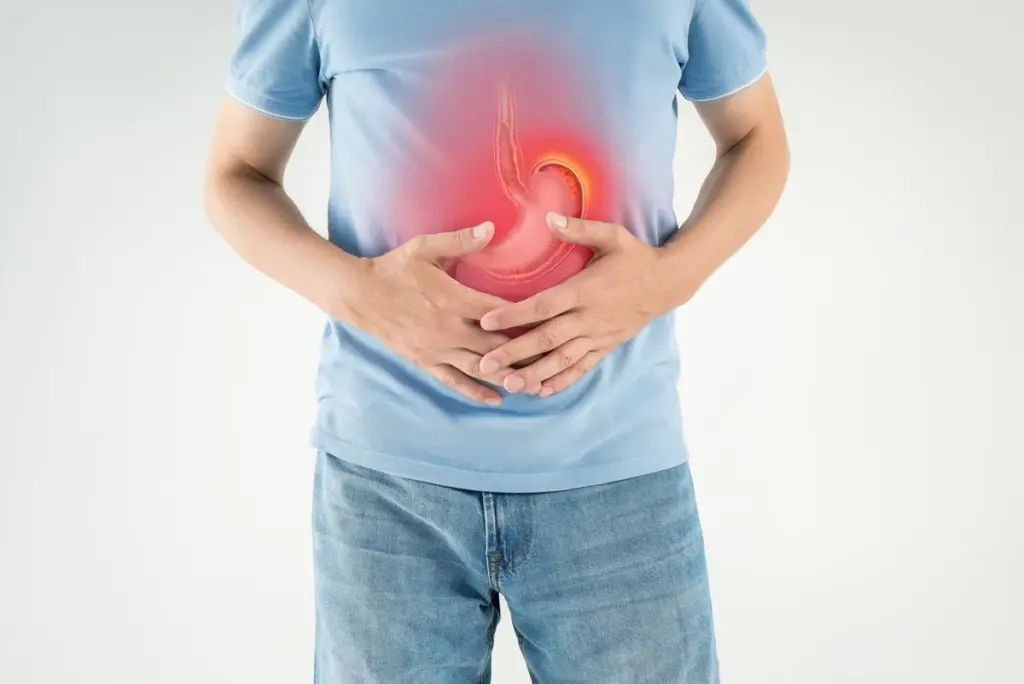
Gastrointestinal polyps are linked to bloating in many patients. This connection helps us understand bloating’s causes and how to manage it. We’ll look at research that shows this link and how polyps cause bloating. Do polyps cause scary bloating? Discover amazing digestive truths and powerful ways to identify vital warning signs for your gut health.
Research Findings on Polyp-Related Bloating
Recent studies have found a strong link between polyps and bloating. A study showed that 75.5% of patients with these polyps experienced bloating. This highlights the role of polyps in causing bloating.
Conditions like Peutz-Jeghers syndrome show a genetic link to polyps and bloating. These polyps can cause various symptoms, making early diagnosis and treatment key.
Mechanisms That Cause Bloating in Polyp Patients
The reasons for bloating in polyp patients are complex. Partial obstruction by large polyps and inflammation from these growths can cause bloating. The body’s reaction to polyps also leads to gas and bloating symptoms.
In patients with neoplastic polyps, the risk of bloating is higher. This is because of the polyps’ size and location. Knowing how polyps cause bloating helps in finding effective treatments.
Types of Polyps in the Digestive System
It’s important to know about the different polyps in the digestive system. Polyps are growths on the digestive tract lining. They vary in size, risk, and symptoms.
Hyperplastic Polyps
Hyperplastic polyps are small and mostly found in the colon. They have a low risk of turning cancerous. But, they can cause bloating and other symptoms.
Adenomatous Polyps
Adenomatous polyps, or adenomas, are precancerous. They can turn into colorectal cancer if not removed. Their risk depends on size, number, and type.
Inflammatory Polyps
Inflammatory polyps happen with chronic inflammation, like in IBD. They show how severe the inflammation is. They can cause bloating and discomfort.
Hamartomatous Polyps
Hamartomatous polyps are found in the digestive tract and other parts of the body. They have abnormal cell mixtures. In some genetic syndromes, they’re a big concern.
Each polyp type has its own risks and characteristics. Knowing this helps doctors manage them better. It also helps patients understand their condition and what to do next.
Colorectal Polyps: Most Common Source of Bloating
Colorectal polyps are growths on the inner lining of the colon or rectum. They can cause bloating and are common in people over 50. The symptoms and characteristics of these polyps vary a lot.
Prevalence and Characteristics
Many people have colorectal polyps, and their numbers grow with age. These polyps can be different types, like hyperplastic or adenomatous. Knowing the type is key because it affects how serious they are and how they should be treated.
How Colorectal Polyps Affect Digestive Function
Polyps can disrupt digestion, leading to bloating. Large polyps or those in certain spots can block the bowel. This can change how often you go and cause bloating. Some polyps may also bleed or produce mucus, adding to the discomfort.
Having many polyps can make symptoms worse. In rare cases, like familial adenomatous polyposis (FAP), hundreds of polyps can form. This can severely affect digestion and increase cancer risk.
Sessile vs. Pedunculated Polyps
Polyps are classified into sessile and pedunculated types. Sessile polyps are flat and hard to spot and remove. Pedunculated polyps have a stalk and stick out, making them easier to find and take out.
|
Characteristics |
Sessile Polyps |
Pedunculated Polyps |
|---|---|---|
|
Morphology |
Flat, broad base |
Polyp on a stalk |
|
Difficulty in Removal |
Generally more challenging |
Often easier |
|
Detection |
Can be harder to detect |
Easier to identify |
Knowing the difference between these polyps is vital for proper treatment. It helps in relieving symptoms like bloating and improving health outcomes.
Gastric Polyps and Their Relationship to Bloating
It’s important to know about gastric polyps and how they might cause bloating. These are abnormal growths on the stomach’s inner lining.
Types of Stomach Polyps
There are many types of gastric polyps, each unique. The most common include:
- Hyperplastic polyps
- Adenomatous polyps
- Inflammatory polyps
- Hamartomatous polyps
Each type can cause different symptoms, like bloating.
Symptom Patterns in Gastric Polyp Patients
Gastric polyps can lead to symptoms like bloating, pain, and nausea. The severity of these symptoms depends on the polyps’ size and location.
Bloating is a big issue for those with gastric polyps. It often comes with other stomach problems and can really affect a person’s life.
Associated Conditions
Some conditions raise the risk of getting gastric polyps. These include:
- Peutz-Jeghers syndrome
- Familial adenomatous polyposis
- Chronic gastritis
Knowing about these conditions helps in diagnosing and treating gastric polyps.
We’ll dive deeper into these topics to fully understand gastric polyps and bloating.
Recent Research: Polyps and Digestive Symptoms
Recent studies have uncovered a link between polyps and digestive issues, like bloating. Understanding how polyps affect our gut health is key.
The 75.5% Connection: Neoplastic Polyps and Bloating
A study found that about 75.5% of people with certain polyps in their gut had bloating. This notable association shows polyps might play a big role in digestive problems.
This high rate of bloating in polyp patients means these growths can really mess with our digestion. Doctors should keep this in mind when treating bloating symptoms.
Polyp Prevalence in Patients Undergoing Evaluation
Research on polyps in patients with digestive issues has given us important info. It shows polyps are common in those who get colonoscopies, often due to gut problems.
This finding stresses the need for detailed checks and diagnoses. Knowing about polyps helps doctors create better treatment plans for symptoms like bloating.
Age-Related Findings in Multiple Polyp Cases
Studies also found that age affects the presence of multiple polyps. As we get older, the chance of having more polyps grows, which might lead to more symptoms like bloating.
This trend underlines the need for regular checks for polyps, mainly in older folks. Early detection and treatment of polyps can reduce the risk of symptoms and complications.
Recognizing Symptoms Associated with Polyps
It’s important to know the symptoms of polyps early. Polyps are abnormal growths in the colon or rectum. They can cause various symptoms, some of which might seem minor.
Bloating as a Warning Sign
Bloating is a common symptom of polyps, mainly in the colon. This discomfort happens when the polyp affects digestion. Bloating from polyps can be ongoing and not helped by usual remedies. It’s key to watch for persistent or severe bloating, as it could mean something serious.
Additional Symptoms to Monitor
There are other symptoms to keep an eye on. These include:
- Changes in bowel habits, such as constipation or diarrhea
- Abdominal pain or cramping
- Rectal bleeding or blood in the stool
- Unexplained weight loss
- Fatigue or weakness
These symptoms can point to many issues, but if you have bloating too, see a doctor.
|
Symptom |
Description |
Potential Concern |
|---|---|---|
|
Bloating |
Feeling uncomfortably full or swollen |
Possible presence of polyps or other gastrointestinal issues |
|
Abdominal Pain |
Pain or cramping in the abdomen |
Could indicate polyps, inflammation, or other conditions |
|
Rectal Bleeding |
Blood in the stool or rectal bleeding |
May signify polyps or more serious conditions like cancer |
Knowing the symptoms of polyps is key for early treatment. If you have ongoing or severe symptoms, see a doctor right away.
Neoplastic Polyps: Higher Risk of Causing Symptoms
Neoplastic polyps are a type of polyp that can cause significant symptoms. They are associated with an increased risk of cancer. These polyps are noteworthy because they can develop into malignant tumors.
What Makes a Polyp Neoplastic
A polyp is considered neoplastic when it shows abnormal cell growth that can lead to cancer. This growth is marked by uncontrolled cell division. It can also invade surrounding tissues or spread to other parts of the body.
The key characteristics of neoplastic polyps include:
- Dysplastic cells that are abnormal and can become cancerous
- Uncontrolled cell growth that can lead to tumor formation
- Potential to invade surrounding tissues or metastasize
Tubular Adenomas and Other Precancerous Polyps
Tubular adenomas are a common type of neoplastic polyp found in the colon. They are precancerous because they can turn into colorectal cancer if not removed. Other types of precancerous polyps include:
- Tubulovillous adenomas, which have a higher risk of containing cancer
- Villous adenomas, known for their high malignant risk
- Serrated polyps, which can be hard to detect and have a risk of malignancy
Symptom Patterns in Neoplastic Cases
Neoplastic polyps can cause a variety of symptoms. These depend on their location, size, and number. Common symptoms include:
- Bloating and abdominal discomfort
- Changes in bowel habits, such as constipation or diarrhea
- Blood in the stool or rectal bleeding
- Abdominal pain, specially if the polyp is large
It’s important to recognize these symptoms and seek medical attention if they persist or worsen. Early detection and removal of neoplastic polyps can prevent colorectal cancer.
Differentiating Polyp-Related Bloating from Other Causes
To tell if bloating is due to polyps or something else, we need a detailed look. Bloating can happen for many reasons, so finding the real cause is key.
Common Non-Polyp Causes of Bloating
Many things can cause bloating, not just polyps. Diet, hormones, and other stomach problems can also play a part. For example, irritable bowel syndrome (IBS) often leads to bloating, along with stomach pain and changes in bowel movements.
Other reasons for bloating include:
- Food intolerances, such as lactose or gluten intolerance
- Gastroparesis, a condition where the stomach takes too long to empty its contents
- Small intestine bacterial overgrowth (SIBO)
- Hormonal changes during menstruation or menopause
Knowing these other causes helps doctors make the right diagnosis.
When to Suspect Polyps vs. Other Conditions
When thinking polyps might be the cause, look at the whole picture. Polyps are more likely if bloating is part of a bigger set of symptoms.
|
Symptom |
Polyps |
Other Conditions |
|---|---|---|
|
Bloating |
Common, often persistent |
Variable, can be intermittent |
|
Abdominal Pain |
Can occur, often with large or specific polyps |
Often present, varies in intensity and location |
|
Bleeding |
Possible, with larger polyps |
Less common, unless there’s ulceration or inflammation |
This table shows how symptoms differ between polyps and other stomach issues.
Symptom Patterns That Suggest Polyps
Some symptoms point more to polyps. For example, if bloating lasts a long time or comes with stomach pain or bleeding, it might be polyps.
“The presence of persistent bloating, with other symptoms like bleeding, means we should check for polyps or other serious issues.”
— Expert Gastroenterologist
Diagnostic Approaches for Suspected Polyps
Diagnosing polyps often requires a mix of initial checks, special tests, and lab work. When symptoms suggest polyps, doctors follow a detailed plan. This plan helps confirm the diagnosis and understand the polyps’ characteristics.
Initial Evaluation and Medical History
The first step is a detailed medical history and initial check-up. We collect info on symptoms, family history, and other health issues. This helps spot risk factors and guides further tests.
A physical exam may also be done. It looks for signs linked to polyps or other health issues. Some genetic syndromes that raise polyp risk have specific physical signs.
Colonoscopy and Other Endoscopic Procedures
Colonoscopy is key for spotting polyps in the colon and rectum. A flexible tube with a camera is inserted into the colon. This lets us see the lining and find polyps. We can also take biopsies of any suspicious areas.
Other tests, like gastroscopy for stomach polyps, might be used. These tests let us see directly and take tissue samples.
Imaging Studies and Laboratory Tests
Imaging like CT colonography or MRI might also be used. They help see polyps, even if colonoscopy isn’t possible. These methods show the size and extent of polyps.
Lab tests, like stool tests for blood, are also part of the process. They show if there’s bleeding, which could mean polyps.
|
Diagnostic Tool |
Purpose |
Advantages |
|---|---|---|
|
Colonoscopy |
Direct visualization and biopsy of polyps |
High sensitivity, allows for simultaneous removal of polyps |
|
Imaging Studies (CT, MRI) |
Visualization of polyps and surrounding structures |
Non-invasive, useful for large or multiple polyps |
|
Laboratory Tests (Stool Tests) |
Detection of occult blood |
Non-invasive, can indicate presence of bleeding polyps |
Biopsy and Histological Examination
Biopsy samples are key to confirming polyp diagnosis. Tissue samples from endoscopic tests are studied under a microscope. This tells us the polyp type, its features, and if it’s cancerous.
“The histological examination of polyps is critical for understanding their cancer risk and treatment options.”
Gastroenterologist
This detailed approach ensures patients get the right diagnosis and treatment plan. It’s tailored to their specific needs.
Risk Factors for Developing Symptomatic Polyps
Genetic predispositions, lifestyle choices, and medical conditions can raise the risk of symptomatic polyps. Knowing these risk factors helps identify who needs more screening and prevention.
Genetic Predisposition and Family History
A family history of polyps or colorectal cancer is a big risk factor. Genetic predisposition is key in some polyp types, like those linked to inherited syndromes.
Those with a family history of FAP or Lynch syndrome face higher risks. We suggest genetic counseling and extra screening for them.
Lifestyle Factors: Diet, Exercise, and Smoking
Lifestyle choices greatly affect the risk of symptomatic polyps. A diet full of processed foods and lacking fiber, sedentary behavior, and smoking increase the risk.
- Eating more fruits, vegetables, and whole grains can lower the risk.
- Regular exercise also helps reduce polyp risk.
- Quitting smoking is key, as it’s a risk factor for many gut issues.
Medical Conditions: Inflammatory Bowel Disease and Others
Conditions like Inflammatory Bowel Disease (IBD), including Crohn’s and ulcerative colitis, raise polyp risk. The ongoing inflammation can cause inflammatory polyps.
Diabetes and obesity also up the polyp risk, possibly due to metabolic and inflammation changes.
Peutz-Jeghers Syndrome and Other Polyposis Conditions
Rare genetic conditions, like Peutz-Jeghers Syndrome, greatly increase polyp risk. This syndrome leads to hamartomatous polyps in the GI tract.
People with such conditions need close monitoring and management to avoid polyp-related issues.
Multiple Polyps: Increased Risk of Bloating
Having multiple polyps in the digestive system can lead to bloating and other stomach issues. This is true for people with polyposis syndromes, where many polyps are common.
Polyposis Syndromes and Their Symptoms
Polyposis syndromes are genetic conditions that cause many polyps in the gut. These can cause bloating, stomach pain, and changes in bowel movements. Familial adenomatous polyposis (FAP) is one, where hundreds to thousands of polyps can grow in the colon, raising the risk of colon cancer.
“Managing polyposis syndromes needs a full plan,” says a gastroenterologist. “This includes regular checks, removing polyps, and sometimes surgery.”
Age-Related Multiple Polyps (Over 45)
The chance of getting many polyps goes up with age, after 45. This age group often sees more bloating and stomach problems. It’s important to get regular screenings and checks to catch and manage these early.
Management Approaches for Multiple Polyps
Dealing with many polyps involves removing them with endoscopy, watching them closely, and sometimes surgery. The best plan depends on the polyps’ size, type, and the patient’s health and wishes.
- Removing polyps with endoscopy is often the first step, avoiding surgery.
- Watching closely is key to catch new polyps and check for cancer risk.
- Surgery might be needed for those with many polyps or high cancer risk.
Good management of multiple polyps can ease symptoms like bloating. It can also improve life quality and lower the risk of serious problems.
Size and Location: Key Factors in Symptom Development
The size and location of polyps greatly affect symptoms. Both are important in how polyps impact the digestive system.
Small vs. Large Polyps and Symptom Severity
Larger polyps tend to cause more symptoms than smaller ones. They can block the digestive tract or irritate tissue more. Larger polyps often lead to bloating, pain, and changes in bowel habits. Smaller polyps might not cause symptoms and are often found by chance during screenings.
The size of a polyp is just one factor. Where the polyp is in the digestive tract also matters a lot.
Location-Specific Symptoms in the Digestive Tract
Polyps in different parts of the digestive tract cause different symptoms. For example, colon polyps can change bowel habits. Stomach polyps might cause nausea, vomiting, or pain.
- Rectum polyps can lead to bleeding or discomfort.
- Sigmoid colon polyps can change bowel habits.
- Stomach polyps can cause nausea or vomiting.
Advanced Polyps and Their Distinctive Symptoms
Advanced polyps, being larger and more complex, have unique symptoms. These include severe pain, big changes in bowel habits, or bleeding. They also have a higher risk of complications like obstruction or cancer.
In summary, the size and location of polyps are key to understanding symptoms. Knowing this helps in diagnosing and treating polyps effectively.
Treatment Options for Polyps Causing Bloating
When polyps cause bloating, treatment is key to ease symptoms and avoid more problems. We’ll look at the different ways to treat polyps causing bloating. This includes removal methods and managing symptoms.
Endoscopic Removal Techniques
Endoscopic removal is a common and effective way to treat bloating polyps. This method uses an endoscope to see and remove the polyp. Special tools are used to cut or snare the polyp, and sedation is used to make the process comfortable.
This technique is often chosen because it’s less invasive and leads to quick recovery. It has a high success rate and lowers the risk of complications from large polyps.
Surgical Approaches for Complex Cases
Sometimes, surgery is needed for complex or large polyps that can’t be removed endoscopically. Surgical methods might include laparoscopic surgery or open surgery for more complex cases.
We consider surgery for patients with polyps at high risk of cancer or causing severe symptoms. The decision to have surgery is made after careful evaluation and talking with the patient.
Symptom Management Before and After Treatment
Managing symptoms is a big part of treating bloating polyps. Before treatment, we might suggest dietary changes and medications to help. After treatment, we continue to manage symptoms to ensure a smooth recovery.
We also teach patients about lifestyle changes to lower the risk of polyp return and symptoms.
Follow-up Care and Monitoring
Follow-up care is vital after polyp removal to watch for recurrence and manage symptoms. We schedule follow-up visits and might recommend repeat endoscopies to check for polyp return.
Our team provides detailed care and support during and after treatment. We work closely with patients to ensure they get the best care.
Post-Treatment Expectations: Will Bloating Resolve?
After treatment for polyps causing bloating, many wonder about their symptoms. The good news is that bloating often gets better. But, how fast it improves depends on the polyp type, location, and your health.
Timeline for Symptom Improvement
How long it takes for symptoms to get better varies. Usually, people start feeling better in 2-4 weeks after treatment. Some notice changes quickly, while others take longer.
Several factors can affect this timeline:
- The size and location of the polyp
- The method used for polyp removal
- Any underlying health conditions
Persistent Symptoms and Their Significance
Even after treatment, some people may not feel better. Reasons for this include:
- Incomplete removal of the polyp
- Presence of additional polyps not detected during the initial treatment
- Other underlying gastrointestinal issues
If symptoms don’t go away, it’s important to see your doctor again.
When to Seek Additional Medical Attention
Seek medical help right away if you have:
- Severe abdominal pain
- Vomiting or bleeding
- Fever or chills
- Significant changes in bowel habits
If symptoms are less severe but don’t go away, make an appointment with your doctor.
|
Symptom |
Expected Improvement Timeline |
When to Seek Medical Attention |
|---|---|---|
|
Bloating |
2-4 weeks |
If persists or worsens beyond 6 weeks |
|
Abdominal Pain |
1-3 weeks |
Immediate attention if severe or accompanied by other alarming symptoms |
|
Changes in Bowel Habits |
2-6 weeks |
If significant or persistent |
Conclusion
Persistent bloating can be a sign of deeper issues like polyps. We’ve looked into how polyps and bloating are connected. We’ve talked about the different kinds of polyps, where they are found, and how they can make you feel uncomfortable. If you’re dealing with constant bloating, getting a medical check-up is key. It helps find out what’s really going on. We suggest talking to a doctor about your symptoms. This way, you can start feeling better and tackle any hidden problems.
FAQ
References
What are polyps and how do they form?
Polyps are abnormal growths on the digestive tract lining. They can be caused by genetic mutations or chronic inflammation. These growths can be benign or have cancerous tendencies. Factors like age, diet, and family history play a role in their formation.
Can polyps cause bloating?
Yes, polyps can cause bloating. This is more common with large polyps or those in specific parts of the digestive tract. Bloating can result from partial obstruction, changes in gut motility, and inflammation.
What types of polyps are most likely to cause symptoms like bloating?
Neoplastic polyps, like tubular adenomas, often cause bloating. This is because they can grow large and obstruct or inflame the digestive tract. Hyperplastic and inflammatory polyps can also lead to symptoms.
How are polyps diagnosed?
Polyps are usually diagnosed through colonoscopy or imaging studies like CT scans. Endoscopic procedures are also used. A biopsy helps determine the polyp’s type and characteristics.
What are the risk factors for developing symptomatic polyps?
Risk factors include genetic predisposition, family history, and age. Lifestyle factors like diet and smoking, and certain medical conditions, also increase risk. Conditions like Peutz-Jeghers syndrome are high-risk.
Can multiple polyps increase the risk of bloating?
Yes, having multiple polyps, like in polyposis syndromes, raises the risk of bloating. This is because they can cause more inflammation and obstruction.
How do the size and location of polyps affect symptoms?
Larger polyps are more likely to cause symptoms, including bloating. Their size and location can obstruct the digestive tract. The location of polyps also affects symptoms, with some areas causing specific issues.
What are the treatment options for polyps causing bloating?
Treatment options include endoscopic removal and surgical approaches for complex cases. Symptom management before and after treatment is also key. Follow-up care and monitoring are vital to prevent recurrence and manage symptoms.
Will bloating resolve after treatment for polyps?
In many cases, bloating improves or resolves after polyp treatment. The time it takes for symptoms to improve can vary. If symptoms persist, further medical evaluation may be needed.
When should I seek additional medical attention for bloating?
Seek additional medical attention if bloating persists or worsens after treatment. Also, if you experience other concerning symptoms like abdominal pain, blood in stool, or significant weight loss.