
Do you often feel very thirsty, need to pee a lot, and always feel hungry? These signs, known as the three Ps of diabetes, could mean your body is having trouble with blood sugar.polyuria polydipsia and polyphagia are signs ofPolyuria Meaning: 3 Big Signs of Diabetes Explained
At Liv Hospital, we focus on catching these early signs to give you the best care. The 3 Ps – Polyuria (needing to pee a lot), Polydipsia (drinking a lot of water), and Polyphagia (always feeling hungry) – are key signs of diabetes.
Spotting these symptoms early is key to getting the right treatment. We’ll look into why these signs matter and how knowing them can help you stay healthy.
Key Takeaways
- The three Ps of diabetes are Polyuria, Polydipsia, and Polyphagia.
- These symptoms are early warning signs of diabetes mellitus.
- Understanding these symptoms is vital for early detection and management.
- Liv Hospital offers complete care for diabetes patients.
- Getting diagnosed and treated early can improve your health.
Understanding Diabetes and Its Classic Symptoms

It’s important to know about diabetes mellitus to spot its early signs. Diabetes mellitus is a common disease that makes blood sugar levels too high. It affects how our body uses glucose, a key energy source.
What is Diabetes Mellitus?
Diabetes mellitus comes in two main types: Type 1 and Type 2. Type 1 diabetes happens when the body attacks the cells that make insulin. Type 2 diabetes is when the body’s cells don’t use insulin well, and the pancreas can’t make enough insulin over time.
The Significance of Early Warning Signs
Spotting diabetes early is key to acting fast. The classic signs, known as the “3 Ps,” are important to watch for. These signs are linked and show the body can’t use glucose right because of high blood sugar.
- Polyuria: Frequent urination to get rid of extra glucose.
- Polydipsia: Thirst increases as the body tries to replace lost fluids.
- Polyphagia: Hunger grows because cells don’t get enough glucose for energy.
How These Symptoms Develop
The 3 Ps are linked to hyperglycemia, or high blood sugar. When glucose can’t get into cells, it stays in the blood. The kidneys filter out this extra glucose, causing frequent urination. This leads to losing more fluids, making us thirsty. Also, cells not getting enough glucose make us hungry, leading to eating more.
Knowing these symptoms and why they happen is key to managing diabetes. Spotting these signs early can help prevent serious problems from diabetes.
The Pathophysiology Behind the 3 P’s
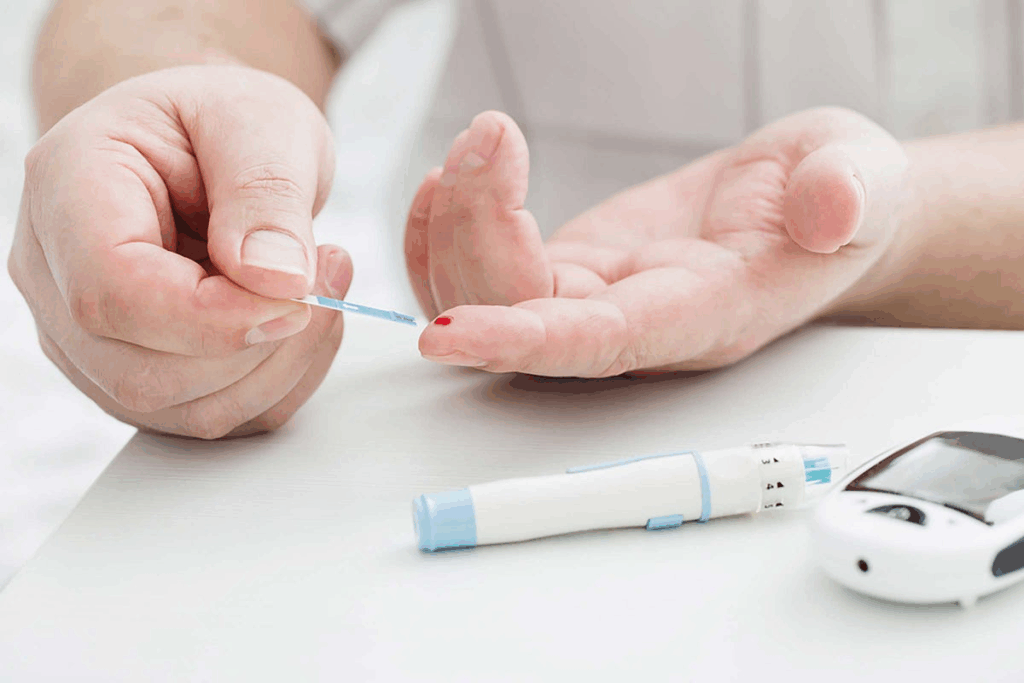
The 3 P’s in diabetes come from a mix of insulin lack, resistance, and metabolic issues. To grasp how these symptoms start, we must explore the underlying pathophysiological mechanisms.
How Hyperglycemia Triggers These Symptoms
High blood glucose, or hyperglycemia, is the main cause of the 3 P’s. When blood glucose is too high, the kidneys can’t reabsorb it all. This leads to glucose being lost in the urine, a process called glucosuria.
Glucosuria causes the body to lose water, leading to polyuria (too much urine). This loss of water makes us feel thirsty, causing polydipsia (too much drinking).
“The presence of hyperglycemia and its consequences on bodily functions is a critical aspect of diabetes pathophysiology.”
The Role of Insulin in Glucose Metabolism
Insulin is key for glucose use in the body. It helps cells take in glucose, lowering blood sugar. In diabetes, either insulin production is low (Type 1) or cells don’t respond well to it (Type 2), causing high blood sugar.
Condition | Insulin Production | Insulin Sensitivity |
Type 1 Diabetes | Low/None | Normal |
Type 2 Diabetes | Normal/High | Low |
Metabolic Changes in Diabetes
In diabetes, insulin’s lack of effect causes many metabolic changes. Cells can’t use glucose for energy, so the liver makes more glucose. This makes blood sugar levels even higher.
Cells, lacking glucose, send hunger signals, leading to polyphagia (more eating). Even with more food, cells stay starved, keeping blood sugar high and causing metabolic problems.
Knowing these metabolic changes is key to managing diabetes well and reducing the symptoms of the 3 P’s.
Polyuria: When Excessive Urination Becomes a Concern
Polyuria means our bodies make too much urine, more than 3 liters a day. It’s a big worry and can show early signs of diabetes.
What Defines Polyuria?
Polyuria is when you pee a lot or pee more often than usual. It’s a key sign of diabetes, along with drinking a lot of water and eating a lot. It shows your body is getting rid of extra sugar through pee.
Key characteristics of polyuria include:
- Producing more than 3 liters of urine per day
- Frequent need to urinate, even at night
- Large amounts of urine, often light in color
The Kidney’s Response to High Blood Glucose
In diabetes, high blood sugar makes glucose spill into the urine. The kidneys filter glucose from the blood. But when blood sugar gets too high, they can’t keep it all. So, they send the extra glucose to the pee.
This also means more water in the pee, making you pee more. The kidneys’ reaction to high blood sugar is why you pee a lot.
Measuring and Monitoring Urine Output
It’s important to keep track of how much you pee. Doctors might ask you to do this to see how bad it is.
Measurement | Normal Range | Polyuria Range |
Daily Urine Output | 1-2 liters | More than 3 liters |
Frequency of Urination | 4-7 times | More than 7 times |
Understanding and managing polyuria helps control diabetes better. It’s key to work with doctors to watch and handle too much pee.
Polydipsia: Unquenchable Thirst as a Warning Sign
When we lose fluids, our body tries to replace them. This can lead to polydipsia, or extreme thirst. It’s not just feeling thirsty; it’s a constant and strong feeling that affects our daily lives.
The Mechanism Behind Excessive Thirst
Polydipsia happens when we lose fluids. High blood sugar makes our kidneys produce more urine. This leads to dehydration and makes us thirsty.
Medical Expert, an endocrinologist, says, “The body tries to replace lost fluids naturally. But if it keeps doing it, it might mean there’s a problem.”
How Polydipsia Compensates for Fluid Loss
The body tries to make up for lost fluids by making us thirsty. This is how it tries to rehydrate and balance blood sugar. But, this can lead to a cycle where we drink more without fixing the problem.
A study in the Journal of Clinical Endocrinology and Metabolism shows why it’s important to understand this. It’s key to manage polydipsia by fixing the cause, like high blood sugar, not just the symptoms.
Distinguishing Normal Thirst from Polydipsia
Feeling thirsty is normal when we’re dehydrated. But polydipsia is different because it doesn’t go away even when we drink enough. Knowing the difference helps us catch health problems early.
To tell normal thirst from polydipsia, look at how long and how strong your thirst is. If you’re always thirsty and drink a lot without feeling better, see a doctor.
“Thirst is a signal, not a diagnosis.”
– a saying that helps doctors understand symptoms like polydipsia.
Polyphagia: Persistent Hunger Despite Adequate Intake
Diabetes can cause many symptoms, including polyphagia. This is when you always feel hungry, even after eating a lot. It’s a term for feeling very hungry or eating more than usual.
Why Diabetes Causes Increased Appetite
In diabetes, the body can’t use glucose well. This is because of a lack of insulin or insulin resistance. So, cells don’t get the glucose they need, making you feel hungry.
This hunger is a sign that the body thinks it’s starving. It tries to get more energy by making you want to eat more.
Cellular Starvation in the Midst of Plenty
It might seem strange that people with diabetes can eat a lot but feel hungry. The problem isn’t how much they eat. It’s that their body can’t use glucose right.
Even with high blood sugar, cells can’t get glucose. This makes them feel starved, leading to more hunger and eating.
Differentiating Polyphagia from Normal Hunger
Telling polyphagia apart from regular hunger can be hard. Normal hunger goes away after eating. But polyphagia keeps coming back, even after eating a lot.
Look at how often and how strong your hunger is. If it never goes away, it might be polyphagia. Also, if you have other diabetes symptoms like needing to pee a lot or drinking a lot of water, it could be polyphagia too.
Polyuria, Polydipsia, and Polyphagia Are Signs of Diabetes and Other Conditions
Polyuria, polydipsia, and polyphagia are not just signs of diabetes. They can also point to other health problems. It’s important to understand these symptoms can mean different things. This knowledge helps in getting the right diagnosis and treatment.
Presentation in Type 1 Diabetes
Type 1 diabetes happens when the body attacks its own insulin-making cells. This leads to no insulin being made, causing blood sugar to rise. The 3 Ps are often the first signs, leading people to see a doctor.
Key characteristics of type 1 diabetes include:
- Rapid onset of symptoms
- Typically occurs in children and young adults, though it can occur at any age
- Presence of autoantibodies against pancreatic islet cells
Presentation in Type 2 Diabetes
Type 2 diabetes is about insulin resistance and not making enough insulin. The 3 Ps can also show up in type 2, but they might take longer to appear than in type 1.
Characteristics | Type 1 Diabetes | Type 2 Diabetes |
Onset | Rapid | Gradual |
Typical Age of Diagnosis | Children and young adults | Adults, often after age 45 |
Insulin Production | Complete deficiency | Impaired secretion |
Other Medical Conditions with Similar Symptoms
The 3 Ps can also mean other health issues, not just diabetes. For example, diabetes insipidus is a rare condition that affects fluid balance.
“The presence of polyuria, polydipsia, and polyphagia should prompt a thorough medical evaluation to determine the underlying cause, as these symptoms can be indicative of various health issues.”
Other conditions that might show similar symptoms include:
- Diabetes insipidus
- Kidney disease
- Hypercalcemia
- Certain psychiatric conditions
Seeing a doctor is key if you notice these symptoms. Early treatment can make a big difference in managing many conditions.
When to Seek Medical Help for the 3 P’s
It’s important to know when to get medical help for symptoms like too much urine, thirst, and eating a lot. These signs can mean you have diabetes. Getting help early is key to managing this condition.
Warning Signs That Require Immediate Attention
Some signs need you to see a doctor right away. These include:
- Severe dehydration: This is shown by really wanting to drink water, dark pee, and not making much pee.
- High blood glucose levels: If your blood sugar is always high, it might mean your diabetes is not under control.
- Ketones in the urine: Finding ketones in your pee can mean you have a serious problem called diabetic ketoacidosis.
If you notice any of these signs, getting medical help quickly is very important.
Complications of Untreated Symptoms
Not treating the 3 P’s and diabetes can cause big problems. These include:
- Diabetic ketoacidosis
- Hyperglycemic hyperosmolar nonketotic syndrome (HHNS)
- Damage to organs like the kidneys, eyes, and heart over time
Knowing these risks shows why it’s so important to act fast.
Preparing for Your Healthcare Visit
Before you see your doctor, it’s a good idea to:
- Write down your symptoms, when they started, and how bad they are.
- Make a list of any medicines or supplements you’re taking.
- Think of questions to ask your doctor about your symptoms and treatment.
Being ready can make your visit more useful and help your doctor figure out what’s wrong.
Diagnostic Approach and Treatment Options
Getting a correct diagnosis is key to managing diabetes. It involves clinical checks and lab tests. After a diagnosis, a detailed treatment plan is made to control the condition well.
Medical Tests to Confirm Diabetes
Several tests are used to diagnose diabetes. The Fasting Blood Sugar Test checks blood sugar after fasting overnight. It shows how well the body uses glucose. The Hemoglobin A1C (HbA1C) Test looks at blood sugar levels over two to three months. These tests are vital for confirming diabetes and knowing its severity.
Other tests like the Oral Glucose Tolerance Test (OGTT) and random blood glucose tests are also used. They help doctors see how the body handles glucose and spot any issues.
Treatment Strategies for Symptom Relief
Managing diabetes requires both medicine and lifestyle changes. Medication helps control blood sugar levels. For type 1 diabetes, insulin is needed. For type 2, medicines that help insulin work better or make more insulin are used.
It’s also important to monitor blood glucose levels often. This helps understand how diet and exercise affect blood sugar.
Lifestyle Modifications That Help
Changing your lifestyle is important in managing diabetes. Dietary changes should include eating more veggies, fruits, and whole grains. Regular exercise boosts insulin sensitivity and health.
Other good changes include keeping a healthy weight and managing stress. These not only help with diabetes but also improve overall health.
By using medicine and making lifestyle changes, people with diabetes can live active, healthy lives. It’s about making smart choices and working with healthcare providers to manage the condition well.
Conclusion: Recognizing the 3 P’s for Better Diabetes Outcomes
It’s key to know the 3 P’s of diabetes: polyuria, polydipsia, and polyphagia. These symptoms help spot diabetes early. This can stop serious problems later on.
Spotting diabetes early helps a lot. Knowing these signs means you can get help fast. This can make life better for people with diabetes.
We urge everyone to watch for diabetes signs. If you see these symptoms, see a doctor right away. With the right care, you can stay healthy and avoid diabetes risks.
FAQ
What are the 3 P’s of diabetes?
The 3 P’s of diabetes are polyuria, polydipsia, and polyphagia. These refer to too much urine, thirst, and hunger.
What is polyuria, and how is it related to diabetes?
Polyuria means making too much urine. In diabetes, high blood sugar makes the kidneys make more urine.
Why does diabetes cause polydipsia?
Diabetes causes polydipsia because the body loses more fluids. This leads to dehydration and more thirst.
What is polyphagia, and why does it occur in diabetes?
Polyphagia is feeling very hungry. In diabetes, the body’s cells don’t get enough glucose for energy, causing hunger.
Are the 3 P’s symptoms exclusive to diabetes?
No, the 3 P’s can also be symptoms of other medical conditions. But in diabetes, they are classic warning signs.
How do the 3 P’s present in type 1 and type 2 diabetes?
Both types of diabetes can have the 3 P’s. Type 1 diabetes often shows symptoms more quickly and strongly.
When should I seek medical help for the 3 P’s?
Seek medical help if you have the 3 P’s, and they are severe, persistent, or with other concerning symptoms.
How is diabetes diagnosed when presenting with the 3 P’s?
Diabetes is diagnosed with tests like fasting glucose, oral glucose tolerance tests, and HbA1c measurements. These tests confirm diabetes.
Can lifestyle modifications help manage the 3 P’s in diabetes?
Yes, changes in diet, more physical activity, and managing weight can help manage the 3 P’s and diabetes.
What are the complications of untreated diabetes with the 3 P’s?
Untreated diabetes with the 3 P’s can cause dehydration, electrolyte imbalances, and worsen blood sugar control. This can lead to serious conditions like diabetic ketoacidosis or hyperglycemic hyperosmolar nonketotic syndrome.
References
National Health Service (NHS). Evidence-Based Medical Guidance. Retrieved from https://www.nhs.uk/conditions/diabetes/symptoms/



 Departments
 Related Videos
 Our Doctors
 News
News