
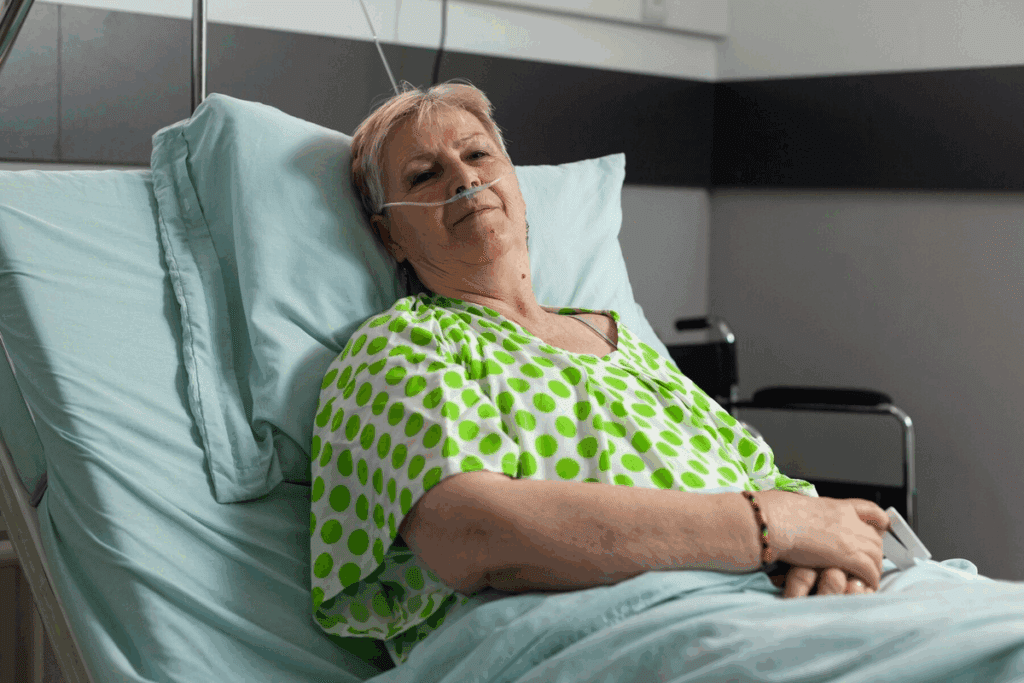
At Liv Hospital, we know that removing a Port-a-Cath can worry patients. A Port-a-Cath is a small device implanted under the skin. It’s used to give medicines to those with weak or narrow veins or on long-term treatment. The procedure is usually safe when done by skilled doctors. However, port a cath removal complications can include bleeding, infection, pain, swelling, and in rare cases, retained catheter fragments. Our team uses the best methods to care for each patient. This helps reduce risks and makes recovery easier.
Key Takeaways
- Port-a-Cath removal is generally considered a safe procedure when performed by experienced healthcare professionals.
- Potential complications include bleeding, infection, and pain.
- Rare complications can involve retained catheter fragments.
- Liv Hospital’s specialists follow best practices to minimize risks.
- Personalized care is provided to ensure a smooth recovery.
Understanding Port-a-Cath Devices and Their Purpose

A Port-a-Cath is more than a medical device; it’s a lifeline for many. It helps patients get long-term intravenous therapy. This small, implantable device lets doctors give treatments straight into the blood. It’s key for managing long-term conditions or chemotherapy.
What is a Port-a-Cath?
A Port-a-Cath, or port, is a device implanted for treatments like chemotherapy or frequent blood draws. It has a small reservoir under the skin, usually in the chest. It’s connected to a catheter in a vein. This makes it easy and safe for doctors to access the blood.
Common Reasons for Port-a-Cath Placement
Patients on long-term treatments like chemotherapy or needing frequent blood transfusions often get a Port-a-Cath. It makes treatment easier and safer. It reduces the need for repeated needle insertions and lowers risks.
When Removal Becomes Necessary
Removing a Port-a-Cath is usually when treatment ends or if complications arise. It’s removed when the risks of keeping it outweigh the benefits. Knowing why and how it’s removed can ease patient worries and prepare them for the process.
The Standard Port-a-Cath Removal Procedure

Removing a Port-a-Cath is a detailed process. Healthcare professionals follow key steps to ensure it’s done safely and successfully. The procedure is usually done under local anesthesia and is considered minor surgery.
Pre-Procedure Preparation
Before removing a Port-a-Cath, some preparations are needed. Blood tests check for clotting disorders that could impact the procedure. Patients are also told to stop certain medications that might increase bleeding risk.
It’s important for patients to tell their healthcare provider about all medications they’re taking. This includes anticoagulants and antiplatelet drugs. We might ask patients to stop these medications a few days before the procedure to lower bleeding risk.
| Medication Type | Action Required | Timing |
| Anticoagulants | Stop | 2-3 days before |
| Antiplatelet drugs | Stop | 5-7 days before |
Step-by-Step Removal Process
The Port-a-Cath removal process is straightforward. We start with a small incision over the port site, using local anesthesia to reduce discomfort. Then, we carefully dissect the device from the tissue and remove the catheter.
Key Steps in Port-a-Cath Removal:
- Making a small incision over the port site
- Dissecting the Port-a-Cath from surrounding tissue
- Removing the catheter
- Closing the wound with sutures or adhesive
Post-Procedure Care
After removing the Port-a-Cath, we watch for signs of bleeding or infection. Patients get specific instructions on wound care to help with healing and prevent complications.
“Proper wound care is key after Port-a-Cath removal. Keep the site clean and dry, and follow your healthcare provider’s dressing change instructions.”
— Medical Guidelines for Port-a-Cath Removal
We also guide patients on what to expect during recovery. This includes possible side effects like swelling or discomfort at the site. Most patients can get back to normal activities within a few days.
Port-a-Cath Removal Complications: An Overview
Port-a-Cath removal is usually safe, but it can have some complications. It’s important for patients to know about these issues. This way, they can spot problems early and get help if needed.
Bleeding and Hematoma Formation
Bleeding or hematoma at the removal site is a common issue. Bleeding can be mild or severe. It might need extra medical help. The risk depends on the patient’s blood clotting and how long the Port-a-Cath was in.
To lower bleeding risk, avoid heavy lifting or hard work after the procedure. Watch for swelling or more pain at the site. These are signs of bleeding.
Infection at the Removal Site
Infection is another risk after removing a Port-a-Cath. Signs include redness, swelling, pain, or fever. Keeping the area clean and following doctor’s advice can help prevent and treat infections.
- Keep the removal site clean and dry.
- Watch for signs of infection.
- Follow the healthcare provider’s instructions for post-procedure care.
Pain and Discomfort
Pain and discomfort are common after removal. They can be managed with over-the-counter pain meds. But, sometimes pain can be worse or last longer, needing more attention.
A medical expert says, “Managing pain well is key after the procedure. Patients should tell their doctors if pain isn’t controlled with usual meds.”
Effective pain management improves comfort and helps with recovery.
Medical Guidelines for Port-a-Cath Care
Swelling and Inflammation
Swelling and inflammation are common and usually go away in a few days. Using ice packs and keeping the area up can help with swelling.
In summary, while Port-a-Cath removal is mostly safe, knowing about complications like bleeding, infection, pain, and swelling is key. This knowledge helps manage and recover from the procedure effectively.
Rare but Serious Complications
Complications from Port-a-Cath removal are rare but serious. They need immediate medical attention. Knowing these risks is key for patients and doctors.
Retained Catheter Fragments
One serious issue is when catheter fragments stay inside after removal. This happens if the catheter breaks during the process. These fragments can cause infections, blood clots, or even move to other parts of the body. Doctors use X-rays or ultrasound to find and remove these fragments.
Air Embolism
Air embolism is a rare but dangerous problem during Port-a-Cath removal. It occurs when air gets into the veins. Symptoms can be mild or severe, even leading to heart failure. Quick action is needed, including oxygen and careful positioning to stop more air from entering.
Venous Thrombosis
Venous thrombosis is another risk after Port-a-Cath removal. Blood clots can form in veins due to the catheter. Symptoms include swelling, pain, and warmth in the affected limb. Treatment involves blood thinners to prevent clot growth and help dissolve them.
Cardiac Arrhythmias
Cardiac arrhythmias can happen during or after Port-a-Cath removal. This is more likely if the catheter is near the heart. The removal can irritate the heart, causing irregular beats. It’s important to monitor the heart rhythm during the procedure and treat any arrhythmias promptly.
It’s vital to understand these rare but serious complications for safe Port-a-Cath removal. By knowing these risks, doctors can take the right steps and handle complications quickly.
Risk Factors That Increase Complication Likelihood
Knowing the risks of Port-a-Cath removal is key to avoiding problems. Some factors can make complications more likely during or after the procedure.
Duration of Port-a-Cath Placement
The longer a Port-a-Cath is in, the more complicated its removal can be. This is because infections or the catheter sticking to the vessel wall are more common.
Research shows that long-term use can raise risks. This is due to the formation of a fibrin sheath around the catheter, making it harder to remove.
Patient’s Underlying Medical Conditions
Patients with certain health issues face higher risks during Port-a-Cath removal. This includes clotting disorders or being immunosuppressed.
- Clotting disorders can lead to bleeding or thrombosis.
- Immunocompromised patients are more likely to get infections.
Previous Device-Related Infections
Having had infections from a device before can make removal harder. Infections can cause the catheter to stick to the tissue around it.
“In patients with a history of catheter-related infections, careful planning and possibly additional imaging are required to ensure safe removal.”
Expert Opinion
Anatomical Considerations
The location of the Port-a-Cath also affects the risk of complications. Devices in some spots may be more likely to move or stick to important structures.
Understanding these risks helps healthcare providers prepare for complications. They can then take steps to reduce the risks of Port-a-Cath removal.
Port-a-Cath Removal Surgery: What to Expect
Patients often wonder what happens during a Port-a-Cath removal surgery. We get it; medical procedures can be scary. We aim to give you all the info you need to feel more at ease.
Anesthesia Options
Most Port-a-Cath removals use local anesthesia. This numbs the area around the Port-a-Cath. It helps keep you comfortable during the surgery. We talk to you about anesthesia options, taking into account your health and past experiences.
Duration of the Procedure
The surgery’s length can vary. It depends on the case’s complexity and your body’s specifics. Usually, it takes 30 minutes to an hour. Our skilled team works efficiently to ensure your safety and comfort.
Recovery Timeline
Recovery is usually quick. Most people can get back to their daily life in a few days. We give you detailed care instructions to help your recovery. Following these steps is key to avoiding complications.
Hospital vs. Outpatient Setting
Many Port-a-Cath removals happen in an outpatient setting. This means you can go home the same day. The choice between hospital and outpatient depends on your health and the surgery’s complexity. We assess each case to decide the best place for you.
Knowing what to expect from Port-a-Cath removal surgery helps you prepare. Our team is here to support and care for you every step of the way.
When Port Removal Becomes Complicated
Removing a Port-a-Cath is usually simple. But, some situations can make it harder. Issues like catheter sticking, vessel injury, or catheter moving are common. Knowing about these problems helps doctors handle them well.
Catheter Adherence to Vessel Walls
One problem is when the catheter sticks to the vessel walls. This makes it hard to remove without harming the tissue. The longer the catheter stays in, the higher the risk. Doctors might need special tools to safely take it out.
Vessel Injury During Removal
Vessel injury is another risk during removal. This is more likely if the catheter has been in for a long time or if the patient has vascular issues. Doctors must be very careful and use the right technique to avoid injury. Sometimes, they use imaging to guide the removal.
Catheter Migration
Catheter migration means the catheter moves from its original spot. This makes removal harder because it can get stuck in a new place. It’s important to find the catheter’s new spot with imaging before trying to remove it. Doctors might use special radiology techniques to get it out.
Fibrin Sheath Formation
Fibrin sheath around the catheter is common and can make removal tough. The sheath can break off and cause a blockage. Doctors might use balloon angioplasty or a snare to fix this problem. Knowing about the sheath helps plan the removal.
In summary, while removing a Port-a-Cath is usually easy, knowing about possible problems is key. By understanding these risks and using the right strategies, doctors can make the removal safe and successful.
“The key to managing complicated Port-a-Cath removals lies in understanding the possible complications and being ready to handle them effectively.”
— Expert Opinion
Special Considerations for High-Risk Patients
High-risk patients need special care when removing a Port-a-Cath. This is because they have certain medical conditions. These conditions make their care unique.
Patients with Clotting Disorders
Patients with clotting disorders face a higher risk of bleeding. We must carefully assess their condition before the removal. This might include giving clotting factors or changing their medications.
Immunocompromised Individuals
Immunocompromised individuals are more likely to get infections. We take extra precautions to keep them safe. This includes using antibiotics as needed.
Pediatric and Elderly Patients
Pediatric and elderly patients have special needs. We tailor our approach to meet these needs. We make sure the removal is comfortable and safe for them.
Patients on Anticoagulation Therapy
Patients on anticoagulation therapy are at a higher risk of bleeding. We carefully manage their therapy before and after the procedure. We often work with a hematologist.
By understanding the needs and risks of high-risk patients, we can provide personalized care. This ensures the best outcomes for them.
The Role of Specialized Medical Teams in Complex Removals
Specialized medical teams are key in handling complex Port-a-Cath removals. They bring the needed skills for the best patient results. Removing a Port-a-Cath can be tricky, needing more than basic medical care.
When Interventional Radiology Is Needed
Interventional radiology is vital in complex Port-a-Cath removals, like when fragments are left behind. Interventional radiologists use imaging to guide through the blood vessels. This way, they can get rid of fragments without surgery.
This method lowers the chance of problems and cuts down on recovery time. The skills of interventional radiologists are essential for complex cases, making sure patients get top care.
Surgical Subspecialty Involvement
When Port-a-Cath removal gets complicated, like with tough adhesions, surgical subspecialties step in. Vascular surgeons or other experts help manage any issues that come up.
Having surgical subspecialties in complex Port-a-Cath removals shows the value of teamwork in healthcare. Together, healthcare teams can give patients care that fits their unique needs.
Multidisciplinary Approach Benefits
A team effort in complex Port-a-Cath removals brings many advantages. It leads to better patient results and fewer complications. By combining different healthcare experts, we make sure all patient needs are met.
This teamwork leads to safer care, better handling of problems, and faster recovery. As we face the challenges of Port-a-Cath removal, the role of a team approach is more important than ever.
Preparing for Your Port-a-Cath Removal
Knowing what to expect during Port-a-Cath removal can ease your worries. It helps you get ready for the procedure smoothly. Here are some steps to make your experience better.
Questions to Ask Your Healthcare Provider
Talking openly with your healthcare provider is key. You should ask about the removal process. Here are some questions to consider:
- What are the possible risks and complications of Port-a-Cath removal?
- How long will the procedure take, and what anesthesia will be used?
- What care will I need after the procedure?
- Are there any special instructions I should follow before the procedure?
Asking these questions makes you feel more informed. Being prepared helps reduce anxiety and ensures a smooth recovery.
Required Pre-Procedure Testing
Your healthcare provider may need some tests before the removal. These tests include:
- Blood work to check for clotting disorders or other conditions
- Imaging tests to confirm the Port-a-Cath’s position
These tests are vital for spotting any issues that could make the removal harder. Your healthcare provider will tell you about the tests you need and when.
Medication Adjustments Before Removal
Some medications might need to be changed or stopped before the procedure. This includes:
- Anticoagulant medications that could increase bleeding risk
- Other medications that might interact with anesthesia or affect your health during the procedure
It’s important to give your healthcare provider a list of all your medications. Changing medications should only be done with a healthcare professional’s guidance.
Medical Coding and Insurance Considerations for Port-a-Cath Removal
Understanding the cost of Port-a-Cath removal can be tough. It’s important to know about medical coding and insurance. We’ll help you through this, explaining what affects the cost and coverage.
CPT Codes for Port-a-Cath Removal
The CPT code for removing a Port-a-Cath is key. The code 36589 is used for removing tunneled central venous catheters, like Port-a-Caths. Always check with your doctor about the exact CPT code, as it can change based on the procedure and patient’s health.
Insurance Coverage and Patient Costs
Insurance for Port-a-Cath removal varies by plan. Most plans cover it when it’s medically needed. But, you might face costs like deductibles, copays, and coinsurance. It’s smart to talk to your insurance before the procedure to know what you’ll pay.
Patients should also ask their doctor about costs and any financial help. Knowing your insurance can help avoid surprise bills.
Documentation Requirements
Good documentation is key for insurance. You’ll need a detailed medical history of the Port-a-Cath, why it was removed, and any problems. Having all this ready can make the insurance process easier.
By understanding medical coding, insurance, and what’s needed for documents, patients can handle the financial side of care better. We’re here to give you the info and support you need for your health decisions.
Conclusion: Weighing the Risks and Benefits of Port-a-Cath Removal
Removing a Port-a-Cath has its risks and benefits. It’s important to know the risks like bleeding and infection. These can happen, but they are not common.
At Liv Hospital, we focus on giving you the care you need. We help you understand the risks and benefits. This way, you can make the best choice for you.
Removing a Port-a-Cath is usually safe. But, it’s best done by experts. Always talk to your doctor if you have any worries. This ensures the process goes well.
FAQ
Is Port-a-Cath removal a painful procedure?
The procedure is done under local anesthesia. This means patients usually don’t feel pain during it. But, some might feel discomfort after.
What are the possible complications of Port-a-Cath removal?
Complications can include bleeding and infection. You might also feel pain, swelling, or inflammation. Rare but serious issues like air embolism or cardiac problems can happen too.
How long does the Port-a-Cath removal procedure take?
It’s a short procedure. It’s usually done quickly, often under local anesthesia.
What is the recovery timeline after Port-a-Cath removal?
Recovery time varies. It depends on your health and how complex the removal was. You’ll be watched for bleeding or infection, and you’ll get wound care instructions.
Are there any specific risk factors that increase the likelihood of complications during Port-a-Cath removal?
Yes, several factors can raise your risk. These include how long the device was in, your health, and past infections. Your body’s structure also plays a part.
How is a Port-a-Cath removed?
The process starts with a small incision. Then, the device is carefully removed from the tissue. The catheter is taken out next.
What CPT code is used for Port-a-Cath removal?
There are specific CPT codes for this procedure. Always check with your healthcare provider or insurance about the correct code.
Will insurance cover the cost of Port-a-Cath removal?
Insurance coverage varies. It’s important to talk to your insurance to know what’s covered and what you might have to pay out of pocket.
What preparations are needed before undergoing Port-a-Cath removal?
You’ll need blood tests and might have to stop certain medications. Your healthcare provider will give you specific instructions to follow.
Can Port-a-Cath removal be performed on an outpatient basis?
Yes, it can often be done as an outpatient procedure. This depends on your health and the complexity of the removal.
Are there any specific considerations for high-risk patients undergoing Port-a-Cath removal?
Yes, certain patients need extra care. This includes those with clotting disorders, the immunocompromised, children, the elderly, and those on blood thinners. Ensuring their safety is key.
Reference:
- Complications of central venous port systems: a pictorial review. (2019). Insights into Imaging, 10(1), 1–13.https://pmc.ncbi.nlm.nih.gov/articles/PMC6713776/