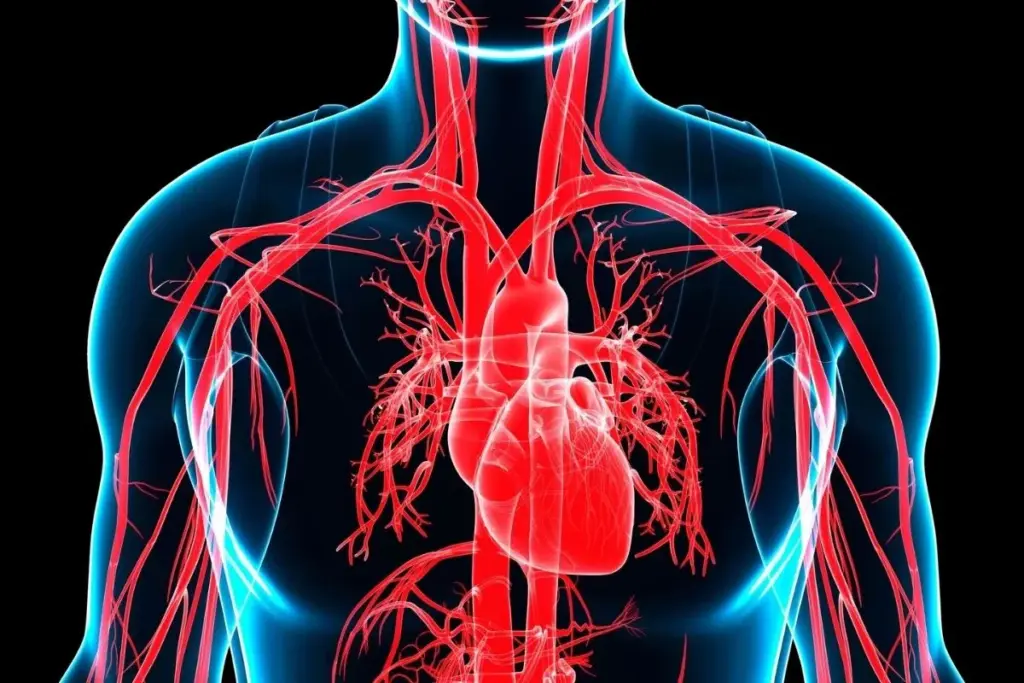
Can it be cured? Get a positive atrial fibrillation resolution prognosis. Learn how treatments can lead to a better life. Atrial fibrillation (AFib) is a big health issue worldwide. Knowing how it can be treated is key for both patients and doctors.
AFib is a heart problem that makes the heartbeat irregular. Whether it can be cured depends on several things. These include the cause of AFib and how well treatments work.
Key Takeaways
- AFib is a common heart condition affecting millions globally.
- Understanding AFib recovery is vital for managing the condition.
- The prognosis varies based on the underlying cause and treatment efficacy.
- Lifestyle changes and medical treatment can significantly impact AFib management.
- Early diagnosis and intervention are critical for improving outcomes.
Understanding Atrial Fibrillation: The Basics

Atrial fibrillation, or AFib, is a heart condition where the heart beats irregularly and fast. This happens when the upper heart chambers, called the atria, don’t beat right. They don’t move blood into the lower chambers as they should.
What Happens in the Heart During AFib
In atrial fibrillation, the heart’s rhythm gets messed up. The atria quiver instead of beating right, causing an irregular and fast heart rate. This can make you feel like your heart is skipping beats, you’re short of breath, or really tired.
AFib can be caused by many things, like high blood pressure, heart valve issues, or thyroid problems. Knowing what causes it is key to managing it well.
Common Symptoms and Warning Signs
The symptoms of atrial fibrillation can differ from person to person. Common signs include:
- Palpitations or an irregular heartbeat
- Shortness of breath
- Fatigue or tiredness
- Dizziness or lightheadedness
- Chest pain or discomfort
Spotting these signs early is important for getting medical help fast. If you notice any of these, see a doctor right away for a proper check-up.
Types of Atrial Fibrillation
Atrial fibrillation is divided into types based on how long it lasts and how often it happens:
- Paroxysmal AFib: Episodes of AFib that stop on their own within seven days.
- Persistent AFib: Continuous AFib that lasts more than seven days.
- Long-standing persistent AFib: Continuous AFib that lasts more than 12 months.
- Permanent AFib: AFib that is accepted by the patient and doctor as a permanent condition.
Knowing the type of AFib is important for finding the right treatment. Each type needs a different approach to manage it.
Can Atrial Fibrillation Resolve on Its Own?

It’s important to know if atrial fibrillation (AFib) can fix itself. AFib is a heart rhythm disorder that affects many people. Knowing if it can heal without treatment is a big question for both patients and doctors.
Spontaneous Conversion Rates
Studies show that spontaneous conversion rates for AFib are high, mainly in the early stages. Many patients see their AFib go away within a few months after being diagnosed.
The exact rate of spontaneous conversion varies. But, it’s clear that the chance of AFib fixing itself goes down over time. Things like how long you’ve had AFib, your health, and your lifestyle play big roles in whether it will fix itself.
Factors That Influence Natural Resolution
Several things can affect if AFib will fix itself naturally. These include:
- The duration of AFib: Early stages have a higher chance of fixing itself.
- Underlying health conditions: Conditions like high blood pressure or heart disease can impact resolution.
- Lifestyle factors: Being overweight, not being active, and smoking can make it harder for AFib to resolve.
- Age and gender: Older people and men might have different chances of AFib fixing itself.
Time Frames for Possible Self-Resolution
The time it takes for AFib to possibly fix itself varies a lot. Some people might see it resolve in days or weeks, while others might take months or years. It’s key for patients to stay in close touch with their doctors to track their condition and find the best treatment plan.
In summary, while AFib can sometimes fix itself, the chance of it doing so depends on many factors. By understanding these factors and working with healthcare professionals, patients can better manage their AFib and possibly see better results.
Paroxysmal vs. Persistent vs. Permanent AFib
Knowing the types of AFib is key to managing it well. Atrial fibrillation comes in different forms, each with its own treatment needs.
Understanding the Different Classifications
Atrial fibrillation is mainly split into three types: paroxysmal, persistent, and permanent.
- Paroxysmal AFib means episodes that end on their own within seven days.
- Persistent AFib has episodes lasting more than seven days or needing treatment to stop.
- Permanent AFib is when the arrhythmia is accepted by both the patient and doctor, and no more rhythm control is tried.
Progression Between Types
AFib can change from one type to another. For example, paroxysmal AFib might turn into persistent or permanent if not managed well. Heart disease, age, and lifestyle can affect this change.
Resolution Potentials for Each Type
The chance of resolving AFib varies by type.
- Paroxysmal AFib has a better outlook, with some patients seeing it go away on its own.
- Persistent AFib might need medical help to get back to a normal rhythm.
- Permanent AFib usually means managing symptoms and preventing problems, as it’s seen as not curable.
Understanding AFib types helps patients and doctors create good management plans together.
Risk Factors Affecting AFib Resolution
Atrial fibrillation resolution is influenced by many factors. These include demographic, genetic, and lifestyle-related elements. Knowing these risk factors is key to understanding prognosis and creating an effective management plan.
Age and Gender Considerations
Age is a big factor in AFib resolution, with older people facing a tougher prognosis. Gender also matters, with studies showing differences in AFib resolution rates between men and women.
- Older age is linked to a lower chance of AFib resolution.
- Gender differences may affect AFib resolution, with different outcomes for men and women.
Genetic Factors
Genetic predisposition can affect the chance of AFib resolution. People with a family history of AFib may have different outcomes than those without.
Key genetic factors include:
- Family history of atrial fibrillation.
- Genetic mutations that affect heart rhythm.
Lifestyle-Related Risk Factors
Lifestyle choices and habits greatly impact AFib resolution. Diet, exercise, smoking, and alcohol consumption all play a role in prognosis.
Lifestyle changes that can help AFib outcomes include:
- Maintaining a healthy weight.
- Regular physical activity.
- Eating a balanced diet with fruits, vegetables, and whole grains.
- Avoiding too much alcohol and quitting smoking.
Comorbidities That Impact Prognosis
Comorbid conditions can greatly affect AFib resolution. Conditions like hypertension, diabetes, and heart disease can make managing AFib harder.
Common comorbidities that impact AFib prognosis:
- Hypertension.
- Diabetes mellitus.
- Heart valve disorders.
- Sleep apnea.
Understanding and managing these comorbidities is key to improving AFib resolution prognosis.
Atrial Fibrillation Resolution Prognosis: What Research Shows
Recent studies have greatly improved our understanding of AFib resolution. They have looked at the chances of AFib going away, what improves these chances, and the future outlook for those with AFib.
Statistical Likelihood of AFib Resolution
The chance of AFib going away depends on several factors. These include the type of AFib and any underlying health issues. A study in the Journal of the American College of Cardiology found that paroxysmal AFib has a better chance of going away on its own than persistent AFib.
Statistical Likelihood of Resolution:
|
Type of AFib |
Likelihood of Spontaneous Conversion |
|---|---|
|
Paroxysmal AFib |
Higher likelihood |
|
Persistent AFib |
Lower likelihood |
Factors That Improve Prognosis
Several factors can improve the chances of AFib going away. These include acting early, making lifestyle changes, and managing health conditions. Early action is key, as it can stop AFib from getting worse and improve results.
Key Factors Improving Prognosis:
- Early intervention
- Lifestyle modifications (e.g., weight management, exercise)
- Management of underlying conditions (e.g., hypertension, thyroid disorders)
Long-term Outlook Studies
Long-term studies have given us a better idea of what the future holds for people with AFib. They show that with the right care, many can live active lives with few symptoms.
Predictors of Successful Resolution
Finding out who is most likely to have AFib go away is important for treatment plans. Factors include the type of AFib, any heart disease, and the patient’s overall health.
Predictors of Successful Resolution:
- Type of AFib (paroxysmal vs. persistent)
- Presence of underlying heart disease
- Patient’s overall health status
Medical Interventions That Can Resolve AFib
For many, medical treatments are key in managing atrial fibrillation. These treatments aim to fix the heart’s rhythm, ease symptoms, and improve life quality.
Cardioversion Procedures
Cardioversion uses electrical shocks to fix an abnormal heart rhythm. It’s often used for atrial fibrillation. The method can be electrical or pharmacological.
Key aspects of cardioversion procedures include:
- Electrical cardioversion involves delivering a synchronized electrical shock to the heart.
- Pharmacological cardioversion uses medications to achieve the same effect.
- Success rates vary depending on the duration of AFib and patient selection.
Antiarrhythmic Medications
Antiarrhythmic medications are vital in treating AFib. They help keep the heart rhythm normal and manage symptoms long-term.
Common antiarrhythmic medications include:
- Flecainide
- Propafenone
- Sotalol
- Amiodarone
Success Rates of Medical Interventions
The success of AFib treatments depends on several factors. These include the type of AFib, patient health, and underlying conditions.
Success rates for cardioversion and antiarrhythmic medications are as follows:
|
Treatment |
Success Rate |
|---|---|
|
Cardioversion |
70-90% |
|
Antiarrhythmic Medications |
50-80% |
Potential Side Effects and Considerations
Medical interventions can be very effective but have side effects. Patients should talk to their doctors about these to make informed choices.
Potential side effects include:
- Proarrhythmia (worsening of arrhythmia)
- Other cardiac complications
- Non-cardiac side effects (e.g., thyroid dysfunction with amiodarone)
Catheter Ablation: A Possible Cure for AFib
Catheter ablation might cure AFib for many, bringing back a normal heartbeat. This method is non-invasive. It uses catheters to destroy the heart’s bad electrical paths.
How Ablation Works
Catheter ablation targets the heart’s irregular heartbeat causes. Advanced mapping technologies pinpoint these areas for precise treatment. The procedure starts with catheters inserted through a leg vein, then guided to the heart.
After finding the bad pathways, the catheter sends energy to destroy them. This helps the heart beat normally again.
Success Rates and Recurrence Statistics
Research shows catheter ablation can be very effective against AFib. Success rates depend on the type of AFib and the patient’s health. For paroxysmal AFib, success can reach 70-80% after one procedure.
But, some patients might need more than one procedure. Success can be affected by how long AFib lasts, heart disease, and overall health.
Who Is an Ideal Candidate
Catheter ablation is best for those who haven’t responded to meds or don’t want long-term therapy. It’s for patients with symptomatic AFib who can’t take meds or can’t tolerate them.
- Patients with paroxysmal AFib are generally good candidates.
- Those with persistent AFib might also benefit, but success rates vary.
- Choosing the right patient is key for the best results.
Recovery and Follow-up Care
Recovery from catheter ablation is usually quick. Most patients go home the same day or the next. Post-procedure care includes watching for complications and managing any pain.
Regular follow-ups are important to check the procedure’s success and manage any return of AFib. Patients are usually told to keep taking antiarrhythmic meds for a while, then slowly stop them under doctor’s advice.
Surgical Options for AFib Resolution
Atrial fibrillation surgery has grown, giving hope to those who haven’t found relief with usual treatments. Surgery is considered when other treatments don’t work well or when AFib is very severe.
Maze Procedure and Variations
The maze procedure creates scar tissue in the heart’s upper chambers. This helps direct the heart’s electrical signals correctly. Over time, the maze procedure has been improved, making it more effective and quicker to recover from.
- The traditional maze procedure involves open-heart surgery.
- Variations include minimally invasive approaches and hybrid techniques.
- These advancements have made the procedure more accessible to a wider range of patients.
Minimally Invasive Surgical Approaches
Minimally invasive surgeries for AFib are becoming more popular. They aim to reduce recovery time and scarring. These methods use smaller incisions and video-assisted technology.
Benefits of minimally invasive surgery include:
- Less post-operative pain
- Shorter hospital stays
- Faster return to normal activities
Recovery and Success Rates
Recovery from AFib surgery varies based on the procedure and the patient’s health. Many patients see a big improvement or even complete resolution of AFib symptoms.
Factors influencing success include:
- The type of AFib (paroxysmal, persistent, or permanent)
- Presence of underlying heart disease
- Patient’s age and overall health
Comparing Surgical vs. Catheter-Based Approaches
Both surgical and catheter-based ablation are effective for AFib. They differ in approach and outcomes. The choice depends on the patient’s condition and preferences.
|
Aspect |
Surgical Ablation |
Catheter-Based Ablation |
|---|---|---|
|
Invasiveness |
More invasive, involving open-heart surgery or minimally invasive techniques |
Less invasive, using catheters inserted through veins |
|
Success Rate |
Generally high, for certain patient groups |
Varies, with some studies showing comparable results to surgical ablation |
|
Recovery Time |
Can be longer, for open-heart procedures |
Typically shorter, as it’s less invasive |
The choice between surgical and catheter-based approaches should be made with a healthcare provider. It’s important to consider the individual’s specific needs and circumstances.
Lifestyle Modifications That Can Improve AFib Outcomes
Changing your lifestyle can greatly help if you have atrial fibrillation. Focus on weight, diet, stress, and sleep. These changes can help you manage your condition better.
Weight Management and Exercise
Keeping a healthy weight is key for your heart. Regular exercise like walking, cycling, or swimming helps. Always talk to a doctor before starting new exercises, if you have health issues.
Try to do at least 150 minutes of moderate exercise weekly. Adding strength training can also boost your heart health.
Dietary Changes That Support Heart Health
Eating a heart-healthy diet is important. Focus on fruits, veggies, whole grains, and lean proteins. The Mediterranean diet is great for AFib patients.
Watch your sodium intake too. Too much salt can raise blood pressure, a big risk for AFib. Avoiding processed foods can help you eat healthier.
Stress Reduction Techniques
Stress can trigger AFib episodes. Managing stress is key. Try meditation, yoga, or deep breathing. Doing things you enjoy can also help.
Regularly practicing these methods can reduce AFib symptoms and improve your mood.
Sleep Apnea Management
Sleep apnea often goes with AFib. Managing it can improve AFib symptoms. Continuous Positive Airway Pressure (CPAP) therapy is a common treatment.
Dealing with sleep apnea means medical treatment and lifestyle changes. Keep a healthy weight and avoid sleeping on your back.
The Role of Underlying Conditions in AFib Resolution
Certain conditions can affect how well atrial fibrillation (AFib) can be treated. It’s key to manage these conditions well to get better results.
Thyroid Disorders
Thyroid issues, like hyperthyroidism, can make AFib worse. Treating thyroid problems can help the heart beat normally again. Some studies show that fixing hyperthyroidism can turn AFib back to a normal rhythm.
When thyroid issues are under control, the chance of beating AFib gets better. But, it’s important to keep an eye on thyroid levels. Changes can cause AFib to come back.
High Blood Pressure
Hypertension is a big risk for AFib and makes it harder to manage. High blood pressure can change the heart’s structure, making AFib harder to get rid of.
Controlling high blood pressure with diet, exercise, and medicine can help with AFib treatment. Keeping blood pressure in check can make AFib episodes less frequent and severe. This might help beat AFib.
Heart Valve Problems
Heart valve issues, like mitral valve regurgitation, can cause AFib. These problems can make treating AFib harder and affect how well it can be resolved.
Surgical or interventional treatments for heart valve problems might be needed to treat AFib well. Fixing valve issues can help the heart rhythm get better. This might increase the chance of beating AFib.
It’s important to understand how underlying conditions and AFib work together. By tackling these conditions, doctors can help patients get better. This might also help beat AFib.
Emerging Treatments and Research Advances
Atrial Fibrillation management is on the verge of a big change. New treatments and ongoing research are making progress. The medical field is working hard to find better ways to treat AFib. Several promising options are coming soon.
New Medications in Development
Scientists are creating new medicines to better manage AFib symptoms. These include novel anticoagulants and antiarrhythmic drugs. They aim to keep the heart rhythm normal and reduce risks.
Researchers are focusing on specific pathways in AFib development. For example, renin-angiotensin-aldosterone system inhibitors are being studied. These drugs might help lower AFib risk in some patients.
Advanced Mapping and Ablation Technologies
Ablation therapy is a key treatment for many AFib patients. New mapping and ablation technologies are making these procedures safer and more effective. High-resolution mapping systems help pinpoint heart issues for better treatment.
New ablation methods, like pulsed field ablation, are being explored. They aim to lower risks and improve treatment results. These technologies are promising but need more study.
Wearable Monitoring Devices
Wearable monitoring devices are playing a big role in AFib management. They track heart rhythm continuously. This helps catch AFib episodes early and treat them quickly.
These advanced devices also track activity, sleep, and other factors. This info helps doctors tailor treatment plans. It can lead to better patient outcomes.
Patient Experiences: AFib Resolution Success Stories
Real-life stories of AFib resolution offer valuable lessons. They show how different treatments and lifestyle changes work. These stories share the ups and downs of managing atrial fibrillation, giving hope and advice to others.
Early Intervention Success Cases
These stories highlight the need for quick diagnosis and treatment. Doctors often suggest a mix of medication and lifestyle changes to manage AFib well.
|
Treatment Approach |
Success Rate |
Common Side Effects |
|---|---|---|
|
Cardioversion |
70-80% |
Minor skin irritation, discomfort from electrodes |
|
Antiarrhythmic Medication |
50-70% |
Dizziness, nausea, fatigue |
Long-term Management Perspectives
For some, managing AFib is a long-term effort. This includes ongoing medication, regular check-ups, and lifestyle changes. Those who actively manage their condition often see better results.
Education is key in long-term management. Knowing about the condition, treatment options, and the importance of sticking to treatment plans helps patients take charge of their health.
Key factors in successful long-term AFib management include:
- Regular follow-ups with healthcare providers
- Adherence to medication regimens
- Lifestyle modifications such as diet and exercise
By sharing these experiences and insights, we can better understand the complexities of AFib resolution. We can also see the different ways to achieve it.
Conclusion: Living Well With or Without AFib
Managing atrial fibrillation (AFib) well is key for those living with it. By using a full treatment plan and making lifestyle changes, people can live better. This improves their overall health and well-being.
Dealing with AFib means using many strategies. This includes medical treatments, lifestyle changes, and regular check-ups. Knowing what affects AFib can help people manage it better and lower the chance of serious problems.
With the right treatment and lifestyle changes, many with AFib can live full and happy lives. Staying informed and working with doctors is important. This helps manage AFib well and improves long-term health.
FAQ
What is atrial fibrillation, and how does it affect the heart?
Atrial fibrillation (AFib) is a heart rhythm disorder. It makes the heart beat irregularly and too fast. This happens when the upper heart chambers beat chaotically, not pumping blood well.
Can atrial fibrillation resolve on its own without treatment?
Yes, sometimes AFib can stop by itself without treatment. This is called spontaneous conversion. But, how likely it is depends on many things like the type and length of AFib, health conditions, and lifestyle.
What are the different types of atrial fibrillation, and how do they impact resolution prognosis?
AFib is divided into three types: paroxysmal, persistent, and permanent. Paroxysmal AFib stops on its own within seven days. Persistent AFib lasts more than seven days and may need treatment. Permanent AFib is long-term and is accepted as the heart’s rhythm. The type of AFib affects how likely it is to resolve.
How do age, gender, and genetic factors impact the resolution of atrial fibrillation?
Age, gender, and genetics can affect AFib resolution. Older adults and men are more likely to get AFib and less likely to have it resolved on its own. Genetics also play a role in developing and resolving AFib.
What lifestyle modifications can improve outcomes for patients with atrial fibrillation?
Changes like losing weight, exercising regularly, eating right, reducing stress, and managing sleep apnea can help. These lifestyle changes can improve AFib outcomes.
How effective are medical interventions, such as cardioversion and antiarrhythmic medications, in resolving AFib?
Medical treatments like cardioversion and antiarrhythmic drugs can help resolve AFib, mainly for those with persistent or paroxysmal AFib. But, success rates vary, and side effects are a concern.
What is catheter ablation, and who is an ideal candidate for this procedure?
Catheter ablation is a procedure that destroys abnormal heart pathways causing AFib. It’s best for those with symptomatic AFib who haven’t responded to other treatments or are at high risk for complications.
Can underlying conditions like thyroid disorders, high blood pressure, and heart valve problems impact AFib resolution?
Yes, conditions like thyroid issues, high blood pressure, and heart valve problems can affect AFib resolution. Managing these conditions is key to improving AFib outcomes.
What emerging treatments and research advances are being explored for atrial fibrillation?
New treatments and research for AFib include new drugs, advanced ablation technologies, and wearable devices. These aim to better treatment outcomes and tailor care for AFib patients.
How can patients with atrial fibrillation improve their prognosis and quality of life?
Patients with AFib can improve their prognosis and quality of life by managing their condition comprehensively. This includes lifestyle changes, sticking to treatment plans, and regular monitoring. This approach can reduce symptoms, complications, and enhance well-being.
Reference
National Center for Biotechnology Information. Evidence-Based Medical Insight. Retrieved from https://pubmed.ncbi.nlm.nih.gov/9502640/