

Heart valve problems are a big health issue worldwide. They affect millions of people and can lower their life expectancy. Studies show that heart valve diseases can cut life short if not treated well.
Get a positive perspective on valvular disease life expectancy. Learn how treatment and lifestyle can offer a better, longer life.
Getting a heart valve problem diagnosis can be scary. But, with the right care and support, you can manage it. We aim to give you all the info on treatments and support for heart valve issues.
The outlook for heart valve problems depends on how bad they are and the treatment’s success. Knowing the heart valve disease prognosis and treatment choices is key. It helps you make smart health decisions.
Key Takeaways
- Heart valve problems can significantly impact life expectancy if left untreated.
- Effective treatment and support services can improve quality of life.
- Understanding the prognosis is key for making informed health decisions.
- Various treatment options are available, depending on the severity of the condition.
- Comprehensive support services are available for individuals with heart valve problems.
Understanding Heart Valve Disease

It’s key to understand heart valve disease to know how it affects heart health and life span. This disease includes many conditions that harm the heart’s valves. These valves are vital for blood flow.
How Heart Valves Function Normally
Heart valves make sure blood flows only one way through the heart. They stop blood from flowing back. The heart has four valves: mitral, tricuspid, pulmonary, and aortic. Each plays a big role in how the heart pumps blood.
Heart valves work together perfectly. They open and close with each heartbeat. This ensures blood keeps moving forward. Any problem with this can cause valve disorders, which can harm heart function and life expectancy.
When Valves Malfunction
Heart valve problems can cause serious health issues. These problems can be due to stenosis, regurgitation, or prolapse. These conditions make the heart work too hard, which can lead to heart failure if not treated.
The effect of valve problems on life span depends on the condition’s severity. Some people may not show symptoms for years, while others need quick medical help. Knowing the type of valve problem is key to managing it and improving survival rates.
Recognizing heart valve disease signs and getting medical help can greatly improve life quality and expectancy. We’ll look at different heart valve diseases and their effects on heart health next.
Types of Heart Valve Diseases
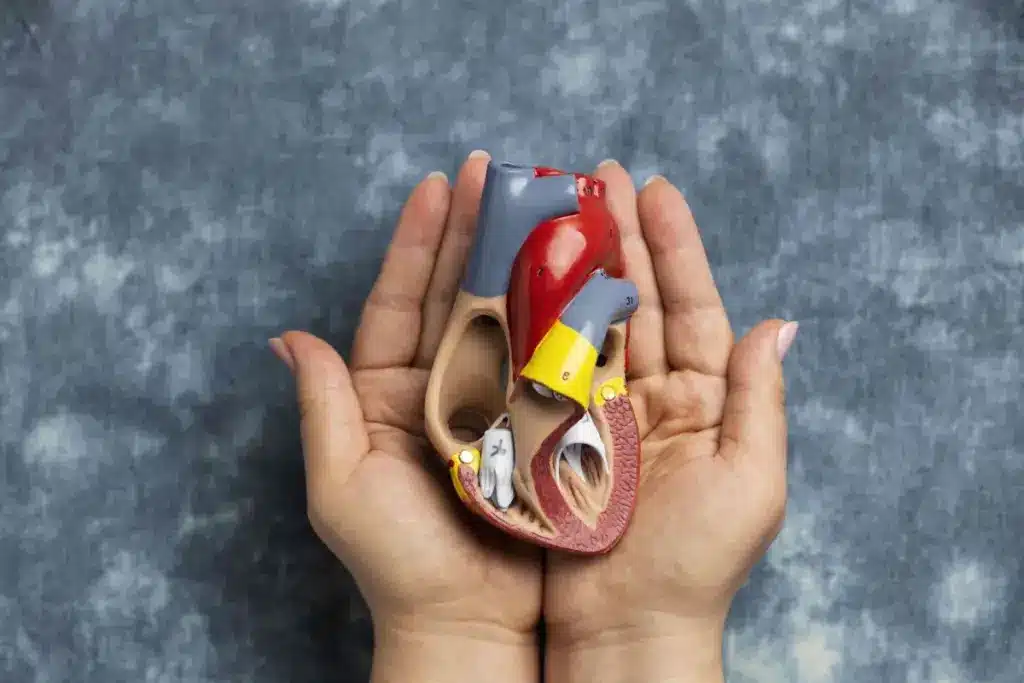
Heart valve diseases come in different forms, each affecting health and life expectancy differently. These conditions make it hard for the heart to work right, impacting overall health.
Stenosis: Narrowing of Valve Openings
Stenosis is when the valve opening gets too narrow, blocking blood flow. This makes the heart work harder, which can cause the heart muscle to thicken. If not treated, stenosis can greatly affect heart valve disease prognosis.
A study in a Journal found that surgery for severe aortic stenosis improved survival rates. This was compared to those who didn’t have surgery.
Regurgitation: Leaky Valves
Regurgitation, or insufficiency, is when a valve doesn’t close right, letting blood leak back. This can overload the heart, leading to heart failure if not treated. Proper managing valve disease prognosis means fixing regurgitation through the right treatments.
A leading cardiologist once said, “Early diagnosis and treatment of regurgitation can greatly improve patient outcomes and quality of life.”
Prolapse: Improper Valve Closure
Prolapse is when the valve leaflets bulge back into the atrium during heart contraction. Mitral valve prolapse is a common type. While some may not show symptoms, others might need treatments for valve disease longevity to manage problems.
|
Type of Valve Disease |
Characteristics |
Potential Complications |
|---|---|---|
|
Stenosis |
Narrowing of valve openings |
Hypertrophy, Heart Failure |
|
Regurgitation |
Leaky valves |
Volume Overload, Heart Failure |
|
Prolapse |
Improper valve closure |
Mitral Regurgitation, Arrhythmias |
Knowing about these heart valve diseases is key to making good treatment plans. By understanding the specific condition and its effects, doctors can give better care to improve patient results.
Valvular Disease Life Expectancy: An Overview
The life expectancy for people with valvular heart disease varies a lot. This depends on several factors, like the type and how severe the condition is. Knowing these factors is key for both patients and doctors to manage the disease well and improve survival chances.
Statistical Data on Survival Rates
Recent stats show survival rates for valvular heart disease patients have gotten better. This is thanks to new medical tech and treatments. Survival rates differ based on the specific valve condition, with some being more hopeful than others.
For example, people with mild valve disease usually have a better outlook than those with severe cases. We’ll dive into these differences to give a full picture of life expectancy with valvular disease.
Comparing Different Valve Conditions
Different valve issues affect life expectancy in different ways. For instance, aortic valve stenosis can narrow the aortic valve, leading to serious health problems if not treated. On the other hand, mitral regurgitation, where the mitral valve leaks, can also impact life expectancy but might have different treatment options and results.
By looking at these conditions side by side, we can grasp the prognosis for patients with various valvular heart diseases. This helps us find the best ways to manage these conditions.
Factors Affecting Prognosis in Valve Disease
Many important factors can change how long someone with valvular disease can live. Knowing these factors helps doctors and patients manage the disease better.
Age at Diagnosis
When valve disease is found, it matters a lot. Older people usually face a tougher time because of other health issues and less energy.
A study in a Journal showed that being older at diagnosis means higher death rates in severe aortic stenosis.
“Age is a critical determinant of outcome in patients with valvular heart disease, with older patients facing higher risks due to comorbidities and decreased cardiac reserve.”—
Overall Heart Function
The heart’s overall health is key. Those with valve disease and a weak heart do worse than those with a strong heart.
- Reduced ejection fraction
- Increased heart size
- Presence of heart failure symptoms
These signs mean the disease is more serious and risks are higher.
|
Heart Function Indicator |
Normal |
Impaired |
|---|---|---|
|
Ejection Fraction |
>55% | |
|
Heart Size |
Normal |
Enlarged |
|
Heart Failure Symptoms |
Absent |
Present |
Comorbidities
Having other health problems with valve disease makes things harder. Common ones are high blood pressure, diabetes, and heart artery disease.
It’s important to manage these conditions to improve the outlook. For example, controlling high blood pressure helps the heart less stressed and slows disease growth.
Understanding and tackling these factors helps doctors create better treatment plans for patients with valvular disease.
The Impact of Specific Valve Locations
The location of heart valve disease greatly affects patient outcomes and life expectancy. Heart valves are key to blood flow through the heart. When they’re diseased, serious complications can occur. The life expectancy impact varies by valve location.
Aortic Valve Problems and Life Expectancy
The aortic valve is often affected by heart valve disease. Aortic stenosis, or narrowing, can significantly reduce life expectancy if untreated. Early intervention, like valve replacement surgery, can greatly improve survival chances.
Studies show that those with severe aortic stenosis who get a new valve live longer than those without treatment.
Aortic regurgitation, or leakage, also affects life expectancy. The severity and symptoms determine the prognosis. Severe cases may need surgery to extend life.
Mitral Valve Disease Prognosis
The mitral valve is critical when diseased. Mitral regurgitation, or leakage, varies from mild to severe. The prognosis depends on the condition’s severity, symptoms, and heart function.
Mild cases may have a good prognosis with minimal treatment. Severe cases often need surgery or transcatheter repair to improve life expectancy. Regular monitoring and timely intervention are key for managing mitral valve disease.
Tricuspid and Pulmonary Valve Considerations
Tricuspid and pulmonary valve disorders are less common but can impact life expectancy. Tricuspid regurgitation, often linked to other heart issues, can cause right heart failure if not managed. Pulmonary valve disease, whether congenital or acquired, needs careful treatment to avoid complications.
Each patient’s case is unique, and the impact of tricuspid or pulmonary valve disease varies. Tailored care and treatment plans are vital for managing these conditions and improving outcomes.
Severity Levels and Their Effect on Survival
Heart valve disease severity levels are key in deciding treatment and survival chances. The disease’s severity greatly impacts patient outcomes and life expectancy. It’s vital to grasp the different stages of this condition.
Mild Valve Disease
Mild valve disease often shows few symptoms, and patients might not need immediate treatment. Yet, it’s important to keep an eye on the disease’s progress. Lifestyle changes and medications can help manage symptoms and slow disease worsening.
Moderate Valve Disease
Moderate valve disease means the valve is malfunctioning more, leading to symptoms like shortness of breath or fatigue. At this point, diagnostic tests like echocardiography are key to check the valve’s state. Treatment might include medications or surgical options to fix or replace the valve.
Severe Valve Disease
Severe valve disease shows major valve problems, causing severe symptoms and a higher risk of complications. Surgical intervention is often needed to fix the heart’s function. The choice between repair or replacement depends on several factors, like the valve, heart health, and patient wishes.
Knowing the severity of heart valve disease is essential for a good prognosis and treatment plan. Effective management of valve disease can improve patient outcomes and quality of life.
Diagnostic Tools for Assessing Valve Disease Progression
Diagnosing and monitoring valve disease requires advanced tools. These tools help doctors understand how severe the disease is and how it’s changing. This information guides treatment and helps patients get better.
Echocardiography
Echocardiography is a non-invasive test that uses sound waves to see the heart. It’s key for checking how well the valves work and their shape. Echocardiograms can spot problems like stenosis, regurgitation, and prolapse, helping doctors act early.
Cardiac MRI and CT Scans
Cardiac MRI and CT scans give detailed pictures of the heart. Cardiac MRI is great for seeing how bad valve disease is and how it affects the heart. CT scans help plan surgeries with clear images.
Cardiac Catheterization
Cardiac catheterization is a more invasive test. It involves putting a catheter into the heart to check valve function and blood flow. It’s used when other tests don’t give clear results or when surgery is planned.
The tools used to check valve disease include:
- Echocardiography
- Cardiac MRI
- Cardiac CT Scans
- Cardiac Catheterization
These tools are essential for managing valvular heart disease prognosis and figuring out the valvular heart condition survival rate. They help doctors create treatment plans that can increase life expectancy with valvular disorders.
Surgical Interventions and Life Expectancy
Modern surgery has greatly improved life chances for those with heart valve disease. Treatments like valve repair and replacement are now more effective. They help increase life expectancy and improve quality of life for those with valvular disease.
Valve Repair Procedures
Valve repair is often the first choice when it’s possible. It keeps the patient’s own valve and avoids the need for lifelong blood thinners. Repair procedures work well for some valve diseases, like mitral valve prolapse.
Choosing to repair or replace a valve depends on several things. These include how severe the disease is, the patient’s health, and the valve’s condition.
Valve Replacement Options
If repair isn’t an option, replacement is needed. There are mechanical and biological valves. Mechanical valves last long but need lifelong blood thinners to prevent clots. Biological valves don’t last as long but usually don’t need blood thinners for long.
|
Valve Type |
Durability |
Anticoagulation Requirement |
|---|---|---|
|
Mechanical |
High |
Lifelong |
|
Biological |
Limited (10-15 years) |
Short-term or none |
Post-Surgery Survival Rates
Surgery greatly improves life expectancy. Research shows that successful repairs or replacements can significantly boost survival rates. Post-surgery survival rates depend on age, health, and the valve condition.
Knowing about surgery options helps patients and doctors make better choices. This improves life expectancy for those with valvular disease.
Minimally Invasive Procedures and Outcomes
Minimally invasive procedures have changed how we treat valvular heart disease. They offer hope to those with complex valve issues. These new methods have made recovery faster and improved life quality.
TAVR (Transcatheter Aortic Valve Replacement)
TAVR is a new way to treat severe aortic stenosis for high-risk patients. It replaces the old valve with a new one through a small catheter. This method has been shown to increase survival rates and lessen symptoms in the right patients.
One big plus of TAVR is how it manages valve disease. It improves heart function and lowers the risk of complications from aortic stenosis.
MitraClip and Similar Technologies
MitraClip is a new treatment for severe mitral regurgitation. It uses a catheter to clip the mitral valve leaflets together. This has been effective in reducing mitral regurgitation and improving life quality for those not suited for traditional surgery.
Recovery and Long-term Results
Recovery from these minimally invasive procedures is quicker than traditional surgery. Most patients can get back to normal in a few weeks. The long-term results are also encouraging, with many patients seeing lasting improvements in their condition and overall health.
|
Procedure |
Recovery Time |
Long-term Outcomes |
|---|---|---|
|
TAVR |
2-4 weeks |
Improved survival, reduced symptoms |
|
MitraClip |
1-3 weeks |
Reduced mitral regurgitation, improved quality of life |
In conclusion, procedures like TAVR and MitraClip are big steps forward in treating valvular heart disease. They offer effective treatments that improve patient outcomes and life quality. As technology advances, we can look forward to even more breakthroughs in treating heart valve diseases.
Medical Management of Valve Disease
Managing valve disease involves a few key steps to improve symptoms and life quality. It’s important for those with valve disease to manage their condition well. This affects their life expectancy and overall health.
Medication Regimens
Medicine is key in treating valve disease symptoms and preventing problems. We use different drugs to handle high blood pressure, heart failure, and irregular heartbeats. For example, anticoagulants stop blood clots, which can cause strokes or serious issues. Beta-blockers and ACE inhibitors help manage symptoms and slow the disease’s growth.
|
Medication Type |
Purpose |
Examples |
|---|---|---|
|
Anticoagulants |
Prevent blood clots |
Warfarin, Apixaban |
|
Beta-blockers |
Control heart rate and blood pressure |
Metoprolol, Atenolol |
|
ACE inhibitors |
Manage heart failure and hypertension |
Lisinopril, Enalapril |
Lifestyle Modifications
Changing your lifestyle is also important for managing valve disease. We suggest a heart-healthy diet, regular exercise, and quitting smoking. Eating low-sodium helps with fluid and blood pressure. Regular physical activity boosts heart health and overall well-being.
Regular Monitoring Protocols
Keeping an eye on valve disease is vital to track its progress and adjust treatments. We advise regular doctor visits, including echocardiograms to check valve function. This early detection helps us tackle problems before they get worse.
By using medicines, making lifestyle changes, and monitoring regularly, we can greatly improve life for those with valve disease.
Living with Mechanical and Biological Valve Replacements
Patients with valvular heart disease often get valve replacement surgery. This surgery can greatly improve their life quality. They must choose between mechanical and biological valves, each with its own considerations.
Anticoagulation Therapy Considerations
Living with a mechanical heart valve means taking anticoagulants for life. Anticoagulants prevent blood clots from forming on the valve, which can cause serious problems like stroke. It’s important for patients to stay in close touch with their doctors to manage their therapy.
Biological valves usually don’t need long-term anticoagulants, but some patients might need it for a short time after surgery. This is a big factor in choosing between the two types of valves.
Durability and Replacement Needs
The durability of the valve is key. Mechanical valves are very durable and can last a long time, often a patient’s whole life. But, they have a higher risk of clotting and need anticoagulants.
Biological valves, though, have a shorter life and might need to be replaced in 10 to 15 years. The choice between mechanical and biological valves depends on many factors, like the patient’s age, lifestyle, and health.
Quality of Life Differences
The type of valve affects a patient’s life quality. Mechanical valves need lifelong anticoagulants but are very durable. Biological valves might need less anticoagulation but could need future surgeries.
We help our patients understand these trade-offs. By looking at their lifestyle, health, and personal wishes, we guide them in making the best choice for their needs and preferences. This way, we help them manage the complexities of valve replacement and improve their long-term health.
Special Populations and Valve Disease Prognosis
Special groups, like those with congenital defects and pregnant women, face unique challenges with valve disease. They need personalized care to get the best results.
Congenital Valve Defects
Congenital valve defects are heart valve problems present at birth. They can be mild or severe and affect one or more valves. Thanks to new surgical methods and treatments, these defects are now more manageable.
Managing congenital valve defects involves:
- Early diagnosis through fetal echocardiography or neonatal screening
- Regular monitoring to assess disease progression
- Timely intervention with surgical repair or replacement when necessary
- Lifestyle adjustments to manage symptoms and prevent complications
Pregnancy and Valve Disease
Pregnancy is challenging for women with pre-existing valve disease. The body’s changes during pregnancy can worsen valve problems, risking health for both mother and baby.
Strategies for pregnant women with valve disease include:
- Pre-conception counseling to assess risks and plan management
- Close monitoring during pregnancy using echocardiography
- Adjusting medications to ensure safety for both mother and fetus
- Planning for delivery in a tertiary care center with a multidisciplinary team
Elderly Patients with Valve Problems
Elderly patients often have complex valve disease due to aging. Their health issues and frailty make management more complex, needing a detailed plan.
Considerations for elderly patients include:
- Comprehensive geriatric assessment to evaluate overall health
- Careful selection of surgical or transcatheter interventions
- Optimization of comorbid conditions to reduce surgical risk
- Palliative care options for those who are not candidates for intervention
Understanding the unique challenges of special populations helps healthcare providers tailor care. This approach improves outcomes and quality of life. Effective management requires a team effort, using the latest medical and surgical techniques.
Psychological Aspects of Living with Valve Disease
Living with valvular heart disease is tough, both physically and emotionally. The diagnosis and ongoing care can really affect a person’s mental health. This can change how they feel overall.
People with valvular disease often feel anxious or depressed. These feelings come from the limits their condition puts on their life. It’s key to manage these feelings to live better with valvular disease.
Anxiety and Depression Management
Anxiety and depression are common in those with valvular heart disease. To manage these, there are a few strategies:
- Cognitive-behavioral therapy (CBT) to change negative thoughts
- Medication to help with symptoms of anxiety and depression
- Support groups for sharing experiences and strategies
Healthcare providers should really understand the mental impact of valve disease. They should include mental health support in the treatment plan.
Coping with Uncertainty
One big challenge for patients is dealing with the unknown about their condition. They worry about how the disease will progress, if they’ll need surgery, and how it will affect their future.
To handle this uncertainty, patients can:
- Get regular updates from their healthcare team
- Learn about their disease and treatment options
- Build a support network of family, friends, and others with similar conditions
Maintaining Quality of Life
Keeping a good quality of life is very important for those with valvular heart disease. It’s not just about managing physical symptoms. It’s also about dealing with the emotional and psychological challenges.
Ways to keep a good quality of life include:
- Doing regular physical activities that fit their abilities
- Enjoying hobbies and interests that bring happiness
- Staying connected with loved ones and building a support network
By taking a full approach to managing valvular heart disease, patients can improve their overall well-being. This can make their life better.
Working with Healthcare Providers
For those with heart valve issues, teaming up with healthcare providers is essential. It helps improve life quality and prognosis. Valvular heart disease management strategies work best when patients and their teams work together.
Building Your Valve Care Team
Creating a strong care team is critical for managing valve disease. This team usually includes cardiologists, surgeons, primary care doctors, and sometimes more specialists. Shared decision-making happens through regular talks among team members. This ensures patients get consistent care.
- Cardiologists with expertise in valvular heart disease
- Cardiothoracic surgeons for surgical interventions
- Primary care physicians for ongoing health management
- Nurses and nurse practitioners for support and guidance
When to Seek Emergency Care
Knowing when to get emergency care is key for valve disease patients. Signs like sudden chest pain, severe breathing trouble, or fainting need quick action. It’s important for patients to know these signs and have a plan for emergencies.
Shared Decision Making
Shared decision-making means patients and doctors make care choices together. They look at the latest research, patient wishes, and personal situations. This helps find the best way to manage valve disease prognosis and improve treatments for valve disease longevity.
By working closely with healthcare providers and making decisions together, patients can play a big role in their care. This can lead to better outcomes and a better quality of life.
Conclusion
We’ve looked into heart valve disease and how it affects life expectancy. The outlook for people with this disease changes a lot. It depends on the disease’s type and how severe it is, the heart’s overall health, and if they have other health issues.
The life expectancy for those with valvular disease varies. For example, severe aortic stenosis can greatly shorten life if not treated. But, mild mitral regurgitation might have a better outlook.
How well someone does with heart valve disease also depends on treatment. This includes surgery, medicine, and changes in lifestyle. New treatments like TAVR and MitraClip have helped many patients.
Getting the best care and staying in touch with doctors can improve life expectancy. It’s important to work with healthcare providers to create a treatment plan that fits you.
Knowing what affects life expectancy with valvular disease helps people manage their condition better. This can lead to a better quality of life.
FAQ
What is the average life expectancy for someone with heart valve disease?
Life expectancy for heart valve disease varies. It depends on the disease’s type and severity, and the person’s health. With the right treatment, many people can live active lives.
How does the severity of valve disease impact life expectancy?
The severity of valve disease greatly affects life expectancy. Mild cases might have little impact. But severe cases can shorten life if not treated well.
What are the treatment options for heart valve disease?
Treatments include medicines, lifestyle changes, and surgeries. Surgeries like valve repair or replacement are options. Minimally invasive procedures like TAVR and MitraClip are also available.
How do comorbidities affect the prognosis of valve disease?
Other health conditions can change valve disease prognosis. Heart failure, diabetes, and kidney disease can make treatment harder and affect life expectancy.
What is the impact of age on the prognosis of valve disease?
Age at diagnosis is key. Older adults face more challenges due to other health issues and less physical strength. This can affect treatment success and life expectancy.
How does the location of the valve disease affect life expectancy?
Where the valve disease is located matters. Different valves affect heart function and treatment choices. This impacts life expectancy and prognosis.
What diagnostic tools are used to assess valve disease progression?
Tools like echocardiography, MRI, CT scans, and cardiac catheterization are used. They help figure out how severe the disease is and guide treatment.
What are the considerations for patients living with mechanical and biological valve replacements?
Patients with mechanical valves need blood thinners to prevent clots. Those with biological valves might not. The need for future replacement is also a consideration.
How can patients manage the psychological aspects of living with valve disease?
Managing the mind involves dealing with anxiety and depression. It’s about coping with uncertainty and keeping a good quality of life. Support from healthcare, family, and groups helps.
What is the role of shared decision-making in managing valve disease?
Shared decision-making is key. It’s about talking with healthcare providers about treatment options. Understanding risks and benefits helps make informed decisions that fit the patient’s values.
How does pregnancy affect valve disease prognosis?
Pregnancy can affect valve disease prognosis. The heart works harder during pregnancy. Women with valve disease need careful monitoring to reduce risks.
What lifestyle modifications are recommended for patients with valve disease?
Lifestyle changes are important. A healthy diet, regular exercise, quitting smoking, and managing stress help manage the condition. They improve overall health.
Reference
New England Journal of Medicine. Evidence-Based Medical Insight. Retrieved from https://www.nejm.org/doi/full/10.1056/NEJMra1303500