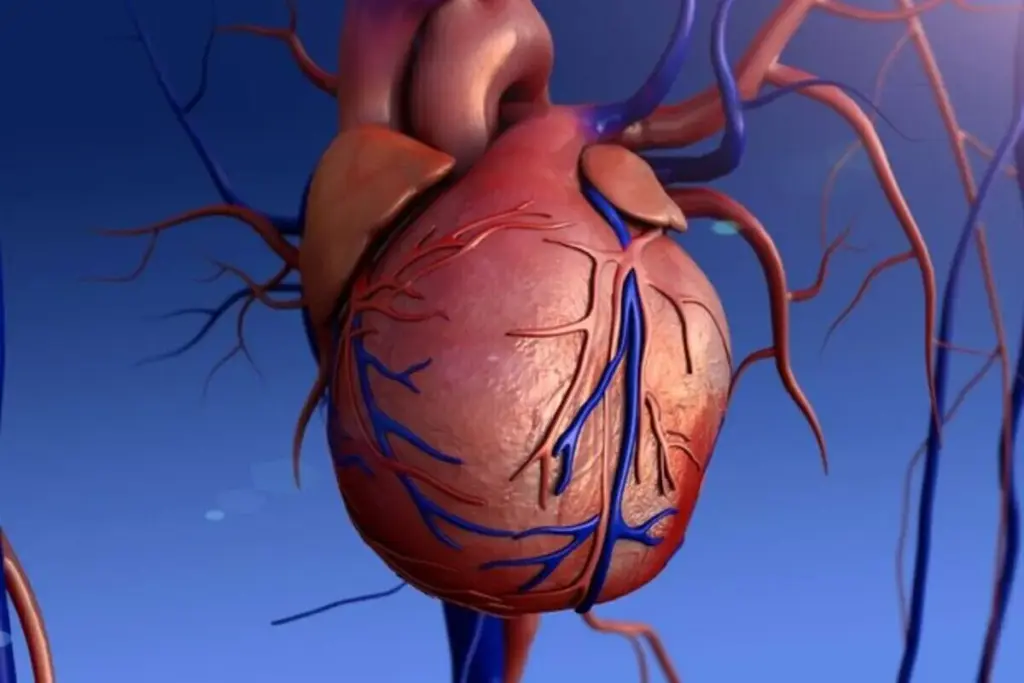
Valvular heart disease affects millions worldwide, leading to high mortality rates if untreated. Understanding the condition and its treatment options is key to better patient outcomes. We aim to offer complete care and support to those affected.
Can it be cured? Explore positive valvular disease treatment outcomes and the outlook for a better, healthier life. Hope is high!
New medical technology and surgical methods have greatly improved valvular condition management. Our mission is to share the latest on valvular disease treatment outcomes. We highlight both successes and challenges in this area.
Key Takeaways
- Valvular heart disease is a serious condition with significant mortality rates if untreated.
- Advances in medical technology have improved treatment success rates.
- Understanding treatment options is key for patient care.
- Managing valvular conditions requires a complete approach.
- Improved patient outcomes depend on timely and effective treatment.
What is Valvular Heart Disease?
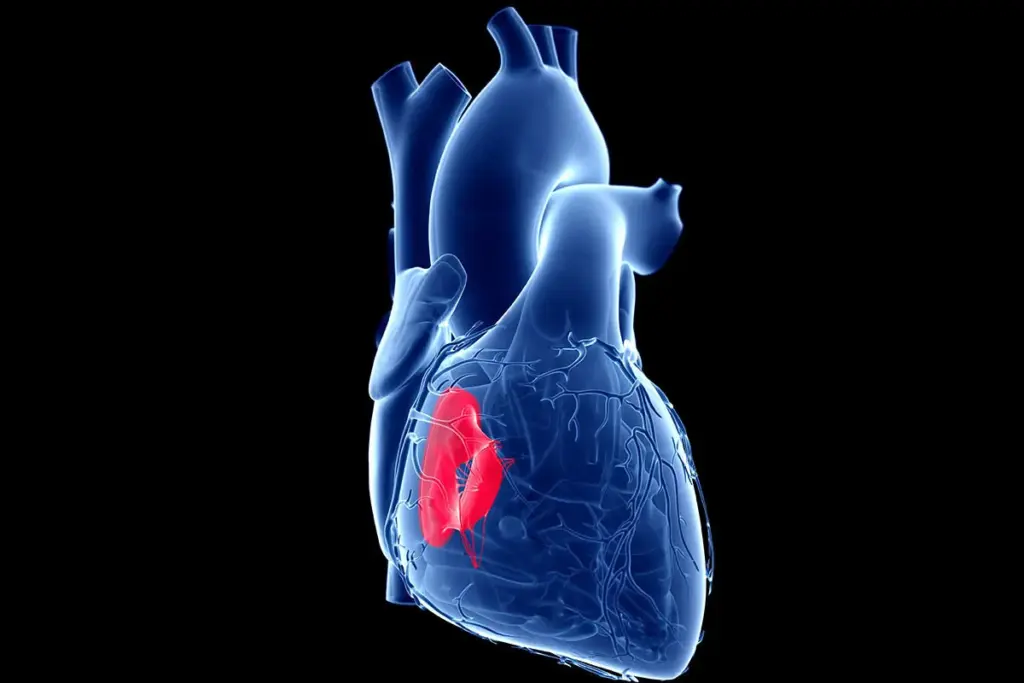
The heart’s valves are key for blood flow. When they’re not working right, we have valvular heart disease. This disease can cause serious health problems.
Types of Heart Valve Disorders
There are many heart valve disorders. These include:
- Mitral valve regurgitation: The mitral valve doesn’t close right, letting blood flow back.
- Aortic stenosis: The aortic valve gets narrower, blocking blood flow.
- Tricuspid regurgitation: The tricuspid valve leaks, causing blood to flow back into the heart.
- Pulmonary valve stenosis: The pulmonary valve narrows, limiting blood flow to the lungs.
Knowing these disorders helps find the best valve disorder treatment results.
Common Causes and Risk Factors

Valvular heart disease comes from many causes and risk factors. These include:
|
Cause/Risk Factor |
Description |
|---|---|
|
Congenital heart defects |
Heart valve problems from birth. |
|
Infective endocarditis |
An infection of the heart valves. |
|
Degenerative changes |
Wear and tear on the heart valves over time. |
|
Rheumatic fever |
A complication of streptococcal infection that can damage heart valves. |
Knowing these causes and risk factors helps improve cardiac valve treatment effectiveness. It also lowers valvular disease mortality rates.
Understanding heart valve disorders and their causes helps us treat valvular heart disease better. This improves patient outcomes.
The Progression of Valvular Heart Disease
Valvular heart disease gets worse over time due to many factors. These include the type and severity of the valve problem, other health issues, and the patient’s overall health.
Natural History Without Treatment
Valvular heart disease can get worse slowly or quickly. This depends on the cause and the patient’s health. Without treatment, it can cause serious problems like heart failure, arrhythmias, and even death.
“The natural history of valvular heart disease varies widely among patients, highlighting the importance of careful monitoring and timely intervention,” say cardiology experts.
When Treatment Becomes Necessary
Treatment is needed when symptoms appear or when the disease gets severe. The choice to treat is based on a detailed evaluation, including clinical assessment, imaging studies, and other tests.
Several factors decide if treatment is needed. These include the severity of symptoms, the extent of valve damage, and other heart risk factors. Early treatment can greatly improve outcomes and quality of life for patients.
Understanding how valvular heart disease progresses helps doctors create effective treatment plans. These plans are tailored to each patient’s needs.
Diagnosing Valvular Heart Disease
To diagnose valvular heart disease, doctors use a mix of clinical checks and advanced imaging. We’ll see how these methods work together to get a correct diagnosis.
Clinical Evaluation and Symptoms
The first step is a detailed clinical check. This includes a full medical history and physical exam. Doctors look for signs like shortness of breath, chest pain, and fatigue, which might point to valvular disease.
During the exam, doctors listen with a stethoscope for heart murmurs. These are unusual sounds from blood flow issues. The murmur’s sound and timing can hint at the problem valve and its severity.
Advanced Imaging Techniques
Advanced imaging is key to confirming the diagnosis and understanding the disease’s severity. The main imaging tools are:
- Echocardiography: This non-invasive test uses sound waves to create heart images. It helps check valve structure and function.
- Cardiac MRI: Magnetic Resonance Imaging gives detailed heart images. It can also look at valve function and blood flow.
- Transesophageal Echocardiography (TEE): This involves an ultrasound probe down the esophagus for closer heart valve images.
These imaging methods let doctors see the heart valves and check their function. This info is vital for choosing the right treatment.
Valvular Disease Treatment Outcomes: An Overview
How well valvular disease treatment works depends on many things. These include the type of treatment and the patient’s health. It’s key to know what makes treatment successful and what affects these results.
Defining Success in Valve Disease Treatment
Success in treating valve disease means more than just surviving. It also means living well, without complications. Effective treatment should make the heart work better, reduce symptoms, and improve life quality.
Doctors look at several things to see if treatment worked. These include:
- Survival rates after treatment
- How symptoms and life quality improve
- If more treatments are needed
- If any complications from treatment happen
Factors Influencing Treatment Results
Many things can affect how well treatment works. These include:
|
Factor |
Description |
Impact on Outcome |
|---|---|---|
|
Type of Valve Disease |
The specific valve affected and the nature of the disease (stenosis, regurgitation, etc.) |
Different types of valve disease may respond differently to treatment. |
|
Treatment Modality |
Surgical (repair or replacement) vs. transcatheter interventions |
Choice of treatment affects recovery time, risk of complications, and long-term outcomes. |
|
Patient Health |
Presence of comorbidities, age, and overall health status |
Patients with fewer comorbidities and better overall health tend to have better outcomes. |
Understanding these factors helps doctors create better treatment plans. This way, they can improve valvular disease outcomes for each patient.
Surgical Options for Valvular Disease
Surgery is key in treating valvular heart disease. It offers many options based on each patient’s needs. The choice of surgery depends on the type and how severe the valve problem is.
Traditional Open-Heart Surgery
Open-heart surgery has been a mainstay for treating valvular disease for years. It involves opening the chest to reach the heart. Surgeons can then fix or replace the faulty valve.
This method is more invasive. But, new surgical methods and better care after surgery have made it safer.
Benefits of traditional open-heart surgery include:
- Direct access to the valve
- Can do complex repairs or replacements
- Well-established long-term results
Valve Repair Techniques and Success Rates
Valve repair is becoming more popular. It aims to keep the patient’s own valve, avoiding the need for lifelong blood thinners. The success of repair depends on the valve disease, the surgeon’s skill, and the patient’s health.
Key advantages of valve repair include:
- Lower risk of complications
- Keeps the natural valve function
- Potential for better long-term survival
Valve repair techniques have improved a lot. Studies show good results in terms of lasting and patient outcomes. Choosing between repair and replacement depends on the patient’s specific needs and the valve disease’s details.
Valve Replacement Procedures
When heart valve disease gets worse, replacing the valve is often needed. Valve replacement surgery is a common and effective treatment. It helps patients improve their quality of life.
There are two main types of valve replacement: mechanical and biological. Each has its own benefits and things to consider, which we will look at closely.
Mechanical Valve Replacement
Mechanical valves are made from strong materials like titanium. They are best for younger patients because they can last a long time.
But, mechanical valves need patients to take anticoagulation therapy for life. This is a big deal because it affects their lifestyle and needs regular check-ups.
“The use of mechanical valves in valve replacement surgery has been a cornerstone in the treatment of valvular heart disease, providing durability and long-term functionality.”— A Cardiothoracic Surgeon
Biological Valve Replacement
Biological valves, made from animal tissue, are better for older patients or those who can’t handle long-term anticoagulation therapy. The big plus of biological valves is they usually don’t need lifelong anticoagulation.
But, biological valves might need to be replaced after 10 to 15 years. This is something to think about when choosing a valve replacement.
The choice between mechanical and biological valves depends on many factors. These include the patient’s age, lifestyle, and health. It’s a choice that should be made with a healthcare provider, considering the latest research and the patient’s wishes.
Understanding the differences between mechanical and biological valves helps patients make better choices. This way, they can get the best results from their treatment.
Minimally Invasive Valvular Disease Treatment
Minimally invasive treatments are changing how we manage valvular heart disease. Medical technology is advancing, leading to less invasive procedures. This means shorter recovery times and better results for patients. We’ll look at TAVR, MitraClip, and other catheter-based methods.
Transcatheter Aortic Valve Replacement (TAVR)
TAVR is a new way to treat aortic stenosis. It involves putting a new valve in the heart through a catheter. This is done through an artery in the leg. TAVR has greatly improved survival and quality of life for high-risk patients.
TAVR is safer, less painful, and has shorter hospital stays than traditional surgery. We’re always improving it, hoping to help more patients.
MitraClip and Other Catheter-Based Approaches
MitraClip is a new treatment for mitral regurgitation. It uses a catheter to clip the mitral valve leaflets together. MitraClip has greatly improved symptoms and quality of life for high-risk patients.
Other catheter-based treatments are also being developed. They offer hope for patients with different valvular diseases. These treatments are making surgery less necessary, leading to fewer complications and faster recovery.
We’re dedicated to improving outcomes in minimally invasive valvular disease treatment. By using these new technologies, we’re making a big difference. We’re helping patients worldwide live better lives.
Valve Repair vs. Replacement Outcomes
It’s important to know the differences between valve repair and replacement for those with heart valve disease. This helps patients make the best choice for their treatment.
Comparative Survival Rates
Looking at survival rates helps us see how well valve repair and replacement work. Research shows both can greatly improve patient outcomes. But, the survival rates can change based on the type of valve disease and the patient’s health.
A study in a Journal found valve repair might lead to higher survival rates. But, the success depends on the repair’s complexity and the patient’s health at the time of surgery.
|
Procedure |
1-Year Survival Rate |
5-Year Survival Rate |
|---|---|---|
|
Valve Repair |
95% |
80% |
|
Valve Replacement |
90% |
75% |
Quality of Life Differences
Quality of life is also key after valve repair or replacement. Both can greatly improve a patient’s life, but there are differences.
Valve repair can offer more natural function, possibly reducing the need for blood thinners. This lowers the risk of complications from artificial valves. Yet, valve replacement, like with mechanical valves, might need lifelong blood thinners. This can affect a patient’s lifestyle and increase bleeding risks.
“The choice between valve repair and replacement should be tailored to the individual patient’s needs and valve pathology.” Cardiothoracic Surgeon
The decision between valve repair and replacement should consider the patient’s condition, lifestyle, and preferences. Advances in surgery and valve technology are making outcomes better for those with heart valve disease.
Non-Surgical Valvular Disease Treatment
Today, we have many non-surgical ways to treat valvular heart disease. These options are great for those who can’t have surgery or prefer not to. They help improve how patients feel and live.
Medical Management Strategies
Medical management is key in treating valvular heart disease. It helps ease symptoms and slow the disease’s growth. We use medicines to handle related issues like high blood pressure and heart failure.
Key medications include:
- Diuretics to reduce fluid buildup
- ACE inhibitors to lower blood pressure
- Beta-blockers to control heart rate
- Anticoagulants to prevent blood clots
|
Medication |
Purpose |
Benefits |
|---|---|---|
|
Diuretics |
Reduce fluid buildup |
Ease on the heart, reduce symptoms |
|
ACE Inhibitors |
Lower blood pressure |
Reduce strain on the heart |
|
Beta-blockers |
Control heart rate |
Improve heart function, reduce symptoms |
Lifestyle Modifications for Valve Disease
Changing your lifestyle is also important in managing valvular heart disease. Healthy habits can greatly improve your condition and overall health.
Recommended lifestyle modifications include:
- Dietary changes to manage weight and reduce salt intake
- Regular exercise tailored to the patient’s condition
- Smoking cessation to reduce cardiovascular risk
- Limiting alcohol consumption
By using medicines and making lifestyle changes, patients with valvular heart disease can see big improvements. They can enjoy a better quality of life.
Long-Term Prognosis Valvular Disease Treatment
Knowing what to expect long-term after valvular disease treatment is key. It helps patients plan their future. The success of treatment isn’t just about immediate results. It’s also about long-term survival and quality of life.
5-Year Outcomes After Intervention
Research shows that 5-year survival rates after treatment are good. Patients’ quality of life also improves a lot. Valve repair and replacement surgeries are very effective in improving long-term results.
The 5-year outcomes depend on several things. These include the type of valve disease, the patient’s health, and the treatment used. For example, transcatheter aortic valve replacement (TAVR) has shown good 5-year survival rates compared to traditional surgery.
10-Year and Beyond Survival Rates
Looking at survival rates 10 years and beyond, several factors are important. These include how well the valve lasts, the patient’s care after treatment, and other health conditions. Biological valves may need to be replaced, while mechanical valves last longer but require lifelong blood thinners.
Studies suggest that with the right care, many patients can live long and have a good quality of life.
In summary, the outlook after valvular disease treatment is mostly positive. Many patients see big improvements in their life quality and survival. Understanding these outcomes helps both patients and doctors make better treatment choices.
Improving Valvular Disease Outcomes Through Innovation
Valvular heart disease treatment is on the verge of a big change. Next-generation valve technologies are leading the way. These advancements are making treatment better and giving more options to patients.
New valve technologies are a key area of innovation. They aim to make valves more durable, efficient, and easier for patients.
Next-Generation Valve Technologies
New valve technologies aim to fix old problems. They have important features like:
- Durable materials that make valves last longer and need less repair.
- Advanced hemodynamic performance for better blood flow and fewer complications.
- Minimally invasive delivery systems for easier implantation and quicker recovery.
Advances in Surgical Techniques
New surgical techniques are also key to better treatment. Minimally invasive and robotic-assisted surgeries are becoming common. They offer patients less pain and faster recovery.
Benefits of these techniques include:
- Less risk of complications from smaller cuts.
- Less pain and discomfort after surgery.
- Quicker recovery, so patients can get back to normal life sooner.
By combining new valve technologies with advanced surgery, we’re seeing big improvements. These changes are improving valvular disease outcomes and transforming treatment.
Valvular Disease Treatment Complications
It’s important to know the possible complications of valvular disease treatment. This knowledge helps in making informed decisions. We will look at the different treatment options and their risks.
Immediate Post-Procedure Complications
Right after treatment, complications can happen. These include bleeding, infection, and reactions to anesthesia. Sometimes, patients might have a stroke or cardiac arrest. Healthcare providers must watch patients closely after treatment to reduce these risks.
Here’s a table showing some immediate complications for different treatments:
|
Treatment Type |
Common Immediate Complications |
|---|---|
|
Surgical Valve Replacement |
Bleeding, Infection, Stroke |
|
Transcatheter Aortic Valve Replacement (TAVR) |
Vascular Complications, Stroke, Valve Malpositioning |
|
MitraClip Procedure |
Access Site Complications, Mitral Valve Injury |
Long-Term Complications and Management
Long-term issues after treatment can affect a patient’s life a lot. These include problems with the new valve, bleeding from anticoagulation, and endocarditis. Managing these complications well needs regular check-ups and a team effort.
Patients with mechanical valves need to take anticoagulants forever. This can lead to bleeding problems. It’s key to keep an eye on their anticoagulation levels to lower this risk.
Understanding the complications of valvular disease treatment helps healthcare providers improve care. It’s about finding the right balance between treatment benefits and risks. Each patient needs a personalized approach.
Special Populations and Valvular Disease Management
Managing valvular disease in special groups like kids, pregnant women, and the elderly is tricky. Each group has its own needs and challenges. We must tailor our treatment plans to fit these unique situations.
Pediatric Valve Disease Treatment
Dealing with valvular disease in kids is extra hard because we need solutions that won’t stop their growth. When we can, we choose to repair the valve instead of replacing it. This might delay when they’ll need more surgery.
We’re seeing more use of minimally invasive techniques and bioprosthetic valves in kids. These methods seem to work well, but we’re watching how long these valves last.
|
Treatment Approach |
Advantages |
Considerations |
|---|---|---|
|
Valve Repair |
Preserves native valve tissue, potentially reduces need for anticoagulation |
May not be suitable for all valve pathologies |
|
Bioprosthetic Valve Replacement |
Lower risk of thrombosis, avoids long-term anticoagulation |
Limited durability, potentially for future replacements |
Valvular Disease in Pregnancy
Pregnancy is risky for women with heart valve problems. We give them careful advice before they get pregnant. We watch both the mom and the baby closely during the pregnancy.
Elderly Patients with Valve Disease
Older patients often have other health issues that make treating heart valve problems harder. We think about these other health problems when we decide how to treat them. We try to find the best balance between risks and benefits.
Transcatheter aortic valve replacement (TAVR) is a good option for older patients. It’s less invasive than traditional surgery. Studies show it improves their quality of life and health outcomes.
By understanding the special needs of these groups, we can make treatment plans that work better. This helps improve their health and quality of life.
Living with a Repaired or Replaced Heart Valve
Living with a repaired or replaced heart valve means making some changes. But with the right care, many people can live active lives. After they recover, they can do many things they love again. Yet, they need to take some precautions and manage their care to keep their valve working well.
Anticoagulation Management
People with mechanical heart valves often need to take blood thinners. This helps stop blood clots from forming on the valve. They must take their medicine as told by their doctor. They also need regular blood tests to check if the medicine is working right.
Key Considerations for Anticoagulation Management:
- Adherence to prescribed medication regimens
- Regular monitoring of international normalized ratio (INR) levels
- Awareness of possible interactions with other medicines or foods
As one study found, managing blood thinners is key for patients with mechanical valves. It requires careful watching and teaching patients to lower risks.
“The use of anticoagulants in patients with mechanical heart valves has been shown to significantly reduce the risk of thromboembolic events.”
Activity Restrictions and Recommendations
After recovery, many activities can be done again. But, some actions might be off-limits or need caution. For example, high-impact sports might not be safe for all valve replacements.
|
Activity |
Recommendation |
|---|---|
|
Exercise (e.g., walking, cycling) |
Generally recommended for maintaining cardiovascular health |
|
Contact Sports |
Often discouraged due to risk of injury |
|
Heavy Lifting |
Usually advised against, specially in the early recovery |
Follow-up Care Requirements
Seeing your doctor regularly is very important. It helps check how well the valve is working and catches any problems early.
Follow-up care typically includes:
- Echocardiograms to check valve function
- Watching for signs of complications or valve problems
- Changing medication or treatment plans if needed
By following these guidelines, patients with heart valve repairs or replacements can do well. They can enjoy a better quality of life.
Future Directions in Heart Valve Disease Treatment
New technologies and personalized medicine are changing how we treat heart valve disease. This brings new hope to patients. We’re making big strides in understanding and treating valvular disease, with several areas showing great promise.
Tissue Engineering and Regenerative Medicine
Tissue engineering and regenerative medicine are key areas in treating heart valve disease. These methods aim to fix or replace damaged heart valves with biological materials and the body’s repair tools. With advances in biomaterials and stem cell therapy, we’re creating valves that can grow and change with the patient. This could mean fewer surgeries and better long-term results.
Using tissue engineering, we create scaffolds for new tissue to grow. This can lead to fully functional heart valves. This method could make valve replacements last longer and reduce complications from traditional prosthetics.
Personalized Valve Therapies
Personalized medicine is changing how we treat heart valve disease. By tailoring treatments to each patient, we can see better results. This involves using advanced diagnostics and genetic info to predict treatment responses. It helps us make more informed choices.
Personalized valve therapies also mean customized prosthetics and repair methods for each patient. This approach can lead to better function and a better quality of life for those with valvular disease.
As we look to the future, combining new technologies and personalized medicine will keep improving treatment outcomes. By staying ahead in these areas, we can provide the best care to those with heart valve disease.
Conclusion: Is a Cure Possible for Valvular Heart Disease?
Valvular heart disease is a complex condition that needs a detailed approach. While a “cure” might not be possible in all cases, effective treatment can greatly improve outcomes.
We have looked at different treatment options, like surgery and medical management. The right treatment depends on the valve disorder, patient health, and medical history.
Improving outcomes for valvular conditions requires teamwork. Cardiologists, cardiothoracic surgeons, and other healthcare professionals work together. This collaboration helps improve patient care and quality of life.
Medical technology and treatment strategies are constantly improving. This gives new hope to patients with valvular heart disease. It’s important to stay updated on the latest in valvular disease treatment and management.
FAQ
What is valvular heart disease, and how is it treated?
Valvular heart disease affects the heart valves. It can be treated with surgery or non-surgical methods. These include repairing or replacing the valve and managing it medically.
What are the common causes and risk factors for valvular heart disease?
Causes include congenital issues, wear from age, infections, and rheumatic fever. Risk factors include high blood pressure, high cholesterol, and a family history of heart disease.
What are the benefits of minimally invasive valvular disease treatment?
Treatments like TAVR and MitraClip have small incisions and less pain. They also lead to quicker recovery times than traditional surgery.
How do valve repair and replacement outcomes compare?
Both repair and replacement have their benefits. Repair keeps the native valve, while replacement offers a more solid solution. The choice depends on the patient’s condition and the type of valve disease.
What are the long-term survival rates after valvular disease treatment?
Survival rates vary based on the disease type, treatment, and patient health. Five-year and ten-year survival rates are used to measure treatment success.
What are the possible complications of valvular disease treatment?
Complications include bleeding, infection, valve issues, and problems with blood thinners. These can be managed with proper care and follow-up.
How is valvular disease managed in special populations, such as pediatric patients or pregnant women?
Special populations need tailored treatment plans. This considers their unique needs, age, and health status.
What lifestyle modifications can help manage valvular disease?
A healthy diet, regular exercise, stress management, and avoiding smoking can help. These lifestyle changes improve heart health.
What are the future directions in heart valve disease treatment?
Future treatments include advancements in tissue engineering and regenerative medicine. These aim to improve treatment outcomes and patient quality of life.
How can patients with valvular heart disease manage their condition after treatment?
Patients should follow their treatment plan and attend follow-up appointments. Monitoring health and making lifestyle adjustments are also key to maintaining heart health.
Reference
National Center for Biotechnology Information. Evidence-Based Medical Insight. Retrieved from https://pubmed.ncbi.nlm.nih.gov/36180354/