
Heart disease is a major killer worldwide, affecting millions yearly. Thanks to new medical tech, we can now better diagnose and treat heart issues. Cardiology, which focuses on heart problems positron emission tomography, has made big strides with nuclear cardiology.
Nuclear cardiology uses small amounts of radioactive materials to check for heart disease. It gives vital info on the heart’s function and blood flow. This is info that regular cardiology tests can’t provide.
Our way of diagnosing and treating heart issues is changing fast. This is thanks to tech like PET scans, a key part of nuclear cardiology.
Key Takeaways
- Cardiology is the medical specialty dealing with heart disorders.
- Nuclear cardiology is a subspecialty that uses radioactive materials to diagnose heart disease.
- PET scans are a key diagnostic tool in nuclear cardiology.
- Nuclear cardiology provides detailed information on heart function and blood flow.
- Advanced imaging tech is changing how we diagnose and treat heart conditions.
Understanding Traditional Cardiology

Cardiology deals with many ways to diagnose and treat heart problems. It’s a key medical field that has grown a lot. Now, it uses new techniques and tools to help patients.
Definition and Scope of Cardiology
Cardiology is all about heart and blood system health. Doctors called cardiologists focus on this area. They give full care to those with heart issues.
The American Heart Association says heart disease is a big killer worldwide. So, cardiology’s role in heart health is very important.
Common Diagnostic Methods in Traditional Cardiology
Traditional cardiology uses several ways to check the heart. Some key ones are:
- Electrocardiogram (ECG): This test looks at the heart’s electrical activity.
- Echocardiogram: It’s an ultrasound that shows the heart’s shape and how it works.
- Cardiac Stress Test: This test checks how the heart works when stressed, often through exercise or medicine.
These tests help doctors find heart problems early. This way, they can treat them quickly.
The Role of a Cardiologist in Patient Care
Cardiologists are key in patient care. They diagnose and manage treatments. They work with patients to understand their health and needs.
A leading cardiologist says, “Good cardiology is about treating the heart and the whole person.” This approach helps patients live better lives.
Introduction to Nuclear Cardiology
Nuclear cardiology is key in today’s heart care. It uses special techniques to see how the heart works. This helps doctors understand and treat heart diseases better.
Definition and Specialized Focus
Nuclear cardiology is a part of cardiology that uses nuclear medicine. It uses tiny amounts of radioactive tracers to see the heart and blood flow. This helps doctors check the heart’s function and find problems.
This field focuses on heart diseases, checking if heart muscle is alive, and looking at heart function. Nuclear stress tests and other tools help doctors understand heart health. They then create treatment plans based on this information.
History and Development of Nuclear Cardiology
Nuclear cardiology has grown a lot over time. New technology and imaging methods have made it more accurate. This has helped doctors diagnose and treat heart diseases better.
The nuclear stress test is a big step in nuclear cardiology’s history. It lets doctors see how the heart works under stress. This can reveal problems that aren’t seen when the heart is at rest.
| Year | Milestone | Description |
| 1970s | Introduction of Thallium-201 | The first radiopharmaceutical used for myocardial perfusion imaging. |
| 1990s | Advancements in SPECT Imaging | Single Photon Emission Computed Tomography (SPECT) became more widely used, improving image quality. |
| 2000s | Introduction of New Radiopharmaceuticals | Technesium-99m labeled agents like Sestamibi and Tetrofosmin were introduced, improving image quality. |
Training Requirements for Nuclear Cardiologists
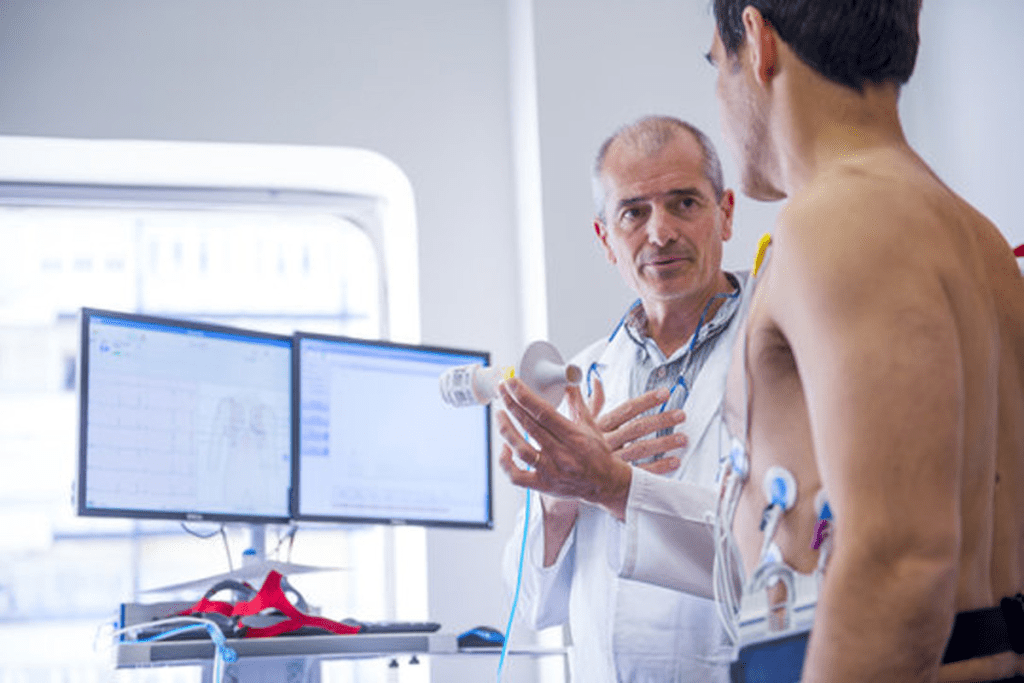
Nuclear cardiologists need a lot of training. They complete a cardiology fellowship and get special training in nuclear cardiology.
They learn through classes, hands-on practice, and getting certified. The American Board of Nuclear Cardiology certifies them. This ensures they meet the standards to work in this field.
Key Differences Between Cardiology and Nuclear Cardiology
It’s important to know the difference between cardiology and nuclear cardiology for the best heart care. Cardiology offers many ways to diagnose and treat heart diseases. But, nuclear cardiology uses special tests to give a deeper look at the heart.
Diagnostic Capabilities and Limitations
Cardiology uses tools like echocardiography and electrocardiography to check the heart. But, these might not show everything, mainly in tough cases. Nuclear cardiology uses PET imaging and molecular imaging for a clearer view of the heart.
Nuclear cardiology tests, like myocardial perfusion imaging, show the heart’s structure and function. They use a radioactive tracer. This is great for finding coronary artery disease and checking if heart tissue is working.
- Enhanced Diagnostic Accuracy: Nuclear cardiology gives detailed heart images for better diagnoses.
- Assessment of Heart Function: PET imaging checks heart function under stress and at rest.
- Personalized Treatment Plans: Knowing the heart disease specifics helps tailor treatments better.
Technology and Equipment Used
Nuclear cardiology uses special tech like gamma cameras and PET scanners. These tools can spot the radioactive tracer in tests. This lets us see the heart clearly.
Patient Cases Where Nuclear Cardiology Excels
Nuclear cardiology shines in specific situations, like:
- Patients with suspected coronary artery disease needing detailed images.
- People with complex heart issues not seen with regular tests.
- Patients after heart surgeries, where checking heart function is key.
With nuclear cardiology’s advanced tests, we can make more accurate diagnoses. This leads to better treatment plans and outcomes for patients.
Nuclear Stress Tests Explained
A nuclear stress test is a detailed medical imaging test. It shows how the heart works under stress. It’s a key tool for checking heart disease and other heart issues.
What is a Nuclear Stress Test?
This test uses a tiny amount of radioactive material, called a tracer. It’s injected into the blood and tracked by a camera. It helps doctors see if the heart gets enough blood, mainly when stressed.
The test has two parts: at rest and under stress. Stress can come from exercise or special medicine that acts like exercise.
Types of Nuclear Stress Tests
There are different types of nuclear stress tests, each unique:
- Lexiscan Nuclear Stress Test: Uses Lexiscan for those who can’t exercise well.
- Cardiolite Nuclear Stress Test: Uses Cardiolite to see the heart’s blood flow.
- Stress Test with Dye: Uses dye to track the heart’s function during the test.
When is a Nuclear Stress Test Recommended?
Doctors suggest a nuclear stress test for many reasons, including:
- Diagnosing coronary artery disease.
- Checking if treatments for heart disease work.
- Looking at heart risks before surgery.
- Exploring symptoms like chest pain or shortness of breath.
Nuclear stress tests are mostly safe, but there are risks like radiation and allergic reactions. Doctors work hard to keep patients safe.
The Nuclear Stress Test Procedure in Detail
Getting ready for a nuclear stress test is key to its success. We’ll walk you through each step, from getting ready to recovering afterwards. This way, you’ll know exactly what to expect.
Before the Test: Preparation Guidelines
To get the best results and stay safe, follow these steps:
- Avoid eating or drinking anything except water for 4-6 hours before the test.
- Tell your doctor about any heart or asthma medications you’re taking.
- Wear comfy clothes and shoes that are good for moving around.
- Don’t have caffeine or nicotine for at least 24 hours before the test.
During the Test: Step-by-Step Process
The test is done in a safe place, like a hospital or diagnostic center. Here’s what happens during the test:
- You’ll get a small dose of radioactive tracer.
- First, images will be taken to see the tracer in your heart.
- Then, you’ll do a stress test on a treadmill or bike to get your heart rate up.
- At the highest stress, you’ll get another tracer dose and lie down for more images.
After the Test: Recovery and Precautions
After the test, you can usually go back to your normal routine. But, it’s wise to:
- Drink lots of water to get rid of the tracer.
- Stay away from pregnant women, nursing moms, and kids under 24 hours.
- Follow any special instructions from your healthcare team.
How Long Does a Nuclear Stress Test Take?
The whole process takes about 3-4 hours. The actual test and imaging are shorter. The tracer will leave your body over time.
| Test Component | Duration | Notes |
| Preparation | 30 minutes | Includes registration, changing, and initial preparation |
| Stress Test | 15-30 minutes | Duration may vary based on individual fitness level |
| Imaging | 30-60 minutes | Includes both rest and stress imaging phases |
| Total Time | 3-4 hours | Accounts for preparation, testing, and recovery |
Knowing the details of the nuclear stress test helps you prepare better. If you have any worries or questions, always talk to your doctor.
Understanding Nuclear Stress Test Results
Getting the results of a nuclear stress test is a big moment for your heart health. These results show how your heart works when stressed. They help find any problems.
Normal vs. Abnormal Findings
Nuclear stress test results are either normal or abnormal. Normal results mean your heart works well under stress, with no big blockages. But, abnormal results might show less blood flow to the heart. This could mean you have coronary artery disease or other heart problems.
It’s important to know that abnormal results don’t always mean a big problem. You might need more tests to figure out what’s going on.
What Your Results May Indicate About Heart Health
Your nuclear stress test results can tell a lot about your heart. They can show if there’s a big blockage in your arteries or if you’ve had a heart attack. These findings help your doctor make a plan just for you. This plan might include changing your lifestyle, taking medicine, or more medical tests.
“The nuclear stress test is a powerful diagnostic tool that helps us understand how well the heart is functioning, even under stress,” says a leading cardiologist.
Follow-up Recommendations Based on Results
Based on your test results, your doctor might suggest more tests or lifestyle changes. If you have big artery disease, you might need treatments like angioplasty or CABG.
Limitations in Test Interpretation
Even though nuclear stress tests are very useful, they have some limits. Your overall health, other medical conditions, and the test itself can affect the results. It’s key to talk to your doctor about your results to understand them fully.
Knowing your nuclear stress test results can help you take care of your heart. We’re here to help you every step of the way, with the care and advice you need.
Risks and Safety of Nuclear Cardiology Procedures
Nuclear cardiology has its own set of risks and safety concerns. These tests are key for diagnosing and managing heart disease. It’s important for patients to know the possible risks.
Radiation Exposure: Facts vs. Concerns
Radiation exposure is a major concern with nuclear cardiology. These tests use small amounts of radioactive tracers to see the heart and blood flow. Even though there’s a risk, the doses used are generally safe.
We use the least amount of radiation needed for clear images. New technology and imaging methods have lowered the doses even more.
How Long Are You Radioactive After a Nuclear Stress Test?
The radioactive tracer in nuclear stress tests decays fast. Most of it leaves the body in a few hours. Its radioactivity drops a lot in 24 to 48 hours.
Patients are told to take simple steps to avoid exposing others. Drinking lots of water helps get rid of the tracer. They should also avoid close contact with pregnant women and young kids for a bit.
Other Possible Risks and Side Effects
Even though rare, there are other risks and side effects. These can include allergic reactions, changes in heart rhythm, and low blood pressure.
Safety Measures and Risk Minimization
To keep patients safe, we take several steps:
- We carefully choose and prepare patients.
- We use the least amount of radioactive tracer needed.
- Advanced imaging technologies help get the best images.
- We watch patients closely during and after the test.
By knowing these risks and taking steps to reduce them, we make sure nuclear cardiology tests are safe. They remain a valuable tool for heart disease diagnosis and management.
Other Nuclear Cardiology Diagnostic Procedures
Nuclear cardiology includes many tests beyond the stress test. These tests help diagnose and manage heart conditions. They give insights into how well the heart works and its structure.
Myocardial Perfusion Imaging
Myocardial perfusion imaging (MPI) checks blood flow to the heart. This method spots areas where blood flow is low, which could mean heart disease. It’s done at rest and during stress to see how blood flow changes.
Cardiac Blood Pool Scans (MUGA)
Cardiac blood pool scans, or MUGA scans, look at the heart’s pumping ability. A small radioactive tracer is injected into the blood to check the heart’s function. These scans are key for patients on chemotherapy.
Cardiac Sarcoid Detection
Cardiac sarcoidosis is when inflammatory cells build up in the heart. Positron Emission Tomography (PET) in nuclear cardiology helps find and track this condition. Early detection is key for treatment.
Cardiac Amyloidosis Imaging
Cardiac amyloidosis is when abnormal proteins build up in the heart. Nuclear cardiology has special tests for this condition. Accurate diagnosis is vital for treatment and better outcomes.
When to Choose Nuclear Cardiology Over Traditional Tests
Nuclear cardiology offers a detailed look at the heart that traditional tests can’t match. It’s great for patients with complex heart issues or unclear results from other tests. This method gives a deeper view of heart function.
Patient Scenarios That Benefit from Nuclear Testing
Nuclear cardiology is a good choice for those with complex heart problems. Nuclear stress tests show the heart’s blood flow clearly. This helps spot coronary artery disease more accurately.
It’s also good for obese patients or those who can’t do exercise tests. The nuclear medicine cardiac stress test uses medicine instead of exercise. This is a big help for these patients.
Limitations of Conventional Cardiac Testing
Traditional tests like echocardiography and electrocardiography have their limits. For example, echocardiography might not work well for patients with poor acoustic windows. In these cases, nuclear cardiology can give a clearer diagnosis.
Cost-Benefit Considerations
Nuclear cardiology tests cost more than traditional ones. But they give important info for better treatment plans. This can save money in the long run by avoiding extra procedures or problems.
Insurance Coverage for Nuclear Cardiology Tests
Most insurance covers nuclear cardiology tests when they’re needed. But, coverage can change based on the insurance and policy. It’s key for patients to check their insurance before getting these tests.
Conclusion: The Complementary Roles of Traditional and Nuclear Cardiology
We’ve looked at how traditional and nuclear cardiology work together. They help us understand and treat heart disease better. By using the best of both, we can give patients the care they need. This includes using new medical imaging tech to improve diagnosis and treatment.
Nuclear cardiology focuses on heart health with advanced imaging. It gives doctors a detailed look at the heart’s function and blood flow. This helps doctors make better diagnoses and treatment plans. It leads to better heart health for patients.
As medical imaging tech gets better, so will the teamwork between traditional and nuclear cardiology. We’ll be able to handle complex heart cases more accurately. By working together, we ensure patients get the best care tailored to their needs.
FAQ
What is a nuclear stress test?
A nuclear stress test uses a small amount of radioactive material. It checks how well the heart works and blood flows when stressed. This stress is usually from exercise or medicine.
How long does a nuclear stress test take?
The whole test takes about 3 to 4 hours. But the actual imaging part is much quicker, lasting 15-30 minutes.
What is the difference between a nuclear stress test and a chemical stress test?
A nuclear stress test uses a radioactive tracer to see the heart. A chemical stress test uses medicine to mimic exercise without radiation.
How long are you radioactive after a nuclear stress test?
After a nuclear stress test, the radioactive material leaves your body in a few hours to days. This depends on the tracer used.
What are the risks associated with a nuclear stress test?
Nuclear stress tests are mostly safe but carry risks. These include radiation exposure, allergic reactions, and heart problems like arrhythmias.
How do I prepare for a nuclear stress test?
To prepare, avoid certain foods and meds. Wear comfy clothes. Be ready to exercise or take medicine to stress your heart.
What does a nuclear stress test show?
This test shows the heart’s blood flow, function, and damage. It helps find heart disease like coronary artery disease.
What is the role of a cardiologist in patient care?
Cardiologists diagnose and manage heart conditions. They perform tests and guide treatment and lifestyle changes for better heart health.
What is nuclear cardiology?
Nuclear cardiology uses nuclear techniques like PET and SPECT. It helps diagnose and manage heart disease.
When is nuclear cardiology preferred over traditional cardiac testing?
Nuclear cardiology is best for detailed heart imaging. It’s used for complex heart conditions and suspected coronary artery disease.
What are the benefits of myocardial perfusion imaging?
Myocardial perfusion imaging diagnoses coronary artery disease. It shows blood flow to the heart, guiding treatment.
What is a cardiac blood pool scan (MUGA)?
A cardiac blood pool scan, or MUGA, checks the heart’s pumping function. It images the blood in the heart’s chambers.
How does nuclear cardiology contribute to diagnosing heart disease?
Nuclear cardiology gives detailed info on the heart’s function and blood flow. It helps diagnose and manage heart conditions better.
References
- Leite, A., Lourenço, A., Zarandona, E., & Portugal, S. (2019). Positron emission tomography in ischemic heart disease. Revista Portuguesa de Cardiologia, 38(4), 317-328. https://www.revportcardiol.org/en-positron-emission-tomography-in-ischemic-articulo-S2174204919302363
- Manabe, O., Oyama-Manabe, N., & Tamaki, N. (2020). Positron emission tomography/MRI for cardiac disease assessment. Japanese Journal of Radiology, 38(9), 815-829. https://pmc.ncbi.nlm.nih.gov/articles/PMC7465867/
- Parker, M. W., et al. (2012). Diagnostic accuracy of cardiac positron emission tomography. Circulation: Cardiovascular Imaging, 5(5), 568-577. https://www.ahajournals.org/doi/10.1161/circimaging.112.978270
- Bengel, F. M. (2009). Cardiac positron emission tomography. Journal of the American College of Cardiology, 54(1), 1-15. https://www.sciencedirect.com/science/article/pii/S0735109709011723
- Blue Cross Blue Shield of North Dakota. (2019). Cardiac applications of positron emission tomography scanning. Retrieved from https://www.bcbsnd.com/providers/policies-precertification/medical-policy/c/cardiac-applications-of-positron-emission-tomography-scanning