Creating a post-bariatric surgery meal plan is key for patients. It ensures they get the right nutrients for recovery and weight loss. A good meal plan helps in keeping weight off and improving overall health. Step-by-step instructions for a successful post bariatric surgery meal plan.
At Liv Hospital, we offer top-notch care to craft a gastric sleeve meal plan just for you. Our method includes eating small portions and having 4-6 meals a day. It’s important to stop eating when you feel full.
Key Takeaways
- A well-structured meal plan is vital for optimal recovery and sustained weight loss.
- Dividing food intake into 4-6 meals throughout the day is recommended.
- Ending meals when feeling comfortably full is important.
- A customized meal plan should be tailored to the individual’s needs.
- Patient-centered care is essential for successful weight loss.
Understanding Nutritional Needs After Bariatric Surgery
After bariatric surgery, patients face big changes in their digestive system. They need to learn about their new nutritional needs. The surgery changes how the body absorbs nutrients, affecting health.
How Surgery Changes Your Digestive System
Bariatric surgery changes the digestive system’s anatomy. It makes the stomach smaller and might change the intestines’ path. Patients must change their eating habits to fit these changes, focusing on nutrient-rich foods.
The surgery can make it harder for the body to absorb some nutrients. This means patients need to pay close attention to what they eat. They will feel full faster and might need to eat smaller, more frequent meals.
Key Nutritional Priorities for Recovery and Health
After surgery, patients have specific nutritional needs for recovery and health. These include:
- High Protein Intake: Protein is key for healing and keeping muscle mass. Patients should aim for at least 60 grams of protein daily.
- Adequate Hydration: Drinking enough water is essential, as dehydration is a big risk. Patients should drink 48-64 ounces of fluid each day.
- Essential Vitamins and Minerals: Supplements might be needed to ensure patients get enough vitamins and minerals. Their ability to absorb these from food may be reduced.
By understanding these changes and focusing on their nutritional intake, patients can aid in their recovery. They can reach their weight loss goals and keep their health in check.
Transitioning Through Post-Surgery Diet Stages
Knowing the different stages of the post-bariatric surgery diet is key for a smooth recovery. The diet is divided into stages, each adding new foods safely and comfortably.
Clear Liquid Phase
The first stage is the clear liquid phase, lasting a few days. Patients should drink clear liquids like broth, clear juices, and water. This keeps them hydrated and reduces risks.
Examples of clear liquids include:
- Broth
- Clear juices (like apple or grape)
- Water
- Electrolyte-rich beverages
Full Liquid and Pureed Foods
Next, patients move to full liquids and pureed foods. They drink more substantial liquids and eat foods blended to a smooth consistency. This stage includes protein shakes and pureed veggies for nutrition.
Key foods during this stage:
- Protein shakes
- Pureed soups
- Yogurt
- Pureed fruits and vegetables
| Food Type | Examples | Nutritional Benefits |
|---|---|---|
| Protein Shakes | Whey protein, pea protein shakes | High protein content for muscle repair |
| Pureed Soups | Tomato soup, vegetable soup | Rich in vitamins and minerals |
| Yogurt | Plain, non-fat yogurt | Good source of calcium and probiotics |
Soft Foods to Regular Diet
The final stages include soft foods and then a regular diet. Soft foods like scrambled eggs and cooked veggies are easy to chew. Patients can then add solid foods, chewing well to avoid discomfort.
As patients move through these stages, listening to their body is vital. If they feel pain or discomfort, it’s best to slow down or talk to a healthcare provider.
The Importance of Protein in Your Post-Bariatric Diet
Protein is key in your diet after bariatric surgery. It helps keep your muscles strong, aids in healing, and keeps you full. This is vital for your recovery and health.
Meeting Your Daily 60g Protein Goal
Try to eat at least 60 grams of protein every day. You can do this by eating foods high in protein. It’s better to spread out your protein intake across meals.
Example of Daily Protein Intake: Eat foods like lean meats, fish, eggs, dairy, and legumes. For example, start with Greek yogurt for breakfast, chicken for lunch, and salmon for dinner. This helps you reach your daily protein goal.
Best Protein Sources for Bariatric Patients
It’s important to pick the right protein sources. Look for lean proteins that are low in fat and sugar. Here are some top choices:
- Lean meats like chicken and turkey
- Fish and seafood
- Eggs and egg whites
- Low-fat dairy products
- Legumes and beans
- Protein shakes and supplements (when necessary)
| Protein Source | Protein Content per Serving |
|---|---|
| Chicken Breast | 31g per 3 oz serving |
| Salmon | 20g per 3 oz serving |
| Greek Yogurt | 20g per 1 cup serving |
| Eggs | 6g per large egg |
Protein Supplements: When and How to Use Them
Supplements can help if you can’t get enough protein from food. Protein shakes are great when you’re just starting out and can’t eat solid foods yet.
Tips for Using Protein Supplements: Pick supplements with little sugar and high-quality protein. Always talk to your doctor or a dietitian before starting any supplements.
Developing Healthy Eating Behaviors After Surgery
Healthy eating is key for recovery and health after bariatric surgery. It’s important to develop good habits for nutrition and comfort during different diet stages.
Taking Small Bites and Chewing Thoroughly
One key habit is taking small bites and chewing well. This lowers the risk of food blockages and ensures food is digested right. Patients should chew until food is smooth before swallowing. This aids digestion and helps recognize when you’re full.
Eating Slowly and Mindfully
Eating slowly and mindfully is also vital. Eating slowly lets your body signal when you’re full, preventing overeating. Mindful eating means focusing on taste, texture, and smell of food. It makes meals more enjoyable and helps maintain a healthy food relationship.
Recognizing Fullness Cues
Knowing when you’re full is a must. After surgery, your stomach is smaller, and you should stop eating when you’re comfortably full. Listen to your body’s signals and pause to check if you’re full. This avoids overeating and reduces discomfort risks.
By following these habits, patients can have a smoother recovery, reach weight loss goals, and keep a healthy lifestyle after surgery.
Structuring Your Meals: The 4-6 Meal Approach
After bariatric surgery, eating 4-6 small meals a day can greatly improve your health. This eating plan helps manage your nutrition and avoid discomfort. It’s a key part of recovery.
Why Multiple Small Meals Work Better
Eating small meals helps bariatric patients in many ways. It eases the digestive system, improving how nutrients are absorbed. It also helps control hunger and prevent overeating, which is important after surgery.
Benefits of Multiple Small Meals:
- Improved nutrient absorption
- Better management of hunger
- Reduced risk of overeating
- Enhanced overall comfort
Sample Meal Timing Schedule
Having a meal schedule is key for the 4-6 meal approach. Here’s a sample schedule to help you:
| Meal | Time | Sample Food |
|---|---|---|
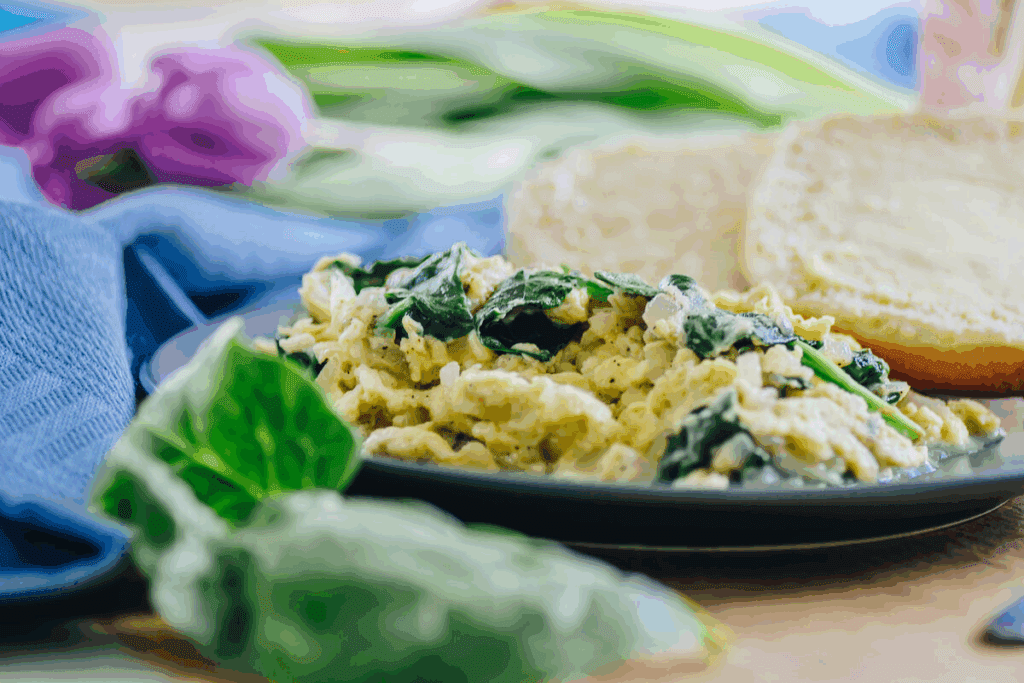
| Breakfast | 8:00 AM | Scrambled eggs with spinach |
| Mid-Morning Snack | 10:00 AM | Greek yogurt with berries |
| Lunch | 12:00 PM | Grilled chicken with quinoa |
| Mid-Afternoon Snack | 3:00 PM | Cottage cheese with cucumber |
| Dinner | 6:00 PM | Baked salmon with broccoli |
| Evening Snack | 8:00 PM | Protein shake |
Balancing Nutrients Throughout the Day
It’s important to balance nutrients with the 4-6 meal approach. Spread out your daily nutrients across meals. Make sure you get proteins, healthy fats, and complex carbs.
Tips for Balancing Nutrients:
- Include a source of protein in every meal
- Choose complex carbohydrates like whole grains
- Healthy fats like avocado and nuts are beneficial
- Don’t forget to include a variety of fruits and vegetables
Creating a Post Bariatric Surgery Meal Plan PDF for Daily Use
Making a meal plan is key for bariatric patients to get the nutrients they need. A good meal plan keeps the right balance of nutrients, vitamins, and minerals. This is important for recovery and staying healthy in the long run.
Elements to Include in Your Meal Plan
A good post-bariatric surgery meal plan has several important parts. Protein intake is critical for healing and keeping muscle. The plan should list daily protein goals and suggest high-protein foods and supplements.
Hydration is also essential. Drinking enough water helps with digestion and health. The plan should tell you how much to drink and what fluids are best.
Vitamin and mineral supplements are also key. Bariatric surgery can cause nutritional deficiencies. The plan should suggest the right supplements and when to take them.
| Meal Plan Element | Description | Example |
|---|---|---|
| Protein Intake | Daily protein goal and sources | 60g protein from lean meats, eggs, and supplements |
| Hydration | Daily fluid intake goal | 64oz of water or low-calorie drinks |
| Vitamin and Mineral Supplements | Recommended supplements and timing | Multivitamin once daily, calcium with meals |
Tracking Tools and Templates
To manage a post-bariatric surgery diet, tracking tools are helpful. These can be a food diary or a mobile app for tracking nutrients, hydration, and supplements.
A meal planning template can make meal planning easier. You can find templates online or make your own to fit your needs.
Digital vs. Printable Planning Options
Patients can choose between digital and printable meal planning tools. Digital planning is flexible and tracks automatically, with apps that remind you and provide nutrition info.
Printable planning gives a physical copy that some like. You can keep meal plans and tracking sheets in a journal or on the fridge.
Whether to go digital or printable depends on what you prefer and what fits your lifestyle best.
Proper Meal Sequencing: Protein First Approach
After bariatric surgery, it’s key to start meals with protein. This method helps meet daily nutritional needs, focusing on protein. Protein is vital for healing and keeping muscles strong.
Why Eat Protein Before Other Foods
Starting with protein ensures you get enough of it, which is important for bariatric patients. Protein is essential for healing, keeping muscles, and body functions. This way, patients can manage their diet better.
Begin each meal with a protein source. Choose lean meats, fish, eggs, or bariatric patient protein supplements.
Incorporating Fruits and Vegetables
After protein, add fruits and vegetables to your meal. They offer vitamins, minerals, and fiber. Choose fruits and vegetables based on their nutritional value and your tolerance.
| Fruit/Vegetable | Nutritional Benefit | Tolerance |
|---|---|---|
| Apples | High in fiber, vitamins | Easy to digest |
| Broccoli | Rich in vitamins, minerals | May cause gas |
| Berries | Antioxidant-rich | Generally well-tolerated |
When and How to Add Starches
Starches can be added last, but in small amounts. Watch how your body reacts to different starches. Whole grains are better than refined grains because they’re more nutritious.
Start with small starch portions and increase as your body allows.
Hydration Guidelines for Bariatric Patients
Proper hydration is key for bariatric surgery patients to recover well and stay healthy. After surgery, the body changes how it handles fluids and electrolytes. So, managing hydration is very important.
It can be hard to keep up with hydration, but with the right tips, bariatric patients can do it. Drinking enough helps avoid dehydration, aids in healing, and keeps the body working right.
Meeting Your 48-64oz Daily Fluid Goal
Bariatric patients should aim for 48 to 64 ounces of fluids each day. This helps keep the body hydrated without upsetting the stomach. Drinking fluids all day is key to reach this goal.
To hit the daily goal, patients can try drinking a set amount at set times. For example, drinking 8 ounces of fluid every hour can spread it out evenly.
Timing Your Fluid Intake Around Meals
It’s important to drink fluids at the right times to avoid discomfort. Drinking between meals is best to avoid stretching the stomach and to lower the risk of dumping syndrome.
Patients should not drink fluids 30 minutes before meals and 30 to 60 minutes after. This helps manage digestion and prevents the stomach from getting too full.
Best and Worst Beverage Choices
Not all drinks are good for bariatric patients. The best ones are low in sugar, caffeine, and carbonation. Water is the best choice because it’s neutral and has no calories.
Other good options include low-sugar sports drinks and herbal teas. But, avoid drinks with lots of sugar, caffeine, and carbonation. They can cause discomfort, dehydration, or other problems.
In summary, following hydration guidelines is very important after bariatric surgery. Knowing the daily fluid goals, drinking at the right times, and choosing the right drinks can greatly improve recovery and health in the long run.
Portion Control Strategies After Weight Loss Surgery
After weight loss surgery, managing food portions is key to keeping weight off. The stomach is much smaller, so it’s important to eat the right amount. This helps avoid overeating and ensures you get the nutrients you need.
Understanding the 1-1.5 Cup Meal Volume
Knowing the right meal size is vital after surgery. Doctors usually suggest meals that are 1 to 1.5 cups. This helps prevent eating too much and keeps the stomach from stretching.
Using the Right Dishware for Portion Management
The size of your dishes matters a lot. Using smaller plates and bowls helps control how much you eat. We suggest using special plates made for people after bariatric surgery. They have marks to help you know the right portion sizes.
Visual Guides for Portion Sizes
Visual guides can really help with portion control. For example, think of a protein serving as the size of your palm. A serving of veggies is about the size of your fist. These comparisons can guide your eating.
| Food Group | Recommended Portion Size |
|---|---|
| Protein | 3-4 oz (size of a deck of cards) |
| Vegetables | 1 cup (size of a fist) |
| Fruits | 1/2 cup (size of a tennis ball) |
| Grains | 1/2 cup cooked (size of a small cupcake wrapper) |
Visual aids like the table above can make it easier to remember the right portion sizes.
Managing Common Digestive Issues Through Diet
After bariatric surgery, managing digestive issues is key to recovery and health. Patients often face diarrhea, dumping syndrome, and food intolerances. Making smart food choices can help avoid these problems and keep the digestive system healthy.
Preventing and Addressing Diarrhea
Diarrhea is common after bariatric surgery, caused by diet changes or intolerances. To stop diarrhea, eat small, frequent meals and stay away from high-fat or high-sugar foods. Adding fiber-rich foods like pureed fruits and veggies can also help.
If diarrhea doesn’t go away, drink electrolyte-rich beverages to stay hydrated. A doctor might suggest probiotics or supplements to fix gut health issues.
Avoiding Dumping Syndrome from Simple Carbohydrates
Dumping syndrome happens when simple carbs move too fast from the stomach to the small intestine. Symptoms include nausea, vomiting, diarrhea, and stomach pain. To avoid it, limit sugary foods and drinks and eat more protein.
Eating smaller meals and not drinking liquids with food can also help. After eating, lie down or recline to slow down stomach emptying.
Dealing with Food Intolerances
Food intolerances are common after bariatric surgery. People might react to lactose, gluten, or other foods. To manage these, identify and avoid trigger foods. Keeping a food diary helps track which foods cause problems.
In some cases, supplements are needed to replace missing nutrients. For example, lactase enzyme supplements help those with lactose intolerance eat dairy without discomfort.
Practical Meal Planning and Preparation
Effective meal planning is key after bariatric surgery. It ensures patients get the right nutrition. They must eat nutrient-dense foods, control portions, and eat mindfully. We’ll show you how to plan and prepare meals well.
Smart Grocery Shopping for Bariatric Patients
Smart grocery shopping is the base of a good meal plan. Look for foods high in protein, fiber, and healthy fats. Include lean proteins, colorful veggies, and whole grains in your shopping list.
Here are some tips for better grocery shopping:
- Plan your meals and make a list before you go.
- Shop the store’s edges for fresh foods and meats.
- Stay away from processed and sugary foods.
Batch Cooking and Meal Prep Techniques
Batch cooking and meal prep are vital for a healthy diet post-surgery. They help keep meals consistent and healthy, even when you’re busy.
| Meal Prep Technique | Description | Benefits |
|---|---|---|
| Batch Cooking Proteins | Cook large batches of protein sources like chicken or beans. | Saves time, ensures protein intake |
| Roasting Vegetables | Roast a variety of vegetables in advance for easy meal additions. | Increases vegetable intake, adds fiber |
| Portioning Meals | Divide cooked meals into individual portions. | Promotes portion control, reduces food waste |
Dining Out and Social Eating Strategies
Dining out and social eating can be tough after surgery. But, with the right strategies, you can stick to your diet. Choose restaurants with healthy options and ask for modifications if needed.
Here are some tips for eating out:
- Choose dishes rich in protein.
- Avoid foods high in sugar and fat.
- Eat slowly and pay attention to your food.
By using these meal planning and preparation tips, bariatric patients can keep their diet healthy. This supports their well-being and weight loss goals.
Conclusion: Sustaining Your New Eating Habits Long-Term
As we wrap up our guide on post-bariatric surgery meal plans, it’s key to remember. Keeping up with new eating habits is vital for staying healthy and balanced. We’ve stressed the need for plenty of protein, staying hydrated, and eating well during and after recovery.
To keep up long-term, it’s important to choose foods wisely and watch portion sizes. Eating a variety of foods helps avoid problems and makes the most of surgery benefits.
We urge patients to stick to their new eating habits. Using the tips from this guide can help a lot. This way, they can live a healthier, more balanced life, enjoying the fruits of their hard work and dedication.
FAQ
What is a post-bariatric surgery meal plan, and why is it important for patients?
A post-bariatric surgery meal plan is a diet plan made just for you. It helps you get the nutrients you need for recovery and weight loss. It’s key because the surgery changes how your body digests food, so you need to eat differently.
How much protein should I consume daily after bariatric surgery?
You should aim for at least 60 grams of protein every day. This can come from high-protein foods and supplements. It helps keep your muscles strong and supports your health.
What are the stages of the post-surgery diet, and how should I transition through them?
The diet stages are clear liquids, full liquids, pureed foods, soft foods, and regular foods. Start with clear liquids and move to more solid foods as your body heals.
How can I manage my nutritional needs and avoid discomfort after bariatric surgery?
Eat in the 4-6 meal approach, eat slowly, and take small bites. Also, listen to your body’s fullness cues. This helps manage your diet and avoid discomfort.
What is the recommended daily fluid intake after bariatric surgery?
Drink 48-64 ounces of fluids a day. Time your drinks with meals and avoid ones that can cause trouble.
How can I maintain a balanced diet and meet my nutritional needs after bariatric surgery?
Focus on protein first, then fruits and veggies, and lastly starches. Use tools and templates to keep your diet balanced and meet your needs.
What are some common digestive issues after bariatric surgery, and how can I manage them through diet?
Issues like diarrhea, dumping syndrome, and food intolerances are common. Manage them by making smart diet choices.
How can I sustain my new eating habits long-term after bariatric surgery?
Keep up with protein, hydration, and healthy eating. Learn to shop smart, cook in batches, and eat out wisely. This helps keep your new habits going.
Can I use a printable bariatric meal plan PDF to help me stay organized?
Yes, a meal plan PDF can keep you on track. Use it to track your progress and stay focused on your nutrition.
What are some high protein bariatric meal plan ideas?
Eat lots of high-protein foods and use supplements if needed. Include lean meats, fish, eggs, and dairy in your meals.
How can I manage portion sizes effectively after weight loss surgery?
Know the right meal volume, use the right dishes, and use visual guides. This helps you manage your portions well.
References
- NHS. (2022). Diet after weight loss surgery. National Health Service. https://www.nhs.uk/conditions/weight-loss-surgery/diet-after-surgery/