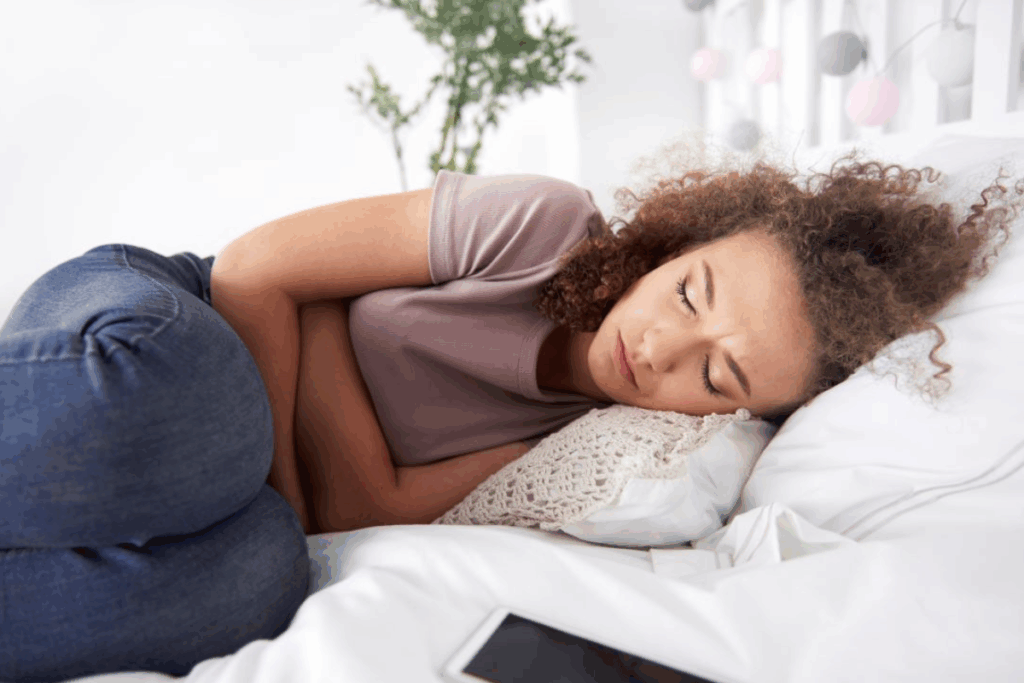
Women nearing or in menopause often hope for an end to uterine fibroid symptoms like heavy bleeding and pain. The link between fibroids and menopause is complex. It’s shaped by the big hormonal shifts that happen during this time.
As estrogen levels drop, fibroids tend to get smaller, bringing some relief. Medical Expert, “Estrogen may fuel fibroid growth, so when estrogen falls in menopause, fibroids usually shrink.” This gives many women hope, but experiences can differ.
It’s key to grasp what happens to fibroids after menopause. This knowledge helps manage hopes and make smart health choices. This ultimate guide to post menopause fibroids reveals surprising, vital facts. Learn what happens to fibroids and when to be concerned.
Key Takeaways
- Fibroids often shrink after menopause due to declining estrogen levels.
- Individual variations in symptom relief can occur.
- Hormonal changes play a significant role in fibroid size reduction.
- Some women may continue to have symptoms even if fibroids shrink.
- Understanding the changes in fibroids during menopause is essential for women’s health.
Understanding Uterine Fibroids

Fibroids, also known as uterine leiomyomas, are growths in or around the uterus. They are non-cancerous and can vary in size. We will look at what they are, their types, how common they are, and risk factors.
What Are Uterine Fibroids?
Uterine fibroids are lumps of muscle and tissue in the uterus. They can be small or quite large. Fibroids are typically benign, meaning they are not cancerous. But, they can cause symptoms that affect a woman’s life.
Types of Uterine Fibroids
There are several types of uterine fibroids, based on their location:
- Intramural fibroids: These are the most common type and grow within the muscular wall of the uterus.
- Submucosal fibroids: These fibroids project into the uterine cavity and can cause heavy menstrual bleeding.
- Subserosal fibroids: These grow on the outside of the uterus and can press on other organs.
- Pedunculated fibroids: These are attached to the uterus by a stalk-like structure.
Prevalence and Risk Factors
About 70 to 80 percent of women will develop fibroids at some point. They are most common in women in their 30s and 40s. The prevalence and risk factors for uterine fibroids include:
Risk Factor | Description |
Age | Fibroids are more common in women between 30 and 45 years old. |
Family History | Women with a family history of fibroids are more likely to develop them. |
Ethnicity | Fibroids are more prevalent in African American women compared to other ethnic groups. |
Knowing these risk factors can help in early detection and management of uterine fibroids. We will continue to explore how fibroids affect women’s health and the changes that occur during menopause in subsequent sections.
Common Symptoms of Uterine Fibroids

Uterine fibroids can cause many physical and lifestyle problems. Women with these fibroids may face various symptoms. These symptoms can greatly affect their daily lives.
Physical Symptoms
Uterine fibroids lead to several physical symptoms. Common symptoms include:
- Heavy or prolonged menstrual bleeding
- Pelvic pain or pressure
- Frequent urination
- Bloating and swelling in the abdominal area
- Constipation
- Painful sex
The severity of these symptoms can vary. It depends on the size, number, and location of the fibroids. Larger fibroids can cause more severe symptoms because of their size and pressure on nearby organs.
Quality of Life Impact
The symptoms of uterine fibroids can deeply affect a woman’s life. Heavy bleeding can lead to anemia, causing fatigue and weakness. Pelvic pain and pressure can limit physical activity and affect overall well-being.
Dealing with these symptoms can also take an emotional toll. Women may feel anxious, depressed, and stressed. This can impact their personal and professional lives.
Symptom | Potential Impact |
Heavy Menstrual Bleeding | Anemia, fatigue, social withdrawal |
Pelvic Pain/Pressure | Reduced physical activity, discomfort |
Frequent Urination | Disrupted daily routines, sleep disturbances |
When to Seek Medical Attention
Women with symptoms of uterine fibroids should seek medical help if they:
- Experience heavy or prolonged bleeding
- Have severe pelvic pain
- Notice significant changes in urination or bowel habits
- Feel a palpable mass or swelling in the abdomen
Early diagnosis and treatment can greatly improve quality of life. It may also reduce the need for more invasive treatments later on.
The Relationship Between Hormones and Fibroids
Hormones are key in how fibroids grow. Studying how hormones and fibroids interact helps us understand these tumors better.
Estrogen and Progesterone Effects
Estrogen and progesterone are important for fibroid growth. Estrogen makes fibroids grow, and progesterone helps them develop. “Hormones, like estrogen and progesterone, affect fibroids. When hormone levels change, so do fibroids,” shows how hormones and fibroids are connected.
Fibroids need ovarian hormones to grow. When these hormones stop during menopause, fibroids can’t grow as much. Knowing this helps predict how fibroids will act at different life stages.
Growth Patterns During Reproductive Years
In reproductive years, fibroids often grow or stay the same size because of estrogen and progesterone. Growth patterns differ among people. Some fibroids grow fast, while others grow slowly or stay the same.
- Fibroids may grow slowly over several years.
- Some fibroids can remain stable for extended periods.
- Hormonal changes during the menstrual cycle can influence fibroid growth.
Hormonal Fluctuations and Fibroid Changes
Hormonal changes, like those in pregnancy or with hormonal birth control, can make fibroids grow. Knowing these changes helps manage symptoms and predict how fibroids will behave. For example, some women’s fibroids get bigger during pregnancy because of more hormones.
“The hormonal environment significantly influences fibroid development and growth, making hormonal management a critical aspect of treatment.”
Understanding how hormones and fibroids relate helps doctors create better treatment plans. These plans address how hormones affect these tumors.
What Happens to Fibroids During Menopause
As women get closer to menopause, big changes in hormones happen. Menopause is when a woman stops being able to have kids. It’s when estrogen and progesterone, important hormones, start to go down.
Hormonal Changes in Menopause
During menopause, estrogen and progesterone levels fall a lot. Estrogen is key in making fibroids grow. When estrogen goes down, it changes how fibroids grow.
The drop in hormones can change fibroids in different ways. We’ll look at how these changes affect fibroid size and symptoms.
Typical Fibroid Response to Declining Hormones
When estrogen goes down, fibroids don’t grow as much. Without these hormones, fibroid cells start to break down. This means less blood flow to the fibroids, causing them to shrink. This shrinkage can make symptoms like heavy bleeding and pelvic pain better.
Important things to know about fibroids and hormones include:
- Fibroids usually get smaller as estrogen levels drop.
- How fast they shrink can differ from woman to woman.
- As fibroids shrink, symptoms like heavy bleeding and pelvic pain may lessen.
Timeline for Fibroid Shrinkage
The time it takes for fibroids to shrink after menopause varies. Some women see a big change quickly, while others notice it slowly over years.
Things that can affect how fast fibroids shrink include:
- The size and number of fibroids at first.
- How fast estrogen levels drop.
- How different each woman’s hormonal changes are during menopause.
Knowing these things helps women and their doctors plan for and handle fibroid symptoms during and after menopause.
Post Menopause Fibroids: What to Expect
Menopause is a key time to understand what happens to uterine fibroids. Hormone levels drop, and fibroids may change. But how much they change can differ a lot.
Shrinkage Patterns by Fibroid Size
Studies show that fibroid size affects how much they shrink after menopause. Small fibroids tend to shrink a lot. But, bigger ones might only shrink by 10 to 20 percent. This depends on the fibroid’s size and the woman’s hormone levels.
The speed of shrinkage also varies. It depends on the fibroid’s size, hormone levels, and if the woman is on hormone replacement therapy (HRT). Knowing these factors helps women prepare for what’s to come.
Symptom Resolution Rates
As fibroids shrink, many women see their symptoms improve. Studies show a big drop in symptoms like heavy bleeding and pelvic pressure.
How fast symptoms improve depends on how much the fibroids shrink. It also depends on the hormonal changes during menopause.
Factors Affecting Postmenopausal Fibroid Changes
Several things can affect how fibroids change after menopause. These include:
- The size and number of fibroids
- Hormone levels, mainly estrogen
- Whether a woman is using HRT
- Overall health and other medical conditions
Knowing these factors helps doctors give better advice to women going through menopause.
Fibroid Size | Average Shrinkage | Symptom Resolution Rate |
Small | Significant | High |
Moderate | 10-20% | Moderate |
Large | 10-20% | Variable |
Can New Fibroids Develop After Menopause?
New fibroids can develop after menopause, though it’s rare. Menopause lowers estrogen and progesterone, which often makes fibroids smaller. But, it doesn’t stop them from growing completely.
Incidence of Postmenopausal Fibroid Development
Research shows new fibroids after menopause are rare. Yet, studies find many new fibroid diagnoses in women aged 45-49. This age range may include the transition to menopause.
One study found over 30% of new fibroid diagnoses in women aged 45-49. This shows that while rare, it’s not limited to younger women.
Risk Factors for Late-Onset Fibroids
Several factors can lead to new fibroids or growth after menopause. These include:
- Hormonal influences: Even with lower hormone levels after menopause, some hormones can keep fibroids growing.
- Obesity: Being overweight or obese increases the risk of fibroids. This might be because fat tissue can turn androgens into estrogens.
- Genetic predisposition: Women with a family history of fibroids are more likely to get them.
Distinguishing New vs. Existing Fibroids
Telling new from existing fibroids in postmenopausal women can be hard without old images. Ultrasound is key for tracking fibroid size and spotting new growth.
“The use of imaging modalities like ultrasound is essential for monitoring fibroids and detecting new cases, specially in postmenopausal women where the clinical presentation may be different.”
Comparing old and new images can show if new fibroids have formed.
Characteristics | New Fibroids | Existing Fibroids |
Detection Method | Imaging studies post-menopause | Prior imaging or clinical diagnosis before menopause |
Growth Pattern | New growth detected after menopause | Typically shrink or remain stable post-menopause |
Symptoms | May present with new or worsening symptoms | Symptoms may resolve or improve post-menopause |
Diagnosing Fibroids Before and After Menopause
Getting a correct diagnosis for fibroids is key to finding the right treatment, before and after menopause. Doctors use a mix of physical checks, medical history, and tests to figure out the fibroids’ size, number, and where they are.
Common Diagnostic Methods
There are several ways to spot and keep an eye on fibroids. The top ones are:
- Pelvic Exam: A doctor does a pelvic exam to feel for any oddities in the uterus.
- Ultrasound: This test uses sound waves to make pictures of the uterus and fibroids. It helps find out their size and where they are.
- Magnetic Resonance Imaging (MRI): MRI gives detailed pictures of the uterus and fibroids. It’s very helpful for big or complex cases.
Monitoring Existing Fibroids Through Menopause
Women with fibroids need regular checks as they get closer to menopause. This includes:
- Regular pelvic exams to see if the uterus size or shape has changed.
- Ultrasounds now and then to watch the fibroids’ size and number.
- Checking how symptoms affect daily life.
Keeping an eye on fibroids lets doctors tweak treatment plans as needed. They can also handle any new issues that pop up during menopause.
Differentiating Fibroids from Other Conditions
It’s important to tell fibroids apart from other issues that might cause similar symptoms, like:
- Adenomyosis: A condition where tissue like the uterus lining grows outside the uterus. It causes pain and heavy bleeding.
- Ovarian cysts: Fluid-filled sacs on the ovaries that can cause pelvic pain and discomfort.
- Endometriosis: A condition where tissue like the uterus lining grows outside the uterus. It leads to pain and infertility.
Getting a correct diagnosis through physical exams, imaging tests, and sometimes biopsies is key. It helps tell fibroids apart from these other conditions. This ensures the right treatment is given.
Treatment Options for Postmenopausal Fibroids
Women over 50 with fibroids have many treatment choices. These choices depend on how bad their symptoms are. Doctors look at the size and location of the fibroids too.
When Treatment Is Necessary
Not every woman needs treatment for fibroids after menopause. But, if symptoms get worse or don’t go away, they might need help.
- Severe or persistent symptoms such as heavy bleeding or pain
- Uncertainty about the diagnosis, potentially indicating a need for further diagnostic testing
- Significant impact on quality of life
Medication Options
Some women find relief with medicine. Leuprolide is a medicine that can make fibroids smaller. Other drugs help with pain or heavy bleeding.
Surgical Interventions
If medicine doesn’t work, surgery might be needed. Here are some options:
- Uterine artery embolization: a small procedure that stops blood flow to the fibroids, making them shrink.
- Myomectomy: removing the fibroids surgically, which can be done in a few ways.
- Hysterectomy: removing the uterus, which stops fibroids but is a big surgery.
Hormone Replacement Therapy and Fibroids
Hormone replacement therapy (HRT) is often used to help with menopause symptoms. But, it raises questions about its effect on fibroids. As women go through menopause, it’s important to think about how HRT might affect their fibroids.
Effects on Existing Fibroids
Studies show that HRT, with estrogen, might make fibroids grow or not shrink as they would without it. Women and their doctors need to think about the good and bad sides of HRT for fibroids.
“Using hormone replacement therapy in postmenopausal women with fibroids needs careful thought,” a study says. “HRT can help with menopause symptoms, but estrogen might make fibroids grow.”
Weighing the Benefits and Risks
Women should talk to their doctors about their risks and benefits of HRT. The choice to use HRT should be based on a full look at symptoms, fibroid history, and overall health.
- HRT can help with hot flashes and night sweats.
- But, it might make fibroids grow or keep symptoms the same.
- There are other treatments to consider.
Alternative Options for Menopausal Symptom Management
For those worried about HRT and fibroids, there are other ways to manage symptoms. Options include non-hormonal meds, lifestyle changes, and other therapies. These aim to help with menopause symptoms without affecting fibroids.
By knowing how HRT affects fibroids and looking at all options, women can make smart choices about their health during menopause.
Special Considerations for High-Risk Groups
Some groups are more likely to get uterine fibroids. We know that race and family history are key factors. They affect how likely and how severe fibroids can be.
Racial Disparities in Fibroid Development
Black American women are more likely to get fibroids and have worse symptoms than women of other races. This shows we need special healthcare plans and awareness for these groups.
“Black women are more likely to have larger, more numerous, and more symptomatic fibroids, which can lead to a significant impact on their quality of life.”
There are many reasons for these racial differences. Genetics, healthcare access, and money issues all play a part. Knowing this helps us make better plans for managing fibroids.
Family History Implications
A family history of fibroids also raises the risk. Women with a mother or sister who had fibroids are more likely to get them too.
Risk Factor | Relative Risk |
Family History | 2-3 times higher |
Racial Background (Black American) | More severe symptoms |
This table shows how family history and race increase the risk. It’s important to think about these when assessing risk.
Monitoring Recommendations for High-Risk Women
Women at high risk for fibroids should be closely watched. This includes:
- Annual pelvic exams
- Regular ultrasound screenings
- Symptom tracking and reporting
Early detection and treatment can greatly help these women. Healthcare providers should work with them to create care plans that fit their needs.
By understanding the risks and using the right monitoring and treatment, we can better care for these women.
Conclusion
Understanding the link between uterine fibroids and menopause is key to managing symptoms and improving life quality. Fibroids can be a big worry for many women. But knowing how hormonal changes in menopause affect them can help ease symptoms.
While fibroids often shrink with menopause due to lower estrogen, some women may not see a change. It’s vital to work with healthcare providers to find the right treatment. This could be monitoring, medication, or surgery.
By staying informed and proactive, women can make better health choices. We stress the need to seek medical help when needed. This ensures the best care for fibroids and related symptoms.
FAQ
Will uterine fibroids shrink after menopause?
Yes, fibroids usually shrink after menopause because estrogen and progesterone levels drop. But, how much they shrink can vary. It depends on the size and number of fibroids.
Can fibroids develop after menopause?
Yes, new fibroids can appear after menopause, though it’s less common. The risk is lower than before menopause. But, it can happen, mainly in women with a history of fibroids or other risk factors.
What are the symptoms of uterine fibroids after menopause?
Women after menopause with fibroids might feel pelvic pressure, bloating, or discomfort. Some might also have vaginal bleeding, though this is rare after menopause.
How are postmenopausal fibroids diagnosed?
Doctors use imaging tests like ultrasound or MRI to diagnose fibroids after menopause. These tests help figure out if it’s fibroids and how big they are.
What treatment options are available for postmenopausal fibroids?
Treatment for postmenopausal fibroids depends on symptoms and fibroid size and number. Options include medication, surgery like hysterectomy, or minimally invasive procedures.
Can hormone replacement therapy (HRT) affect existing fibroids?
Yes, HRT can make existing fibroids grow because it adds estrogen and progesterone. Before starting HRT, consider the risks, including for women with fibroid history.
Are there any alternative options for managing menopausal symptoms in women with fibroids?
Yes, there are non-HRT options for managing menopause symptoms. These include lifestyle changes, non-hormonal meds, and other therapies. Talk to a healthcare provider about these alternatives.
How often should high-risk women be monitored for fibroids?
Women at high risk for fibroids, like those with family history or racial predisposition, should talk to their doctor about monitoring. Regular check-ups and imaging might be recommended.
Can fibroids cause complications after menopause?
Yes, fibroids can cause problems like pain, pressure on organs, or vaginal bleeding after menopause. Seek medical help if you have concerning symptoms.
Should I be concerned about fibroids after menopause?
If you’ve had fibroids or are experiencing symptoms, talk to your doctor. They can evaluate your situation and advise on monitoring and treatment.
References
https://www.healthline.com/health/menopause/fibroids-after-menopause



 Departments
 Related Videos
 Our Doctors
 News
News