
Leaving the hospital after surgery is a big relief. But it’s just the start of your recovery journey. Proper preparation and care at home are key for a smooth recovery. Prepare for post op life at home. Discover amazing essentials and powerful tips for a perfect, stress-free recovery and quick healing journey.
Studies show that over 15% of patients over 65 go back to the hospital within 30 days after surgery. This often happens because they don’t get enough support at home. Making your home a safe and supportive place can greatly lower this risk and help you recover faster.
We know that after surgery care is more than just comfort. It affects how fast you recover, how safe you are, and if you’ll need to go back to the hospital. Being ready and having the right support at home can help you recover well.
Key Takeaways
- Proper home preparation is key for recovery after surgery.
- A safe and supportive environment lowers hospital readmission risks.
- After surgery care impacts recovery speed and safety.
- Having the right support at home ensures a successful recovery.
- Patients over 65 are at higher risk of hospital readmission.
Understanding Post-Surgery Recovery Challenges
The journey to recovery after surgery is filled with physical and emotional hurdles. It’s key to grasp the factors that affect how well patients do after surgery.
Statistics on Hospital Readmissions and Complications
Many people don’t know how common hospital readmissions after surgery are. Research shows a big number of patients face complications or need more care after going home. Using Enhanced Recovery After Surgery (ERAS) can cut hospital stays by up to 30% and lower complication rates by 20%.
The Critical First 30 Days After Discharge
The first 30 days after leaving the hospital are very important for surgery recovery. During this time, patients are more likely to face problems and need to go back to the hospital. It’s vital to have follow-up care during this period.
How Proper Home Preparation Affects Outcomes
Getting your home ready for recovery can greatly affect how well you do after surgery. Creating a safe and comfy space can lower the risk of problems and make recovery better.
|
Preparation Aspect |
Impact on Recovery |
|---|---|
|
Single-level living space |
Reduces mobility strain |
|
Essential home modifications |
Enhances safety |
|
Dedicated recovery station |
Improves rest and recovery |
By understanding these challenges and taking steps ahead of time, we can help improve surgery recovery results. This way, we can better support patients on their recovery path.
Preparing Your Home Before Surgery Day
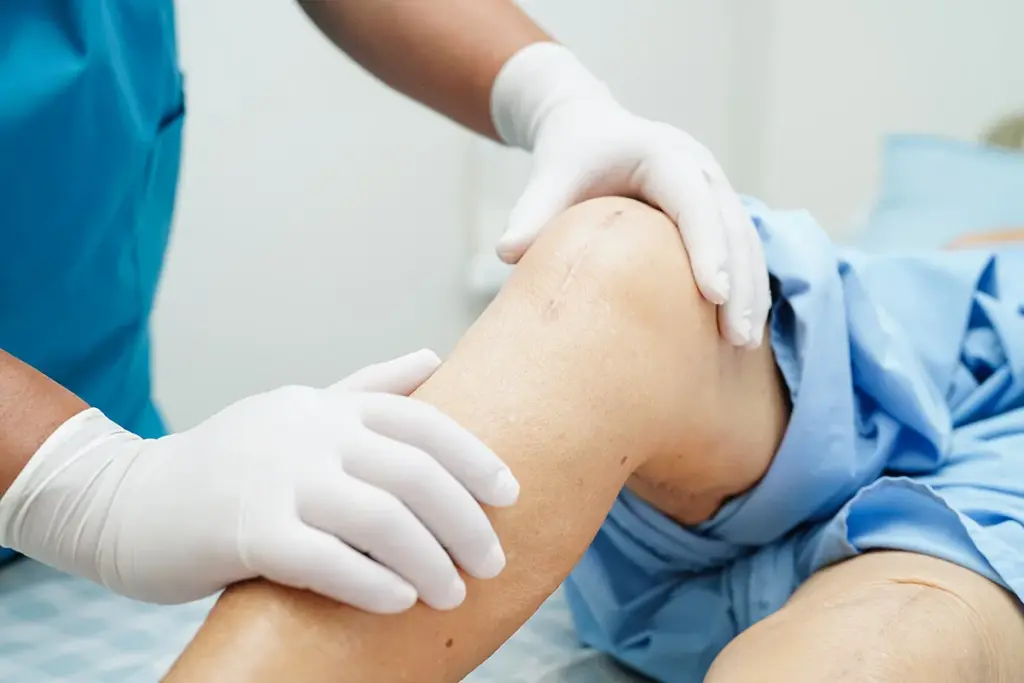
Getting your home ready before surgery can really help your recovery. Make sure your space is safe, comfy, and helps you heal well. This is key for a smooth recovery.
Creating a Single-Level Living Space
Try to make your living area single-level to avoid stairs. Move your bed, meds, and daily items to one floor. This can lower the chance of falls and injuries.
Essential Home Modifications for Safety
Make your home safer with a few changes. Clear clutter and secure rugs. Make sure your home is bright everywhere. Adding handrails in key spots helps too.
Setting Up a Dedicated Recovery Station
Having a special recovery area can make things easier. It should have everything you need close by.
Bedside Essentials Checklist
|
Item |
Purpose |
|---|---|
|
Water and snacks |
Stay hydrated and nourished |
|
Medications and prescriptions |
Manage pain and other conditions |
|
Phone and charger |
Stay connected with caregivers and healthcare providers |
|
Comfortable pillows and blankets |
Enhance comfort during recovery |
Preparing your home before surgery makes recovery safer and more comfortable. It’s wise to talk to your healthcare team for advice on getting your home ready for your return.
Essential Post Op Care Supplies Checklist

Getting your home ready with the right post-operative care supplies is key for a smooth recovery. Having the right items can greatly improve your comfort and health after surgery.
Medical Supplies and Wound Care Items
Proper wound care is essential to avoid infection and aid healing. You’ll need sterile gauze, antiseptic wipes, and bandages. Also, a thermometer and blood pressure monitor, if advised by your doctor, are important.
Comfort and Mobility Aids
Comfort and mobility aids can greatly improve your recovery. You might need a walker or crutches for moving around. A grabber or reaching tool helps without bending. A supportive pillow or cushion is also helpful for sitting or lying down.
Medication Management Tools
Managing your medications is critical for recovery. A pill organizer or medication calendar can help you keep track. Some people find automated pill dispensers useful.
Specialized Equipment Based on Surgery Type
The type of surgery you’ve had may require specific equipment. For example, orthopedic surgery might need a raised toilet seat or shower stool. Other surgeries might require a hospital bed or a certain mattress.
|
Surgery Type |
Recommended Equipment |
|---|---|
|
Orthopedic |
Raiser toilet seat, shower stool |
|
General Surgery |
Hospital bed, comfortable mattress |
|
Cardiothoracic |
Monitoring equipment, oxygen supply |
It’s vital to be prepared at home. Getting the right medical equipment, like a hospital bed or walker, is essential for recovery.
The right supplies and equipment, such as wound care items and mobility aids, can significantly enhance recovery by ensuring safety and comfort. It can also reduce the risk of complications and enhance your overall well-being after surgery.
Managing Daily Activities After Surgery
After surgery, patients find it hard to do everyday things. They need help and guidance. It’s important to manage daily tasks well for a good recovery.
Personal Hygiene Assistance Techniques
Keeping clean is key during recovery. Caregivers can help with bathing, dressing, and using the toilet. For those who can’t move much, a shower chair or bench is useful.
Meal Preparation and Nutritional Requirements
Eating right and staying hydrated is important for healing. Caregivers can prepare meals, making sure patients get the nutrients they need. Right at Home caregivers can also help with grocery shopping and cooking healthy meals.
|
Nutritional Element |
Importance |
Food Examples |
|---|---|---|
|
Protein |
Muscle repair |
Chicken, fish, beans |
|
Vitamin C |
Immune system boost |
Oranges, strawberries, broccoli |
|
Fiber |
Digestive health |
Whole grains, fruits, vegetables |
Safe Movement and Transfer Methods
Moving safely is important to avoid falls and injuries. Using walkers or canes helps. Caregivers should learn how to move patients safely.
Energy Conservation Strategies
It’s important to save energy during recovery. Patients should focus on important tasks, take breaks, and not do too much. Doing things while sitting can help save energy.
Bathroom Safety and Accessibility Solutions
We know how important a safe bathroom is for patients recovering at home after surgery. It’s key to keep the bathroom free from hazards. This helps prevent falls and injuries, which can make recovery harder.
Essential Bathroom Modifications
To make a bathroom safe, several changes can be made. Installing grab bars near the toilet and shower is a good start. Using non-slip mats or stickers in the bathtub is also helpful. Plus, improving lighting can reduce the risk of slipping or falling.
Key Modifications:
- Grab bars for support
- Non-slip mats or stickers
- Improved lighting
Hygiene Aids and Equipment Options
For those with limited mobility, hygiene aids are very useful. Shower chairs, handheld showerheads, and raised toilet seats are great options.
|
Aid/Equipment |
Purpose |
|---|---|
|
Shower Chair |
Provides a safe place to sit while showering |
|
Handheld Showerhead |
Allows for easier rinsing without excessive movement |
|
Raised Toilet Seat |
Makes it easier to use the toilet without straining |
Preventing Falls and Injuries
Preventing falls also means removing tripping hazards like throw rugs and electrical cords. Making sure the bathroom is well-lit and clear pathways are important. These steps can greatly lower the risk of accidents.
Medication Management Strategies
Managing your medications well is key to a smooth recovery after surgery. A complex schedule can be hard to keep up with. Missing a dose or taking too much can set you back or even send you back to the hospital. We’ll show you how to make a good medication schedule, use tools for organization, and handle pain safely.
Creating an Effective Medication Schedule
To manage your meds well, make a schedule that fits you. First, list all your medications, their dosages, and how often to take them. Then, organize them into a daily routine. Use a planner, app, or pill box to stay on track. Consistency is key to taking your meds as prescribed.
Tools for Medication Organization
There are many tools to help with organizing your meds. Pill boxes or organizers sort your meds by day or week. Mobile apps can also help, sending reminders and tracking your intake. Finding the right tool that fits your lifestyle is important for sticking to your schedule.
Handling Pain Management Safely
Pain management is a big part of post-surgical care. Always follow your healthcare provider’s pain medication instructions. Know the side effects and tell your healthcare team if you have any concerns. Safety first means watching the dosage and not taking too much.
Tracking Side Effects and Effectiveness
It’s important to track how your medications are working and any side effects. Keep a log of when you take your meds, any side effects, and how well they work. This info helps your healthcare providers adjust your treatment as needed.
Coordinating Follow-Up Care and Appointments
Getting the right follow-up care is key to a smooth recovery after surgery. As patients move from the hospital to home, managing appointments and care routines is very important.
Creating a Post-Discharge Care Calendar
Organizing follow-up care is easier with a post-discharge care calendar. This calendar should list all appointments, medication reminders, and care instructions from doctors. A clear schedule helps patients manage their recovery and avoid complications.
|
Appointment Type |
Date |
Time |
Location |
|---|---|---|---|
|
Post-Surgery Check-up |
2023-04-15 |
10:00 AM |
Hospital |
|
Physical Therapy |
2023-04-17 |
2:00 PM |
Clinic |
|
Wound Care |
2023-04-20 |
9:00 AM |
Nurse’s Office |
Transportation Planning for Medical Visits
Getting to appointments can be hard, mainly if you have trouble moving. It’s important to plan ahead. You can get rides from family, use public transport, or book medical transport services.
Make sure to book your transport early to avoid any issues.
Communication Systems with Healthcare Providers
Having a good way to talk to your healthcare team is key. Know how to reach them, like phone numbers and email. Many doctors also have patient portals for safe messaging.
“Clear communication between patients and healthcare providers is the cornerstone of successful post-surgery recovery.”
By planning well for follow-up care, patients can do better in their recovery. It’s about making a plan, staying organized, and keeping in touch with your healthcare team.
When to Seek Professional Home Health Care
Knowing when you need professional home health care after surgery is key to a good recovery. We’ve talked about how important post-operative care is. It helps avoid problems and makes recovery smoother. Home health care brings the right support and medical help right to your home.
Types of Home Health Services Available
Home health care offers many medical and non-medical services. These include:
- Skilled nursing care for wound management and medication administration
- Physical, occupational, and speech therapy to aid in recovery and regain functional abilities
- Medical social services to address emotional and social needs
- Home health aide services for assistance with daily living activities
These services help patients recover, regain independence, and manage their health well.
Understanding Home Health Care Costs
The cost of home health care varies. It depends on the services needed, how often they’re visited, and where you live. Knowing these costs helps plan your recovery budget.
Places like Home Instead Cedarburg, WI, offer care for those recovering. They provide services that fit individual needs.
Insurance Coverage and Financial Assistance Options
Understanding insurance and financial help for home health care is important. Many plans, cover some services. It’s vital to check your policy and talk to your healthcare provider about what’s covered.
Key considerations include:
- Checking your insurance policy for home health care coverage
- Understanding the out-of-pocket costs associated with home health care
- Exploring financial assistance programs that may be available
By knowing your options and planning, you can get the care you need without financial stress.
Emotional and Psychological Aspects of Recovery
Recovering from surgery is not just about getting better physically. It’s also about building emotional strength. Patients face many emotional challenges during this time. These challenges can affect their overall health.
Managing Expectations and Frustrations
Patients often feel frustrated or let down during recovery. This can happen when they face unexpected problems or heal slower than expected. “ Setting realistic goals and talking openly with healthcare providers can help.
Combating Isolation During Recovery
People often feel tired, anxious, or lonely after being in the hospital, even if they live with others. Using technology to stay in touch with family and friends is helpful. Joining support groups or doing things you like can also help. Building a support network is key for emotional health during recovery.
Support Resources for Patients and Caregivers
It’s important for patients and caregivers to have access to support. This includes counseling, support groups, and educational materials. These resources help them understand and deal with the recovery process.
“Having a strong support system in place can make a significant difference in the recovery journey,”
By focusing on the emotional and psychological sides of recovery, patients can have a more complete and successful healing process.
Conclusion: Ensuring a Successful Recovery Journey
Creating a safe recovery plan means getting your home ready, managing daily tasks, and setting up follow-up care. Knowing what to expect and taking action early can help avoid problems. This way, patients can have an easier time getting better.
We stress the need for a dedicated recovery area, safe bathroom changes, and managing medicines. These steps help patients have a successful recovery. Our goal is to provide top-notch healthcare and support for patients from around the world. We want to make sure they get the care they need to do well.
FAQ
What are the most common challenges faced during post-surgery recovery at home?
Managing pain and keeping mobile are big challenges. Preventing complications and proper wound care are also key. Daily tasks like bathing and cooking can be tough too.
How can I prepare my home for a safe and comfortable recovery after surgery?
Make your home safe by removing stairs and making it easy to move around. Set up a recovery area with all you need. This includes medical gear, comfort items, and ways to keep track of your meds.
What are the essential supplies needed for post-operative care?
You’ll need medical stuff like wound care and meds. Comfort and mobility aids, like pillows and walkers, are also important. Plus, tools for managing your meds are a must.
How can I manage my daily activities after surgery?
Get help from a caregiver or family member. They can assist with hygiene, cooking, and moving safely. This helps avoid complications and makes recovery easier.
What modifications can I make to my bathroom to ensure safety and accessibility during recovery?
Add grab bars, non-slip mats, and a shower chair. Long-handled brushes and toilet aids are helpful too. Rearrange the bathroom for a clear path and to avoid tripping.
How can I effectively manage my medications after surgery?
Make a medication schedule and use tools like pill boxes and reminders. Handle pain meds safely. Keep track of any side effects and how well the meds work.
What are the benefits of coordinating follow-up care and appointments after discharge?
It ensures you get the medical care and support you need. Plan your care calendar, arrange for transport, and stay in touch with your healthcare team.
When should I consider seeking professional home health care?
If you need ongoing medical care, help with daily tasks, or rehab services, think about home health care. Services include nursing, physical therapy, and occupational therapy.
How can I address the emotional and psychological aspects of recovery?
Manage your expectations and frustrations. Fight off feelings of isolation. Use counseling, support groups, and online resources for help.
What are the benefits of having a well-planned recovery at home?
A good plan can lower the risk of problems and make recovery smoother. It also cuts down on the chance of going back to the hospital. Being ready and having support helps you get back to normal faster.
How can I ensure a successful recovery journey?
Be ready, have a supportive space, and use the right resources. A solid recovery plan, follow-up care, and dealing with emotional aspects are key. This way, you can have a successful recovery.
References
- Assisted Living Magazine:
- JAMA Otolaryngology – Head & Neck Surgery:
- JAMA Network:
- Centers for Disease Control and Prevention:
- National Institutes of Health:
National Center for Biotechnology Information. Evidence-Based Medical Insight. Retrieved from https://pmc.ncbi.nlm.nih.gov/articles/PMC9136255/[4