
Recovering from prostate surgery requires a well-planned nutrition plan to accelerate healing and minimize complications. personalized care and dietary planning are crucial for patients during this period. A nutrient-rich intake supports tissue repair, immune response, and faster recovery.
We emphasize the importance of a comprehensive dietary plan that includes essential nutrients such as protein, carbohydrates, fiber, vitamins, and minerals. Protein consumption is particularly crucial for healing, with foods like fish, egg whites, and beans being excellent sources.
Key Takeaways
- A well-planned nutrition plan is crucial for recovery after prostate surgery.
- Protein-rich foods support tissue repair and healing.
- Essential nutrients like vitamins and minerals are vital for overall health.
- Maintaining a healthy weight positively affects the recovery process.
- A balanced diet provides the necessary nutrients for bodily functions and recovery.
The Science of Nutrition and Prostate Surgery Recovery

The recovery journey following prostate surgery is significantly influenced by nutritional choices that support healing and immune response. Adequate nutrition is crucial for patients to recover efficiently and effectively.
How Diet Impacts Tissue Repair and Immune Function
A well-balanced diet rich in essential nutrients plays a vital role in supporting the body’s natural healing processes. Nutrients such as proteins, vitamins, and minerals are crucial for tissue repair, helping to heal surgical wounds and restore normal bodily functions. Additionally, a diet that supports immune function can help prevent infections and complications during the recovery period.
After prostate surgery, the body’s demand for certain nutrients increases to facilitate recovery. Protein, for instance, is essential for repairing tissues, while vitamins and minerals like vitamin C and zinc support immune function and overall health. Ensuring adequate intake of these nutrients can significantly impact the recovery process.
Research-Backed Benefits of Targeted Nutrition
Research has shown that targeted nutrition can have a positive impact on recovery after prostate surgery. Studies have highlighted the benefits of specific nutrients in supporting healing and reducing the risk of complications. For example, omega-3 fatty acids found in fatty fish have anti-inflammatory properties that can aid in recovery.
A balanced diet that includes a variety of whole foods can provide the necessary nutrients for optimal recovery. It’s also important for patients to stay hydrated and manage their nutrition in a way that minimizes discomfort and supports their overall health during the recovery period.
Essential Components of a Post Prostate Surgery Diet
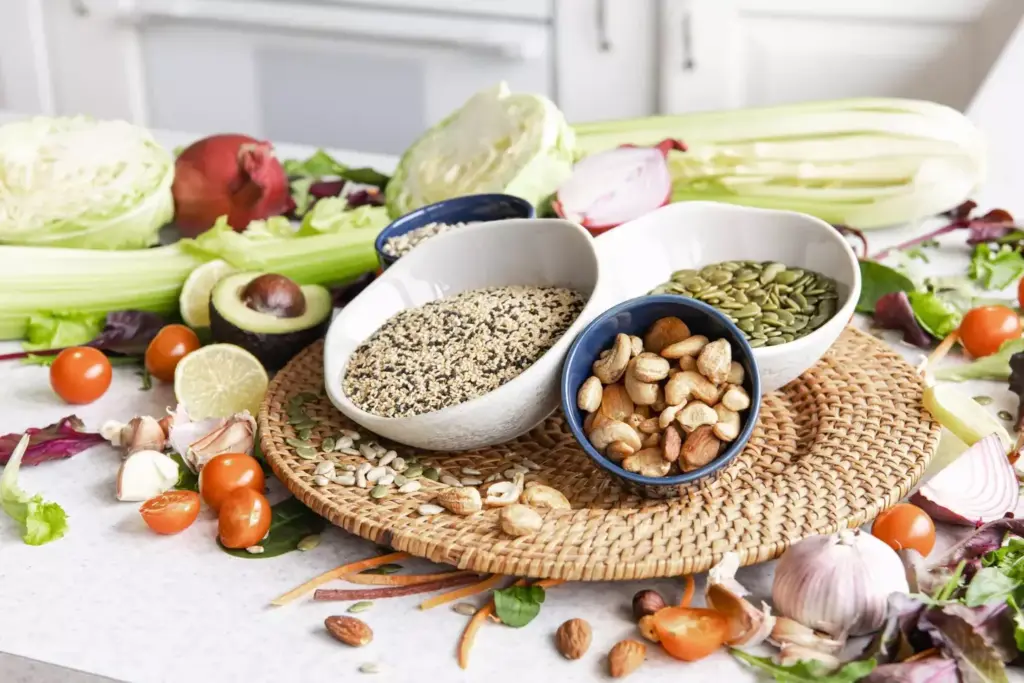
The food we eat after prostate surgery can significantly impact our recovery. A well-structured diet helps in healing, reduces the risk of complications, and supports overall health.
Balancing Macronutrients for Optimal Healing
A balanced diet consists of the right mix of macronutrients: carbohydrates, proteins, and fats. Carbohydrates provide energy, proteins are essential for tissue repair, and fats support the absorption of vital nutrients.
- Carbohydrates: Focus on whole grains, fruits, and vegetables.
- Proteins: Include lean meats, fish, eggs, and plant-based options like beans and lentils.
- Fats: Emphasize healthy fats from sources like avocados, nuts, and olive oil.
The Harvard Healthy Eating Plate provides a useful guide for balancing these macronutrients. It recommends filling half your plate with vegetables and fruits, one-quarter with protein, and one-quarter with whole grains.
Micronutrients That Support Recovery
In addition to macronutrients, micronutrients play a crucial role in recovery. These include vitamins and minerals that support various bodily functions.
- Vitamin C: Important for immune function and found in citrus fruits and berries.
- Zinc: Supports wound healing and is found in lean meats and nuts.
- Antioxidants: Help reduce inflammation and are abundant in colorful fruits and vegetables.
Ensuring adequate intake of these micronutrients can be achieved through a diverse diet rich in whole foods. Supplements may be considered if necessary, under the guidance of a healthcare provider.
Lean Poultry: Protein for Surgical Wound Healing
Lean poultry is an excellent source of protein that can support surgical wound healing after prostate surgery. Protein is a crucial nutrient for recovery, as it helps in repairing tissues and supporting the immune system. We recommend incorporating lean poultry into your diet to aid in the healing process.
Preparation Methods for Easy Digestion
To make lean poultry easily digestible, it’s essential to prepare it correctly. Here are some tips:
- Grilling or Baking: These methods help retain the protein content without adding extra fats.
- Steaming: Steaming chicken or turkey preserves its moisture and makes it tender, easing digestion.
- Slow Cooking: Using a slow cooker can break down the proteins, making the poultry more comfortable to digest.
By adopting these cooking methods, patients can enjoy the benefits of lean poultry without discomfort.
Chicken and Turkey Recipe Ideas for Recovery
Incorporating lean poultry into your diet can be both delicious and varied. Here are some recipe ideas to get you started:
- Chicken and Vegetable Stew: A hearty stew made with chicken breast, various vegetables, and herbs, all slow-cooked to perfection.
- Turkey and Avocado Salad: A refreshing salad combining sliced turkey breast with avocado, mixed greens, and a light vinaigrette.
- Baked Chicken Thighs with Herbs: Chicken thighs seasoned with herbs and baked until tender, served with a side of steamed vegetables.
These recipes not only provide essential protein but are also gentle on the digestive system, making them ideal for post-surgery recovery.
By including lean poultry in your post-prostate surgery diet, you’re taking a significant step towards supporting your body’s healing process. With its high protein content and ease of digestion when prepared correctly, lean poultry is an ideal food for recovery.
Fatty Fish: Omega-3 Rich Foods for Inflammation Control
Fatty fish, rich in omega-3 fatty acids, play a significant role in controlling inflammation and promoting healing after prostate surgery. Omega-3s are essential fatty acids that the body cannot produce on its own, making dietary intake crucial.
Top Fish Varieties for Prostate Health
Some of the best fatty fish for prostate health include:
- Salmon: Known for its high omega-3 content and rich flavor.
- Mackerel: A smaller fish with high omega-3 levels and low mercury content.
- Sardines: These tiny fish are packed with omega-3s and are often canned, making them a convenient option.
- Trout: A freshwater fish that is not only delicious but also rich in omega-3s.
How Omega-3s Support Post-Surgery Healing
Omega-3 fatty acids support post-surgery healing in several ways:
- Reducing Inflammation: Omega-3s have potent anti-inflammatory properties, which help in reducing swelling and pain post-surgery.
- Promoting Tissue Repair: These essential fatty acids aid in the repair of tissues damaged during surgery.
- Boosting Immune Function: Omega-3s support the immune system, helping the body fight off infections and recover more efficiently.
By incorporating fatty fish into your post-prostate surgery diet, you can harness the benefits of omega-3s to support your recovery and overall health.
Eggs: A Complete Protein Source for Recovery
As we explore the best foods for recovery after prostate surgery, eggs stand out as a valuable resource. They offer a rich source of protein and various essential nutrients that support the healing process.
Nutritional Benefits of Eggs for Prostate Health
Eggs are considered a complete protein source because they contain all nine essential amino acids that the human body cannot produce on its own. This characteristic makes eggs particularly valuable for individuals recovering from surgery, as they provide the necessary building blocks for tissue repair and healing.
Key nutritional benefits of eggs include:
- High-quality protein for tissue repair
- Vitamins and minerals such as vitamin D and zinc, which support immune function
- Antioxidants like lutein and zeaxanthin, which can help reduce inflammation
Are Boiled Eggs Good for the Prostate?
Boiled eggs are an excellent option for those recovering from prostate surgery. They are easy to digest, making them suitable for individuals who may experience gastrointestinal discomfort post-surgery. Boiled eggs retain most of their nutritional value, including protein and various vitamins and minerals.
Research suggests that the nutrients in eggs, such as vitamin D and selenium, may have a positive impact on prostate health. While more research is needed, incorporating boiled eggs into a balanced diet can be a healthy choice for men recovering from prostate surgery.
Versatile Ways to Include Eggs in Your Healing Diet
Eggs can be prepared in various ways to suit different tastes and dietary needs. Here are some ideas for incorporating eggs into your recovery diet:
- Boiled eggs as a quick snack
- Omelets with vegetables for added fiber and nutrients
- Scrambled eggs with herbs for flavor without added salt
- Egg salad with avocado for healthy fats
“Eggs are a versatile food that can be easily incorporated into a variety of dishes, making them an excellent choice for a post-surgery diet.”
By including eggs in your diet, you can benefit from their high protein content and other essential nutrients that support recovery and overall health.
Greek Yogurt: Probiotics and Protein for Gut Health
Greek yogurt is a nutrient-rich food that supports gut health through its high probiotic and protein content, making it beneficial for post-prostate surgery recovery. The probiotics in Greek yogurt help maintain a healthy gut microbiome, which is crucial for immune function and overall well-being.
Benefits for Prostate Recovery
The probiotics and protein in Greek yogurt can aid in the recovery process after prostate surgery. Probiotics support gut health, which is linked to improved immune function and reduced inflammation. A healthy gut microbiome can also help in the proper absorption of nutrients, supporting the body’s healing processes.
Research suggests that a balanced gut microbiome is essential for overall health, including the recovery process after surgery. By incorporating Greek yogurt into your diet, you can support your gut health and potentially enhance your recovery.
Selecting and Serving Greek Yogurt
When selecting Greek yogurt, it’s essential to choose varieties that are high in probiotics and protein. Look for products with live and active cultures, as these contain the beneficial probiotics. Additionally, opt for plain, unflavored Greek yogurt to avoid added sugars.
Serving Greek yogurt can be versatile. You can enjoy it on its own, add it to smoothies, or use it as a base for sauces and dips. Combining Greek yogurt with fruits or nuts can also provide a satisfying and healthy snack.
To maximize the benefits, consider incorporating Greek yogurt into your daily diet. Start with small servings and adjust according to your digestive comfort.
Oatmeal and Whole Grains: Fighting Post-Surgery Constipation
Oatmeal and whole grains are dietary staples that can help alleviate constipation after prostate surgery. Constipation is a common issue following surgical procedures, particularly those involving the prostate. A diet rich in fiber can significantly ease this discomfort.
We recommend incorporating oatmeal into your post-surgery diet as it is rich in soluble fiber, which helps soften stool and promote regular bowel movements. The fiber in oatmeal absorbs water, making stools easier to pass and reducing the risk of constipation.
Fiber Content and Digestive Benefits
Oatmeal is not only a comfort food but also a nutrient-dense choice that supports digestive health. A bowl of oatmeal can provide a significant portion of your daily fiber needs, helping to regulate bowel movements and prevent constipation.
Other Fiber-Rich Grain Options
In addition to oatmeal, other whole grains can contribute to your fiber intake and support digestive comfort. Some beneficial options include:
- Quinoa
- Brown rice
- Whole wheat bread
- Barley
These grains are not only rich in fiber but also provide essential nutrients that support overall health and recovery. Incorporating a variety of whole grains into your diet can help maintain a healthy digestive system and alleviate post-surgery constipation.
By making informed dietary choices, patients can take an active role in their recovery process. We encourage patients to consult with their healthcare provider or a nutritionist to develop a personalized diet plan that includes oatmeal and other whole grains.
Colorful Fruits and Vegetables: Antioxidant Power
The vibrant colors of various fruits and vegetables signal their high antioxidant content, which is crucial for immune support and healing after surgery. We recommend a diet rich in these colorful foods to aid in the recovery process.
Berries and Citrus Fruits for Immune Support
Berries such as blueberries, strawberries, and raspberries are packed with antioxidants like vitamin C and anthocyanins. These compounds help in reducing oxidative stress and supporting immune function. Citrus fruits like oranges, grapefruits, and lemons are also rich in vitamin C, which is known for its immune-boosting properties.
- Blueberries: High in anthocyanins, which have been shown to have anti-inflammatory properties.
- Oranges: Rich in vitamin C, supporting immune function and overall health.
- Raspberries: Contain ellagic acid, which has been studied for its potential anti-cancer properties.
Leafy Greens and Cruciferous Vegetables for Healing
Leafy greens like spinach and kale are rich in vitamins A, C, and K, as well as minerals like calcium and iron. These nutrients support overall health and aid in the healing process. Cruciferous vegetables such as broccoli, cauliflower, and Brussels sprouts contain sulforaphane, which has been researched for its potential benefits in cancer prevention and recovery.
| Vegetable | Nutrient | Benefit |
|---|---|---|
| Spinach | Vitamin K | Supports bone health |
| Broccoli | Sulforaphane | May aid in cancer prevention |
| Kale | Vitamin A | Promotes healthy vision and immune function |
Incorporating these colorful fruits and vegetables into your diet can significantly enhance your recovery after prostate surgery. We encourage patients to explore a variety of these foods to reap their antioxidant benefits.
Healthy Fats: Olive Oil, Avocados, and Nuts
Healthy fats, such as those found in olive oil, avocados, and nuts, play a crucial role in post-prostate surgery recovery. These foods are not only rich in nutrients but also possess anti-inflammatory properties that can aid in the healing process.
Anti-Inflammatory Properties of Plant-Based Fats
Plant-based fats are known for their anti-inflammatory effects, which can be particularly beneficial after surgery. Olive oil, for instance, is rich in oleocanthal, a compound that has been shown to have anti-inflammatory properties similar to ibuprofen. Avocados are another excellent source of healthy fats, providing monounsaturated fats that can help reduce inflammation.
Nuts, such as almonds and walnuts, are also rich in healthy fats and antioxidants. Walnuts, in particular, are high in alpha-linolenic acid (ALA), a type of omega-3 fatty acid that has been shown to reduce inflammation.
| Food | Key Nutrient | Benefit |
|---|---|---|
| Olive Oil | Oleocanthal | Anti-inflammatory effects |
| Avocados | Monounsaturated fats | Reduces inflammation |
| Walnuts | Alpha-linolenic acid (ALA) | Reduces inflammation |
Incorporating Healthy Fats Without Digestive Distress
While healthy fats are beneficial, it’s essential to incorporate them into your diet in a way that doesn’t cause digestive distress. Start by adding small amounts of olive oil to your meals or using it as a dressing for salads. Avocados can be added to sandwiches or made into guacamole.
Nuts can be consumed as a snack, but be mindful of portion sizes due to their high calorie content. A handful of nuts per day is a good starting point.
By incorporating these healthy fats into your diet, you can support your recovery and overall health after prostate surgery.
Foods to Avoid After Prostate Surgery
Understanding which foods to avoid after prostate surgery can significantly impact your healing process. Certain foods can irritate the bladder or hinder recovery, making it crucial to make informed dietary choices.
Bladder Irritants: Spicy Foods, Caffeine, and Alcohol
Some foods and beverages can irritate the bladder, leading to discomfort or complications after prostate surgery. These include:
- Spicy foods: Foods high in spice can irritate the bladder and urinary tract, potentially leading to discomfort or infection.
- Caffeine: Found in coffee, tea, and some sodas, caffeine can act as a diuretic and irritate the bladder.
- Alcohol: Alcohol can also irritate the bladder and interfere with the healing process.
Avoiding these bladder irritants can help minimize discomfort and support the healing process. It’s recommended to limit or avoid these substances for a period after surgery as advised by your healthcare provider.
Processed Foods and Their Impact on Recovery
Processed foods, which are high in unhealthy fats, sugars, and salts, can negatively impact recovery. These foods can lead to inflammation and hinder the body’s ability to heal.
Some examples of processed foods to limit or avoid include:
- Processed meats: Foods like sausages and processed deli meats contain preservatives that can be harmful.
- Sugary snacks and drinks: High sugar intake can lead to inflammation and slow down recovery.
- Refined grains: Foods made with refined grains lack essential nutrients and fiber, potentially causing digestive issues.
By being mindful of these dietary factors, patients can better support their recovery after prostate surgery. It’s always best to consult with a healthcare provider or a nutritionist for personalized dietary advice.
Practical Tips for Implementing Your Post Prostate Surgery Diet
Implementing a post-prostate surgery diet isn’t just about food choices; it’s about creating a recovery-friendly eating routine that supports your body’s healing process. To help you navigate this journey, we’ve compiled practical tips on meal planning, eating frequency, and hydration.
Meal Planning and Preparation Strategies
Effective meal planning is crucial for a smooth recovery. We recommend preparing meals in advance to avoid last-minute, potentially unhealthy choices. Here are some strategies:
- Plan your meals for the week, considering your nutritional needs and any dietary restrictions.
- Shop for fresh, whole ingredients to ensure you’re getting the necessary nutrients.
- Prepare meals that can be easily reheated, such as soups, stews, and casseroles.
- Use a slow cooker to have ready-to-eat meals throughout the day.
By planning ahead, you can ensure that you’re fueling your body with the right foods at the right time, supporting your recovery process.
Small, Frequent Meals for Optimal Nutrition
Eating small, frequent meals can help manage digestive discomfort and ensure you’re getting enough nutrients. We suggest:
- Eating 4-6 small meals throughout the day.
- Choosing nutrient-dense foods for each meal.
- Avoiding heavy or greasy foods that can cause digestive distress.
This approach can help maintain your energy levels and support your body’s healing process.
| Meal Frequency | Benefits | Food Choices |
|---|---|---|
| 4-6 small meals | Manages digestive discomfort, maintains energy levels | Lean proteins, whole grains, fruits, vegetables |
| 3 main meals | Traditional eating pattern, can be adapted for recovery | Balanced meals with protein, complex carbohydrates, healthy fats |
Hydration Guidelines for Prostatectomy Recovery
Adequate hydration is essential for recovery after prostate surgery. We recommend:
“Drink plenty of water throughout the day to help your body recover from surgery. Aim for at least 8-10 glasses a day, and consider increasing your intake if you’re experiencing excessive urine leakage or if your urine is dark yellow.”
It’s also important to limit or avoid beverages that can irritate the bladder, such as caffeine and alcohol. Herbal teas or diluted fruit juices can be good alternatives.
By following these practical tips on meal planning, eating frequency, and hydration, you can create a recovery-friendly diet that supports your body’s healing process after prostate surgery.
Conclusion: Personalizing Your Recovery Nutrition Plan
As we conclude our discussion on the post prostate surgery diet, it’s clear that personalizing a recovery nutrition plan is crucial for optimal healing. Every individual’s nutritional needs and preferences are unique, and a tailored approach can significantly support the recovery process.
By incorporating the 12 best foods and key tips outlined in this article, patients can create a personalized prostate surgery diet that meets their specific requirements. We recommend working closely with healthcare professionals to develop a recovery nutrition plan that suits individual needs, ensuring a smoother and more effective recovery.
Personalized nutrition planning can make a significant difference in the healing process. By focusing on nutrient-dense foods, balancing macronutrients, and staying hydrated, patients can support their overall health and well-being during this critical period.
What is the best diet after prostate surgery?
A balanced diet rich in lean proteins, fruits, vegetables, whole grains, and healthy fats is recommended after prostate surgery to support recovery and minimize complications.
Are boiled eggs good for prostate health?
Yes, boiled eggs are a good source of protein and can be beneficial for prostate health as part of a balanced diet.
Is Greek yogurt beneficial for prostate recovery?
Greek yogurt is rich in probiotics and protein, which can support gut health and aid in recovery after prostate surgery.
How can I prevent constipation after prostate surgery?
Consuming foods high in fiber such as oatmeal, whole grains, fruits, and vegetables can help prevent constipation after prostate surgery.
What foods should be avoided after prostate surgery?
Bladder irritants like spicy foods, caffeine, and alcohol, as well as processed foods, should be avoided after prostate surgery to minimize discomfort and support recovery.
Is oatmeal good for prostate health?
Yes, oatmeal is a good source of fiber and can support digestive health, which is beneficial for overall prostate health.
How can I incorporate lean poultry into my diet after prostate surgery?
Lean poultry like chicken and turkey can be prepared in various ways, such as grilling or baking, to make them easy to digest and incorporate into your diet.
What are the benefits of fatty fish for prostate health?
Fatty fish rich in omega-3s, such as salmon, can help control inflammation and support healing after prostate surgery.
How often should I eat after prostate surgery?
Eating small, frequent meals can help manage nutrition and minimize digestive discomfort during recovery.
What are some tips for staying hydrated after prostate surgery?
Drinking plenty of water and limiting caffeinated and alcoholic beverages can help maintain hydration and support recovery.
Can I personalize my diet after prostate surgery?
Yes, it’s recommended to work with healthcare professionals to develop a personalized nutrition plan tailored to your individual needs and preferences.
Are there specific fruits and vegetables that are beneficial for prostate health?
Colorful fruits and vegetables, such as berries, citrus fruits, leafy greens, and cruciferous vegetables, are rich in antioxidants and can support immune function and healing.
How can healthy fats be incorporated into a post prostate surgery diet?
Healthy fats like olive oil, avocados, and nuts can be added to meals in moderation to support anti-inflammatory responses and overall health.
Government Health Resource. Evidence-Based Medical Guidance. Retrieved from https://crashstats.nhtsa.dot.gov/Api/Public/Publication/813713


 Departments
 Related Videos
 Our Doctors
 News
News