Robotic hysterectomy is a new way to treat gynecological issues. A big worry for patients is how long it takes to get better. Studies show that recovery times can differ a lot. This depends on your health and the type of surgery you had.Post surgery recovery from robotic hysterectomy takes 4-6 weeks. Learn healing milestones and when to resume normal activities.
Knowing how long you’ll take to recover is key. It helps you set realistic goals and plan your care after surgery. While many ask about the average recovery time, remember that everyone’s journey is unique.
Key Takeaways
- The recovery time after a robotic hysterectomy varies depending on individual health factors.
- The type of hysterectomy performed influences the healing process.
- Understanding the recovery timeline is important for managing expectations.
- Patients should plan their post-surgery care based on their individual recovery needs.
- A robotic hysterectomy is a minimally invasive procedure that generally results in a shorter recovery period compared to traditional surgery.
Understanding Robotic Hysterectomy Procedures

Robotic hysterectomy procedures are becoming more popular. They are known for their precision and quick recovery time. This new surgical method is changing gynecology, making it safer than old open surgery methods.
What is a Robotic Hysterectomy?
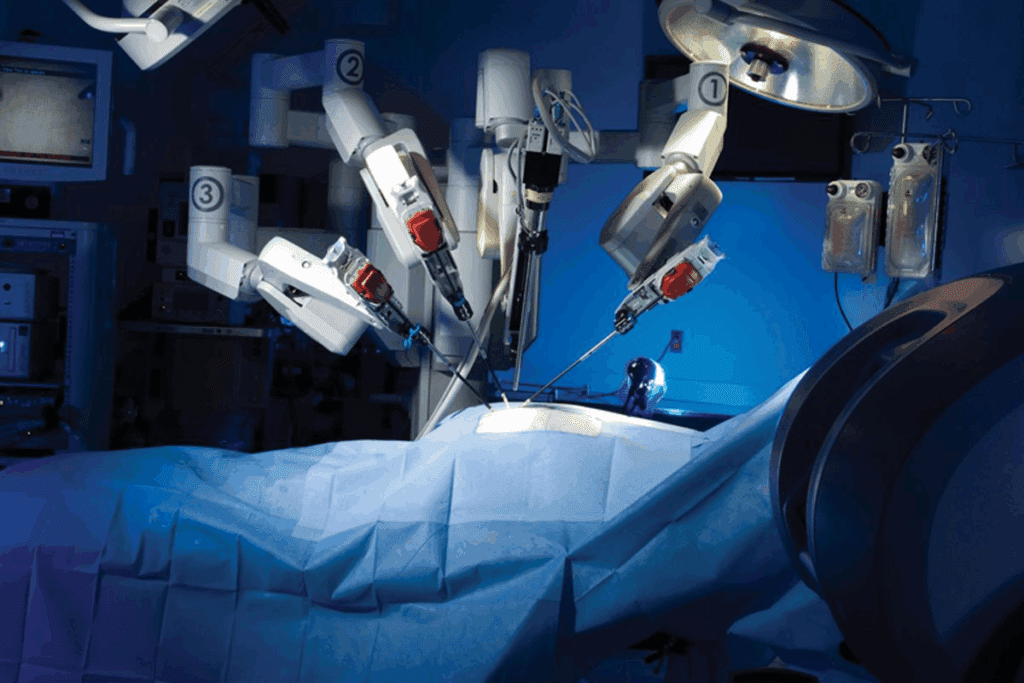
A robotic hysterectomy is a surgery where a surgeon uses a robotic system to remove the uterus. This minimally invasive surgery uses small incisions in the abdomen. The robotic arms are inserted through these incisions.
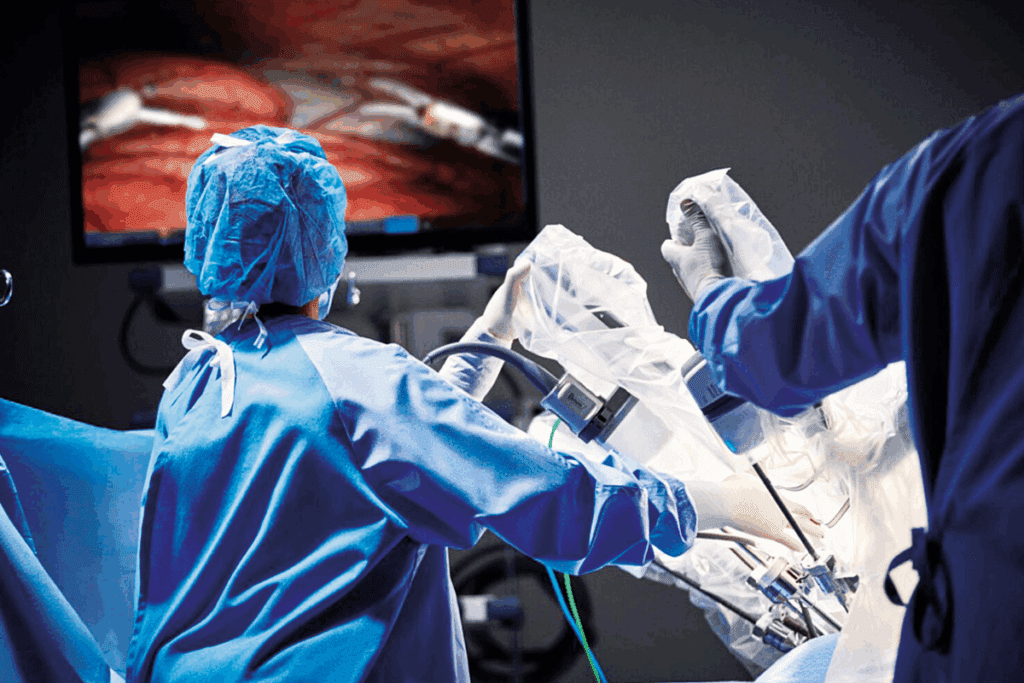
The surgeon controls these arms from a console. This allows for precise movements and a clear view of the surgery area.
Benefits Compared to Traditional Surgery
Robotic hysterectomy has many advantages over traditional surgery. These include:
- Less blood loss and reduced risk of infection
- Smaller incisions, resulting in less scarring
- Shorter hospital stays and quicker recovery
- Less postoperative pain
These benefits make recovery more comfortable and faster. Patients can get back to their normal activities sooner.
Types of Robotic Hysterectomies
There are different types of robotic hysterectomies. These include:
| Type of Hysterectomy | Description |
| Total Robotic Hysterectomy | Removal of the entire uterus, including the cervix |
| Partial Robotic Hysterectomy | Removal of the uterus, leaving the cervix intact |
| Radical Robotic Hysterectomy | Removal of the uterus, cervix, and part of the vagina, often performed in cases of cancer |
Each type is chosen based on the patient’s specific condition and the reason for the surgery.
Preparing for Your Post Surgery Recovery
To make your recovery smooth, prepare your home and support system ahead of time. A well-prepared space can greatly improve your post surgery recovery. Following recovery guidelines is essential for aiding your healing process and preventing complications.
Setting Up Your Home Environment
Creating a cozy home environment is key for a smooth recovery. You’ll want to make your living space easy to move around in. Here are some tips:
- Move important things to spots you can reach without straining.
- Prepare meals early and freeze them for easy reheating.
- Make your bedroom comfy for rest, with your bed and essentials close by.
Essential Supplies and Support
Having the right supplies and support is critical for your home recovery time. Make sure you have:
- Comfortable clothes, like loose dresses or elastic waistbands.
- Pain meds as your doctor tells you to take.
- Ice packs or heating pads for pain or discomfort.
- A list of emergency contacts, including your doctor.
Ask a friend or family member to help with daily tasks early on. This can be grocery shopping or cleaning.
Mental Preparation for Recovery
Mental prep is as important as physical prep. Knowing what to expect can lower anxiety and keep your mind positive. Think about:
- Learning about the recovery process and what to expect.
- Setting realistic recovery goals and being patient with yourself.
- Staying in touch with loved ones through calls or video chats.
By following these steps, you can make your post surgery recovery more comfortable and stress-free. This lets you focus on healing and getting back to your usual self.
The Hospital Stay: First 24-48 Hours
The first couple of days after a robotic hysterectomy are spent in the hospital. Here, patients get important care. This time is key for watching for any issues and managing pain well.
Immediate Post-Operative Care
When patients arrive at the recovery room, doctors and nurses watch them closely. Immediate post-operative care includes checking vital signs and pain levels. They also look at the surgical site for any complications.
Nurses help patients move early to prevent blood clots and improve blood flow.
Pain Management Protocols
Managing pain well is a big focus during the hospital stay. Patients get different medicines to help with pain. This might include pills or shots given through an IV.
The healthcare team keeps adjusting the pain plan to keep the patient comfortable.
Initial Mobility Expectations
Moving early is important to avoid problems like blood clots. Patients start moving a few hours after surgery. They start with simple actions like lifting their legs.
They then move to sitting up and walking with help.
Discharge Criteria and Timeline
When it’s time to go home depends on several things. Patients need to have stable vital signs and be able to urinate and pass gas. Usually, patients go home within 24-48 hours if there are no issues.
Before leaving, patients get instructions on how to care for themselves. They also learn about follow-up appointments and who to call for any problems.
First Week at Home: Critical Healing Phase
The first week after surgery is very important. You need to manage your pain, take care of your incision, and follow activity rules. It’s key to listen to your healthcare team and take care of yourself.
Managing Pain and Discomfort
Managing pain well is key in the first week. Your doctor will give you pain medicine. Make sure to take it as told and know about any side effects.
Tips for Managing Pain:
- Take pain medication as directed by your healthcare provider.
- Monitor your pain levels and report any severe or persistent pain.
- Consider using a pain diary to track your medication and pain levels.
Incision Care and Monitoring
Keeping your incision clean is important to avoid infection and help it heal. Make sure to keep it dry and follow your doctor’s advice for changing dressings.
Incision Care Tips:
- Gently clean the incision area with mild soap and water.
- Pat the area dry; avoid rubbing or scrubbing.
- Monitor for signs of infection, such as redness, swelling, or discharge.
Activity Restrictions and Rest Requirements
It’s important to follow the rules for activities in the first week. Avoid heavy lifting, bending, or hard work. These can hurt your body and slow healing.
| Activity | Restrictions |
| Heavy Lifting | Avoid lifting objects over 10 pounds |
| Bending or Straining | Minimize bending or straining activities |
| Exercise | Gradually resume light activities as advised by your healthcare provider |
Warning Signs That Require Medical Attention
Know the signs that mean you might have a problem. If you have severe pain, heavy bleeding, fever, or signs of infection, get help right away.
- Severe pain or heavy bleeding
- Signs of infection, such as fever or chills
- Increased redness, swelling, or discharge around the incision site
By taking good care of yourself in the first week, you can avoid problems and recover well.
Weeks 2-4: The Gradual Improvement Phase
Weeks 2-4 are when patients start to feel better after a robotic hysterectomy. This is a key time for healing and getting back to normal. Patients begin to regain their strength and can start doing everyday activities again.
Physical Changes to Expect
Patients will notice changes in their body during this time. Swelling and bruising will start to go down, and pain will lessen. But, some women might feel mild fatigue and sharp pains as they heal.
- Reduced swelling and bruising
- Lessening of discomfort and pain
- Mild fatigue
- Occasional sharp pains
Safely Increasing Daily Activities
It’s important to slowly add more to your daily routine. Start with light tasks like short walks and light stretching. Then, you can do more challenging activities as your body gets stronger.
- Begin with short walks and light stretching
- Gradually increase the duration and intensity of activities
- Avoid heavy lifting and bending
Common Challenges and Solutions
Managing pain, dealing with constipation, and emotional changes are common issues. Pain management can be helped with medicine and relaxation techniques. Constipation can be lessened by eating more fiber and drinking plenty of water.
Follow-up Appointment Expectations
Follow-up visits are very important for recovery. Usually, these happen 2-4 weeks after surgery. The doctor will check how you’re healing, remove any stitches, and talk about any issues or worries.
- Assessment of healing progress
- Removal of sutures or staples
- Discussion of any concerns or complications
Complete Post Surgery Recovery Timeline: Weeks 4-8
The recovery after surgery goes beyond the first few weeks. Weeks 4 to 8 are key for big health gains. Patients will see big improvements in their health and happiness.
Pelvic Floor Healing Progress
By weeks 4-8, the pelvic floor muscles heal a lot. Pelvic floor healing takes time and following doctor’s orders is key.
Patients will feel better bladder control and less pain. Doing Pelvic floor exercises, like Kegels, helps a lot.
Energy Level Restoration
Energy levels go up in weeks 4-8 as the body heals more. Gradual increases in activity help bring back energy.
It’s important to balance rest and activity to avoid too much strain. Listen to your body and don’t overdo it.
Return to Light Work Activities
Weeks 4-8 are when many can start going back to light work activities. How soon depends on the job and health.
Always check with your doctor before going back to work. Some jobs might need special arrangements for a smooth return.
Sexual Activity Considerations
Sexual activity usually starts again after getting the green light from a doctor, around 6-8 weeks after surgery.
It’s vital to follow the doctor’s advice for healing. Be aware of any changes in sexual function after a hysterectomy.
“It’s not just about physical healing; emotional recovery is just as important. Patients should be prepared to take the time they need to heal fully.”
Knowing the recovery timeline and what to expect in weeks 4-8 helps patients on their journey after surgery.
Returning to Work and Normal Activities
Healing from a robotic hysterectomy means knowing when to go back to work and normal activities. Everyone recovers differently, but it usually takes weeks to get back to full strength. This allows you to slowly start doing daily tasks again.
Timing Guidelines for Different Occupations
The time to return to work varies based on your job. Desk jobs often allow a 2-4 week return, with some adjustments needed. But, jobs that require physical labor or heavy lifting might take 6-8 weeks or longer.
| Occupation Type | Typical Return to Work Time |
| Desk Job | 2-4 weeks |
| Light Physical Labor | 4-6 weeks |
| Heavy Physical Labor | 6-8 weeks or more |
Workplace Accommodations to Consider
When you go back to work, some adjustments can help. These might include flexible hours, ergonomic changes, or temporary job duty changes.
- Flexible working hours to manage fatigue
- Ergonomic workspace adjustments to reduce strain
- Temporary modification of job duties to avoid heavy lifting or bending
Gradually Resuming Exercise and Physical Activities
Start with light exercises like walking when you begin to get active again. Gradually increase the intensity as you feel more comfortable and get the okay from your healthcare provider.
Driving and Travel Restrictions
Driving and travel rules are key during recovery. You should not drive while on narcotic pain meds and must be able to handle emergencies safely. Also, avoid long trips early on unless really needed.
Key Considerations:
- Avoid driving while on narcotic pain medication
- Ensure comfort while driving before resuming
- Limit long-distance travel in the initial recovery period
Factors That Influence Recovery Duration
Knowing what affects recovery time after robotic hysterectomy is key. Each person’s healing pace can differ a lot. This depends on several important factors.
Age and Overall Health
A person’s age and overall health greatly affect how fast they recover. Younger people with fewer health problems usually heal faster. Older folks or those with health issues might take longer.
For example, a young woman with no health problems might get better in a few weeks. But an older person or someone with health issues like diabetes might need more time.
Type of Hysterectomy Performed
The type of hysterectomy done also matters. There are different kinds, like total, subtotal, and radical hysterectomies. Each has its own recovery time.
A total hysterectomy, which removes the uterus and cervix, might have a different recovery time than a subtotal hysterectomy. That only removes the uterus.
Pre-existing Conditions
Pre-existing conditions like high blood pressure, obesity, or past surgeries can make recovery harder. People with these conditions might need a special recovery plan.
- Hypertension: High blood pressure can slow healing and raise the risk of problems.
- Obesity: Being overweight can make recovery harder because of extra body strain.
- Previous surgeries: Scar tissue from past surgeries can make the current surgery harder and affect recovery.
Complications and Their Impact
Any complications during or after surgery can greatly affect recovery time. These can include infections, bleeding, or damage to nearby organs.
Dealing with complications means more treatment, longer hospital stays, or more follow-up care. All these can make recovery take longer.
Conclusion: Embracing Your Recovery Journey
Recovery from a robotic hysterectomy is different for everyone. Knowing what to expect can help a lot. It makes your healing process smoother.
Being proactive in your care is key. Listen to your body and take it easy when needed. This helps avoid problems and speeds up your recovery.
This journey has many stages, from the hospital to getting back to normal. Being informed and ready helps you face each step confidently.
A good recovery is about more than just getting better physically. It’s also about feeling emotionally well. By taking care of your health and following your doctor’s advice, you can fully recover. This improves your life greatly.
FAQ
What is the average recovery time for a robotic hysterectomy?
Recovery from a robotic hysterectomy usually takes 4 to 6 weeks. But, it can vary based on your health, age, and the surgery type.
How long does it take for pelvic floor healing after a robotic hysterectomy?
Healing of the pelvic floor can take weeks to months. It’s key to follow care instructions and go to follow-up appointments for healing.
What are the benefits of robotic hysterectomy compared to traditional surgery?
Robotic hysterectomy has many benefits. It uses smaller incisions, leads to less blood loss, and has fewer complications. It also means a shorter hospital stay than traditional surgery.
How can I prepare my home environment for recovery?
To get your home ready for recovery, create a comfy resting area. Also, stock up on necessary supplies. Lastly, arrange for help from family or friends for daily tasks.
What are the activity restrictions after a robotic hysterectomy?
You should avoid heavy lifting, bending, or hard activities for 4 to 6 weeks. Always follow your doctor’s specific instructions.
How long does it take to return to work after a robotic hysterectomy?
Returning to work depends on your job and how you recover. Most women can start light work in 4 to 6 weeks.
What are the warning signs that require medical attention after a robotic hysterectomy?
Look out for severe pain, heavy bleeding, fever, or infection signs. If you notice these, call your doctor right away.
How long does it take for energy levels to restore after a robotic hysterectomy?
It can take weeks to months for energy to fully come back. Rest when needed and slowly increase your activities.
Can I drive after a robotic hysterectomy?
You might not be able to drive for 1 to 2 weeks, depending on your recovery. Always follow your doctor’s advice.
How long does it take to resume sexual activity after a robotic hysterectomy?
It’s best to wait 6 to 8 weeks before starting sexual activity again. Always follow your doctor’s instructions and go to follow-up appointments.
What factors can influence the duration of recovery from a robotic hysterectomy?
Several factors can affect recovery time. These include your age, health, the type of hysterectomy, any pre-existing conditions, and surgery complications.
Reference
- Carbonnel, M., et al. (2021). Robotic hysterectomy for benign indications and its impact on minimally invasive surgery rates. PMC, https://pmc.ncbi.nlm.nih.gov/articles/PMC8035818/