Varicocele, a condition characterized by twisted and enlarged veins in the scrotum, can significantly impact male fertility and testicular health. Varicocelectomy, a surgical procedure, is often recommended to treat this condition. Providing clear guidelines on the waiting period and activity restrictions for post-surgery varicocele care.
The varicocele surgery recovery time typically ranges from 2 to 6 weeks, depending on the surgical technique and individual healing rates. Proper post-surgery varicocele care is crucial for a smooth and effective recovery.
This guide provides comprehensive information on varicocele, its symptoms, and the necessary steps for optimal recovery after varicocele surgery.
Key Takeaways
- Understanding varicocele and its impact on male fertility
- The role of varicocelectomy in treating varicocele
- Importance of proper post-surgery care for effective recovery
- Expected varicocele surgery recovery time
- Guidelines for resuming normal activities after surgery
Understanding Varicocele: A Brief Overview
Understanding varicocele requires knowledge of its definition, symptoms, and diagnosis. A varicocele is a condition characterized by the enlargement of the veins within the scrotum, similar to varicose veins in the legs.
What Is a Varicocele?
A varicocele occurs when the valves within the veins that regulate blood flow are defective, causing blood to pool and the veins to enlarge. This condition is most commonly found on the left side of the scrotum, but it can also occur on the right side or bilaterally.
Common Symptoms and Diagnosis
Symptoms of varicocele can vary; some men may not experience any noticeable symptoms, while others might have pain or discomfort, a feeling of heaviness, or swelling in the scrotum. Diagnosis typically involves a physical examination by a healthcare provider, who may use the Valsalva maneuver to check for varicocele. An ultrasound may also be used to confirm the diagnosis and assess the severity of the condition.
Varicocele Grading System and Severity

The severity of varicocele is graded on a scale from 0 to III. Grade 0 indicates a subclinical varicocele that is not palpable or visible at rest or during the Valsalva maneuver but is detectable by ultrasound or other imaging techniques. Grade I varicoceles are not visible but can be palpated during the Valsalva maneuver. Grade II varicoceles are palpable at rest but not visible, and Grade III varicoceles are both visible and palpable at rest. Understanding the grade of varicocele is crucial for determining the appropriate treatment plan.
Types of Varicocele Surgery Procedures
Understanding the different types of varicocele surgery is crucial for making informed decisions about treatment. Varicocele, a condition characterized by the enlargement of veins within the scrotum, can be treated through various surgical approaches, each with its unique benefits and recovery times.
Open Surgery (Conventional Varicocelectomy)
Open surgery, or conventional varicocelectomy, involves making an incision in the abdomen or groin area to access and repair or remove the affected veins. This traditional method has been used for decades and is effective, although it may result in a longer recovery period compared to more modern techniques.
Laparoscopic Varicocelectomy
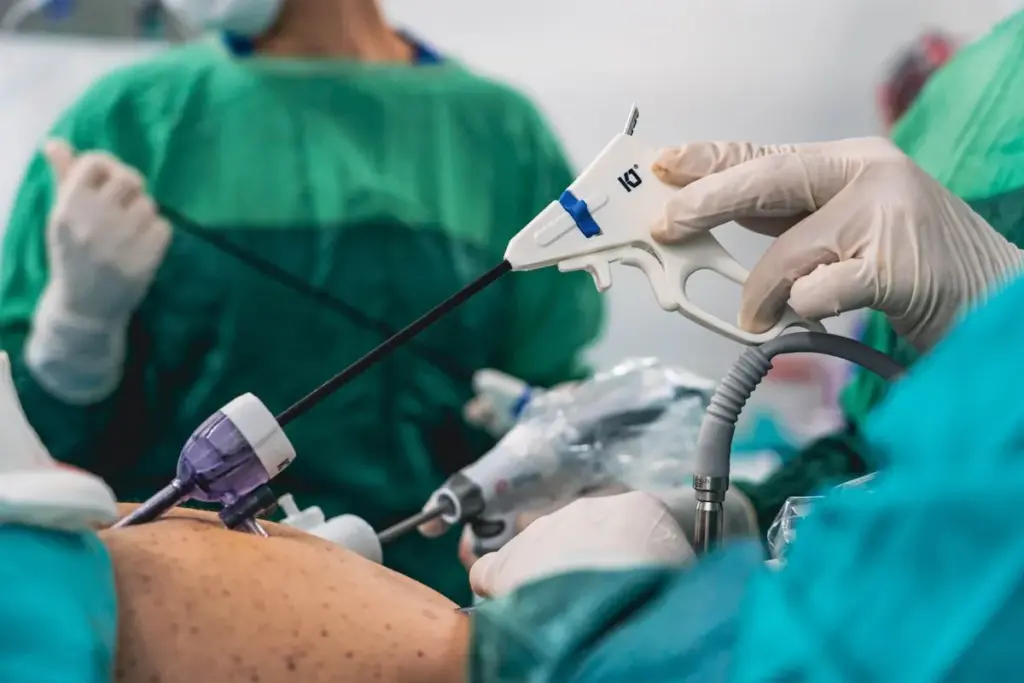
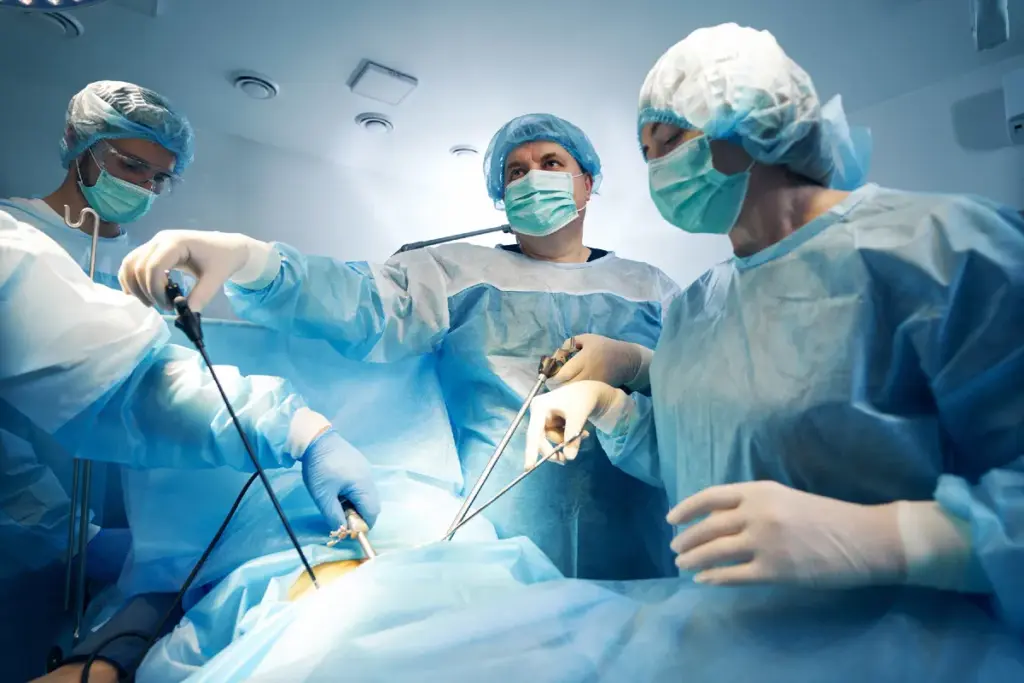
Laparoscopic varicocelectomy is a minimally invasive surgical procedure that involves making small incisions through which a laparoscope and surgical instruments are inserted. This technique allows for precise vein ligation with potentially less postoperative pain and quicker recovery times.
Microsurgical Varicocelectomy
Microsurgical varicocelectomy is considered the gold standard for varicocele treatment due to its high success rate and low risk of complications. This procedure involves the use of an operating microscope to identify and ligate the affected veins while preserving the surrounding tissues and structures. It is associated with minimal postoperative discomfort and a rapid return to normal activities.
A comparison of the different surgical approaches can help patients and healthcare providers make informed decisions about the most appropriate treatment plan.
|
Surgical Procedure |
Recovery Time |
Postoperative Pain |
Success Rate |
|---|---|---|---|
|
Open Surgery |
Several weeks |
Moderate to High |
High |
|
Laparoscopic Varicocelectomy |
1-2 weeks |
Low to Moderate |
High |
|
Microsurgical Varicocelectomy |
1-2 weeks |
Low |
Very High |
Each surgical method has its advantages, and the choice of procedure depends on various factors, including the patient’s overall health, the severity of the varicocele, and the surgeon’s expertise.
The Immediate Post-Operative Period
The immediate post-operative period following varicocele surgery is a critical phase that requires careful attention. This period is crucial for setting the stage for a successful recovery and minimizing potential complications.
First 24-48 Hours After Surgery
The first 24-48 hours after varicocele surgery are vital for recovery. During this time, it’s essential to rest and avoid strenuous activities. Here are some key considerations:
- Rest at home and avoid heavy lifting or bending.
- Keep the scrotal area elevated to reduce swelling.
- Apply ice packs as directed by your healthcare provider to manage swelling and pain.
Managing Pain and Discomfort
Effective pain management is crucial during the post-operative period. Your healthcare provider will likely prescribe pain medication to help manage discomfort. Additionally, consider the following:
- Take pain medication as directed, avoiding overdose.
- Use over-the-counter pain relievers if recommended by your doctor.
- Monitor your pain levels and report any severe or worsening pain to your healthcare provider.
Initial Movement Restrictions
To ensure proper healing and minimize complications, certain movement restrictions are necessary immediately after surgery. These include:
- Avoiding heavy lifting, straining, or bending.
- Limiting strenuous activities, including exercise and sexual activity.
- Gradually resuming normal activities as advised by your healthcare provider.
By carefully following these guidelines during the immediate post-operative period, you can significantly contribute to a smooth and successful varicocele surgery recovery.
General Recovery Timeline After Varicocele Surgery
After undergoing varicocele surgery, patients often wonder about the recovery timeline and what to expect during this period. The recovery process is a crucial phase that requires patience, careful planning, and adherence to post-surgery care guidelines.
First Week Recovery Milestones
The first week after varicocele surgery is critical for setting the stage for a smooth recovery. During this period, patients typically experience some discomfort, swelling, and bruising. It’s essential to follow the surgeon’s instructions regarding pain management, wound care, and activity restrictions.
Key milestones during the first week include:
- Gradual reduction in swelling and bruising
- Improved pain management through medication
- Limited but increasing mobility
Weeks 2-4 Recovery Progress
As patients progress into weeks 2-4, they can expect significant improvements in their condition. The swelling should continue to decrease, and pain should become more manageable. Patients are usually advised to gradually increase their physical activities but avoid heavy lifting or strenuous exercises.
Notable progress during weeks 2-4 includes:
- Increased comfort during daily activities
- Enhanced mobility and reduced restrictions
- Continued healing of the surgical site
Complete Recovery Expectations
The complete recovery from varicocele surgery can take anywhere from 2 to 6 weeks, depending on the individual’s health, the surgical technique used, and adherence to post-surgery care instructions. By understanding the recovery timeline, patients can better prepare themselves for the journey ahead and minimize potential complications.
Factors influencing complete recovery include:
- The type of surgical procedure performed
- Patient’s overall health and age
- Adherence to post-operative instructions
By following the recommended recovery guidelines and maintaining open communication with their healthcare provider, patients can optimize their recovery process and achieve the best possible outcomes.
Physical Activity Restrictions After Varicocelectomy
Physical activity restrictions after varicocele surgery are designed to promote healing and minimize complications. Following varicocelectomy, patients need to be mindful of their physical activities to ensure a smooth and effective recovery.
Daily Activities Limitations
In the initial weeks following surgery, patients are advised to limit their daily activities. This includes avoiding heavy lifting, bending, and strenuous tasks that could strain the surgical site.
Simple actions like taking a shower or walking short distances are generally permissible, but it’s essential to follow the specific guidance provided by your healthcare provider.
Exercise and Heavy Lifting Restrictions
Exercise and heavy lifting are significant concerns after varicocele surgery. Patients are typically advised to avoid:
- Heavy lifting (more than 10-15 pounds) for at least 2-3 weeks
- Strenuous exercise or activities that could cause strain for 4-6 weeks
- Contact sports or activities that risk injury to the groin area for 4-6 weeks
A gradual return to normal activities is recommended, with the exact timeline depending on the individual’s recovery progress and the surgeon’s advice.
Returning to Work Considerations
The decision to return to work after varicocele surgery depends on the nature of your job and your recovery progress. For desk jobs, returning to work within a week is often feasible, provided you can avoid heavy lifting or strenuous activities.
For jobs that involve manual labor or heavy lifting, a longer recovery period may be necessary, typically ranging from 2 to 4 weeks.
It’s crucial to discuss your specific situation with your healthcare provider to get personalized advice on when it’s safe to return to work.
|
Activity |
Recommended Restriction Period |
|---|---|
|
Heavy Lifting |
2-3 weeks |
|
Strenuous Exercise |
4-6 weeks |
|
Contact Sports |
4-6 weeks |
|
Desk Work |
1 week |
|
Manual Labor |
2-4 weeks |
Sexual Activity After Varicocele Surgery: Medical Guidelines
Resuming sexual activity after varicocele surgery requires careful consideration and adherence to medical guidelines. The recovery period is crucial, and understanding the appropriate timing for resuming sexual activity is vital to avoid complications and ensure a smooth recovery.
Why Restrictions Are Necessary
Sexual activity restrictions after varicocele surgery are in place to prevent complications such as infection, bleeding, and wound disruption. Engaging in sexual activity too soon can put unnecessary strain on the surgical site, potentially leading to prolonged recovery or more severe issues.
Immediate post-surgery, the body is in a vulnerable state, and it’s essential to allow it the necessary time to heal. The restrictions are designed to minimize risks and support the healing process.
Doctor-Recommended Waiting Periods
Generally, patients are advised to wait at least three weeks before resuming sexual activity. However, this waiting period can vary based on the individual’s recovery progress and the specific surgical technique used.
The exact waiting period should be determined by the healthcare provider, as they can assess the patient’s healing progress and provide personalized guidance. Factors such as the presence of any complications or the patient’s overall health can influence the recommended waiting period.
Differences Based on Surgical Approach
The type of varicocele surgery performed can influence the recovery timeline and, consequently, when sexual activity can be resumed. For instance, microsurgical varicocelectomy, being less invasive, might allow for a quicker recovery compared to more traditional open surgery methods.
Understanding the differences in surgical approaches and their implications on recovery is crucial. Patients should follow their doctor’s advice, as it’s tailored to their specific surgical procedure and overall health condition.
Masturbation After Varicocele Surgery: What You Need to Know
Understanding the guidelines for sexual activity after varicocele surgery is crucial for a smooth recovery. Varicocele surgery, while effective in addressing fertility and discomfort issues, involves a recovery period during which certain activities, including sexual ones like masturbation, need to be carefully managed.
Recommended Abstinence Period
It is generally advised to avoid masturbation for at least three weeks after varicocele surgery. This period allows for initial healing and reduces the risk of complications such as bleeding or infection.
Potential Risks of Early Resumption
Resuming masturbation too soon after surgery can lead to several complications. These include:
- Increased risk of bleeding or hematoma
- Infection due to irritation or trauma to the surgical site
- Discomfort or pain due to premature sexual activity
To minimize these risks, it’s essential to follow the recommended abstinence period and consult with your healthcare provider.
Gradual Reintroduction Approach
When resuming masturbation, it’s advisable to do so gradually. Start with gentle activities and monitor your body’s response. If you experience pain or discomfort, stop immediately and consult your doctor.
|
Activity |
Recommended Timing |
Precautions |
|---|---|---|
|
Masturbation |
After 3 weeks |
Gentle, monitor for pain |
|
Sexual Intercourse |
After 4-6 weeks |
Avoid vigorous activity |
|
Heavy Lifting/Exercise |
After 4-6 weeks |
Gradually increase intensity |
By following these guidelines and consulting with your healthcare provider, you can ensure a safe and effective recovery from varicocele surgery.
Post-Surgery Varicocele Care: Essential Practices
The post-surgery period is critical for varicocele patients, requiring careful attention to wound care, scrotal support, and dietary habits. Proper care during this time can significantly impact the recovery process, minimizing potential complications and promoting optimal healing.
Wound Care and Hygiene
Effective wound care is crucial for preventing infection and ensuring the surgical site heals properly. Patients should keep the area clean and dry, gently washing with mild soap and water as directed by their healthcare provider. It’s essential to follow specific instructions regarding dressing changes and wound inspection.
Key wound care practices include:
- Keeping the wound dry for the first 24-48 hours
- Gently cleaning the area with mild soap and water
- Following a healthcare provider’s instructions for dressing changes
- Monitoring for signs of infection, such as redness, swelling, or discharge
Scrotal Support and Comfort Measures
Scrotal support is vital for reducing discomfort and promoting healing after varicocele surgery. Wearing supportive underwear or using a scrotal support device can help alleviate swelling and provide comfort during the recovery period.
|
Comfort Measure |
Benefit |
|---|---|
|
Supportive Underwear |
Reduces swelling and provides comfort |
|
Scrotal Support Device |
Alleviates discomfort and promotes healing |
|
Applying Ice Packs |
Reduces swelling and pain |
Dietary Considerations for Optimal Healing
A balanced diet rich in essential nutrients can significantly impact the healing process after varicocele surgery. Patients are advised to consume a diet high in protein, vitamins, and minerals to support tissue repair and overall health.
Nutritional recommendations include:
- Increasing protein intake to support tissue repair
- Consuming foods rich in vitamin C to enhance healing
- Staying hydrated by drinking plenty of water
- Avoiding excessive caffeine and alcohol
By focusing on these essential practices, patients can optimize their recovery and minimize potential complications after varicocele surgery.
Warning Signs: When to Contact Your Doctor
Understanding the warning signs that necessitate contacting your doctor after varicocele surgery is vital for a smooth recovery. After undergoing varicocele surgery, patients should be vigilant about their body’s response to the procedure.
Abnormal Pain or Swelling
While some discomfort and swelling are normal after varicocele surgery, abnormal pain or swelling can be indicative of complications. If you experience severe pain that doesn’t respond to prescribed pain medication or if the swelling worsens over time, it’s crucial to contact your doctor.
Infection Indicators
Infection is a potential complication after varicocele surgery. Signs of infection include redness, warmth, or tenderness around the incision site, fever above 100.4°F (38°C), or pus drainage from the wound. If you notice any of these symptoms, you should seek medical attention promptly.
Bleeding or Discharge Concerns
Some bleeding or discharge after surgery is normal, but excessive bleeding or unusual discharge can signal a problem. If you experience heavy bleeding that doesn’t stop with gentle pressure, or if you notice unusual discharge from the surgical site, you should contact your healthcare provider immediately.
Being aware of these warning signs and knowing when to contact your doctor can significantly impact your recovery process. If you’re ever in doubt about your symptoms, it’s always best to err on the side of caution and seek medical advice.
Potential Complications of Resuming Sexual Activity Too Soon
It’s crucial to understand that early sexual activity post-varicocele surgery may result in adverse effects. Resuming sexual activity too soon can jeopardize the recovery process, leading to various complications.
Wound Disruption Risks
One of the significant risks of early sexual activity is wound disruption. The physical exertion associated with sexual activity can put strain on the surgical site, potentially causing the wound to reopen. This not only prolongs the healing process but also increases the risk of infection.
Increased Swelling and Pain
Early sexual activity can also result in increased swelling and pain in the scrotal area. The increased blood flow and physical exertion can exacerbate swelling, making the recovery process more uncomfortable.
Managing pain and swelling is crucial during the recovery period. Patients are advised to follow their doctor’s recommendations for pain management and to monitor their condition closely.
Impact on Long-term Healing
The long-term healing process can also be affected by resuming sexual activity too soon. Complications arising from early sexual activity can lead to prolonged recovery times and potentially impact the overall outcome of the surgery.
It’s essential for patients to prioritize their recovery and adhere to the recommended guidelines for resuming sexual activity to ensure optimal healing.
Pain Management During Recovery and Sexual Activity Resumption
After varicocele surgery, managing pain effectively is vital for recovery and returning to normal life, including sexual activity. Pain management is a critical aspect of the post-operative care plan, ensuring that patients can recover comfortably and minimize potential complications.
Prescribed Medications and Their Effects
Following varicocele surgery, patients are often prescribed pain medications to manage post-operative discomfort. These medications can range from over-the-counter pain relievers to stronger prescription drugs, depending on the severity of the pain. It’s essential to follow the prescribed dosage and schedule to ensure effective pain management. Common side effects of these medications include drowsiness, nausea, and constipation, which typically subside once the medication is stopped.
Table: Common Pain Medications and Their Side Effects
|
Medication Type |
Common Side Effects |
|---|---|
|
Over-the-counter pain relievers (e.g., acetaminophen) |
Liver damage (with excessive use) |
|
Prescription pain medications (e.g., opioids) |
Drowsiness, nausea, constipation, risk of dependency |
Non-Pharmaceutical Pain Relief Methods
In addition to prescribed medications, several non-pharmaceutical methods can help manage pain during recovery. These include applying ice packs to reduce swelling, using scrotal support to minimize discomfort, and practicing relaxation techniques such as deep breathing or meditation. Gentle movement and short walks can also help improve circulation and reduce stiffness.
Relaxation techniques, such as deep breathing and meditation, can significantly reduce pain perception and promote overall well-being during the recovery period.
When Pain During Arousal Is Concerning
As patients resume sexual activity, they may experience some discomfort or pain. However, severe or persistent pain during arousal or ejaculation is a concern that should be discussed with a healthcare provider. This type of pain could indicate complications such as infection, nerve damage, or other issues that require medical attention.
Effective pain management is a multifaceted approach that includes both pharmaceutical and non-pharmaceutical strategies. By understanding the available options and working closely with their healthcare provider, patients can navigate the recovery period more comfortably and safely resume sexual activity.
Psychological Aspects of Sexual Abstinence During Recovery
Varicocele surgery recovery involves not just physical healing but also managing the psychological aspects of sexual abstinence. The period of sexual abstinence recommended by healthcare providers can have significant psychological impacts on patients.
Managing Expectations and Frustration
It is crucial for patients to manage their expectations during the recovery period, understanding that sexual abstinence is a temporary measure essential for proper healing. Frustration can arise from the inability to engage in sexual activities, but understanding the reasons behind these restrictions can help mitigate this feeling.
It’s helpful to set realistic goals and milestones during the recovery period. For instance, patients can focus on other aspects of their health and well-being, such as diet, exercise (once approved by their doctor), and stress management.
“The psychological impact of sexual abstinence during recovery should not be underestimated. It’s a period that requires patience and understanding, not just from the patient but also from their partner.”
Partner Communication During Recovery
Communicating with partners about the need for sexual abstinence during recovery is vital. Open and honest dialogue can help alleviate concerns and strengthen the relationship. Partners can provide support and understanding, making the recovery process smoother.
Some ways to communicate effectively include:
- Explaining the reasons for sexual abstinence
- Discussing the expected duration of abstinence
- Sharing feelings and concerns
- Finding alternative ways to show affection
Mental Health Considerations
The mental health implications of sexual abstinence during varicocele surgery recovery should not be overlooked. Patients may experience feelings of isolation, frustration, or anxiety. It’s essential to monitor mental health and seek professional help if these feelings become overwhelming.
|
Mental Health Considerations |
Support Strategies |
|---|---|
|
Monitoring feelings of frustration or isolation |
Open communication with partners or friends |
|
Seeking professional help when needed |
Engaging in stress-reducing activities |
|
Focusing on overall well-being |
Practicing patience and self-care |
In conclusion, managing the psychological aspects of sexual abstinence during varicocele surgery recovery is crucial for overall well-being. By understanding the reasons for abstinence, communicating effectively with partners, and monitoring mental health, patients can navigate this challenging period more effectively.
Varicocele Surgery and Fertility Considerations
Varicocele surgery has been shown to have a positive effect on sperm production and fertility in many cases. This surgical intervention is often considered by men who are struggling with infertility due to varicocele.
Effects on Sperm Production
One of the primary concerns for men undergoing varicocele surgery is its impact on sperm production. Research indicates that varicocele repair can lead to significant improvements in sperm count, motility, and morphology. This is because the surgery helps to normalize the temperature of the testicles, reduce oxidative stress, and improve the overall environment for sperm development.
Key improvements in sperm production include:
- Increased sperm count
- Enhanced sperm motility
- Improved sperm morphology
Timeline for Fertility Improvements
The timeline for observing fertility improvements after varicocele surgery can vary among individuals. Generally, men can expect to see improvements in their semen parameters within several months post-surgery.
|
Time Post-Surgery |
Expected Improvements |
|---|---|
|
3-6 months |
Initial improvements in sperm count and motility |
|
6-12 months |
Significant improvements in sperm morphology and overall semen quality |
|
1-2 years |
Peak fertility improvements, with potential for natural conception |
Semen Analysis Recommendations
To assess the effectiveness of varicocele surgery on fertility, regular semen analyses are recommended. These tests help to monitor changes in sperm count, motility, and morphology over time.
Typical semen analysis schedule includes:
- Pre-surgery analysis to establish a baseline
- Post-surgery analyses at 3, 6, and 12 months to track improvements
By following this schedule, healthcare providers can offer personalized guidance and support to men as they navigate their fertility journey after varicocele surgery.
Patient Experiences: Real Recovery Stories
Real recovery stories from patients who have undergone varicocele surgery offer a glimpse into what to expect post-operatively. These narratives not only provide insight into the physical aspects of recovery but also shed light on the emotional and psychological journeys that accompany the healing process.
Typical Recovery Trajectories
Patients often report varying recovery experiences, but a common theme is the initial period of discomfort and swelling. For most, the first few days are the most challenging, with pain managed through a combination of prescribed medication and rest.
As the days progress, typically within the first week, patients begin to notice improvements in their condition. The swelling reduces, and the pain becomes more manageable, allowing for a gradual return to normal activities.
Common Challenges and Solutions
One of the significant challenges patients face is managing pain and discomfort during the initial recovery phase. Solutions include adhering to prescribed pain management regimens and employing non-pharmaceutical methods such as ice packs to reduce swelling.
Another challenge is navigating the period of sexual abstinence recommended post-surgery. Open communication with partners and focusing on the long-term benefits of the surgery can help manage this aspect.
Lessons Learned from Patient Perspectives
Patients often emphasize the importance of following post-operative instructions carefully to avoid complications. They also stress the value of having a support system during the recovery period.
Moreover, many patients report that the surgery not only improved their fertility prospects but also enhanced their overall well-being, providing a renewed sense of confidence and health.
By sharing their experiences, patients who have undergone varicocele surgery contribute to a broader understanding of the recovery process, helping others prepare for their own journeys.
Safe Resumption of Sexual Activity: Signs You’re Ready
Patients often wonder when they can resume sexual activity after undergoing varicocele surgery. The key to a safe resumption lies in understanding the body’s recovery signals.
Physical Healing Indicators
One of the primary indicators of readiness is the physical healing of the surgical site. This includes:
- The incision site is fully closed and healing properly.
- There’s a significant reduction in swelling and bruising.
- The scrotal area feels comfortable and not overly sensitive.
Pain-Free Movement Benchmarks
Another crucial factor is the ability to move without pain or discomfort. This includes:
- Being able to walk and perform daily activities without significant pain.
- Having a full range of motion without experiencing sharp pains.
- The absence of severe pain during or after physical activity.
To better understand the recovery progress, consider the following table that outlines general guidelines for resuming sexual activity:
|
Recovery Milestone |
Indicators of Readiness |
|---|---|
|
Physical Healing |
Incision site is healed, reduced swelling |
|
Pain Management |
Minimal to no pain during movement |
|
Comfort Level |
Scrotal area feels comfortable |
Consulting with Your Healthcare Provider
Before resuming sexual activity, it’s essential to consult with your healthcare provider. They can assess your recovery progress and provide personalized advice based on your specific condition and the type of surgery performed.
By waiting for the appropriate signs of readiness and consulting with healthcare professionals, patients can ensure a safe and healthy return to sexual activity after varicocele surgery.
Conclusion: Balancing Recovery and Normal Life After Varicocele Surgery
Recovering from varicocele surgery requires a delicate balance between rest and a gradual return to normal activities. As discussed throughout this guide, understanding the nuances of varicocele surgery recovery is crucial for a successful outcome.
By following the recommended post-surgery care practices, being aware of potential complications, and adhering to guidelines for resuming sexual activity, individuals can ensure a smooth and effective varicocele surgery recovery.
Balancing recovery and normal life involves managing expectations, maintaining open communication with healthcare providers, and being mindful of the body’s healing process. This balance is key to achieving optimal results from the surgery and improving overall well-being.
As individuals navigate their varicocele surgery recovery journey, prioritizing a balanced approach will help them return to their normal life with minimal disruption, ultimately enhancing their quality of life.
FAQ
What is a varicocele?
A varicocele is an enlargement of the veins within the scrotum, similar to varicose veins in the legs.
What are the common symptoms of varicocele?
Common symptoms include a lump or swelling in the scrotum, pain or discomfort, and atrophy (shrinkage) of the testicle.
How is varicocele diagnosed?
Varicocele is diagnosed through physical examination, ultrasound, or other imaging tests to visualize the enlarged veins.
What is the varicocele grading system?
The varicocele grading system rates the severity of varicocele from Grade I (smallest) to Grade III (largest), based on the size of the enlarged veins.
What are the types of varicocele surgery?
Types of varicocele surgery include open surgery (conventional varicocelectomy), laparoscopic varicocelectomy, and microsurgical varicocelectomy.
How long does it take to recover from varicocele surgery?
Recovery time varies, but most men can return to normal activities within a few weeks, with complete recovery taking several months.
Can I masturbate after varicocele surgery?
It’s generally recommended to avoid masturbation for a few weeks after varicocele surgery to minimize the risk of complications.
When can I resume sexual activity after varicocele surgery?
The recommended waiting period varies, but most doctors advise waiting at least two to four weeks before resuming sexual activity.
What are the potential complications of resuming sexual activity too soon?
Resuming sexual activity too soon can lead to wound disruption, increased swelling and pain, and impact long-term healing.
How can I manage pain during recovery?
Pain management options include prescribed medications, non-pharmaceutical pain relief methods, and alternative therapies.
Will varicocele surgery improve my fertility?
Varicocele surgery can improve sperm production and fertility in some men, but the outcome varies depending on individual factors.
How long does it take to see improvements in fertility after varicocele surgery?
It may take several months to a year or more to see improvements in fertility after varicocele surgery.
What are the signs that I’m ready to resume sexual activity?
Signs that you’re ready to resume sexual activity include physical healing indicators, pain-free movement benchmarks, and clearance from your healthcare provider.
Can varicocele surgery cause infertility?
Varicocele surgery is not typically a cause of infertility, but it’s essential to discuss individual risks and benefits with your doctor.
Are there any dietary considerations for optimal healing after varicocele surgery?
A balanced diet rich in nutrients, including protein, vitamins, and minerals, can support optimal healing after varicocele surgery.
How can I support my scrotum during recovery?
Scrotal support measures, such as wearing supportive underwear, can help promote comfort and healing during recovery.
National Center for Biotechnology Information. Evidence-Based Medical Insight. Retrieved from https://www.ncbi.nlm.nih.gov/pmc/articles/PMC4252218/