

Yes! Learn about the powerful pacemaker arrhythmia treatment and how this device can stabilize an irregular heartbeat.
Tom Derrington, a 65-year-old man, saw a big change in his heart health after getting the EBR Wise CRT system. This is a new, lead-less pacemaker technology. It shows how pacemakers can help manage arrhythmias and improve life quality.
Arrhythmia management affects many people around the world. New pacemaker technologies, like Tom’s, give hope to those with irregular heartbeats. Knowing how these devices work and their benefits helps patients choose the right cardiac arrhythmia pacemaker treatment.
Key Takeaways
- Pacemakers can greatly improve heart health in patients with arrhythmias.
- New lead-less pacemaker technologies are becoming key arrhythmia management tools.
- It’s important for patients to understand cardiac pacing therapy options when considering treatment.
- Good pacemaker arrhythmia treatment can really improve a patient’s life quality.
- Patients should talk to doctors to find the best cardiac arrhythmia pacemaker treatment plan.
Understanding Cardiac Arrhythmias
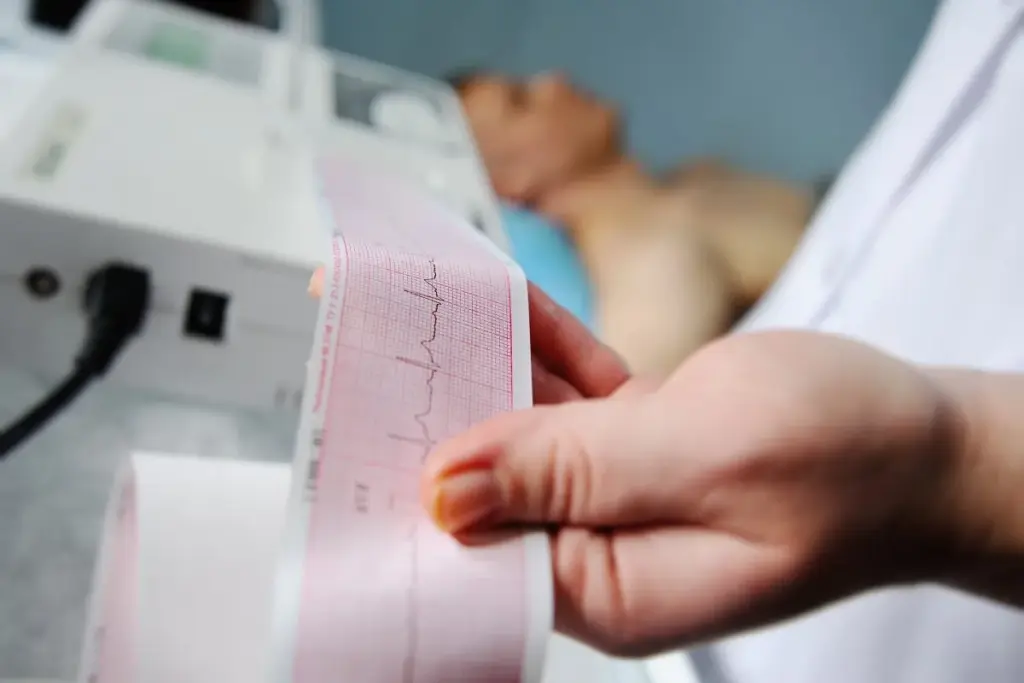
Cardiac arrhythmias are a big problem in cardiology, affecting millions. They cause irregular heartbeats, which can be too fast or too slow. Knowing the causes and types is key to managing them well.
Definition and Mechanisms of Arrhythmias
Arrhythmias happen when the heart’s electrical activity gets disrupted. This can make the heart beat too quickly or too slowly. The reasons behind arrhythmias often involve problems with the heart’s electrical system.
Bradycardia is when the heart beats less than 60 times a minute. It can cause fatigue, dizziness, and shortness of breath. Knowing the causes and symptoms of bradycardia is important for treatment.
Common Types of Arrhythmias
There are many types of arrhythmias, each with its own characteristics and risks. Atrial fibrillation is a fast and irregular heartbeat that raises stroke risk. Ventricular arrhythmias, from the heart’s ventricles, can be deadly.
|
Type of Arrhythmia |
Description |
Potential Complications |
|---|---|---|
|
Bradycardia |
Heart rate less than 60 beats per minute |
Fatigue, dizziness, shortness of breath |
|
Atrial Fibrillation |
Rapid and irregular heartbeat |
Increased risk of stroke, heart failure |
|
Ventricular Arrhythmias |
Originates in the heart’s ventricles |
Life-threatening, can lead to sudden cardiac death |
Managing arrhythmias often means making lifestyle changes, taking medication, or using a pacemaker. Knowing the type of arrhythmia and its causes is vital for the right treatment.
The Impact of Arrhythmias on Quality of Life
Living with arrhythmia brings many challenges. It causes irregular heartbeats that can harm your health. These issues affect not just your heart but your overall well-being too.
Symptoms and Complications
Arrhythmias can make you feel dizzy, faint, short of breath, and tired. For example, Tom Derrington had trouble breathing, swollen feet, and tiredness. These symptoms can really mess up your daily life.
- Palpitations or irregular heartbeats
- Dizziness or lightheadedness
- Fainting or near-fainting spells
- Shortness of breath
- Chest pain or discomfort
- Fatigue or feeling weak
Long-term Health Risks
If arrhythmias aren’t treated, they can cause big problems. These problems include:
- Heart failure: When the heart can’t pump enough blood.
- Stroke: Arrhythmias like atrial fibrillation raise stroke risk because of blood clots.
- Other complications: Such as a lower quality of life and higher risk of other heart issues.
Knowing these risks is key to managing arrhythmias well. It helps improve life quality for those affected.
What is a Cardiac Pacemaker?
A cardiac pacemaker is a medical device that helps control abnormal heart rhythms. It plays a key role in managing arrhythmias. This improves the quality of life for patients.
Basic Function and Components
A cardiac pacemaker monitors the heart’s rhythm and sends electrical impulses when needed. It keeps the heartbeat normal. The main parts are a pulse generator, leads, and electrodes.
The pulse generator is the heart of the pacemaker. It has the battery and the circuitry. The leads are wires that connect the pulse generator to the heart. They send electrical impulses to the heart muscle.
The electrodes are at the tip of the leads. They touch the heart tissue. They sense the heart’s rhythm and send the needed impulses.
Historical Development of Pacemakers
The idea of a pacemaker started in the 1950s. The first external pacemaker was made then. The first implantable pacemaker came in the late 1950s. It changed how we treat heart rhythm disorders.
Pacemakers have gotten better over time. They now adjust the heart rate based on activity. Recently, lead-less pacemakers were created. They are smaller and don’t need leads, making them safer.
“The EBR Wise CRT system is a novel lead-less pacemaker technology that synchronizes the beating of the left and right sides of the heart,” highlighting the ongoing innovation in pacemaker technology.
As we keep improving in cardiac pacing, new technologies will help patients with arrhythmias even more.
Types of Pacemakers Used for Arrhythmia Management
Pacemakers have evolved to include several types, each designed to address specific heart rhythm disorders. The choice of pacemaker depends on the type of arrhythmia, the patient’s overall health, and other factors.
Single-Chamber Pacemakers
Single-chamber pacemakers have one lead placed in either the right atrium or the right ventricle. They treat bradycardiaby ensuring the heart beats at a minimum rate.
Dual-Chamber Pacemakers
Dual-chamber pacemakers have two leads, one in the right atrium and one in the right ventricle. They coordinate the beating of the atria and ventricles, providing a more natural heartbeat. This type is beneficial for patients with certain types of heart block.
Biventricular Pacemakers
Biventricular pacemakers, also known as cardiac resynchronization therapy (CRT) devices, treat heart failure by ensuring the ventricles beat in sync. The EBR Wise CRT system is an example of a biventricular pacemaker that provides cardiac resynchronization therapy.
Leadless Pacemakers
Leadless pacemakers are a new technology that eliminates the need for leads. They are small devices implanted directly into the heart, providing a more minimally invasive option for patients who require pacing.
The variety of pacemaker types allows for more personalized treatment plans for patients with arrhythmias. By understanding the different options available, healthcare providers can better manage arrhythmia and improve patient outcomes.
- Single-Chamber: Simple, one-lead pacemakers for basic pacing needs.
- Dual-Chamber: More complex, two-lead pacemakers that coordinate atrial and ventricular contractions.
- Biventricular: Pacemakers that provide cardiac resynchronization therapy for heart failure patients.
- Leadless: Minimally invasive pacemakers without leads, ideal for certain patient profiles.
Pacemaker Arrhythmia Treatment: How Pacemakers Control Heart Rhythm
Pacemakers are advanced medical tools that help manage arrhythmias by controlling the heart’s rhythm. It’s important to understand how they work to see their role in treating heart rhythm disorders.
Sensing Abnormal Rhythms
Pacemakers have advanced sensors that watch the heart’s electrical activity all the time. These sensors find abnormal rhythms, letting the pacemaker act fast. This is key to pacemaker arrhythmia control, making sure the device can step in when needed.
Delivering Electrical Impulses
When an abnormal rhythm is found, the pacemaker sends electrical impulses to the heart. This helps the heart beat at the right rate and rhythm. It’s a key part of heart rhythm pacemaker treatment.
|
Pacemaker Function |
Description |
|---|---|
|
Sensing |
Monitoring the heart’s electrical activity to detect abnormal rhythms |
|
Pacing |
Delivering electrical impulses to restore a normal heart rhythm |
|
Response |
Adjusting the heart rate according to the body’s needs |
In short, pacemakers are key in managing arrhythmias. They sense abnormal rhythms and send electrical impulses. This makes them a vital tool in cardiac rhythm pacemaker control, helping patients with heart rhythm disorders live better lives.
Specific Arrhythmias Treated by Pacemakers
Arrhythmias, or irregular heartbeats, can be managed with pacemaker therapy. This improves life quality for many. Pacemakers ensure the heart beats at a consistent, proper rate.
Bradycardia (Slow Heart Rate)
Bradycardia means a heart rate under 60 beats per minute. It can cause fatigue, dizziness, and shortness of breath. Pacemaker implantation helps keep the heart rate normal, easing symptoms and boosting well-being.
Heart Block
Heart block delays or blocks electrical signals that control heartbeat. This can slow or irregularize heartbeats. Pacemakers are key in managing heart block, providing needed electrical impulses for a normal rhythm.
Atrial Fibrillation
Atrial fibrillation causes rapid, irregular heartbeats. Pacemakers aren’t a standalone treatment but can be part of a therapy plan. They can help regulate heart rate and alleviate symptoms.
Other Treatable Arrhythmias
Pacemakers also treat other arrhythmias like sinus node dysfunction and certain heart failure. Their versatility allows for tailored treatments for each patient.
Pacemakers are a valuable treatment for various arrhythmias, improving life quality. Understanding which arrhythmias they treat helps patients and doctors choose the best treatments.
Patient Selection: Who Needs a Pacemaker for Arrhythmia?
Choosing the right treatment for arrhythmia involves a detailed process. We look at many factors to see if a pacemaker is the best choice for a patient.
Diagnostic Criteria and Evaluation
To diagnose arrhythmias like bradycardia, we use tests like electrocardiography (ECG). These tools help us understand the arrhythmia’s nature and how severe it is.
Key diagnostic tests include:
- Electrocardiogram (ECG) to record the heart’s electrical activity
- Holter monitor for continuous ECG monitoring over 24-48 hours
- Event recorder for longer-term monitoring
- Echocardiogram to assess heart structure and function
Risk-Benefit Assessment
After confirming the diagnosis, we weigh the benefits and risks of a pacemaker. We look at how well a pacemaker can help and the possible risks of the procedure and managing the device.
Factors considered in the risk-benefit assessment include:
- The severity of symptoms and their impact on quality of life
- The presence of underlying heart conditions
- The patient’s overall health and life expectancy
- Potential risks such as infection, device malfunction, or electromagnetic interference
By carefully looking at these factors, we can decide if a pacemaker is the best choice for a patient with arrhythmia.
The Pacemaker Implantation Procedure
Learning about the pacemaker implantation process can ease worries for those considering it. This detailed process includes several steps, from preparation to recovery after surgery.
Pre-Procedure Preparation
Before the pacemaker implantation, patients go through evaluations to check if they’re good candidates. They have a medical history review, physical check-up, and tests like ECGs and echocardiograms.
They also get advice on what to do before the surgery. This includes:
- Changing or stopping some medicines
- Fasting before the procedure
- Planning for someone to drive them home
The Surgical Process
The pacemaker implantation uses a minimally invasive method. For example, the EBR Wise CRT system is implanted this way. It helps patients recover faster and feel less pain.
Here’s what happens during the surgery:
- A small incision is made in the chest to reach the vein
- The pacemaker leads are put through the vein and placed in the heart
- The pacemaker generator is placed under the skin
- The pacemaker is tested to make sure it works right
Recovery and Immediate Aftercare
After the surgery, patients are watched in a recovery room for a few hours. They might go home the same day or the next, based on their health and the surgery details.
They need to follow these care tips:
|
Care Aspect |
Recommendations |
|---|---|
|
Activity Level |
Avoid heavy lifting and strenuous activities for a few weeks |
|
Incision Care |
Keep the incision site clean and dry; follow specific instructions for dressing changes |
|
Follow-up |
Attend scheduled follow-up appointments to monitor pacemaker function and overall health |
Knowing about the pacemaker implantation steps helps patients prepare better. It leads to a smoother and more successful recovery.
Effectiveness of Pacemakers in Controlling Arrhythmias
Cardiac pacemakers are key in treating arrhythmias. They help by making the heart beat at a normal rate. This improves symptoms and quality of life.
Success Rates for Different Arrhythmias
Pacemakers work well for many arrhythmias. For bradycardia, they help the heart beat faster. Studies show they improve symptoms and life quality for bradycardia patients.
In heart block, pacemakers keep the heart rate right. Heart block patients often see big improvements with pacemakers.
Factors Affecting Treatment Success
Success with pacemakers depends on several things. These include the arrhythmia type, patient health, and pacemaker features.
|
Factor |
Description |
Impact on Success |
|---|---|---|
|
Type of Arrhythmia |
The specific arrhythmia being treated, such as bradycardia or heart block. |
Different arrhythmias respond differently to pacemaker therapy. |
|
Patient Health |
The patient’s overall health and presence of other medical conditions. |
Patients with fewer comorbidities tend to have better outcomes. |
|
Pacemaker Device |
The characteristics of the pacemaker, including its type and features. |
Advanced pacemaker technologies can offer better outcomes. |
Tom Derrington’s story shows how advanced pacemakers can help. He saw big improvements with the EBR Wise CRT system.
Healthcare providers can improve treatment success by choosing the right pacemaker. This leads to better outcomes for patients.
Pacemakers vs. ICDs: Understanding the Differences
It’s important for patients and doctors to know the difference between pacemakers and ICDs. Both devices help with heart rhythm problems but in different ways. They are used for different heart conditions.
Functional Distinctions
Pacemakers and ICDs have different main jobs. A pacemaker helps control slow heartbeats by sending electrical signals. This keeps the heart beating at a steady rate.
An ICD, on the other hand, can spot and fix serious heart rhythm problems. It sends a shock to the heart to get it back to normal.
Here are the main differences:
- Pacemakers mainly treat slow heart rates and some heart block types.
- ICDs prevent sudden death by treating dangerous heart rhythm problems.
- ICDs can also act as pacemakers for slow heart rates.
When Each Device is Recommended
Choosing between a pacemaker and an ICD depends on the heart condition and overall health. We look at several things to decide which is best.
People with a history of dangerous heart rhythms or high risk for them usually get an ICD. Those with slow heart rates or certain heart block types might get a pacemaker.
“The decision to implant a pacemaker or an ICD should be based on a thorough check of the patient’s condition, including the type of arrhythmia and overall health.” – Heart Rhythm Specialist
Knowing how pacemakers and ICDs work and when they’re used helps patients and doctors make the right choice for heart rhythm problems.
Living with a Pacemaker: Long-term Management
Living with a pacemaker means making some changes, but you can stay active. A pacemaker helps control your heartbeat by sending electrical impulses. After it’s put in, you need to follow some rules to keep it working right.
Daily Activities and Restrictions
Most people can get back to normal in a few days to a week after getting a pacemaker. But, there are some things to avoid. Avoid heavy lifting or bending because it could mess with the pacemaker. Also, stay away from sports that might hurt your chest where the pacemaker is.
You can keep doing everyday things like bathing, dressing, and eating without big changes. Just make sure to follow what your doctor says about what you can and can’t do.
Regular Monitoring and Check-ups
Seeing your doctor regularly is key for taking care of your pacemaker. These visits help your doctor check how well the device is working. Usually, pacemaker checks happen every 3 to 12 months, based on your device and needs.
Battery Life and Replacement
Pacemaker batteries don’t last forever, lasting from 5 to 15 years. When the battery starts to run low, your doctor will replace it. This is usually easier than the first time it was put in.
Traveling with a Pacemaker
Traveling with a pacemaker is mostly safe, but there are some things to keep in mind. Tell your airline or travel provider about your pacemaker before you go. You might need extra checks. It’s also smart to carry a card that says about your pacemaker and your doctor.
By knowing and following these tips, people with pacemakers can live a pretty normal life. They can do most things without big limits, thanks to their pacemaker.
Potential Complications and Risks of Pacemaker Therapy
Pacemaker therapy is life-saving for many but comes with risks. It’s generally safe but can have complications. These include issues with the implantation and management of the pacemaker.
Surgical Complications
Complications from pacemaker surgery include infection and bleeding. Damage to tissues or blood vessels can also happen. Rarely, patients might get a collapsed lung or blood in the chest.
To lower these risks, choosing the right patient and preparing well are key. Using advanced surgery and good care after surgery also helps.
Device Malfunctions
Device malfunctions are rare but can happen. They might be due to defects, battery issues, or lead problems. If leads break or move, the pacemaker can’t work right.
Regular checks are vital to catch malfunctions early. New technology makes devices more reliable. Manufacturers keep working to make them better.
Electromagnetic Interference Concerns
Electromagnetic interference (EMI) is a worry for pacemaker users. Strong magnetic fields and some medical scans can affect pacemakers. Even some household items can cause problems.
Pacemaker users need to know how to avoid EMI. Healthcare providers should teach them how to live with a pacemaker. This includes knowing how to handle EMI issues.
In summary, pacemaker therapy has risks but careful management and education can help. Understanding these risks helps patients and doctors get the best results from pacemaker treatment.
Conclusion
Pacemaker arrhythmia treatment has changed how we manage heart rhythm problems. It gives patients a solid way to get their heart rhythm back to normal. We’ve learned how pacemakers are key in managing these issues, providing effective therapy.
Knowing about the different pacemakers and their uses helps patients choose the right treatment. New pacemaker tech has greatly improved life for those with arrhythmias. It lets them live more active lives with fewer limits.
The role of pacemakers in treating arrhythmias is vital and will keep growing. It’s important to pick the right patients, do the implantation right, and follow up well. This ensures pacemakers work their best, helping patients with heart rhythm problems.
In the end, pacemaker therapy shows how far cardiac care has come. It brings hope and better lives to those with arrhythmias. As we keep improving, we’ll meet the complex needs of patients with heart rhythm issues.
FAQ
What is a cardiac arrhythmia, and how does it affect the heart?
A cardiac arrhythmia is when the heart beats too slow, too fast, or irregularly. This can cause dizziness, fainting, and shortness of breath. It also raises the risk of heart failure and stroke.
How does a pacemaker work to control heart rhythm?
A pacemaker is a small device implanted under the skin. It’s connected to the heart through leads. It senses irregular heart rhythms and sends electrical impulses to keep the heart rate normal.
What types of pacemakers are used for arrhythmia management?
There are several pacemakers for arrhythmia management. These include single-chamber, dual-chamber, biventricular, and leadless pacemakers. Each type is used for different needs and conditions.
Can a pacemaker cure arrhythmia?
A pacemaker can manage arrhythmias and improve symptoms. But it’s not a cure. It’s a treatment to control heart rhythm and improve life quality, often needing ongoing use.
What are the risks and complications associated with pacemaker implantation?
Pacemaker implantation risks include infection, bleeding, and anesthesia reactions. There are also device-related complications like lead malfunction or electromagnetic interference.
How long does a pacemaker last, and when does it need to be replaced?
Pacemaker battery life varies, lasting 5 to 15 years. Regular check-ups are needed to know when it needs replacing.
Can I travel with a pacemaker?
Yes, you can travel with a pacemaker. Just remember to carry an ID card, tell airline staff about it, and avoid strong magnetic fields.
What are the differences between pacemakers and implantable cardioverter-defibrillators (ICDs)?
Pacemakers regulate heart rhythm. ICDs prevent sudden cardiac death by delivering a shock for life-threatening arrhythmias. The choice depends on your condition and needs.
How does a pacemaker affect daily activities?
Pacemakers usually don’t affect daily life much. But, you should avoid strong magnetic fields or certain medical procedures that might interfere with it.
What is the success rate of pacemaker therapy in controlling arrhythmias?
Pacemaker therapy success varies by arrhythmia type and patient factors. Pacemakers are very effective for bradycardia and heart block.
Can a pacemaker be used to treat atrial fibrillation?
Pacemakers aren’t the main treatment for atrial fibrillation. But, they can help manage symptoms or be used with other treatments like ablation or medication.
How is a pacemaker implanted, and what is the recovery process like?
Pacemaker implantation is a minor surgery done under local anesthesia. Recovery is quick, with most people back to normal in a few days to a week.
Reference
National Center for Biotechnology Information. Evidence-Based Medical Insight. Retrieved from https://www.ncbi.nlm.nih.gov/pmc/articles/PMC11958420/
National Center for Biotechnology Information. Evidence-Based Medical Insight. Retrieved from https://pubmed.ncbi.nlm.nih.gov/26260740/



 Departments
 Related Videos
 Our Doctors
 News
News