
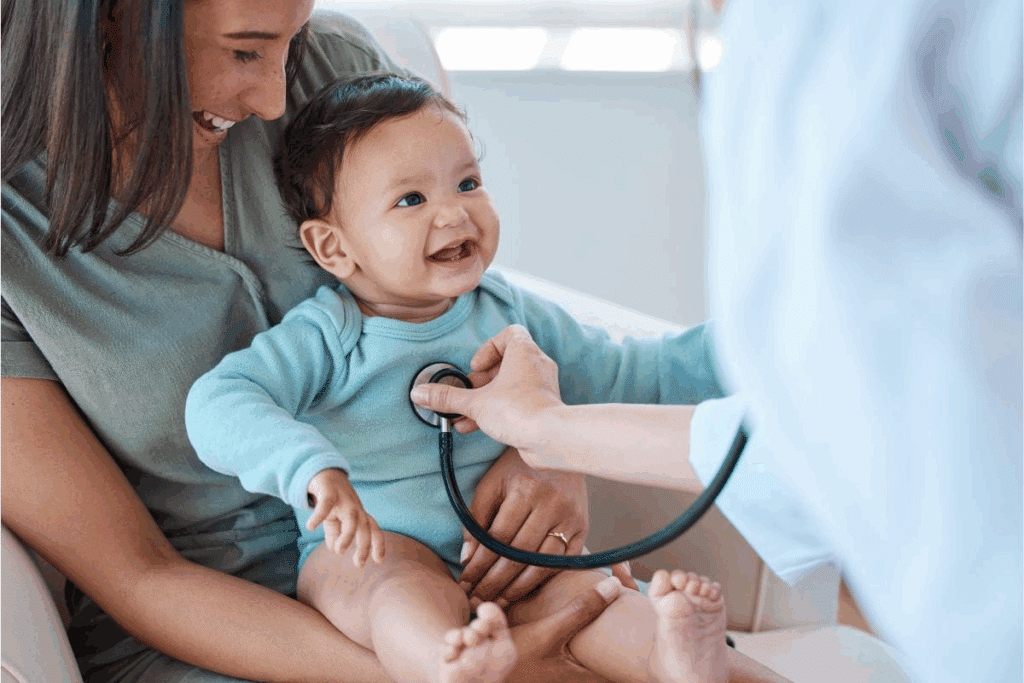
The American Academy of Pediatrics advises expectant parents to see a pediatrician before the baby arrives. This visit is key to giving the child a great start in life.
At this time, pediatricians can talk about parents’ worries. They also give tips on newborn planning and what to look forward to in the first weeks.
This prenatal pediatric care visit is a chance for parents to ask anything. Pediatricians offer advice tailored to each family. This helps families feel ready for their baby’s arrival.
Key Takeaways
Prenatal pediatric care means medical guidance and support from pediatricians to expectant parents before the baby is born. It’s key because it helps parents get ready for challenges, like postpartum depression and learning parenting skills.
- Pediatricians recommend a prenatal visit before the baby is born.
- This visit allows parents to address their concerns and questions.
- Pediatricians provide guidance on newborn care and what to expect.
- Personalized advice is offered to help families prepare.
- A prenatal consult is a valuable resource for expectant parents.
Understanding Prenatal Pediatric Care
Pediatric care starts before a baby is born, setting the stage for a healthy start. Prenatal pediatric care is more than just getting ready for the baby’s arrival. It’s about giving the best care to both the mother and the unborn child.
Definition and Importance
Experts say, “A prenatal visit with a pediatrician can be a valuable chance to talk about concerns and learn positive parenting ways.”
“Early intervention can significantly impact a child’s development and overall well-being.”
Role of Pediatricians in Prenatal Care
Pediatricians are very important in prenatal care. They give pediatric guidance and answer prenatal questions from expectant parents. They talk about the need for a healthy lifestyle during pregnancy and what to expect after the baby is born.
- A ‘meet and greet’ with the pediatrician can help establish a relationship and build trust.
- Parent education is a key part, covering topics from nutrition to safety measures.
By talking to a pediatrician before the baby is born, parents can learn how to create a nurturing environment. This sets the stage for a healthy and happy life for their child.
Who Provides Prenatal Care?
Prenatal care is a team effort. Obstetricians, pediatricians, and family physicians work together. They make sure both mom and baby get the care they need.
Obstetricians vs Pediatricians
Obstetricians are experts in pregnancy and childbirth. They watch over the mom’s health and handle any problems. Pediatricians, on the other hand, focus on babies and kids. Some pediatricians also help with prenatal care, giving advice on baby care setup.
The Role of Family Physicians
Family physicians care for the whole family, including pregnant moms. They give wellness advice and health tips. But, their role in prenatal care can change based on the family’s needs.
Expectant parents should also think about hospital planning. They need to know the hospital’s rules and get ready for the baby’s arrival. Some pediatricians even offer a practice tour to help parents feel more comfortable during their first visit.
Knowing who provides prenatal care helps expectant parents make good choices. It ensures they get the best care for themselves and their baby.
The Role of Pediatricians After Birth
Right after a baby is born, pediatricians help parents start their journey as new parents. They do more than just immediate care. They also watch over a child’s health for years.
Pediatricians are the main doctors for babies and kids. They give early consultation and advice on birth readiness. They guide parents through the tough parts of caring for a newborn. This includes feeding, sleeping, and understanding when a baby hits milestones.
Initial Assessments and Screenings
Right after a baby is born, pediatricians check the baby’s health. They measure weight, length, and head size. They also look for any health problems early on.
Early finding of health issues helps a lot. It means doctors can start treatment right away. This can make a big difference in how well a baby does.
Some key tests done soon after birth include:
- Congenital heart defect screening
- Hearing tests
- Blood tests for metabolic disorders
These tests are very important. They help find problems that need quick medical help or ongoing care.
Long-term Development Monitoring
Pediatricians keep an eye on a child’s growth and development. They do this through regular well-child visits. These visits happen many times in the first two years and then once a year until age 5.
At these visits, doctors check how the child is growing and developing. They also give shots to keep the child healthy. Pediatricians also give advice on food, safety, and behavior. This helps parents do their best for their child.
Through pre-birth planning and care after birth, pediatricians show they care about the health of mom and baby. Knowing how important their role is helps parents see why regular visits to the pediatrician are key.
Benefits of Early Pediatric Care
Early pediatric care is key for a child’s growth. It ensures timely help when needed. It’s not just for health issues but also for building healthy habits and regular check-ups.
Establishing a Healthcare Routine
Early care helps set up a regular healthcare routine. Regular visits to the pediatrician are important. They let parents track their child’s growth and talk about any worries.
This routine is vital for early detection of issues. It means help can start early and be effective.
At these visits, parents can talk with their pediatrician. They learn about their child’s health and growth. This talk is key for pediatric planning. It helps parents make smart choices for their child’s care.
Early Intervention Strategies
Early care also leads to early help strategies. Pediatricians spot delays or health problems early. They then suggest the right help for the child.
- Regular developmental screenings
- Personalized advice for family prep and support
- Guidance on nutrition and health habits
A prenatal visit is a great time for expectant parents. They can talk about their child’s health with their pediatrician. This starts a team effort for their child’s health from the start.
When to Involve a Pediatrician
It’s important to know when to call a pediatrician for your child’s health. The American Academy of Pediatrics suggests talking to a pediatrician in the third trimester of pregnancy.
During Pregnancy
Talking to a pediatrician before your baby is born is very helpful. They can give you prenatal pediatric care advice. This helps you know what to expect and prepare for your baby’s arrival.
An early interview with a pediatrician lets you share your worries. You can learn about their care style and get infant care advice. This first meeting starts a strong bond between the pediatrician, parents, and child.
After the Baby’s Birth
After your baby is born, the pediatrician checks their health and growth. They give vaccinations, check how the baby is growing, and offer advice on feeding and care.
If you have any questions or concerns about your baby’s health, don’t hesitate to ask your pediatrician. Good communication is key to your child getting the best care from the start.
The Pediatrician’s Perspective on Prenatal Health
Pediatricians see prenatal health as the base for a baby’s future health. It’s key for both mom and baby to get good prenatal care.
Importance of Maternal Health
Maternal health in pregnancy is tied to the baby’s health. Pediatricians stress the need for mom’s wellness because it affects the baby’s growth. Moms-to-be are told to eat well and see their doctors regularly.
Pediatricians offer wellness advice to answer prenatal questions and ease worries. They give advice that fits each family’s needs.
Impact of Prenatal Care on Infants
Prenatal care’s effect on babies is huge. Good prenatal care lowers the risk of problems during and after birth. Pediatricians team up with obstetricians to make sure moms get the care they need. This helps the baby’s health too.
- Prenatal care spots health issues early.
- It’s a chance for expectant parents to ask questions and get tips for a healthy pregnancy.
- Good prenatal care leads to better birth outcomes and healthier babies.
By focusing on prenatal health, pediatricians help newborns get a healthy start. This shows the value of teamwork between pediatricians, obstetricians, and expectant parents.
Communicating with Your Pediatrician
Building a good relationship with your pediatrician is key in pediatric care. Good communication helps you and your child get the best support and advice. It’s important for your journey together.
What to Expect in Consultations
At your consultations, you’ll get a full approach to your child’s care. You’ll meet the pediatrician and their team in a meet and greet session. They will also teach you about childcare and development through parent education.
A practice tour is part of the visit. It lets you see the facilities and learn about the practice’s operations. The doctor introduction will tell you about the pediatrician’s care style, their qualifications, and what to expect in future visits.
Preparing for Your First Visit
To get the most from your first visit, preparation is key. Here are some steps to take:
- Gather any relevant medical records or history.
- Write down your questions and concerns.
- Understand the practice’s policies and procedures.
Being ready will help you cover all important topics during your consultation.
| Preparation Tips | Description |
| Gather Medical Records | Collect any relevant medical history or records to share with your pediatrician. |
| List Your Questions | Write down any questions or concerns you have to discuss during the visit. |
| Understand Practice Policies | Familiarize yourself with the pediatric practice’s policies and procedures. |
Common Concerns Addressed by Pediatricians
Pediatricians help with everything from feeding tips to vaccination plans. They answer many questions new parents have about their baby’s health. They are ready to help with these important concerns.
Nutrition and Feeding
Good nutrition is key for a baby’s growth. Pediatricians give advice on breastfeeding techniques and formula feeding. They help parents choose the best nutrition for their baby.
- Benefits of breastfeeding for both mother and baby
- Proper formula preparation and feeding schedules
- Introduction to solid foods and managing allergies
The American Academy of Pediatrics says, “Breastfeeding is the best nutrition for most infants.” Pediatricians offer personalized advice based on the latest research and the baby’s needs.
Vaccination Schedules
Vaccines are vital for keeping babies safe from serious diseases. Pediatricians guide parents on the vaccination schedule. This ensures babies get their vaccines on time.
- Hepatitis B vaccine at birth
- DTaP, Hib, and PCV vaccines at 2, 4, and 6 months
- MMR and Varicella vaccines at 12-15 months
“Vaccines are key in stopping infectious diseases,” say pediatric health experts. Following the recommended vaccination schedule is important. It helps keep everyone safe and prevents outbreaks.
Case Studies of Successful Pediatric Interventions
Through early consultation and proactive care, pediatricians can make a big difference in newborns’ lives. They help expectant parents before the baby is born. This ensures the family is ready for their new addition.
This section shares real-life examples of how pediatric planning improves infant and child health.
Real-Life Examples
A family got help from a prenatal pediatric consultation. The doctor taught them about safe sleep, the benefits of breastfeeding, and spotting health issues early. This made the family feel more ready for their baby.
Another case is a pediatrician who helped a mom with a high-risk pregnancy. The doctor worked with the obstetric team to plan the baby’s care. This led to a good outcome for both mom and baby.
Outcomes of Proactive Care
The results of these efforts are wide-ranging. Studies show that early pediatric care improves health, cuts costs, and makes parents happier. By tackling issues early, doctors prevent big problems and help kids grow well.
The families in these examples felt more confident and supported. The pediatricians’ proactive care eased their worries. This let the families focus on welcoming their baby.
Looking at these real-life examples, it’s clear that pediatric planning and early consultation are key. Through pre-birth planning and care, pediatricians have a big, lasting impact on families.
Resources for Expectant Parents
Getting ready for a new baby is more than just buying things. It’s about knowing what to expect and getting help along the way. There are many resources for expectant parents to help them on their journey to becoming parents.
Recommended Reading
There are lots of books and online guides that offer great advice on pregnancy, childbirth, and parenting. Some top picks include What to Expect When You’re Expecting by Heidi Murkoff and Sharon Mazel, and The Birth Partner by Penny Simkin.
- What to Expect When You’re Expecting – A detailed guide to pregnancy and childbirth.
- The Birth Partner – A guide for birth companions, with insights into the childbirth process.
Local Support Groups and Services
Local support groups and services are also key for expectant parents. They offer the support and info needed. Hospitals and community centers often have prenatal classes, parenting workshops, and support groups.
| Service | Description | Benefits |
| Prenatal Classes | Educational sessions on pregnancy, childbirth, and parenting. | Prepares parents for childbirth, gives parenting tips. |
| Parenting Workshops | Workshops on parenting skills and child development. | Improves parenting skills, offers community support. |
| Support Groups | Groups for expectant and new parents to share and get advice. | Provides emotional support, connects parents with similar experiences. |
By using these resources, expectant parents can feel more ready and supported as they start their parenting journey.
Conclusion: Collaborating for Healthy Beginnings
Healthcare providers must work together to give expectant families the best care. This is key to making sure both mom and baby get the care they need before and after birth. It’s all about teamwork for a healthy start.
Building a Supportive Care Team
Integrated care means a team effort. Pediatricians, obstetricians, and family doctors work together. They make sure families get the support they need, thanks to open communication and teamwork.
Fostering Open Communication
Good communication is essential in prenatal care. Expectant parents should talk openly with their doctors. This way, doctors can give personalized advice that meets each family’s needs.
The aim of prenatal care is to give a healthy start to mom and baby. With teamwork, healthcare providers can make sure families get the care they need to do well.
FAQ
References
What is prenatal pediatric care, and why is it important?
Prenatal pediatric care is when pediatricians help expectant families before the baby arrives. It helps prepare for challenges, guides on newborn care, and sets up a healthcare routine.
Who should I see for prenatal care – an obstetrician or a pediatrician?
Both obstetricians and pediatricians are key in prenatal care. Obstetricians focus on the mom and baby’s health during pregnancy. Pediatricians guide on newborn care and development. Seeing both can help expectant families.
What can I expect during a prenatal pediatric visit?
At a prenatal pediatric visit, you’ll talk about your baby’s health and get care tips. You can ask about vaccinations, nutrition, and feeding too.
How can I prepare for my first pediatric visit after the baby’s birth?
Prepare by asking about your baby’s health and discussing your concerns. Bring any medical records. Writing down your questions is also a good idea.
What are some common concerns addressed by pediatricians?
Pediatricians often talk about nutrition, vaccinations, and infant development. They help set up a healthy routine and support new parents.
How can I communicate effectively with my pediatrician?
Be open and honest with your pediatrician. Ask questions and follow their advice. A positive relationship with your pediatrician is key.
What are the benefits of early pediatric care?
Early pediatric care boosts infants’ and children’s health and development. It sets up a healthcare routine, finds issues early, and offers early intervention.
Where can I find resources and support as an expectant parent?
Expectant parents can find support through reading, local groups, and online services. Pediatricians also offer guidance and recommendations.
Why is integrated care important for expectant families?
Integrated care ensures expectant families get all-around care from healthcare providers. This leads to better health outcomes and a better experience for families.
How can I ensure open communication with my healthcare providers?
Be proactive in asking questions and sharing concerns. Following their advice and building a positive relationship helps with open communication.
What is the role of pediatricians in newborn planning and hospital planning?
Pediatricians guide on baby care setup and discuss hospital options. They help expectant families prepare for their baby’s arrival.
How can pediatricians support parents with infant care advice?
Pediatricians offer advice on nutrition, feeding, and development. They also provide reassurance and support to new parents.



 Departments
 Related Videos
 Our Doctors
 News
News