Retinoblastoma is a rare eye cancer that affects about 1 in 15,000 to 1 in 20,000 kids worldwide. Early detection is key for treating it well and avoiding vision loss. We’ll look into why knowing about retinoblastoma and how to prevent it is important.
It’s important for parents and caregivers to understand what is retinoblastoma and its signs. Spotting retinoblastoma signs and symptoms early can greatly help in treatment.
Key Takeaways
- Retinoblastoma is a rare eye cancer mainly found in children.
- Early detection is critical for effective treatment.
- Understanding retinoblastoma signs and symptoms is vital.
- Prevention and early detection can improve treatment outcomes.
- Recognizing retinoblastoma early can prevent long-term vision loss.
Understanding Retinoblastoma
It’s important to know about retinoblastoma, a serious eye cancer. This cancer affects the retina, the part of the eye that catches light. Knowing about it helps find it early and treat it well.
Definition and Types
Retinoblastoma is a cancer that grows in the retina, mainly in young kids. There are two main types: hereditary and non-hereditary (sporadic). The hereditary form is linked to a gene called RB1.
The hereditary type makes up about 40% of cases. It often leads to tumors in both eyes. Non-hereditary retinoblastoma usually has one tumor in one eye.
Incidence and Demographics
Retinoblastoma is rare, happening in about 1 in 15,000 to 1 in 20,000 births. It mostly hits kids under 5, with most cases found before 3.
| Age Group | Incidence Rate | Characteristics |
| 0-2 years | High | Most cases are diagnosed within this age range |
| 3-5 years | Moderate | Some cases are diagnosed in this age group |
| >5 years | Low | Rarely diagnosed after the age of 5 |
Knowing these facts is key for spotting retinoblastoma early and treating it right.
Causes and Risk Factors of Retinoblastoma
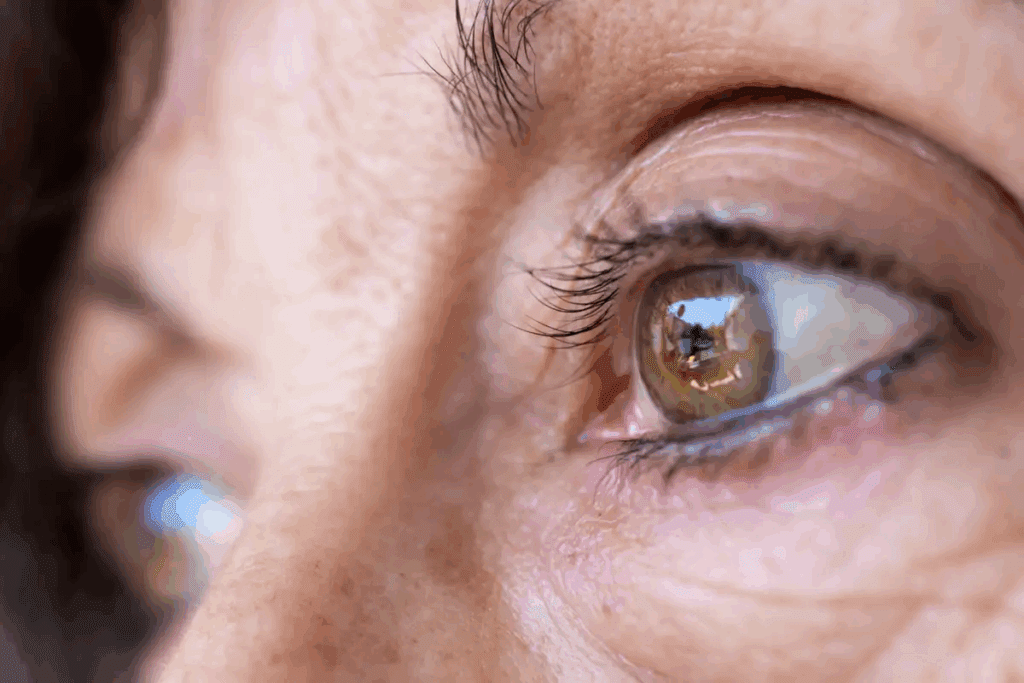
It’s important to know what causes retinoblastoma to catch it early. This disease is linked to genetics.
Genetic Mutations in the RB1 Gene
Genetic changes, like those in the RB1 gene, play a big role in retinoblastoma. This gene helps stop cells from growing too much in the retina.
Studies show that RB1 gene mutations cause both inherited and random forms of retinoblastoma. The gene is on chromosome 13. It can be passed down or happen by chance.
Hereditary vs. Sporadic Forms
Retinoblastoma comes in two types: hereditary and sporadic. The hereditary type has a mutation in the RB1 gene in every cell. This means it can be passed to children.
Sporadic retinoblastoma, on the other hand, happens when the RB1 gene mutates in just some cells. It’s not inherited but happens during a person’s life. Knowing the difference helps with genetic advice and risk checks.
| Characteristics | Hereditary Retinoblastoma | Sporadic Retinoblastoma |
| Genetic Mutation | Germline mutation in RB1 gene | Somatic mutation in RB1 gene |
| Family History | Often positive | Usually negative |
| Risk of Bilaterality | Higher risk | Lower risk |
Recognizing Retinoblastoma Symptoms
Spotting retinoblastoma symptoms early can greatly help kids get better. This serious eye cancer mainly hits young children. Knowing the signs is key for parents and caregivers.
Primary Warning Signs
One key symptom is leukocoria, or “white pupil.” It looks like a cat’s eye. This happens when a tumor reflects light back through the pupil, making it white. Leukocoria is often seen in flash photos, where one eye looks white and the other red.
Secondary Symptoms to Watch For
Other signs might show up too. These include:
- Strabismus (crossed eyes or squint)
- Vision problems or poor vision
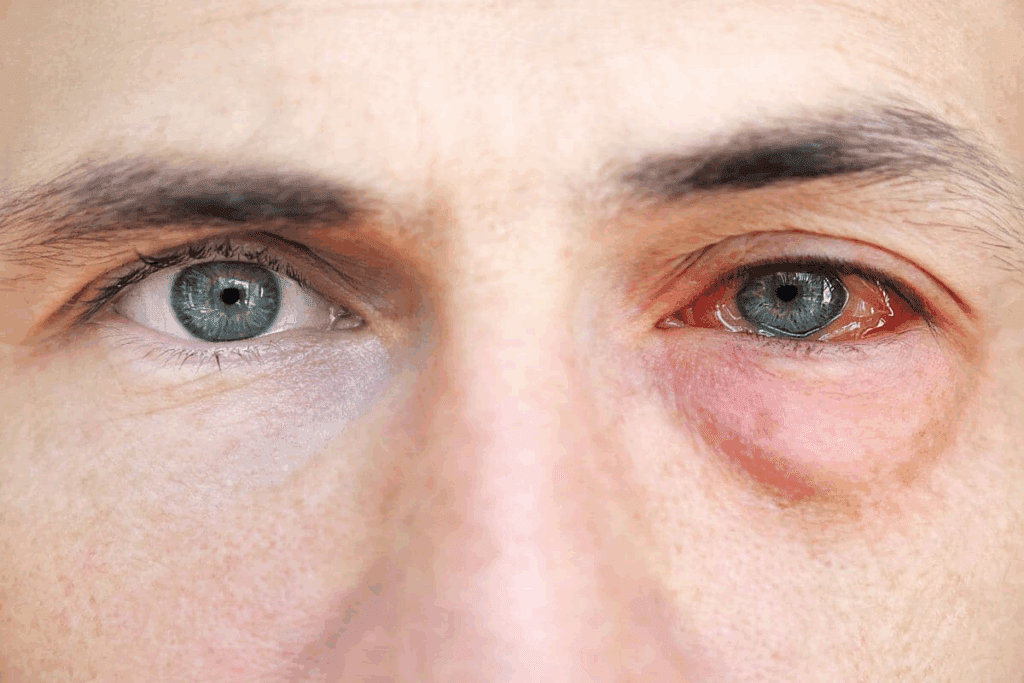
- A red, painful eye
- Deterioration of vision or loss of vision
- Different sized pupils
These symptoms can mean other things too. But, seeing a doctor is a must if a child shows any of these signs.
Advanced Symptoms and Complications
As retinoblastoma gets worse, symptoms can get more serious. These include:
- Protrusion of the eye (proptosis)
- Swelling or redness around the eye
- Vision loss
- In severe cases, the tumor can spread beyond the eye, leading to more serious complications.
Seeing a doctor right away is important if you notice these signs. Early treatment is key to managing retinoblastoma well.
Genetic Testing and Counseling
For families dealing with retinoblastoma, genetic testing and counseling offer great help. Getting a retinoblastoma diagnosis can be scary. It’s normal to worry about the risk in other family members. Genetic testing and counseling can help by finding those at risk and guiding management.
Candidates for Genetic Testing
Genetic testing is advised for those with a family history of retinoblastoma or those diagnosed with it. Key candidates for genetic testing include:
- Individuals diagnosed with retinoblastoma, with a family history
- Family members of those with retinoblastoma, like parents and siblings
- Pregnant women with a family history of retinoblastoma, to check the fetus’s risk
Understanding Genetic Test Results
Genetic test results can be tough to grasp, but it’s key to understand them. Results may show:
- A mutation in the RB1 gene, meaning a higher risk of retinoblastoma
- A normal result, showing little to no risk of retinoblastoma
- A variant of uncertain significance, needing more study and tests
Genetic counseling is vital for making sense of test results. It helps understand the impact on the individual and their family. We offer personalized support and guidance during the genetic testing journey.
Prenatal and Preconception Prevention
For families with a history of retinoblastoma, looking into prenatal and preconception prevention is key. Making choices about starting a family can be tough, given the risk of passing on a genetic condition.
Prenatal and preconception prevention offer various options for families. These strategies help identify genetic mutations linked to retinoblastoma. This way, families can plan for the future.
Prenatal Diagnostic Options
Prenatal diagnosis can spot genetic mutations during pregnancy. Methods like chorionic villus sampling (CVS) and amniocentesis give insights into the fetus’s genetic health.
CVS takes a small sample from the placenta, usually between 10 and 12 weeks. Amniocentesis involves taking a sample of amniotic fluid, between 15 and 20 weeks. Both have risks, so it’s vital to talk about them with your doctor.
Preimplantation Genetic Diagnosis
Preimplantation genetic diagnosis (PGD) is another choice for families at risk. PGD tests embryos from in vitro fertilization (IVF) for the genetic mutation before they’re transferred.
This method lets families pick embryos without the mutation. This reduces the chance of passing retinoblastoma to their kids. Yet, PGD is complex and emotionally challenging, needing careful thought and support.
By learning about prenatal and preconception prevention, families can make better choices about their reproductive health. They can take steps to prevent retinoblastoma.
Early Detection Strategies
Early detection is key to treating retinoblastoma effectively. We will look at ways to spot this condition early.
Screening Protocols for High-Risk Infants
Infants with a family history of retinoblastoma are at high risk. They need special screening from birth.
Screening Schedule:
| Age | Screening Method | Frequency |
| 0-3 months | Eye examination under anesthesia | Every 2-4 weeks |
| 3-6 months | Eye examination under anesthesia | Every 4-8 weeks |
| 6-12 months | Office-based eye examination | Every 2-3 months |
Home Screening Techniques for Parents
Parents are vital in spotting retinoblastoma early. They can take photos of their child’s eyes. This helps find any unusual reflections or changes in the pupil.
By staying alert and using these home methods, parents can catch issues early.
Preventive Measures
Preventive measures are key in managing and catching retinoblastoma early. By being proactive, we can greatly improve results for those at risk.
Surveillance Guidelines by Age
Surveillance is very important in managing retinoblastoma, mainly for high-risk babies. Regular eye checks are advised from birth. The check-up schedule depends on the risk level.
Babies with a family history of retinoblastoma get their first eye check within the first few weeks. Later checks are based on the results and the child’s risk level.
Preventive Management Strategies
Effective prevention of retinoblastoma needs a broad approach. This includes genetic counseling for families with a history of the disease. Also, advanced diagnostic techniques help catch it early.
It’s also important for parents to know the signs and symptoms of retinoblastoma. This way, they can get medical help quickly if they see anything odd. Working with healthcare providers, families can create a detailed plan to watch and manage retinoblastoma risk.
By using these preventive steps and surveillance guidelines, we can better detect and manage retinoblastoma. This leads to better patient results.
The Role of Healthcare Providers in Prevention
Healthcare providers are key in stopping and finding retinoblastoma early. They are vital for early detection and quick referrals.
Pediatric Eye Examinations
Pediatric eye exams are key to catching retinoblastoma early. Early detection greatly helps treatment success. It’s important to have these exams often, mainly for babies and young kids.
During these exams, doctors look for signs like leukocoria or strabismus. Quickly spotting these signs means quicker action. It’s critical for doctors to be thorough and watchful.
Referral Pathways and Timing
Getting kids to the right specialists fast is key. Quick referrals are vital for treatment success. We explain how to refer kids and stress the need for clear talks among doctors.
Good communication means kids get the care they need fast. We talk about how working together can help kids with retinoblastoma.
In short, doctors are very important in stopping and finding retinoblastoma early. They do this through regular eye exams and quick referrals.
Treatment Approaches to Prevent Disease Progression
Effective treatments are key to stopping retinoblastoma from getting worse. We’ve learned a lot about managing this disease. Early action is vital for better results.
Early Intervention Benefits
Acting fast can greatly improve treatment results for retinoblastoma. Early detection means a better chance of saving vision and avoiding serious problems. Timely treatment can lead to better outcomes, including higher survival rates and less need for harsh treatments.
“Early detection and treatment are key to saving lives and preserving vision in children with retinoblastoma,” say top doctors. We know how urgent it is to act quickly with this condition.
Eye-Preserving Treatment Options
Options that save the eye are a big part of treating retinoblastoma. These methods aim to get rid of the tumor while keeping as much eye function as possible. Advanced techniques like intra-arterial and intravitreal chemotherapy are showing great promise in saving vision.
Treatment choices include:
- Chemotherapy
- Laser therapy
- Cryotherapy
- Surgery
The right treatment depends on the tumor’s size, location, and number, and the child’s health. A personalized treatment plan is key for the best results.
With a detailed treatment plan, we can help kids with retinoblastoma more. Our aim is to give the best care, reduce risks, and keep vision intact.
Preventing Secondary Cancers in Survivors
Survivors of retinoblastoma face a higher risk of getting secondary cancers. This is why long-term monitoring is so important. Those with a genetic risk are at even higher danger.
Long-term Surveillance Recommendations
Keeping an eye on survivors for secondary cancers is key. A detailed follow-up plan is needed. This includes regular checks and screenings.
- Annual visits with a healthcare expert in retinoblastoma care.
- Imaging tests like MRI or CT scans to watch for cancers.
- Learning about cancer signs to spot them early.
A study in the Journal of Clinical Oncology highlights the need for long-term follow-up. It’s vital for catching and treating secondary cancers early.
“The development of secondary cancers is a significant concern for retinoblastoma survivors, stressing the need for lifelong surveillance.”
Minimizing Treatment-Related Risks
It’s also important to reduce risks from treatments. We must think about long-term effects when planning care.
| Treatment | Potential Long-term Risks | Mitigation Strategies |
| Chemotherapy | Increased risk of secondary cancers, organ damage | Regular monitoring, dose adjustment |
| Radiation Therapy | Increased risk of secondary cancers, growth abnormalities | Precise targeting, dose reduction |
Knowing the risks of treatments and how to lessen them is key. This way, we can give the best care to retinoblastoma survivors.
We stress the need for ongoing care for retinoblastoma survivors. This includes long-term monitoring and ways to reduce risks from treatments. Doing this can greatly improve their quality of life.
Retinoblastoma Awareness and Education Initiatives
Public awareness campaigns are key to teaching families about retinoblastoma risks and symptoms. They help in spotting the disease early and treating it well.
Public Health Campaigns
Public health campaigns aim to teach everyone about retinoblastoma, its signs, and why catching it early is vital. We use many ways to share this info, so it reaches lots of people.
- Social Media Campaigns: We use Facebook and Twitter to post helpful stuff.
- Community Outreach: We hold events and seminars in local spots to spread the word.
- Collaboration with Healthcare Providers: We work with doctors to keep them updated on retinoblastoma care.
Resources for Families and Caregivers
Helping families and caregivers is a big part of our work. We give them lots of materials and support to deal with retinoblastoma.
| Resource Type | Description | Benefit |
| Informational Brochures | Guides on retinoblastoma, its signs, and treatment choices. | Helps families know more |
| Support Groups | Groups online and offline for families to share and get help. | Builds a community feeling |
| Hotline Services | Phone lines for quick help and answers. | Offers fast support |
By mixing public health efforts with resources for families, we boost awareness and understanding of retinoblastoma. This mix is key for spotting the disease early and treating it right.
Research and Future Directions in Retinoblastoma Prevention
The future of fighting retinoblastoma involves new genetic tech and global health plans. We’re learning more about the genes that cause it. This opens up new ways to prevent and catch it early.
Emerging Genetic Technologies
New genetic tech is a big hope for better retinoblastoma prevention and care. Genetic testing has gotten better, spotting the RB1 gene mutations that lead to retinoblastoma. With next-generation sequencing and preimplantation genetic diagnosis, families at risk have new options.
These new tools let us find retinoblastoma early, maybe even before symptoms show. They help us create treatments that can really help patients.
Global Prevention and Early Detection Efforts
Worldwide, we need to do more to stop retinoblastoma. We must teach doctors and the public about it. Public health campaigns and education initiatives are key. They help spot high-risk babies early, boosting their treatment chances.
Also, we must work together globally. Sharing knowledge, setting up standard screening, and making new tech available are essential. Together, we can make a big difference in fighting retinoblastoma worldwide.
As we go forward, investing in research and global health is critical. This will help us better treat retinoblastoma. It will also ease the disease’s impact on families and communities. Our goal is a future where retinoblastoma doesn’t threaten kids’ health.
Conclusion
Retinoblastoma is a serious eye cancer that mainly affects children. It’s important to prevent and detect it early for effective treatment.
We’ve talked about how to understand retinoblastoma, its causes, and risk factors. Genetic testing and counseling help find those at high risk. Early detection through screening can greatly improve treatment results.
To prevent retinoblastoma, we need a plan that includes genetic testing, early detection, and effective treatment. Knowing the risks and taking action early can help. This shows the importance of awareness and education for families and caregivers.
As we go forward, we must focus on preventing retinoblastoma. We need to spread awareness so children get the treatment they need. This will improve their quality of life.
FAQ
What is retinoblastoma?
Retinoblastoma is a rare eye cancer in kids. It grows in the retina, the back of the eye.
What are the symptoms of retinoblastoma?
Symptoms include a white glow in the pupil and crossed eyes. You might also see poor vision, eye redness, or swelling. In worse cases, there’s eye pain, vision loss, and changes in the eye’s shape.
Can retinoblastoma be prevented?
Early detection and genetic testing can help a lot. Families with a history can get genetic counseling and prenatal tests.
What is the role of genetic testing in retinoblastoma?
Genetic tests find RB1 gene mutations. This helps figure out the risk and plan treatment.
How is retinoblastoma diagnosed?
Doctors use eye exams, imaging, and sometimes genetic tests. An ophthalmologist specializing in kids’ eye cancer makes the diagnosis.
What are the treatment options for retinoblastoma?
Treatments depend on the disease’s stage. They include chemotherapy, laser, cryotherapy, and surgery. The goal is to save vision and stop the disease.
Can retinoblastoma survivors develop secondary cancers?
Yes, survivors face a higher risk of other cancers. This includes osteosarcoma and soft tissue sarcomas. Watching for these cancers is key.
How can families with a history of retinoblastoma reduce their risk?
Genetic counseling and prenatal tests help. Regular checks and screenings can catch retinoblastoma early, improving treatment chances.
What is the importance of early detection in retinoblastoma?
Finding it early is key to better treatment and vision. Regular eye checks and screenings for at-risk kids are vital.
Are there any resources available for families affected by retinoblastoma?
Yes, there are many resources. This includes public health campaigns, support groups, and educational materials. They offer important info and support.
What are the emerging trends in retinoblastoma research?
New genetic tech and global prevention efforts are exciting. Advances in testing and screening aim to improve care and lower cancer risk.
Reference
- Gajjar, A., & Robinson, G. W. (2014). Medulloblastoma: Advances in treatment and biology. F1000Prime Reports, 6, 31. https://www.ncbi.nlm.nih.gov/pmc/articles/PMC4047050/