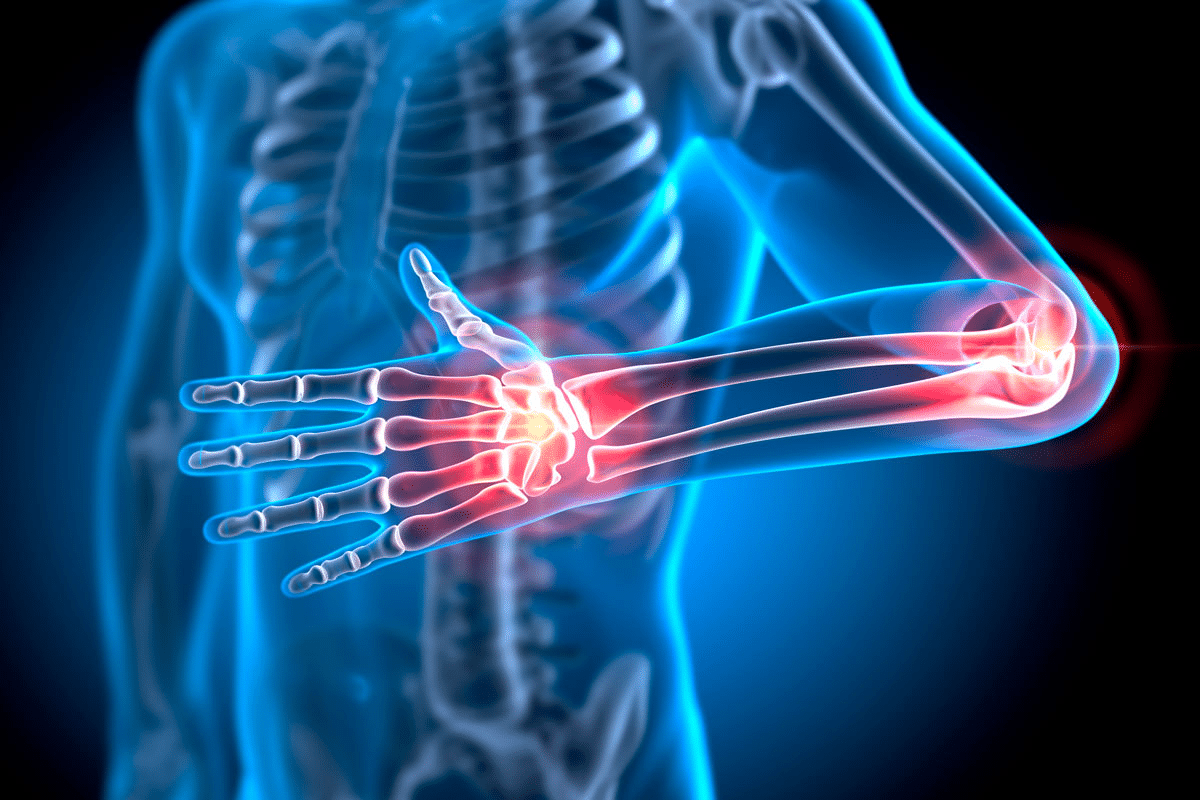
Living with rheumatoid arthritis is tough. Traditional treatments help, but many want more. That’s why alternative treatments are becoming popular. Listing seven alternative therapies forrheumatoid arthritis, including acupuncture, massage, and mind-body techniques.
People are looking for extra relief and ways to avoid medication side effects. By checking out proven alternatives, they can make better choices. This might even make their life better.
Key Takeaways
- Alternative treatments can complement traditional rheumatoid arthritis treatments.
- Patients are seeking additional relief through complementary approaches.
- Evidence-based alternatives can help minimize side effects.
- Informed decisions about care can lead to improved patient outcomes.
- Complementary therapies can enhance overall well-being.
Understanding Rheumatoid Arthritis and the Need for Complementary Approaches
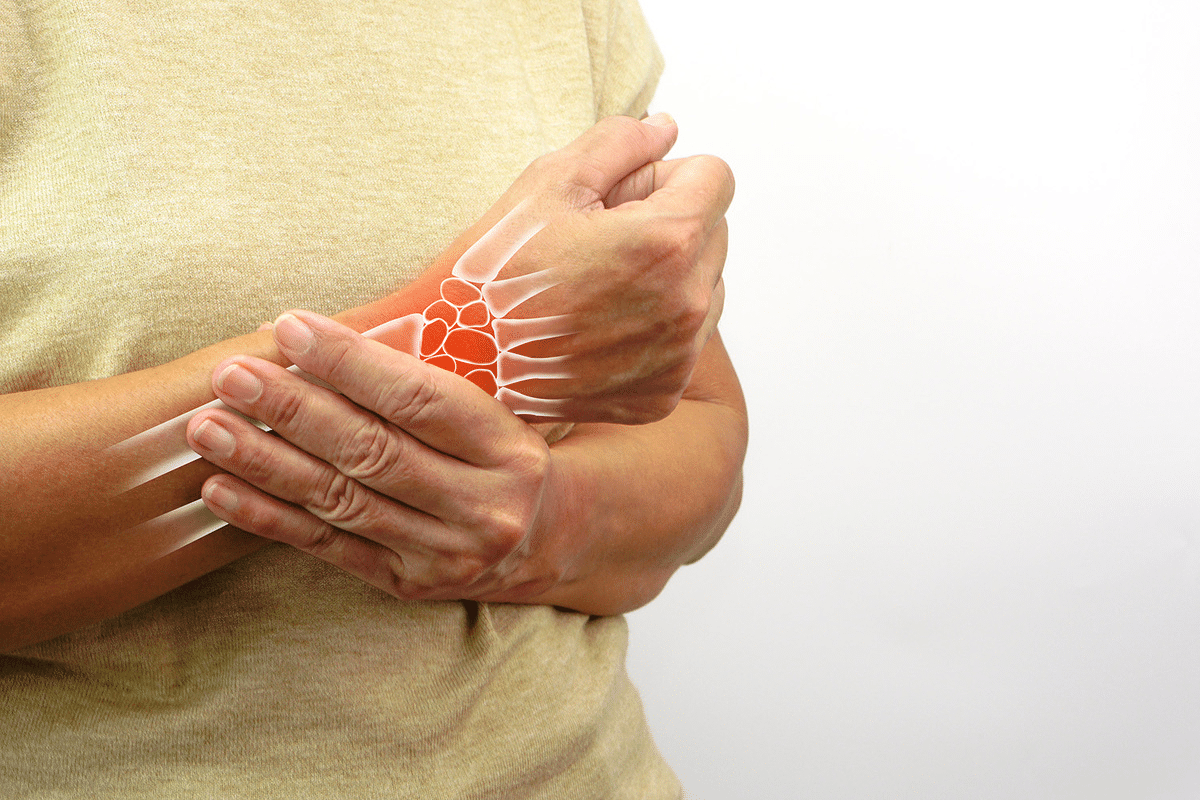
Living with rheumatoid arthritis (RA) is tough. Many people turn to alternative medicine to help manage their symptoms. RA is a chronic disease that causes pain, stiffness, and inflammation in the joints. If not treated, it can lead to severe disability.
What is Rheumatoid Arthritis and Its Conventional Treatments
Rheumatoid arthritis happens when the immune system attacks the joints. This leads to inflammation and damage. Doctors use medicines like DMARDs, biologics, and NSAIDs to fight inflammation and slow the disease.
The Arthritis Foundation says early treatment is key. It helps prevent joint damage and improves outcomes. This shows how important it is to start treatment early.
The Limitations of Standard Medical Therapies
While standard treatments work for many, they have their limits. Some people don’t get better, or they face serious side effects. A study in the Journal of Rheumatology found up to 30% of RA patients stop their DMARD therapy early.
Because of these limits, people look for other ways to manage their symptoms and live better lives.
Statistics on CAM Use Among RA Patients
Studies show 60-90% of RA patients use alternative medicine. This shows how common it is and why doctors need to know about it.
“Using CAM can give patients a more complete way to manage their RA. It can help improve their overall health.”
Arthritis affects nearly 60 million adults in the U.S. There are over 100 types of arthritis. This makes it vital to explore all treatment options, including alternative ones.
The Science Behind Alternative Therapies for Rheumatoid Arthritis
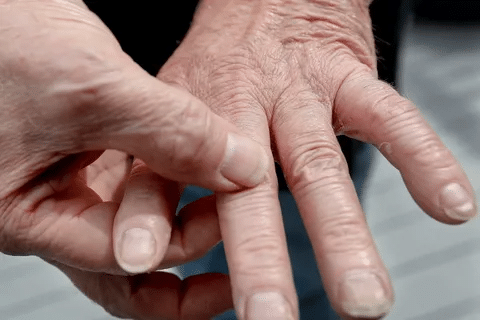
Exploring alternative therapies for rheumatoid arthritis (RA) requires understanding their scientific basis. RA is a chronic inflammatory disorder that affects more than just the joints. While traditional treatments have improved, many patients look for complementary approaches to better manage their symptoms.
Research Supporting Complementary Approaches
Studies have shown that alternative therapies can help manage RA symptoms. Mind-body therapies like yoga, meditation, and mindfulness are effective. They help RA patients manage pain, mood, and energy levels.
For example, mindfulness meditation can reduce stress and anxiety. These factors can worsen RA symptoms.
Acupuncture has also been studied for its benefits in RA management. It can reduce pain and improve quality of life for RA patients. Researchers are working to understand how it works.
How Alternative Therapies Can Complement Conventional Treatment
Alternative therapies can enhance conventional RA treatments. Adding therapies like massage, yoga, or meditation to treatment plans can reduce reliance on drugs. This can improve overall well-being.
A study on yoga for RA symptoms found significant improvements. Participants saw better pain, fatigue, and mood management. This shows alternative therapies can be valuable additions to traditional treatments.
|
Therapy |
Benefits for RA |
Key Findings |
|---|---|---|
|
Mindfulness Meditation |
Reduces stress and anxiety |
Improves pain management and mood |
|
Yoga |
Improves flexibility and strength |
Reduces pain, fatigue, and improves mood |
|
Acupuncture |
Reduces pain and inflammation |
Improves quality of life |
The Importance of an Integrative Approach
Combining conventional treatments with alternative therapies is key to better RA management. Working with healthcare providers to create a personalized treatment plan is essential. This way, patients can benefit from both traditional and alternative therapies.
This approach addresses RA’s physical, emotional, and psychological aspects. It leads to a more complete management strategy.
Omega-3 Fatty Acids and Fish Oil Supplements 350 words
Omega-3 fatty acids, found in fish oil, are being studied for treating Rheumatoid Arthritis. They have shown promise in managing the condition.
The Anti-inflammatory Mechanism of Omega-3s
Omega-3 fatty acids work by reducing inflammation. They do this by lowering the levels of molecules that cause inflammation. This can help ease symptoms like joint pain and swelling.
Clinical Evidence for RA Symptom Reduction
A 2018 study showed omega-3s can lower RA symptoms. They found that omega-3s reduce inflammation and improve joint function. This makes them a good alternative medication for rheumatoid arthritis.
Recommended Dosages and Product Selection
Choosing the right fish oil supplement is key. Look for one with lots of EPA and DHA and no harmful contaminants. The usual dose is 1-3 grams of EPA and DHA daily. Some people with RA might also consider rheumatoid arthritis homeo treatment options, like omega-3 supplements, with their doctor’s advice.
|
Product |
EPA Content |
DHA Content |
Recommended Dosage |
|---|---|---|---|
|
Fish Oil Supplement A |
500 mg |
250 mg |
2 capsules/day |
|
Fish Oil Supplement B |
700 mg |
300 mg |
1 capsule/day |
|
Fish Oil Supplement C |
1000 mg |
500 mg |
1 capsule/day |
People with RA should talk to their doctor before starting omega-3 supplements. This is to check for any possible side effects and to find the best treatment plan. This might include homeopathic treatment for RA options.
Mind-Body Therapies: Yoga, Meditation, and Mindfulness 350 words
Yoga, meditation, and mindfulness are showing promise in helping with RA symptoms. They help manage both the physical and emotional stress of chronic illness.
How Stress Affects RA Symptoms and Inflammation
Stress can make RA symptoms worse and even trigger flare-ups. It can also increase inflammation, making the condition harder to manage. Mind-body therapies are great for reducing stress and improving overall health.
Studies have shown that Tai Chi and Qi Gong can help with arthritic pain. These exercises combine movement with deep breathing and meditation. This supports the use of mind-body therapies in managing RA.
Research on Pain Reduction Through Mind-Body Practices
A 2020 review looked at 10 studies on yoga and RA symptoms. It found yoga improves physical function, disease activity, and grip strength. This shows yoga and other mind-body practices can help with RA treatment.
|
Mind-Body Therapy |
Benefits for RA Patients |
|---|---|
|
Yoga |
Improves flexibility, reduces pain, and enhances physical function |
|
Meditation |
Reduces stress, promotes relaxation, and improves mental well-being |
|
Mindfulness |
Enhances pain management, reduces anxiety, and improves quality of life |
Accessible Yoga Poses and Modifications for Limited Mobility
Yoga can be made accessible for RA patients with limited mobility. Gentle poses, chair yoga, and modifications help them benefit from yoga’s healing effects.
Adding mind-body therapies to their treatment plan can help RA patients. It can reduce symptoms and improve their life quality. Always talk to a healthcare provider before starting any new therapy.
Traditional Chinese Medicine: Tai Chi and Qi Gong 350 words
Tai Chi and Qi Gong come from Traditional Chinese Medicine. They are great for people with Rheumatoid Arthritis. These old practices help with energy flow in the body and health.
Principles of Energy Flow and Balance
The idea of Qi is key in Traditional Chinese Medicine. It’s thought that Qi moving through the body’s meridians affects health. Tai Chi and Qi Gong help improve this flow, leading to balance and less RA symptoms.
These practices include slow movements, deep breathing, and meditation. Together, they help the body’s energy flow smoothly.
Studies Showing Improved Outcomes for RA Patients
Research shows Tai Chi and Qi Gong help RA patients. People who did these practices felt better balance, less pain, and improved function.
Those with more education got even better results. This suggests knowing the basics of Tai Chi and Qi Gong makes them more effective.
Gentle Movement Patterns for Joint Protection
Tai Chi has slow, low-impact movements. These movements increase flexibility, muscle strength, and balance without harming joints. For RA patients, this is very helpful as it keeps joints moving and strong without making the condition worse.
These practices can be adjusted for different mobility levels. This makes them available to many RA patients.
The Mediterranean Diet and Anti-Inflammatory Nutrition 350 words
The Mediterranean diet is packed with anti-inflammatory properties. It’s a key diet for people with Rheumatoid Arthritis.
This diet is full of fruits, vegetables, whole grains, and healthy fats like olive oil. It also has moderate amounts of fish, poultry, and dairy. But it limits red meat and processed foods.
Key Components That Fight Inflammation
The Mediterranean diet fights inflammation in several ways. Omega-3 fatty acids in fatty fish are key. Antioxidants in fruits and vegetables also help. Whole grains and fiber add to its benefits.
“A research review from 2017 suggested that diet may slow RA progression and decrease damage to joints, recommending foods with antioxidants and anti-inflammatory properties.”
Research Supporting Dietary Interventions for RA
Studies show diet can greatly help RA symptoms. The Mediterranean diet has been shown to improve RA outcomes. It’s vital for a balanced diet in managing RA and possibly reducing medication.
Foods to Emphasize and Those to Limit
To get the most from the Mediterranean diet, eat whole, nutrient-rich foods. Focus on colorful fruits and vegetables, whole grains, and healthy fats. Avoid processed foods, red meat, and foods high in sugar and salt.
By following the Mediterranean diet and focusing on anti-inflammatory nutrition, RA patients can manage their symptoms better. This approach can also improve their overall health.
Massage and Touch Therapies for Joint Pain Relief 350 words
For those with rheumatoid arthritis, massage and touch therapies can help with pain. Rheumatoid arthritis causes inflammation and pain in the joints. This can really affect how well someone lives.
While regular treatments are key, massage can also help manage symptoms. It’s a great way to complement traditional treatments.
Types of Massage Beneficial for RA Symptoms
There are many massage types that help RA patients. Swedish massage is gentle and relaxing. It can reduce pain and make you feel better overall.
Gentle manipulative therapy is also good. It helps move joints better and makes them less stiff.
What Research Shows About Efficacy
Studies show massage therapy works for RA symptoms. A 2022 study found Swedish massage cuts down on pain and the need for pain meds. This is great because it means massage can help reduce the need for drugs.
|
Massage Type |
Benefits for RA |
|---|---|
|
Swedish Massage |
Reduces pain, improves well-being |
|
Gentle Manipulative Therapy |
Improves joint mobility, reduces stiffness |
Safety Considerations During Flares
Massage is safe, but be careful during RA flares. Use gentle methods and avoid deep tissue massage. It can make pain worse.
Always talk to a doctor before starting massage. They can make sure it’s right for you.
In short, massage and touch therapies are a good addition to managing RA. Knowing which massages are best and being careful during flares can really help. It can make life better for those with rheumatoid arthritis.
Acupuncture and Acupressure for Pain Management 350 words
For those with Rheumatoid Arthritis, acupuncture and acupressure are promising for pain relief. These ancient practices are now recognized for helping with RA symptoms and improving life quality.
Traditional and Modern Explanations for Effectiveness
Acupuncture works by stimulating nerves and releasing endorphins, natural pain relievers. It involves thin needles in specific body points to balance and heal. Research shows it can change how we feel pain and inflammation, making it a good addition to RA treatment.
Acupressure is similar but uses pressure instead of needles. It’s a great option for those who don’t like needles.
Clinical Studies on Acupuncture for RA
A 2018 review found acupuncture can help RA patients feel better and live better. Studies show it can reduce pain and inflammation. This makes it a useful addition to regular RA treatment.
More research is needed to fully understand how acupuncture and acupressure work. But, the current evidence suggests they can help manage RA symptoms.
What to Expect During Treatment
During acupuncture, a trained practitioner will insert thin needles into certain points. These needles stay in for 15-30 minutes. Acupressure involves applying pressure to these points, which can be done by a practitioner or yourself.
Both therapies are safe when done by a qualified practitioner. It’s important to talk to your doctor before trying them to see if they’re right for you.
|
Therapy |
Description |
Benefits for RA |
|---|---|---|
|
Acupuncture |
Involves inserting thin needles into specific body points |
May reduce pain and inflammation, improve function |
|
Acupressure |
Applies manual pressure to specific body points |
Can alleviate pain, promote relaxation |
Conclusion: Building Your Personalized Alternative Therapy Plan 300 words
Exploring different alternative therapies can help with rheumatoid arthritis. They might improve pain control and mobility. This can lead to a better quality of life.
It’s important to talk to your healthcare provider before trying new treatments. They can guide you on the best options for your care plan.
Good alternatives include omega-3 fatty acids and mind-body therapies like yoga and meditation. Traditional Chinese medicine, such as tai chi and qi gong, is also beneficial. Eating a Mediterranean diet and following anti-inflammatory nutrition can also help manage symptoms.
By mixing these therapies with your current treatments, you can create a plan that suits you. Working with your healthcare team is key to improving your well-being.
FAQ
What are alternative therapies for rheumatoid arthritis?
Alternative therapies for rheumatoid arthritis include omega-3 fatty acids and mind-body therapies like yoga and meditation. Traditional Chinese Medicine practices like Tai Chi and Qi Gong are also beneficial. Anti-inflammatory nutrition, massage, and acupuncture can help manage RA symptoms.
Can alternative therapies replace conventional RA treatments?
No, alternative therapies should not replace conventional RA treatments. They should complement standard medical therapies to improve patient outcomes. Always consult with healthcare professionals before starting any new treatments.
How do omega-3 fatty acids help with rheumatoid arthritis?
Omega-3 fatty acids have anti-inflammatory properties. They reduce RA symptoms by suppressing inflammatory cytokines and enzymes. This helps in reducing joint inflammation and pain.
What are the benefits of mind-body therapies for RA patients?
Mind-body therapies like yoga, meditation, and mindfulness reduce stress. Stress can worsen RA symptoms. These practices decrease pain, improve mood, and enhance overall well-being.
Is Tai Chi beneficial for rheumatoid arthritis?
Yes, Tai Chi is beneficial for RA patients. It combines gentle movements with deep breathing. This improves balance, flexibility, and strength while reducing stress and promoting relaxation.
How does the Mediterranean diet help with rheumatoid arthritis?
The Mediterranean diet is rich in anti-inflammatory foods. It includes fruits, vegetables, whole grains, and healthy fats. This diet can reduce inflammation and alleviate RA symptoms, improving outcomes for RA patients.
Can massage therapy help with RA joint pain?
Yes, massage therapy can help alleviate RA joint pain. It reduces muscle tension, improves circulation, and promotes relaxation. Gentle massage techniques are recommended, even during flares.
Is acupuncture effective for RA pain management?
Acupuncture is effective in reducing pain and improving function for some RA patients. It involves inserting fine needles into specific points on the body. This stimulates healing and pain relief.
How can I build a personalized alternative therapy plan for my RA?
To build a personalized alternative therapy plan, start by consulting with your healthcare provider. Discuss your options and consider your individual needs, preferences, and health status. It’s essential to monitor your response to new therapies and adjust your plan as needed.
Are there any interactions between alternative therapies and conventional RA medications?
Yes, some alternative therapies can interact with conventional RA medications. For example, omega-3 fatty acids may interact with blood thinners. Always inform your healthcare provider about any supplements or alternative therapies you’re considering to avoid interactions.
How can I ensure I’m using high-quality alternative therapy products?
To ensure you’re using high-quality products, look for third-party certifications and read labels carefully. Research the manufacturer’s reputation. Consult with your healthcare provider or a qualified practitioner for recommendations on selecting high-quality products.
National Center for Biotechnology Information. Rheumatoid Arthritis: Early Treatment to Prevent Complications. Retrieved from https://www.ncbi.nlm.nih.gov/pmc/articles/PMC9273041/