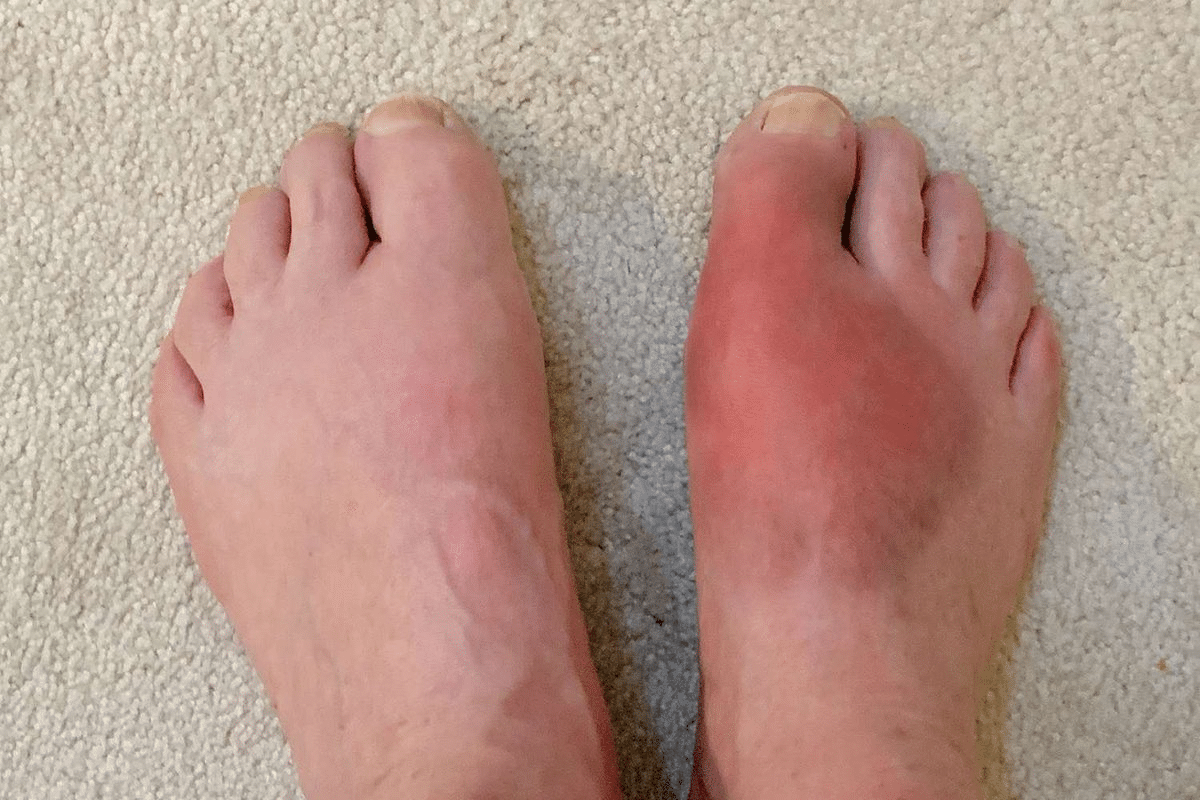
Answering can you get gout in your back (yes, spinal gout) and detailing the unique symptoms and treatment.
Gout is often linked to the big toe, but it can also hit other areas, like the spine. Spinal gout is a less common issue that can lead to severe back pain.
Feeling sudden back or neck pain, and you’ve had gout before? It’s a worry. If you notice numbness or tingling in your arms or legs, it might mean gout is affecting your spine.
Recent studies have uncovered a link between gout and spinal problems. Now, we have better ways to diagnose and treat this condition.
Key Takeaways
- Gout can affect the spine, leading to back pain and related complications.
- Symptoms may include unexplained back or neck pain, numbness, or tingling sensations.
- Modern diagnostic techniques can help identify spinal gout.
- Comprehensive treatment approaches are available for managing spinal gout.
- Seeking medical attention is key for the right diagnosis and treatment.
What Is Gout and How Does It Develop?
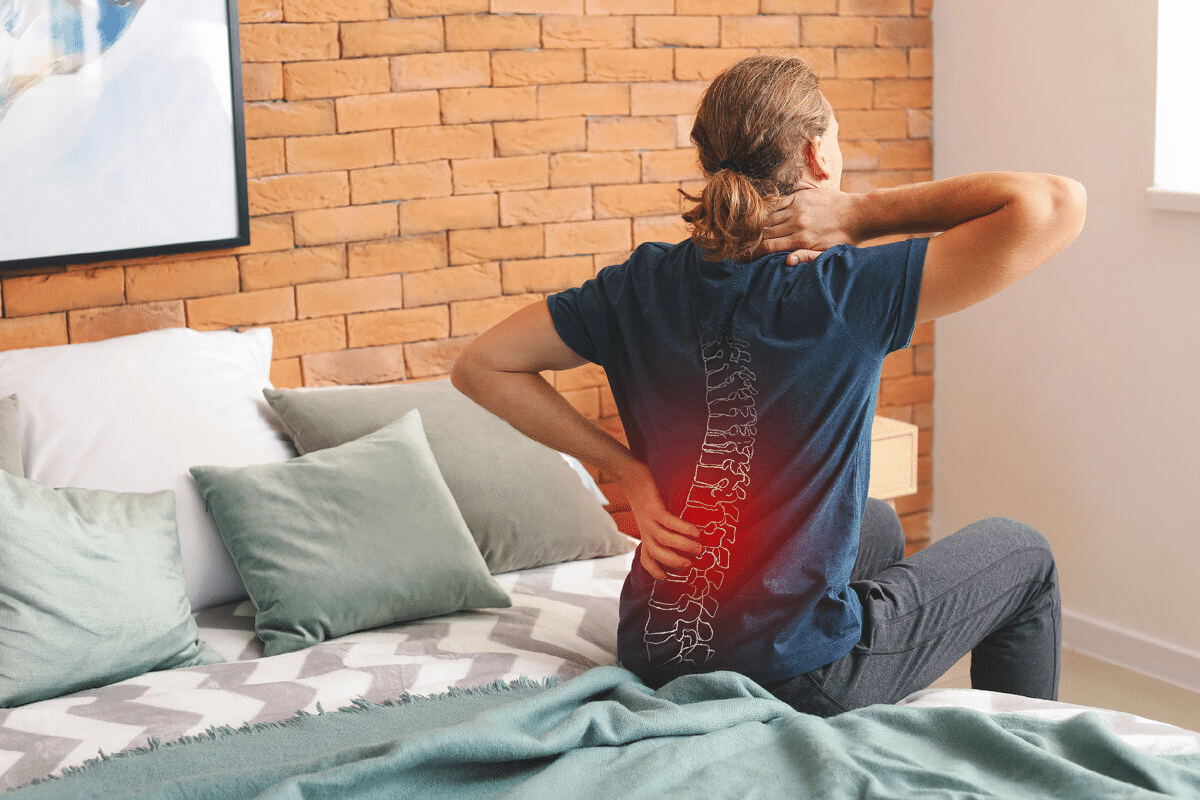
Gout starts with too much uric acid in the body. It’s a type of arthritis that causes sudden, severe pain and swelling in the joints. This happens when uric acid turns into sharp crystals in the joints, leading to inflammation and pain.
The Role of Uric Acid in Gout
Uric acid is key in gout. It usually dissolves in the blood and is removed by the kidneys. But, if there’s too much or the kidneys don’t remove enough, it builds up. This buildup forms crystals that cause inflammation and pain in the joints.
Many things can raise uric acid levels. Genetics, diet, obesity, and some medical conditions are examples. Eating foods high in purines, like red meat and seafood, can increase uric acid. Drinking beer and sugary drinks can also raise levels.
Traditional Gout Locations in the Body
Gout often hits the base of the big toe. But it can also affect ankles, knees, wrists, and fingers. It’s more likely to strike damaged or arthritic joints. Rarely, it can affect the spine, causing back pain.
Knowing where and why gout happens is key to managing it. By understanding uric acid’s role and what raises its levels, people can lower their risk of gout. This helps prevent its complications.
Can You Get Gout in Your Back?

Gout usually hits the joints outside the spine, but it can also affect the spine. It’s a type of arthritis that causes sudden, severe pain and swelling. The big toe is often the first to get hit, but other joints, like those in the back, can also be affected.
Prevalence and Statistics of Spinal Gout
Research shows that spinal gout is more common than thought, mainly in those with uncontrolled gout. Up to 35% of these patients might experience spinal involvement. Also, about one-third of gout patients could face spinal issues. This makes it key to think of gout when someone with a history of gout has back pain.
|
Study |
Prevalence of Spinal Gout |
|---|---|
|
Study A |
Up to 35% in patients with poorly controlled gout |
|
Study B |
Up to one-third of all gout patients |
Why Spinal Gout Is Often Underdiagnosed
Spinal gout is often missed because its symptoms can be vague. They might look like other back problems, making it hard to diagnose. Also, spinal gout might not show the usual signs of gout in other joints. This can lead to doctors not thinking of gout first, causing delays in treatment.
It’s important to understand how common and tricky to diagnose spinal gout is. By knowing this, doctors can give better care. They can make more accurate diagnoses and treatments for patients with back pain.
How Gout Affects the Spine
Spinal gout happens when uric acid crystals build up in the spine. This causes pain and can lead to serious neurological problems. It’s important to know how it affects the spine to improve a patient’s life.
Gout in the spine can cause inflammation and harm to the surrounding tissues. Uric acid crystals in the spine lead to pain, stiffness, and trouble moving.
Most Commonly Affected Spinal Regions
The lumbar spine is most often hit by spinal gout. The thoracic and cervical regions can also be affected. The lower back is very prone to gouty attacks because of the high uric acid levels there.
- The lumbar region is most frequently affected, leading to lower back pain and stiffness.
- The thoracic region can also be involved, potentially causing mid-back pain and discomfort.
- The cervical region is less commonly affected but can lead to neck pain and neurological symptoms if involved.
Pathophysiology of Uric Acid Crystal Deposition in the Spine
Uric acid crystals in the spine come from an imbalance in uric acid levels. This imbalance, known as hyperuricemia, makes crystals form in spinal joints and tissues. This triggers inflammation and pain.
The process involves several key factors:
- Hyperuricemia: Elevated levels of uric acid in the blood.
- Uric acid crystal formation: Crystals form in the spinal joints and tissues.
- Inflammatory response: The body’s response to the crystals leads to inflammation and pain.
Knowing how uric acid crystals deposit in the spine is key to treating spinal gout effectively.
Recognizing Symptoms of Gout in the Back
It’s important to know the signs of gout in the back to get treatment quickly. Gout in the spine can show different symptoms, making it hard to tell it apart from other back problems.
Back Pain Characteristics
Gout in the back usually starts with sharp pain. This pain can be in one spot on the spine and might be swollen and stiff. The pain’s feel can change based on where in the spine it is.
Common signs of back pain from gout include:
- Acute onset of pain
- Severe pain that may worsen with movement
- Localized tenderness
- Swelling or redness in some cases
Neurological Symptoms
Gout in the spine can also cause nerve problems. This is because the spinal cord or nerve roots get compressed. Symptoms can be:
- Tingling or numbness in the extremities
- Weakness in the muscles supplied by the affected nerve roots
- Radicular pain (pain that radiates along the nerve pathway)
These nerve symptoms can really affect a person’s life and need quick doctor visits.
How to Differentiate from Other Back Conditions
Telling gout in the back apart from other back issues is tricky because symptoms can be similar. But, there are clues to help diagnose it:
- A history of gout or gout in other joints
- Acute onset of symptoms
- Presence of neurological symptoms
- Imaging and lab tests that show gout
One study said, “Gout can look like other conditions, but the right tests and checks can confirm it.”
“Gout can show up in different ways, including the spine, and needs a detailed look to diagnose right.”
Knowing the signs of gout in the back is key for doctors to diagnose and treat it right. By spotting the typical pain and nerve symptoms, patients can get the care they need fast.
Risk Factors for Developing Spinal Gout
Spinal gout can be caused by many things. These include medical conditions, lifestyle choices, and who you are. Knowing these risk factors helps us find out who might get spinal gout.
Medical Conditions That Increase Risk
Some health issues can make you more likely to get spinal gout. These include:
- Chronic Kidney Disease: This can cause uric acid to build up, raising your risk of gout.
- Obesity: Being overweight can lead to higher uric acid levels and a greater chance of gout.
- Hypertension: High blood pressure often goes hand in hand with gout.
- Diabetes: People with diabetes are more likely to get gout.
A study found that people with gout often have other health problems. This shows how gout and other diseases are connected.
This highlights the complex interplay between gout and other metabolic disorders.
|
Medical Condition |
Association with Gout |
|---|---|
|
Chronic Kidney Disease |
Increased uric acid levels due to reduced kidney function |
|
Obesity |
Higher uric acid levels and increased inflammation |
|
Hypertension |
Common comorbidity that may share underlying metabolic factors |
Lifestyle and Demographic Factors
What you do and who you are also affects your risk of spinal gout.
- Diet: Eating foods high in purines (like red meat and shellfish) can raise uric acid levels.
- Alcohol Consumption: Drinking alcohol, like beer, can also increase uric acid levels.
- Family History: If your family has gout, you’re more likely to get it too.
- Age and Gender: Gout is more common in men over 30 and in postmenopausal women.
It’s important to think about these factors when looking at the risk of spinal gout.
By understanding and tackling these risk factors, we can prevent and manage spinal gout better. It’s key for those at risk to know about it and work with their doctors.
Diagnosing Gout in the Back
Diagnosing spinal gout involves several steps. This includes lab tests and imaging studies. It’s important to figure out if it’s really gout or something else causing back pain.
Laboratory Tests
Laboratory tests are key in spotting gout in spine symptoms. Blood tests check uric acid levels. But, normal levels don’t mean you can’t have gout.
Tests for inflammation like CRP and ESR might show high levels during a gout attack.
Imaging Studies for Spinal Gout
Imaging studies are vital for diagnosing spinal gout. X-rays, CT scans, MRI, and ultrasound help find uric acid crystals or joint damage. MRI is great for seeing soft tissue and spinal cord issues.
Definitive Diagnosis Through Aspiration and Biopsy
At times, a clear diagnosis comes from aspirating the joint or biopsying tophaceous material. This means taking a sample from the area and looking for uric acid crystals under a microscope.
Getting a proper diagnosis is critical. It helps tell if it’s gout of the spine or another issue. By using clinical checks, lab tests, and imaging, doctors can create a treatment plan that works for you.
Complications of Untreated Spinal Gout
Spinal gout left untreated can cause severe problems. It can greatly affect a person’s life and health.
Spinal Cord Compression
Spinal cord compression is a serious issue. It happens when uric acid crystals in the spine press on the spinal cord. This can lead to numbness, weakness, and even paralysis. Quick medical help is needed to avoid lasting harm.
Nerve Root Damage
Nerve root damage is another problem. Uric acid crystals can press on nerve roots. This causes pain, numbness, and tingling along the nerve’s path. It can really hurt a person’s ability to move and enjoy life.
Long-term Mobility Issues
Untreated spinal gout can cause lasting mobility problems. Chronic inflammation can lead to tophi, which are deposits of uric acid crystals. These can cause permanent damage to joints and limit movement. It makes it hard to do everyday tasks.
It’s vital to treat spinal gout early to avoid these issues. With the right treatment, the risks can be lowered. This helps keep a person’s quality of life good.
Medical Treatment Options for Gout in the Back
Managing gout in the back needs a mix of treatments. The main goal is to lower uric acid levels, ease pain, and stop future attacks.
Medications for Acute Gout Attacks
When gout hits, the focus is on reducing pain and swelling. Nonsteroidal anti-inflammatory drugs (NSAIDs) are often used for this. If NSAIDs don’t work, colchicine might be an option. For severe cases, corticosteroids can quickly reduce swelling.
- NSAIDs: Examples include ibuprofen and naproxen.
- Colchicine: Often used when NSAIDs are not suitable.
- Corticosteroids: Useful for severe inflammation.
Long-term Uric Acid-Lowering Therapy
To stop gout attacks from coming back, long-term therapy is key. Allopurinol and febuxostat are common drugs. They help by lowering uric acid production in the body.
“Uric acid-lowering therapy is a cornerstone in the management of gout, helping to prevent recurrent attacks and reduce the risk of long-term damage.”
— American College of Rheumatology
Emerging Treatments for Resistant Cases
For those who don’t respond to usual treatments, new options are available. Pegloticase is a biologic agent for severe, resistant gout. It breaks down uric acid in the blood.
As research goes on, we’ll see more new treatments for gout. This includes treatments for the back and spine. It’s important for both doctors and patients to stay updated on these advances.
Lifestyle Modifications to Manage Back Gout
To manage back gout, making lifestyle changes is key. These changes can help ease symptoms and improve life quality.
Dietary Changes to Reduce Uric Acid
Diet is very important in managing gout. Some foods can cause gout attacks by raising uric acid levels. Avoid foods high in purines, like organ meats, certain seafood, and some beans.
Drinking plenty of water is also important. It helps remove uric acid from the body, lowering the risk of crystals forming. It’s wise to limit alcohol, as it can increase uric acid levels.
|
Food Category |
Recommended |
Avoid |
|---|---|---|
|
Meat and Poultry |
Lean meats like chicken and turkey |
Organ meats like liver and kidney |
|
Seafood |
Low-purine fish like salmon and cod |
High-purine seafood like anchovies and sardines |
|
Beverages |
Water, low-fat dairy products |
Alcohol, specially beer and liquor |
Weight Management Strategies
Keeping a healthy weight is important for gout management. Extra weight can raise uric acid levels and stress joints. Aim for a balanced diet and regular exercise to stay at a healthy weight.
Crash diets and fasting can raise uric acid levels, leading to gout attacks. So, it’s best to stick to lasting weight management plans.
Appropriate Physical Activity with Spinal Gout
Regular, low-impact exercise is good for health and gout management. Walking, swimming, and cycling are good choices because they’re easy on the joints.
Stay away from high-impact activities that can hurt the spine. Doing exercises that stretch and strengthen can improve flexibility and lower injury risk.
By making these lifestyle changes, people with spinal gout can better manage their condition. This can help reduce how often gout attacks happen.
When to Seek Medical Attention for Back Pain Related to Gout
Knowing when to get medical help for gout back pain is key. Gout can affect many parts of the body, including the back. It’s important to know the signs that mean you need to see a doctor right away.
Red Flag Symptoms Requiring Immediate Care
Some symptoms are urgent and need quick medical attention. These include:
- Severe, worsening joint pain and swelling
- High temperature or fever
- Neurological symptoms such as numbness, tingling, or weakness in the legs
- Loss of bladder or bowel control
- Severe back pain that doesn’t improve with rest
If you have any of these symptoms, get medical help fast. They could mean a serious problem like spinal cord compression or nerve damage. These need quick treatment.
Finding the Right Healthcare Provider
Finding the right doctor for gout back pain is important. You might need to see:
- A rheumatologist for gout and other rheumatic diseases
- An orthopedic specialist for musculoskeletal issues
- A neurologist for neurological symptoms
- A primary care physician for overall care and management
Make sure your doctor knows how to handle gout and related problems.
Questions to Ask Your Doctor
Ask your doctor these questions for better care:
- What are the possible causes of my back pain?
- How can we tell if it’s gout or something else?
- What treatments are there for gout back pain?
- Are there lifestyle changes to help symptoms?
- What complications could happen if it’s not treated?
Being informed and proactive can greatly help your treatment and life quality.
Conclusion
Understanding spinal gout is key to managing it well. We’ve looked at how gout can hurt the spine, causing back pain and serious issues if not treated.
With the right diagnosis and treatment, most people can control their symptoms. This includes medicines for sudden attacks and long-term treatments. It also means making healthy lifestyle choices like eating right and staying at a healthy weight.
It’s important to know the signs of spinal gout and get help when needed. Being aware of the risks and taking action early can help a lot. This way, spinal gout won’t ruin your life quality.
Spinal gout needs a full plan for diagnosis and treatment. Working with doctors, people can create a plan that fits their needs. This ensures the best results for their health.
FAQ
Can gout cause back pain?
Yes, gout can cause back pain, mainly if it affects the spine. This happens when uric acid crystals build up in the spinal joints. It leads to inflammation and pain.
What are the symptoms of gout in the back?
Symptoms include back pain, stiffness, and limited mobility. Some people might also feel numbness, tingling, or weakness in their legs.
How is spinal gout diagnosed?
Diagnosing spinal gout involves several steps. It includes lab tests, imaging studies, and sometimes taking a sample from the affected area. This confirms the presence of uric acid crystals.
Can gout in the spine be treated?
Yes, gout in the spine can be treated. This includes using medications to manage attacks and reduce uric acid levels. Changing your diet and managing your weight are also important.
What are the risk factors for developing spinal gout?
Risk factors include a history of gout, being overweight, and certain medical conditions like kidney disease. A diet high in purines also increases the risk.
How can I manage gout in my back?
Managing gout in the back requires medical treatment, lifestyle changes, and sometimes physical therapy. Working with a healthcare provider to create a personalized plan is key.
Can lifestyle changes help prevent spinal gout?
Yes, lifestyle changes can help prevent spinal gout. Maintaining a healthy weight, eating a balanced diet low in purines, and staying hydrated are important.
When should I seek medical attention for back pain related to gout?
Seek medical attention for severe back pain, neurological symptoms, or if your pain is accompanied by fever or signs of infection.
Are there any emerging treatments for spinal gout?
Yes, new treatments for gout, including spinal gout, are being researched. These emerging therapies may offer more options for managing the condition.
Can gout in the back lead to long-term complications?
Untreated or poorly managed spinal gout can lead to serious complications. These include spinal cord compression, nerve root damage, and long-term mobility issues.
Is it possible to have gout in the lower back?
Yes, gout can affect the lower back, though it’s less common than in other joints like the toes or fingers.
Does gout in the spine require surgery?
Most cases of spinal gout can be managed without surgery. But in severe cases with significant spinal cord compression or complications, surgery might be needed.
References
National Center for Biotechnology Information. Evidence-Based Medical Guidance. Retrieved from https://www.ncbi.nlm.nih.gov/pmc/articles/PMC11216640/