Ever felt pain in your groin or tailbone without any clear reason? It might be linked to your digestive health. Digestive issues can affect your body in many ways, including causing pain in unexpected spots.
Studies reveal that constipation can put pressure on the pelvic floor muscles. This can lead to muscle irritation and pain in the groin and tailbone. At Liv Hospital, we tackle this complex issue head-on, focusing on both the cause and symptoms.
Key Takeaways
- Constipation can cause pain in the groin and tailbone areas due to increased pressure on the pelvic floor muscles.
- Understanding the connection between digestive health and pelvic pain is key for effective management.
- Liv Hospital offers patient-centered care to address constipation-related pain and associated symptoms.
- Comprehensive treatment plans can help alleviate discomfort and improve overall well-being.
- Seeking medical attention is essential for proper diagnosis and treatment.
The Connection Between Bowel Function and Pelvic Pain

It’s important to understand how bowel movements and pelvic pain are connected. The muscles in the pelvic floor are key in controlling bowel movements. When we have constipation, these muscles can become too tight, causing pain in the pelvic area.
How the Digestive and Pelvic Systems Interact
The digestive system and pelvic floor muscles work together. The pelvic floor muscles help support the bowel and manage bowel movements. Constipation can make us strain more, leading to tension in these muscles.
This tension can cause pain in the pelvic, groin, and tailbone areas. Because the digestive system is close to the pelvic structures, any issues with bowel function can spread pain to nearby areas.
Common Symptoms of Constipation-Related Pain
Pain from constipation can show up in different ways. Some common symptoms include:
- Straining during bowel movements
- Feelings of incomplete evacuation
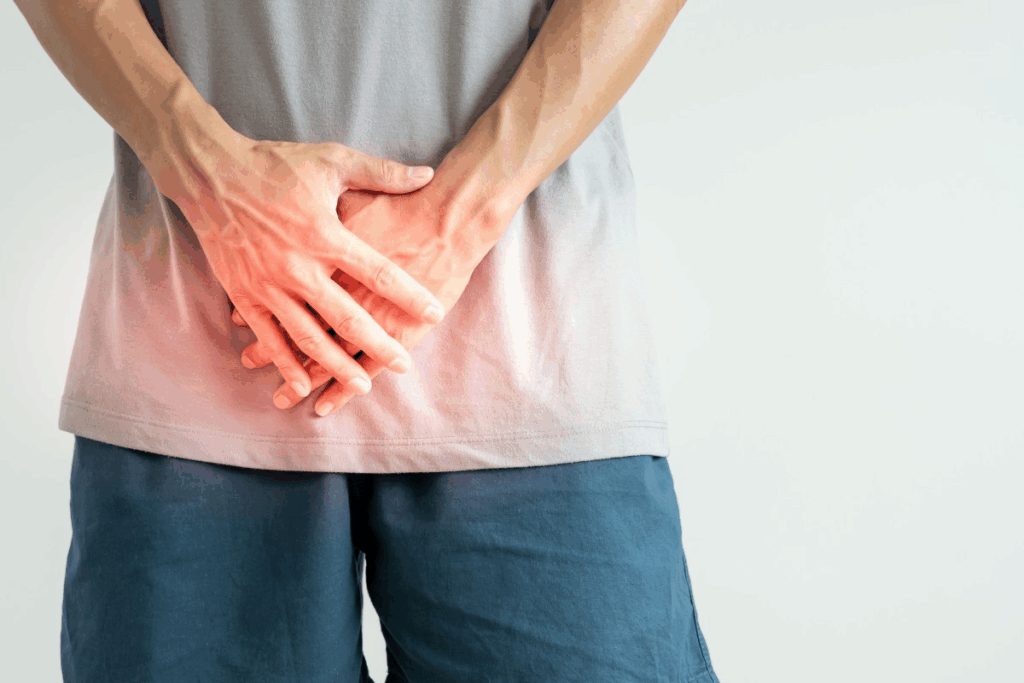
- Pain in the groin area
- Discomfort or pain in the tailbone region
- General pelvic discomfort
These symptoms can really affect our daily lives. It’s key to find and fix the causes of constipation and related pain.
Symptom | Description | Possible Cause |
Straining during bowel movements | Excessive effort to pass stools | Constipation, hard stools |
Feelings of incomplete evacuation | Sensation that bowel is not fully emptied | Constipation, pelvic floor dysfunction |
Pain in the groin area | Discomfort or pain in the groin | Referred pain from pelvic floor tension |
Tailbone pain | Pain or discomfort in the coccyx area | Pressure from impacted stool, pelvic floor tension |
Understanding Constipation Groin Discomfort: Causes and Mechanisms

To understand the link between constipation and groin discomfort, we need to look at the mechanisms involved. We’ll see how chronic constipation can cause pain in the groin area. This includes the role of pelvic floor muscles and the effects of stool buildup.
Defining Chronic Constipation
Chronic constipation means having bowel movements less than three times a week. It also includes hard or lumpy stools and trouble passing them. It’s a common condition that affects millions globally. We consider it chronic if you have fewer than three bowel movements a week, or if you strain, have hard stools, or feel like you’re not fully emptying your bowels.
The American Gastroenterological Association says, “Chronic constipation is a symptom-based diagnosis. It requires careful evaluation of bowel habits and symptoms.”
“Chronic constipation is not just about bowel habits; it’s a complex condition with many factors.”
How Stool Buildup Creates Pressure in the Pelvis
Stool buildup in the colon can put pressure on the pelvis. This pressure can spread to the groin, causing pain or discomfort. The buildup of stool in the rectosigmoid colon can press on nerves and blood vessels nearby.
The pressure from stool buildup can cause various symptoms. These include groin pain, hip pain, and lower back pain. We’ll explore how this pressure affects the pelvic floor muscles and leads to groin discomfort.
The Role of Pelvic Floor Muscles
The pelvic floor muscles are key to normal bowel function. They support the pelvic organs, like the rectum, and help stool pass. When these muscles don’t work right, it can cause constipation and symptoms like groin pain.
- The pelvic floor muscles support the pelvic organs.
- They help stool pass during bowel movements.
- When these muscles don’t work, it can lead to constipation and groin pain.
The connection between constipation and groin discomfort is complex. It involves stool buildup, pressure on the pelvis, and the role of pelvic floor muscles. By understanding these mechanisms, we can tackle the causes of groin discomfort linked to constipation.
Anatomical Explanation: Why Constipation Affects the Groin Area
We look into why constipation can cause pain in the groin. This is due to the complex anatomy of the pelvic region.
Proximity of Colon to Pelvic Structures
The colon is near many pelvic structures. This includes nerves and muscles. Constipation can put pressure on these, causing pain.
Referred Pain Patterns in the Pelvis
Referred pain happens when pain is felt in a different place than where it started. Constipation can cause this. It happens when stool buildup puts pressure on nearby areas, leading to pain in the groin or tailbone.
Anatomical Structure | Relation to Constipation | Potential Pain Area |
Colon | Distension due to stool buildup | Groin, Lower Abdomen |
Pelvic Floor Muscles | Tension and strain from constipation | Groin, Perineum |
Nerves (e.g., Pudendal Nerve) | Compression or irritation | Groin, Tailbone Area |
Tailbone Pain and Its Relationship to Constipation
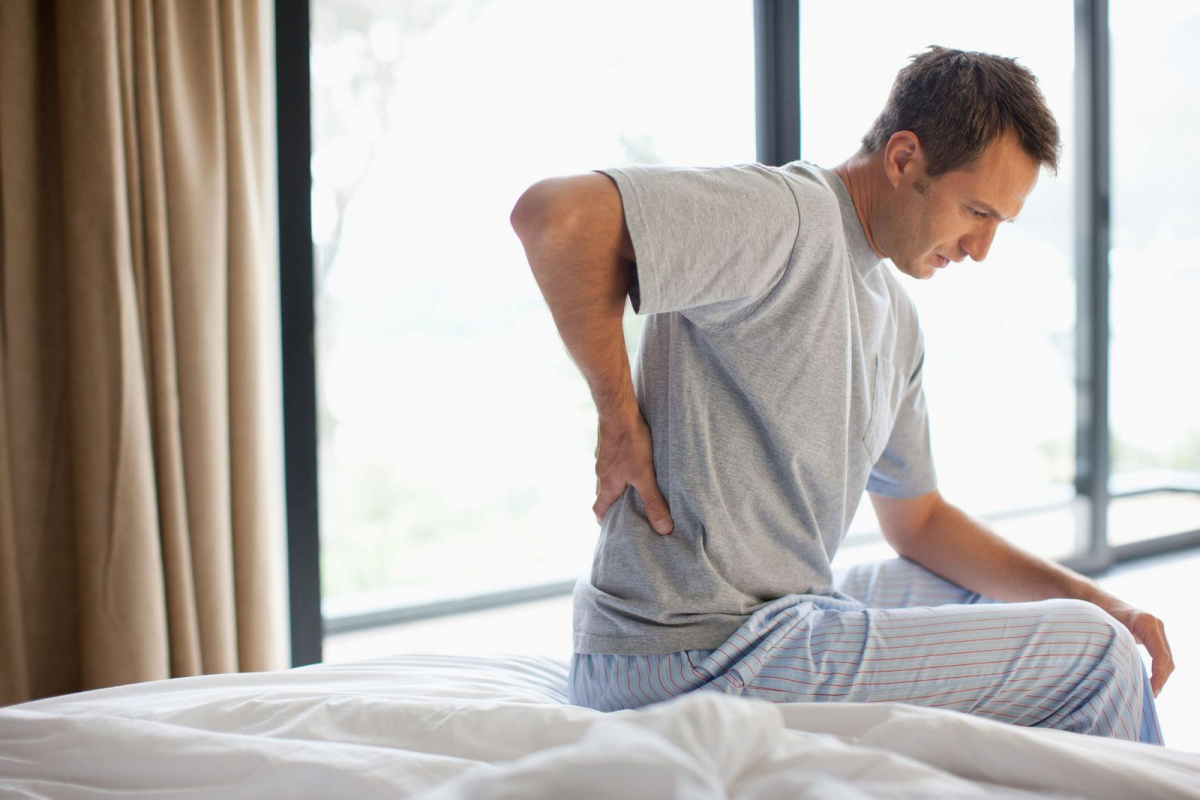
Tailbone pain, or coccydynia, can surprise people who have constipation. The tailbone, or coccyx, is at the spine’s bottom. It can cause a lot of pain. We’ll look at how constipation might cause tailbone pain and how to tell it apart from other pains.
How Impacted Stool Puts Pressure on the Coccyx
Constipation can make stool get stuck in the rectum. This puts a lot of pressure on the coccyx. The pressure can cause tailbone pain and discomfort.
The rectum is close to the coccyx. Stuck stool can irritate and inflame the tissues around it. Straining during bowel movements makes things worse. It increases pressure in the pelvic area, irritating the coccyx and muscles more.
This repeated strain and pressure can cause long-term pain in the tailbone area.
Distinguishing Constipation-Related Tailbone Pain from Other Causes
It’s important to figure out if tailbone pain comes from constipation or something else. Other reasons for tailbone pain include trauma, infection, or pain from other parts of the pelvis. To tell if constipation is the cause, look at these points:
- Do you have symptoms of constipation, like not going to the bathroom often or trouble passing stools?
- Does the pain happen when you’re constipated or get better after you go to the bathroom?
- Is the pain a dull ache or a sharp pain?
Healthcare providers can understand the cause of tailbone pain better. They can then plan the right treatment.
The Impact of Straining on Pelvic Floor Health
Straining during bowel movements puts extra pressure on our pelvic floor muscles. This can cause muscle tension and overactivity. It’s important to understand how straining affects our pelvic floor health.
Muscle Tension and Overactivity
When we strain, our pelvic floor muscles work harder. This can lead to tension and overactivity. It may cause discomfort or pain in the groin and tailbone areas. Pelvic floor dysfunction often results from chronic straining, affecting both men and women.
The pelvic floor muscles support our internal organs and help us stay continent. If these muscles become overactive from straining, it can cause pain during urination or bowel movements.
Long-Term Effects of Chronic Straining
Chronic straining can harm the pelvic floor over time. Muscle tension can lead to pelvic floor dysfunction. Symptoms include constipation, groin pain, and trouble emptying the bladder.
Symptom | Description | Relation to Straining |
Groin Pain | Pain or discomfort in the groin area | Directly related to straining and pelvic floor tension |
Tailbone Pain | Pain or discomfort in the coccyx area | Can be exacerbated by straining and poor posture |
Urinary Issues | Difficulty emptying the bladder or incontinence | Linked to pelvic floor dysfunction caused by chronic straining |
Pelvic Floor Dysfunction Development
Pelvic floor dysfunction occurs when the muscles and nerves in the pelvic floor don’t work right. Chronic straining is a big risk factor for this condition. Knowing the causes and effects of straining helps prevent pelvic floor dysfunction and keeps the pelvic area healthy.
To prevent constipation groin pain and other issues, we need a complete approach. This includes changing our diet, improving bowel habits, and doing pelvic floor exercises. By tackling the root causes of straining and pelvic floor dysfunction, we can enhance our quality of life.
Nerve Involvement: How Constipation Affects Pelvic Nerves
Constipation can have a big impact on our pelvic nerves. The way our bowel movements and nerves work together is complex. It’s important to understand this to manage pain and discomfort.
The Pudendal Nerve and Constipation
The pudendal nerve is key to pelvic function. It controls muscles and sends sensory info. Constipation can put pressure on this nerve, causing symptoms.
When stool builds up, it can press on the nerve. This can happen from the physical pressure or from straining during bowel movements. Straining can put more pressure on the nerve, making things worse.
Nerve Compression and Irritation Symptoms
Constipation can cause the pudendal nerve to compress or irritate. This can lead to pain in the pelvic area, groin discomfort, or tailbone pain. Some people might feel numbness, tingling, or a pins-and-needles feeling.
The pain’s severity can vary. It might be sharp or a dull ache. Knowing these symptoms is key to getting the right medical help.
Seeing the connection between constipation and nerve issues helps in finding treatments. By fixing constipation and easing nerve pressure, people can reduce pain and discomfort.
Medical Conditions That Link Constipation with Groin and Tailbone Pain
Medical issues like IBS and pelvic floor disorders can cause groin and tailbone pain in people with constipation. It’s important to know about these conditions to manage and treat them effectively.
Irritable Bowel Syndrome (IBS)
Irritable Bowel Syndrome (IBS) is a disorder that causes long-term stomach pain and changes in bowel movements. People with IBS often have constipation, which puts pressure on the pelvic floor and can cause pain in the groin and tailbone.
Research shows that IBS patients often feel pain in their pelvic area, including the groin and tailbone. This pain comes from the nerves and muscles in the pelvic floor being more sensitive.
“The complex interplay between bowel habits and pelvic pain in IBS patients necessitates a thorough treatment plan that tackles both stomach issues and pelvic floor problems.”
Pelvic Floor Disorders
Pelvic Floor Disorders (PFD) affect the muscles and ligaments that support the pelvic organs. Constipation is a common symptom of PFD, as straining during bowel movements can cause muscle tension and pain in the groin and tailbone.
Condition | Symptoms | Relation to Constipation |
Pelvic Organ Prolapse | Pelvic pressure, discomfort | Straining during bowel movements worsens symptoms |
Levator Ani Syndrome | Pain in the pelvic area, including groin and tailbone | Chronic constipation leads to muscle tension |
Endometriosis and Other Gynecological Conditions
Endometriosis is a condition where tissue like the uterine lining grows outside the uterus, causing pelvic pain that can spread to the groin and tailbone. It’s not directly caused by constipation but can make bowel habits worse and increase pelvic discomfort.
Other gynecological issues, like ovarian cysts and uterine fibroids, can also cause pelvic pain. These conditions, along with constipation, create a complex situation that needs a detailed treatment plan.
It’s key to understand the connection between constipation and groin and tailbone pain to create effective treatments. Healthcare providers can offer complete care by addressing the underlying conditions, helping to reduce symptoms and improve life quality.
Diagnosing the Source of Your Pain: When to See a Doctor
Finding the cause of pelvic pain can be tough. But it’s key to getting better. If you have ongoing pain in your groin or tailbone, figuring out if constipation is the main issue is important.
Distinguishing Constipation-Related Pain from Other Conditions
Constipation can really hurt, but its signs can look like other problems. It’s vital to know if your pain is from constipation or something else. For example, issues like irritable bowel syndrome (IBS), pelvic floor problems, or gynecological issues can seem similar.
To tell if your pain is from constipation, think about these things:
- How often and how bad your constipation is
- If you also have bloating or stomach pain
- When your pain happens in relation to going to the bathroom
- If your diet or lifestyle has changed recently
Diagnostic Tests and Procedures
When you see a doctor for ongoing pain, they will check you thoroughly. They might use:
- A physical exam to check for tenderness and muscle tightness
- Imaging like X-rays or MRI to see the pelvic area
- Endoscopy to look inside the colon
- Anorectal manometry to check the pelvic floor muscles
These tests help doctors find out why you’re in pain. If constipation is the problem, they can start treatments to help you feel better.
Seeing a doctor is important if your pain doesn’t go away or is very bad. Early diagnosis and treatment can make a big difference.
Treatment Approaches for Constipation-Related Pelvic Pain
Dealing with constipation-related pelvic pain needs a mix of diet changes, lifestyle tweaks, and specific treatments. It’s important to tackle this issue from all angles. This way, we can ease symptoms and get to the root of the problem.
Dietary and Lifestyle Modifications
Changing what you eat is key in managing constipation-related pelvic pain. Eating more fiber from fruits, veggies, and whole grains can make stool softer and help you go more regularly. Also, drinking enough water is vital to avoid constipation.
- Incorporate high-fiber foods into your diet
- Drink plenty of water throughout the day
- Establish a regular eating schedule
Making lifestyle changes is also important. Regular exercise can help move your bowels and boost your digestive health. Also, quickly responding to the urge to go and avoiding straining can ease pressure on your pelvic floor.
Medications and Supplements
If diet and lifestyle changes don’t work, you might need medication or supplements. Osmotic laxatives draw water into your bowel, making stool softer and easier to pass. Stool softeners make it simpler to go to the bathroom.
- Osmotic laxatives (e.g., polyethylene glycol)
- Stool softeners (e.g., docusate sodium)
- Probiotics to support gut health
Physical Therapy for the Pelvic Floor
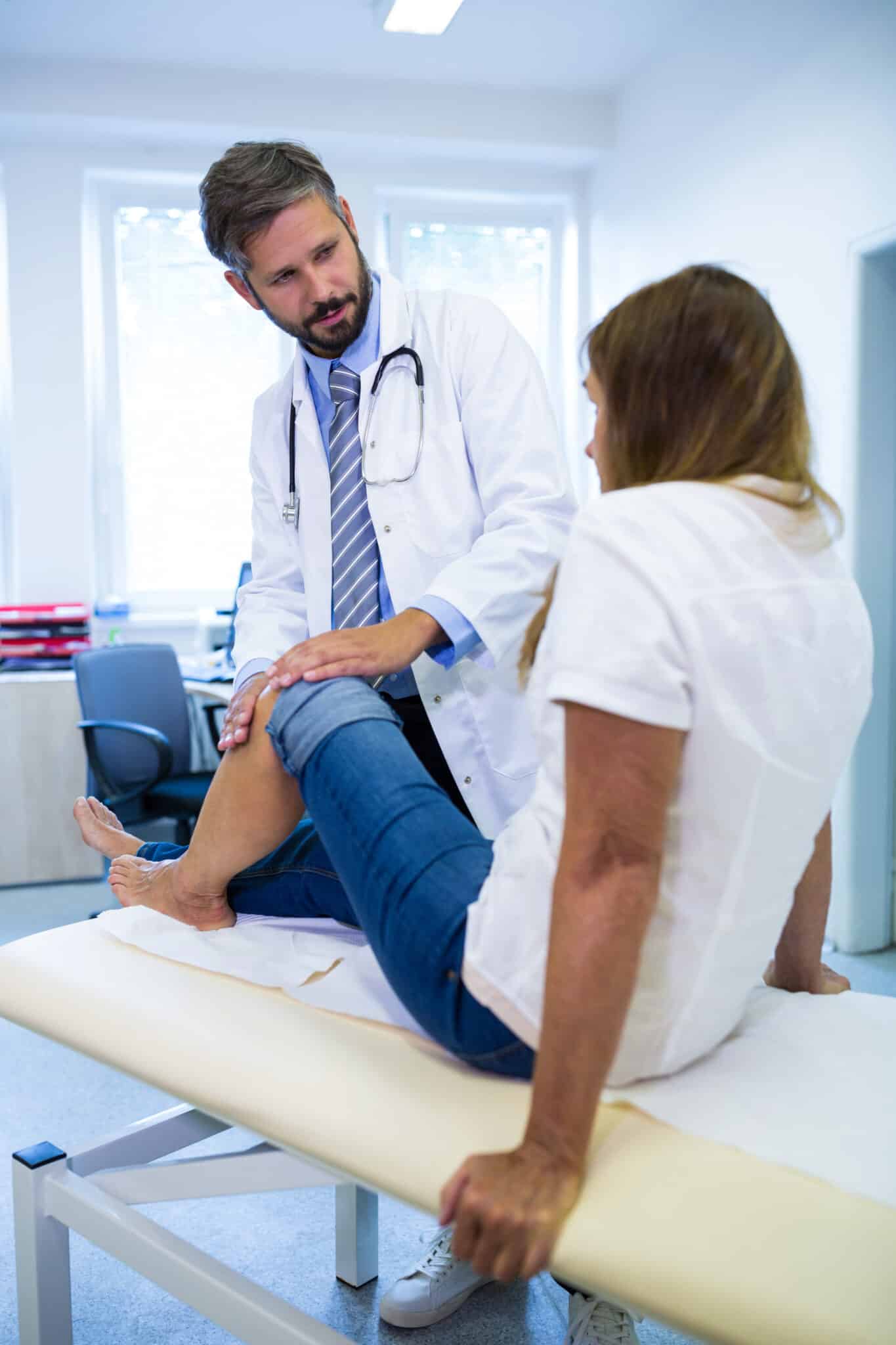
Physical therapy is a big help for constipation-related pelvic pain, mainly when pelvic floor issues are involved. Pelvic floor physical therapy can relax and strengthen pelvic floor muscles. This improves bowel movements and lessens pain.
A physical therapist who knows about pelvic health can give you exercises and techniques tailored to your needs. This might include biofeedback to help you control your pelvic floor muscles.
Prevention Strategies: Maintaining Bowel and Pelvic Health
Keeping your bowel and pelvic floor healthy is key to avoiding pain and discomfort. It’s important to make dietary changes, drink enough water, and stay active.
Optimal Fiber and Fluid Intake
Ensuring you get enough fiber and fluids is vital. Adequate fiber makes stool softer and bulkier, making it easier to pass. Drinking enough water helps move fiber through your system, preventing constipation.
Eat foods high in fiber like fruits, veggies, whole grains, and legumes. Aim for 25-30 grams of fiber daily. Also, drink 8-10 glasses of water a day. Your needs might change based on your activity level, climate, and health.
Food Group | Examples | Fiber Content (grams per serving) |
Fruits | Apples, Berries, Bananas | 3-4 |
Vegetables | Broccoli, Carrots, Spinach | 2-5 |
Whole Grains | Oats, Brown Rice, Whole Wheat Bread | 3-6 |
Legumes | Beans, Lentils, Peas | 5-8 |
Exercise and Movement Recommendations
Regular exercise is also key for bowel and pelvic health. It helps move your bowels and lowers constipation risk. It also strengthens your pelvic floor muscles, which support your organs and help with continence.
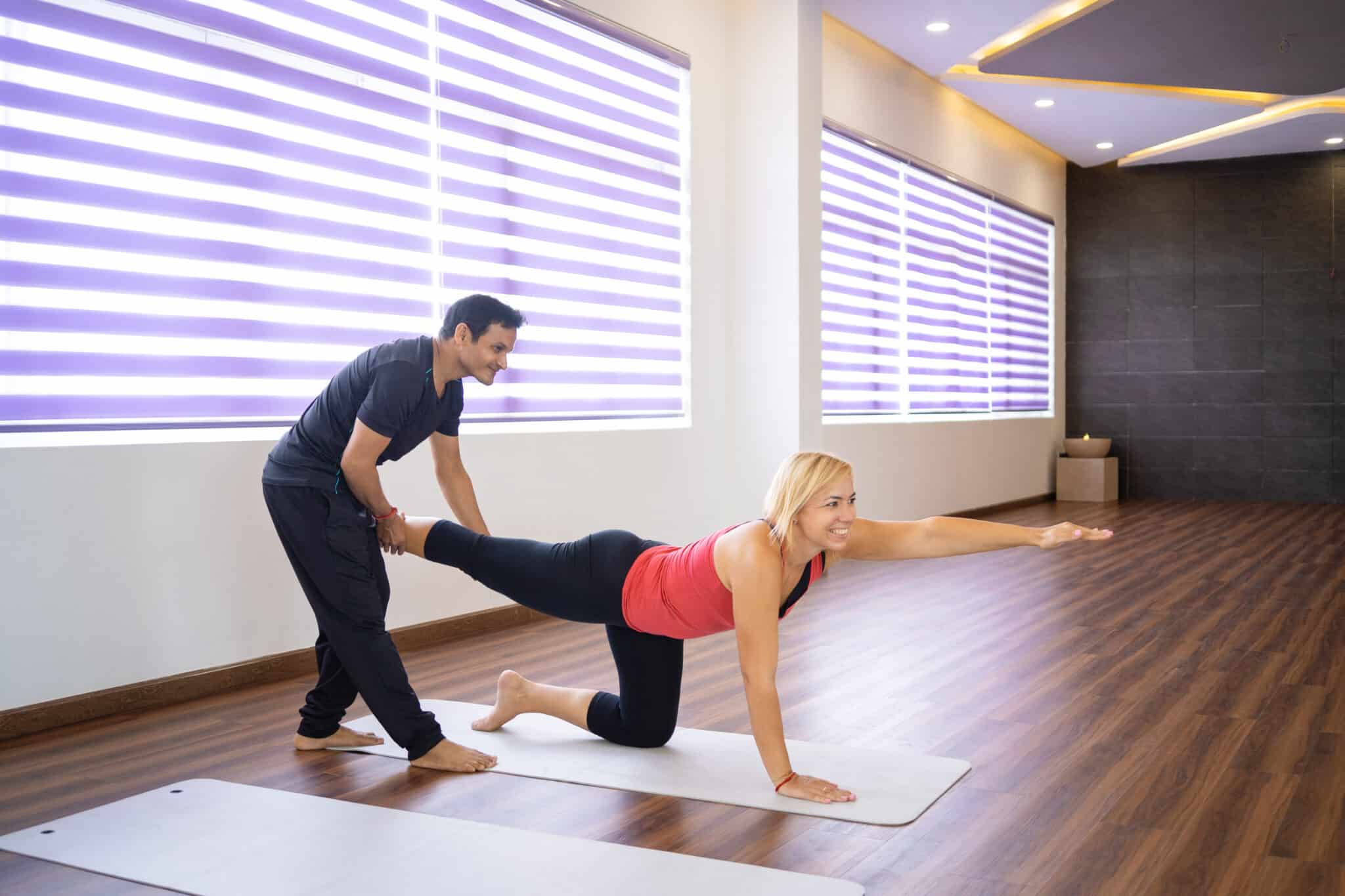
Include various exercises in your routine. Do aerobic activities like walking, cycling, or swimming. Also, do pelvic floor exercises (Kegels). For those with pelvic pain, yoga or Pilates can help. They improve flexibility and strength without too much strain.
By combining fiber and fluid intake with exercise, you can lower your risk of constipation and pelvic pain. These steps not only help your bowel and pelvic health but also boost your overall well-being.
Conclusion: Managing the Connection Between Constipation and Pelvic Pain
Understanding constipation and pelvic pain is key to managing pain. We’ve looked at how constipation can cause groin and tailbone pain. This shows the link between bowel function and pelvic pain.
To ease pelvic pain, managing constipation is essential. Changing your diet and lifestyle helps. This includes eating more fiber and staying hydrated, and exercising regularly. Sometimes, medication or supplements are needed. Physical therapy can also help relax tight pelvic muscles.
Combining different approaches can greatly reduce symptoms. It’s important to see a doctor to find the cause of pain. With the right care, you can lessen the effects of constipation on your pelvic area. This improves your overall health and well-being.
FAQ
Can constipation cause pain in the groin and tailbone areas?
Yes, constipation can cause pain in these areas. This is because stool buildup puts pressure on muscles and nerves.
How does constipation lead to groin discomfort?
Constipation leads to groin discomfort by causing stool buildup. This buildup creates pressure in the pelvis. It affects the pelvic floor muscles, causing pain and discomfort.
What is the role of pelvic floor muscles in maintaining normal bowel function?
Pelvic floor muscles support the rectum and help with bowel movements. Dysfunction of these muscles can lead to pain and discomfort.
Can constipation cause tailbone pain?
Yes, constipation can cause tailbone pain. This is because stool buildup puts pressure on the coccyx.
How can I distinguish constipation-related tailbone pain from other causes?
To tell if your pain is from constipation, see a healthcare professional. They will look at your symptoms and medical history. They may also do tests to find the cause of your pain.
What are the symptoms of nerve compression and irritation caused by constipation?
Symptoms include pain, numbness, tingling, and discomfort in the groin and tailbone. You may also have trouble with bowel movements.
Can irritable bowel syndrome (IBS) contribute to groin and tailbone pain?
Yes, IBS can cause groin and tailbone pain. It can lead to chronic constipation, abdominal pain, and changes in bowel movements. This can cause pelvic floor dysfunction and pain.
What are the treatment options for constipation-related pelvic pain?
Treatment options include dietary and lifestyle changes, medications, and physical therapy for the pelvic floor. A good treatment plan can help address the pain’s causes.
How can I prevent constipation-related pelvic pain?
To prevent pain, maintain good fiber and fluid intake. Exercise regularly and practice good bowel habits. This supports pelvic floor health.
When should I seek medical attention for constipation-related pain?
Seek medical attention if your symptoms don’t get better or get worse. If you have severe pain, trouble with bowel movements, or other concerning symptoms, get help.
Can constipation cause coccyx pain?
Yes, constipation can cause coccyx pain. This is because stool buildup puts pressure on the coccyx.
Does constipation cause hip pain?
Constipation itself doesn’t directly cause hip pain. But it can lead to pelvic floor dysfunction. This may cause pain in the hip and surrounding areas.
Can constipation cause pain in the tailbone and gas?
Yes, constipation can cause pain in the tailbone and gas. This is due to stool buildup in the rectum. It puts pressure on the coccyx, leading to discomfort and pain.
References
National Center for Biotechnology Information. Evidence-Based Medical Guidance. Retrieved from https://www.ncbi.nlm.nih.gov/pmc/articles/PMC7226799/