Do you have pelvic pain, need to pee all the time, or feel uncomfortable during sex? You might have hypertonic pelvic floor. This problem affects millions of people around the world.
The pelvic floor muscles and tissues are key. They support your pelvic organs. They help control your bladder and bowel and are important for sex. When these muscles get too tight, it can cause a lot of discomfort.
At Liv Hospital, we know how hard tight pelvic floor muscles can be. We’re here to help you with care that’s both kind and based on science.
Key Takeaways
- Hypertonic pelvic muscles can cause significant discomfort and impact daily life.
- The condition is characterized by excessive tension in the pelvic floor.
- Understanding the causes and symptoms is key for effective treatment.
- Liv Hospital offers a patient-centered approach to treating tight pelvic floor muscles.
- Evidence-based, multidisciplinary treatment options are available.
Understanding Hypertonic Pelvic Muscles
Hypertonic pelvic floor muscles are when the muscles are too tight and don’t relax right. This can cause many symptoms that make life harder.
What Are Hypertonic Pelvic Muscles?
Hypertonic pelvic muscles happen when the pelvic floor muscles are too tight. They don’t relax right, leading to pain and discomfort in the pelvic area. This can make daily activities tough.
Usually, muscles contract and then relax. For the pelvic floor to work right, one needs to be able to tighten (contract) the muscles and fully release (relax) them. But when the pelvic floor muscles are hypertonic, this balance is lost.
How the Pelvic Floor Functions Normally
The pelvic floor muscles are key in supporting the body’s internal organs. They help with urination and bowel movements and improve sexual function. When these muscles work right, they support and control as needed.
A healthy pelvic floor can relax and contract muscles as needed. This is key for staying continent, enjoying sex, and keeping the pelvic area healthy.
Prevalence and Demographics
About 1 in 10 people have hypertonic pelvic floor muscles, but many don’t get diagnosed because symptoms can be similar to other issues. Both men and women can get it, and it can happen at any age.
Knowing how common hypertonic pelvic floor muscles are helps spread awareness and get people treated early. It’s vital for doctors to spot the signs and symptoms to give the right care.
Common Symptoms and Signs of Pelvic Floor Hypertension

The symptoms of hypertonic pelvic floor muscles can vary a lot. They can affect many parts of your health. It’s important to know these symptoms to get the right treatment and improve your life.
Physical Symptoms: Pain and Pressure
People with hypertonic pelvic floor muscles often feel pain in their pelvis, lower back, or hips. This pain can be there all the time or only when you do certain things.
Common physical symptoms include:
- Pelvic pressure or heaviness
- Pain when sitting or standing for a long time
- Discomfort in the lower abdomen or pelvic area
Urinary and Bowel Dysfunction
Hypertonic pelvic floor muscles can cause problems with urination and bowel movements. You might have trouble starting to pee, a slow pee stream, or feel like you need to pee a lot.
With bowel movements, you might have trouble going, feel like you’re not fully emptying your bowel, or have constipation.
Symptom Category | Common Symptoms |
Urinary Dysfunction | Urinary urgency, frequency, slow urine stream |
Bowel Dysfunction | Constipation, straining during bowel movements, incomplete emptying |
Sexual Discomfort and Dysfunction
Sexual problems are common in people with hypertonic pelvic floor muscles. You might feel pain during sex, not enjoy sex as much, or have trouble reaching orgasm.
To fix these issues, you need a plan that includes seeing a doctor, making lifestyle changes, and trying specific treatments.
What Causes Hypertonic Pelvic Floor?
Hypertonic pelvic floor has many causes. These include physical, psychological, and medical factors. Knowing these causes helps in finding the right treatment.
Physical Factors: Trauma and Posture
Physical trauma, like accidents or surgeries, can cause hypertonic pelvic floor. For example, pelvic surgeries or childbirth issues can harm the pelvic area. This harm leads to muscle tightness.
Long hours of sitting with bad posture also strain the pelvic muscles. This strain can make the muscles tight.
Poor posture, whether sitting or standing, can lead to muscle tension in the pelvic floor. If not treated, this tension can become chronic, causing hypertonicity.
Psychological Factors: Stress and Anxiety
Stress and anxiety are big factors in hypertonic pelvic floor. Stress makes our body tense up, including the pelvic muscles. This tension can make the muscles too tight.
When stressed, we might clench our jaws or shoulders. Many people unknowingly tense their pelvic muscles too. This habit can lead to hypertonic pelvic floor.
Medical Conditions and Surgeries
Some medical conditions and surgeries can also cause hypertonic pelvic floor. For example, endometriosis or interstitial cystitis can cause pain and inflammation. This pain can lead to muscle tension.
Surgeries like hysterectomies or prostate surgeries can also cause hypertonic pelvic floor. This is due to the trauma and healing process after surgery.
Habitual Muscle Tension Patterns
Habitual muscle tension patterns can also cause hypertonic pelvic floor. These patterns can come from lifestyle, job, or past traumas.
Jobs that require heavy lifting or standing for long periods can cause chronic tension. Athletes or those who do high-impact activities are also at risk.
It’s important to recognize and address these tension patterns. This is key to managing hypertonic pelvic floor.
Diagnosing Pelvic Floor Tension
To find out if you have hypertonic pelvic floor muscles, doctors use different methods. They look at your medical history and do special tests to check for pelvic floor tension.
Medical Evaluation Process
The first step is talking about your symptoms and doing a physical check. Doctors will ask about your symptoms and check your muscles. They look for any tightness or pain.
They might use palpation to feel your pelvic floor muscles. This helps them see if the muscles are tight or sore.
Specialized Diagnostic Tests
Doctors might also use special tests to check for pelvic floor tension. These tests help confirm the diagnosis and rule out other problems.
- Electromyography (EMG): Measures the electrical activity of the pelvic floor muscles.
- Urodynamic tests: Assess bladder function and can help identify urinary symptoms related to pelvic floor tension.
- Defecography: An imaging test that evaluates the function of the pelvic floor during defecation.
Diagnostic Test | Purpose |
Electromyography (EMG) | Measures electrical activity of pelvic floor muscles |
Urodynamic tests | Assesses bladder function and urinary symptoms |
Defecography | Evaluates pelvic floor function during defecation |
Differentiating from Other Pelvic Conditions
It’s important to tell the difference between pelvic floor tension and other pelvic issues. Conditions like pelvic organ prolapse, interstitial cystitis, and chronic prostatitis can have similar symptoms.
A detailed check helps doctors figure out what you really have. Then, they can plan the right treatment for you.
Self-Assessment and Awareness Techniques
To manage hypertonic pelvic floor, knowing your body’s signs is key. Being aware of these signals lets you act early to find relief.
Recognizing Warning Signs in Your Body
It’s important to spot the signs of hypertonic pelvic floor muscles. Look out for persistent pelvic pain, urinary urgency, and discomfort during sexual activity. Knowing these symptoms helps you know when to seek help.
- Watch for any unusual pelvic pain or pressure.
- Notice any changes in how you urinate or have bowel movements.
- Be aware of any discomfort during intimacy.
Simple At-Home Assessment Methods
There are easy ways to check your pelvic floor tension at home. Diaphragmatic breathing exercises can relax these muscles. Also, paying attention to your posture and daily activities can reveal what might be causing tension.
- Try diaphragmatic breathing to relax your pelvic floor.
- Check your posture during daily activities.
- Do gentle stretches to improve flexibility.
Tracking Symptoms and Triggers
Tracking your symptoms and what triggers them can help you understand your condition better. Keeping a symptom journal is a good way to see patterns and changes over time.
- Write down your symptoms every day.
- Mark any factors that seem to make symptoms better or worse.
- Talk to your healthcare provider about what you’ve found.
By using these self-assessment and awareness methods daily, you can manage hypertonic pelvic floor muscles better. This can improve your overall health and well-being.
Relaxation Techniques for Hypertonic Pelvic Muscles
To manage hypertonic pelvic floor muscles, using specific relaxation techniques is key. These methods can help ease symptoms, making you feel more comfortable and functional.
Diaphragmatic Breathing Exercises
Diaphragmatic breathing, or deep belly breathing, calms the nervous system and relaxes the pelvic floor. It focuses on expanding the diaphragm, not shallow chest breathing. This reduces muscle tension.
To do it, lie on your back with knees bent. Place one hand on your belly and the other on your chest. Breathe in deeply through your nose, letting your belly rise while your chest stays steady.
Progressive Muscle Relaxation Protocol
Progressive muscle relaxation (PMR) involves tensing and relaxing muscles to release tension. It starts with the toes and goes up to the head. PMR helps relax tense muscles, including those in the pelvic floor.
Practicing PMR regularly can lead to overall relaxation and less muscle tension.
Mindfulness and Body Scanning Practices
Mindfulness, including body scanning, helps relax and reduce pelvic floor muscle tension. Body scanning is done by lying down or sitting comfortably. You focus on each body part, starting from the toes and moving up to the head.
This practice helps find and release tension, promoting relaxation.
Gentle Pelvic Floor Drops and Releases
Gentle pelvic floor drops and releases relax and lengthen the pelvic floor muscles. These exercises involve controlled contractions and releases. Regular practice can reduce muscle tension and improve function.
Start slowly and gently to avoid making things worse.
By adding these relaxation techniques to your daily routine, you can find relief from hypertonic pelvic floor muscle symptoms. This can greatly improve your quality of life.
Effective Stretches and Exercises for Relief
Gentle stretches and exercises can help reduce pelvic tension. They improve pelvic floor health. Adding these to your daily routine can ease symptoms of hypertonic pelvic floor muscles.
Gentle Pelvic Floor and Hip Stretches
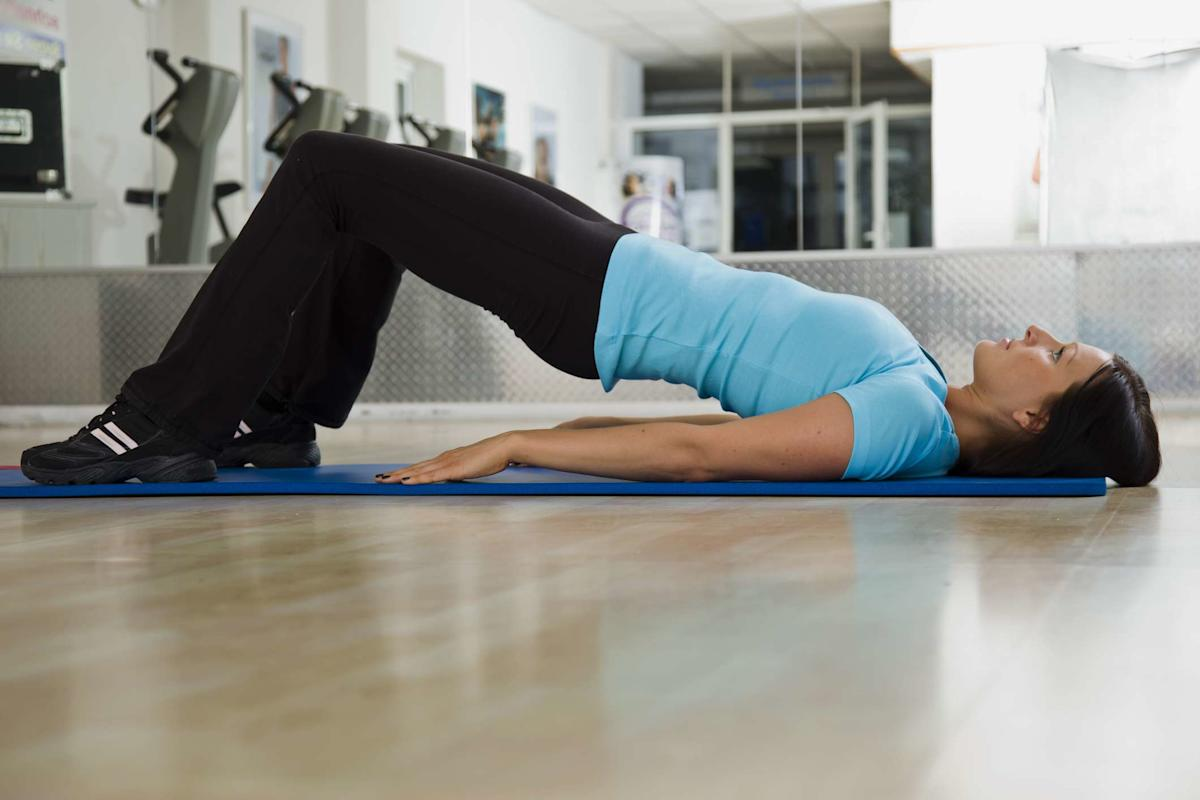
Gentle stretching can ease pelvic floor muscle tension. Pelvic tilts are a simple exercise. Lie on your back with knees bent and feet flat. Tilt your pelvis upwards and then back down, repeating several times.
The kneeling hip flexor stretch is also beneficial. Kneel on one knee with the other foot in front. This stretch reduces hip flexor tension, linked to the pelvic floor.
Beneficial Yoga Poses for Pelvic Tension
Certain yoga poses can ease pelvic tension. Child’s Pose is a gentle stretch for the pelvic floor. Kneel on the mat, sit back onto your heels, stretch your arms out, and lower your forehead to the ground.
Cat-Cow Pose is another helpful pose. It involves arching and rounding your back slowly. This promotes flexibility and relaxation in the pelvic area.
Core Strengthening with Proper Technique
Core strengthening exercises support the pelvic floor muscles. Engaging your core means activating the transverse abdominis muscle. This muscle wraps around the spine and pelvis.
Try planks or bridging exercises to strengthen your core. Do these exercises with proper technique to avoid straining the pelvic floor.
Movement Patterns to Avoid
Some movements can worsen pelvic tension. Avoid heavy lifting or bending at the waist. These actions strain the pelvic floor muscles.
Also, avoid high-impact activities like running or jumping. These can jar the pelvic floor. Instead, choose low-impact exercises like swimming or cycling, which are gentler on the pelvic floor.
Professional Treatment Options
If you’re dealing with ongoing pelvic floor tension, there are many professional treatments that can help. When simple methods don’t work, doctors and therapists have other ways to ease tight muscles.
Pelvic Floor Physical Therapy Approaches
Pelvic floor physical therapy is a top choice for treating tight pelvic muscles. It uses manual techniques like trigger point release to loosen muscles. A therapist will create a plan just for you, which might include:
- Relaxation techniques
- Stretching exercises
- Strengthening exercises
- Biofeedback training
Biofeedback Training Methods
Biofeedback training helps you learn to control your pelvic floor muscle tension. It uses sensors to show you how tense your muscles are. This way, you can adjust your muscle activity. It’s often paired with pelvic floor physical therapy.
Manual Therapy and Myofascial Release
Manual therapy, like myofascial release, is a hands-on method for treating tight muscles. It involves applying gentle pressure to the tissue to ease pain and improve movement. It’s great for those with scar tissue or severe muscle tightness.
Medical Interventions: When and What to Consider
At times, medical treatments are needed for tight pelvic muscles. These might include:
- Muscle relaxants to reduce muscle tension
- Botox injections to temporarily relax the muscles
- Nerve blocks to interrupt pain signals
It’s key to talk to a healthcare provider to find the best treatment for you. They’ll consider your specific needs and the reasons behind your pelvic floor tension.
Lifestyle Modifications to Reduce Pelvic Tension
Making lifestyle changes is key to managing pelvic tension. Simple daily changes can help ease symptoms of tight pelvic floor muscles.
Posture Improvements for Daily Activities
Good posture is vital to avoid straining the pelvic floor muscles. Be mindful of your posture when sitting, standing, and lifting. Here are some tips:
- Stand tall: Keep your shoulders back, engage your core, and stand evenly on both feet.
- Sit correctly: Use a chair with lumbar support, feet flat on the floor, and avoid crossing legs.
- Lift safely: Bend at the knees, keep the object close, and lift with leg muscles, not your back.
Dietary Considerations and Hydration
Diet and hydration are important for pelvic floor health. A fiber-rich diet helps prevent constipation, which can worsen pelvic tension. We recommend:
- Eating a high-fiber diet: Include fruits, vegetables, and whole grains in your meals.
- Staying hydrated: Drink enough water to prevent constipation and keep your pelvis healthy.
- Avoiding irritants: Limit foods and drinks that can irritate the bladder, like caffeine and spicy foods.
Stress Management Strategies
Stress can make pelvic floor tension worse. Effective stress management is key. Some helpful strategies include:
- Meditation and mindfulness: Use mindfulness or meditation to lower stress.
- Deep breathing exercises: Practice diaphragmatic breathing to relax and reduce muscle tension.
- Physical activity: Regular exercise can reduce stress and improve well-being.
Sleep Optimization Techniques
Good sleep is essential for pelvic floor health. Poor sleep can make muscle tension worse. To sleep better:
- Establish a bedtime routine: Have a calming routine before bed to signal it’s time to sleep.
- Create a sleep-conducive environment: Make your bedroom dark, quiet, and comfortable.
- Avoid pre-bedtime stimulants: Avoid screens and stimulating activities before bed.
By making these lifestyle changes, you can reduce pelvic tension and improve your life quality.
Conclusion
Managing hypertonic pelvic muscles needs a full approach. This includes relaxation, stretches, professional help, and lifestyle changes. These steps help people deal with hypertonic pelvic floor muscles well.
We’ve looked into hypertonic pelvic floor muscles. We’ve talked about what causes them, their symptoms, and how to treat them. To manage them, it’s important to use a mix of self-care, relaxation, and professional advice.
Dealing with hypertonic pelvic floor is a journey. It takes time, awareness, and a readiness to change. By starting to make changes, people can live better and feel less pain from hypertonic pelvic floor muscles.
FAQ
What are hypertonic pelvic muscles?
Hypertonic pelvic muscles are when the muscles in the pelvic area are too tight. They don’t relax right, causing discomfort.
What causes hypertonic pelvic floor?
Several things can cause hypertonic pelvic floor. This includes physical injuries, stress, some health issues, and muscle tension habits.
What are the symptoms of hypertonic pelvic floor muscles?
Symptoms include pain in the pelvic area, painful sex, issues with urination, and bowel problems. These can really affect your life.
How is hypertonic pelvic floor diagnosed?
Doctors use various tests to diagnose hypertonic pelvic floor. They check the muscles and rule out other conditions.
What relaxation techniques can help alleviate hypertonic pelvic floor symptoms?
Techniques like deep breathing, muscle relaxation, mindfulness, and gentle pelvic floor exercises can help relax the muscles.
Are there specific stretches and exercises that can provide relief from hypertonic pelvic floor muscles?
Yes, gentle stretches, yoga, and core exercises can help. But do them correctly to avoid making things worse.
What professional treatment options are available for hypertonic pelvic floor muscles?
Treatments include physical therapy, biofeedback, manual therapy, and sometimes medication. The choice depends on the severity and cause.
How can lifestyle modifications help manage hypertonic pelvic floor muscles?
Making changes like improving posture, eating right, managing stress, and getting enough sleep can help a lot.
Can hypertonic pelvic floor muscles be managed at home?
Yes, you can manage it at home. Recognize signs, use simple tests, track your symptoms, and try relaxation techniques.
What is the importance of self-assessment and awareness in managing hypertonic pelvic floor muscles?
Knowing your body and recognizing signs is key. It helps you get the right treatment and make lifestyle changes.
Reference
National Center for Biotechnology Information. Evidence-Based Medical Guidance. Retrieved from https://www.ncbi.nlm.nih.gov/books/NBK559246/



 Departments
 Related Videos
 Our Doctors
 News
News