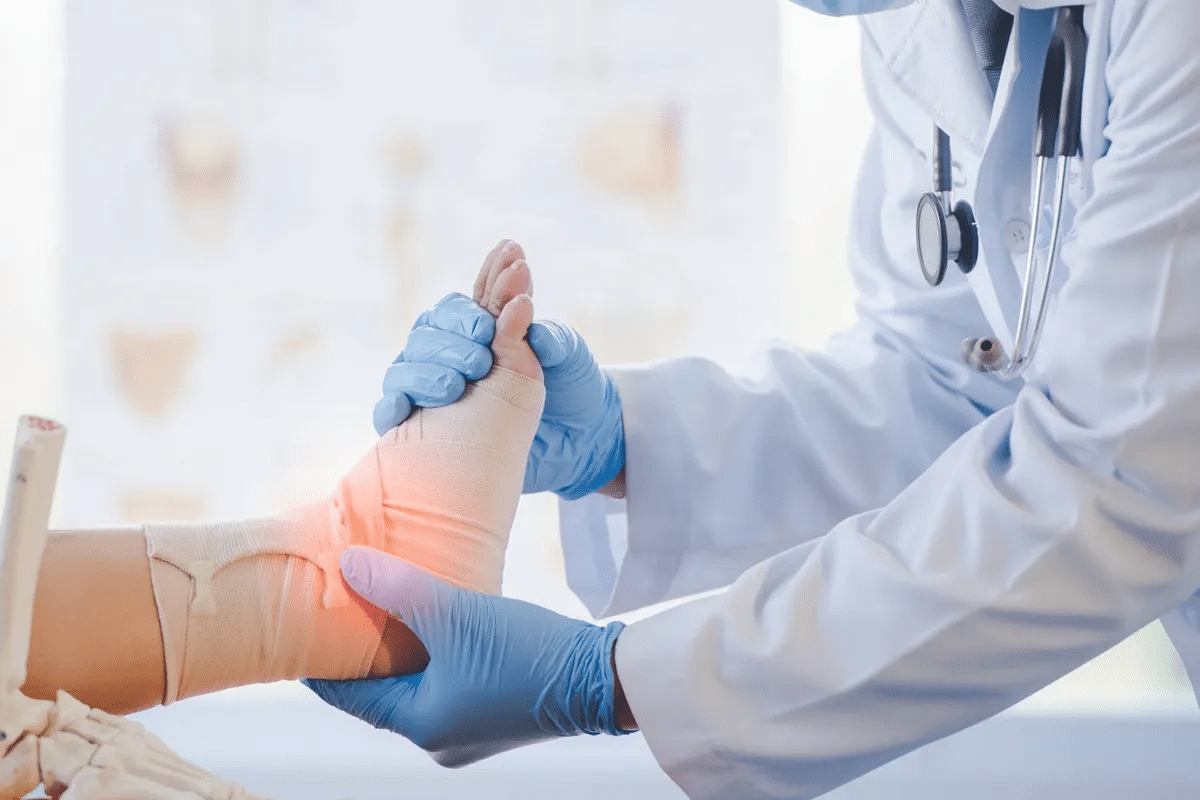
Gout attacks can be very painful. Colchicine is a proven, FDA-approved treatment when used right. Knowing the right dosage is key for best results and fewer side effects how many days can you take colchicine.
Colchicine helps prevent or treat gout attacks. Gout happens when too much uric acid builds up in the blood. This causes inflammation in a joint, leading to pain, redness, swelling, and heat.
At Liv Hospital, we give patients the right info to manage their gout. The usual dosage for treating an acute gout attack is 1.2 mg at the first sign of symptoms. Then, take 0.6 mg one hour later. The total dose should not exceed 1.8 mg in one hour.
Key Takeaways
- Colchicine is an FDA-approved medication for treating acute gout flares and preventing future episodes.
- The standard dosage for an acute gout attack is 1.2 mg initially, followed by 0.6 mg one hour later.
- Understanding the proper dosage is key for best results and fewer side effects.
- Colchicine has been used for centuries to treat gout, a type of arthritis with sudden, severe attacks.
- Liv Hospital is dedicated to providing accurate medical information for effective condition management.
Understanding Colchicine and Its Role in Gout Treatment
Colchicine has greatly improved gout management. It’s known for reducing gout symptoms. Let’s explore how it works and its role in treating gout.
What Is Colchicine?
Colchicine is an anti-inflammatory drug used for centuries to treat gout. It comes from the plant Colchicum autumnale, also known as the autumn crocus. Unlike other anti-inflammatory drugs, colchicine targets gout inflammation, making it a key treatment.
How Colchicine Works Against Gout
Colchicine inhibits microtubule polymerization, reducing gout inflammation. It stops cytoskeletal functions by blocking β-tubulin polymerization into microtubules. This action stops neutrophils, white blood cells, from causing gout symptoms. By reducing inflammation, colchicine eases gout pain and swelling.
FDA Approval Status
Colchicine has been used for gout treatment for a long time. Its FDA approval status has changed. In 2009, the FDA approved a specific colchicine product (Colcrys) for treating acute gout flares and preventing future attacks. This approval standardized colchicine dosage and manufacturing.
Recommended Dosage for Acute Gout Attacks
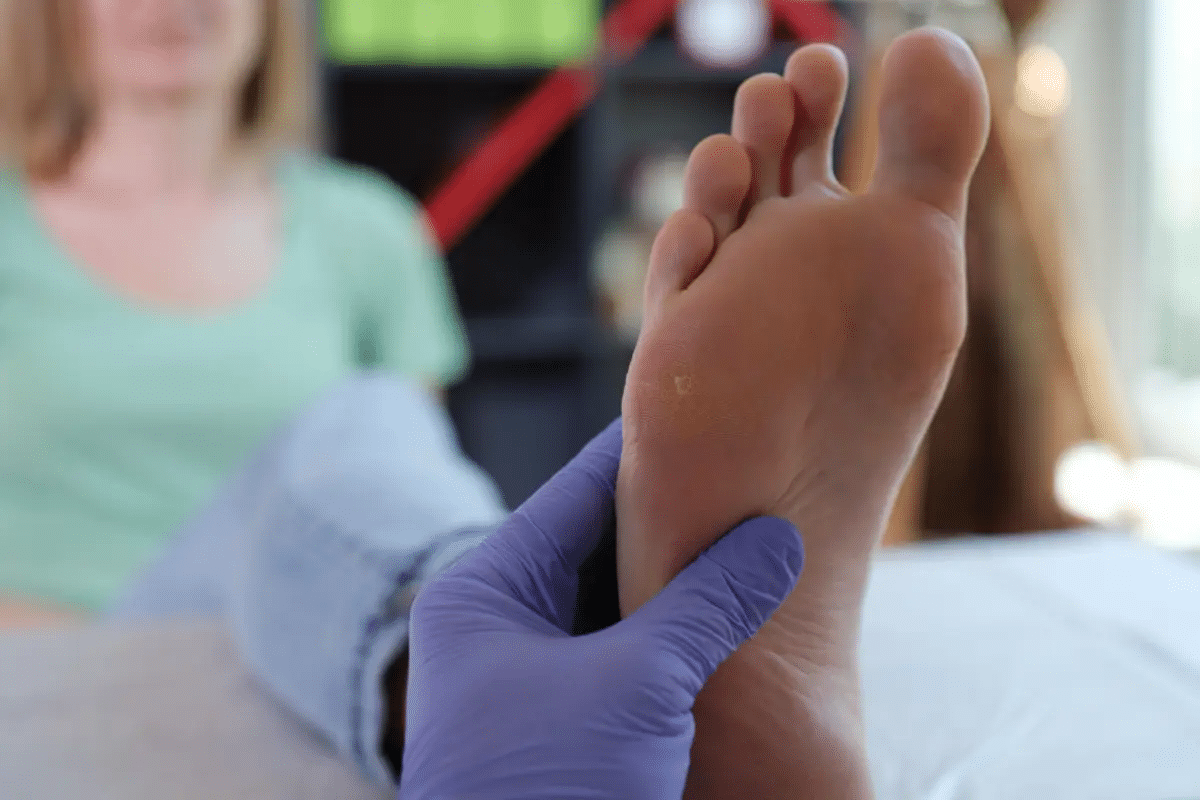
For acute gout attacks, the recommended colchicine dosage is designed to provide quick and effective relief. Understanding the appropriate dosage is key. It helps maximize the benefits of colchicine while minimizing side effects.
Standard Initial Dose
The standard initial dose of colchicine for an acute gout attack is 1.2 mg. It should be taken at the first sign of a gout flare-up. This dose is critical for starting the treatment effectively.
Follow-up Dosing
After the initial dose, a follow-up dose of 0.6 mg is recommended one hour later. This helps achieve the optimal therapeutic effect.
Maximum Dosage Limitations
The total dosage for an acute gout attack should not exceed 1.8 mg over a 1-hour period. Sticking to this maximum dosage is essential for safety.
The recommended dosage regimen for acute gout attacks with colchicine is 1.2 mg initially, followed by 0.6 mg one hour later. This regimen is backed by clinical data and guidelines. For adults, the dose is usually 1.8 mg over a 1-hour period. It’s important to follow this dosing regimen to achieve the best outcomes while minimizing the risk of side effects.
Colchicine Dosage for Gout Prevention
Colchicine is used not just to treat gout attacks but also to prevent them. For people with frequent gout, knowing the right dose is key. We’ll cover the best preventive dosing and what to consider.
Daily Preventive Dosing
The usual dose for prevention is 0.6 mg. It can be taken once or twice a day. This is much less than what’s used for treating attacks.
Single vs. Twice Daily Regimens
Whether to take colchicine once or twice a day depends on how well it works for you. Some people need it twice a day to control symptoms. Others find one dose a day enough.
Maximum Daily Preventive Dose
The highest safe dose for prevention is 1.2 mg a day. Taking more doesn’t help and can cause side effects. Always talk to a doctor to find the right dose for you.
How Many Days Can You Take Colchicine for Gout?
The time you can take colchicine for gout varies. It depends on your kidney function. Knowing this is key for safe treatment.
Duration for Acute Flare Treatment
For sudden gout attacks, you start with a high dose of colchicine. Then, you take a lower dose. The treatment lasts only as long as needed to avoid side effects.
It’s vital to stick to the dosage your doctor gives you. This helps prevent overdose and bad reactions. Always follow the treatment plan given to you.
Minimum Waiting Period Between Treatment Courses
If you have normal kidneys, you can’t take gout treatment more than every 3 days. If your kidneys aren’t working well, wait 2 weeks before taking it again.
Those with very bad kidney problems need extra care. They should not take treatment more than once every 2 weeks. If you need to take it again, your doctor might suggest a different treatment.
Special Considerations for Patients with Kidney Disease
Kidney disease changes how colchicine works. People with kidney problems are more likely to have side effects because their bodies clear the drug slower.
- If you have mild to moderate kidney disease, your doctor might adjust your dose.
- Those with severe kidney disease need careful treatment and might not take it as often.
- It’s important to watch your kidney function while taking colchicine, even if you already have kidney disease.
By understanding these points and following the guidelines, you can safely use colchicine to manage your gout.
Understanding Colchicine Formulations and Strengths
Colchicine comes in many forms to fit each patient’s needs. You can find it in tablets, capsules, and oral solutions. This variety lets doctors pick the best option for their patients.
Common 500 mcg (0.5 mg) Tablets
Colchicine tablets come in 0.5 mg and 0.6 mg. The 0.5 mg tablet is the same as 500 mcg. These are used for treating gout attacks and preventing them. Different strengths mean doctors can adjust the dose as needed.
Calculating Tablet Quantities for Proper Dosing
It’s important to figure out the right number of tablets for the dose. For example, if a patient needs 1.2 mg for an attack, and the tablets are 0.6 mg, they need two tablets. Knowing the tablet strength and dose is key for correct use.
Available Brand and Generic Options
Colchicine is sold under different names and as generics. For example, Colcrys is a brand of 0.6 mg tablets. Generics are cheaper, which can help patients stick to their treatment. Both brands and generics come in various strengths, giving doctors more options.
Always talk to a healthcare provider to find the right colchicine for you. They can help choose the best formulation and strength for your treatment.
Step-by-Step Guide: Taking Colchicine for an Acute Gout Attack
Knowing how to take colchicine is key to easing gout pain and better living. When you have a gout attack, following a specific plan is important. This helps the medicine work best.
Recognizing When to Start Treatment
Start colchicine as soon as you feel a gout attack coming on. Early treatment helps lessen pain and shortens the attack. Know your body’s early signs, like sudden joint pain or swelling, and keep your medicine ready.
Proper Administration Timing
For the best results, take the first dose of 1.2 mg right when symptoms start. Then, take another 0.6 mg dose an hour later. Sticking to this schedule is vital for the medicine to work well.
Administration Guidelines:
|
Time |
Dose |
Action |
|---|---|---|
|
Initial |
1.2 mg |
Take at the first sign of gout attack |
|
1 hour after initial dose |
0.6 mg |
Take as directed |
Monitoring Response and Side Effects
After taking colchicine, keep an eye on how you feel and any side effects. You might experience stomach issues like nausea or diarrhea. If side effects are bad or symptoms don’t go away, talk to your doctor.
By following this guide, you can manage your gout with colchicine. This reduces pain and boosts your health and happiness.
Medical Supervision Requirements for Colchicine Use
To get the most out of colchicine, you need a doctor’s watchful eye. Taking colchicine for gout means you’ll see a doctor often. They’ll tweak your dose, handle side effects, and check if it’s working.
Initial Prescription and Dosage Determination
Before you start colchicine, a doctor will check you out. They’ll look at your health history, current health, and other meds you’re taking. This helps avoid bad reactions with other drugs.
Key factors considered during initial prescription:
- Patient’s overall health and medical history
- Presence of kidney or liver disease
- Concurrent medications that may interact with colchicine
- Previous experience with colchicine or other gout treatments
Follow-up Monitoring Schedule
Seeing your doctor regularly is key. They’ll check if colchicine is working and if you’re having any problems. How often you see them depends on how you’re doing and your health.
Typical follow-up schedule:
|
Visit Frequency |
Purpose |
|---|---|
|
Initial Follow-up (1-2 weeks) |
Assess response to treatment, adjust dosage if necessary |
|
Subsequent Follow-ups (every 3-6 months) |
Monitor for side effects, evaluate continued need for colchicine |
Laboratory Tests During Treatment
Lab tests are a big part of colchicine care. They check your blood cells, liver, and kidneys. Colchicine can affect these areas.
Common laboratory tests:
- Complete Blood Count (CBC)
- Liver Function Tests (LFTs)
- Kidney Function Tests (e.g., serum creatinine)
With regular doctor visits, follow-ups, and lab tests, you can safely use colchicine for gout.
Colchicine Dosage Adjustments for Special Populations
When we give colchicine, we must think about special groups. They need different doses because of their health. This ensures they get the right treatment safely.
Patients with Kidney Impairment
Those with severe kidney problems need a lower dose of colchicine. Their kidneys can’t clear the drug well. This can cause too much of the drug in their system.
Dosage Adjustment: For severe kidney issues, we cut the colchicine dose. The exact change depends on how bad the kidney problem is.
Patients with Liver Disease
People with mild to moderate liver problems usually don’t need a dose change. But, we must watch them closely for any signs of drug toxicity.
Monitoring Requirement: It’s very important to keep an eye on patients with liver disease. We need to catch any bad effects quickly.
Elderly Patients
Elderly folks might need a dose adjustment. Their kidneys and health might not be as strong. We look at their kidney function and overall health to decide the right dose.
Patients on Dialysis
Patients on dialysis need special care with colchicine. Dialysis doesn’t remove much of the drug. So, we adjust the dose to prevent too much buildup.
To show how different groups need different doses, here’s a table:
|
Patient Group |
Dosage Adjustment |
Monitoring Requirement |
|---|---|---|
|
Severe Kidney Impairment |
Reduce dose |
Close surveillance for toxicity |
|
Mild to Moderate Liver Disease |
No adjustment typically needed |
Monitor for signs of toxicity |
|
Elderly Patients |
Adjust based on renal status |
Regular health monitoring |
|
Patients on Dialysis |
Reduce dose |
Monitor for accumulation and toxicity |
Potential Side Effects and How to Manage Them
It’s important for patients with gout to know about colchicine’s side effects. While it’s usually safe, it can cause some issues. These can range from mild to serious.
Common Gastrointestinal Effects
The most common side effects of colchicine affect the stomach and intestines. Diarrhea is the most common symptom, followed by vomiting and nausea. These can often be managed by adjusting the dosage or timing of when you take it.
To lessen these effects, taking colchicine with food can help. Adjusting your dosing schedule might also work. But, if these symptoms don’t get better or get worse, you should talk to your doctor.
Serious Adverse Reactions to Watch For
While rare, serious side effects can happen, mainly if used wrong or in certain health conditions. Severe side effects include muscle weakness, numbness or tingling in hands or feet, and signs of infection. It’s key to watch for these and tell your doctor if you notice anything off.
When to Contact Your Healthcare Provider
Knowing when to get help is vital. If you have severe side effects, like severe diarrhea, vomiting blood, or signs of an allergic reaction, call your doctor right away. Regular check-ups with your doctor can also help manage side effects and adjust your treatment as needed.
Drug Interactions with Colchicine
It’s important for patients to know about drug interactions with colchicine. This is to ensure safe and effective treatment of gout. Colchicine can interact with other drugs, leading to higher levels of colchicine in the body and toxicity.
Medications That Affect Colchicine Metabolism
Colchicine is broken down by the liver enzyme CYP3A4 and is a substrate for P-glycoprotein. Some medications can block these pathways, raising colchicine levels. For example, clarithromycin, a strong CYP3A4 inhibitor, can significantly increase colchicine levels, causing toxicity.
Medications that can affect colchicine metabolism include:
- CYP3A4 inhibitors (e.g., clarithromycin, ketoconazole)
- P-glycoprotein inhibitors (e.g., cyclosporine, verapamil)
- Certain statins and fibrates
Required Dosage Adjustments with Concurrent Medications
When taking colchicine with medications that affect its metabolism, dosage adjustments may be needed. For instance, if a patient is on colchicine and needs a strong CYP3A4 inhibitor, the colchicine dose might need to be lowered or stopped temporarily.
“Caution is advised when colchicine is used in patients with renal or hepatic impairment, as the risk of toxicity is increased in these populations.”
Foods to Avoid During Treatment
Certain foods can also interact with colchicine. Grapefruit and grapefruit juice can block CYP3A4, raising colchicine levels. Patients on colchicine should avoid grapefruit products during treatment.
By knowing these interactions and making the right adjustments, healthcare providers can ensure safe and effective use of colchicine for gout treatment.
Low-Dose vs. High-Dose Colchicine: Efficacy and Safety
Recent studies have shown that low-dose colchicine is as effective as high-dose but safer. The debate is about which is better: low-dose or high-dose colchicine. Research now offers insights into the best dosing.
Research on Low-Dose Effectiveness
Studies indicate that low-dose colchicine works as well as high-dose but with fewer side effects. A study found that 1.8 mg of colchicine was as effective as 4.8 mg in reducing pain by 50 percent in 24 hours. This means lower doses can be effective without causing too many side effects.
We will look at the study’s details and what it means for treatment. The study’s findings are in the table below:
|
Dosage |
Pain Reduction at 24 Hours |
Side Effects Reported |
|---|---|---|
|
Low-Dose (1.8 mg) |
≥50% |
Fewer gastrointestinal effects |
|
High-Dose (4.8 mg) |
≥50% |
More gastrointestinal effects |
Comparing Side Effect Profiles
When comparing low-dose and high-dose colchicine, side effects are key. Low-dose colchicine has fewer gastrointestinal side effects. This is good for those who are sensitive or have past issues with their stomach.
Gastrointestinal side effects include nausea, vomiting, and diarrhea. Choosing a lower dose can help avoid these issues while keeping the benefits of colchicine.
Current Treatment Recommendations
Guidelines suggest tailoring colchicine doses to each patient’s needs and history. For many, starting with a low-dose regimen and adjusting is best.
We advise patients to talk to their doctor about the best treatment plan for them.
Conclusion: Optimizing Your Colchicine Treatment Plan
Improving colchicine treatment for gout means looking at everything. This includes the right dosage, watching for side effects, and changing treatment as needed. We’ve covered all the important parts of using colchicine, like how much to take and possible interactions.
Managing gout well with colchicine means paying attention to many things. This includes how well your kidneys work, other medicines you take, and any health issues you have. Knowing these details and working with your doctor can help you manage your gout better.
It’s very important to have a doctor’s help when taking colchicine. They might need to change your dosage to avoid bad side effects. Regular check-ups and monitoring can catch problems early, making treatment safer and more effective.
By making colchicine treatment fit each person’s needs, we can make a big difference. This approach is key to managing gout well. It helps patients live better lives and stay healthy.
FAQ
What is the recommended dosage of colchicine for an acute gout attack?
Start with 1.2 mg, then take 0.6 mg an hour later. Don’t take more than 1.8 mg total.
How do I take colchicine for gout prevention?
For prevention, take 0.6 mg once or twice a day. The most you should take daily is 1.2 mg.
How long can I take colchicine for gout?
For acute attacks, use colchicine for a few days. For prevention, it’s okay to take it long-term but watch your health closely.
What are the common side effects of colchicine, and how can they be managed?
Side effects like nausea, vomiting, and diarrhea are common. Try taking it with food or adjusting the dose to manage these issues.
Can colchicine interact with other medications I’m taking?
Yes, it can. This might increase its levels and toxicity. Always tell your doctor about all your medications.
How is colchicine dosage adjusted for patients with kidney impairment?
If you have kidney issues, you might need a lower dose. The exact change depends on how severe your kidney disease is.
What is the difference between low-dose and high-dose colchicine treatment?
Low-dose treatment is often better for gout with fewer side effects. Doctors usually recommend low-dose colchicine now.
How do I know if I’m experiencing a serious adverse reaction to colchicine?
Watch for severe stomach problems, muscle weakness, and signs of infection. If you notice anything unusual, call your doctor right away.
Can I take colchicine if I have liver disease?
If you have liver disease, you might need a different dose or closer monitoring. Always talk to your doctor about your liver health.
Are there any foods I should avoid while taking colchicine?
Avoid foods like grapefruit because they can affect how colchicine works. Your doctor can tell you more about what to eat.
How often should I follow up with my healthcare provider while taking colchicine?
You should see your doctor regularly to check how well the treatment is working. How often you go depends on your specific situation and treatment goals.
References
National Center for Biotechnology Information. Evidence-Based Medical Guidance. Retrieved from https://www.ncbi.nlm.nih.gov/books/NBK431102/