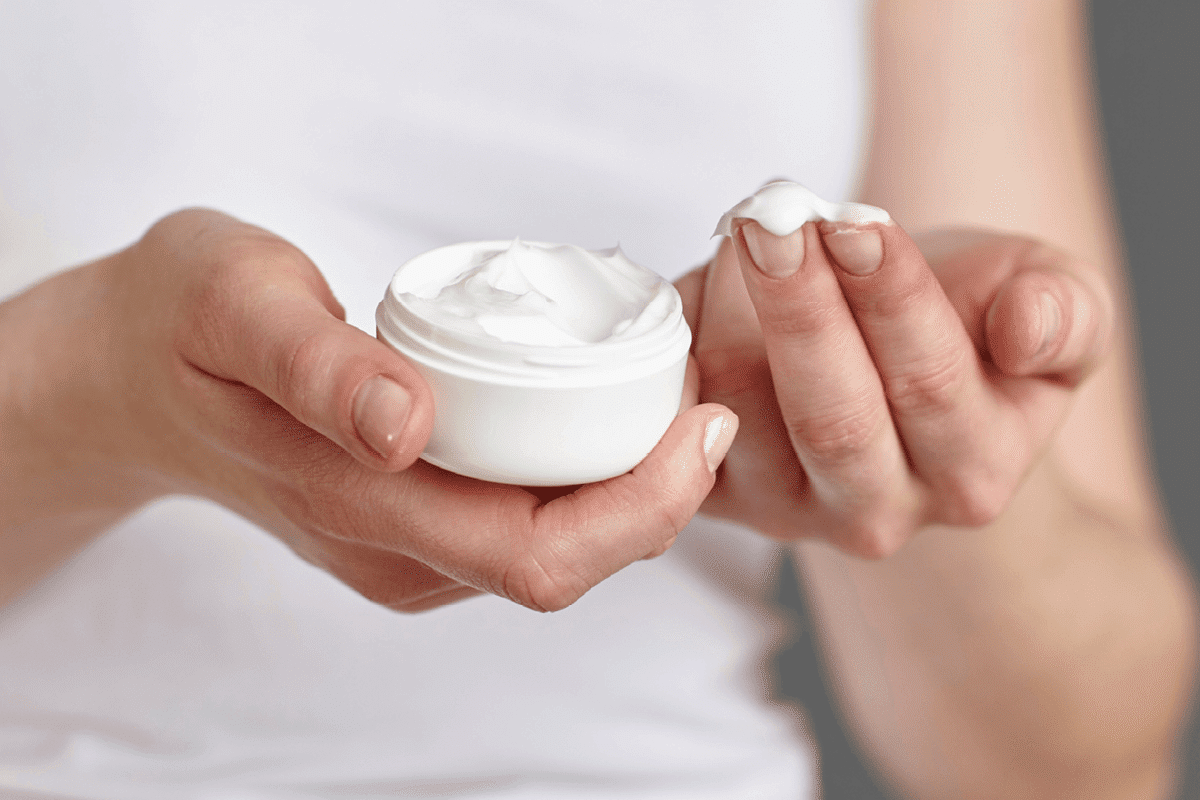
Are painful skin inflammation and swelling keeping you from enjoying daily activities? We get how frustrating and uncomfortable it is. Topical treatments offer a promising solution, giving fast, targeted relief without the side effects of oral meds.anti inflammation creamUnderstanding knee bursa Inflammation
Anti-inflammatory creams are a well-known and effective type of topical medication. They help reduce skin inflammation, swelling, and pain. By blocking certain enzymes and regulating prostaglandin production, they cut down inflammation while keeping systemic exposure low.
Using these creams correctly is key to getting the most out of them. This way, people can get their skin back to health and comfort safely and effectively.
Key Takeaways
Topical anti-inflammatory creams provide targeted relief for localized skin inflammation.
They minimize systemic exposure compared to oral alternatives.
Correct usage is key to getting the most out of anti-inflammatory creams.
These creams are a valuable treatment option for various skin conditions.
They offer fast relief from discomfort and inflammation.
Understanding Anti Inflammation Cream and How It Works
It’s important to know how anti-inflammatory creams work to treat skin issues. These creams target specific areas of the skin to provide relief.
What Makes These Creams Effective for Skin Relief
Anti-inflammatory creams contain ingredients like NSAIDs or corticosteroids. These ingredients stop the body from making chemicals that cause inflammation and pain.
Studies with 291 trials and 45,846 patients show these creams work well. They are a good first choice for treating skin inflammation.
The Science Behind Blocking Cyclooxygenase Enzymes
Anti-inflammatory creams block COX enzymes to work. COX enzymes make prostaglandins, which cause pain and inflammation.
Diclofenac, a common ingredient, blocks COX-2. This action reduces prostaglandin production, lowering inflammation and pain.
Benefits of Topical vs. Oral Anti-Inflammatory Treatments
Topical treatments have big advantages over pills. They are applied directly to the skin, reducing systemic side effects.
Treatment Type
Systemic Exposure
Localized Relief
Side Effect Risk
Topical NSAIDs
Almost 90% less
High
Lower
Oral NSAIDs
High
Variable
Higher
Topical NSAIDs expose the body to much less medication. This reduces side effects and makes treating inflammation safer than oral treatments.
Types of Anti-Inflammatory Creams for Different Skin Conditions
There are many anti-inflammatory creams for skin issues. Each has its own use and benefits. Knowing these differences helps you choose the right one for your skin.
Corticosteroid Creams: Potency Levels and Uses
Corticosteroid creams are key in fighting skin inflammation. They come in various strengths. These creams help with eczema and dermatitis.
The strength of these creams matters. Mild ones are good for sensitive spots or mild problems. Stronger ones are for serious cases or thicker skin.
Non-Steroidal Anti-Inflammatory Creams and Gels
Non-steroidal creams and gels, like Fastum Gel, ease pain and swelling. They’re great for joint and muscle issues. They’re also good for muscle strains, sprains, back pain, and sports injuries.
These products block prostaglandins, which cause pain and swelling. They’re applied directly to the problem area. This can lead to fewer side effects than taking pills.
Calcineurin Inhibitors for Sensitive Areas
Calcineurin inhibitors are for sensitive skin. They reduce inflammation by stopping T-lymphocytes from activating. They’re good for atopic dermatitis or eczema, even if you can’t use corticosteroids.
Emerging JAK Inhibitors and Their Applications
JAK inhibitors are a new type of drug for skin issues. They block the Janus kinase pathways. This stops inflammatory cytokines from signaling.
Research shows JAK inhibitors could be a game-changer for chronic skin diseases. They offer a new treatment option when others don’t work.
Type of Cream
Primary Use
Notable Examples
Corticosteroid Creams
Eczema, Dermatitis
Hydrocortisone, Betamethasone
Non-Steroidal Anti-Inflammatory Creams
Muscle Strains, Sprains, Back Pain
Fastum Gel (Ketoprofen)
Calcineurin Inhibitors
Atopic Dermatitis, Eczema
Pimecrolimus, Tacrolimus
JAK Inhibitors
Chronic Inflammatory Skin Diseases
Tofacitinib, Ruxolitinib
Identifying Skin Conditions That Respond to Anti-Inflammatory Topicals
Anti-inflammatory creams are key in treating many skin conditions. They target inflammation, helping those with various skin issues. Knowing which conditions these creams work for helps both doctors and patients choose the best treatments.
Atopic Dermatitis and Eczema Management
Eczema, or atopic dermatitis, is a chronic condition causing dry, itchy skin. Topical corticosteroids are a top choice for treating eczema. They reduce inflammation and itching, giving patients much-needed relief.
“The use of topical corticosteroids has revolutionized the management of atopic dermatitis, providing an effective solution for patients,” as noted by dermatological experts.
Treating Contact Dermatitis and Allergic Reactions
Contact dermatitis happens when the skin reacts to irritants or allergens. Anti-inflammatory creams can help by reducing inflammation and soothing the skin. It’s important to avoid the cause and use topical treatments. For allergic reactions, these creams can ease redness and itching.
Psoriasis and Other Chronic Inflammatory Conditions
Psoriasis is an autoimmune condition that makes skin cells grow too fast. Anti-inflammatory creams, like topical corticosteroids, are used for mild to moderate psoriasis. They help lessen scaling, redness, and inflammation. For severe cases, other treatments are needed, but these creams are vital.
Acute Inflammation from Burns, Bites, and Minor Injuries
Anti-inflammatory creams can manage inflammation from burns, bites, and minor injuries. They reduce pain, swelling, and redness, aiding in faster healing. Cleaning the area before applying any treatment is key to prevent infection.
Choosing the Right Anti Inflammation Cream for Your Specific Needs
Finding the right anti-inflammatory cream is key to feeling better. You need to know your skin type and how severe your condition is. This helps you pick the best cream for you.
Evaluating Your Symptoms and Inflammation Severity
Start by checking how bad your symptoms are. Look at the pain level and how much your skin is inflamed. This will tell you if you need a mild, medium, or strong cream.
Prescription-Strength vs. Over-the-Counter Options
You can choose between anti inflammatory ointment that you get by prescription or over-the-counter (OTC) products. Prescription creams are stronger and for serious or long-term issues. OTC creams are for less severe inflammation and are a good first choice.
Prescription-strength creams are stronger and for long-term issues like psoriasis or severe eczema.
OTC creams are for mild inflammation and minor injuries and don’t need a doctor’s order.
Special Considerations for Children and Elderly Skin
Choosing an anti inflammatory cream for kids or the elderly needs special thought. Kids’ skin is softer and needs gentle creams. Elderly skin is thinner and can get irritated easily.
“The skin of older adults is more fragile and requires careful consideration when applying topical treatments.”
Medical Expert, Dermatologist
When to Seek Professional Dermatological Advice
If you’re not sure about the best cream for inflammation or if your symptoms don’t go away, see a dermatologist. They can figure out what’s wrong and suggest the best treatment for you.
By looking at your symptoms, skin type, and the options out there, you can pick the right anti-inflammatory cream.
Step-by-Step Application Guide for Optimal Relief
To get the best relief from inflammation, applying anti-inflammatory creams right is key. Doing it correctly means the ingredients reach the right spot. This boosts their power to fight inflammation.
Proper Skin Preparation Techniques
Start by getting your skin ready for the cream. Wash the area with mild soap and warm water. Then, dry it with a clean towel. Stay away from harsh soaps or scrubbing products that might make it worse.
Application Methods for Different Body Areas
How you apply the cream depends on where it is. For hands or feet, cover the whole area and massage it in. Be gentle with sensitive spots.
For Fastum Gel, use a 5-10 cm strip on the affected skin. Apply it two or three times a day. Rub it in until it’s fully absorbed.
Dosage Guidelines and Application Frequency
Always follow the dosage instructions for your cream. You might need to apply it one to three times a day. Check the label or talk to a doctor for exact advice.
Post-Application Care for Enhanced Effectiveness
After applying, take care of your skin to make the cream work better. Use a breathable bandage or soft clothes. Keep the area clean and avoid things that might irritate it.
By following these steps, you can get the most out of anti-inflammatory creams. This leads to quicker and better relief from inflammation and pain.
Research has shown that topical anti-inflammatory treatments are very helpful. They offer relief for many skin conditions. We will look at studies that show how well these treatments work.
Research Findings from 291 Studies and 45,846 Patients
291 studies with 45,846 patients have proven the value of topical treatments. These studies covered many conditions like arthritis and skin disorders. This large amount of research makes the findings very reliable.
These studies found that topical treatments can greatly help patients. For example, 60% of patients got 50% relief from topical NSAIDs. This shows how effective these treatments can be.
Effectiveness Rates for Different Formulations
How well a treatment works can depend on its form. Creams, gels, and ointments have different effects. Gels, for instance, are known for their quick action.
Gels: Known for their quick absorption and cooling effect, making them suitable for acute inflammatory conditions.
Creams: Generally more cosmetically acceptable and suitable for a wide range of skin types, providing a balance between efficacy and patient compliance.
Ointments: Provide a longer-lasting effect due to their occlusive properties, often used for chronic conditions requiring sustained relief.
Gel-Based Diclofenac Preparations and Their Success Rate
Gel-based diclofenac, like Voltaren gel, is very effective. Studies show it helps a lot of people with pain. Its success comes from how well it works in the skin and its strong anti-inflammatory action.
“The use of topical diclofenac gel has been shown to provide significant pain relief, with many patients experiencing a marked reduction in inflammation and improved functional ability.”
Long-Term Efficacy and Treatment Duration
It’s important to know how long topical treatments work. They can help both short-term and long-term. But, treatment length should be watched to avoid side effects.
It’s best to talk to a doctor about how long to use these treatments. They can help find the right length for your condition.
Maximizing the Benefits of Anti-Inflammatory Skin Cream
To get the most out of anti-inflammatory skin creams, you need a full plan. This includes how to apply them, what other skincare to use, and making lifestyle changes. Using these creams as part of your skincare routine can really help.
Timing Applications for Enhanced Absorption
When you apply anti-inflammatory creams matters a lot. Putting them on after a bath or shower helps them soak in better. Also, using them at night can be very effective because your skin repairs itself while you sleep.
Optimal Application Timing:
After bathing or showering
Before bedtime
Avoid applying before sun exposure
Combining with Complementary Skincare Products
Using anti-inflammatory creams with other skincare products can make them work better. Moisturizers, for example, keep your skin hydrated and ready for the cream. But, make sure the products you use go well together and don’t cancel each other out.
Skincare Product
Benefits
Compatibility Considerations
Moisturizers
Hydrates the skin
Choose fragrance-free to avoid irritation
Sunscreens
Protects against UV damage
Opt for chemical sunscreens for better compatibility
Exfoliants
Removes dead skin cells
Use gently and not too frequently to avoid irritation
Dietary and Lifestyle Factors That Support Treatment
What you eat and how you live can help fight inflammation in your skin. Eating foods full of omega-3s, antioxidants, and fiber is good. Drinking plenty of water and managing stress with activities like meditation or yoga also helps your skin.
Beneficial Dietary Components:
Omega-3 fatty acids
Antioxidants
Fiber-rich foods
Creating an Effective Inflammation Management Routine
Having a regular routine that includes using anti-inflammatory creams is key. This routine should also include other skincare steps and healthy habits. Watching how your skin reacts and making changes as needed will help you get the best results.
By using anti-inflammatory skin creams in a smart way, you can make your skin healthier and more resilient.
Potential Side Effects and Safety Considerations
It’s important to know the side effects of anti-inflammatory creams to use them safely. These creams are usually safe when used correctly. But, there are things to keep in mind to avoid risks.
Common Adverse Reactions to Watch For
Anti-inflammatory creams can cause local allergic reactions. This includes redness, itching, and burning at the site of application. In some cases, reactions can be more severe, like blistering or rash.
Common side effects to watch for include:
Skin irritation
Redness
Itching
Burning sensation
Dryness
Risks of Prolonged Use on Different Skin Types
Using anti-inflammatory creams for a long time can pose risks, depending on your skin type. For example, corticosteroid creams can cause skin thinning. This is more likely in older people or those with sensitive skin.
Skin Type
Risks of Prolonged Use
Precautions
Sensitive Skin
Increased risk of irritation, thinning
Use gentle formulations, monitor closely
Normal Skin
Potential for dependency on corticosteroids
Use as directed, avoid overuse
Dry Skin
Exacerbation of dryness, possible cracking
Moisturize regularly, choose creams with moisturizing properties
Special Precautions for Delicate and Thin Skin Areas
When using anti-inflammatory creams on delicate or thin skin, like the face or genitals, be extra careful. These areas are more likely to have bad reactions. Choosing the right cream is very important.
When to Discontinue Use and Seek Alternative Treatments
If you have persistent or severe side effects, stop using the cream and talk to a doctor. They can help find other treatments or adjust your current one to reduce risks.
Always watch how your skin reacts to anti-inflammatory creams. If you notice any unusual reactions or if your condition doesn’t get better, seek medical advice.
Conclusion: Achieving Fast and Lasting Skin Relief
Learning how to use anti-inflammatory creams can help you get quick and lasting relief for your skin. These creams are great for treating many skin problems. They work directly on the skin, causing fewer side effects.
We talked about different kinds of anti-inflammatory creams. There are corticosteroid creams, non-steroidal anti-inflammatory creams, and calcineurin inhibitors. Each one is good for different skin issues. It’s important to pick the right cream based on your symptoms and how bad the inflammation is.
Using these creams right, following the right amount, and taking care of your skin after can make them work better. Always talk to a doctor for advice on using these creams.
By using the tips from this article, you can get the most out of anti-inflammatory creams. This can really help improve your life if you have skin problems.
FAQ
What are anti-inflammatory creams and how do they work?
Anti-inflammatory creams are topical treatments. They help reduce inflammation and relieve various skin conditions. They work by stopping the production of pro-inflammatory enzymes, like COX-2, which reduces swelling and pain.
What types of anti-inflammatory creams are available?
There are several types of anti-inflammatory creams. These include corticosteroids, non-steroidal anti-inflammatory creams, calcineurin inhibitors, and JAK inhibitors. Each type is used for different skin conditions and has its own benefits.
Can anti-inflammatory creams be used for all skin conditions?
Anti-inflammatory creams work well for many skin conditions. These include atopic dermatitis, contact dermatitis, psoriasis, and inflammation from burns, bites, and minor injuries. But, they might not work for all conditions. Always talk to a healthcare professional for advice.
How do I choose the right anti-inflammatory cream for my skin condition?
Choosing the right cream depends on your symptoms and the type of cream. Consider the strength of the cream and any special considerations for your age. A healthcare professional can help find the best option for you.
How should I apply anti-inflammatory creams for optimal relief?
To use anti-inflammatory creams effectively, follow a step-by-step guide. This includes preparing your skin, applying the cream correctly, and following dosage guidelines. Also, take care of your skin after application.
Are there any potentially side effects associated with anti-inflammatory creams?
Yes, anti-inflammatory creams can cause side effects like skin irritation, redness, and itching. Long-term use can also have risks, so be careful with your skin type, and avoid using them on thin or delicate areas.
Can I combine anti-inflammatory creams with other skincare products?
Yes, you can use anti-inflammatory creams with other skincare products. This can make them more effective. Just make sure to follow the right guidelines and consider your diet and lifestyle.
How long can I use anti-inflammatory creams?
How long you use anti-inflammatory creams depends on your condition and how well they work for you. Always follow the treatment guidelines and talk to a healthcare professional about when to stop using them.
Are anti-inflammatory creams available over-the-counter or by prescription only?
Anti-inflammatory creams come in both over-the-counter and prescription-strength. The choice depends on how severe your symptoms are. Always get advice from a healthcare professional.
Can anti-inflammatory creams be used on children and elderly skin?
Yes, you can use anti-inflammatory creams on children and elderly skin. But, you need to be careful because their skin is more sensitive. Always get advice from a healthcare professional.
What is the role of COX-2 inhibition in anti-inflammatory creams?
COX-2 inhibition is key in anti-inflammatory creams. It reduces pro-inflammatory prostaglandins, which decreases inflammation and pain. Understanding this can help you see the benefits of these creams.
Are there any alternative treatments to anti-inflammatory creams?
Yes, there are other treatments like oral medications, lifestyle changes, and other topical treatments. It’s important to talk to a healthcare professional to find the best treatment for you.
References
National Center for Biotechnology Information. Evidence-Based Medical Guidance. Retrieved from https://pmc.ncbi.nlm.nih.gov/articles/PMC5566949/.
30 Years of Excellence
Trusted Worldwide
With patients from across the globe, we bring over three decades of medical