

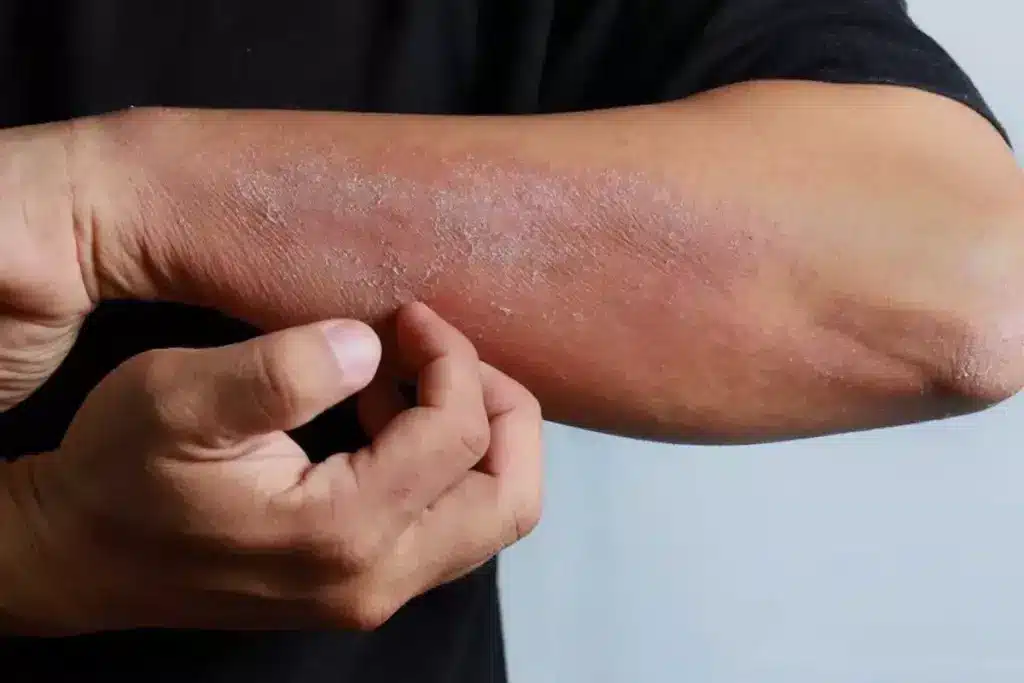
Nearly 20 million new cases of sexually transmitted infections (STIs) are reported each year in the United States. A big part of these cases show symptoms like skin rashes. A venereal disease can show up in many ways on the skin, making it hard to diagnose without a doctor’s help. Answering is fungal infection an std (some types, like candidiasis, can be spread) and defining venereal disease skin rash.
There’s a lot of worry and confusion about std skin rash and what it means. A rash from sexually transmitted infection can be very upsetting, leading people to see a doctor. It’s important to know what causes, symptoms, and treatments for sexual disease rash are. This knowledge helps manage the condition and avoid serious problems later on.
Key Takeaways
- STIs can manifest through various skin symptoms, including rashes.
- Proper medical evaluation is key for accurate diagnosis.
- Knowing the causes and symptoms is essential for effective management.
- Quick treatment can stop long-term problems.
- Learning and being aware are key to preventing STIs.
What Are Venereal Diseases?
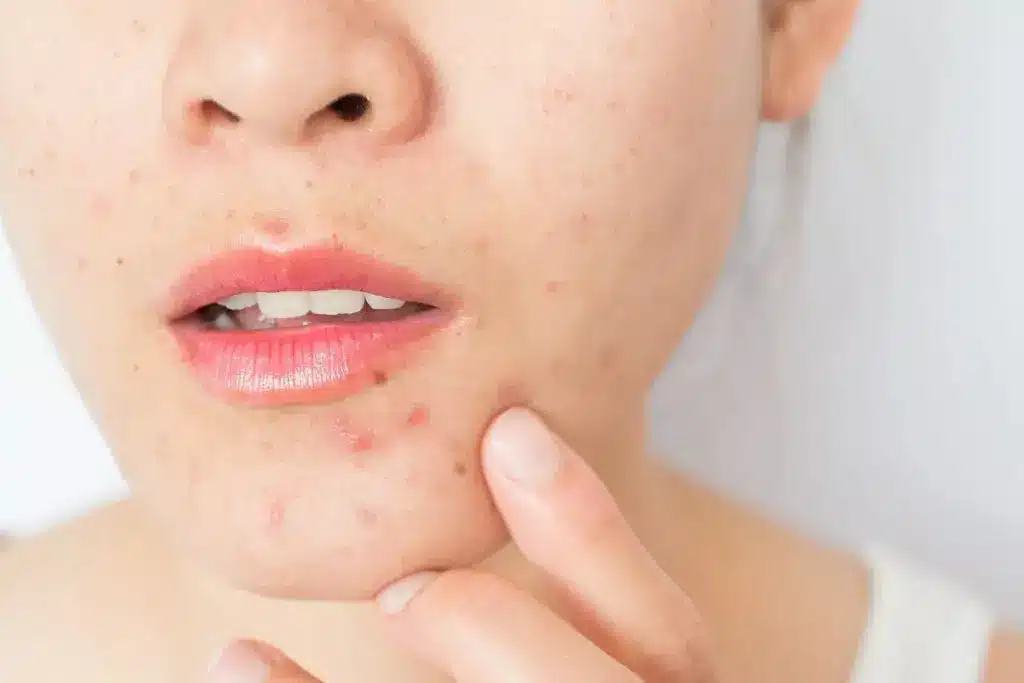
Venereal diseases are infections spread through sexual contact. They can be caused by bacteria, viruses, or fungi. We will look at the common types, how they spread, and their symptoms.
Overview of Common Venereal Diseases
Common venereal diseases include chlamydia, gonorrhea, syphilis, genital herpes, and human papillomavirus (HPV). These are caused by different pathogens. Knowing about these diseases is key for treatment.
Modes of Transmission
Venereal diseases mainly spread through sexual contact, including vaginal, anal, and oral sex. Some can also pass from mother to child during pregnancy or childbirth. We will cover how these infections spread.
Symptoms to Observe
The symptoms of venereal diseases vary. Common signs include unusual discharge, pain during urination, genital sores, and rashes. Spotting these symptoms early is important for getting medical help.
|
Disease |
Cause |
Common Symptoms |
|---|---|---|
|
Chlamydia |
Bacterial infection |
Abnormal discharge, painful urination |
|
Gonorrhea |
Bacterial infection |
Thick, cloudy discharge, painful urination |
|
Syphilis |
Bacterial infection |
Painless sore (chancre), rash, fever |
|
Genital Herpes |
Viral infection |
Painful blisters or sores, fever |
|
HPV |
Viral infection |
Genital warts, abnormal Pap test results |
Defining Skin Rash in Relation to Venereal Diseases

It’s important to know how skin rashes and venereal diseases are connected. Venereal diseases, or STIs, can show up as skin rashes. These rashes can look different, be in different places, and be different in severity. Understanding these details is key to treating them right.
Characteristics of Skin Rashes
Skin rashes from venereal diseases can look many ways. For example, syphilis rash is often on palms and soles. Genital herpes rash is painful and has blisters. We’ll look at these differences to figure out what rash you have.
- Rashes can be itchy or painless, depending on their cause.
- Some rashes are localized to the genital area, while others can appear on other parts of the body.
- The appearance of the rash can range from red and inflamed to blistering or ulcerative.
Some people might not show any symptoms, so getting checked regularly is important.
Differentiating Rashes by Cause
Telling apart rashes from venereal diseases and other causes can be hard. But, some signs can help. For instance, fungal infections like Trichophyton mentagrophytes or Trichophyton rubrum make rashes itchy and show up in moist spots.
“Accurate diagnosis of the cause of a skin rash is critical for effective treatment. A healthcare professional can perform the necessary tests to determine whether the rash is caused by a venereal disease or another condition.”
We’ll talk about how doctors figure out what’s causing a rash and how to treat venereal diseases.
Common Venereal Diseases Associated with Skin Rashes
A skin rash can signal a venereal disease like syphilis or genital herpes. We’ll look at the skin signs of these diseases, their symptoms, how to diagnose them, and treatment options.
Syphilis and Its Skin Manifestations
Syphilis is caused by Treponema pallidum. It shows different skin symptoms. In the first stage, a painless chancre appears at the infection site. Later, a rash may show up on the palms and soles.
The rash in the second stage can look different and may come with fever and swollen lymph nodes. If not treated, syphilis can get worse and cause serious health problems.
Key symptoms of syphilis include:
- Painless chancre in the primary stage
- Rash on the palms and soles in the secondary stage
- Fever and swollen lymph nodes
Genital Herpes Symptoms
Genital herpes is caused by herpes simplex virus (HSV). It starts with painful blisters or ulcers in the genital area. Later outbreaks may be less severe.
“Genital herpes is a common sexually transmitted infection that can cause significant discomfort and distress. Understanding its symptoms and treatment options is critical for managing the condition.”
Managing genital herpes involves antiviral medications. Safe sex and open communication with partners are also key.
Symptoms of genital herpes include:
- Painful blisters or ulcers in the genital area
- Itching or burning sensation
- Fever and swollen lymph nodes during initial outbreak
Human Papillomavirus (HPV) and Skin Changes
HPV is a common venereal disease that causes skin changes, like genital warts. These warts can look like flat lesions or cauliflower-like growths. Some HPV strains increase cancer risk.
Preventing HPV includes vaccination and safe sex. Treatments for genital warts include topical medications and cryotherapy.
HPV-related skin changes include:
- Genital warts
- Abnormal cell changes that can lead to cancer
Fungal Infections as Possible STDs
Fungal infections can be spread through sex and might be mistaken for other STDs. These infections are caused by fungi and can affect the genital area.
Types of Fungal Infections
Jock itch, yeast infections, and ringworm are examples of fungal infections that can be sexually transmitted. Jock itch is a fungal infection in the groin area. Yeast infections, like vulvovaginal candidiasis, are common in women, affecting about 75% of them at some point. Ringworm can show up on the body, including the butt.
Even though these infections can be spread through sex, they’re not always called STDs. But, their symptoms can be similar to those of STDs, leading to confusion.
Diagnosing Fungal Infections
To diagnose fungal infections, doctors do a physical exam and might run lab tests. They might take a skin scraping or culture to find the fungus. It’s important to get a correct diagnosis to tell fungal infections apart from other conditions, like STDs.
For example, a yeast infection is diagnosed with a pelvic exam and lab tests. Jock itch and ringworm are often diagnosed by how they look and sometimes with a skin scraping under a microscope.
When to Seek Medical Help
If you think you have a fungal infection, see a doctor if symptoms don’t get better or get worse. Untreated fungal infections can cause more discomfort, bacterial infections, or spread to other areas.
Also, if you keep getting infections or they don’t get better with over-the-counter treatments, see a doctor. They can give a proper diagnosis and suggest the right treatment, like antifungal meds.
How to Differentiate Between STDs and Fungal Infections
It’s important to tell the difference between STDs and fungal infections for the right treatment. Both can cause discomfort and have similar symptoms. But, their causes, symptoms, and treatments are different. Knowing these differences helps doctors make the right diagnosis and treatment plan.
Key Symptoms Comparison
STDs like syphilis, genital herpes, and HPV show symptoms like unusual discharge, painful urination, or genital sores. Fungal infections, like vaginal yeast infections, cause itching, redness, and a white, clumpy discharge.
Some STDs, like gonorrhea or chlamydia, might not show symptoms right away. So, regular screenings are key for sexually active people. Fungal infections usually cause noticeable symptoms that lead people to see a doctor.
Diagnostic Tests Available
Doctors use different tests to figure out if an infection is an STD or a fungal infection. For STDs, they use blood tests, urine tests, and swab tests to find pathogens. Fungal infections are diagnosed with microscopic examination of discharge or culture tests to find the fungus.
Doctors might also do a physical exam and take a detailed medical history. For example, someone with vaginal yeast infections might not have an STD. But, someone with multiple sexual partners and symptoms of infection might need STD testing.
Importance of Accurate Diagnosis
Getting the right diagnosis is key because it affects treatment. Antibiotics won’t work on fungal infections, and antifungal meds won’t treat STDs. Misdiagnosis or delayed diagnosis can cause more harm, like prolonged suffering and the risk of spreading STDs.
We stress the need to see a doctor if symptoms don’t go away or get worse. Doctors can provide the right guidance, diagnosis, and treatment for both STDs and fungal infections.
Treatment Options for Venereal Disease Skin Rashes
Treating venereal disease skin rashes includes antiviral and antifungal treatments. The right treatment depends on the cause of the rash. This could be a viral, bacterial, or fungal infection. We’ll look at treatments for common venereal diseases with skin rashes.
Antiviral Treatments for Herpes
Herpes simplex virus (HSV) infections cause painful rashes. Antiviral drugs like acyclovir and valacyclovir help lessen the rash’s severity and duration. These drugs stop the virus from spreading.
It’s key for those with HSV to follow their treatment plan. This helps manage symptoms and lowers the chance of passing the virus to others. Always talk to a healthcare provider for advice on herpes.
Antibiotics for Syphilis
Syphilis, caused by Treponema pallidum, is treated with antibiotics. Penicillin is the top choice for all syphilis stages. The exact penicillin type and dose depend on the disease stage and patient health.
For those allergic to penicillin, doxycycline or azithromycin might be used instead. Early syphilis treatment is vital to avoid serious problems and stop the disease from spreading. Always finish the antibiotic treatment as directed by a doctor.
Antifungal Treatments and Their Use
Fungal infections, like those from Candida species, can cause genital skin rashes. Antifungal medications treat these infections. They come in creams, ointments, and tablets.
For mild to moderate infections, topical treatments work well. But, severe or recurring infections might need oral therapy. Good hygiene and avoiding irritants also help manage symptoms and prevent future infections. Always see a healthcare provider for a proper diagnosis and treatment plan.
Prevention Strategies for Venereal Diseases
To prevent venereal diseases, we need to use safe sex, get regular health checks, and know about vaccines. These steps help lower the chance of getting or spreading venereal diseases.
Safe Sexual Practices
Safe sex is key to stopping venereal diseases. This means using condoms right, having fewer partners, and staying away from people with disease signs.
- Use condoms or dental dams during sex to lower transmission risk.
- Keep your number of partners low to reduce exposure.
- Stay away from anyone with venereal disease symptoms.
Importance of Regular Screenings
Getting regular health checks is vital for catching venereal diseases early. Many diseases don’t show symptoms, so regular tests are important for those who are active sexually.
Regular screenings can help in:
- Finding diseases early for quick treatment.
- Stopping diseases from spreading to others.
- Lessening the chance of serious health problems later.
Vaccination Options
Vaccines are available for some venereal diseases like Hepatitis B and HPV. These shots can protect against certain types of these diseases.
It’s important to:
- Talk to a doctor about the vaccines you should get.
- Follow the vaccine schedule and finish all doses.
The Role of Dermatologists in Venereal Diseases
Dermatologists play a key role in managing venereal diseases, focusing on skin rashes. They are trained to diagnose and treat various skin conditions, including those caused by venereal diseases.
Consulting a Dermatologist
If you notice unusual skin rashes or lesions, it’s important to know when to see a dermatologist. Look for these signs:
- Unusual skin rashes or eruptions
- Lesions that are painful or itchy
- Skin changes that persist or worsen over time
Seeking dermatological care early can lead to quick diagnosis and treatment. This can help avoid serious complications.
Diagnostic Approaches
Dermatologists use different methods to diagnose venereal diseases. These include:
- Visual examination of skin symptoms
- Laboratory tests, such as blood tests or skin scrapings
- Biopsy in some cases
Getting an accurate diagnosis is key for effective treatment.
Treatment and Follow-Up
After a diagnosis, dermatologists create a treatment plan. This plan may include:
|
Condition |
Treatment Options |
|---|---|
|
Syphilis |
Antibiotics |
|
Genital Herpes |
Antiviral medications |
|
Fungal Infections (e.g., jock itch, yeast infections) |
Antifungal creams or oral medications |
Regular follow-up care is vital. It ensures the treatment works well and manages any side effects.
By seeing a dermatologist, patients get the best care for skin-related venereal diseases. This improves their health and well-being.
Myths and Facts about Venereal Diseases
It’s important to know the truth about venereal diseases. These diseases, or STDs, are a big worry for health worldwide. Not knowing the facts can make things worse.
Common Misconceptions About STDs
Some think STDs only affect certain people, like those who have many partners. But, anyone who has sex can get an STD, no matter their history.
Another myth is that STDs always show symptoms. But, many don’t show symptoms at all. That’s why getting checked regularly is key.
Clarifying the Risk of Fungal Infections
Fungal infections, like candidiasis, are often not understood well. They’re not usually called STDs, but can spread through sex. They’re common among those who are active sexually.
It’s vital to know that treating fungal infections and STDs differently is important. Getting the wrong treatment can make things worse.
|
Myth |
Fact |
|---|---|
|
STDs only affect promiscuous people. |
Anyone who is sexually active can contract an STD. |
|
STDs always show symptoms. |
Many STDs can be asymptomatic, requiring regular screenings for detection. |
|
Fungal infections are always harmless. |
Fungal infections can cause significant discomfort and require appropriate treatment. |
By knowing the truth about venereal diseases, we can fight the stigma. This helps improve health for everyone.
The Impact of Venereal Diseases on Mental Health
Getting a venereal disease diagnosis can lead to a mix of emotions. These feelings can affect your mental health a lot. It’s important to get care that helps both your body and mind.
Emotional Effects of Diagnosis
When you find out you have a venereal disease, you might feel shocked, guilty, or ashamed. These feelings can make you feel isolated. It’s key for doctors to listen and offer support.
The emotional turmoil after a diagnosis can make it hard to deal with the condition. So, it’s vital to have resources and advice on handling these feelings.
Coping Mechanisms and Support Groups
Dealing with a venereal disease diagnosis needs a variety of strategies. Support groups, online or in-person, offer a place to share and learn. Counseling and therapy can also help you find ways to cope and work through your feelings.
- Support groups provide a community and understanding.
- Counseling offers a safe space to talk about your feelings and worries.
- Learning about your condition through educational resources can empower you.
Importance of Open Communication
Talking openly about venereal diseases is key to reducing stigma and improving mental health. By discussing these topics, we create a supportive environment for those affected. This open talk can also lead to better understanding and prevention.
Encouraging open conversation can make talking about venereal diseases more normal. This can help in getting diagnosed and treated sooner, improving health outcomes.
Legal and Ethical Considerations in STD Management
Managing sexually transmitted diseases (STDs) is complex. It involves medical care and legal and ethical issues. Legal considerations and ethical considerations shape public health and patient care.
Reporting Requirements for STDs
Reporting STDs is a key legal aspect. Healthcare providers must report certain STDs to health authorities. This helps track diseases and control their spread.
The most reported STDs are syphilis, gonorrhea, and chlamydia. These diseases are serious and need attention.
- Syphilis: It’s a notifiable disease due to its severe health effects.
- Gonorrhea and Chlamydia: They’re also notifiable because of their prevalence and health risks.
Patient Privacy Rights
Reporting diseases while protecting patient privacy is a big challenge. Healthcare providers must keep patient info private while reporting diseases. This balance is key for trust between patients and healthcare providers.
The Health Insurance Portability and Accountability Act (HIPAA) in the U.S. protects patient health info. Providers must follow these rules to keep patient privacy.
Stigma and Its Implications
Stigma around STDs affects individuals and communities deeply. It can stop people from getting tested and treated. This makes the disease spread more.
Reducing stigma is essential. Ways to do this include:
- Increasing public awareness and education about STDs.
- Encouraging non-judgmental healthcare practices.
- Supporting those affected by STDs through counseling and groups.
By tackling legal and ethical issues in STD management, we can better public health. We also respect individual rights and dignity.
Resources for Further Information and Support
People dealing with venereal diseases can find helpful resources. We offer reliable std information to help manage their conditions. This way, they can take control of their health.
National Resources and Organizations
Many national groups have lots of info on venereal diseases. The Centers for Disease Control and Prevention (CDC) is one of them. They provide educational materials, support groups, and tips on how to prevent these diseases.
Online Support and Educational Materials
There are online forums and support groups for those facing similar issues. We also have educational materials. They cover symptoms, treatment options, and more.
Using these resources can help people understand their condition better. They can make informed choices about their health. We urge those affected to explore these resources and support groups. It can greatly improve their well-being.
FAQ
Can you get a yeast infection from sex?
Yes, sex can trigger a yeast infection. This happens if there’s an imbalance in the vaginal flora. It can also happen if your partner has a fungal infection.
Is jock itch contagious?
Yes, jock itch is contagious. It spreads through direct contact with an infected person or contaminated items.
What is an STD skin rash?
An STD skin rash is a sign of sexually transmitted diseases. It can be from syphilis, genital herpes, or HPV.
Can women get jock itches?
Yes, women can get jock itches, though it’s more common in men. It’s a fungal infection that affects the groin area.
Can sperm cause yeast infections?
Sperm itself doesn’t directly cause yeast infections. But, the pH level of semen can disrupt the vaginal flora. This might lead to an infection.
What are Trichophyton mentagrophytes?
Trichophyton mentagrophytes is a fungus that causes skin infections. It can lead to jock itch and ringworm.
Can a man transmit a yeast infection to a woman?
Yes, a man can transmit a yeast infection to a woman during sex. This happens if he has a fungal infection, like a penile yeast infection.
What is the difference between jock itch on the penis and other conditions?
Jock itch on the penis is a fungal infection. It causes itching and redness. It’s different from eczema or contact dermatitis. It needs antifungal treatment.
Can ringworm appear on the buttocks?
Yes, ringworm can appear on various parts of the body, including the buttocks. It’s a fungal infection that causes a characteristic ring-shaped rash.
How to differentiate between a yeast infection and jock itch in women?
Both are fungal infections, but they affect different areas. A yeast infection typically affects the vagina, causing discharge and itching. Jock itch affects the groin area, causing itching and redness.
Can hand fungus be transmitted to the vagina?
Yes, it’s possible to transmit a fungal infection from the hand to the vagina through direct contact. Though it’s not a common mode of transmission.
What are the symptoms of a sexually transmitted disease rash?
Symptoms vary depending on the underlying STD. They may include rashes, blisters, or lesions in the genital area or other parts of the body.
References
Centers for Disease Control and Prevention. Evidence-Based Medical Insight. Retrieved from https://www.cdc.gov/std/tg2015/default.htm




