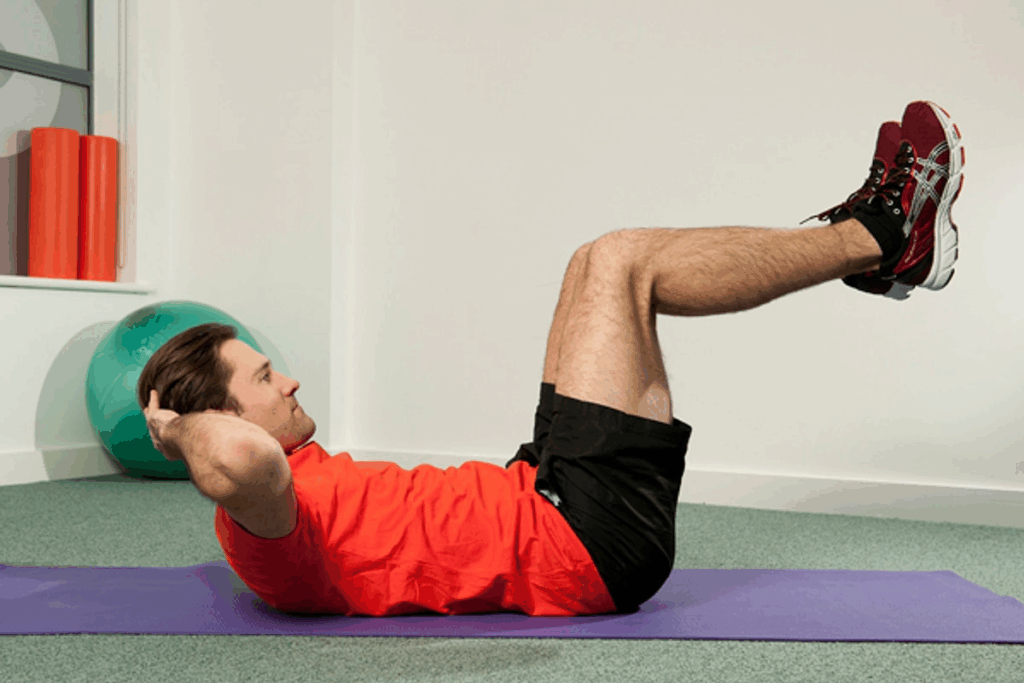
We know how vital prostate health is for men, even more so after prostate surgery or urological issues. Kegel exercises help strengthen the muscles around the bladder, prostate, and bowel. This is key for control. Step-by-step instructions for performingmale kegel exercises to strengthen the pelvic floor muscles.
Studies show that adding prostate exercises for health to daily life can greatly boost urological health. This is a big plus for those recovering from prostate surgery. It helps regain control over urination and boosts pelvic health in the long run.
We, as healthcare experts, make sure to include pelvic floor rehab in our patient care. Our aim is to offer a detailed guide that’s easy to follow. We want to help our global audience find top-notch medical care and support.
Key Takeaways
- Kegel exercises strengthen pelvic floor muscles supporting bladder, prostate, and bowel control.
- Prostate exercises for health improve overall urological well-being.
- Kegel exercises for men after prostatectomy aid in restoring urinary control.
- Pelvic floor rehabilitation enhances long-term pelvic wellness.
- Integrating Kegel exercises into daily routine supports prostate health.
Understanding the Male Pelvic Floor
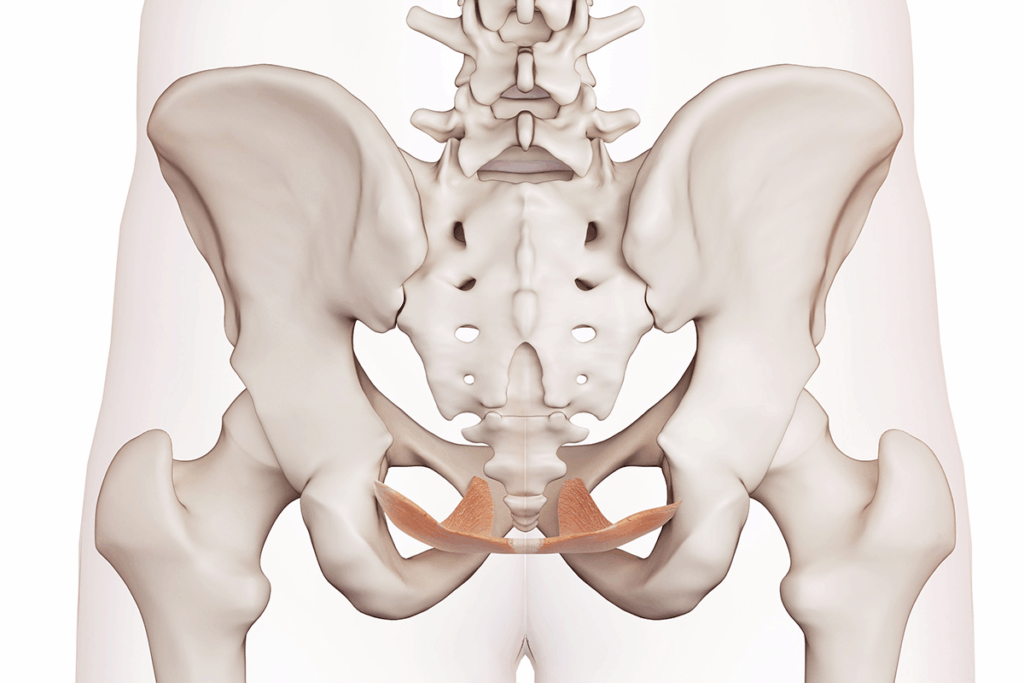
The pelvic floor muscles are key for bladder, bowel, and sexual organ support. They help with continence, sexual function, and pelvic health.
Anatomy of the Pelvic Floor Muscles
The male pelvic floor has a complex set of muscles. These include the levator ani and the external urethral sphincter. Together, they support the pelvic organs and help with controlling urine and stool.
Key components of the pelvic floor include:
- The levator ani muscle, which supports the pelvic viscera.
- The external urethral sphincter, responsible for voluntary control over urination.
- The perineal membrane, providing additional support to the pelvic floor.
Role in Prostate and Urinary Health
A strong pelvic floor is vital for prostate and urinary health. Weak muscles can cause urinary incontinence and increase prostate problems risk.
Research shows that pelvic floor exercises for enlarged prostate help manage symptoms and improve life quality.
“Strengthening the pelvic floor muscles can significantly improve urinary continence and reduce the risk of prostate-related issues.”
Connection to Sexual Function
The pelvic floor muscles are also important for sexual function. Doing kegel exercises for enlarged prostate can boost erectile function and sexual performance.
Studies suggest that regular prostate workout exercises improve sexual health and lessen prostate symptoms.
The Science Behind Male Kegel Exercises
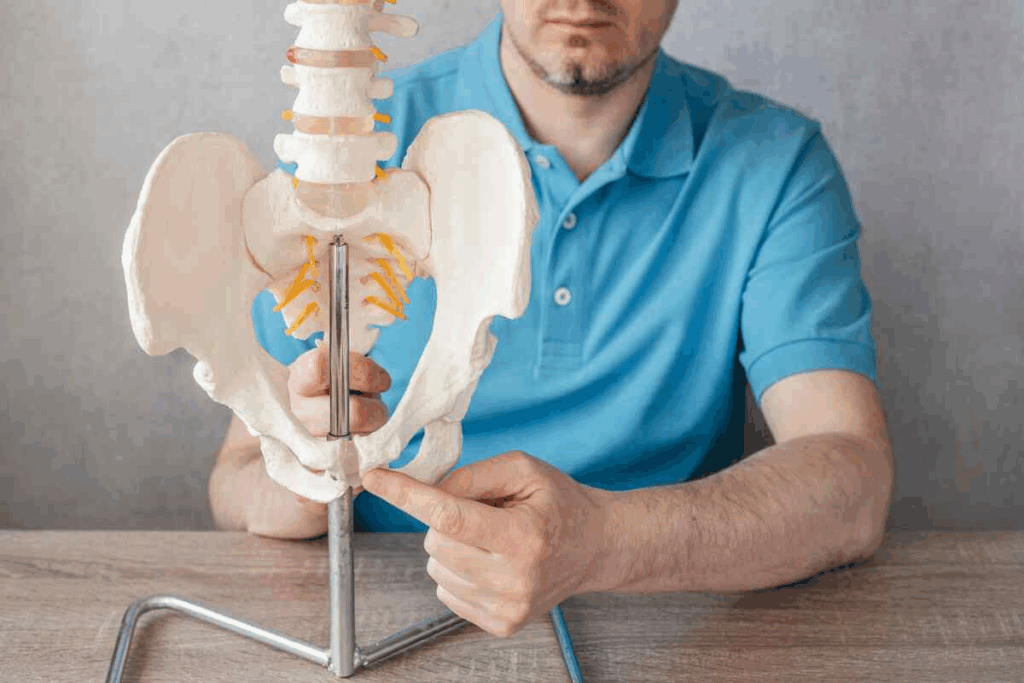
Male Kegel exercises are backed by strong science. They help with urinary control and prostate health. We’ll look at the research and how these exercises improve prostate health.
Research-Backed Benefits
Male Kegel exercises have many benefits. They are great for men after prostate surgery or with prostate problems. Improved urinary continence is a key advantage. These exercises make the pelvic floor muscles stronger, helping with bladder control.
They also help with better prostate health. They improve blood flow and may lower the risk of some prostate issues. Regular practice can lead to better pelvic health overall.
Clinical Studies on Effectiveness
Many studies have looked at Kegel exercises’ effectiveness. A study in the Journal of Urology found men after prostate surgery who did Kegel exercises had less urinary incontinence. This was compared to those who didn’t do the exercises.
Another study showed the importance of learning how to do Kegel exercises right. Men who got guidance had better results in regaining urinary control.
Statistical Improvements in Prostate Health
Studies show big improvements in prostate health with Kegel exercises. A meta-analysis found a big drop in urinary incontinence after prostate surgery. Some studies saw a reduction in incontinence by up to 80%.
Men with enlarged prostates who did Kegel exercises saw improvements in symptoms and quality of life. These findings highlight the importance of Kegel exercises for prostate health.
Common Prostate Conditions That Benefit from Kegels
Many prostate health issues can be better managed with Kegel exercises. These exercises help men with different prostate problems a lot.
Post-Prostatectomy Recovery
Men after prostate surgery often face urinary incontinence and other issues. Kegel exercises can aid in post-prostatectomy recovery. They strengthen the pelvic floor muscles, which helps with bladder control and lowers incontinence risk.
Benign Prostatic Hyperplasia (BPH)
BPH, or enlarged prostate, is common in older men. It causes weak urine flow and frequent need to urinate. Kegel exercises for prostate enlargement can help by making the muscles around the prostate and bladder stronger.
Prostatitis and Chronic Pelvic Pain
Prostatitis and chronic pelvic pain syndrome can really affect a man’s life. Kegel exercises can help by relaxing the pelvic floor muscles and improving blood flow.
Urinary Incontinence Management
Urinary incontinence is a big problem for men, often after prostate surgery or with age. Pelvic exercises for prostate health can make the muscles that control urination stronger. This reduces incontinence and improves bladder control.
Adding Kegel exercises to daily routines can greatly improve prostate health and overall well-being. It’s key to start slowly and be consistent for the best results.
How to Identify Your Pelvic Floor Muscles
Starting your journey to better prostate health with Kegel exercises means first knowing your pelvic floor. Finding the right muscles is key for these exercises to work.
The Stop-Urination Test
The stop-urination test is a common way to find your pelvic floor muscles. Here’s how to do it:
- Start by urinating normally.
- Try to stop the urine flow mid-stream.
- The muscles you use to stop the urine are your pelvic floor muscles.
Important: While this test helps find the right muscles, don’t do Kegels while urinating often. It can cause you to not empty your bladder fully.
The Mirror Test Method
Using the mirror test is another good way to find your pelvic floor muscles. Here’s how:
- Stand in front of a mirror and look at your genital area.
- Tighten the muscles as if stopping urination or gas.
- You should see your anus and penis base move up.
Common Mistakes in Muscle Identification
Identifying your pelvic floor muscles can be tricky. Here are some common mistakes to avoid:
Mistake | Correct Approach |
Engaging abdominal muscles instead of pelvic floor muscles | Focus on squeezing muscles around your anus and urethra without tensing your abdomen. |
Using too much force | Gently contract the muscles; you should feel a subtle lift and tightening. |
Not isolating the correct muscles | Practice different contractions to understand which muscles are involved. |
By using these methods correctly and avoiding common mistakes, you’ll be ready to do effective male Kegel exercises.
Step-by-Step Guide to Male Kegel Exercises
Learning male Kegel exercises can boost prostate health and overall well-being. We’ll show you how to do the basic contraction, breathe right, keep the right posture, and tell you how long and how often to do them.
Basic Contraction Technique
To do Kegel exercises right, first find the right muscles. These are the pelvic floor muscles, which help stop urine flow or gas. Start by contracting these muscles for 5 counts, then release for 5 counts. Start slow and get stronger over time.
Proper Breathing During Exercises
Right breathing is key for Kegel exercises. Breathe naturally and don’t hold your breath while contracting and releasing. Breathe in as you release and out as you contract. This keeps you relaxed and avoids strain.
Maintaining Correct Posture
Keeping the right posture is important for Kegel exercises. You can do them lying down, sitting, or standing. Keep your back straight and relax your body. Don’t tense your abdomen, thighs, or buttocks, as it can make the exercise less effective.
Duration and Frequency Recommendations
For best results, do Kegel exercises in sets. Start with 10 reps and aim for three sets a day. As you get stronger, increase the reps. Spread out your exercises throughout the day for better results and recovery.
To make Kegel exercises a part of your daily life, set reminders or link them to your daily routines. Like doing them in the morning or evening.
Progressive Male Kegel Exercise Routines
Progressive Kegel exercises help improve prostate health and overall well-being for men. It’s important to adjust routines as men progress. This ensures they meet their individual needs and fitness levels.
First, understand the pelvic floor muscles and their role in prostate and urinary health. Strengthening these muscles can greatly improve prostate health.
Beginner’s Program (Weeks 1-2)
For beginners, the program focuses on building a strong foundation. Start with:
- 5-10 repetitions of 5-second contractions, 3 times a day
- Proper breathing techniques to avoid straining
- Maintaining correct posture during exercises
As you get stronger, increase the number of repetitions and how often you do them.
Intermediate Program (Weeks 3-6)
Once you’ve built a baseline strength, move to the intermediate program. This includes:
- 10-15 repetitions of 10-second contractions, 3 times a day
- Incorporating different muscle contractions, such as quick flicks and long holds
- Engaging in exercises that challenge the pelvic floor muscles from different angles
At this stage, men will see noticeable improvements in their pelvic floor strength and prostate health.
Advanced Program (Weeks 7+)
For those who have mastered the intermediate program, the advanced program offers a more challenging regimen:
- 15-20 repetitions of 15-second contractions, 3 times a day
- Incorporating resistance training to further strengthen the pelvic floor muscles
- Engaging in more complex exercises that target the pelvic floor from multiple directions
Men at this level can expect significant enhancements in their prostate health and overall well-being.
Adapting Routines for Different Needs
It’s essential to adapt Kegel exercise routines based on individual needs. For example, men recovering from prostate surgery may need to start with gentler exercises and gradually increase intensity.
Program | Repetitions | Frequency | Special Considerations |
Beginner | 5-10 | 3 times a day | Focus on proper technique |
Intermediate | 10-15 | 3 times a day | Incorporate varied contractions |
Advanced | 15-20 | 3 times a day | Include resistance training |
A study on pelvic floor exercises found that a well-structured Kegel exercise program can significantly improve prostate health and reduce the risk of urinary incontinence.
“Pelvic floor muscle training is a key part of prostate health management.”
Kegel Exercises for Post-Prostatectomy Recovery
Men can greatly benefit from Kegel exercises after prostate surgery. These exercises help strengthen the pelvic floor muscles. These muscles are often weakened during prostate surgery.
Timeline for Starting Exercises After Surgery
When to start Kegel exercises after surgery is important. Doctors usually recommend starting a few weeks after surgery. It’s key to listen to your doctor’s advice, as recovery times can differ.
Starting early can help in several ways:
- Improving urinary continence
- Enhancing sexual function
- Reducing the risk of complications
Modified Techniques for Surgical Patients
Surgical patients may need to adjust their Kegel exercises. They might start with gentle contractions and increase intensity as they heal.
Key considerations include:
- Begin with short contractions (2-3 seconds) and rest periods
- Gradually increase the duration and frequency of contractions
- Avoid straining or holding your breath during exercises
Expected Recovery Milestones
Men can look forward to several milestones when doing Kegel exercises after prostate surgery. These include:
- Improved bladder control within 3-6 months
- Enhanced erectile function over time
- Better overall pelvic floor strength
It’s important to be patient and consistent with the exercises. Recovery times can vary.
Combining Kegels with Physical Therapy
Adding physical therapy to Kegel exercises can improve recovery. Physical therapists can offer personalized guidance and help men achieve better results.
The benefits of combining therapies include:
- Personalized exercise programs tailored to individual needs
- Improved muscle strength and coordination
- Better management of post-operative complications
Kegel Exercises for Enlarged Prostate Management
Kegel exercises are a non-invasive way to help men with an enlarged prostate. This condition, also known as Benign Prostatic Hyperplasia (BPH), is common in older men. It causes urinary symptoms that can really affect daily life.
Combining Kegels with Other BPH Treatments
Kegel exercises can be used along with other BPH treatments. These exercises make the pelvic floor muscles stronger. This helps support the prostate and bladder, improving how you urinate.
Using Kegel exercises with other BPH treatments has many benefits. These include:
- Improved bladder control
- Reduced frequency of urination
- Enhanced overall prostate health
Symptom Relief Strategies
There are other ways to help with BPH symptoms, aside from Kegel exercises. These strategies include:
Symptom Relief Strategy | Description | Benefits |
Lifestyle Modifications | Making changes to diet and fluid intake | Reduces urinary frequency and urgency |
Medications | Using alpha-blockers or 5-alpha-reductase inhibitors | Relaxes prostate muscles, improving urine flow |
Minimally Invasive Procedures | Procedures like UroLift or Rezūm therapy | Relieves obstruction without major surgery |
Monitoring Progress with Your Doctor
It’s important to work with your doctor to see how well Kegel exercises and other treatments are working. Regular check-ups help adjust your treatment plan as needed. This ensures you get the best symptom management.
By using Kegel exercises with other treatments and talking regularly with your doctor, you can manage enlarged prostate symptoms well. This improves your quality of life.
Overcoming Challenges with Male Kegel Exercises
Sticking to male Kegel exercises is key to seeing results, but it’s not always easy. Men often face many obstacles when trying to make these exercises a part of their daily life. We will look at common challenges and offer practical solutions to help you stay on track.
Dealing with Inconsistent Results
Many men struggle with seeing consistent results from Kegel exercises. It’s important to remember that these exercises take time and regular effort. To overcome this, set realistic expectations and track your progress. Keeping a journal or using a mobile app can help you see your improvements over time.
Another strategy is to incorporate variety in your Kegel routine. Try changing the frequency, duration, or intensity of your exercises. This can help avoid plateaus and keep your workouts interesting.
Creating a Sustainable Exercise Habit
Building a sustainable exercise habit is key for long-term success with male Kegel exercises. Start small and gradually increase the intensity and frequency of your workouts. It’s also helpful to incorporate Kegels into daily activities, such as during your morning routine or while watching TV.
Another effective strategy is to make it a habit by performing Kegels at the same time every day. Consistency breeds habit, and soon you’ll be doing Kegels without even thinking about it.
Using Technology and Apps for Reminders
In today’s digital age, there are many tools to help you stay on track with your Kegel exercises. Mobile apps can provide reminders, track your progress, and offer guided exercises. Some popular apps include Kegel Smart, Kegel Trainer, and Eve: Kegel Exercises for Women & Men.
Using technology can help you stay motivated and ensure you don’t miss a day. You can set reminders, track your progress, and even compete with yourself to improve your results.
When to Seek Professional Help
While Kegel exercises are generally safe and easy, there may be times when you need professional guidance. If you’re experiencing persistent discomfort or lack of improvement, it’s a good idea to consult a healthcare professional.
A healthcare provider or a physical therapist specializing in pelvic health can offer personalized guidance and help you adjust your technique. They can also provide additional exercises to complement your Kegel routine.
Conclusion: Making Kegels Part of Your Prostate Health Routine
Adding male kegel exercises to your daily routine can boost prostate health and overall well-being. These exercises strengthen the pelvic floor muscles. This can lead to better urinary control, improved sexual function, and a lower risk of prostate issues.
Doing prostate exercises, like kegels, after prostate surgery can help with recovery. It also improves long-term health outcomes. Kegel exercises are a simple, non-invasive way to keep your prostate healthy.
By sticking to a regular kegel exercise routine, men can actively improve their health. This can help lower the risk of prostate problems. We urge men to include Kegel exercises in their daily health routine. It promotes a healthier, more balanced lifestyle.
FAQ
What are male Kegel exercises and how do they benefit prostate health?
Male Kegel exercises are muscle contractions in the pelvic area. They help support the prostate, bladder, and urethra. Regular practice can improve urinary control, reduce BPH symptoms, and boost sexual function.
How do I identify my pelvic floor muscles for Kegel exercises?
To find your pelvic floor muscles, try stopping urination mid-stream. Or use the “stop-urination test.” You can also watch the muscles around your anus and penis contract. It’s important to get these muscles right for effective Kegel exercises.
Can Kegel exercises help after prostate surgery?
Yes, Kegel exercises are good after prostate surgery. They help regain bladder control and strengthen the pelvic area. Start these exercises after your doctor says it’s okay, usually a few weeks after surgery.
How often should I perform Kegel exercises?
For best results, do 10-15 Kegel exercises, three times a day. Being consistent is more important than doing a lot at once and then stopping.
Can Kegel exercises help manage symptoms of an enlarged prostate?
Yes, Kegel exercises can ease symptoms of an enlarged prostate. They strengthen the pelvic muscles, helping with frequent urination and urgency. Doing Kegel exercises with other treatments can help more.
Are there any risks or side effects associated with doing Kegel exercises?
Kegel exercises are usually safe if done right. But, wrong technique or too much effort can cause muscle strain. If you feel pain or discomfort, talk to a healthcare expert.
How long does it take to see results from Kegel exercises?
Seeing results from Kegel exercises varies. It depends on the person, the condition, and how often you exercise. Some men see improvements in weeks, while others may take months.
Can Kegel exercises improve sexual function?
Yes, Kegel exercises can boost sexual function. They strengthen the pelvic muscles, improving erectile strength and ejaculatory control.
How do I progress with Kegel exercises as I get stronger?
As you get better at Kegel exercises, increase the number of repetitions. Hold the contractions longer or add more sets. Mixing up exercises that target different muscles is also good.
Can I use technology or apps to help with Kegel exercises?
Yes, there are apps and devices to help with Kegel exercises. They can track your progress, remind you, and guide you on technique. These tools can keep you motivated and consistent.
References
National Center for Biotechnology Information. Evidence-Based Medical Guidance. Retrieved from https://www.ncbi.nlm.nih.gov/pmc/articles/PMC1324914/