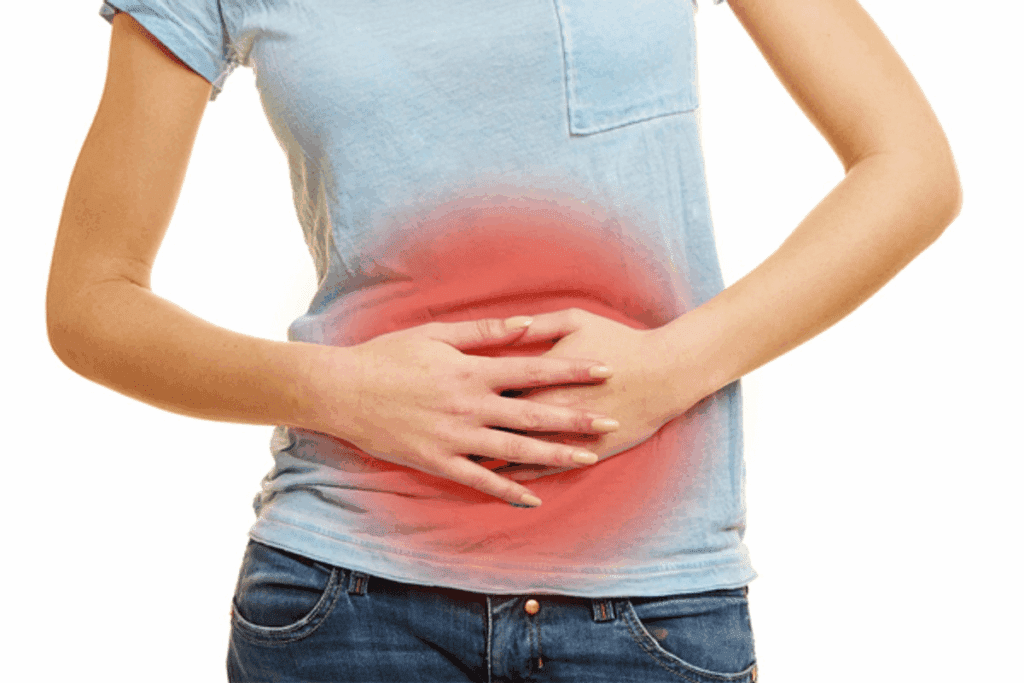
Pelvic inflammatory disease (PID) is a serious condition that affects the female reproductive system. It causes significant health concerns for women worldwide. PID is mainly caused by sexually transmitted bacteria. These bacteria move up from the lower genital tract to the upper reproductive organs, causing infection and inflammation. Explaining the infectious causes behind pelvic pain and discharge (PID) and the typical length of treatment.
PID can silently damage reproductive organs. This often leads to long-term consequences like infertility and chronic pelvic pain. It’s important to understand the causes and recognize the subtle symptoms of PID. This is key to seeking timely medical care and preventing permanent damage.
Exploring PID shows that early recognition and intervention are vital. They help manage the condition and reduce its effects on women’s health.
Key Takeaways
- PID is mainly caused by sexually transmitted bacteria.
- The condition can lead to serious long-term health consequences.
- Early recognition and treatment are critical in managing PID.
- Understanding PID causes and symptoms is essential for women’s health.
- Timely medical care can prevent permanent reproductive damage.
Understanding Pelvic Inflammatory Disease (PID)
Knowing about PID is key for women’s health. It affects the upper genital tract. Pelvic Inflammatory Disease (PID) is an infection and inflammation of the female reproductive organs. We’ll explore what PID is, the organs it impacts, and why it happens.
Definition and Affected Organs
PID is an infection and inflammation of the upper genital tract in females. The uterus, fallopian tubes, and ovaries are usually affected. It happens when bacteria from the lower genital tract move up and cause infection and inflammation.
Prevalence and Risk Factors
PID is common, with many cases worldwide each year. Most PID cases come from sexually transmitted infections (STIs) like chlamydia and gonorrhea. Other risks include having many sexual partners, a history of PID, and being under 25. Knowing these risks helps prevent and treat PID early.
The Primary Causes of Pelvic Inflammatory Disease

Knowing what causes PID is key to preventing and treating it. Pelvic Inflammatory Disease (PID) is a big health problem for millions of women globally. It causes a lot of suffering and can lead to long-term health issues.
Sexually Transmitted Infections
Most PID cases come from sexually transmitted infections (STIs). Neisseria gonorrhoeae and Chlamydia trachomatis are the main culprits. These bacteria move up from the lower genital area to the upper, causing inflammation and infection.
- Neisseria gonorrhoeae: This bacterium causes gonorrhea, a common STI that can lead to PID if left untreated.
- Chlamydia trachomatis: Chlamydia is another prevalent STI that is often asymptomatic but can cause significant damage to the reproductive organs.
Non-Sexually Transmitted Causes
While STIs are the main cause of PID, other factors can also play a role. These include:
- Bacterial vaginosis: An imbalance of the normal vaginal flora can lead to bacterial vaginosis, which is associated with an increased risk of PID.
- Mycoplasma genitalium: This bacterium has been increasingly recognized as a cause of PID, particular in cases where other STIs have been ruled out.
- Other bacteria that are not typically considered STIs can also cause PID, often in the context of a disrupted vaginal microbiota.
It’s vital to understand these causes to develop good prevention and treatment plans. We need to look at both STI and non-STI factors to care for patients at risk of PID properly.
How Bacteria Lead to PID Development
Pelvic Inflammatory Disease (PID) usually starts when bacteria move up from the lower genital area to the upper reproductive organs. This movement is key to understanding PID and how to stop or treat it.
The Ascending Infection Process
The infection starts when bacteria from the vagina or cervix move up to the uterus, fallopian tubes, or ovaries. Sexually transmitted infections (STIs) and bacterial vaginosis can help this movement. Once the bacteria reach the upper area, they can cause infection and inflammation. This leads to the symptoms of PID.
The infection’s progress can be affected by the type of bacteria and the person’s health. For example, Neisseria gonorrhoeae and Chlamydia trachomatis are common causes of PID because they can infect the upper genital tract.
From Lower to Upper Genital Tract
The bacteria’s journey from the lower to the upper genital tract is complex. First, they colonize the vagina and cervix, often due to an STI or imbalance in the vaginal flora. Then, they move up to the uterus, fallopian tubes, and ovaries, causing infection and inflammation.
“The pathogenesis of PID involves the interplay of multiple bacterial species and the host’s immune response, leading to a complex inflammatory process.”
To show how the infection moves, here’s a table:
Stage | Description | Common Bacteria Involved |
Colonization | Bacteria colonize the vagina and cervix | Neisseria gonorrhoeae, Chlamydia trachomatis |
Ascension | Bacteria ascend to the upper genital tract | Mycoplasma genitalium, Bacterial vaginosis-associated bacteria |
Infection and Inflammation | Bacteria cause infection and inflammation in the upper genital tract | Various anaerobic and aerobic bacteria |
Understanding how PID develops is key to preventing and treating it. By knowing what causes PID, healthcare providers can offer better care. This helps reduce complications and improve patient outcomes.
Common Bacterial Culprits Behind PID
Knowing the bacteria behind PID is key to treating it. Pelvic Inflammatory Disease is a complex issue. It can be caused by many different bacteria.
Neisseria Gonorrhoeae
Neisseria gonorrhoeae causes gonorrhea, a major STI risk for PID. This bacterium moves up from the cervix to the upper genital tract. It leads to inflammation and infection.
Chlamydia Trachomatis
Chlamydia trachomatis is a common PID cause. It’s often hidden, making diagnosis tough without tests. Chlamydia can cause long-term inflammation and scarring in reproductive organs.
Mycoplasma Genitalium
Mycoplasma genitalium is a lesser-known but important PID cause. Studies show it’s linked to cervicitis, urethritis, and PID. It plays a big role in reproductive health issues.
Bacterial Vaginosis-Associated Bacteria
Bacterial vaginosis (BV) is when the vaginal microbiota gets out of balance. This leads to an overgrowth of anaerobic bacteria. While not a single bacterium, BV bacteria can lead to PID.
The table below shows the main traits of these bacteria:
Bacterium | Associated Condition | Key Characteristics |
Neisseria gonorrhoeae | Gonorrhea | Sexually transmitted, causes PID and gonorrhea |
Chlamydia trachomatis | Chlamydia | Often asymptomatic, leads to chronic inflammation |
Mycoplasma genitalium | Urethritis, cervicitis, PID | Associated with reproductive health issues |
BV-associated bacteria | Bacterial vaginosis | Causes imbalance in vaginal microbiota |
Knowing these bacteria is key for diagnosing and treating PID. Healthcare providers can use this knowledge to choose the right antibiotics. This helps manage the infection effectively.
Recognizing Pelvic Pain and Discharge: Key Symptoms of PID
Pelvic Inflammatory Disease (PID) shows up in several ways that can really affect a woman’s life. Spotting these signs early is key to managing the disease and avoiding serious problems later on.
Lower Abdominal and Pelvic Pain
Lower abdominal or pelvic pain is a common sign of PID. This pain can feel like a dull ache or sharp stabbing. It might stay the same or change, getting worse with movement or sex.
Abnormal Vaginal Discharge
Another important symptom is unusual vaginal discharge. This discharge might look, feel, or smell different. It often comes with itching or irritation in the vaginal area.
Unusual Bleeding Patterns
Women with PID might notice changes in their bleeding. This could be bleeding between periods, heavier or lighter periods, or bleeding after sex. These changes are important signs that need to be checked by a doctor.
Silent PID: When Symptoms Are Subtle
Sometimes, PID doesn’t show obvious symptoms, known as “silent PID.” This silent form is dangerous because it can lead to late diagnosis and treatment. This increases the risk of serious problems with reproductive health.
Women should know these symptoms and see a doctor if they notice anything unusual. Catching PID early and treating it can greatly improve health and prevent long-term issues.
Additional Symptoms and Warning Signs
It’s important to know all the symptoms of PID to catch it early. Pelvic pain and abnormal discharge are common signs. But, other symptoms can also mean you have PID.
Fever and Systemic Symptoms
PID can sometimes cause fever. A fever means your body is fighting an infection. If you have other PID symptoms with a fever, it’s a sign you need to see a doctor fast.
Pain During Intercourse
Pain during sex, or dyspareunia, is another sign of PID. This pain can be mild or very bad. It usually happens because of the infection’s inflammation.
Urinary Symptoms
Some people with PID might have urinary problems. This includes pain when you pee or needing to pee a lot. These issues happen if the infection reaches the urinary tract.
The table below lists more symptoms and warning signs of PID:
Symptom | Description |
Fever | Elevated body temperature indicating infection |
Pain During Intercourse | Dyspareunia, ranging from mild to severe discomfort |
Urinary Symptoms | Dysuria or frequent urination due to possible urinary tract involvement |
Knowing these extra symptoms is key to getting medical help quickly. If you notice any of these signs, see a doctor right away. They can help you get the right treatment.
The Timeline of PID: How Long Does It Last?
Knowing how long Pelvic Inflammatory Disease (PID) lasts is key to managing it well. The time PID takes to resolve can greatly affect a person’s life and health risks. We’ll look at the stages of PID and what affects its duration.
Acute PID: The First 30 Days
Acute PID is the early stage, lasting up to 30 days. Symptoms are strong, and risks of complications are high if not treated quickly. Getting medical help fast is vital to avoid lasting harm.
Chronic PID: Beyond 30 Days
Chronic PID lasts more than 30 days. It can cause ongoing pain and fertility problems. Treating chronic PID needs a detailed plan, often with antibiotics and other treatments.
Factors Affecting Recovery Time
Many things can change how long it takes to get better from PID. These include how bad the infection is, how fast and well treatment works, and the patient’s health. We’ll dive into these details.
The severity of PID at the start affects recovery time. More serious cases need longer treatment. Quick treatment is also key, as waiting can make recovery harder and increase health risks.
Factor | Impact on Recovery Time | Example |
Severity of Infection | More severe infections require longer recovery times | A patient with severe PID may need hospitalization |
Promptness of Treatment | Early treatment reduces recovery time and complications | Starting antibiotics within 24 hours of symptom onset |
Overall Health | Patients with underlying health issues may have longer recovery times | A patient with diabetes may require more time to recover |
Understanding these factors helps doctors create better treatment plans for each patient. This approach ensures care is more effective and tailored to individual needs.
When to Seek Medical Attention for PID
Knowing when to get medical help for Pelvic Inflammatory Disease (PID) is key. It helps treat the disease quickly and avoid serious problems. PID is a serious issue that needs fast medical attention to prevent serious issues.
Emergency Warning Signs
If you have any of these symptoms, get medical help right away:
- Severe abdominal pain that doesn’t go away
- High fever (usually above 101°F)
- Vaginal bleeding that’s heavy or painful
- Nausea and vomiting that stops you from keeping fluids or medicine down
- Abnormal vaginal discharge with a bad smell
These signs might mean a serious infection. It could lead to infertility, chronic pain, and a higher risk of ectopic pregnancy. Getting help fast is very important.
Symptoms Requiring Prompt Evaluation
Even if your symptoms don’t seem bad, see a doctor if you have:
- Mild to moderate pelvic pain that keeps getting worse
- Abnormal vaginal discharge or bleeding between periods
- Pain during intercourse
- Urinary symptoms like burning when you pee
Seeing a doctor early can greatly improve your chances of recovery. It also lowers the risk of lasting damage.
Follow-up Care Importance
After treatment, getting follow-up care is very important. It makes sure the infection is gone and deals with any ongoing issues. Your doctor might want to see you again to:
- Make sure the infection is gone
- Check for any complications or ongoing symptoms
- Give advice on how to avoid PID in the future
Following up with your doctor is essential for your health. It helps prevent the disease from coming back.
Diagnosing Pelvic Inflammatory Disease
To diagnose Pelvic Inflammatory Disease (PID), we use a detailed approach. This includes clinical evaluation, lab tests, and sometimes imaging. We’ll explain how we do this.
Clinical Evaluation
First, we do a thorough clinical evaluation. This means taking a detailed medical history and doing a physical exam. We look for symptoms like lower abdominal pain, unusual vaginal discharge, and fever.
During the exam, we also check for tenderness and signs of infection in the pelvis.
Key aspects of the clinical evaluation include:
- Assessing symptoms and medical history
- Performing a pelvic examination
- Checking for signs of infection and tenderness
Laboratory Tests
Laboratory tests are key in confirming PID. They help find the cause and rule out other conditions. Tests include:
- Nucleic acid amplification tests (NAATs) to detect Chlamydia trachomatis and Neisseria gonorrhoeae
- Vaginal discharge microscopy to identify bacterial vaginosis or trichomoniasis
- Blood tests to check for signs of infection or inflammation
Imaging Studies
Imaging studies might be needed to support the diagnosis or rule out other conditions. Common ones include:
- Transvaginal ultrasound to see the reproductive organs
- MRI or CT scans in complex cases or when other diagnoses are considered
By using clinical evaluation, lab tests, and imaging when needed, we can accurately diagnose PID. Then, we start the right treatment.
Treatment Approaches and Recovery Timeline
Understanding PID treatment options is key to managing the condition and recovering fully. We’ll cover the main treatments for PID, including antibiotic therapy. We’ll also discuss outpatient and inpatient care and how to manage symptoms.
Antibiotic Therapy: The 14-Day Course
The main treatment for PID is a 14-day course of antibiotic therapy. This aims to get rid of the infection-causing bacteria. The choice of antibiotics depends on the bacteria suspected or confirmed. A mix of broad-spectrum antibiotics is often used to cover many bacteria types.
The most recommended antibiotic regimens include:
- Cephalosporins (e.g., ceftriaxone) plus doxycycline
- Fluoroquinolones (e.g., levofloxacin) plus metronidazole
It’s important to finish the full 14-day antibiotic course, even if symptoms get better early. This ensures the infection is fully cleared.
Outpatient vs. Inpatient Treatment
The choice between outpatient and inpatient treatment depends on symptom severity and patient factors. Most women with mild to moderate PID can be treated as outpatients. Inpatient care is needed for severe symptoms, suspected abscess, or if outpatient treatment fails.
Treatment Setting | Criteria | Advantages |
Outpatient | Mild to moderate symptoms, compliant patient | Convenience, less costly |
Inpatient | Severe symptoms, suspected abscess, failed outpatient treatment | Close monitoring, intravenous antibiotics |
Managing Pain and Symptoms
Managing pain and symptoms is vital in treating PID. Over-the-counter pain relievers like ibuprofen can help with pelvic pain and discomfort.
Expected Recovery Milestones
The recovery time for PID varies based on infection severity and treatment promptness. Most women see symptom improvement in 3-7 days after starting treatment. Full recovery usually takes 2-4 weeks. Some women may feel tired or have mild pelvic discomfort during this time.
Potential Complications and Long-Term Effects
PID is not just a short-term issue; it can affect fertility and overall health for a long time. If not treated or managed well, PID can cause serious problems. These problems can greatly impact a woman’s quality of life.
Fertility Issues
PID can harm fertility. It can scar and damage the fallopian tubes. This makes it hard for an egg to be fertilized or for a fertilized egg to reach the uterus. Research shows that women with PID are more likely to face infertility. This risk grows with each PID episode.
Chronic Pelvic Pain
PID can also cause chronic pelvic pain. This pain lasts more than six months. It can make daily life hard and lower quality of life. The scarring and adhesions from PID can irritate nerves in the pelvic area, causing ongoing pain.
Ectopic Pregnancy Risk
PID also raises the risk of ectopic pregnancy. Damaged fallopian tubes make it harder for a fertilized egg to pass through. Ectopic pregnancies are not viable and can be dangerous if not treated quickly.
Pelvic Adhesions and Scarring
PID’s inflammation can cause adhesions and scarring in the pelvic area. These adhesions can make organs stick together. This can cause pain and make future surgeries or pregnancies more complicated.
“The development of adhesions is a common consequence of PID, and it can significantly impact a woman’s reproductive health,” says Medical Expert, a leading expert in gynecology.
Knowing about these complications shows why treating PID early is so important. Early treatment can lower the risk of these long-term effects. It helps protect reproductive health.
Conclusion
Pelvic Inflammatory Disease (PID) is a serious health issue that affects many women worldwide. Our summary shows that PID is mainly caused by sexually transmitted infections. Its symptoms can range from pelvic pain and abnormal discharge to more subtle signs.
Early diagnosis and treatment are key to preventing long-term complications. These include fertility issues, chronic pelvic pain, and the risk of ectopic pregnancy. Our discussion on PID emphasizes the importance of awareness and timely medical intervention.
By understanding the causes and recognizing the symptoms, women can reduce the risk of PID’s long-term effects. We stress the importance of prompt evaluation and treatment. This ensures the best possible outcomes for those affected by PID.
FAQ
What are the causes of pelvic inflammatory disease?
PID is mainly caused by STIs like gonorrhea and chlamydia. Other factors can also play a role.
How long can pelvic inflammatory disease last?
PID can last from a few days to months. It depends on how severe the infection is and how well it’s treated.
What are the symptoms of PID?
Symptoms include pelvic pain, unusual vaginal discharge, and bleeding. Some women might not notice these signs.
Is PID painful?
Yes, PID can be very painful. The pain can range from mild to severe.
What is the difference between acute and chronic PID?
Acute PID is the first stage, lasting up to 30 days. Chronic PID lasts longer and can cause more harm.
How is PID diagnosed?
Doctors use tests, lab work, and imaging to diagnose PID.
What are the treatment options for PID?
Treatment usually involves antibiotics for 14 days. The choice between home or hospital care depends on the infection’s severity.
Can PID lead to fertility issues?
Yes, PID can harm fertility. It can cause scarring and adhesions in the reproductive organs.
What are the treatment options for PID?
Treatment usually involves antibiotics for 14 days. The choice between home or hospital care depends on the infection’s severity.
What are the treatment options for PID?
Treatment usually involves antibiotics for 14 days. The choice between home or hospital care depends on the infection’s severity.
Can PID lead to fertility issues?
Yes, PID can harm fertility. It can cause scarring and adhesions in the reproductive organs.
What are the treatment options for PID?
Treatment usually involves antibiotics for 14 days. The choice between home or hospital care depends on the infection’s severity.
What are the treatment options for PID?
Treatment usually involves antibiotics for 14 days. The choice between home or hospital care depends on the infection’s severity.
What is the role of STIs in PID development?
STIs, like gonorrhea and chlamydia, are the main causes of PID. Untreated STIs can lead to PID.
Can PID go away on its own?
No, PID needs medical treatment. Without treatment, it can cause serious problems and long-term health issues.
What is the impact of PID on reproductive health?
PID can greatly affect reproductive health. It increases the risk of infertility, ectopic pregnancy, and chronic pelvic pain.
References
National Center for Biotechnology Information. Evidence-Based Medical Guidance. Retrieved from https://www.ncbi.nlm.nih.gov/books/NBK499959/