Recovering from surgery takes time, consistency, and the right support. At Liv Hospital, we know that care goes beyond the operating room. We offer a detailed, rehabilitation plan tailored to each patient’s needs post surgery rehabilitation.
A well-planned rehabilitation can greatly enhance your recovery and life quality. Our Enhanced Recovery After Surgery (ERAS) protocols help speed up healing. They also prevent complications and help you regain function.
We see post-surgery care as an active, evidence-based journey. Our team is committed to top-notch healthcare. We offer full support for patients from around the world.
Key Takeaways
- Structured rehabilitation plans improve recovery and quality of life.
- ERAS protocols accelerate healing and reduce complications.
- Comprehensive, multidisciplinary care is essential for optimal recovery.
- Rehabilitation is a critical phase in the recovery journey.
- Personalized care is key to the best outcomes.
The Science of Surgical Recovery

Understanding the science behind surgical recovery is key. It helps patients navigate their journey back to health.
How Surgery Impacts Your Body
Surgery changes your body in many ways. It causes trauma, tissue damage, and can lead to scar tissue. These changes affect how your body heals.
Surgical trauma starts an inflammatory response. This is good for healing but can cause problems if not managed right. Being immobile can lead to muscle loss and stiff joints.
The Natural Trajectory of Recovery
Recovery times vary based on age, health, and surgery type. It goes through several stages, from right after surgery to long-term rehab.
Studies show that rehab plans greatly affect how well patients do after surgery. Knowing the recovery path helps doctors create rehab plans that fit each patient’s needs.
|
Recovery Phase |
Characteristics |
Interventions |
|---|---|---|
|
Immediate Post-operative |
Pain management, wound care |
Pain medication, wound dressing |
|
Early Rehabilitation |
Mobilization, physical therapy |
Physical therapy exercises, mobilization techniques |
|
Long-term Recovery |
Strengthening, functional restoration |
Progressive exercise protocols, functional training |
Setting Realistic Expectations
It’s important to set realistic goals for recovery. Patients need to know what to expect and what challenges they might face.
“Understanding the recovery process and having realistic expectations can significantly improve patient outcomes and satisfaction.” – Medical Expert, Orthopedic Surgeon
By telling patients what to expect, doctors can help them be more involved in their recovery. This leads to better results.
Benefits of Effective Post Surgery Rehabilitation
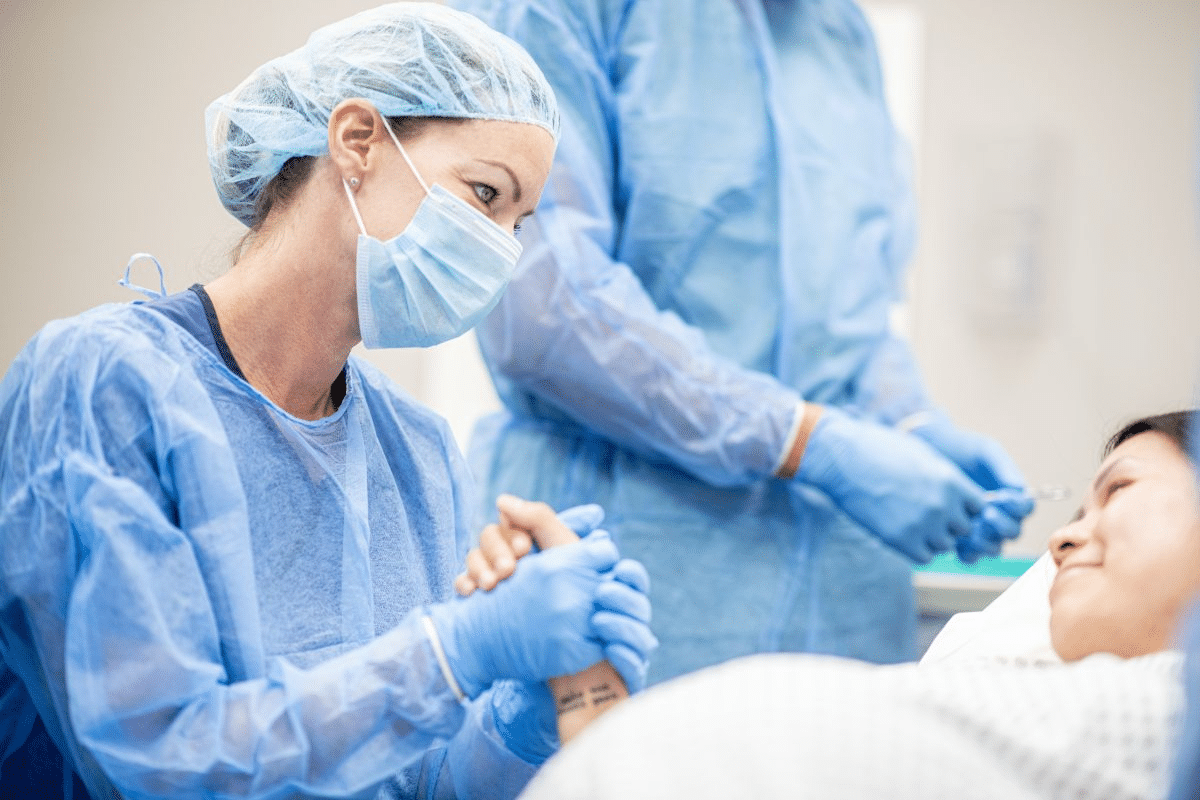
Effective post-surgery rehabilitation offers many benefits. It not only helps in the recovery process but also improves patient outcomes. By using a complete rehabilitation plan, we can help patients in many ways, from physical health to overall well-being.
Reduced Hospital Stays and Complications
One key advantage of good post-surgery rehab is shorter hospital stays and fewer complications. Research shows that patients in structured rehab programs stay in the hospital less and face fewer problems after surgery. For example, Enhanced Recovery After Surgery (ERAS) protocols can make hospital stays shorter, cut costs, and lower the chance of complications and pain.
Starting rehab before surgery can help patients recover faster than those who only get rehab after surgery. This early start in post surgery rehab reduces the risk of problems and makes recovery smoother.
Faster Return to Baseline Function
Good post-surgery rehab also means patients can get back to normal faster. Those who get full rehab support regain strength and mobility quickly. This lets them get back to their daily life and normal activities sooner.
Studies show that post-surgical rehab programs lead to better results. Patients get stronger, move better, and have better heart health. This focus on these areas greatly affects a patient’s recovery path.
Long-term Outcome Improvements
Effective post-surgery rehab also brings long-term benefits. It helps with the physical and functional parts of recovery. This leads to better health outcomes, less chance of future problems, and a better quality of life.
The long-term gains of post-surgical rehab include fewer hospital visits, better control of chronic conditions, and happier patients. By investing in thorough rehab plans, healthcare teams can offer top-notch care. This care goes beyond the immediate post-op period, helping patients reach their long-term health goals.
Preparing Before Surgery: Prehabilitation
Prehabilitation is key before surgery. It helps make recovery smoother and more effective. By focusing on prehabilitation, patients can improve their post surgery rehabilitation outcomes.
Prehabilitation includes physical conditioning, nutritional preparation, and mental readiness. These elements prepare patients for surgery and surgical rehab.
Physical Conditioning Strategies
Getting physically fit before surgery can lead to better results. This means doing exercises that boost heart health, strength, and flexibility. It’s important to talk to your healthcare provider about the right exercises for you.
Aerobic exercises like walking or swimming improve heart health. Strength training boosts muscle endurance. Flexibility exercises, like yoga or stretching, are also helpful.
Nutritional Preparation
Eating a balanced diet is vital for prehabilitation. A good diet helps your body heal after surgery.
Focus on foods high in proteins, vitamins, and minerals. Drinking plenty of water is also key. A healthcare provider or nutritionist can give you personalized diet advice.
Mental Readiness Techniques
Mental preparation is as important as physical. Techniques like meditation, deep breathing, or cognitive behavioral therapy can reduce stress and anxiety. These methods help patients cope better with surgery and recovery.
By improving mental resilience, patients can handle surgery and recovery more effectively. This leads to better post surgery rehabilitation.
The First 72 Hours: Critical Post-Operative Care
The first 72 hours after surgery are very important. They need careful attention to ensure a smooth recovery. This time focuses on avoiding complications, managing pain, and starting post-surgery rehabilitation.
Early Mobilization Protocols
Moving early is key in post operative rehab. Gentle exercises help prevent blood clots and promote healing. Start with simple actions like ankle rotations and deep breathing, as advised by doctors.
These protocols aim to increase activity levels gradually. You might go from sitting to standing and then walking short distances. This boosts circulation and supports recovery.
Pain Management Fundamentals
Managing pain well in the first 72 hours is critical. We use both medicines and non-medical methods to control pain. This includes pain meds, ice therapy, and relaxation techniques.
It’s important to stick to your pain management plan. Keep an eye on your pain and adjust the plan if needed. This helps keep pain under control and aids in a smoother recovery.
Essential Wound Care Practices
Good wound care is key to avoid infections and aid healing. We stress keeping the wound clean and dry. Follow dressing change protocols and watch for signs of infection like redness or swelling.
Patients must follow their healthcare team’s wound care instructions. Regular check-ups and sticking to wound care guidelines are essential for successful post-surgical rehabilitation.
Enhanced Recovery After Surgery (ERAS) Protocols
ERAS protocols are changing how we care for patients after surgery. They use many ways to help patients get better faster. These guidelines aim to cut down on problems and make recovery better.
Key Components of ERAS Programs
ERAS programs have several important parts for full care. These include:
- Preoperative counseling: Teaching patients what to expect before, during, and after surgery.
- Optimized nutrition: Making sure patients eat well before and after surgery to help them heal.
- Pain management: Using good ways to manage pain to lessen discomfort.
- Early mobilization: Getting patients to move early after surgery to avoid problems.
These parts work together to give a complete approach to helping patients recover after surgery.
Statistical Outcomes: 80% vs. 40% Recovery Rates
Research shows ERAS protocols lead to better recovery rates. For example, one study found an 80% recovery rate with ERAS, much higher than the 40% rate with traditional care.
|
Recovery Aspect |
ERAS Protocols |
Traditional Care |
|---|---|---|
|
Recovery Rate |
80% |
40% |
|
Complication Rate |
15% |
30% |
|
Average Hospital Stay |
3 days |
6 days |
How to Advocate for ERAS in Your Care
Patients can help get ERAS protocols in their care. Here’s how:
- Talk to your healthcare provider about ERAS options.
- Learn about the parts of your ERAS program.
- Follow the preoperative and postoperative care instructions closely.
Being informed and active can greatly improve your recovery.
Physical Therapy in Post Surgery Rehabilitation
The journey to recovery after surgery is important. Physical therapy plays a key role in helping patients get back on their feet. It helps restore mobility, strength, and function.
Timing Your Physical Therapy Journey
When to start physical therapy is very important. Moving around early after surgery can greatly improve recovery. We suggest starting physical therapy as soon as it’s safe, with a healthcare professional’s advice.
Benefits of Early Physical Therapy:
- Reduced risk of complications
- Improved range of motion
- Enhanced muscle strength
- Faster return to daily activities
Progressive Exercise Protocols
Exercise plans are made just for each patient. They start simple and get harder as you get stronger. This helps patients reach their best recovery.
Key Components of Progressive Exercise Protocols:
- Initial assessment of patient’s condition and abilities
- Customized exercise plan
- Gradual progression of exercises
- Regular monitoring and adjustment of the plan as needed
Measuring Rehabilitation Progress
Tracking how well you’re doing is key. We use different tools to see how you’re improving. This helps us adjust the therapy as needed.
Common Metrics for Measuring Progress:
- Range of motion
- Muscle strength
- Functional ability
- Pain levels
By watching these areas, we can make sure the therapy fits each patient’s needs. This helps ensure the best results in post-surgery care.
Nutrition Strategies for Optimal Post Surgery Rehabilitation
After surgery, the right nutrition is key for healing and recovery. It helps repair tissues and restore body functions. Good nutrition makes the rehab process smoother and more effective.
Protein Requirements for Tissue Repair
Protein is essential for healing, as it builds new tissue. After surgery, the body needs more protein to fix wounds and rebuild muscles.
- Adequate Protein Intake: Aim for 1.2 to 1.6 grams of protein per kilogram of body weight daily to support tissue repair.
- Protein Sources: Include lean meats, fish, eggs, dairy products, legumes, and nuts in your diet to meet your protein needs.
- Timing: Distribute protein intake evenly throughout the day to maintain a positive nitrogen balance.
Anti-inflammatory Foods and Supplements
Inflammation is a natural part of healing, but too much can slow recovery. Eating anti-inflammatory foods and taking supplements can help manage this and aid healing.
- Anti-inflammatory Foods: Eat foods high in omega-3s like salmon and flaxseeds, and foods rich in antioxidants like berries and leafy greens.
- Supplements: Adding omega-3s, curcumin, and ginger to your diet might help. But talk to your doctor first.
Hydration and Micronutrient Needs
Drinking enough water and getting the right micronutrients are important for recovery. Water helps move nutrients and remove waste. Micronutrients, like vitamins and minerals, are key for immune function and tissue repair.
- Hydration: Drink at least 8-10 glasses of water a day, based on your needs and activity level.
- Micronutrients: Make sure you get enough vitamins and minerals, like vitamin C, zinc, and iron, through food or supplements if needed.
By following these nutrition tips, people can improve their recovery after surgery. They can lower the chance of problems and get better results in their rehab journey.
Rehabilitation Timelines for Common Surgeries
The path to recovery after surgery is unique for everyone. It depends on the surgery type, the patient’s health, and following doctor’s orders.
Orthopedic Surgery Recovery
Orthopedic surgeries deal with bones and muscles. Recovery times vary. Simple surgeries might take weeks, while complex ones can take months.
Key Factors Influencing Recovery:
- Pre-surgery physical condition
- Complexity of the surgical procedure
- Adherence to physical therapy protocols
|
Surgery Type |
Typical Recovery Time |
Rehabilitation Focus |
|---|---|---|
|
Knee Replacement |
6-12 weeks |
Strengthening, Flexibility |
|
Hip Replacement |
6-12 weeks |
Mobilization, Strengthening |
|
Arthroscopy |
2-6 weeks |
Pain Management, Range of Motion |
Abdominal and Digestive Surgery Rehabilitation
Abdominal surgeries need careful care after. Recovery times vary based on the surgery and patient’s health.
“The key to successful recovery after abdominal surgery lies in managing pain effectively, maintaining nutrition, and gradually resuming physical activities.” – Medical Expert, General Surgeon
Cardiac and Thoracic Surgery Recovery
Cardiac and thoracic surgeries are complex. They require careful post-operative care. The goal is to regain strength and ensure heart and lung health.
Rehabilitation Components:
- Monitoring and managing cardiac health
- Gradual increase in physical activity
- Nutritional counseling
Knowing the specific needs for each surgery helps tailor recovery plans. This approach improves outcomes and enhances patients’ quality of life.
Avoiding Complications During Post Surgery Rehabilitation
When you’re in post-surgery rehab, knowing about possible problems is key. Even with great care, issues can happen. Being ready helps you recover better.
Recognizing Warning Signs
Spotting early warning signs is very important. Look out for:
- Increased pain or swelling at the surgical site
- Fever or chills
- Redness or discharge from the wound
- Difficulty breathing or shortness of breath
- Numbness or tingling in the extremities
Watching for these signs and telling your doctor right away can stop small problems from getting big.
Preventing Common Setbacks
Stopping common problems needs following your rehab plan, changing your lifestyle, and sometimes extra help. For example:
- Following your physical therapy plan helps avoid stiffness and boosts movement.
- Eating more protein helps fix tissues.
- Not smoking and drinking less alcohol lowers risk of problems.
Working closely with your healthcare team is important. They can adjust these tips for you and your surgery.
When to Contact Your Healthcare Provider
Knowing when to call your doctor is important. If you see any warning signs or have recovery worries, it’s safer to call. Your healthcare provider can help and act fast if needed.
In short, staying ahead of complications in post-surgery rehab needs a proactive and informed way. By watching for signs, avoiding common issues, and talking openly with your doctor, you can make your recovery better.
Conclusion: Building Your Personalized Recovery Plan
A good plan for recovery after surgery is key for the best results. Every person’s recovery is different. So, a plan that fits your needs is important for healing well.
It’s best to work with your doctor to make a plan that’s just for you. This plan should include steps like getting ready for surgery, moving early, and eating right. These steps help your body heal faster.
Understanding the value of recovery after surgery is important. By being active in your recovery, you can avoid problems, heal quicker, and have better long-term health. We urge you to take control of your recovery. Work with your healthcare team to make a plan that’s right for you.
FAQ
What is post-surgery rehabilitation, and why is it important?
Post-surgery rehabilitation is a plan to help patients get better after surgery. It’s key because it helps patients recover faster, reduces complications, and improves long-term health.
How does surgery affect the body, and what is the natural recovery process?
Surgery harms the body, causing pain and making it hard to move. The body tries to heal itself, but a good rehab plan can help it recover faster.
What are Enhanced Recovery After Surgery (ERAS) protocols, and how do they improve recovery rates?
ERAS protocols are guidelines that make surgery care better. They help patients recover faster, have fewer problems, and stay in the hospital less. They include moving early, managing pain, and eating right.
How can patients prepare before surgery to improve outcomes?
Before surgery, patients can get ready through prehabilitation. This includes getting fit, eating well, and preparing mentally. These steps help with better surgery results and easier recovery.
What is the role of physical therapy in post-surgery rehabilitation?
Physical therapy is vital in recovery after surgery. It helps patients get strong, move better, and function well. It uses exercises, tracks progress, and aims for the best recovery.
What nutrition strategies support optimal post-surgery rehabilitation?
Good nutrition is key for recovery after surgery. It includes eating enough protein for healing, foods and supplements that fight inflammation, and staying hydrated and getting all needed nutrients.
How can patients avoid complications during post-surgery rehabilitation?
To avoid problems during recovery, patients should watch for warning signs and prevent setbacks. They should also know when to get medical help. Working with healthcare providers to make a recovery plan is important.
What are the rehabilitation timelines for common surgeries, and how do they vary?
Recovery times vary based on the surgery type, like orthopedic, abdominal, or cardiac. Knowing the specific needs and challenges of each surgery helps in making effective recovery plans.
How can patients advocate for ERAS protocols in their care?
Patients can ask for ERAS protocols by talking to their healthcare team. They should learn about ERAS benefits and ask for a care plan that includes these guidelines.
What are the benefits of a personalized recovery plan in post-surgery rehabilitation?
A personalized recovery plan offers many benefits, like better outcomes, fewer complications, and a better quality of life. It lets patients and healthcare providers create a plan that fits their needs.
Reference
National Center for Biotechnology Information. Post-Surgery Rehabilitation: A Guide to Recovery and Support. Retrieved from https://www.ncbi.nlm.nih.gov/pmc/articles/PMC10052010/