
Meningitis is an urgent inflammation of the brain and spinal cord’s protective layers. It’s a serious condition that needs quick action. A key sign is a rash that looks like pinpricks or larger blotches.Explaining whyred spots on face after being sick might occur (petechiae) and when to worry about serious infections like Meningitis.
The rash from meningitis can be brown, red, or purple. It doesn’t disappear when pressed. Spotting this rash early is very important. It can be deadly if not treated right away.
Key Takeaways
- Understanding meningitis and its symptoms is vital for prompt medical attention.
- The meningitis rash can appear as pinpricks or larger blotches and may not fade under pressure.
- Early recognition of the rash is critical for effective treatment.
- Meningitis is a medical emergency requiring immediate attention.
- The rash can manifest in different colors, including brown, red, or purple.
Understanding Meningitis and Its Significance
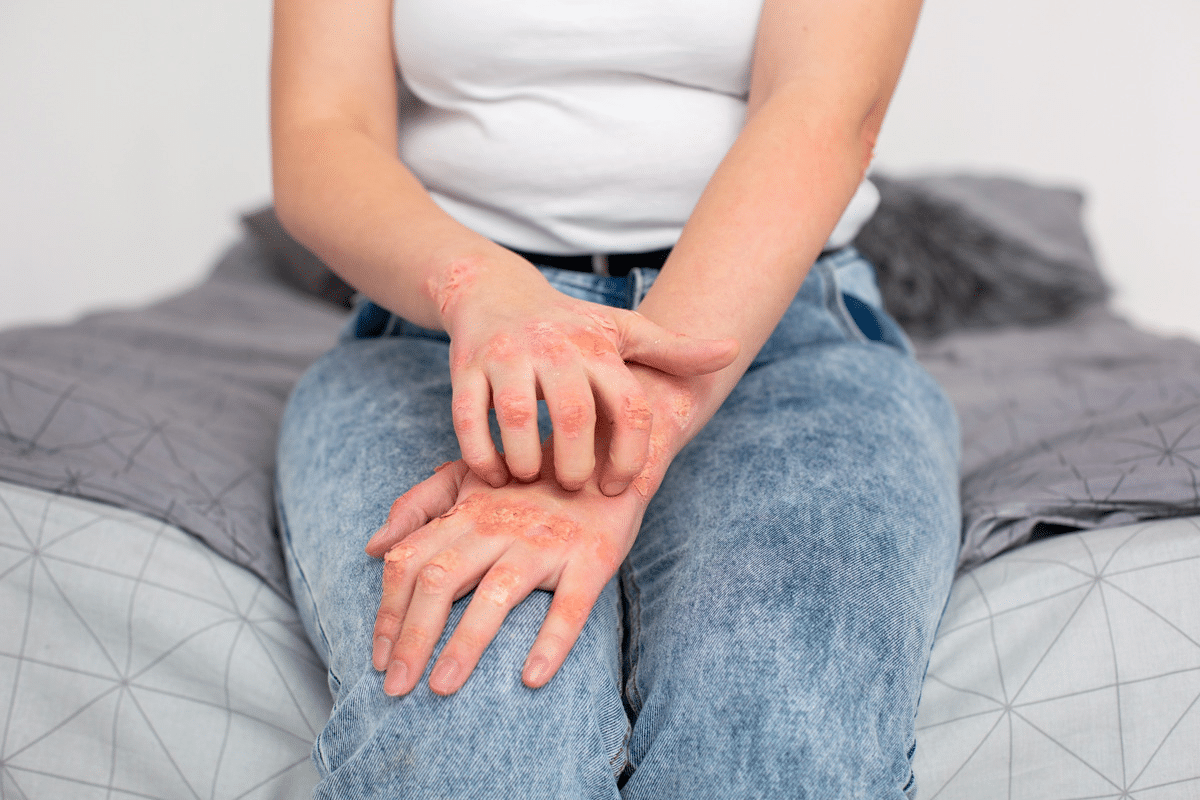
It’s important to know about meningitis to spot its signs early. Meningitis is when the membranes around the brain and spinal cord get inflamed. This can be very dangerous if not treated quickly.
What Is Meningitis?
Meningitis happens when the meninges get inflamed. This can be due to viruses, bacteria, or other germs. If not treated fast, it can cause serious problems like sepsis and brain damage.
Types of Meningitis: Bacterial, Viral, and Fungal
Meningitis is divided into three types: bacterial, viral, and fungal. Bacterial meningitis is the most serious. It’s caused by germs like Neisseria meningitidis, Streptococcus pneumoniae, and Haemophilus influenzae. Viral meningitis is less severe and is caused by viruses. Fungal meningitis is rare and affects people with weak immune systems.
Why Rapid Recognition Is Critical
Spotting meningitis quickly is key because it can be very dangerous. It can lead to meningococcal sepsis, which can infect many parts of the body and cause organ failure. Quick treatment can save lives, so it’s vital to catch the signs early.
Meningococcal disease is a big cause of bacterial meningitis. It can bring on fever, a purple rash, meningitis, and sepsis. The rash is a key sign of this disease, appearing in 50-75 percent of cases. Spotting these symptoms early can be a lifesaver.
The Characteristic Meningitis Rash Explained
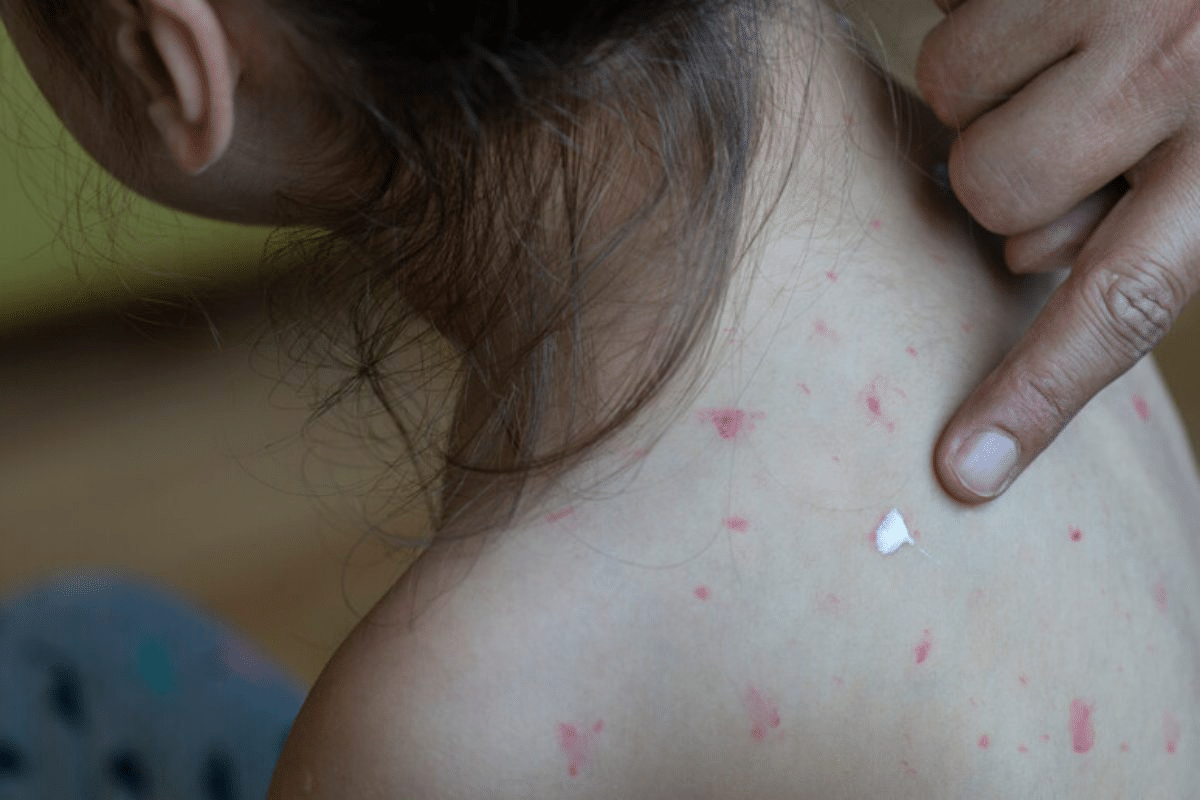
The meningitis rash is a key sign of meningococcal infection. It can quickly get worse if not treated. Meningococcal disease is caused by Neisseria meningitidis. It’s a serious infection that can cause meningitis, which is inflammation of the brain and spinal cord’s protective membranes.
Prevalence of Rash in Meningococcal Disease
The rash is a major symptom of meningococcal disease. It happens in a big part of cases. The CDC says the rash is in up to 80% of patients with meningococcal septicemia.
Seeing a rash with fever, headache, and neck stiffness can mean meningococcal infection.
Pathophysiology: Why the Rash Occurs
The rash happens because the bacteria damage blood vessels. This causes blood to leak into the skin. You see petechiae, purpura, or ecchymosis.
Medical Expert, a pediatrician, says,
“The rash you see is blood spots under the skin caused by leaking blood vessels.”
The disease’s pathophysiology is complex. It involves the bacteria, the host’s immune response, and the vascular endothelium.
Timing of Rash Development in Disease Progression
The rash can appear at any time but often shows up early. It starts as small spots or urticarial spots. These spots can quickly turn into petechiae, purpura, and ecchymosis in hours.
Spotting these symptoms early is key for quick medical help.
In conclusion, knowing about the meningitis rash is important for early diagnosis and treatment. The rash’s prevalence, how it happens, and when it appears are all important for healthcare providers to know. This helps them give the best care.
Early Signs: How to Identify the Initial Meningitis Rash
The first signs of meningitis rash can be hard to spot. It’s key to know what to look for. Catching it early is vital for treatment and avoiding lasting harm.
Pinprick Lesions and Urticarial Spots
The rash of meningitis often starts with pinprick lesions or urticarial spots. These tiny marks look like flea bites and are usually pink, red, or purple. They are often the first sign of the disease.
Early-Stage Pinprick Rash Characteristics
The early rash is small and doesn’t change color when pressed. This is different from other rashes. It can also come with fever and headache.
- The rash often starts as small, flat spots.
- These spots can quickly evolve into petechiae or purpura.
- Early detection is key for quick medical help.
Common Locations for Initial Rash Appearance
The rash first shows up on the arms, legs, hands, and feet. These spots are usually the first to show the rash. It’s important to watch these areas closely for any rash signs.
Knowing the early signs of meningitis rash and where to look can help catch it early. If you think someone has meningitis, get them medical help right away.
Progression of Meningitis Rash: What to Watch For
It’s important to know how a meningitis rash changes. This rash can get worse fast, often in just hours.
Development into Petechiae, Purpura, and Ecchymosis
The rash starts with petechiae, small spots. These spots can grow into purpura, which look like bruises. In the worst cases, it turns into ecchymosis, bigger bruising areas.
Doctors say the rash’s quick change is a big warning sign. “The rash’s look and how it changes can show how serious the disease is,” says a top infectious disease expert.
Color Changes and Spreading Patterns
The rash’s color can change a lot, getting darker. Its spread across the body also tells doctors a lot. Often, it spreads fast.
|
Stage |
Rash Characteristics |
Color |
|---|---|---|
|
Initial |
Pinprick lesions |
Red |
|
Progressed |
Petechiae, purpura |
Deeper red, purple |
|
Severe |
Ecchymosis |
Dark purple, blue |
Timeline of Progression: Hours Matter
The rash’s change is very important. It can get much worse in just a few hours. Spotting these changes early is key to getting help fast.
The meningitis rash’s change is a serious emergency. Knowing the signs and how fast it changes can save lives.
Red Spots on Face After Being Sick: Is It Meningitis?
Seeing red spots on your face after being sick can be scary. You might think it could be meningitis. Meningitis is a serious infection that can cause a rash among other symptoms. But, not all rashes are from meningitis.
Post-Illness Skin Manifestations
After being sick, your skin might react in different ways, like getting rashes. These can happen from viral infections, allergies, or other reasons. It’s important to tell the difference between these and a meningitis rash.
Differentiating Viral Rashes from Meningitis
Viral rashes can look like meningitis rashes, making it hard to tell them apart. But, viral rashes usually cover more area and don’t come with the severe symptoms of meningitis. Symptoms like fever, headache, and stiff neck are more common with meningitis.
|
Symptom |
Viral Rash |
Meningitis Rash |
|---|---|---|
|
Appearance |
Widespread, variable |
Petechiae, purpura |
|
Associated Symptoms |
Mild fever, general malaise |
High fever, headache, neck stiffness |
|
Progression |
Variable, often resolves on its own |
Rapid progression, potentially life-threatening |
When Facial Spots Warrant Immediate Concern
If you see red spots on your face after being sick and have severe symptoms like fever, headache, or stiff neck, get help right away. The classic signs of fever, headache, and stiff neck show up in only 44 percent of meningitis cases. So, watch out for any unusual symptoms.
Meningitis Rash in Different Age Groups
Meningitis rash looks different in each age group. It’s key to know these differences for the right diagnosis. The way the rash and other symptoms show can change a lot from one age to another. This makes diagnosing harder if we don’t understand these differences.
Meningitis Rash in Babies: Special Considerations
Finding meningitis rash in babies and young kids is tough. They might also have trouble feeding, be very fussy, or cry in a high-pitched way. The rash isn’t always the first sign. Doctors must look at these other symptoms too when checking for meningitis.
Key symptoms in babies:
- Difficulty feeding
- Irritability
- High-pitched moaning cry
- Lethargy or lack of responsiveness
Presentation in Children and Adolescents
Kids and teens might have a clearer meningitis rash. They often have fever, headache, and stiff neck too. The rash starts small and can grow into bigger spots.
Common symptoms in children and adolescents:
- Fever
- Headache
- Neck stiffness
- Rash progression from pinprick to larger lesions
How the Rash Appears in Adults and Elderly
In adults and the elderly, meningitis rash can be tricky to spot. They might have more serious brain symptoms or seem confused. The rash might be there but other symptoms could hide it.
Considerations for adults and the elderly:
- More pronounced neurological symptoms
- Confusion or altered mental status
- Systemic symptoms may overshadow the rash
Critical Symptoms That Accompany Meningitis Rash
It’s important to know the symptoms of meningitis rash to get medical help fast. Meningitis is a serious condition that can be life-threatening. It often shows symptoms that need quick action.
The Classic Symptom Triad: Fever, Headache, and Neck Stiffness
The main signs of meningitis are fever, headache, and neck stiffness. These signs are key, and a rash makes them even more serious. Fever is the first sign, showing the body is fighting an infection. A headache is usually severe and widespread. Neck stiffness shows irritation in the meninges.
If you have headache, altered mental status, fever, or neck stiffness, think of meningitis. These signs are important for doctors to start testing.
Rash with Cold Symptoms: When to Worry
Meningitis rash can look like a cold, with fever, sore throat, or runny nose. But, a rash that doesn’t fade under pressure is a big worry. This is different from a viral rash.
It’s key to tell meningitis rash from a viral one. If you have a rash with high fever, severe headache, or neck stiffness, get help right away.
Altered Mental Status and Other Warning Signs
Altered mental status means confusion to coma, a sign of severe meningitis. Seizures, vomiting, and light sensitivity are also warning signs. These show increased pressure in the brain and irritation in the meninges.
The table below lists the key symptoms of meningitis rash:
|
Symptom |
Description |
Severity |
|---|---|---|
|
Fever |
High body temperature |
High |
|
Headache |
Severe and diffuse headache |
High |
|
Neck Stiffness |
Nuchal rigidity indicating meningeal irritation |
High |
|
Altered Mental Status |
Confusion, disorientation, or coma |
Critical |
|
Rash |
Petechiae, purpura, or ecchymosis |
High |
Meningococcal disease can cause red or purple spots or larger bruises. Spotting these symptoms early is key for treatment.
The Glass Test: A Simple Home Assessment
A simple yet effective tool for evaluating rashes at home is the glass test. This method can help determine whether a rash is a sign of a potentially life-threatening condition like meningitis. The test involves pressing a clear glass against the rash to observe if it fades or remains visible.
How to Perform the Glass Test Properly
To perform the glass test, you will need a clear glass, such as a tumbler. Press the glass firmly against the rash, ensuring that the skin is blanched. If the rash is non-blanching, it will remain visible through the glass. This indicates that the rash is not responding to pressure, a characteristic sign associated with meningitis.
It’s essential to press the glass firmly enough to blanch the skin. If the rash disappears under the pressure of the glass, it is likely blanching, which could indicate a less severe condition. If the rash persists, it warrants further investigation.
Interpreting the Results
The results of the glass test can provide immediate insight into the nature of the rash. A non-blanching rash is a red flag for meningitis, a serious infection that requires prompt medical attention. While not all non-blanching rashes are due to meningitis, this sign should never be ignored.
If the rash is non-blanching, it’s critical to look for other symptoms of meningitis, such as fever, headache, and neck stiffness. The presence of these symptoms alongside a non-blanching rash necessitates immediate medical evaluation.
Limitations and When to Seek Help Regardless
While the glass test is a useful tool, it is not foolproof. Some cases of meningitis may not present with a rash, or the rash may not be visible under the glass test. It’s critical to seek medical help if there are other concerning symptoms, even if the glass test is negative.
In conclusion, the glass test is a simple, at-home assessment that can provide valuable information about a rash. It should be used in conjunction with awareness of other meningitis symptoms. If in doubt, always err on the side of caution and seek medical attention.
Diagnostic Procedures for Suspected Meningitis
When someone shows signs of meningitis, quick diagnosis is key for good treatment and to avoid serious problems. Doctors must act fast to start the right treatment.
Initial Emergency Assessment
The first step in the emergency room is a quick check of the patient’s symptoms. Doctors look at the patient’s medical history and do a physical exam. They check for fever, headache, neck stiffness, and a meningitis rash.
Quick action is important because meningitis can get worse fast. If not treated quickly, it can lead to serious issues.
Laboratory Tests and Imaging
Lab tests are very important for diagnosing meningitis. These include:
- Blood cultures to find the cause of the infection
- Lumbar puncture (LP) to check the cerebrospinal fluid (CSF) for infection signs
- Complete Blood Count (CBC) to see if the patient has an infection
Imaging like computed tomography (CT) scans or magnetic resonance imaging (MRI) helps see how bad the inflammation is and if there are any complications.
Distinguishing Bacterial from Viral Meningitis
Telling bacterial from viral meningitis is very important because the treatments are different. Lab tests, like checking the cerebrospinal fluid, help tell them apart.
Bacterial meningitis has more white blood cells, less glucose, and more protein in the CSF. Viral meningitis has a milder CSF profile.
Knowing the cause helps doctors give the right treatment. This improves the patient’s chances of getting better.
When to Seek Immediate Medical Attention
If you think you might have meningitis, knowing when to get medical help is key. Meningitis is a serious condition that needs quick action.
Emergency Warning Signs That Cannot Wait
Some symptoms mean you need to see a doctor right away. These include:
- Severe headache with fever and stiff neck
- Confusion or altered mental status
- Rash that doesn’t fade under pressure (the glass test)
- High fever with chills
- Vomiting or seizures
“Time is of the essence when dealing with possible meningitis,” says it’s important to act fast.
What to Tell Healthcare Providers
When you go to the doctor, tell them everything. This includes:
- Telling them about your symptoms and when they started
- Mentioning any recent illnesses or exposures
- Listing any medicines you’re taking
- Sharing your medical history
Being detailed helps doctors diagnose and treat you right.
Why Minutes Matter in Treatment Outcomes
Getting treatment for meningitis quickly is vital. Early treatment can greatly improve your chances of recovery and lower the risk of serious problems or death.
“Prompt treatment can be the difference between recovery and severe disability or even death in cases of bacterial meningitis.”
The message is clear: in cases of suspected meningitis, delaying medical attention is not an option.
Conclusion: Balancing Vigilance and Perspective
Knowing about meningitis rash is key for quick action and treatment. It’s important to stay alert but not get too worried.
Meningitis can be treated if caught early, and most kids get better with the right care. Spotting the rash and other signs early can help a lot.
Being informed about risks, recognizing the rash, and knowing when to get help can keep you safe. Finding the right balance between being careful and not overreacting is vital in dealing with meningitis.
FAQ
What is meningitis and how serious is it?
Meningitis is an infection of the brain and spinal cord’s protective membranes. It can be caused by viruses, bacteria, or other microorganisms. Bacterial meningitis is very serious and can be life-threatening, needing immediate medical care.
What does a meningitis rash look like?
A meningitis rash looks like pinprick spots, urticarial spots, or petechiae. It starts as small, flat, pink or red spots. These spots can grow into purpura or ecchymosis. The rash can be anywhere on the body, often on the trunk, limbs, or face.
How can I differentiate between a viral rash and meningitis rash?
A viral rash spreads widely and may come with fever, headache, or sore throat. Meningitis rash is more localized and comes with severe symptoms like neck stiffness, confusion, or altered mental status.
What is the glass test and how do I perform it?
The glass test checks if a rash fades when pressed by a clear glass. If it doesn’t fade, it might be meningitis. To do the test, press a clear glass on the rash. If it’s visible, seek medical help right away.
What are the critical symptoms that accompany meningitis rash?
Symptoms of meningitis include fever, headache, and neck stiffness. Other signs are altered mental status, confusion, or trouble waking up.
Can meningitis rash occur in anyone, regardless of age?
Yes, meningitis rash can happen to anyone, at any age. But, babies and young children are more at risk and may show different symptoms.
How quickly should I seek medical attention if I suspect meningitis?
If you think you have meningitis, get medical help right away. Meningitis is a serious emergency that needs quick treatment. Waiting can cause serious problems or even death.
What information should I provide to healthcare providers if I suspect meningitis?
When you see a doctor, tell them everything about your symptoms. Mention when they started, any recent illnesses, and any medicines you’re taking. Also, tell them about any recent travel or contact with sick people.
Can meningitis be treated, and what are the treatment options?
Yes, meningitis can be treated. Bacterial meningitis gets antibiotics, and viral meningitis gets antiviral meds. Quick treatment can greatly improve your chances and reduce risks.
How can I prevent meningitis?
To prevent meningitis, get vaccinated, wash your hands often, and avoid close contact with sick people.
What is the prognosis for someone with meningitis?
The outcome for meningitis depends on how severe it is, how quickly you get treated, and your overall health. Many people recover with quick treatment. But, some may face long-term issues or even death.
References
World Health Organization. Evidence-Based Medical Guidance. Retrieved from https://www.who.int/news-room/fact-sheets/detail/meningitis