
Osteoporosis affects over 10 million Americans aged 50 and above. Another 44 million have low bone density, raising their risk for fractures. This condition makes everyday activities a big challenge.Explaining how infusion for bone loss therapy works to strengthen bones and reduce fracture risk in osteoporosis patients.
Infusion therapy is a new way to treat osteoporosis. It strengthens bones and prevents fractures. For example, zoledronic acid can cut hip fractures by up to 41%. It also boosts bone density a lot in just one yearly session.
Key Takeaways
- Osteoporosis affects over 10 million Americans aged 50 and above.
- Infusion therapy is an innovative treatment for osteoporosis.
- Treatments can reduce hip fractures by up to 41%.
- Infusion therapy can significantly increase bone density.
- Advanced infusion treatments are available for osteoporosis management.
Understanding Osteoporosis and Bone Health Crisis
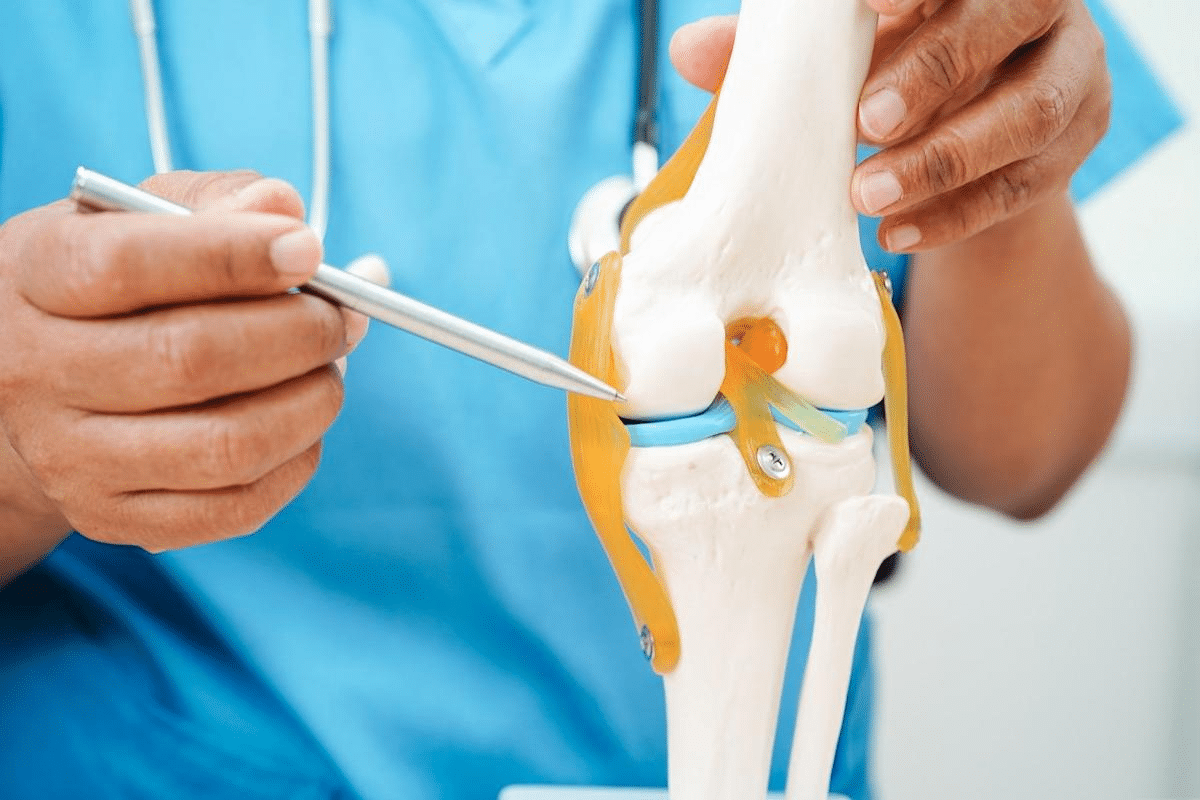
As people get older, knowing about osteoporosis and its effect on bones is key. Osteoporosis makes bones weak, leading to more breaks. It’s a silent disease that often shows no signs until a bone breaks, making early action important.
The Prevalence of Osteoporosis in the United States
Osteoporosis hits a big part of the U.S. population, mainly women after menopause but also men and others at risk. About 10 million Americans have it, and 44 million more have low bone mass, which raises their risk.
|
Demographic Group |
Prevalence of Osteoporosis |
Low Bone Mass Prevalence |
|---|---|---|
|
Women over 50 |
26.4% |
49.6% |
|
Men over 50 |
6.8% |
33.5% |
|
Total over 50 |
16.4% |
41.4% |
The numbers show how big a problem osteoporosis is. It highlights the need for better treatments and awareness.
How Osteoporosis Affects Bone Structure and Strength
Osteoporosis changes bones by making them less dense and weaker. This happens because bones break down faster than they’re made. So, bones become more fragile and break easier.
Infusion therapy targets bone cells directly. It uses medicines given through an IV to slow bone breakdown.
“The goal of osteoporosis treatment is to reduce the risk of fractures by maintaining or increasing bone density and improving bone quality.”
— National Osteoporosis Foundation
Risk Factors and Fracture Complications
Many things can increase the chance of getting osteoporosis. These include family history, long-term use of steroids, smoking, being underweight, and some diseases. Knowing these risks helps find people who need to take action early.
- Family history of osteoporosis or fractures
- Long-term use of corticosteroids
- Lifestyle factors such as smoking and low physical activity
- Low body weight or BMI
- Certain medical conditions and medications
Broken bones can really hurt your quality of life. They can cause chronic pain, disability, and even death. So, managing osteoporosis well is key to avoiding these problems.
The Science Behind Bone Density Loss
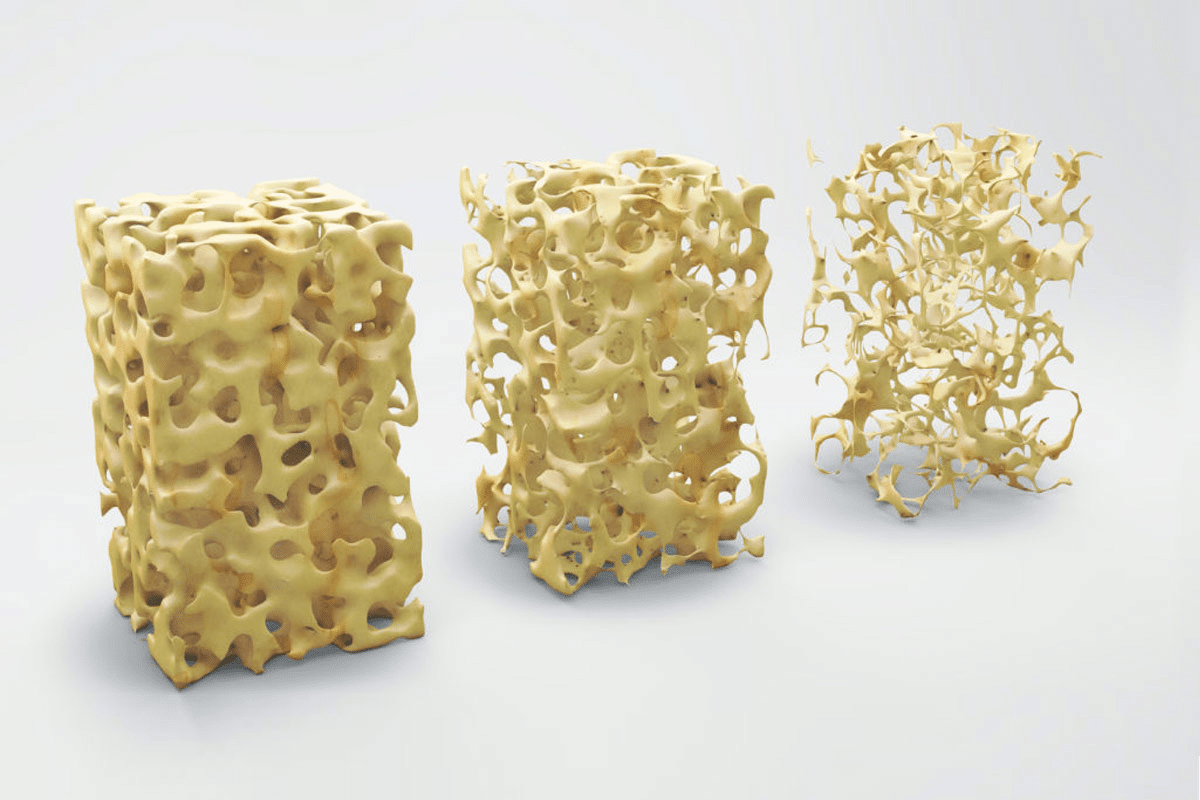
To understand how osteoporosis affects bones, we need to look at the science behind bone density loss. This loss happens when the balance between bone making and breaking is off.
Normal Bone Remodeling Process
The bone remodeling process is a complex dance between two cell types: osteoblasts and osteoclasts. Osteoblasts build bone, while osteoclasts break it down. In healthy bones, these cells work together to keep bone density steady. But in osteoporosis, this balance is lost, causing bone density to drop.
Osteoblasts create new bone matrix, which becomes strong bone tissue after mineralization. On the other hand, osteoclasts dissolve bone tissue, releasing minerals like calcium into the blood. The activity of these cells is controlled by hormones and growth factors.
Pathophysiology of Osteoporosis
Osteoporosis happens when bone breakdown outpaces bone building. This imbalance leads to weaker bones and a higher risk of fractures.
The causes of osteoporosis involve many cellular and hormonal interactions. Bisphosphonate infusions, for example, slow down bone breakdown by reducing osteoclast activity. This helps keep bones strong, which is key for those at risk of fractures.
Identifying the Early Signs of Bone Loss
Spotting bone loss early is key to preventing further decline. Doctors often diagnose osteoporosis during routine checks or when a bone breaks. Early signs include losing height, changes in posture, or a higher risk of fractures.
Knowing the risk factors and early signs can prompt medical action before bone loss gets worse. By addressing the causes and using treatments like infusion for bones or infusion for osteopenia, bone loss can be slowed or stopped.
Infusion for Bone Loss: How It Works
Infusion for bone loss is a new treatment that looks promising. It sends medicines straight into the blood to fight bone loss from osteoporosis.
Definition and Basic Principles
Infusion therapy for osteoporosis uses medicines given through an IV. This way, the medicine gets into the blood fast. It starts working quickly to stop or slow bone loss.
The main idea of infusion therapy is to tackle the root causes of bone loss. It aims to keep or boost bone mineral density. This lowers the chance of fractures.
Cellular Mechanisms: Inhibiting Osteoclast Activity
At the cell level, infusion therapy stops osteoclasts from breaking down bone. Medicines like zoledronic acid cut down on osteoclast activity. This helps bones grow stronger.
This process is key to understanding how infusion therapy improves bone health. It slows down bone breakdown, leading to stronger bones.
Benefits of Intravenous Delivery Methods
Intravenous delivery has many advantages. It ensures the medicine is absorbed better and can be given in higher doses. This is great for those who can’t take pills or haven’t seen results from other treatments.
Also, infusion therapy is given less often than other treatments. For example, zoledronic acid is given as a 5 mg IV infusion once a year. This makes it easier to manage osteoporosis over time.
Types of Infusion Medications for Osteoporosis
Osteoporosis infusions are key in managing bone health. They help those at high risk of fractures. At the Infusion Center at Denver Arthritis Clinic, FDA-approved medications are used. Each treatment is based on the patient’s history, bone density, and fracture risk.
Bisphosphonates: Zoledronic Acid (Reclast)
Bisphosphonates, like Zoledronic Acid (Reclast), are used to treat osteoporosis. Zoledronic acid is given as a 5 mg infusion once a year. It boosts bone density in the spine and hips by 6.7 percent and 5.1 percent, respectively. This helps lower fracture risk, improving patients’ lives.
Denosumab (Prolia) Infusion Therapy
Denosumab (Prolia) is important in osteoporosis treatment. It’s usually given as a subcutaneous injection. Denosumab stops osteoclasts from breaking down bone, increasing density and reducing fractures. Though not an infusion, its effectiveness makes it a valuable option.
Emerging Infusion Treatment Options
New infusion treatments for osteoporosis are being developed. These include new bisphosphonates and agents targeting bone remodeling. Ongoing research offers hope for better osteoporosis management in the future.
IV infusion therapy for osteoporosis is changing how we treat bone health. It offers targeted treatments with clear results. Healthcare providers can create personalized treatment plans. This improves bone health and lowers fracture risk.
The Infusion Procedure: What to Expect
Infusion therapy is a helpful treatment for osteoporosis, mainly for those who can’t take pills. It’s great for patients who can’t handle oral bisphosphonates or haven’t seen results from pills. It’s also good for those at high risk of fractures because of low bone density.
Pre-Infusion Assessment and Testing
Before starting infusion therapy, patients get a pre-infusion check-up. This check-up might include blood tests to check kidney function and calcium levels. It makes sure the patient is right for the treatment.
Pre-infusion testing is key to find any risks or problems with the treatment. Medical Expert, an expert in osteoporosis treatment, says, “Pre-infusion assessment is a critical step in ensuring the safety and efficacy of infusion therapy.”
“Pre-infusion assessment is a critical step in ensuring the safety and efficacy of infusion therapy.” – Medical Expert
Step-by-Step Process of Administration
The infusion process involves giving the medicine through an IV line. It usually takes 15-30 minutes and happens at a doctor’s office, hospital, or infusion center.
- The patient sits comfortably, and the IV line is put into a vein in the arm.
- The infusion medicine is given slowly over the set time.
- Healthcare professionals watch the patient during the infusion to handle any immediate issues or side effects.
Duration and Frequency of Treatment Sessions
The length and how often infusion therapy is needed can change based on the medicine and patient needs. Usually, treatments for osteoporosis are given every few weeks to several months.
|
Medication |
Infusion Duration |
Frequency |
|---|---|---|
|
Zoledronic Acid (Reclast) |
15-30 minutes |
Once a year |
|
Denosumab (Prolia) |
N/A (subcutaneous injection) |
Every 6 months |
Knowing the details of the infusion procedure can help ease worries and get patients ready for their treatment journey.
Clinical Effectiveness of Bone Strengthening Infusions
Infusions are key in managing osteoporosis. They have been studied a lot. The results show they greatly improve bone health.
Impact on Bone Mineral Density Measurements
Infusions like zoledronic acid boost bone mineral density (BMD). Studies show a 6.7% increase in the lumbar spine and 5.1% in the femoral neck.
This rise in BMD is a big deal. It means bones are stronger, reducing the chance of fractures.
Fracture Risk Reduction Statistics
The main aim of osteoporosis treatment is to lower fracture risk. Infusions like zoledronic acid do just that. They cut the risk of new vertebral fractures by 70% and hip fractures by 41% in postmenopausal women.
These numbers highlight how effective infusion treatments are. They help prevent fractures and improve patients’ lives.
Long-Term Outcomes and Effectiveness Timeline
Infusion therapy for osteoporosis shows long-term benefits. Studies show these benefits last for years, protecting against fractures and improving bone density.
It’s important to keep up with regular check-ups. This ensures the treatment keeps working and addresses any side effects.
Potential Side Effects and Risk Management
It’s important for patients to know about the risks and side effects of infusion for osteoporosis. This treatment uses medicines that help slow down bone loss. But, like any treatment, it can cause side effects.
Common Side Effects of Osteoporosis Infusions
People getting bone density infusion might feel some common side effects. For example, Reclast infusions can cause flu-like symptoms, joint pain, headaches, and tiredness. These usually go away in a few days and can be helped with over-the-counter medicines.
- Flu-like symptoms
- Joint or bone pain
- Headache
- Fatigue
Talking to your doctor about these side effects is key. They can help you manage them better.
Rare but Serious Complications
Even though rare, serious problems can happen with osteo infusion therapy. These include severe allergic reactions, kidney issues, or changes in calcium levels. If you notice any unusual symptoms, tell your doctor right away.
Strategies to Minimize Adverse Reactions
Doctors take steps to lower the risk of bad reactions. They might give pre-medication, watch closely during the infusion, and check up after it’s done. This helps keep side effects to a minimum.
By knowing the possible side effects and working with your doctor, you can reduce risks. This way, you can get the most out of infusion for osteoporosis.
Who is an Ideal Candidate for Infusion Therapy?
Infusion therapy is a big step forward in treating osteoporosis. It’s a good option for those who can’t take oral medicines. We need to look at who would benefit most from this treatment.
Medical Criteria for Treatment Eligibility
People with a high risk of breaking bones are good candidates. This includes those who take steroids, smoke, or have certain diseases. Infusion therapy for osteoporosis helps those who don’t get better with pills or can’t take them.
“The use of infusion therapy has been shown to be effective in reducing the risk of fractures in patients with osteoporosis,” recent guidelines say. It’s a great choice for those at high risk.
Contraindications and Precautions
But, not everyone can get infusion therapy. Those with severe kidney problems, or who are pregnant or breastfeeding, should avoid it. Doctors must check each patient’s health before starting treatment.
Special Considerations for Different Patient Groups
Each group needs special care. Older adults might need more watching because of other health issues. Younger patients might need plans for long-term treatment. IV infusion therapy for osteoporosis can be adjusted for each group, making sure it’s safe and works well.
In short, finding the right person for infusion therapy takes a lot of looking at their health history and current status. This way, doctors can give the best treatment for osteoporosis.
Comparing Infusion Therapy to Other Osteoporosis Treatments
Osteoporosis treatment has evolved to include infusion therapy. This new method helps strengthen bones and prevent fractures. It’s important for patients and healthcare providers to understand the different treatment options.
Oral Medications vs. Infusion Therapy
Oral bisphosphonates are often used to treat osteoporosis. But, many patients face side effects like stomach problems. They also find the dosing hard to follow, which can make treatment less effective.
Infusion therapy for bone density is a different story. It avoids stomach issues and ensures the medicine is delivered consistently.
Zoledronic acid (Reclast) is an infusion medication that works well. It’s given once a year, which makes it easier for patients to stick with the treatment.
Injectable Treatments vs. Infusion Options
Injectable treatments, like denosumab (Prolia), are also used to manage osteoporosis. They are effective but need to be injected every six months. Infusion therapy, given less often, might be more convenient for some.
Choosing between injectables and infusion therapy depends on several factors. These include what the patient prefers, their medical history, and what insurance covers. Healthcare providers must consider these factors to find the best treatment for each patient.
Cost-Benefit Analysis and Insurance Coverage
The cost of infusion therapy is a big factor for patients. The medicine itself is pricey, but the long-term benefits are worth it. These benefits include fewer fractures, a better quality of life, and savings from avoiding hospital stays and surgeries.
Insurance coverage for infusion for bones varies a lot. Patients should talk to their healthcare providers and insurance companies. This helps understand what’s covered and any costs they might face.
In conclusion, infusion therapy is a valuable option for osteoporosis treatment. It offers unique benefits compared to oral medications and injectable treatments. By understanding these differences, patients and healthcare providers can choose the best treatment for osteoporosis.
Post-Infusion Care and Lifestyle Support
The success of infusion therapy for strengthening bones depends on more than just the treatment. After getting infusion therapy for osteoporosis, patients need thorough care to get the most from their treatment.
Nutritional Support for Bone Health
Eating a balanced diet full of calcium and vitamin D is key for bone health. Patients should eat foods like dairy, leafy greens, and fortified cereals. Calcium supplements might be suggested if they don’t get enough from food. Good nutrition helps make infusion therapy more effective.
Exercise Recommendations During Treatment
Regular exercise is also very important after infusion therapy. Activities like weight-bearing and resistance exercises can boost bone density. It’s important to talk to a healthcare provider to create a workout plan that fits your health and abilities.
Yoga or tai chi can also help improve balance and lower fall risks. It’s important to balance exercise with rest to avoid too much strain.
Monitoring Progress and Follow-up Schedule
Regular check-ups with healthcare providers are key to track how well infusion therapy is working. These visits help adjust the treatment plan if needed and address any concerns or side effects.
It’s important for patients to keep their follow-up appointments and report any changes in their health. This teamwork ensures the best results from infusion therapy.
Conclusion: The Future of Bone Strengthening Infusions
Infusion therapy is now a key method for fighting osteoporosis and boosting bone health. It sends medicine straight to the blood, focusing on making bones stronger and lowering fracture chances.
The Infusion Center at Denver Arthritis Clinic is at the forefront, providing cutting-edge treatments for osteoporosis. This means better bone health for patients over time. As therapy advances, so will the results, leading to a higher quality of life.
Research is moving forward, promising new ways to strengthen bones. With these advancements, doctors can help patients achieve the best bone health. This reduces the risks of osteoporosis.
FAQ
What is infusion therapy for osteoporosis?
Infusion therapy for osteoporosis is when medicines are given through a vein. These medicines, like bisphosphonates or denosumab, help make bones stronger and prevent breaks.
How does infusion therapy work to address bone loss?
It works by stopping bone-resorbing cells, called osteoclasts. This helps increase bone density and lowers the chance of fractures.
What are the benefits of infusion therapy for osteoporosis?
It can greatly improve bone density and lower fracture risk. It’s also good for those who can’t take pills or haven’t seen results from other treatments.
What types of infusion medications are available for osteoporosis?
For osteoporosis, you can get bisphosphonates like zoledronic acid (Reclast) or denosumab (Prolia). New options are also being looked into.
What can I expect during the infusion procedure?
You’ll first get checked before the infusion. Then, the medicine is given over a period, usually 15 minutes to a few hours, based on the type.
Are there any potentially serious side effects of osteoporosis infusions?
Yes, side effects can include flu-like symptoms. Rare but serious issues like jaw osteonecrosis or atypical femoral fractures can also happen.
Who is an ideal candidate for infusion therapy?
It’s best for those with severe osteoporosis, high fracture risk, or can’t take pills. It’s also for those who haven’t seen results from other treatments.
How does infusion therapy compare to other osteoporosis treatments?
It’s better for those who can’t stick to pills or need stronger treatment. It boosts bone density and reduces fracture risk.
What lifestyle changes can support bone health during infusion therapy?
Eating right, with enough calcium and vitamin D, and exercising, like weight-bearing activities, helps a lot during treatment.
How often are infusion treatments for osteoporosis administered?
Treatment frequency depends on the medicine. Some, like zoledronic acid (Reclast), are given once a year. Others might be more often.
Is infusion therapy for osteoporosis covered by insurance?
Insurance coverage varies. But, many plans cover FDA-approved treatments, including infusions, based on your plan details.
Can infusion therapy be used in conjunction with other osteoporosis treatments?
Using infusion therapy with other treatments depends on your health, osteoporosis severity, and past treatment results. It’s decided on a case-by-case basis.
References
National Center for Biotechnology Information. Evidence-Based Medical Guidance. Retrieved from https://www.ncbi.nlm.nih.gov/pmc/articles/PMC5768298/