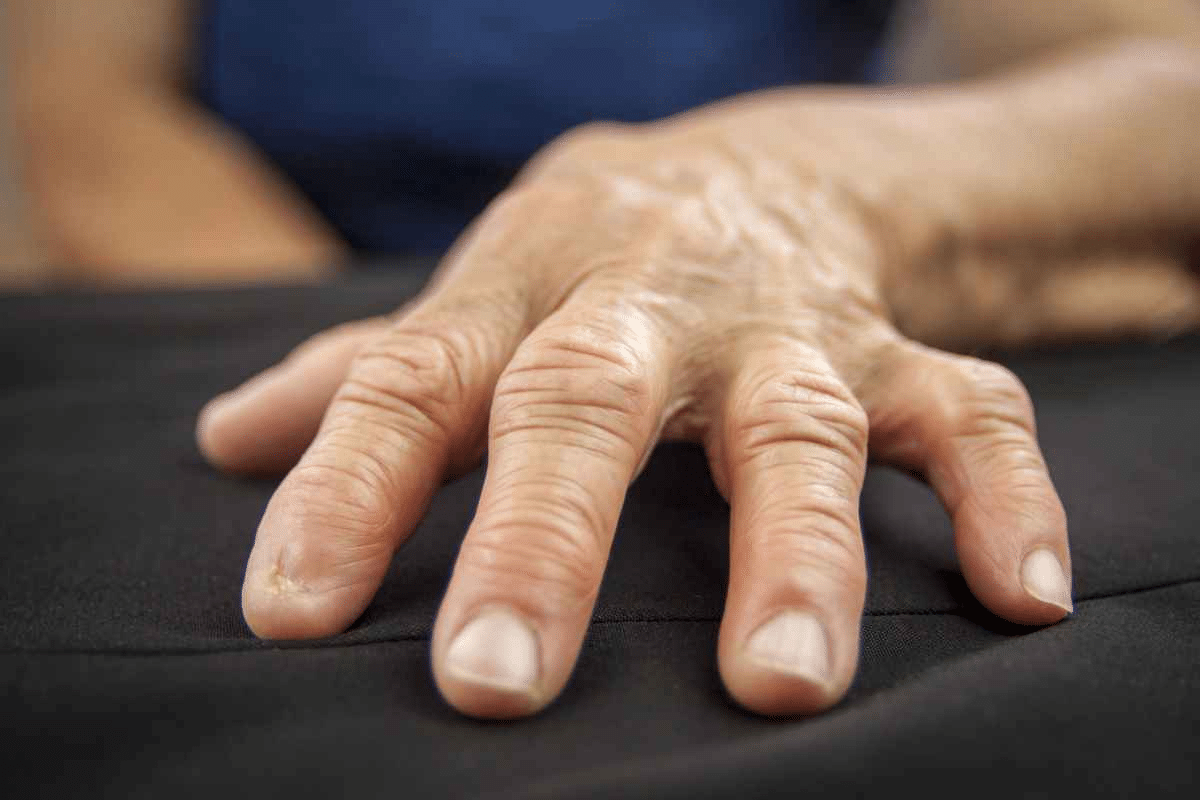
Explaining common triggers for what triggers rheumatoid arthritis flare ups, including stress, weather, and lack of sleep.
Rheumatoid arthritis (RA) flare-ups are unpredictable episodes of increased disease activity. They are marked by worsening symptoms that can overwhelm normal disease management. One day, you’re moving through your routine with little pain; the next, your joints feel like they’re on fire.
These episodes are not only exhausting but also overwhelming. They affect patients’ quality of life. Understanding what contributes to these debilitating episodes is key for patients seeking to reclaim control of their lives.
At Liv Hospital, we offer internationally competitive medical expertise and patient-centered care. We help you identify your personal flare triggers and develop effective management strategies.
Key Takeaways
- RA flare-ups are unpredictable episodes of increased disease activity.
- Understanding triggers is key for managing the condition.
- Liv Hospital offers patient-centered care and expertise.
- Identifying personal flare triggers can help patients reclaim control.
- Effective management strategies can improve quality of life.
Understanding Rheumatoid Arthritis Flare-Ups

Rheumatoid arthritis (RA) flare-ups are times when the disease gets worse. This can really affect how well a person lives. Symptoms often get worse, like more pain, stiffness, and swelling in the joints.
Definition and Characteristics of RA Flares
An RA flare-up means the disease is more active. This leads to more pain, swelling, tiredness, and less ability to move. These episodes make simple tasks hard for those who have them.
Key characteristics of RA flare-ups include:
- Increased joint pain and swelling
- Enhanced stiffness, mainly in the morning
- Fatigue and a general feeling of being unwell
- Reduced mobility due to pain and stiffness
Duration and Patterns of Flares
How long RA flare-ups last can vary a lot. Some might only last a few days, while others can go on for weeks or even months.
Understanding the patterns of RA flare-ups is key to managing them. Knowing what triggers these episodes and what they feel like helps patients and doctors find ways to lessen their impact.
Some common patterns in RA flare-ups are:
- Variable frequency: Flare-ups can happen at any time.
- Differing durations: How long a flare-up lasts can vary a lot.
- Trigger-related: Some things can make a flare-up happen.
The Science Behind RA Flare-Ups

Recent studies have uncovered the science behind RA flare-ups. They show how immune cells and signals work together in these episodes. This knowledge helps us understand RA better.
Immunopathologic Mechanisms
The immune system plays a big role in RA flare-ups. It attacks healthy tissues in the joints. This happens because of genetics and environmental factors.
Key Immunopathologic Mechanisms:
- Activation of T cells and macrophages
- Production of pro-inflammatory cytokines
- Release of chemokines attracting immune cells to the joints
Preinflammatory Mesenchymal Cells
Preinflammatory mesenchymal cells (PMCs) are important in RA flare-ups. They make cytokines and chemokines. These substances increase the immune response.
Autoimmune Response During Flares
During RA flares, the immune system is out of balance. There’s too much inflammation and not enough anti-inflammatory signals. Knowing this helps us find better treatments.
|
Characteristics |
Pro-inflammatory Signals |
Anti-inflammatory Signals |
|---|---|---|
|
Cytokines Involved |
TNF-alpha, IL-1, IL-6 |
IL-10, TGF-beta |
|
Effect on Joints |
Inflammation, joint damage |
Suppression of inflammation, tissue repair |
Understanding RA flare-ups is key to managing the condition. By knowing about immune mechanisms, PMCs, and the autoimmune response, we can help patients more.
What Does a Rheumatoid Arthritis Flare Feel Like?
Knowing what a rheumatoid arthritis flare feels like is key to managing it well. A flare is when symptoms get worse, making life harder for those affected.
Joint-Related Symptoms
Flares bring joint pain, stiffness, and swelling that can make everyday tasks hard. Hands, feet, wrists, and knees are often hit the hardest.
Flare times vary a lot. Some last just a few days, while others can go on for weeks. How long and how bad it is depends on treatment and health.
Systemic Symptoms
Flares also bring systemic symptoms, or “rheumatoid arthritis flu-like symptoms.” These include feeling very tired, having a fever, and feeling generally unwell.
|
Symptom |
Description |
Impact on Patient |
|---|---|---|
|
Fatigue |
Persistent feeling of tiredness |
Reduces ability to perform daily tasks |
|
Fever |
Elevated body temperature |
Can indicate increased inflammation |
|
General Malaise |
Feeling of being unwell |
Affects overall well-being and mood |
These symptoms can be as tough as the joint pain. It shows how important it is to find ways to manage RA flares well.
What Triggers Rheumatoid Arthritis Flare-Ups: Common Causes
Rheumatoid arthritis flare-ups can be caused by infections and stress. Each person may have different triggers. Knowing these can help manage RA better.
Categories of Flare Triggers
There are several types of RA flare triggers. These include:
- Infections and illnesses
- Stress and emotional factors
- Hormonal fluctuations
- Physical triggers such as overexertion and injury
- Environmental and weather-related changes
- Medication and treatment-related factors
Each category has specific triggers. For example, infections can be viral or bacterial. Stress can be sudden or ongoing.
Individual Variation in Trigger Response
People with RA react differently to triggers. What causes a flare-up in one may not affect another. This shows why managing RA needs a personal approach.
“The triggers that cause RA flare-ups can vary significantly from one person to another, making it essential to identify personal triggers.”
By focusing on personal triggers, patients can avoid or lessen their impact.
Identifying Your Personal Triggers
Finding personal triggers involves tracking symptoms and getting medical advice. Keeping a symptom journal helps. It records when flare-ups happen and possible triggers.
|
Trigger Category |
Common Triggers |
Potential Actions |
|---|---|---|
|
Infections |
Colds, flu, other viral infections |
Practice good hygiene, consider vaccination |
|
Stress |
Work-related stress, emotional stress |
Engage in stress-reducing activities, such as meditation or yoga |
|
Hormonal Changes |
Menstrual cycle, pregnancy, menopause |
Discuss hormonal management options with your healthcare provider |
Knowing and identifying personal triggers helps manage RA. It can reduce flare-ups’ frequency and severity.
Infections and Illness as RA Flare Triggers
Rheumatoid arthritis patients often face flare-ups due to infections. This shows the importance of keeping a close eye on health. Viral or bacterial infections can harm the immune system, making RA symptoms worse.
When we get an infection, our immune system works harder. For those with RA, this can mean more inflammation and disease activity. Knowing which infections can cause flare-ups is key to managing RA well.
Viral Infections (Colds and Influenza)
Viral infections like colds and flu often trigger RA flare-ups. They make the immune system more active, leading to more inflammation in the joints. For example, when we get a cold or flu, our body fights the virus hard. This can cause more pain and swelling in the joints for people with RA.
Vaccination against flu and other preventable infections is very important for RA management. It helps lower the chance of getting these infections and their related flare-ups.
Bacterial Infections
Bacterial infections, like urinary tract infections or pneumonia, can also cause RA flare-ups. They make the immune system react strongly, which can increase inflammation and worsen symptoms. It’s vital to treat bacterial infections quickly to lessen their impact on RA.
People with RA should know the signs of bacterial infections and get medical help if they think they have one. Early treatment can stop complications and lower the chance of a flare-up.
How Infections Amplify Autoimmune Response
Infections can make the autoimmune response in RA worse by boosting the immune system’s production of inflammatory chemicals. This can cause more joint damage and disease activity. The exact ways this happens involve many immune cells and cytokines.
Knowing how infections lead to flare-ups helps us find better ways to manage RA. By avoiding infections and treating them quickly, we can cut down on flare-ups’ frequency and severity.
Stress and Emotional Factors
For those with rheumatoid arthritis, stress is a big problem. It can make symptoms worse. We’ll look at how stress and emotions lead to RA flare-ups. We’ll also explore the body’s response to stress.
Physiological Stress Response
Stress makes our body’s “fight or flight” response kick in. This releases hormones and chemicals into our blood. It’s meant to help us deal with danger quickly. But for RA patients, it can harm their joints.
The main parts of the stress response are:
- Cortisol, known as the “stress hormone,” can affect inflammation and the immune system.
- Adrenaline gets the body ready for action, which can make RA symptoms worse.
- Inflammatory cytokines are released during stress, leading to more inflammation.
Inflammatory Chemicals Released During Stress
Stress makes the body release chemicals that can make RA symptoms worse. These include:
- TNF-alpha (Tumor Necrosis Factor-alpha) promotes inflammation and is a key target in RA treatment.
- IL-6 (Interleukin-6) is another cytokine involved in inflammation.
- Prostaglandins contribute to pain and inflammation.
These chemicals can cause more joint pain, swelling, and stiffness, typical of RA flare-ups.
Impact of Chronic vs. Acute Stress
Stress can affect RA differently, depending on its type. Both chronic and acute stress have their own effects:
|
Stress Type |
Characteristics |
Impact on RA |
|---|---|---|
|
Acute Stress |
Short-term, often related to specific events |
Can trigger immediate flare-ups due to sudden release of inflammatory chemicals |
|
Chronic Stress |
Ongoing, persistent stress |
May lead to sustained inflammation and increased susceptibility to flare-ups |
Knowing the difference between acute and chronic stress helps RA patients manage their condition better. It can reduce flare-ups’ frequency and severity.
Hormonal Fluctuations and RA Flares
Many women with rheumatoid arthritis find that hormonal changes can make their symptoms worse. Knowing how hormonal shifts affect RA can help manage the condition better.
Estrogen Levels and Inflammation
Studies show that estrogen levels can affect inflammation in RA patients. Estrogen has anti-inflammatory effects. Changes in estrogen during the menstrual cycle, pregnancy, or menopause can impact RA symptoms.
Some research indicates that higher estrogen levels may reduce inflammation. Lower levels might increase disease activity. This is why some women see changes in their RA symptoms during different times of their cycle or pregnancy.
Menstrual Cycle Influences
The menstrual cycle brings changes in estrogen and progesterone levels. Some RA patients notice their symptoms worsen before or during menstruation, when estrogen is lower.
Tracking symptoms with the menstrual cycle can reveal personal patterns and triggers for RA flares.
Pregnancy, Postpartum, and Menopause Effects
Pregnancy brings big hormonal changes, with estrogen levels rising. Many women see their RA symptoms improve or go into remission during pregnancy. But, the postpartum period often sees a flare-up due to the drop in estrogen.
Menopause marks the end of reproductive years, with a drop in estrogen. This decrease can lead to more RA activity.
|
Hormonal Event |
Effect on RA Symptoms |
|---|---|
|
Menstruation |
Worsening of symptoms for some women |
|
Pregnancy |
Improvement or remission |
|
Postpartum |
Flare-up |
|
Menopause |
Potential increase in disease activity |
Physical Triggers: Overexertion and Injury
Overexertion and injury can make rheumatoid arthritis symptoms worse. It’s important to know how physical activities affect RA.
Joint Overuse and Physical Strain
Doing too much physical activity can stress joints and cause a flare. “Repetitive strain on joints can accelerate wear and tear, potentially triggering an inflammatory response,” experts say. We need to watch our activities to avoid overuse.
Examples of joint overuse include:
- Repetitive motion injuries from tasks like typing or assembly line work
- High-impact activities such as running or jumping
- Lifting heavy objects without proper technique
Trauma and Injury
Trauma or injury to a joint can also trigger an RA flare. The body’s response to injury involves inflammation, which can make RA symptoms worse. For example, a fall or a direct blow to a joint can start an inflammatory cascade.
It’s essential to take preventive measures to avoid injuries. Wear protective gear during activities and be careful of your surroundings.
Finding Balance Between Activity and Rest
While avoiding overexertion is key, completely avoiding physical activity is not the answer. Regular, gentle exercise can help keep joints mobile and healthy. The goal is to find a balance between activity and rest.
“The goal is to stay active enough to maintain function and strength, but not so much that it triggers a flare.”
We suggest:
- Engaging in low-impact exercises like swimming or cycling
- Pacing activities to avoid exhaustion
- Incorporating rest days as needed
By understanding physical triggers and finding a balanced approach, people with RA can manage their condition better. This can help reduce flare-ups.
Environmental and Weather-Related Triggers
Many people with RA find that weather changes can make their symptoms worse. The exact reasons are not fully known. But research has given us some clues about how weather can affect RA symptoms.
Barometric Pressure Changes
When the weather changes, barometric pressure shifts. This can make joints expand and contract. This movement can irritate the joints, causing pain and stiffness. Some people with RA are very sensitive to these changes, feeling worse before a storm or when the weather shifts a lot.
Temperature and Humidity Effects
Temperature and humidity also play a role in RA symptoms. Cold temperatures can make muscles and joints tighten, leading to more stiffness and pain. On the other hand, high humidity can make symptoms worse, possibly because it affects joint tissues.
A study on weather-related triggers found that:
- Cold weather is associated with increased RA symptoms.
- High humidity can worsen joint pain and stiffness.
- Changes in barometric pressure can trigger pain in sensitive individuals.
Seasonal Patterns in RA Flares
Some people with RA notice their symptoms follow a seasonal pattern. Symptoms might get worse in the winter due to cold or in the summer when it’s humid. Knowing these patterns can help manage symptoms better.
To show how weather affects RA, here’s a table:
|
Weather Condition |
Effect on RA Symptoms |
|---|---|
|
Cold Temperatures |
Increased stiffness and pain |
|
High Humidity |
Worsened joint pain and stiffness |
|
Barometric Pressure Changes |
Irritation and pain in sensitive joints |
Understanding environmental and weather-related triggers can help RA patients prepare for flare-ups. With this knowledge and the right management strategies, they can reduce the impact of RA on their daily lives.
Medication and Treatment-Related Triggers
The link between rheumatoid arthritis medication and flare-ups is complex. It involves how well patients stick to their treatment and drug interactions. Knowing how medication affects the disease is key to managing it well.
Not taking medication as directed can cause flare-ups. Skipping doses or changing medications without a doctor’s okay can worsen symptoms and disease progression.
Missed Doses and Non-Adherence
Following your doctor’s medication plan is vital for controlling rheumatoid arthritis. Missing doses can cause more inflammation and flare-ups.
“Skipping Medication: Missing doses of RA medication or making changes without a doctor’s guidance can result in flare-ups.”
To prevent this, patients should stay in close touch with their healthcare providers. They should understand why sticking to the plan is so important.
Medication Tapering and Withdrawal
Changing or stopping medication should always be done with a doctor’s help. Sudden changes can cause flare-ups because the body reacts to the absence or reduction of drugs.
|
Medication Change |
Potential Risk |
Precaution |
|---|---|---|
|
Tapering DMARDs |
Flare-up risk |
Gradual tapering under supervision |
|
Withdrawing biologics |
Increased inflammation |
Monitor symptoms closely |
Drug Interactions and Side Effects
Drug interactions can also cause RA flare-ups. Some medications can affect how well RA treatments work or increase side effects.
For example, some over-the-counter drugs can react with RA medications. This can lead to bad side effects. It’s important for patients to tell their doctors about all the medications they’re taking.
Understanding the triggers related to medication and treatment helps patients manage their rheumatoid arthritis better. This can reduce the number of flare-ups they experience.
Tracking and Managing RA Flare-Ups
Managing RA flare-ups needs a detailed plan. This includes tracking, quick action, and knowing when to get medical help. It’s key to handle flare-ups well to manage the disease. Acting fast when a flare occurs can greatly help.
Flare Tracking Methods
Tracking RA flare-ups means watching symptoms, pain, and activity changes. Keeping a flare diary is a good idea. It helps spot patterns and possible causes.
There are mobile apps for tracking RA symptoms too. They make it easy to monitor flare-ups and share info with doctors.
Immediate Response Strategies
Quick action is key during a flare-up. Adjusting medication as your doctor suggests can ease symptoms. Also, getting more rest and not pushing too hard is important.
Using heat or cold therapy on sore joints can help. Gentle exercises like yoga or tai chi can also help manage symptoms without making things worse.
When to Contact Your Healthcare Provider
Knowing when to call your doctor is vital. If symptoms get worse or pain and swelling increase, you should reach out.
Treatment Adjustments During Flares
During a flare-up, medication changes might be needed. Your doctor might suggest raising the dose of your current meds or switching to something else.
It’s also a chance to talk about lifestyle changes for better RA management.
Conclusion
Understanding and managing rheumatoid arthritis flare-ups is key. By finding what triggers them and working with doctors, patients can control their condition better.
Combining medical care with healthy habits can help. Many people find their flare-ups happen less often and are easier to handle. Preventing flare-ups includes sticking to treatment plans, managing stress, and watching out for environmental factors.
Being proactive in managing rheumatoid arthritis can greatly improve daily life. We urge patients to work with their healthcare teams. Together, they can create a plan for better disease control and a higher quality of life.
FAQ
What is a rheumatoid arthritis flare-up?
A rheumatoid arthritis flare-up is when your symptoms get worse. This includes more pain, stiffness, and swelling in your joints.
What causes rheumatoid arthritis flares?
Flares can be caused by many things. This includes infections, stress, hormonal changes, and too much activity. Even weather changes can play a part.
What does a rheumatoid arthritis flare feel like?
A flare-up means more pain, stiffness, and swelling in your joints. You might also feel very tired and have flu-like symptoms.
How can I identify my personal triggers for rheumatoid arthritis flares?
To find your triggers, keep a journal of your symptoms and activities. Look for patterns that might link to your flare-ups.
Can stress trigger a rheumatoid arthritis flare?
Yes, stress can cause a flare-up. It releases chemicals that make inflammation worse and can trigger an autoimmune response.
How do hormonal changes affect rheumatoid arthritis?
Hormonal changes, like during your period or menopause, can affect your symptoms. They might even trigger a flare-up.
Can overexertion trigger a rheumatoid arthritis flare?
Yes, too much activity can lead to a flare-up. It puts extra stress on your joints.
How can I manage rheumatoid arthritis flares?
Managing flares means working with your doctor to create a treatment plan. Keep track of your symptoms and avoid triggers.
What should I do during a rheumatoid arthritis flare?
Rest and stay hydrated during a flare-up. Follow your treatment plan. If symptoms get worse, contact your doctor.
Can medication non-adherence trigger a rheumatoid arthritis flare?
Yes, not taking your medication as prescribed can lead to a flare-up.
Are there any seasonal patterns in rheumatoid arthritis flares?
Some people notice their symptoms change with the seasons. This might be due to weather or other environmental factors.
How can I track my rheumatoid arthritis flares?
You can track your flares by keeping a journal or using a mobile app. Work with your doctor to find the best tracking method for you.
References
National Center for Biotechnology Information. Evidence-Based Medical Guidance. Retrieved from https://www.ncbi.nlm.nih.gov/pmc/articles/PMC5863623/