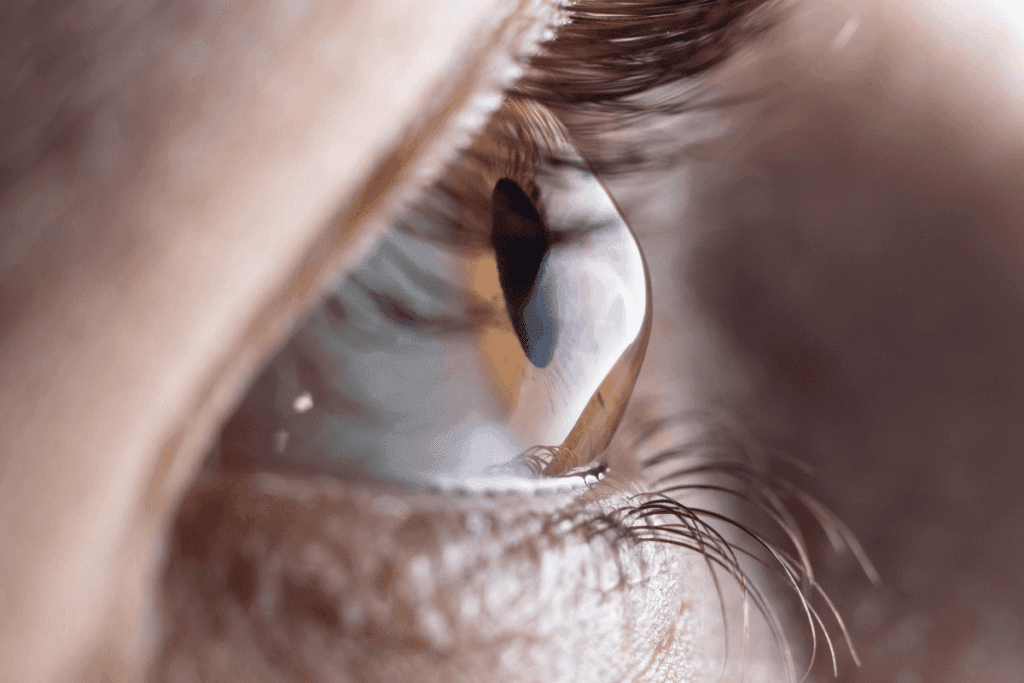
Have you seen bright red veins or bloodshot eyes and worried about them? Red veins in the eyes are common and affect almost everyone at some time enlarged eye veins.
Red veins in the eyes, also known as bloodshot eyes, happen when tiny blood vessels on the sclera get swollen or dilated. This can be from minor irritations to serious conditions that need a doctor’s check-up.
Knowing why you have red veins and when to see an eye care provider can ease your worries. We’ll look at the possible reasons and treatments. This will help you decide what to do next.
Key Takeaways
- Red veins in the eyes are often caused by swollen or dilated blood vessels.
- The condition can range from minor to serious health issues.
- Understanding the causes is key for the right treatment.
- Knowing when to seek professional care can ease your worries.
- Red veins can be a sign of a condition that needs medical attention.
What Causes Red Veins in Eyes
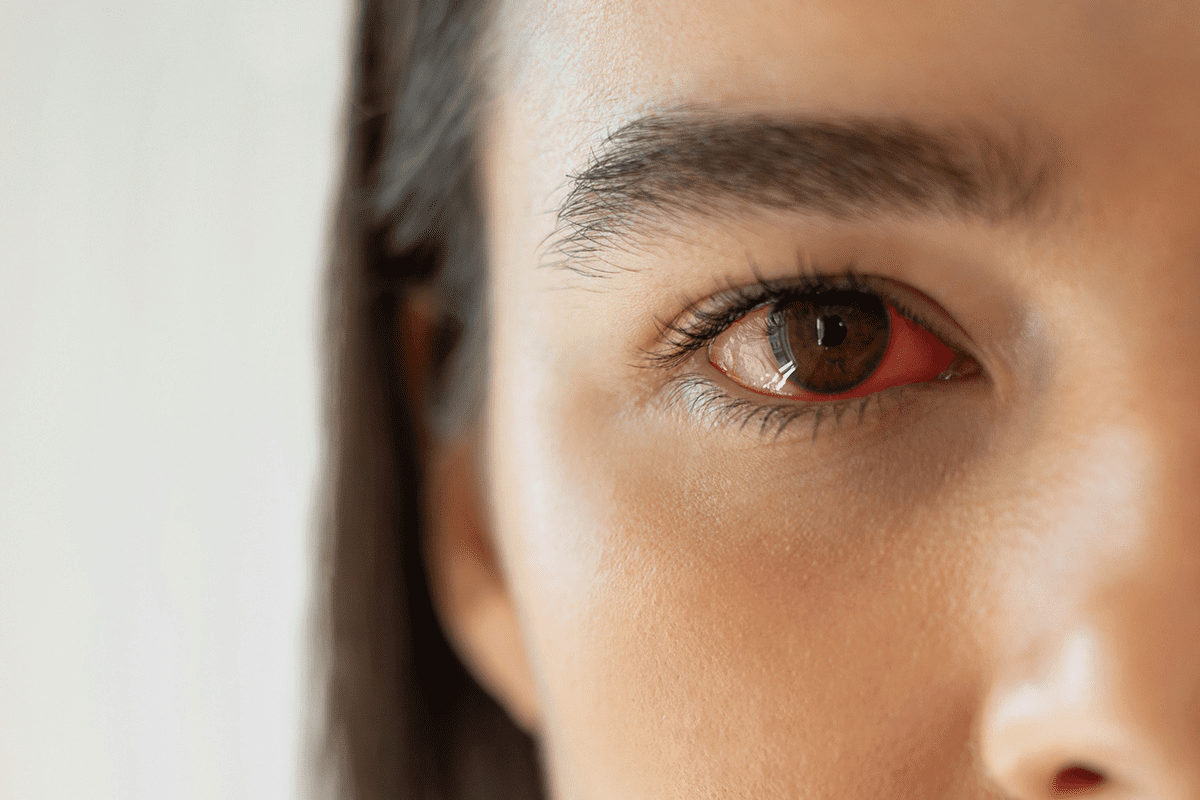
Red veins in the sclera, the white part of the eyes, can appear suddenly or over time. This issue affects people of all ages. It can be caused by many different factors.
Anatomy of the Eye’s Blood Vessels
The eye’s surface has tiny blood vessels that are usually not seen. When these vessels get bigger or inflamed, they show up more. This makes the eye look red. Knowing about the anatomy of the eye helps us understand why red veins happen.
The sclera, the outer eye layer, protects and gives structure. It has many blood vessels that can show up if irritated, exposed to allergens, infected, or due to other health issues.
Difference Between Normal and Abnormal Eye Redness
Not all eye redness is a problem. Normal eye redness can happen from things like staying up late, dust, or minor irritants. But abnormal eye redness lasts, is severe, or comes with pain, vision problems, or discharge.
- Normal redness usually goes away without treatment.
- Abnormal redness might mean there’s a serious issue that needs a doctor’s help.
Telling normal from abnormal eye redness is important. If you’re not sure why your eyes are red or if you have other symptoms, see an eye doctor.
Common Triggers for Enlarged Eye Veins
Red veins in the eyes can be caused by many things. These can be things we’re around, our lifestyle, or physical issues. Knowing what causes them is key to keeping our eyes healthy.
Environmental Irritants
Things around us can make our eyes red. Here are some common culprits:
- Dust and Pollutants: Tiny particles in the air can bother our eyes.
- Smoke: Smoke from cigarettes or other sources can irritate our eyes.
- Chlorine: The chlorine in pool water can also irritate our eyes.
Wearing protective eyewear can help when we’re around dust or chemicals.
Lifestyle Factors
Our daily habits can affect our eye health. Here are some important ones:
- Prolonged Screen Time: Looking at screens for too long can strain our eyes.
- Lack of Sleep: Not getting enough sleep can make our eyes look red and tired.
- Contact Lens Use: Wearing contact lenses can irritate our eyes if they’re not fitted right or if we don’t keep them clean.
Following the 20-20-20 rule can help reduce eye strain from screens.
Physical Triggers
Physical things can also make our eyes look red. Here are some examples:
- Rubbing the Eyes: Rubbing our eyes too hard can irritate them and even break blood vessels.
- Dry Eye: Not having enough tears or having poor-quality tears can make our eyes dry and red.
- Allergies: Allergies to things in the air or products we use can make our eyes red and itchy.
Being careful about these physical triggers and taking steps to avoid them can help prevent red veins in our eyes.
By understanding and dealing with these common causes, we can keep our eyes healthy and reduce red veins.
Types of Red Eye Conditions
It’s important to know the different types of red eye conditions. This helps in getting the right treatment. Red eye can be caused by many things. We’ll look at the main causes, symptoms, and how to treat them.
Subconjunctival Hemorrhage
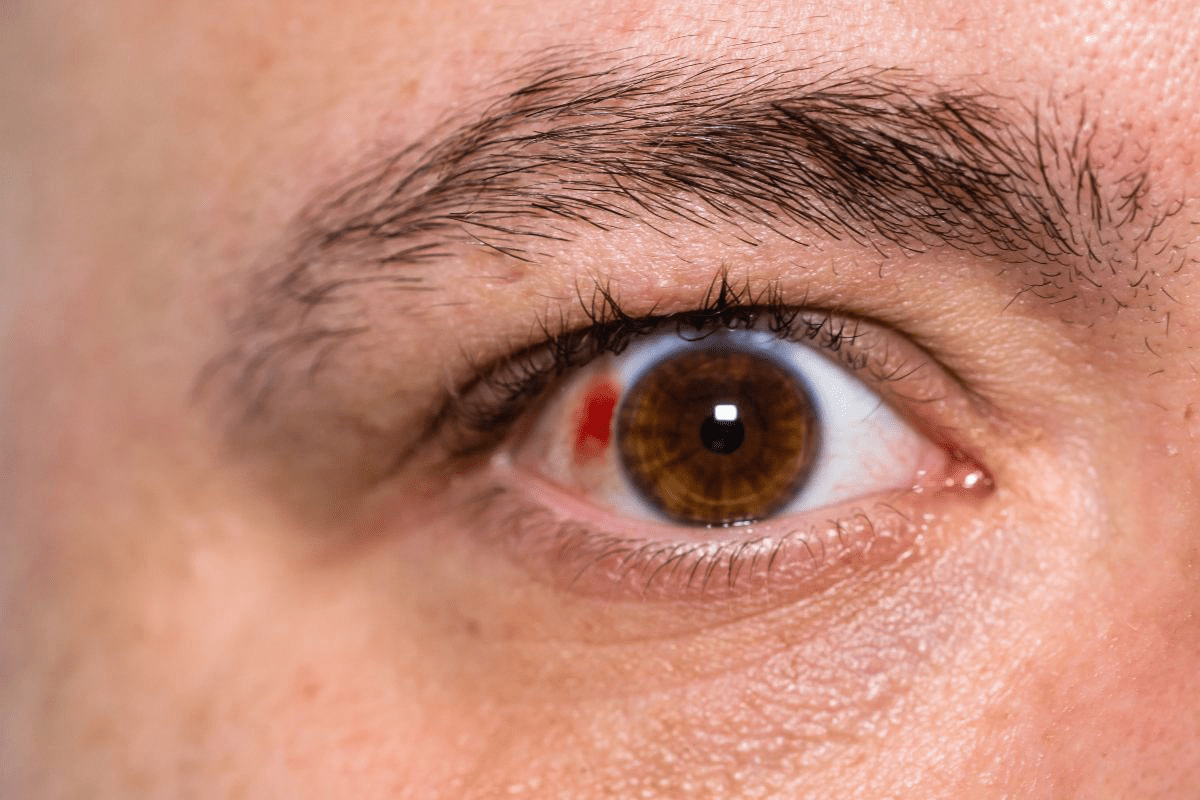
A subconjunctival hemorrhage happens when a blood vessel breaks under the eye’s clear surface. This results in a bright red patch on the eye’s white part. It’s often due to straining or coughing, which puts pressure on the eye’s blood vessels.
Here are the key signs of subconjunctival hemorrhage:
- A sudden bright red area on the eye’s white part
- No pain or vision loss
- It usually gets better on its own in a few days to two weeks
Conjunctivitis (Pink Eye)
Conjunctivitis, or pink eye, is an inflammation or infection of the eye’s outer membrane and inner eyelid. It can be from viral or bacterial infections or allergens. Symptoms include redness, itching, and discharge.
There are three main types of conjunctivitis:
- Viral conjunctivitis
- Bacterial conjunctivitis
- Allergic conjunctivitis
Dry Eye Syndrome
Dry eye syndrome happens when the eyes don’t make enough tears or when the tears are poor quality. It can cause eye redness, discomfort, and vision problems. It’s often due to aging, environmental factors, and some medications.
Symptoms of dry eye include:
- Dryness and irritation
- Redness and inflammation
- Blurred vision
Knowing about these conditions helps find the right treatment. Some red eye issues get better on their own, but others need medical help.
Medical Conditions Associated with Red Eye Veins
Red eye veins can signal serious health issues. We’ll look at eye infections, inflammatory conditions, and systemic health problems. These can change how our eyes look.
Eye Infections Beyond Conjunctivitis
Eye infections often cause red veins. While pink eye is common, other infections can also cause eye redness and discomfort. Here are a few examples:
- Uveitis: This is inflammation in the eye’s middle layer. It can cause eye pain, light sensitivity, and vision problems.
- Blepharitis: This is eyelid inflammation. It can lead to redness, itching, and swelling.
- Keratitis: This is cornea inflammation. It can be caused by infection or injury. It may cause eye pain, redness, and vision issues.
Inflammatory Conditions
Inflammatory conditions can also cause red veins in the eyes. These can affect just the eye or be part of a larger disease.
Systemic Health Issues Affecting Eye Appearance
Health issues like high blood pressure, diabetes, and autoimmune diseases can harm the eyes. For example, diabetes can cause diabetic retinopathy. This damages the retina’s blood vessels.
Healing Timeline: Do Red Veins in Eyes Go Away?
Red veins in eyes can be scary, but knowing how long they take to heal can help. The time it takes for red veins to heal depends on the cause.
Temporary vs. Chronic Conditions
First, we need to know if the red veins are temporary or chronic. Temporary issues, like subconjunctival hemorrhage, usually heal in a few weeks. Chronic issues might need ongoing care.
We’ll look at the differences between these and how they affect healing.
Expected Recovery Periods
The time it takes for red veins to heal varies by condition. For example:
- Subconjunctival hemorrhage: usually resolves within 2-3 weeks
- Conjunctivitis (Pink Eye): typically clears up within 7-10 days with proper treatment
- Dry Eye Syndrome: may require ongoing management, with symptoms improving over time with proper care
Knowing these recovery times helps manage expectations and treatment plans.
Factors Affecting Healing Time
Several things can affect how long red veins in eyes take to heal, including:
Factor | Impact on Healing Time |
Underlying Cause | The nature of the condition causing red veins significantly affects healing time. |
Treatment Effectiveness | Appropriate and timely treatment can expedite recovery. |
Overall Health | General health and presence of underlying medical conditions can influence healing. |
Understanding these factors helps individuals manage their recovery better.
Treatment Options for Red Eye Veins
Treatment for red eye veins varies based on the cause. Knowing your options is key to managing them well. We’ll look at home remedies, over-the-counter solutions, and medical treatments.
Home Remedies and Self-Care
For mild red eye veins, home remedies and self-care can help. Applying a warm compress to your eyes can lessen redness and improve blood flow. Use a clean, warm cloth over closed eyes for a few minutes.
Good eye hygiene is also vital. Avoid rubbing your eyes, remove makeup correctly, and clean contact lenses as advised.
Self-care also means managing your environment. Use a humidifier to combat dry air, wear sunglasses for UV protection, and take breaks from digital devices to avoid eye strain.
Over-the-Counter Solutions
For ongoing redness, over-the-counter (OTC) solutions can offer relief. Antihistamine eye drops or decongestant eye drops can reduce redness and itchiness. But, always follow the instructions and talk to a doctor if the redness doesn’t go away, as decongestants can cause rebound redness.
Lubricating eye drops, or artificial tears, are also helpful, mainly for dry eye syndrome. They moisturize the eyes, easing irritation and redness.
Medical Treatments
When red eye veins are signs of an underlying issue, medical treatments are needed. Prescription eye drops or oral medications can treat conditions like conjunctivitis or blepharitis. For serious cases, a doctor might suggest more advanced treatments.
Changing your lifestyle can also help. Quitting smoking and cutting down on alcohol can improve your eye health and reduce red eye veins.
Prevention Strategies for Healthy Eyes
To keep our eyes healthy, we must take a few steps. Being careful with our daily habits and surroundings is key. Simple actions like taking breaks from screens, avoiding allergens, and staying clean can prevent eye issues.
Digital Eye Care Habits
In today’s world, our eyes are always on screens. The 20-20-20 rule helps: look away from screens every 20 minutes for 20 seconds. Also, adjusting our device settings can ease eye strain.
Good lighting and a comfortable distance from screens are important. Blue light filtering glasses or apps can also help.
Digital Eye Care Habit | Benefit |
Following the 20-20-20 rule | Reduces eye strain |
Adjusting display settings | Decreases blue light exposure |
Using blue light filtering glasses or apps | Minimizes disruption to sleep patterns |
Environmental Modifications
Our surroundings affect our eye health. Staying away from dust and smoke helps. Wearing protective eyewear during risky activities is also vital.
“Protecting your eyes from the environment is a key step in keeping your vision healthy.”
— American Academy of Ophthalmology
Keeping our homes clean and dust-free is important. This is true for places we spend a lot of time, like bedrooms and workspaces.
Lifestyle Changes for Eye Health
Changing our lifestyle can greatly benefit our eyes. Eating foods rich in omega-3s, lutein, and zeaxanthin is good. Drinking water and exercising also help.
- Eating foods rich in vitamins A, C, and E
- Staying hydrated to prevent dry eyes
- Exercising regularly to improve circulation
Quitting smoking is also key. Smoking can lead to serious eye problems like cataracts and macular degeneration.
By following these prevention tips, we can lower the risk of eye problems. This helps us keep our vision healthy for a long time.
When to See a Doctor About Red Veins in Eyes
It’s important to know when to see a doctor for red veins in your eyes. These veins can be a sign of many things, from mild issues to serious health problems. Some cases might get better on their own, but others need quick medical help to avoid lasting damage.
Urgent Symptoms Requiring Immediate Care
Some symptoms with red veins in the eyes need you to see a doctor right away. These include:
- Severe pain or discomfort that doesn’t go away with rest or over-the-counter pain relievers.
- Vision changes, like blurred vision, double vision, or losing vision.
- Discharge or pus in the eyes, which could mean an infection.
- Sensitivity to light or photophobia, making it hard to handle normal light.
- Severe redness or swelling that makes it hard to open your eyes.
If you have any of these symptoms, you should get medical help fast.
Persistent Conditions That Need Medical Evaluation
Even if your symptoms aren’t urgent, seeing a doctor for red veins that keep coming back is a good idea. Issues like chronic dry eye, allergies, or ongoing irritation might need medical help to manage.
Some signs you should see a doctor include:
- Red veins that last more than a few days even with self-care.
- Red eyes that keep coming back.
- Associated symptoms like itching, burning, or feeling like something is in your eye.
Finding the Right Eye Care Professional
When you decide to see a doctor for your red veins, finding the right eye care professional is key. You can start by:
- Asking your primary care physician for a referral to an ophthalmologist or optometrist.
- Checking with your insurance provider to see which eye care professionals are covered under your plan.
- Researching online reviews or asking friends and family for recommendations.
Make sure the professional you choose has experience with red veins in the eyes.
Knowing when to see a doctor about red veins in your eyes is important for your eye health. By recognizing urgent symptoms, understanding persistent conditions, and finding the right eye care professional, you can take steps to keep your vision healthy.
Conclusion: Managing and Understanding Eye Redness
It’s important to know why red veins appear in our eyes. They can signal many health issues. Finding out what’s causing them is the first step to keeping our eyes healthy.
Knowing what can trigger eye redness helps us avoid it. We can prevent it by changing our environment and lifestyle. There are many ways to treat it, from simple home remedies to medical treatments. Knowing when to get help is key.
To manage eye redness, we need to understand its causes and take steps to prevent it. By making smart choices about our eye care, we can reduce red veins and keep our eyes healthy.
Many things can cause eye redness, and knowing them helps us manage it. By taking a holistic approach to eye care, we can keep our eyes comfortable and healthy.
FAQ
What are red veins in the eyes?
Red veins in the eyes are visible blood vessels on the eye’s surface. They appear as red lines or a general redness.
Why do I have a red vein in my eye?
Several things can cause red veins in your eyes. These include environmental irritants, allergies, dryness, or physical strain. These factors can make blood vessels on the eye’s surface appear larger.
Are red veins in eyes a cause for concern?
Red veins in eyes are usually not serious. But, they can be a sign of a problem that needs medical help. This could be an infection, inflammation, or a health issue affecting the whole body.
Do red veins in eyes go away?
Yes, red veins in eyes often go away once the cause is fixed. But, how long it takes depends on the cause and if it’s a short-term or long-term issue.
What is the difference between a subconjunctival hemorrhage and other red eye conditions?
A subconjunctival hemorrhage is when a blood vessel breaks under the conjunctiva. It shows as a bright red patch. This is different from other red eye issues like conjunctivitis or dry eye syndrome.
Can red veins in eyes be a sign of a serious medical condition?
Yes, red veins in eyes can sometimes mean a serious health issue. This could be an infection, inflammation, or a health problem that affects the whole body.
How can I treat red veins in my eyes?
Treating red veins in eyes depends on the cause. It can range from home remedies and over-the-counter products to treatments from an eye doctor.
What are some prevention strategies for avoiding red veins in eyes?
To avoid red veins in eyes, practice good eye care. Make changes to your environment to reduce irritants. Also, make lifestyle changes that help your eye health.
When should I see a doctor about red veins in my eyes?
See a doctor if you have urgent symptoms like severe pain, vision changes, or if the redness doesn’t go away. These could mean a serious condition that needs medical attention.
Can lifestyle changes help reduce the occurrence of red veins in eyes?
Yes, changing your lifestyle can help. Improve your eye hygiene, avoid irritants, and manage allergies. These steps can reduce red veins in eyes.
Are there any home remedies for red veins in eyes?
Yes, there are home remedies and self-care practices. Applying warm compresses or using artificial tears can help with red veins in eyes, depending on the cause.
How long does it take for red veins in eyes to heal?
Healing time for red veins in eyes varies. It depends on the cause, with some issues clearing up quickly and others taking longer or needing ongoing care.
References
National Center for Biotechnology Information. Red Veins in Eyes: Causes and Resolution. Retrieved from https://pmc.ncbi.nlm.nih.gov/articles/PMC8328962/