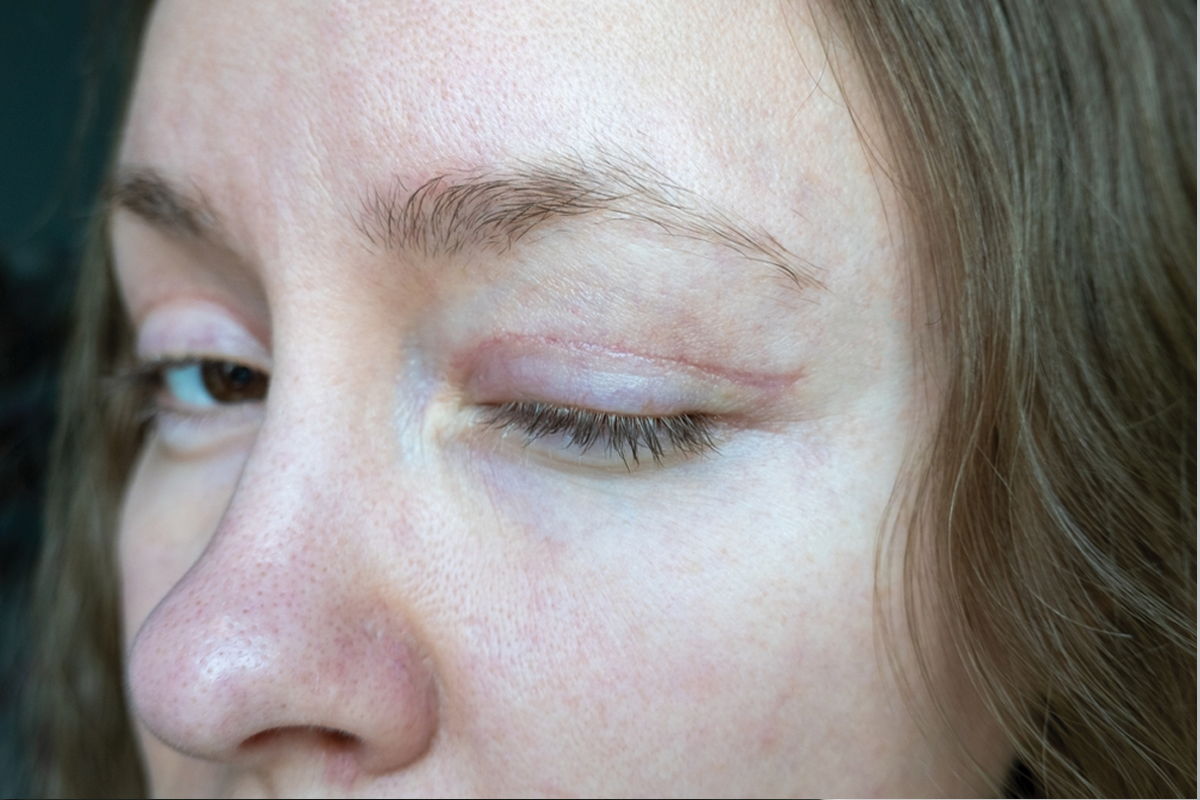
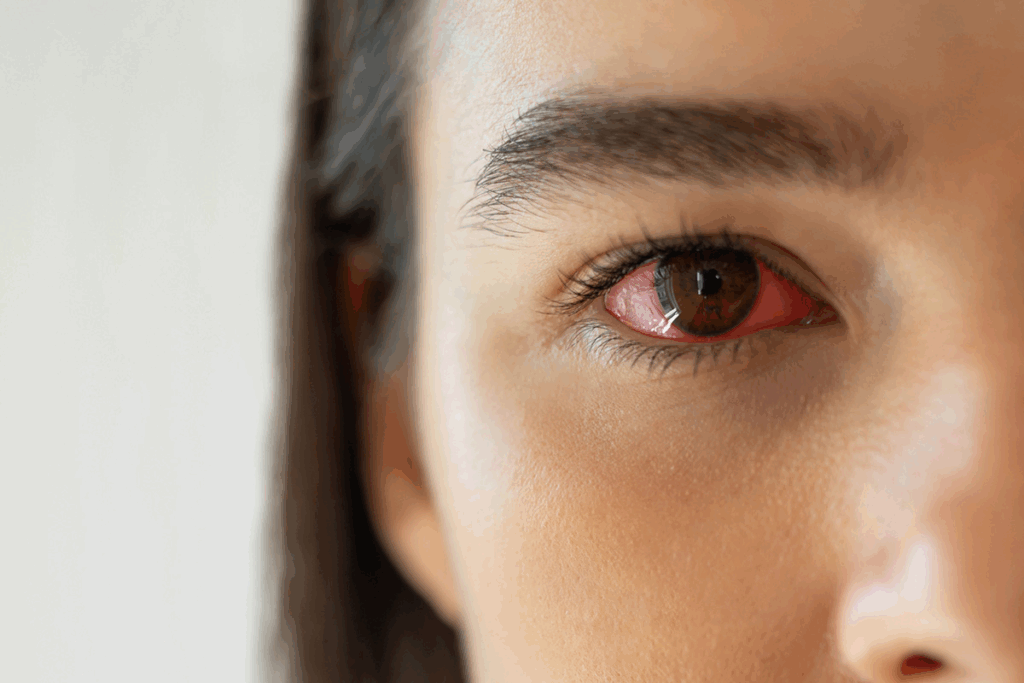
Ever woken up with red, bloodshot eyes and blurry vision? It’s a common problem that affects millions. It can be just a minor issue or a sign of something more serious. Knowing what causes it is key to feeling better and keeping your eyes healthy woke up with red eye and blurry vision.
At Liv Hospital, we use the latest tools and treatments to help you. Our focus is on you, making sure you get the best care. We aim to find out why your vision is blurry in the morning and help you see clearly again.
Key Takeaways
- Red, blurry eyes in the morning can be caused by various factors, including untreated refractive errors and dry eyes.
- Understanding the underlying causes is essential for effective treatment and relief.
- Liv Hospital offers a patient-centered approach with advanced diagnostic capabilities.
- Comprehensive care is provided to address the root cause of the issue.
- Restoring clear, comfortable vision is our priority.
Understanding Morning Eye Redness and Blurriness
Red eye and blurry vision in the morning can be scary. But knowing what causes them can help. Many things can lead to these symptoms, from the environment to health issues.
Common Symptoms Associated with Morning Eye Issues
People with morning eye redness and blurriness might also feel other things. They might have eye dryness, increased sensitivity to light, and discomfort or pain. Some might even see excessive tearing or discharge around their eyes.
| Symptom | Description |
|---|---|
| Eye Redness | Visible redness or inflammation of the eyes |
| Blurry Vision | Unclear or fuzzy vision upon waking |
| Dryness | Feeling of dryness or grittiness in the eyes |
| Light Sensitivity | Increased sensitivity to light, causing discomfort |
How Normal Eye Function Can Be Disrupted During Sleep
Many things can mess with our eyes while we sleep. For example, sleeping with eyes not fully closed lets in dust and dry air. Also, contact lens wear or underlying conditions like dry eye syndrome can cause morning eye problems.
It’s important to know what causes morning eye redness and blurriness. By figuring out the reasons, we can take steps to fix them. This helps keep our eyes healthy.
I Woke Up with Red Eye and Blurry Vision: Common Causes
If you woke up with bloodshot eyes and blurry vision, you’re not alone. Many people face morning eye redness and blurriness. We’ll look at why this happens, including dry eye syndrome, sleep-related issues, and contact lens problems.
Dry Eye Syndrome and Overnight Dryness
Dry eye syndrome is a common issue that can cause red eye and blurry vision in the morning. Our eyes can get dry at night because we make fewer tears or they evaporate faster. This dryness can make our eyes red, irritated, and blurry when we wake up.
Liv Hospital focuses on treating dry eye syndrome. They use advanced tests and tailor treatments to each patient.
Sleep-Related Eye Exposure and Irritation
Sleeping with your eyes open or in a way that exposes them can irritate them. This can make your eyes dry, red, and uncomfortable. Also, sleeping with your face on the pillow can press on your eyes, making things worse.
Changing how you sleep and using protective gear can help. This can reduce irritation and discomfort.
Contact Lens Complications
Wearing contact lenses to bed can raise the risk of eye infections. These infections can cause bloodshot eye and blurry vision. Studies show that wearing lenses overnight can lead to cornea inflammation.
It’s important to remove lenses before bed and clean them properly. This can prevent serious eye problems.
Knowing why you have morning eye redness and blurriness is the first step to fixing it. By treating dry eye, changing your sleep habits, and taking care of your contact lenses, you can improve your eye health.
Allergic Reactions Affecting Morning Eye Health
Allergic reactions can really mess with our morning eye health. They can make our eyes red and blurry. When allergens are around, our eyes can react in many ways. This can make our vision and comfort suffer.
Environmental Allergens in Your Bedroom
Our bedrooms can be full of allergens that hurt our eyes. These include:
- Dust mites in bedding and carpets
- Pet dander from pets that sleep in the bedroom
- Mold spores in damp environments
To keep your bedroom clean, it’s key. Wash bedding in hot water often. Use allergen-proof covers too. Keeping pets out or using HEPA filters can also help.
Seasonal Allergies and Their Impact on Eyes
Seasonal allergies can really bother our eyes. They’re caused by pollen from trees, grasses, and weeds. Symptoms include redness, itchiness, and blurry vision.
Keep windows closed and use air conditioning when pollen is high. This helps filter out pollen. Using anti-allergy eye drops can also help. Sometimes, you might need medication to manage severe symptoms.
Allergic Reactions to Eye Products
Eye care products can sometimes cause allergic reactions. Contact lens solution, eye makeup, and some eye drops can irritate our eyes. This can lead to redness and discomfort.
Choose your products wisely and follow the instructions. If you think a product is causing an allergic reaction, stop using it. Talk to an eye care professional for advice.
Understanding why your eyes are red and blurry is important. It helps you find relief and protect your vision. By managing allergic reactions, you can improve your morning eye health.
Infections That Cause Bloodshot Eyes and Blurry Vision
Eye infections often lead to morning redness and blurry vision. At Liv Hospital, we use advanced tests and treatments to help. This way, we can effectively address these issues.
Conjunctivitis (Pink Eye): Bacterial vs. Viral
Conjunctivitis, or pink eye, is an infection of the eye’s outer layer and inner eyelid. It causes itchiness, pain, swelling, and red eyes. Morning crustiness and blurry vision are also symptoms.
Bacterial conjunctivitis has a thick, yellow-green discharge. On the other hand, viral conjunctivitis has a watery discharge.
Blepharitis and Eyelid Inflammation
Blepharitis is an eyelid inflammation that causes redness, itching, and swelling. It’s often due to bacteria or mites. Keeping your eyelids clean is key to managing blepharitis. Sometimes, doctors prescribe antibiotic ointments.
Keratitis and Corneal Infections
Keratitis is an inflammation of the cornea, often caused by an infection. It leads to severe eye pain, light sensitivity, and vision changes. Contact lens wearers are more at risk, mainly if they don’t clean their lenses properly. Quick medical help is vital to avoid serious problems.
Figuring out why your eyes are red and blurry is the first step to treatment. At Liv Hospital, we focus on you, providing care that fits your needs.
Underlying Medical Conditions Contributing to Red Eyes with Light Sensitivity
Morning eye redness and blurriness can be caused by many medical conditions. These conditions affect vision and eye health. Knowing about these conditions is key for the right diagnosis and treatment.
Glaucoma and Intraocular Pressure Changes
Glaucoma damages the optic nerve, often because of high eye pressure. It can cause red eyes, blurry vision, and light sensitivity. Changes in eye pressure during sleep can make morning symptoms worse.
Key symptoms of glaucoma include:
- Severe eye pain
- Headaches
- Nausea and vomiting
- Blurred vision
- Halos around lights
Autoimmune Disorders Affecting the Eyes
Autoimmune disorders happen when the body attacks its own tissues. Some of these conditions can harm the eyes, causing redness, inflammation, and vision problems. For example, rheumatoid arthritis can lead to dry eyes and scleritis, an inflammation of the sclera.
Common autoimmune disorders that affect the eyes include:
- Rheumatoid arthritis
- Lupus
- Multiple sclerosis
- Graves’ disease
Diabetes and Morning Vision Changes
Diabetes can cause eye problems because high blood sugar damages the retina’s blood vessels. This can lead to diabetic retinopathy, cataracts, and glaucoma. All these conditions can cause blurry vision and eye redness.
Diabetes-related eye issues can be managed with:
- Proper blood sugar control
- Regular eye exams
- Timely medical interventions
If you have persistent red eyes and blurry vision, see a healthcare professional. This is even more important if you have diabetes or glaucoma.
Diagnosing the Cause of Red, Blurry Morning Vision
Red, blurry morning vision can be caused by many things. At Liv Hospital, we use advanced tests and care for you to find out why. This helps us create a good treatment plan.
Self-Assessment Questions
Before you see a doctor, think about a few things. Ask yourself:
- How often do you wake up with red, blurry eyes?
- Have you started using new eye products?
- Do you wear contacts? If so, do you clean and replace them as you should?
- Do you have other symptoms like itching, discharge, or light sensitivity?
Professional Diagnostic Approaches
A doctor will look at your eyes and ask about your health. They might do:
Visual Acuity Tests: Check how clear your vision is.Slit-Lamp Examination: Look closely at your eye’s parts.Tear Production Tests: See if you have dry eyes.
Advanced Testing for Persistent Symptoms
If your symptoms don’t go away, we might need more tests. These include:
| Test | Purpose |
|---|---|
| Corneal Topography | Maps your cornea to find any issues |
| OCT (Optical Coherence Tomography) | Shows detailed images of your retina and other parts |
| Conjunctival Scraping | Checks for infections by looking at conjunctiva cells |
By using these tests, we can find out why you have red, blurry vision. Then, we can make a plan to help you feel better.
Treatment Options for Eyes That Are Red and Blurry
Knowing why your eyes are red and blurry is key to feeling better and keeping your vision sharp. There are many treatments, from simple home remedies to more complex medical options.
Over-the-Counter Solutions
For mild cases, over-the-counter (OTC) solutions can help a lot. Artificial tears are often the first choice, as they moisturize dry eyes and ease irritation. Antihistamine eye drops are also good for allergies that make your eyes red and blurry.
It’s important to use OTC solutions as directed and talk to a doctor if your symptoms don’t get better. Some OTC medicines can make some conditions worse, so getting advice from a healthcare professional is wise.
Prescription Medications and Treatments
If OTC solutions don’t work, you might need prescription meds. For example, antibiotic eye drops or ointments are used for bacterial infections like pink eye. Anti-inflammatory meds can also help with swelling and redness from different eye problems.
| Condition | Prescription Treatment |
|---|---|
| Bacterial Conjunctivitis | Antibiotic Eye Drops |
| Allergic Conjunctivitis | Antihistamine or Mast Cell Stabilizer Eye Drops |
| Inflammatory Eye Conditions | Corticosteroid Eye Drops |
Addressing Underlying Conditions
Sometimes, red and blurry eyes are signs of bigger health problems. For example, if diabetes is causing your symptoms, controlling your blood sugar is vital. If allergies are the main issue, staying away from allergens and possibly getting immunotherapy might be suggested.
Getting a full medical check-up is very important to find out what’s really going on. By tackling the root cause, you can not only fix your current problem but also stop it from happening again.
In short, treating red and blurry eyes well means understanding the cause, using the right treatments, and dealing with any underlying health issues. By doing these things, you can work towards better vision and eye health.
Preventing Red and Blurry Eyes in the Morning
To avoid morning eye discomfort, you need to make changes in your bedroom and follow a pre-sleep routine. Also, keeping your contact lenses clean is key. These steps can help you wake up with clearer eyes.
Bedroom Environment Modifications
Changing your bedroom can help prevent morning eye issues. Make sure your room is clean and dust-free. Use allergen-proof bedding and keep the humidity right.
Keeping your room clean helps avoid allergens that irritate your eyes. Vacuum and dust regularly, focusing on your bed area. This reduces dust mites and allergens.
Allergen-proof bedding is also important. It keeps dust mites and allergens away from your skin and eyes.
Pre-Sleep Eye Care Routine
Having a bedtime eye care routine is vital. It includes removing makeup, cleaning your eyelids, and using eye gel or ointment.
Removing makeup and cleaning your eyelids before bed stops debris buildup. Use a gentle cleanser and lukewarm water. This helps prevent irritation.
Using eye gel or ointment keeps your eyes moist. This reduces the chance of waking up with dry, red eyes.
Proper Contact Lens Hygiene
Contact lens wearers must follow strict hygiene rules. Clean and disinfect lenses as directed. Replace them on time and don’t sleep in lenses unless it’s safe.
| Contact Lens Hygiene Practices | Description |
|---|---|
| Cleaning and Disinfecting | Use the recommended cleaning solution to clean and disinfect your lenses daily. |
| Lens Replacement | Replace your lenses according to the schedule recommended by your eye care professional. |
| Sleeping in Lenses | Only sleep in your lenses if they are approved for overnight wear and you have been advised to do so by your eye care professional. |
By following these tips, you can reduce morning eye issues. Liv Hospital offers patient-focused care. They use advanced diagnostics and treatments for morning eye discomfort.
When to Seek Medical Attention for Morning Eye Symptoms
Red eyes and blurry vision in the morning can signal serious issues. It’s important to understand what’s causing these symptoms. This knowledge helps in finding relief and protecting your eyesight.
We’ll help you recognize when you need to see a doctor right away. We’ll also talk about symptoms that need ongoing medical check-ups.
Warning Signs That Require Immediate Care
Some symptoms mean you should get medical help fast. Severe eye pain, light sensitivity, or vision changes are red flags. These could be signs of serious problems like acute angle-closure glaucoma or keratitis.
These conditions can cause permanent vision loss if not treated quickly.
- Severe eye pain or discomfort
- Increased sensitivity to light
- Vision changes or disturbances
- Eye redness accompanied by discharge or swelling
If you’re experiencing these symptoms, see an eye doctor or go to the emergency room. Quick action can prevent serious vision problems.
Chronic Symptoms That Need Professional Evaluation
Some symptoms need quick attention, while others are ongoing. If you have persistent redness, blurry vision, or eye discomfort, see an eye specialist. These could be signs of issues like dry eye syndrome, blepharitis, or allergic reactions.
An eye exam can find the cause of your symptoms. Your doctor might do tests like visual acuity tests or slit-lamp exams. These help figure out what’s wrong.
Getting a professional evaluation helps you get the right treatment. This way, you can manage your symptoms and keep your eyes healthy.
Conclusion: Maintaining Healthy Eyes for Clear Morning Vision
Keeping your eyes healthy is key for clear morning vision. We’ve looked at why you might wake up with red eyes and blurry vision. This includes dry eye syndrome, allergies, and other health issues.
Places like Liv Hospital use a patient-focused approach. They use advanced tests and treatments for red eyes and blurry vision. By taking care of your eyes and making your bedroom better, you can wake up with clearer vision.
Regular eye exams and a healthy lifestyle are important for eye health. Being proactive about eye care helps you see clearly every morning. If red eyes and blurry vision don’t go away, see a doctor for help.
FAQ
Why do my eyes feel red and blurry when I wake up?
Red, blurry eyes in the morning can be due to several reasons. These include dry eye syndrome, exposure to sleep, contact lens issues, allergies, and medical conditions.
What is dry eye syndrome and how does it affect morning vision?
Dry eye syndrome happens when the eyes don’t make enough tears or when the tears are not good. This leads to dryness and irritation. It can make your eyes red, blurry, and uncomfortable in the morning.
Can sleeping in contact lenses cause eye problems?
Yes, wearing contact lenses to sleep can lead to infections like conjunctivitis and keratitis. It can also cause irritation, dryness, and discomfort.
How do allergic reactions affect morning eye health?
Allergies to things in the environment, seasonal allergies, or eye products can make your eyes red, itchy, and blurry. This can make waking up uncomfortable.
What are the symptoms of conjunctivitis, blepharitis, and keratitis?
Conjunctivitis can make your eyes red, itchy, and have discharge. Blepharitis causes inflammation, redness, and crusting on the eyelids. Keratitis can cause pain, redness, and changes in vision.
Can underlying medical conditions contribute to red eyes with light sensitivity?
Yes, conditions like glaucoma, autoimmune disorders, and diabetes can cause red eyes, light sensitivity, and vision changes.
How is the cause of red, blurry morning vision diagnosed?
Finding out why your eyes are red and blurry in the morning involves answering self-assessment questions. It also includes professional diagnosis and advanced testing for ongoing symptoms.
What are the treatment options for eyes that are red and blurry?
Treatment options include over-the-counter solutions, prescription medications, and addressing underlying conditions.
How can I prevent red and blurry eyes in the morning?
To prevent red and blurry eyes, modify your bedroom environment. Also, establish a pre-sleep eye care routine and practice proper contact lens hygiene.
When should I seek medical attention for morning eye symptoms?
Seek medical attention if you have severe pain, vision changes, or discharge. Also, if you have chronic symptoms that need professional evaluation.
What are the warning signs that require immediate medical attention for morning eye symptoms?
Warning signs include severe eye pain, vision loss, double vision, increased sensitivity to light, or excessive discharge or tearing.
Can red and blurry eyes be a sign of a serious underlying condition?
Yes, red and blurry eyes can be a sign of a serious condition, such as an eye infection or a chronic condition like diabetes or glaucoma.
References
National Health Service (NHS). Red, Blurry Eyes Upon Waking: Causes and Concerns. Retrieved from https://www.nhs.uk/conditions/red-eye/