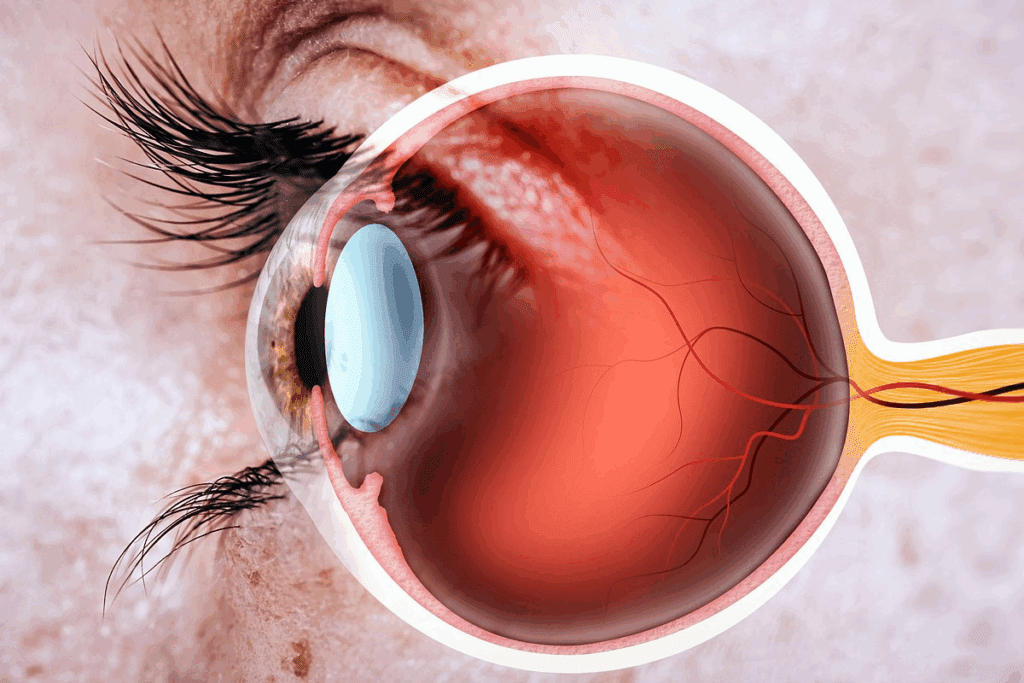
Get the facts on proliferative diabetic retinopathy treatment. This key guide covers laser therapy, injections, and vitrectomy. Diabetic retinopathy is a serious eye problem linked to diabetes. It affects about 103.12 million people globally. It’s a major cause of blindness in people of working age. But, thanks to new treatments like anti-VEGF therapies, managing it has gotten better.
Early detection and modern treatments are key to avoiding vision loss. Our guide will cover the causes, symptoms, diagnosis, and diabetic eye disease management options today.
Key Takeaways
- Diabetic retinopathy is a significant cause of blindness worldwide.
- Early detection is key for effective management.
- Advanced treatments like anti-VEGF therapies are now available.
- Proper management can greatly reduce vision loss risk.
- Knowing the latest treatment options is vital for those with diabetes.
Understanding Diabetic Retinopathy

To understand diabetic retinopathy, we need to know its causes, how it progresses, and its effects on vision. It’s a diabetes complication that harms the blood vessels in the retina. This can lead to vision loss if not treated.
What Causes Diabetic Retinopathy
High blood sugar levels damage the blood vessels in the retina. When glucose levels stay high for a long time, it weakens these vessels. This can cause them to leak or block, leading to vision issues and, if untreated, more serious problems.
Stages of Diabetic Retinopathy
Diabetic retinopathy has several stages, each with its own signs:
- Mild Non-Proliferative Diabetic Retinopathy: This is the early stage with little damage.
- Moderate Non-Proliferative Diabetic Retinopathy: Here, more blood vessels are affected.
- Severe Non-Proliferative Diabetic Retinopathy: This stage has significant damage with many blocked vessels.
- Proliferative Diabetic Retinopathy: The most advanced stage, with new, fragile blood vessels growing.
Risk Factors and Prevalence
Risk factors for diabetic retinopathy include duration of diabetes, hypertension, and dyslipidemia. People with diabetes for a long time and poor blood sugar control are at higher risk. Managing these factors is key to preventing or slowing the disease’s progression.
Recognizing the Symptoms of Diabetic Retinopathy
The signs of diabetic retinopathy can be hard to spot at first. But catching them early is key to managing the condition. In the early stages, there are no clear symptoms, making eye exams a must. As it gets worse, symptoms become more obvious.
Early Warning Signs
In the beginning, people with diabetic retinopathy might notice:
- Mild vision changes, like blurry vision
- Floaters, which look like spots or dark strings
- Difficulty seeing colors
These signs are often small and don’t affect daily life much at first. But, it’s important to watch for any vision changes.
Advanced Symptoms
When diabetic retinopathy gets worse, symptoms get stronger and can include:
- Big vision loss or blind spots
- More floaters or flashes of light
- Distorted vision
These signs point to a more serious stage called proliferative diabetic retinopathy. It needs quick medical care.
When to Seek Medical Attention
If you notice any of these, get help right away:
- Sudden vision loss
- Severe eye pain
- Many more floaters or flashes
Early treatment is vital to avoid losing your sight. Regular eye exams are a must for people with diabetes.
Diagnostic Procedures for Diabetic Retinopathy
Diagnosing diabetic retinopathy requires several tests to check the retina’s health. It’s key to catch it early to avoid vision loss.
Comprehensive Eye Examination
The first step is a detailed eye check. This includes tests for how well you see, a thorough eye exam, and checking eye pressure. The eye exam lets doctors see the retina for damage like microaneurysms and hemorrhages.
Optical Coherence Tomography (OCT)
Optical Coherence Tomography (OCT) is a test that takes clear images of the retina. It spots diabetic macular edema and checks the retina’s thickness.
Fluorescein Angiography
Fluorescein angiography involves dye in the blood to find leaks and ischemia in the retina. It’s a key test for diabetic retinopathy.
Ultrasonography
Ultrasonography is used when cataracts or other issues block the view. It helps see the retina clearly.
| Diagnostic Procedure | Purpose | Key Benefits |
|---|---|---|
| Comprehensive Eye Examination | Assess overall eye health and detect signs of diabetic retinopathy | Early detection of retinal damage |
| Optical Coherence Tomography (OCT) | Measure retinal thickness and detect diabetic macular edema | High-resolution imaging for accurate diagnosis |
| Fluorescein Angiography | Identify leaking blood vessels and areas of ischemia | Detailed view of retinal vasculature |
| Ultrasonography | Evaluate the retina when media opacities are present | Useful in cases with cataracts or other media opacities |
Non-Proliferative Diabetic Retinopathy Treatment Options
Managing non-proliferative diabetic retinopathy well is key to stopping it from getting worse and keeping your vision sharp. We suggest a full plan that tackles the main causes of the problem.
Blood Sugar Management
Keeping blood sugar levels in check is a big part of treating non-proliferative diabetic retinopathy. Tight glycemic control can really slow down the disease’s growth. This means making healthy food choices, checking your blood sugar often, and taking medicine or insulin as your doctor says.
Blood Pressure Control
It’s also very important to keep blood pressure under control. High blood pressure can make the condition worse. So, it’s key to work with your doctor to keep your blood pressure in a safe range. This might mean changing your lifestyle and taking blood pressure medicines.
Lipid-Lowering Therapy
Lowering cholesterol levels is another part of treating non-proliferative diabetic retinopathy. Keeping cholesterol levels down can lower the risk of the disease getting worse. This might include eating right, exercising, and taking medicines like statins.
Monitoring and Follow-up Protocols
Seeing an eye doctor regularly is very important for managing non-proliferative diabetic retinopathy. These visits help catch any changes early and adjust treatment plans as needed.
By focusing on these main areas, we can manage non-proliferative diabetic retinopathy well and lower the chance of serious problems.
Proliferative Diabetic Retinopathy Treatment Approaches
When diabetic retinopathy reaches its proliferative stage, quick action is key to avoid losing vision. This stage is marked by the growth of new, weak blood vessels in the retina. If not treated, it can severely harm your vision.
Urgency of Treatment
Treating proliferative diabetic retinopathy quickly is very important. This stage needs fast action to stop serious problems like bleeding in the eye, retina detachment, and glaucoma. Waiting too long can cause permanent vision loss.
Treatment Goals and Expectations
The main goal of treating this disease is to stop it from getting worse and keep your vision. Doctors use different methods to reduce swelling, stop vision loss, and improve your sight. You can expect a treatment plan made just for you.
Multidisciplinary Care Team
Managing proliferative diabetic retinopathy well needs a multidisciplinary care team. This team includes eye doctors, retina specialists, diabetes doctors, and primary care doctors. Working together, they make sure your health is fully taken care of, from managing blood sugar to eye care.
Treatment for proliferative diabetic retinopathy may include:
- Anti-VEGF injections to reduce swelling and stop new blood vessel growth
- Laser photocoagulation to destroy leaking blood vessels and reduce swelling
- Vitrectomy in advanced cases to remove blood and scar tissue from the vitreous gel
By treating proliferative diabetic retinopathy quickly and thoroughly, we can greatly improve patient results and keep vision intact.
Anti-VEGF Therapy for Diabetic Retinopathy
Anti-VEGF therapy is a new hope for diabetic retinopathy patients worldwide. It has changed how we treat this condition. Now, patients have effective solutions for their struggles.
How Anti-VEGF Medications Work
Anti-VEGF medications stop the growth of new blood vessels in the retina. This is because they block vascular endothelial growth factor (VEGF). In diabetic retinopathy, too much VEGF can cause vision loss by growing weak, leaking blood vessels.
By stopping VEGF, these medications help prevent vision loss. They also reduce swelling and inflammation.
Key Benefits of Anti-VEGF Therapy:
- Reduces edema and inflammation
- Prevents the growth of new, fragile blood vessels
- Improves visual acuity
Types of Anti-VEGF Agents
There are several anti-VEGF agents for diabetic retinopathy, like ranibizumab (Lucentis) and aflibercept (Eylea). These have been shown to reduce vision loss and improve vision in patients with diabetic macular edema and proliferative diabetic retinopathy.
| Anti-VEGF Agent | Brand Name | Indications |
|---|---|---|
| Ranibizumab | Lucentis | Diabetic macular edema, proliferative diabetic retinopathy |
| Aflibercept | Eylea | Diabetic macular edema, proliferative diabetic retinopathy |
Injection Procedure and Frequency
Anti-VEGF therapy involves injecting the medication into the eye. The number of injections needed varies. Patients usually get injections every month until their condition improves.
Potential Side Effects
Anti-VEGF therapy is generally safe but can have side effects. These include eye pain, increased eye pressure, and infection risk. Though rare, serious complications like endophthalmitis can happen.
“The introduction of anti-VEGF therapy has been a game-changer in the treatment of diabetic retinopathy, providing patients a more effective and targeted approach to managing their condition.” – Medical Expert, Retina Specialist
Understanding anti-VEGF therapy and its treatment helps patients make informed decisions. Working closely with healthcare providers is key to achieving the best results.
Laser Photocoagulation Treatments
Laser photocoagulation is key in treating diabetic retinopathy. It uses laser burns to target specific retina areas. This helps manage the condition’s complications.
Panretinal Photocoagulation (PRP)
Panretinal photocoagulation (PRP) is a common laser treatment for diabetic retinopathy. It uses laser burns on the retina’s edges. This reduces ischemic areas that cause new, fragile blood vessels to grow.
The goals of PRP are:
- To reduce areas of retinal ischemia
- To decrease the production of VEGF
- To prevent the formation of new blood vessels
- To reduce the risk of vitreous hemorrhage
Focal/Grid Laser Treatment
Focal/grid laser treatment is used for diabetic macular edema (DME). It targets leaking microaneurysms or diffuse leakage in the macula with laser burns.
The goals of focal/grid laser treatment are:
- To directly treat leaking microaneurysms
- To reduce retinal edema
- To improve visual acuity
Procedure Details and Recovery
Laser photocoagulation treatments are done on an outpatient basis. The laser applies burns to the retina. Though it might cause some discomfort, it’s usually manageable.
After the treatment, some patients might see temporary vision changes. These usually go away on their own. Follow-up appointments are key to check the treatment’s success and handle any issues.
Effectiveness and Limitations
Laser photocoagulation can help prevent vision loss from diabetic retinopathy. Yet, it has its limits. Some patients might need more than one treatment. The success can also depend on the disease’s stage and severity.
In summary, laser photocoagulation treatments, like PRP and focal/grid laser, are vital in managing diabetic retinopathy. Knowing the procedures, benefits, and limitations helps patients make better choices for their care.
Surgical Interventions for Advanced Cases
Advanced diabetic retinopathy often needs surgery to stop vision loss. We will look at the surgical options for treating this condition.
Vitrectomy Procedure
Vitrectomy removes blood and scar tissue from the eye’s center. It’s needed when there’s a lot of bleeding or scarring from diabetic retinopathy.
Membrane Peeling
During vitrectomy, the surgeon may peel membranes. These membranes can pull on the retina, causing damage or detachment.
Recovery and Post-Surgical Care
After surgery, patients need to rest and avoid hard work. They must see doctors regularly to check healing. Eye drops may be used to prevent infection.
When Surgery is Necessary
Surgery is considered for big hemorrhages, retinal detachment, or when other treatments fail. The choice to have surgery depends on the condition’s severity and the patient’s health.
| Surgical Procedure | Purpose | Recovery Time |
|---|---|---|
| Vitrectomy | Remove blood and scar tissue from the vitreous cavity | Several weeks |
| Membrane Peeling | Remove fibrovascular membranes from the retina | Several weeks |
Managing Diabetic Macular Edema
For those with diabetic retinopathy, diabetic macular edema is a big worry. It’s a condition where fluid builds up in the macula, causing vision issues.
Relationship to Diabetic Retinopathy
Diabetic macular edema is closely tied to diabetic retinopathy. Both are caused by high blood sugar damaging blood vessels in the retina. In diabetic retinopathy, these damaged vessels leak fluid and lipids into the retina, causing swelling in the macula.
Understanding this link is key for managing the condition. It shows why controlling blood sugar and watching retinal health is so important.
Treatment Options
There are several ways to treat diabetic macular edema, including:
- Anti-VEGF injections to reduce fluid leakage and swelling
- Laser photocoagulation to seal leaking blood vessels
- Corticosteroids to reduce inflammation
Each treatment has its own benefits and risks. The right choice depends on how severe the condition is and the patient’s overall health.
Combination Therapies
In some cases, combining treatments works better than using one alone. For example, mixing anti-VEGF injections with laser photocoagulation can tackle both fluid buildup and vascular issues.
Combination therapies offer a personalized approach to treating diabetic macular edema. This allows doctors to adjust treatment plans based on how the patient responds.
Lifestyle Modifications and Home Care
Making lifestyle changes is key to managing diabetic retinopathy. By adopting healthier habits, you can slow down the disease’s progress and keep your eyes healthy.
Diabetes Management Strategies
Managing diabetes well is the first step to slow down diabetic retinopathy. This means keeping blood sugar levels in check. You can do this with the right mix of medicine, diet, and regular checks.
Checking blood sugar levels often is very important. It helps you see how diet and exercise affect your blood sugar. This knowledge helps you make better choices to manage your diabetes.
Dietary Considerations
Eating a balanced diet is vital for managing diabetes and diabetic retinopathy. Eat a variety of foods like vegetables, fruits, whole grains, lean proteins, and healthy fats.
- Choose foods with a low glycemic index to help manage blood sugar levels.
- Limit intake of saturated fats and avoid trans fats.
- Stay hydrated by drinking plenty of water.
Exercise and Physical Activity
Regular physical activity is good for managing blood sugar and overall health. You can start with brisk walking, cycling, or more intense workouts, based on your health and fitness.
Try to do at least 150 minutes of moderate-intensity aerobic exercise each week. Also, do muscle-strengthening activities on two or more days a week.
Smoking Cessation
Quitting smoking is very important for people with diabetic retinopathy. Smoking can make the condition worse and lead to other serious health problems. There are many resources and support systems to help you quit smoking.
Stopping smoking can greatly improve your health and lower the risk of complications from diabetic retinopathy.
Emerging Treatments and Clinical Trials
New treatments and clinical trials are changing how we manage diabetic retinopathy. Research is moving fast, leading to new ways to help patients.
New Anti-VEGF Agents
New anti-VEGF agents are showing great promise. These drugs help by stopping blood vessel growth and reducing leakage. This is a big step forward in treating diabetic retinopathy.
Types of New Anti-VEGF Agents: Scientists are looking at drugs like brolucizumab and faricimab. They’ve shown good results in early tests.
Sustained-Release Drug Delivery Systems
Another exciting area is sustained-release drug delivery systems. These systems release medicine slowly over time. This could mean fewer injections for patients.
Benefits of Sustained-Release Systems: These systems make it easier for patients to stick to their treatment. They also cut down on the need for many doctor visits.
Gene Therapy Approaches
Gene therapy is being explored for diabetic retinopathy. It involves adding healthy genes to cells to fix problems caused by the disease.
Potential of Gene Therapy: Gene therapy could offer long-lasting or even permanent solutions for diabetic retinopathy.
Participating in Clinical Trials
Joining clinical trials is important for finding better treatments for diabetic retinopathy. Patients get to try new therapies and help scientists find new ways to treat the disease.
- Clinical trials help researchers understand the safety and efficacy of new treatments.
- Participation can provide patients with access to cutting-edge therapies not yet widely available.
- Trials often offer close monitoring and care, potentially improving patient outcomes.
As we keep exploring new treatments and trials, the future for diabetic retinopathy looks bright. Ongoing research and patient involvement are essential for finding new and effective treatments.
Conclusion: Living with Diabetic Retinopathy
Managing diabetic retinopathy well needs a full plan. This includes medical care, lifestyle changes, and regular check-ups. We’ve looked at treatments like anti-VEGF therapy and laser treatment. It’s key to have a team of doctors to help manage this condition.
Dealing with diabetic retinopathy can be tough. But, with the right care, people can keep their vision and live well. Keeping blood sugar in check, controlling blood pressure, and eating healthy are important steps. These actions help prevent the disease from getting worse.
New treatments and studies are bringing hope for better care. By staying up-to-date and working with doctors, people with diabetic retinopathy can face their treatment with hope. This helps them keep their vision and stay healthy overall.
FAQ
What is diabetic retinopathy and how is it treated?
Diabetic retinopathy is a diabetes complication that harms the retina’s blood vessels. Treatments include anti-VEGF therapy, laser photocoagulation, and surgery. The choice depends on the condition’s stage and severity.
What are the symptoms of diabetic retinopathy?
Early signs include blurred vision, floaters, and trouble seeing colors. Severe cases can cause vision loss. Seeing a doctor is key if your vision changes.
How is diabetic retinopathy diagnosed?
Doctors use eye exams, OCT, fluorescein angiography, and ultrasonography. These tests check the retina for damage.
What is anti-VEGF therapy, and how does it work?
Anti-VEGF therapy involves eye injections to stop swelling. It helps protect the retina from further damage.
What is laser photocoagulation, and when is it used?
Laser photocoagulation treats the retina with a laser. It’s used for proliferative diabetic retinopathy and diabetic macular edema.
Can diabetic retinopathy be cured?
There’s no cure, but early treatment can manage it. Lifestyle changes like controlling blood sugar and diet are also important.
What lifestyle changes can help manage diabetic retinopathy?
Managing diabetes through diet, exercise, and medication is key. Quitting smoking also helps slow the disease’s progression.
What are the treatment options for non-proliferative diabetic retinopathy?
Treatment includes managing blood sugar, blood pressure, and cholesterol. Regular check-ups are also important.
What is vitrectomy, and when is it necessary?
Vitrectomy removes the eye’s vitreous gel. It’s needed for severe cases like retinal detachment or severe hemorrhage.
Are there any new treatments being developed for diabetic retinopathy?
Yes, new treatments like anti-VEGF agents and gene therapy are being researched. Clinical trials offer access to these new options.
How can I participate in clinical trials for diabetic retinopathy?
Look for trials on ClinicalTrials.gov and talk to your doctor about eligibility.
References
National Health Service (NHS). Diabetic Retinopathy: Treatment Guide and Anti-VEGF Therapies. Retrieved from https://www.nhs.uk/conditions/diabetic-retinopathy/



 Departments
 Related Videos
 Our Doctors
 News
News