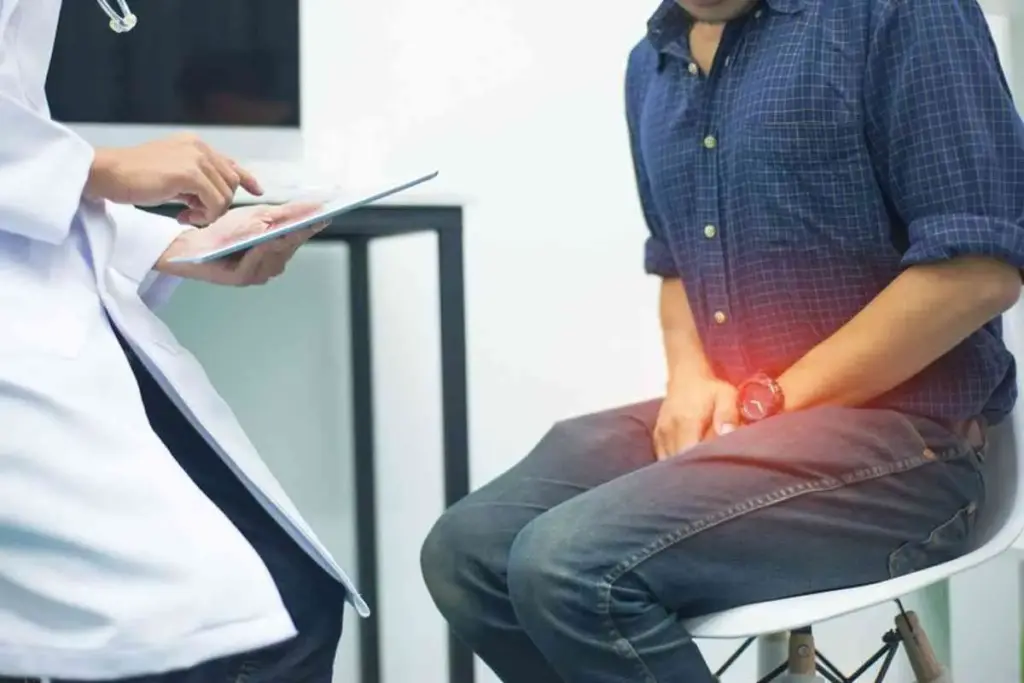
The prostate gland is key to the male reproductive system. It sits below the bladder and in front of the rectum. It’s important for making prostatic fluid, which helps sperm stay healthy and fertile.
The prostate’s main job is to help make semen. The has enzymes, zinc, and citric acid. These things help sperm cells grow well.
Key Takeaways
- The prostate gland produces prostatic fluid, essential for sperm health and fertility.
- Prostatic fluid makes up 20-30% of the total semen volume.
- The prostate plays a role in hormone production, converting testosterone into dihydrotestosterone (DHT).
- During ejaculation, the prostate contracts and squirts prostatic fluid into the urethra.
- A normal functioning prostate is essential for reproduction.
The Prostate Gland: An Overview
The prostate gland is key to the male reproductive system. It’s vital for fertility and health. Let’s dive into what it is, its structure, and why it’s important.
Definition and Basic Anatomy

The prostate gland is a small, walnut-sized organ in the male pelvis. It’s part of the reproductive system and wraps around the urethra. This tube carries urine from the bladder to the outside of the body.
The gland is made of glandular, fibrous, and smooth muscle tissues. These work together to make prostatic fluid and help it get out.
The prostate is between the bladder and the penis, around the urethra. It’s usually the size of a walnut but can differ. The glandular tissue in the prostate makes prostatic fluid, a big part of semen.
Evolutionary Purpose
The prostate gland is vital for the male reproductive process. Its main job is to make prostatic fluid. This fluid nourishes and protects sperm during ejaculation.
This fluid is alkaline, which helps sperm survive in the acidic vaginal tract. This is key for sperm health and fertility.
“The prostate gland is a vital accessory sex gland in males, contributing significantly to the reproductive process.”
The prostate gland’s role in fertility is clear. It makes prostatic fluid and helps sperm stay healthy. This is essential for reproduction.
|
Aspect |
Description |
|---|---|
|
Location |
Between the bladder and penis, surrounding the urethra |
|
Size |
Typically walnut-sized, varying among individuals |
|
Composition |
Glandular tissue, fibrous tissue, and smooth muscle |
|
Primary Function |
Production of prostatic fluid for semen |
Where is the Prostate Located?
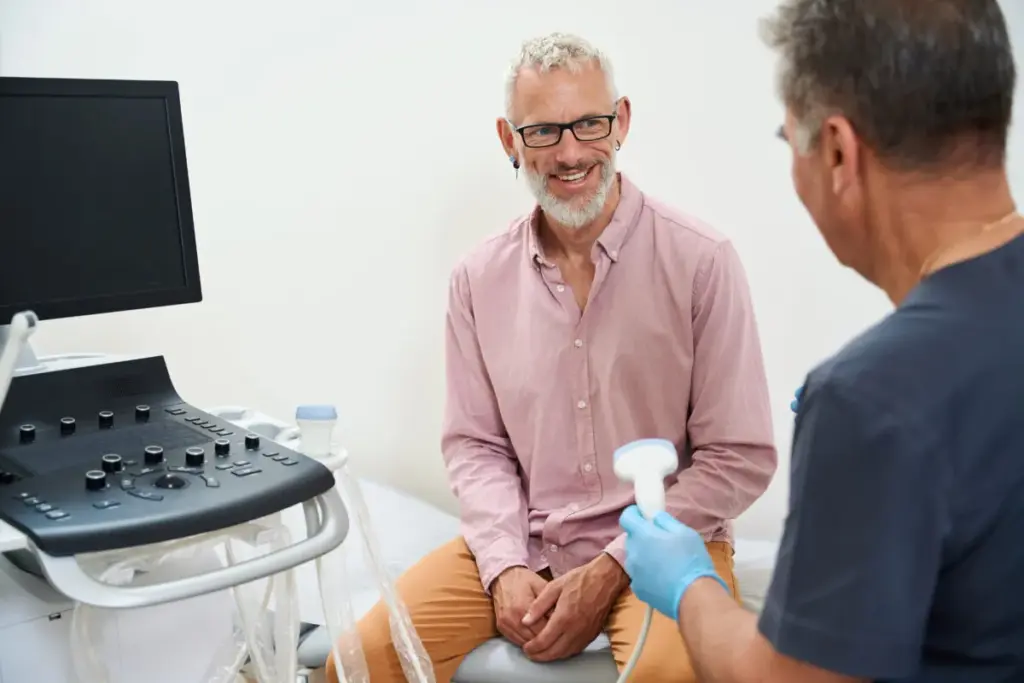
Knowing where the prostate is is key to understanding its role in men’s health. The prostate gland is a vital part of the male reproductive system. Its location is essential for its function.
Anatomical Position
The prostate is found in the male pelvis, below the bladder and in front of the rectum. It’s important because it surrounds the urethra. The urethra is the tube that carries urine from the bladder to the penis.
This position lets the prostate play a big role in both the urinary and reproductive systems.
Relationship to Other Organs
The prostate gland is close to several other organs. It’s between the bladder and the penis, around the urethra. This close relationship can affect urine flow if the prostate gets too big.
It’s also near the seminal vesicles, which make a lot of the fluid in semen. This shows how important prostate health is for fertility.
Size and Shape Throughout Life
The prostate’s size and shape change as men get older. In young men, it’s about the size of a walnut. But it can grow bigger with age, causing urinary issues.
It’s important to understand these changes to keep the prostate healthy. Regular check-ups and a healthy lifestyle can help manage these changes.
The Primary Functions of the Prostate
The prostate gland is key to male reproductive health. It’s a small, walnut-sized gland that’s vital for successful fertilization. Its functions are essential for male fertility and overall reproductive health.
We’ll look at three main functions of the prostate. These include producing prostatic fluid, adding to semen composition, and muscle contractions during ejaculation. These roles are vital for male fertility.
Production of Prostatic Fluid
The prostate gland makes a big part of semen, called prostatic fluid. This fluid is about 25-30% of semen volume. It’s important for nourishing and protecting sperm during ejaculation.
Prostatic fluid is full of enzymes, proteins, and nutrients. It’s alkaline, which helps sperm survive in the vaginal tract. This is good for sperm health and motility.
Contribution to Semen Composition
Semen is made up of fluids from the prostate, seminal vesicles, and bulbourethral glands. The prostate’s fluid adds volume, nutrients, and enzymes. These help sperm function well.
This mix of fluids creates a great environment for sperm to travel through the female tract. It increases the chances of successful fertilization. So, the prostate’s role in semen is key for male fertility.
Muscle Contractions During Ejaculation
The prostate has smooth muscle fibers that contract during ejaculation. This helps push semen through the urethra and out of the body. These contractions are vital for ejaculation and fertilization.
The prostate and other pelvic muscles work together for normal ejaculation. Any problem with these muscles can cause ejaculatory disorders. This can affect fertility.
In summary, the prostate’s functions are vital for male reproductive health. Knowing about these functions helps us see why prostate health is so important for fertility.
Prostatic Fluid: Composition and Importance
Prostatic fluid is a key part of semen that supports sperm health. It comes from the prostate gland and is vital for male fertility.
Alkaline Nature and pH Balance
The prostatic fluid is alkaline, which helps balance the vaginal tract’s acidity. This is key because sperm can’t handle acidic environments well. The fluid’s pH balance helps sperm stay alive and move well.
The alkaline nature of prostatic fluid is key for sperm survival and success in fertilization.
Enzymes and Their Functions
Prostatic fluid has many enzymes that help semen liquefy and sperm function. These enzymes break down semen coagulum after ejaculation, letting sperm move freely.
- Proteolytic enzymes liquefy semen, helping sperm release.
- Antioxidant enzymes protect sperm from damage, keeping them healthy and functional.
Protection of Sperm Cells
Prostatic fluid’s composition includes elements that protect sperm. These elements help keep sperm healthy and able to fertilize an egg.
Key protective functions of prostatic fluid include:
- Antioxidant activity to fight oxidative stress.
- Antimicrobial properties to prevent infections.
- Nutritional support to keep sperm cells alive.
Understanding prostatic fluid’s role in male fertility highlights its importance for reproductive health.
The Prostate’s Role in Male Fertility
Prostatic fluid, made by the prostate gland, is key for sperm health and male fertility. The prostate gland is a big part of the male reproductive system. Its health affects fertility.
Supporting Sperm Viability
The prostatic fluid helps make the seminal plasma, a perfect place for sperm. It’s full of enzymes, zinc, and other stuff that keeps sperm healthy and moving well.
Key Components of Prostatic Fluid:
- Enzymes that help to liquefy semen after ejaculation
- Zinc, which has antioxidant properties
- Proteins that support sperm function
Impact on Fertility
Prostate health is closely tied to male fertility. Problems like prostatitis or BPH can mess with fertility. They can change the seminal fluid or make it hard to ejaculate.
Research Findings
Studies have found that problems with prostatic fluid can lower fertility. Research on the prostate’s role in getting pregnant shows how important it is to keep the prostate healthy for fertility.
|
Prostate Condition |
Impact on Fertility |
|---|---|
|
Prostatitis |
Inflammation can alter seminal fluid composition |
|
Benign Prostatic Hyperplasia (BPH) |
Can cause ejaculatory dysfunction |
|
Prostate Cancer |
Treatments can affect fertility |
Knowing how the prostate affects male fertility shows why keeping it healthy is so important for reproductive health.
Hormonal Regulation of the Prostate
It’s key to know how hormones control the prostate for men’s health. The prostate gland is a key part of the male body. It works closely with hormones in the body.
Testosterone and DHT Influence
The prostate gland mainly responds to male sex hormones like testosterone and dihydrotestosterone (DHT). Testosterone comes from the testes, and DHT is made from testosterone in the prostate. These hormones help the prostate grow and work right.
DHT has a big effect on prostate cell growth. It attaches to receptors in prostate cells, which makes cells grow. This is good for the prostate but can cause problems if it gets out of balance.
Hormonal Changes Throughout Life
Hormones change a lot in a man’s life, affecting the prostate. At puberty, testosterone goes up, making the prostate grow. In adulthood, testosterone and DHT keep the prostate the right size and working well.
As men get older, testosterone goes down, but DHT might stay the same or even go up. This change can make the prostate bigger, a common issue in older men.
- Puberty: Increase in testosterone triggers prostate growth.
- Adulthood: Balance between testosterone and DHT influences prostate size and function.
- Old Age: Decline in testosterone and potentially more DHT can cause prostate enlargement.
Impact on Prostate Growth and Function
Hormones greatly affect the prostate’s growth and how it works. Too much DHT can cause prostate cells to grow too much. This can lead to BPH or even prostate cancer.
Knowing how hormones affect the prostate is vital for treating prostate problems. Doctors can use hormone treatments to help manage prostate health and lower disease risks.
The Prostate and Urinary Function
The prostate gland is closely tied to the urinary system, affecting how men urinate. As men age, changes in the prostate can impact urinary function. This can lead to various issues that affect quality of life.
Relationship Between Prostate and Urethra
The prostate gland encircles the urethra, which is the tube responsible for carrying urine from the bladder. This close relationship means prostate changes can affect the urethra and urination.
When the prostate grows or becomes inflamed, it can narrow the urethra. This can cause symptoms like a weak flow, straining, or needing to urinate often.
How the Prostate Affects Urination
The prostate’s location around the urethra is key to its impact on urination. An enlarged prostate can press on the urethra, blocking urine flow. This is often seen in Benign Prostatic Hyperplasia (BPH), a non-cancerous prostate enlargement.
Symptoms of prostate-related urinary issues include:
- Weak or interrupted urine flow
- Frequent urination, often at night
- Difficulty starting or stopping urination
- Straining to urinate
Normal Urinary Function vs. Prostate-Related Issues
Normal urination is strong and steady, without straining or frequent urges. In contrast, prostate issues can cause a range of symptoms that disrupt daily life.
It’s important to know the difference between normal urination and prostate-related issues. This helps identify health problems early. The table below highlights these differences:
|
Characteristics |
Normal Urinary Function |
Prostate-Related Issues |
|---|---|---|
|
Urine Flow |
Strong, steady flow |
Weak, interrupted, or straining |
|
Frequency |
Normal frequency, minimal nocturia |
Frequent urination, nocturia |
|
Initiation |
Easy to start |
Difficulty starting or maintaining |
Recognizing prostate-related urinary issues can prompt men to seek medical help. This can prevent complications and improve treatment outcomes.
The Prostate as an Erogenous Zone
The prostate is more than just a part of the male reproductive system. It’s also a key erogenous zone. It plays a big role in sexual health, thanks to its nerve connections and its impact on pleasure.
Nerve Supply and Sensitivity
The prostate gland is full of nerve fibers, making it very sensitive. These nerves help send signals that lead to arousal and orgasm. The nerves come from the pelvic plexus, showing a complex mix of nerves.
Research shows the prostate’s nerves are dense. Stimulation of these nerves can cause intense pleasure. This sensitivity makes the prostate a key erogenous zone.
The “Male G-Spot” Concept
The idea of the “male G-spot” suggests the prostate can give men intense pleasure, like the female G-spot. This idea is popular in talks about male sexual health and pleasure. Even though the male G-spot is debated, prostate stimulation is known to bring many men great pleasure.
There are many ways to stimulate the prostate, like digital exams or massage. It’s believed to make sex more enjoyable and lead to stronger orgasms.
Prostate Stimulation and Sexual Pleasure
Stimulating the prostate is linked to better sexual pleasure and is key to male sexual health. It can cause powerful orgasms and is something some men do during sex.
Let’s look at how prostate stimulation affects pleasure:
|
Aspect |
Description |
Effect on Sexual Pleasure |
|---|---|---|
|
Nerve Stimulation |
Activation of prostate nerves |
Increased arousal and pleasure |
|
Muscle Contractions |
Contraction of pelvic floor muscles |
Enhanced orgasm intensity |
|
Emotional Connection |
Intimacy and trust with partner |
Deeper emotional satisfaction |
The table shows prostate stimulation affects pleasure in many ways, from physical responses to emotional connections.
We see the prostate’s importance in male sexual health, beyond just reproduction. It plays a big role in pleasure. Understanding this can help us see sex as a whole, not just physical.
Common Prostate Conditions: Benign Prostatic Hyperplasia (BPH)
The prostate gland often grows larger with age, known as Benign Prostatic Hyperplasia (BPH). This is a common issue for men. As they get older, the gland can swell, causing urinary problems and discomfort.
We will look into the causes, how common it is, and its effects on men’s lives. This will give us a better understanding of this common condition.
Causes of Prostate Enlargement
BPH is mainly caused by hormonal changes in older men. The balance between testosterone and estrogen changes, leading to more dihydrotestosterone (DHT). DHT makes prostate cells grow, causing the gland to enlarge.
Genetics, lifestyle, and some medical conditions can also play a role. Knowing these causes helps in managing BPH better.
Prevalence and Risk Factors
BPH is common among older men. About 50% of men over 50 have some prostate enlargement. By 80, nearly 90% of men are affected.
Family history, obesity, not being active, and certain diets increase the risk. Knowing these factors helps in early detection and management.
Impact on Quality of Life
BPH can really affect a man’s life. Symptoms like needing to urinate often, weak flow, and waking up at night are common. These can disrupt sleep, reduce productivity, and cause discomfort.
Managing BPH well is key to easing symptoms and improving life quality. Treatment options range from lifestyle changes and meds to surgery, based on the severity.
Understanding BPH and its effects helps men take care of their prostate health. This is important for their overall well-being.
Prostatitis: Inflammation of the Prostate
Men with prostatitis often face many symptoms that can disrupt their daily lives. This condition can cause a lot of discomfort and urinary issues. It affects men of all ages. We will look into the different types of prostatitis, its causes, symptoms, diagnosis, and treatment options.
Types of Prostatitis
There are several types of prostatitis, each with its own characteristics. The main types include:
- Acute Bacterial Prostatitis: A sudden infection caused by bacteria.
- Chronic Bacterial Prostatitis: A recurring bacterial infection.
- Chronic Prostatitis/Chronic Pelvic Pain Syndrome (CP/CPPS): Long-lasting pain and discomfort in the pelvic area.
- Asymptomatic Inflammatory Prostatitis: Inflammation of the prostate without symptoms.
Causes and Risk Factors
The causes and risk factors for prostatitis vary. Bacterial prostatitis is often caused by Escherichia coli. Other risk factors include:
- Urinary tract infections
- Sexually transmitted infections
- Previous prostate infections
- Immune system disorders
Symptoms and Diagnosis
Symptoms of prostatitis can range from pelvic pain to urination issues. Diagnosis involves:
- Medical history and physical examination
- Urine tests and cultures
- Prostate-specific antigen (PSA) testing
- Imaging studies such as ultrasound
Treatment Approaches
Treatment for prostatitis depends on the cause and type. Approaches include:
|
Treatment |
Description |
|---|---|
|
Antibiotics |
For bacterial prostatitis, antibiotics are the primary treatment. |
|
Alpha-blockers |
To relieve urinary symptoms by relaxing the muscles in the prostate and bladder. |
|
Anti-inflammatory medications |
To reduce pain and inflammation. |
|
Lifestyle modifications |
Such as dietary changes and stress management. |
Prostate Cancer: The Second Most Common Cancer in Men
Prostate cancer is a big health problem worldwide, being the second most common cancer in men. It’s important to know about its spread, risk factors, how to screen for it, and treatment options.
Epidemiology and Risk Factors
Millions of men get prostate cancer every year. The risk changes a lot in different places and groups. Knowing the risk factors helps find and prevent it early.
- Age: Most cases happen in men over 65.
- Family History: If your family has had prostate cancer, you’re at higher risk.
- Genetics: Some genetic changes can raise your risk.
- Ethnicity: African American men are more likely to get it.
Screening and Early Detection
Finding prostate cancer early can make treatment work better. There are a few ways to screen for it:
- Prostate-Specific Antigen (PSA) Testing: This blood test checks for a protein made by the prostate gland.
- Digital Rectal Examination (DRE): A doctor checks the prostate gland for any problems.
Prostate-Specific Antigen (PSA) Testing
PSA testing is a common way to screen for prostate cancer. It looks at the PSA levels in your blood. High levels might mean cancer or other issues.
|
PSA Level (ng/mL) |
Interpretation |
|---|---|
|
0-4 |
Generally considered normal |
|
4-10 |
Borderline; further testing may be needed |
|
>10 |
High; may indicate prostate cancer |
Treatment Options and Outcomes
Choosing a treatment for prostate cancer depends on many things. These include the cancer’s stage, your health, and what you prefer. Here are some options:
- Active Surveillance: Watching the cancer without treating it right away.
- Surgery: Taking out the prostate gland.
- Radiation Therapy: Using rays to kill cancer cells.
- Hormone Therapy: Lowering male hormones to slow cancer growth.
- Chemotherapy: Using drugs to kill cancer cells.
Early detection and the right treatment can greatly improve outcomes for men with prostate cancer.
Prostate Health Screening and Diagnostics
Men need to know about prostate health screening to stay healthy. These screenings use different tests to find and manage prostate problems early.
Digital Rectal Examination (DRE)
A Digital Rectal Examination is a key screening tool. A healthcare provider manually checks the prostate gland for any issues. They use a gloved, lubricated finger in the rectum to feel the prostate.
This test helps check the prostate’s size, texture, and for any nodules or tenderness. It’s a quick and simple way to get important information about prostate health.
PSA Blood Tests
The Prostate-Specific Antigen (PSA) blood test checks PSA levels in the blood. High levels might mean prostate problems, like cancer or BPH.
While not perfect alone, the PSA test is useful with other tests. It’s important to talk about PSA test results with a healthcare provider.
PSA Test Results Interpretation
|
PSA Level (ng/mL) |
Interpretation |
|---|---|
|
0-4 |
Generally considered normal |
|
4-10 |
May indicate prostate issues; further testing needed |
|
>10 |
Higher risk of prostate cancer; thorough evaluation required |
Imaging Techniques
Imaging techniques are key in prostate diagnostics. Ultrasound, MRI, and CT scans help see the prostate gland and surrounding areas. They help find any problems.
For example, a multiparametric MRI gives detailed prostate images. It helps spot areas that might need a biopsy for more checks.
“The use of multiparametric MRI has revolutionized the diagnosis of prostate cancer, allowing for more accurate detection and staging of the disease.” –
A leading urologist
Prostate Biopsy
A prostate biopsy takes tissue samples from the prostate gland. It’s often done when screening tests show possible problems.
The biopsy results can confirm cancer, prostatitis, or other conditions. They help decide on treatment.
In conclusion, prostate health screening and diagnostics use DRE, PSA blood tests, imaging, and biopsy. Early detection is key to managing prostate health issues well.
Treatment Options for Prostate Conditions
There are many ways to treat prostate conditions, each one suited to the patient’s needs. The right treatment depends on how severe the condition is, the patient’s health, and what they prefer.
Medications for Prostate Health
Medicines are key in managing many prostate issues. For example, alpha-blockers help with BPH by relaxing muscles in the prostate and bladder neck. This makes it easier to pee. in clinical resources.
5-alpha-reductase inhibitors shrink the prostate to treat BPH. For prostate cancer, hormone therapy lowers male hormones that help cancer grow.
|
Medication Type |
Condition Treated |
Mechanism of Action |
|---|---|---|
|
Alpha-blockers |
BPH |
Relax muscles in prostate and bladder neck |
|
5-alpha-reductase inhibitors |
BPH |
Shrink the prostate |
|
Hormone therapy |
Prostate Cancer |
Reduce androgen levels |
Surgical Interventions
Surgery is an option for severe or treatment-resistant prostate conditions. For BPH, TURP and open prostatectomy are used in severe cases.
Prostate cancer often requires removing the prostate (prostatectomy) if the cancer is localized.
Minimally Invasive Procedures
Minimally invasive treatments are gaining popularity for their quick recovery times. TUMT and laser therapy are used for BPH.
For prostate cancer, cryotherapy and HIFU are being explored as treatment options.
Lifestyle Modifications
Changing your lifestyle can greatly improve prostate health. Eating more fruits, vegetables, and whole grains can help manage symptoms and lower the risk of prostate issues.
Regular exercise and a healthy weight are also important. Some patients find relief by avoiding foods and drinks that irritate the bladder.
“Lifestyle modifications, including dietary changes and increased physical activity, can play a critical role in managing prostate health and potentially reducing the risk of prostate-related issues.”
In conclusion, treating prostate conditions involves many options, from medications and surgery to lifestyle changes. The best treatment plan is based on the condition’s severity, the patient’s health, and their preferences.
Do Women Have a Prostate?
Skene’s glands, also called the ‘female prostate,’ have raised questions about their role in female anatomy. These glands are near the urethra. They have sparked interest in understanding female sexual function and reproductive health.
The Skene’s Glands: The “Female Prostate”
Skene’s glands are similar to the male prostate. They share some functions and structures. Research shows they might be involved in female ejaculation, producing fluid during orgasm.
Key Functions of Skene’s Glands:
- Production of fluid that may be involved in female ejaculation
- Possible role in lubrication and sexual pleasure
- Potential homology with the male prostate in terms of function
Anatomical Differences and Similarities
Skene’s glands are similar to the male prostate but have big differences. The male prostate is a distinct gland around the urethra. Skene’s glands are smaller and less defined.
Similarities include:
- Both are involved in the reproductive/sexual function
- Both contain glandular tissue
- Both are located near the urethra
Differences include:
- Size and definition: The male prostate is larger and more defined
- Location: Skene’s glands are not as closely surrounding the urethra
- Function: The role of Skene’s glands in female ejaculation is being researched
Female Ejaculation and the Skene’s Glands
Female ejaculation is when fluid from Skene’s glands is released during orgasm. Research is ongoing to understand this fluid and its role in female sexual health.
Learning about Skene’s glands helps us understand female reproductive anatomy. It can also improve how we address women’s health issues.
Maintaining Prostate Health Throughout Life
Men can take steps to keep their prostate healthy. A mix of lifestyle changes and regular check-ups is key. This approach can greatly improve prostate health.
Dietary Recommendations
Eating fruits, vegetables, and whole grains is good for the prostate. Foods like tomatoes and fish are packed with antioxidants and omega-3s. These are great for prostate health.
Try to eat less processed meat and saturated fats. A balanced diet is good for the prostate and overall health.
|
Food Group |
Benefit to Prostate Health |
Examples |
|---|---|---|
|
Fruits and Vegetables |
Rich in Antioxidants |
Tomatoes, Berries, Leafy Greens |
|
Whole Grains |
High in Fiber |
Brown Rice, Quinoa, Whole Wheat Bread |
|
Fish |
Rich in Omega-3 Fatty Acids |
Salmon, Sardines, Mackerel |
Exercise and Physical Activity
Exercise is vital for prostate health. It helps lower the risk of prostate problems by boosting overall health and reducing inflammation.
Try to mix aerobic exercises like walking or cycling with strength training. Even simple activities like brisk walking can be very beneficial.
Regular Medical Check-ups
Regular doctor visits are key for prostate health. Annual screenings can catch problems early, when they’re easier to treat.
Talk to your doctor about when you should get screened. They can help figure out the best schedule for you.
Supplements and Natural Remedies
Some supplements and natural remedies might help the prostate. Saw palmetto, zinc, and vitamin D are examples that have been studied.
But always talk to your doctor before taking any supplements. They can interact with other medicines or cause side effects.
Conclusion: The Vital Importance of the Prostate
The prostate is key to male health, affecting both reproductive and urinary systems. We’ve looked at its functions, how it impacts fertility, and common issues it faces.
Keeping the prostate healthy is vital for overall well-being. We’ve talked about the need for regular check-ups, healthy eating, and lifestyle changes. These steps help men avoid prostate problems.
In summary, the prostate’s role in male health is huge. Knowing about its functions and possible problems helps men stay healthy. By focusing on prostate health, men can live better lives.
FAQ
What is the prostate gland, and where is it located?
The prostate gland is a small gland in males. It’s located below the bladder and in front of the rectum. It’s key to the male reproductive system.
What does the prostate do?
The prostate gland makes prostatic fluid. This fluid is vital for sperm health and fertility. It also helps in muscle contractions during ejaculation.
What is prostatic fluid, and why is it important?
Prostatic fluid is an alkaline secretion. It protects sperm cells and supports their viability. It contains enzymes that help liquefy semen after ejaculation.
How does prostate health affect fertility?
Keeping the prostate healthy is key for fertility. Prostatic fluid supports sperm viability. Any prostate issues can harm fertility.
What is benign prostatic hyperplasia (BPH), and how does it affect men?
BPH is when the prostate gland enlarges, affecting urination. It’s common in older men and can lower quality of life.
What is prostatitis, and how is it treated?
Prostatitis is inflammation of the prostate gland. It can be caused by infection or other factors. Treatment depends on the type and cause.
What is the role of hormones in regulating the prostate?
Hormones, like testosterone and dihydrotestosterone (DHT), influence prostate growth and function. Hormonal changes can impact prostate health.
Can women have a prostate?
Women don’t have a prostate gland like men. But they have Skene’s glands, sometimes called the “female prostate.” These glands are involved in female ejaculation.
How can men maintain prostate health throughout life?
Men can support prostate health with diet, exercise, and regular check-ups. Supplements and natural remedies can also help.
What are the treatment options for prostate conditions?
Treatment options vary by condition. They may include medications, surgery, minimally invasive procedures, and lifestyle changes.
What is prostate cancer, and how is it detected?
Prostate cancer is common in men. Early detection is key. Screening includes PSA testing and digital rectal examination (DRE).
How does the prostate affect urination?
The prostate surrounds the urethra. Any issues can affect urination. Conditions like BPH can cause urinary symptoms.
What is the “male G-spot,” and how is it related to the prostate?
The “male G-spot” is the prostate gland. It’s an erogenous zone. Stimulation of the prostate can enhance sexual pleasure.
References:
- American Prostate Centers. (2024, October 9). 5 drinks to avoid with an enlarged prostate. Retrieved from https://americanprostatecenters.com/blog/5-drinks-to-avoid-with-an-enlarged-prostate/