Recovery after prostate artery embolization (PAE) is usually quick. Most patients can go back to normal activities in just a few days. This procedure is designed to make the prostate smaller. It helps to lessen symptoms in the lower urinary tract.
Research shows big improvements in symptoms and a lower need for medicines after the PAE procedure. Patients can expect a fast recovery time. This makes PAE a good choice for those looking for relief from prostate issues.
Key Takeaways
- Rapid recovery after PAE, with most patients resuming normal activities within days.
- Significant improvements in symptoms and reduced need for medications.
- Minimally invasive procedure with a relatively fast recovery time.
- PAE is designed to shrink the size of the prostate, reducing lower urinary tract symptoms.
- Innovative, patient-centered care is a priority at leading institutions like livehospital.com.
Understanding Prostate Artery Embolization (PAE)
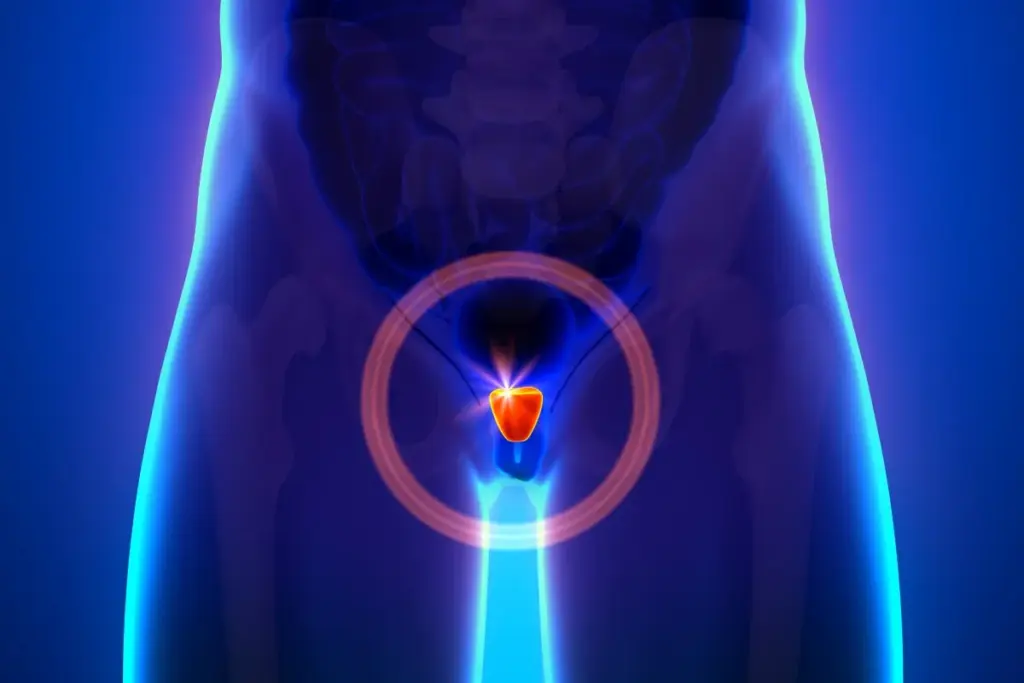
For men with an enlarged prostate, Prostate Artery Embolization (PAE) is a new option. It’s less invasive than old surgeries. A doctor uses tiny particles to block blood to the prostate.
What is PAE and how is it performed?
PAE is a non-surgical way to shrink an enlarged prostate. It stops blood flow to the prostate. A small puncture in the groin or wrist is made to access the arteries.
A catheter is then guided to the prostate arteries. Embolic particles are released to block blood flow. These particles are made to last a certain time, depending on the patient’s needs.
Who is a candidate for PAE?
Men with BPH and bad symptoms are good candidates for PAE. Symptoms include needing to pee a lot, weak urine flow, and waking up to pee. PAE is for men who:
- Don’t get better with medicine
- Don’t want or can’t have surgery
- Are at high risk for surgery complications
Benefits over traditional surgical approaches
PAE has many benefits over old surgeries like TURP. It’s less invasive and has fewer risks. It also helps men keep their sexual function.
|
Benefit |
Description |
|---|---|
|
Minimally Invasive |
PAE is done with a small puncture, lowering risks and speeding up recovery. |
|
Preservation of Sexual Function |
Unlike some surgeries, PAE is less likely to cause sexual problems. |
|
Quick Recovery |
Most men can go back to normal in just a few days after the procedure. |
Understanding PAE helps men with BPH make better choices. Always talk to a doctor to see if PAE is right for you.
The Immediate Post-Procedure Experience
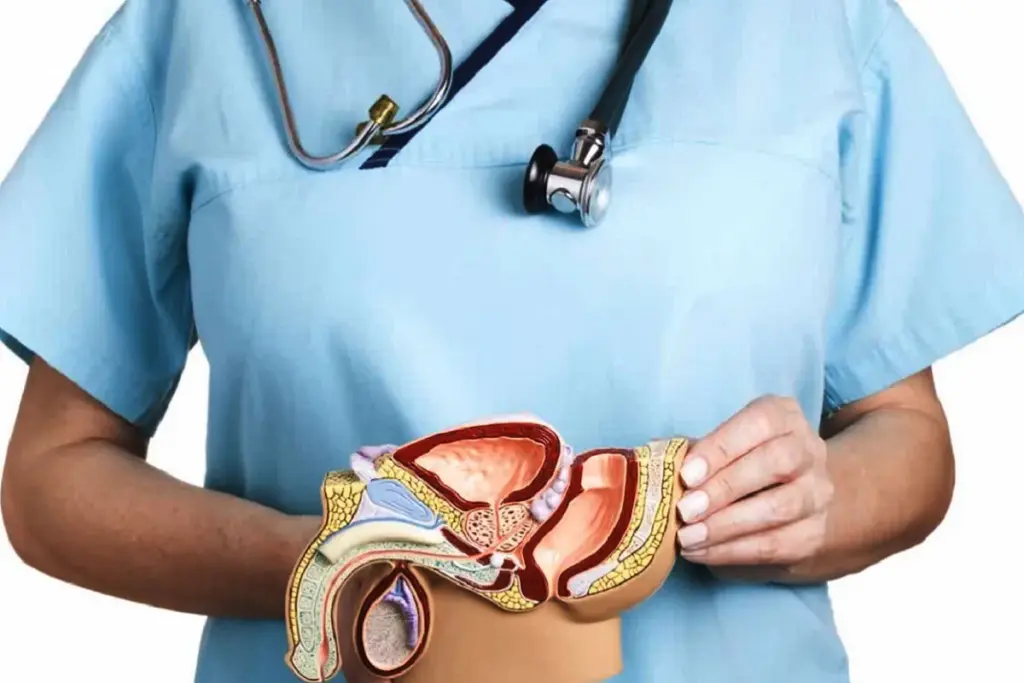
Knowing what to expect after Prostate Artery Embolization (PAE) is key. It helps manage your hopes and makes recovery smoother.
First 24 Hours After PAE
The first 24 hours are very important. You might feel more need to pee, pee often, or strain. You could also see blood in your pee or semen, feel burning when you pee, or have pain in your pelvis.
Managing these symptoms is key. Drink lots of water and follow your doctor’s pain advice. Watch for any bad symptoms that need quick doctor help.
Hospital Stay Duration
Most PAE procedures let you go home the same day. But, sometimes, you might need to stay in the hospital for a bit.
Initial Discomfort and Management
How much discomfort you feel after PAE can vary. You might feel pain in your pelvis or have pee problems. Effective pain management is very important.
One patient said, “The first few days were tough, but the right meds and care helped me manage.” This shows how important it is to follow your doctor’s advice after the procedure.
- Stay hydrated to help flush out your system.
- Follow the prescribed pain management regimen.
- Monitor for severe symptoms and seek medical help when necessary.
The First Week of Recovery
The first week after prostate artery embolization (PAE) is very important. Patients need to be careful with their activities and manage any pain. Knowing what to expect and what to avoid can make recovery easier.
Physical Limitations and Restrictions
Right after PAE, patients should rest when they feel tired. They should also avoid hard exercise or activities for at least two weeks. Not lifting heavy things for 1-3 days is also important.
- Avoid heavy lifting for 1-3 days
- Limit strenuous activities for at least two weeks
- Rest when feeling tired
Following these rules helps ensure a smooth recovery. It also helps avoid side effects. By doing so, patients help their bodies heal better.
Pain Management Protocols
Managing pain is a big part of getting better. Some discomfort is normal and can be managed with medicine and rest. It’s important to stick to the pain plan given by doctors to keep pain in check.
“Effective pain management is key for a comfortable recovery. Patients should follow their medication plan and talk to their doctor if pain is too much.”
Common Immediate Side Effects
Right after PAE, patients might feel some discomfort, have trouble with urination, or feel very tired. These symptoms usually go away as the body heals. It’s good to know about these and when to get help if they get worse.
Key points to remember during the first week of recovery:
- Follow the recommended pain management protocols.
- Adhere to physical limitations and restrictions.
- Monitor and report any severe or unusual side effects.
By knowing and following these tips, patients can get through the first week of PAE recovery more comfortably. This sets them up for a good outcome.
Returning to Normal Activities
After PAE, patients often wonder when they can go back to work and exercise. The recovery time is key. It’s a balance between rest and slowly getting back into activities.
Resuming Work and Daily Routines
Most people can start with light activities and return to work in 2-3 days. But, it’s important to listen to your body. Don’t rush back into hard activities too soon.
The time it takes to go back to work depends on your job. Desk jobs might be easier to return to quickly. But, jobs that are physically demanding might take longer.
Physical Activity Guidelines
Starting with light physical activities is important in recovery. Avoid heavy lifting, bending, or hard exercises for a week or two after PAE.
Start with short walks to build strength and improve well-being. Always follow your healthcare provider’s advice.
Driving and Travel Considerations
Driving and travel plans need careful thought during recovery. It’s usually advised not to drive for at least 24 hours after the procedure. Or until you’re off narcotic pain medication.
For long trips, wait a few weeks. This ensures you’re recovering well and reduces the risk of complications.
Knowing the recovery timeline and following your healthcare provider’s advice is key. It greatly affects the success of the PAE procedure.
|
Activity |
Recommended Timeline |
Guidelines |
|---|---|---|
|
Returning to Work |
2-3 days |
Depends on job requirements; desk jobs may return sooner |
|
Physical Activity |
1-2 weeks |
Avoid heavy lifting and strenuous exercises; introduce light activities gradually |
|
Driving |
At least 24 hours |
Avoid driving until off narcotic pain medication |
|
Travel |
A few weeks |
Minimize long-distance travel to reduce complication risks |
Prostate Artery Embolization Recovery Timeline
Understanding the prostate artery embolization recovery timeline is key. It shows when patients can see better health. Knowing this helps both patients and doctors plan and track progress.
Initial Healing Phase (Week 1-2)
The first two weeks after PAE are the initial healing phase. Patients might feel some pain, have trouble with urination, or feel tired. It’s important to follow the doctor’s instructions closely to avoid problems.
By the end of the second week, many patients start to feel better. But how much improvement varies from person to person.
Symptom Improvement Begins (Weeks 3-4)
As healing continues, patients often see big improvements in their urinary issues and overall well-being. This time is when symptoms from benign prostatic hyperplasia (BPH) start to lessen.
By the fourth week, many patients see a big drop in their International Prostate Symptom Score (IPSS). This score shows how much their condition has improved.
Significant Improvement Period (Months 1-3)
The first three months after PAE are when most patients see the biggest changes. By then, 94% of men who needed a catheter no longer do, and up to 93% see big improvements.
This time is filled with more shrinkage in prostate size, better urine flow, and a better quality of life.
Long-term Outcomes (Months 3-12)
After the first three months, patients can expect to keep enjoying the benefits of PAE. Studies show that the good changes seen early on keep going for months, with some patients feeling even better.
It’s important to keep up with long-term check-ups to make sure the treatment keeps working and to catch any new problems early.
Measuring Improvement After PAE
PAE’s impact on prostate health is measured in several ways. We look at symptom scores and quality of life. This helps us understand how well the procedure works.
International Prostate Symptom Score (IPSS) Changes
The International Prostate Symptom Score (IPSS) is a key metric. Studies show IPSS values drop by 13 to 16 points after PAE. This means a big relief from urinary symptoms.
A study shows PAE’s success. It highlights how PAE improves patients’ quality of life.
Urinary Flow Rate Improvements
Urinary flow rate is another important measure. Patients often find it easier to urinate after PAE. This is because the prostate is smaller and there’s less blockage.
Reduction in Prostate Volume
Reduced prostate volume is a key sign of PAE’s success. By blocking the prostate arteries, PAE makes the prostate smaller. This relieves pressure on the urethra and improves urine flow.
Quality of Life Assessments
Quality of life assessments are also important. They look at symptoms, urine function, and overall well-being. Big improvements in these areas mean a better life for patients after PAE.
In summary, we measure PAE’s success in many ways. We look at symptom scores, urine flow, prostate size, and quality of life. These measures give us a full picture of PAE’s benefits.
Medication Changes Following PAE
PAE can help you stop or cut down on BPH meds, making life better. After PAE, many see their symptoms lessen. This might mean they need less medicine.
Discontinuation of BPH Medications
Many patients can stop their BPH meds after PAE. By 12 months later, 65.5% of patients were off their benign prostatic obstruction medications. This shows a big drop in medication needs.
Temporary Medications During Recovery
Even with less long-term meds, some patients might need temporary ones during recovery. These could be pain management medications and antibiotics to prevent infection. The exact meds and how long you’ll need them depend on your situation and the doctor’s advice.
Long-term Medication Needs
How long you’ll need meds after PAE can vary a lot. It depends on your BPH symptoms before, other health issues, and overall health. It’s key to keep up with doctor visits to figure out what meds you’ll need long-term.
In short, PAE can change your meds a lot, maybe even reduce them. Knowing about these changes and temporary meds is key. It helps manage your expectations and ensures a smooth recovery.
Potential Side Effects and Complications
PAE is usually safe, but it’s good to know about possible side effects and complications. Like any medical treatment, PAE has risks. Patients should know these before they get the procedure.
Common Minor Side Effects
Most people get some side effects after PAE, but they are usually minor and short-lived. Common side effects include:
- Mild pelvic discomfort
- Blood in the urine or semen
- Mild urinary tract infection
- Temporary difficulty urinating
These side effects are often treated with simple care and get better in a few days to weeks.
Rare but Serious Complications
Major complications are rare, happening in about 0.65–2% of cases. Serious but rare complications include:
- Severe infection
- Nontarget embolization
- Significant urinary retention
It’s important for patients to know about these risks and talk to their doctor about any worries.
When to Seek Medical Attention
Patients should get help right away if they have:
- Severe pain not helped by medicine
- Fever over 101.5°F (38.6°C)
- Heavy bleeding
- Can’t urinate
Knowing these signs can help quickly deal with any problems that come up.
|
Side Effect/Complication |
Frequency |
Typical Management |
|---|---|---|
|
Mild pelvic discomfort |
Common |
Pain management medication |
|
Severe infection |
Rare |
Antibiotics, hospitalization |
|
Blood in urine/semen |
Common |
Monitoring, hydration |
Follow-up Care After Prostate Artery Embolization
After Prostate Artery Embolization (PAE), it’s important to follow up with your doctor. This helps check if the treatment worked and if there are any issues. You’ll need to see your doctor regularly to track your progress and adjust your treatment if needed.
Scheduled Follow-up Appointments
Right after PAE, your doctor will set up follow-up visits. These visits are to see how you’re doing and if the treatment helped. You’ll likely have appointments at one month, three months, six months, and one year after the procedure.
Key aspects to discuss during these appointments include:
- Any symptoms or side effects you are experiencing
- Changes in your urinary flow or prostate symptoms
- Any concerns or questions you have about your recovery
Imaging and Testing Protocols
During follow-up, you might have imaging and testing to check if PAE worked. These can include:
|
Test/Procedure |
Purpose |
Timing |
|---|---|---|
|
Prostate MRI |
Assess prostate volume reduction |
3-6 months post-PAE |
|
Uroflowmetry |
Measure urinary flow rate improvements |
3-12 months post-PAE |
|
IPSS Questionnaire |
Evaluate symptom improvement |
At each follow-up visit |
Long-term Monitoring Recommendations
It’s important to keep up with long-term follow-ups after PAE. Your doctor will suggest a follow-up plan that fits your needs.
By sticking to your follow-up care plan, you can keep enjoying the benefits of PAE. This means better prostate health and a better quality of life. For more info on PAE and what others have experienced, check out pae reviews online.
Lifestyle Adjustments During Recovery
After Prostate Artery Embolization, making healthy choices is key. This time is for healing and adopting habits that boost your health. These habits can also improve the treatment’s results.
Dietary Considerations
Eating well is important for recovery. Eat a mix of fruits, veggies, whole grains, lean proteins, and healthy fats. These foods help your body heal and give you the energy you need.
- Eat foods high in antioxidants like berries and leafy greens.
- Opt for whole grains over refined ones for more fiber.
- Choose lean proteins like poultry, fish, and legumes.
Hydration Importance
Drinking enough water is vital during recovery. It helps remove toxins and aids in healing. Aim for at least eight glasses a day, but your needs may vary.
Tips for Staying Hydrated:
- Drink water all day long.
- Check your urine; it should be pale yellow or clear.
- Limit caffeine and alcohol to avoid dehydration.
Sexual Activity Guidelines
Many wonder when they can start being sexually active again after PAE. It’s usually a few weeks, but it depends on your recovery and the doctor’s advice.
Always follow your doctor’s advice on when to start being sexually active again. This ensures a safe and healthy recovery.
|
Lifestyle Adjustment |
Recommendation |
Benefits |
|---|---|---|
|
Diet |
Balanced diet rich in fruits, vegetables, and whole grains |
Supports healing, provides energy |
|
Hydration |
Drink at least 8 glasses of water a day |
Flushes toxins, aids in healing |
|
Sexual Activity |
Resume after a few weeks, as advised by your doctor |
Safe recovery, minimizes complications |
Patient Experiences and Success Stories
Many patients have shared their positive experiences after undergoing PAE. They talk about how it helped ease their BPH symptoms. This has led to a better quality of life for them.
Outcomes for Catheter-Dependent Patients
PAE has made a big difference for men who needed catheters. Studies show that many were able to stop using them after PAE. This not only makes them more comfortable but also improves their overall health.
Catheter-dependent patients have seen a big drop in their need for catheters. Many can now urinate normally again. This shows how well PAE works in treating urinary retention caused by BPH.
Quality of Life Improvements
PAE has greatly improved the lives of men with BPH. It reduces symptoms like frequent urination and weak urine flow. This lets men do their daily activities without BPH symptoms getting in the way.
More than 90% of men saw better health within a year after PAE. This shows how effective the procedure is. It can really change the lives of men with BPH.
Patient Satisfaction Rates
Most men are very happy with the results of PAE. They like how it’s a minimally invasive procedure. It works well to reduce BPH symptoms and has a quick recovery time.
Reviews from patients who had PAE are very positive. They talk about how it has improved their daily lives. These PAE procedure reviews and PAE reviews help others thinking about the procedure. They give a good idea of what to expect.
In summary, the success stories and patient experiences with PAE are very encouraging. There are big improvements in symptoms, quality of life, and satisfaction. As more men share their positive experiences, PAE is becoming more recognized as a good treatment for BPH.
Comparing PAE Recovery to Other BPH Treatments
Prostate Artery Embolization (PAE) is a new way to treat BPH. It has its own benefits and challenges compared to other treatments. Let’s look at how PAE recovery stacks up against other options.
PAE vs. TURP Recovery
Transurethral Resection of the Prostate (TURP) is a common surgery for BPH. PAE surgery usually means a quicker recovery with fewer problems. TURP often requires a hospital stay and a catheter, but PAE lets patients go home the same day without one.
TURP recovery can take weeks, with side effects like discomfort and urinary issues. PAE patients can get back to normal in just a few days to a week.
PAE vs. Medication-Only Approaches
Many start with BPH meds, but they can have big side effects. PAE prostate artery embolization is a more lasting fix, possibly ending the need for meds.
Medications avoid surgery risks but need long-term use. PAE directly shrinks the prostate, leading to lasting symptom relief.
PAE vs. Newer Minimally Invasive Techniques
New treatments like UroLift and Rezum aim for less downtime than old surgeries. Like PAE, they aim to cut down symptoms quickly.
PAE is unique because it can treat bigger prostates and offer better symptom relief. But, the right choice depends on the patient’s size, symptoms, and health.
Conclusion: The Long-Term Outlook After PAE
Prostate Artery Embolization (PAE) is a top choice for treating Benign Prostatic Hyperplasia (BPH). It gives long-lasting relief from symptoms for most men. Studies show that the benefits can last for years, helping men with enlarged prostates.
Looking at how long PAE lasts, the good news is that its effects can last a long time. Many patients see big improvements in their life quality. Reviews from both patients and doctors show that PAE can give lasting relief from BPH symptoms, often cutting down on the need for medication.
As PAE becomes more known as a treatment, knowing its long-term effects is key. By looking at the data and what patients say, it’s clear PAE is a good option for managing BPH symptoms.
FAQ
What is the typical recovery time after Prostate Artery Embolization (PAE)?
Recovery from PAE is quick. Most people can go back to normal activities in a few days to a week. But, it can take several weeks to a few months to feel fully better.
How long does Prostate Artery Embolization (PAE) last?
PAE is a long-term fix for BPH. Studies show its benefits can last for years. Some data suggests it can last up to 5 years or more.
What are the common side effects of PAE?
Minor side effects of PAE include mild pelvic pain, urinary tract infections, and temporary blood in urine. Serious issues like infection, bleeding, or wrong embolization are rare but can happen.
How is pain managed after PAE?
Pain after PAE is usually managed with pain meds. The pain level varies, but most people find it mild to moderate. It can be controlled with medication.
When can I resume physical activity after PAE?
Avoid hard physical activity for a week after PAE. Start with light activities as you feel comfortable. Most people can get back to full activity in 2-4 weeks.
Will I need to take BPH medications after PAE?
Many people stop taking BPH meds after PAE because their symptoms improve. But, some might need to keep taking them, depending on their situation and how they react to the procedure.
What follow-up care is required after PAE?
After PAE, you’ll need to see your healthcare provider regularly. They’ll check on your recovery and how well the procedure worked. You might also need imaging and tests at certain times.
Can PAE improve urinary flow rate?
Yes, PAE can make urination easier for people with BPH. This is one way to measure if the procedure is working well.
How does PAE compare to other BPH treatments like TURP?
PAE is less invasive than TURP and has fewer risks. It also allows for quicker recovery. The best choice depends on the patient’s needs and preferences.
Are there any dietary restrictions after PAE?
There are no strict diet rules after PAE. But, staying hydrated and eating well can help with recovery. Your specific diet needs might vary.
When can I resume sexual activity after PAE?
Wait a few days to a week before having sex after PAE. The exact time depends on how you’re feeling and recovering.
What is post-PAE syndrome?
Post-PAE syndrome is when symptoms get worse temporarily after PAE. It’s usually managed with supportive care and goes away on its own.
Reference
National Center for Biotechnology Information. Evidence-Based Medical Insight. Retrieved from https://pubmed.ncbi.nlm.nih.gov/27766360/