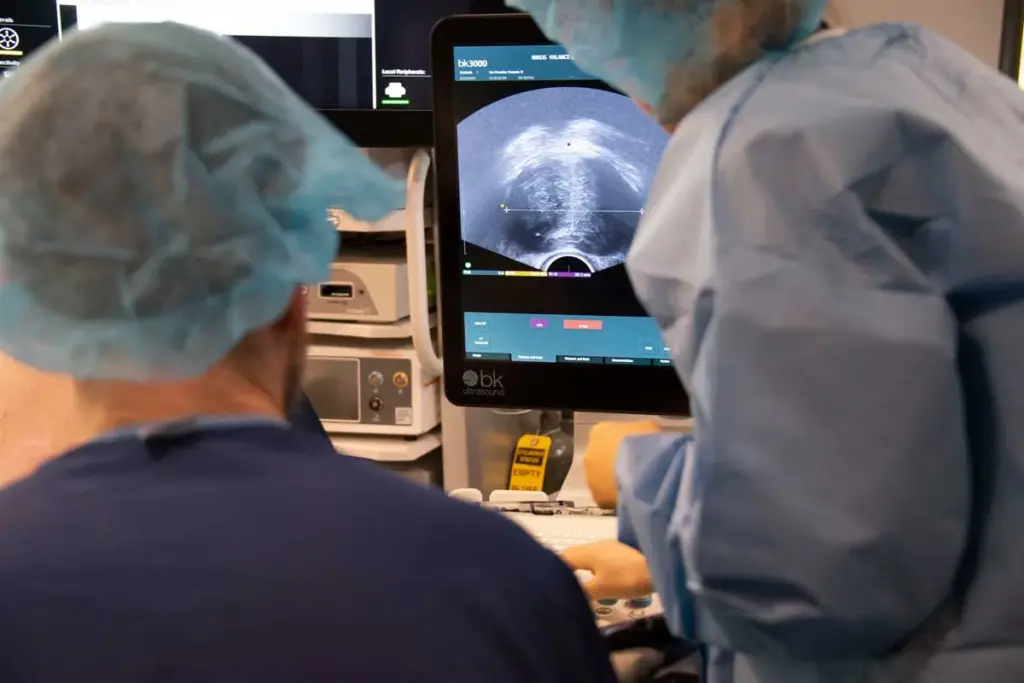
Nearly 1 million prostate biopsies are done every year in the United States. It’s a common way to check for prostate cancer. But, it can cause some side effects. So, it’s important for patients to know what to expect when they recover. Hygiene advice: Instructions for prostate biopsy aftercare to prevent infection and ensure a smooth, quick recovery at home.
Recovering from a biopsy means paying close attention to your body. You need to follow the instructions given after the procedure. We’ll show you what to expect during recovery. This will help you feel more prepared and less worried.
A biopsy is when doctors take tissue samples to look for cancer. Knowing about the recovery can make the experience easier and more comfortable.
Key Takeaways
- Recovery time varies from person to person.
- Most men can go back to normal activities in a few days.
- It’s key to follow the instructions after the procedure for a smooth recovery.
- Side effects like discomfort and bleeding are common.
- Understanding the recovery can help ease your worries.
Understanding Prostate Biopsy Procedures
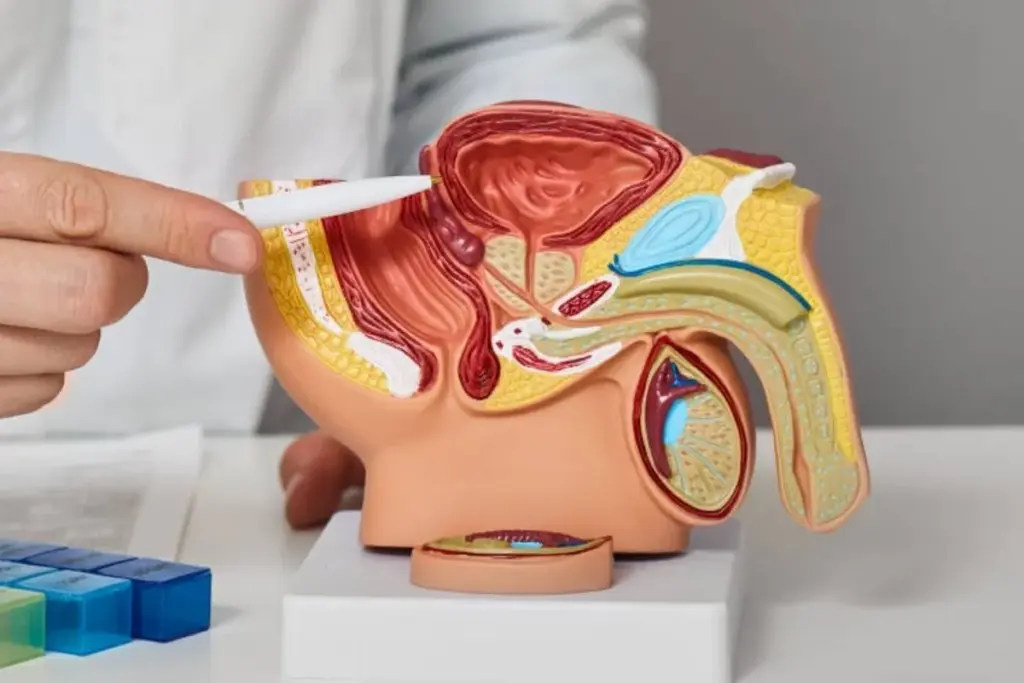
Knowing about prostate biopsy procedures helps patients feel ready and informed. A prostate biopsy checks for cancer or other issues in the prostate. We’ll explain the different biopsy methods and what you need to do to prepare.
Types of Prostate Biopsy Techniques
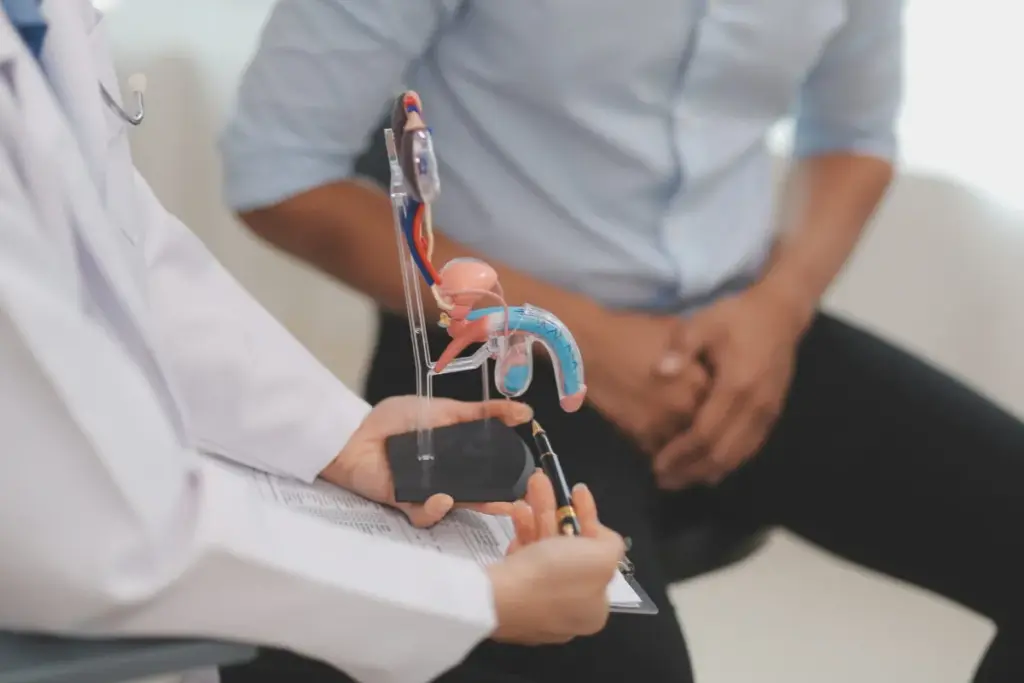
There are several ways to do a prostate biopsy, each with its own benefits. The most common is the transrectal ultrasound-guided biopsy (TRUS). This method uses ultrasound to guide the needle through the rectum into the prostate. Another method is the transperineal prostate biopsy, where the needle goes through the perineum, between the scrotum and anus.
“The choice of biopsy technique depends on various factors, including the patient’s overall health and the specific characteristics of the prostate,” as noted by medical professionals. The transperineal approach is becoming more popular. It might lower the risk of infection compared to the transrectal method.
Recommended Preparation Before the Procedure
Getting ready is important for a successful prostate biopsy. Patients are usually told to stop taking blood thinners a few days before. This is to lower the risk of bleeding. They might also need to prepare their bowels to reduce infection risk. This could mean taking antibiotics and following a bowel cleansing routine.
Talking to your healthcare provider about your medical history and any worries is also key. Knowing what to expect and how to prepare can help ensure a good outcome.
Typical Recovery Timeline
After a prostate biopsy, patients often wonder about the recovery time. Knowing what to expect can help manage anxiety and reduce worries.
Immediate Post-Procedure Symptoms
Right after the biopsy, patients might feel pain, bleed, or have trouble peeing. These issues are usually at their worst in the first few days.
Days 1 to 7: Initial Recovery Phase
The first week after the biopsy is the initial recovery phase. Patients start to feel better, but how fast varies from person to person.
|
Days Post-Biopsy |
Common Symptoms |
Expected Improvement |
|---|---|---|
|
1-3 |
Discomfort, bleeding, difficulty urinating |
Symptoms are most pronounced |
|
4-7 |
Gradual reduction in bleeding and discomfort |
Improvement in urination |
|
7+ |
Most symptoms resolve |
Return to normal activities |
Following your doctor’s advice and attending follow-up visits is key to a smooth recovery.
Managing Discomfort After a Biopsy
After a prostate biopsy, it’s key to manage discomfort for a smooth recovery. The post-biopsy period can be tough, but the right steps can help. Patients can ease their discomfort and get through this time more easily.
Pain Relief Options
Finding the right pain relief is vital after a biopsy. We suggest trying different options to see what works best for you.
Over-the-Counter Pain Medications
OTC pain meds are often the first choice for post-biopsy pain. Acetaminophen or ibuprofen can help manage pain. But, always follow the dosage and talk to your doctor before starting any medication.
Other Pain Relief Strategies
There are more ways to ease discomfort than just OTC meds. Applying a warm compress or taking a warm bath can help. Relaxation techniques like deep breathing or meditation can also reduce stress and pain.
Signs of Complications
While managing pain, it’s also important to watch for signs of complications. Severe pain, heavy bleeding, or fever mean you need to see a doctor right away.
|
Condition |
Action |
|---|---|
|
Mild Discomfort |
Use OTC pain medications as directed |
|
Severe Pain |
Seek medical attention |
|
Heavy Bleeding |
Contact your healthcare provider |
|
Fever |
Seek immediate medical care |
In summary, managing discomfort after a prostate biopsy requires pain relief and watching for complications. Understanding these points helps patients get through the post-biopsy period better.
Activity Restrictions During Recovery
Knowing when to rest and when to be active is important after a prostate biopsy. We suggest patients relax for a few days to avoid complications.
Recommended Physical Activities
Rest is important, but you don’t have to stop moving completely. Short walks can help. But, avoid heavy lifting, bending, or hard exercises for a few days.
Here are some activities to consider during your recovery:
- Gentle stretching
- Short walks around the house or neighborhood
- Light yoga or meditation for relaxation
When to Resume Normal Exercise
When you can start exercising again depends on how you feel. Usually, it takes a week or two to get back to normal. Always listen to your body and don’t overdo it.
|
Activity Level |
Recommended Timeline |
|---|---|
|
Gentle stretching, short walks |
Immediately after biopsy |
|
Light aerobic exercises |
3-5 days post-biopsy |
|
Strenuous exercises, heavy lifting |
7-14 days post-biopsy |
Always follow your doctor’s advice. They can give you personalized tips based on your health and biopsy details.
Dietary Recommendations Post-Biopsy
Choosing the right foods is key to a smooth recovery after a prostate biopsy. A balanced diet helps your body heal and reduces discomfort. It’s important to make smart food choices.
Nourishing Foods for Recovery
Eating foods full of antioxidants is great for healing. Berries, leafy greens, and citrus fruits are packed with these nutrients. Whole grains and lean proteins are also important for recovery.
Adding these foods to your diet can help you recover faster and healthier.
Foods to Avoid During Recovery
It’s also important to know which foods to avoid. Spicy or heavy meals can upset your stomach and cause discomfort. Drinking lots of water is also vital for staying hydrated.
Follow-Up Appointments After Biopsy
After a prostate biopsy, follow-up appointments are key. They help you understand your diagnosis and what comes next. Your healthcare provider will talk about the biopsy results, answer your questions, and plan your next steps.
Significance of Post-Biopsy Follow-Up
Follow-up care is very important. It lets your healthcare team go over your biopsy results with you. This is also your chance to ask questions and learn about your treatment options.
Expectations During Follow-Up Appointments
At your follow-up, your doctor will go over the biopsy results. They will tell you if cancer or another issue was found. Then, they will talk about what to do next, like more tests or treatment.
|
Aspect of Follow-Up |
Description |
|---|---|
|
Biopsy Results Discussion |
Your healthcare provider will discuss the results of your biopsy, explaining whether cancer or another condition was detected. |
|
Next Steps in Care |
Based on the biopsy results, your healthcare provider will outline the next steps, which could include further testing, treatment, or monitoring. |
|
Addressing Concerns |
This is an opportunity for you to ask questions and address any concerns you have regarding your diagnosis and treatment plan. |
Follow-up appointments are a big part of your care after a prostate biopsy. Knowing what to expect and why these visits are important helps you stay involved in your health. This way, you can make informed decisions about your care.
Emotional and Mental Health Support
Patients often feel overwhelmed and anxious when facing a prostate biopsy and waiting for results. This time can be tough, not just physically but also emotionally and mentally.
Getting support is key. We suggest patients talk to their healthcare providers, family, and friends. There are also many resources out there that can offer valuable guidance and reassurance.
Coping with Anxiety
There are ways to cope with anxiety about a prostate biopsy. Staying informed about the procedure can help reduce fear. Relaxation techniques, like deep breathing or meditation, can also help manage anxiety.
We advise patients to share their feelings and concerns with their healthcare provider. Talking about anxiety can help. Healthcare providers can also offer advice on managing anxiety and may suggest professional counseling if needed.
Resources for Support
Many resources are available for emotional and mental health support. Support groups, both in-person and online, can connect patients with others facing similar challenges. This can offer a sense of community and understanding.
Counseling or therapy can also be very helpful. Many healthcare institutions offer mental health services as part of their patient care. We encourage patients to explore these options as part of their care plan.
Also, many organizations focused on prostate health and cancer support offer resources. These include helplines, online forums, and educational materials. These resources can provide emotional support and practical advice for the biopsy process and beyond.
Long-Term Effects of a Prostate Biopsy
It’s important for patients to know about the long-term effects of a prostate biopsy. This procedure is key for finding prostate cancer. But, patients often worry about the long-term effects.
Potential Risks Involved
A prostate biopsy, like any medical test, has risks. Potential long-term complications include:
- Infection: Though rare, infections might need antibiotics.
- Bleeding: Some might bleed or have a hematoma, which often heals itself.
- Temporary urinary issues: Men might have trouble urinating for a while.
Knowing these risks helps patients watch their health after the biopsy.
Monitoring for Future Health Issues
After a prostate biopsy, ongoing monitoring is key. It helps catch any future health problems. This includes:
- Regular check-ups with doctors to check health and address concerns.
- Following screening schedules for prostate cancer and other health issues.
- Keeping a healthy lifestyle, like eating well and exercising, to stay well.
Importance of Communication with Healthcare Provider
Talking openly with your healthcare provider after a prostate biopsy is very important. This conversation helps clear up any worries you might have while you’re getting better. It also makes sure you know what your biopsy results mean and what care you’ll need next.
Discussing Recovery Concerns
Talking about any symptoms or discomfort you’re feeling is key during your recovery. This includes:
- Any pain or discomfort
- Difficulty urinating
- Signs of infection
Your healthcare provider can help you manage these symptoms. They can also give you reassurance. If you have any worries, don’t be afraid to ask for help.
Asking Questions About Results
It’s important to understand your biopsy results to take care of yourself better. When you talk to your healthcare provider about your results, ask:
- What do my biopsy results indicate?
- What are the next steps in my care?
- Are there any additional treatments or tests required?
Knowing about your condition and treatment plan can reduce anxiety. It also makes you more involved in your care.
Clear communication with your healthcare provider is key to a smooth recovery. By talking about your recovery concerns and asking about your biopsy results, you can understand your care plan better. This helps you make informed decisions about your health.
Conclusion: Planning for Recovery
As we wrap up our guide on recovering from a prostate biopsy, it’s key to stress the need for recovery planning. Knowing about the procedure, handling post-biopsy pain, and talking openly with doctors are vital. These steps help make the recovery smoother.
Key Considerations
Good recovery planning means knowing the typical recovery time, managing pain, and following activity limits. Understanding these helps patients recover more easily and confidently. We also suggest getting support from healthcare teams and loved ones.
Empowering Patients
Being informed about prostate biopsy recovery and the truth about the procedure empowers patients. This knowledge lets them make smart choices and get the right care. It leads to a better recovery.
FAQ
What is a prostate biopsy?
A prostate biopsy is a procedure to get tissue samples from the prostate gland. It checks for cancer.
How long does it take to recover from a prostate biopsy?
Recovery time varies, but most people get better in a week. Symptoms may take a few more days to lessen.
What are the common side effects after a prostate biopsy?
Side effects include discomfort, bleeding, and trouble urinating. These symptoms are worst in the first few days and get better over a week.
How can I manage discomfort after a prostate biopsy?
Over-the-counter pain meds can help with discomfort. Watch for signs of serious problems like severe pain, heavy bleeding, or fever. See a doctor if you notice these.
What are the activity restrictions after a prostate biopsy?
Avoid heavy lifting, bending, or hard activities for a few days. You can start doing normal things again as you feel better.
What dietary recommendations can help with recovery after a prostate biopsy?
Eat foods high in antioxidants like fruits, veggies, whole grains, and lean proteins. Avoid spicy or heavy meals early on to feel less uncomfortable.
How long do biopsy results take?
Results usually take a few days to a week. But it depends on the lab and how complex the analysis is.
What happens during a follow-up appointment after a prostate biopsy?
At follow-ups, doctors discuss the biopsy results. They answer questions, address concerns, and plan the next steps.
Are there any long-term effects of a prostate biopsy?
The procedure is usually safe, but there are risks like infection or bleeding. Long-term checks can spot any future health issues.
How is prostate cancer diagnosed after a biopsy?
Doctors look at biopsy tissue for cancer cells. The results show if cancer is there and how serious it is.
What kind of support is available for patients undergoing a prostate biopsy?
Patients get support from doctors, family, and friends. Counseling or support groups offer coping strategies and reassurance.
References
National Institutes of Health. Evidence-Based Medical Insight. Retrieved from https://www.niddk.nih.gov/health-information/urologic-diseases/prostate-problems/prostate-biopsy[nih.gov