
Infection risks: Learn the signs of complications after a prostate biopsy, such as fever or inability to urinate, and when to go to the ER. Prostate cancer is a big worry for men all over the world. Knowing about prostate lesions is key for finding and treating it. Studies show prostate cancer is the second leading cause of death from cancer in men. This highlights the importance of being aware and getting medical help quickly.
When a tumor size is found, it’s measured in centimeters. It’s important to understand what it means for the disease’s growth and treatment choices. A 1 cm tumor can affect people differently, based on where it is and what it’s like.
Key Takeaways
- Understanding prostate lesions is vital for effective diagnosis and treatment planning.
- The size of a tumor significantly influences treatment decisions and patient outcomes.
- Early detection and awareness are critical in managing prostate cancer.
- Various factors, including tumor location and characteristics, affect treatment options.
- Patients should consult healthcare professionals to understand their specific condition and treatment choices.
What is a Tumor?
Tumors are abnormal growths that can be found in various parts of the body, like the prostate gland. It’s important to know about tumors to understand what a prostate lesion means.
Definition and Types of Tumors
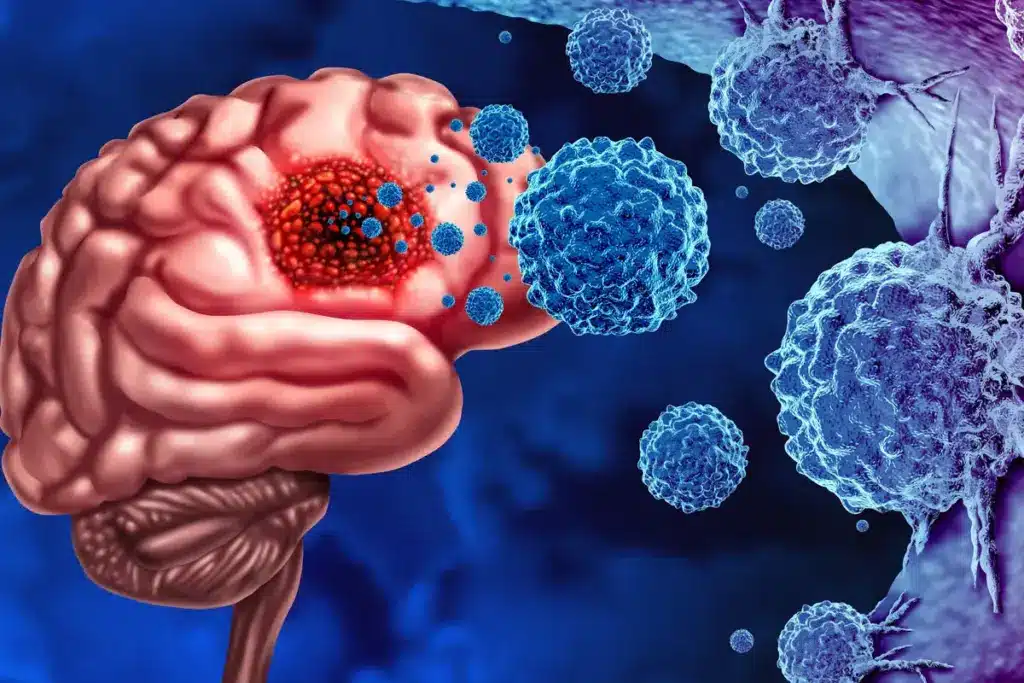
A tumor is an abnormal cell growth that can be either benign or malignant. Benign tumors are not cancerous and don’t spread. On the other hand, malignant tumors are cancerous and can spread to other areas.
There are many types of tumors, based on where they start. The main types are:
- Carcinomas: These start from epithelial cells.
- Sarcomas: They start from connective tissue or bone.
- Leukemias: These are blood cancers.
- Lymphomas: These affect the immune system.
Common Characteristics
Tumors can differ a lot, based on their type and where they are. They can vary in size, shape, and whether they are benign or malignant. The size of a tumor, like a 1 cm tumor, is important for cancer staging and treatment.
| Tumor Type | Characteristics | Typical Behavior |
|---|---|---|
| Benign | Non-cancerous, slow-growing | Does not invade surrounding tissues or metastasize |
| Malignant | Cancerous, can grow rapidly | Can invade surrounding tissues and metastasize to other parts of the body |
Knowing these traits is key for diagnosing and treating tumors. Tests like prostate biopsy methods help figure out what a tumor is.
Prostate Lesions Explained
Understanding prostate lesions is key for men’s health. These can be benign or cancerous. Lesions are abnormal growths in the prostate gland, found through tests.
Types of Prostate Lesions
Lesions are divided into benign and malignant types. Benign Prostatic Hyperplasia (BPH) makes the prostate bigger, causing urinary issues. Prostate cancer is when cancer cells grow in the prostate.
Other types include prostatitis, an inflammation, and prostatic intraepithelial neoplasia (PIN), a precancerous state. Knowing the type helps choose the right treatment.
| Type of Lesion | Description | Common Symptoms |
|---|---|---|
| Benign Prostatic Hyperplasia (BPH) | Enlargement of the prostate gland | Urinary frequency, weak urine flow |
| Prostate Cancer | Malignant growth in the prostate | Often asymptomatic in early stages |
| Prostatitis | Inflammation of the prostate gland | Painful urination, pelvic pain |
Symptoms and Diagnosis
Symptoms of prostate lesions depend on the type and severity. Some men show symptoms early, while others don’t until it’s advanced.
To diagnose, doctors use a digital rectal exam (DRE), PSA testing, and imaging like ultrasound or MRI. A biopsy might confirm cancer or other issues.
Early detection and diagnosis are vital for treating prostate lesions. Men should talk to their doctor about screening and diagnostic options.
The Importance of Tumor Size
The size of a tumor is very important for cancer staging and treatment. It’s key for both patients and doctors to understand this. This knowledge helps in making the right choices for prostate cancer care.
Cancer Staging and Tumor Size
Tumor size is a big factor in cancer staging. Bigger tumors usually mean more advanced cancer. This affects how treatment is planned and what the future might hold.
When staging prostate cancer, doctors look at the tumor size, lymph nodes, and if the cancer has spread. A larger tumor often means a more advanced stage. This might lead to more intense treatments.
| Tumor Size | Cancer Stage | Typical Treatment Approach |
|---|---|---|
| Small (<1 cm) | Early-stage | Active surveillance or localized treatment |
| Medium (1-2 cm) | Localized | Surgery or radiation therapy |
| Large (>2 cm) | Advanced | Combination therapy including hormone therapy |
Impact on Treatment Options
The size of the tumor greatly affects prostate cancer treatment. Bigger tumors might need stronger treatments. Smaller tumors could be managed with less invasive methods.
It’s important for patients to know how tumor size impacts treatment. Doctors also need to consider this when planning care.
Key Considerations:
- Tumor size affects cancer staging and prognosis.
- Larger tumors may require more aggressive treatment.
- Smaller tumors might be suitable for active surveillance.
Is a 2 cm Prostate Lesion Considered Large?
Knowing if a 2 cm prostate lesion is large is key for treatment. Lesion sizes vary a lot. It’s important to know if a lesion is big or small for diagnosis and treatment.
Tumor Size Comparison
Prostate lesions can be small (less than 1 cm) or big (greater than 2 cm). A 2 cm lesion is seen as big compared to smaller ones. Here’s why:
- Lesions less than 1 cm are often small and might just be watched.
- Lesions between 1-2 cm are moderate and might need more watching or treatment.
- Lesions over 2 cm are big and usually need aggressive treatment.
A 2 cm prostate lesion is big, which might mean the cancer is more advanced if it’s malignant.
Clinical Significance of Size
The clinical significance of tumor size is huge. Big tumors, like a 2 cm prostate lesion, often mean aggressive cancer and a higher risk of spreading.
Research shows tumor size is key in cancer staging and grading. Bigger tumors usually mean higher-grade cancer. This affects treatment choices and outcomes.
Healthcare providers look at several things when dealing with a 2 cm prostate lesion. They consider:
- The patient’s health and medical history.
- The Gleason score, which shows cancer aggressiveness.
- If the cancer has spread beyond the prostate.
By looking at these factors, doctors can create a prostate cancer treatment plan that fits the patient’s needs.
Diagnostic Imaging Techniques
Diagnostic imaging is key in finding and treating prostate cancer. It helps doctors see the prostate gland and the areas around it. This makes it easier to diagnose and plan treatments.
MRI for Prostate Lesions
Magnetic Resonance Imaging (MRI) is a powerful tool for prostate cancer. It shows detailed images of the prostate gland. This helps doctors find and measure lesions accurately.
Key benefits of MRI for prostate lesions include:
- High sensitivity for detecting clinically significant prostate cancer
- Accurate assessment of tumor size and location
- Guiding prostate biopsy procedures
- Monitoring treatment response
CT Scans and Ultrasounds
Other imaging tools like CT scans and ultrasounds are also important. CT scans help see if cancer has spread to other parts of the body. Ultrasounds guide prostate biopsies.
CT scans offer:
- Rapid assessment of cancer spread
- Evaluation of lymph node involvement
Ultrasounds provide:
- Real-time guidance for prostate biopsies
- Assessment of prostate gland morphology
In conclusion, imaging techniques like MRI, CT scans, and ultrasounds are vital for prostate cancer care. Each has its own benefits and is used in different ways to help patients.
Tumor Growth and Progression
Tumor growth and progression are complex. They involve many factors, like genetics and environment. These factors affect how prostate lesions behave and treatment outcomes.
Factors Influencing Tumor Size
Many things affect prostate tumor growth. Genetic mutations are key, as they control cell division and aggressiveness. Also, hormonal influences, like testosterone, can make tumors grow.
Our lifestyle and chemical exposure can also play a role. Knowing these factors helps in creating better prevention and treatment plans.
Staging and Grading Systems
Staging and grading prostate cancer are vital. They help plan the right treatment. The TNM staging system looks at tumor size, lymph nodes, and metastasis.
The Gleason grading system checks tumor cell shape. A higher score means more aggressive cancer and a worse outlook.
Using both systems helps doctors understand the disease better. They can then create personalized treatment plans for patients.
Treatment Options for Prostate Lesions
Choosing a treatment for prostate lesions depends on many factors. These include the tumor’s size, the cancer’s stage, and the patient’s health. Each option has its own benefits and risks.
Every patient is different, and what works for one might not work for another. It’s important to know about the different treatments available. This knowledge helps in making informed decisions.
Active Surveillance vs. Immediate Treatment
There are two main ways to manage prostate lesions: active surveillance and immediate treatment. Active surveillance means watching the tumor closely but not treating it right away. Treatment starts only when the cancer grows.
Immediate treatment is when doctors act fast. This often means surgery or radiation to fight the cancer early. The choice depends on the tumor and what the patient wants.
“The decision to pursue active surveillance or immediate treatment should be based on a thorough discussion between the patient and their healthcare provider, considering the latest evidence and individual circumstances.”
An Urologist
Surgical and Non-Surgical Approaches
There are surgical and non-surgical ways to treat prostate lesions. Surgical approaches include removing the prostate gland. Non-surgical methods include radiation, hormone therapy, and other less invasive treatments.
- Radical Prostatectomy: A surgical procedure to remove the prostate gland.
- Radiation Therapy: Using high-energy rays to kill cancer cells.
- Hormone Therapy: A treatment that aims to reduce levels of male hormones (androgens) that fuel prostate cancer growth.
| Treatment Option | Description | Benefits |
|---|---|---|
| Active Surveillance | Monitoring the tumor without immediate intervention. | Avoids or delays side effects of treatment, preserves quality of life. |
| Radical Prostatectomy | Surgical removal of the prostate gland. | Can be curative, even for localized cancer. |
| Radiation Therapy | Using radiation to kill cancer cells. | Non-invasive, targets cancer cells precisely. |
Choosing a treatment can be tough. It’s key to talk to a healthcare expert. They can help figure out the best option for you.
Prognosis and Survival Rates
When we talk about prostate cancer, the size of the tumor matters a lot. Getting a diagnosis means understanding the cancer and what treatment and recovery might look like.
The prognosis for prostate cancer patients changes a lot. It depends on the cancer’s stage and the tumor’s size. Bigger tumors usually mean a worse outlook.
Influence of Tumor Size on Outlook
Tumor size is key in figuring out what the future holds for prostate cancer patients. Studies show that smaller tumors lead to better survival rates than bigger ones.
A 2 cm tumor is considered small. Patients with tumors this size usually have a better chance of recovery than those with bigger tumors.
Statistics for 2 cm Lesions
Let’s look at some numbers to understand how tumor size affects prognosis. For prostate cancer patients with a 2 cm tumor, the 5-year survival rate is very high, often over 90% in studies.
- The overall 5-year survival rate for prostate cancer is about 98% for all stages combined.
- For localized prostate cancer, which includes small tumors like 2 cm lesions, the 5-year survival rate is almost 100%.
- Regional prostate cancer, where the cancer has spread to nearby areas, has a slightly lower 5-year survival rate, around 95%.
These prostate cancer statistics show how important early detection is. They also highlight the good outlook for patients with small tumors.
We know that every patient is different. While statistics are helpful, they can’t predict what will happen to each person. Other things like overall health, age, and how well treatment works also matter a lot.
Patient Experiences and Stories
Patients with prostate lesions face many challenges but also find support and resilience. The journey of diagnosing and treating prostate cancer is complex. Yet, common themes and support systems can greatly help.
Real Life Cases of Prostate Lesions
Many men have shared their prostate lesion stories. They talk about the disease’s stages and treatments. Some chose active surveillance, avoiding immediate treatment but watching the lesion. Others had surgical interventions or radiation therapy, sharing their recovery and life impact.
These stories show the value of personalized treatment plans. Patients should be involved in their care decisions. Their stories help others facing similar challenges.
- Patients find comfort in knowing they’re not alone.
- Support groups, online and in-person, offer a place to share and get advice.
- Resources like counseling and educational materials help patients understand their situation.
Support Systems and Resources
Support systems are vital for patients with prostate lesions. Family, friends, and groups provide emotional and practical support. Many resources are also available, like online forums, educational sites, and counseling.
Some key resources include:
- Online support groups and forums for sharing experiences and advice.
- Educational materials and websites with detailed prostate cancer information.
- Counseling services for emotional support and guidance.
Learning from patient experiences shows the need for a strong support system. With these resources and support, patients can face their diagnosis with more confidence and resilience.
Future Research and Developments
Our understanding of prostate cancer is growing, leading to new treatments. Size-based therapies are among these innovations. They could make treatments more effective and better for patients.
New research is showing promise for treating prostate cancer. Size-based therapies might offer targeted and effective options. We’ll see more studies on how tumor size affects treatment choices.
Research on prostate cancer is making big strides. Studies are looking at how tumor size impacts treatment success. As we learn more, we’ll develop more tailored and effective treatments. This will help improve care and outcomes for patients.
FAQ
What is a prostate lesion?
A prostate lesion is an abnormal area in the prostate gland. It can be either benign or malignant.
What are the different types of prostate lesions?
There are two main types of prostate lesions. Benign ones, like benign prostatic hyperplasia (BPH), and malignant ones, like prostate cancer.
How is tumor size related to prostate cancer staging?
Tumor size is key in prostate cancer staging. Larger tumors usually mean more advanced disease.
Is a 2 cm prostate lesion considered large?
A 2 cm prostate lesion is moderate in size. Its significance depends on the patient’s health and the lesion’s details.
What diagnostic imaging techniques are used to diagnose prostate lesions?
To diagnose prostate lesions, doctors use MRI, CT scans, and ultrasounds.
What are the risks associated with prostate biopsy procedures?
Prostate biopsies can lead to infection, bleeding, and anesthesia-related complications.
How does tumor size affect treatment options for prostate cancer?
Tumor size greatly influences prostate cancer treatment. Larger tumors often need more aggressive treatments.
What are the benefits and risks of active surveillance for prostate cancer?
Active surveillance closely monitors prostate cancer. It avoids treatment side effects but risks disease progression.
What are the prognosis and survival rates for prostate cancer patients with a 2 cm lesion?
Prognosis and survival rates for a 2 cm lesion depend on health, tumor characteristics, and treatment success.
What support systems and resources are available for prostate cancer patients?
Patients can find support through online resources, support groups, and counseling services.
What are the future developments in prostate cancer research and treatment?
Future research may bring innovations like size-based therapies and better diagnostic imaging.
How does a transperineal prostate biopsy compare to other biopsy methods?
Transperineal biopsies access the prostate through the perineum. They might offer less infection risk than other methods.
What are the common characteristics of tumors that are relevant to prostate cancer diagnosis?
Relevant tumors show abnormal cell growth, invasion, and metastasis risk.
References
National Center for Biotechnology Information. Evidence-Based Medical Insight. Retrieved from https://pubmed.ncbi.nlm.nih.gov/