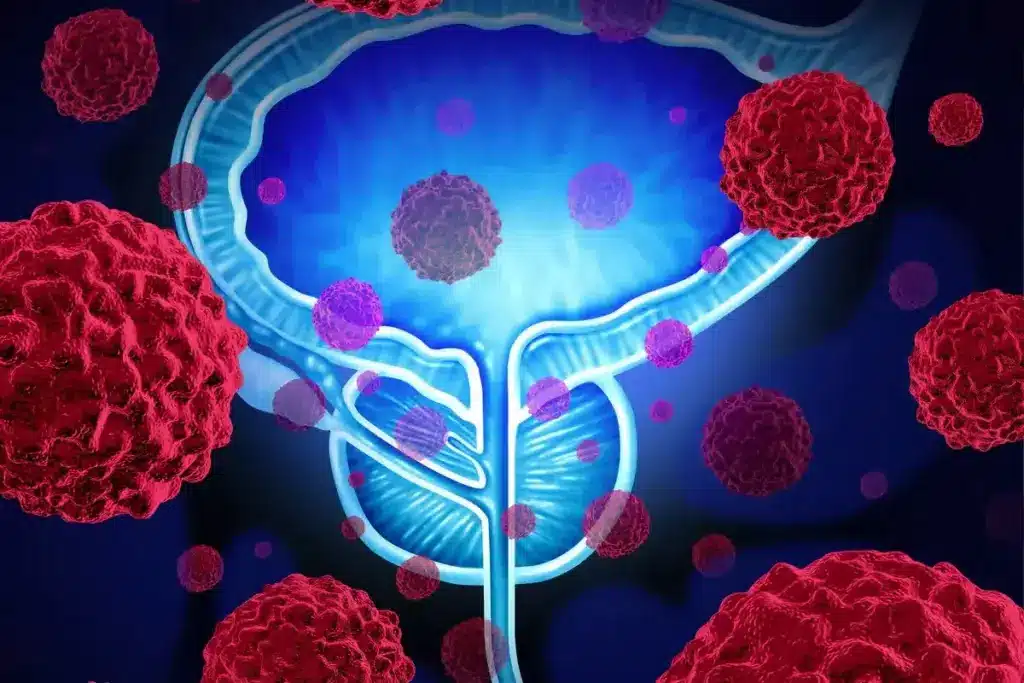
A prostate biopsy is a key test for finding prostate cancer. But, it comes with risks. One big risk is getting sepsis, a serious condition that can be deadly.
Medical emergency: Learn about prostate biopsy sepsis, a rare but serious blood infection, and the antibiotics used to prevent it.
Many patients face the danger of infections after this test. These infections can turn into sepsis. Knowing when this risk happens is important for both patients and doctors. Quick action can make a big difference in how well someone does.
By looking into how prostate biopsy and sepsis risk are connected, we hope to help. We want to make it clearer what to expect and how to lower these risks.
Key Takeaways
- Prostate biopsy is a common diagnostic procedure for prostate cancer.
- The risk of infection and sepsis is a significant complication.
- Understanding the timeline for sepsis risk is key for patient care.
- Quick action can improve outcomes for patients at risk of sepsis.
- Healthcare providers are vital in reducing these risks.
Understanding Prostate Biopsy and Its Risks
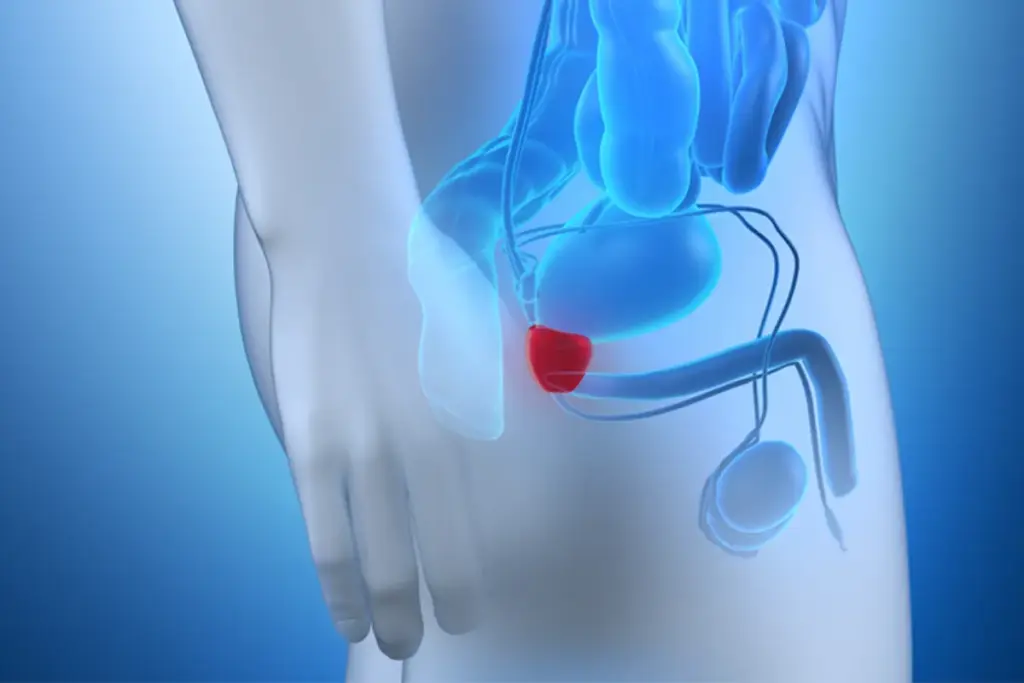
A prostate biopsy is a key test for finding prostate cancer. But, like any medical test, it has risks and possible problems. We’ll explain what a prostate biopsy is, the common issues that can happen, and the risk of infection.
What Is a Prostate Biopsy?
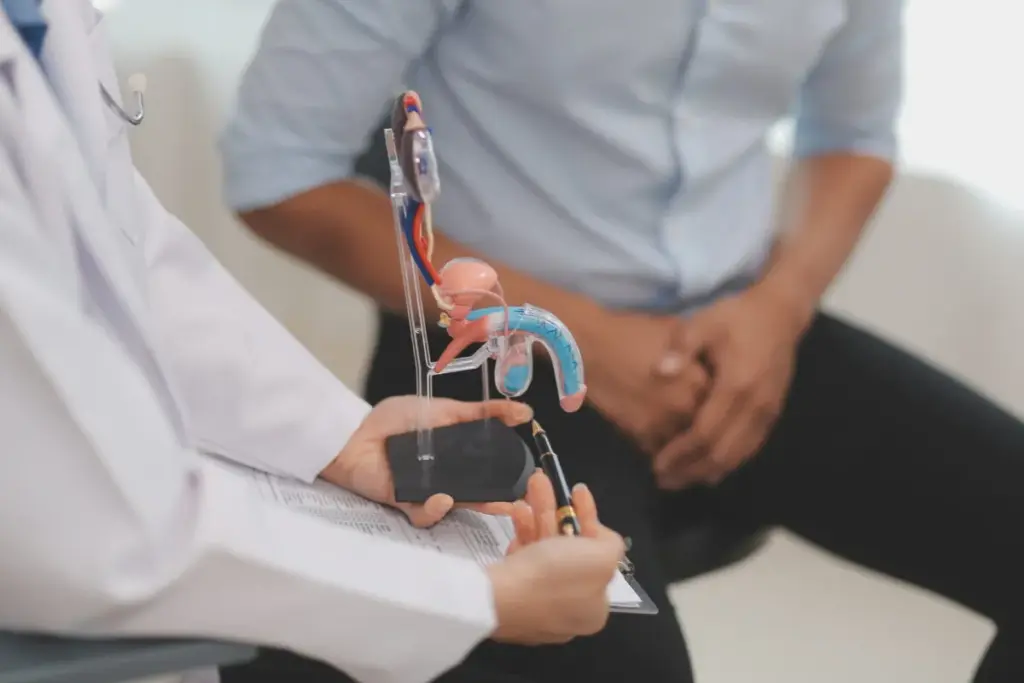
A prostate biopsy takes small tissue samples from the prostate gland. These samples are checked under a microscope. This helps find prostate cancer and how serious it is. It’s a key test for planning treatment. Doctors use two main methods: transrectal or transperineal.
Common Complications of Prostate Biopsies
Prostate biopsies are usually safe but can cause problems like infection, bleeding, and urinary issues. Infection is a big worry, as bacteria can get into the bloodstream or urinary tract. Other issues include pain, discomfort, and trouble urinating. We’ll talk about these problems and how to handle them.
- Infection
- Bleeding
- Urinary issues
- Pain and discomfort
Infection Risk Factors
Some things make getting an infection after a prostate biopsy more likely. These include past infections, bacteria in the urine, and a weak immune system. Knowing these risk factors helps prevent infections. It’s important to talk to your doctor about your risks.
The Timeline of Prostate Biopsy Sepsis Development
The risk of sepsis after a prostate biopsy changes over time. It’s key to understand this timeline. Sepsis is a serious condition where the body attacks itself due to an infection. Knowing when sepsis might happen after a biopsy helps catch it early.
Immediate Post-Procedure Period (24-48 Hours)
The first 24 to 48 hours after a biopsy are very important. During this time, the risk of sepsis is high because of bacteria from the procedure. It’s important to watch for signs of infection, like fever and chills. Following your doctor’s post-procedure advice closely can help reduce risks.
Early Infection Window (3-5 Days)
From 3 to 5 days after the biopsy, the risk of infection is high. Keep an eye out for symptoms like urinary tract infections, pain, or discomfort. Catching these early can help prevent sepsis.
Extended Risk Period (Up to 2 Weeks)
The risk of sepsis can last up to two weeks after the biopsy. During this time, stay alert for any signs of infection or sepsis, such as fever, rapid heart rate, or confusion.
Late-Onset Complications
Sepsis can sometimes appear later than expected. This shows why it’s important to stay vigilant. Even after the initial risk period, keep an eye on your health. Seek medical help right away if you notice any concerning symptoms.
Recognizing Early Signs of Post-Biopsy Infection
It’s important to spot early signs of infection after a prostate biopsy. This can help avoid serious problems. Knowing the warning signs is key.
Initial Warning Symptoms
After a prostate biopsy, watch how your body reacts. Some symptoms can mean an infection is starting.
Fever and Chills
A fever is a sign your body is fighting off an infection. If your temperature goes over 101°F (38.3°C), it’s a big warning. Chills often come with fever, making you feel cold even when your body is hot.
Urinary Changes
Changes in how you pee can also mean an infection. Look out for:
- Pain or burning when you pee
- Needing to pee more often or feeling like you have to go right away
- Blood in your pee
- Pee that’s cloudy or smells bad
When to Contact Your Doctor
If you notice any early warning signs, call your doctor right away. They can check you out and tell you what to do next.
When you call your doctor, be ready to talk about your symptoms. Tell them when they started and what makes them better or worse.
Emergency Warning Signs
Some infections need quick care. If you have any of these, go to the emergency room:
- Severe pain or trouble peeing
- A high fever that doesn’t go away with medicine
- Severe chills or shaking
- Blood in your semen or pee
Spotting these signs early can help treat the infection better. It can also stop serious problems like sepsis.
Prostate Biopsy Sepsis: Causes and Mechanisms
It’s important to know why sepsis happens after a prostate biopsy. Sepsis is a serious condition where the body attacks itself because of an infection. This can harm the body’s tissues and organs.
Bacterial Introduction During Procedure
Bacteria can get into the body during a prostate biopsy. This is a big risk for getting an infection later. Proper antibiotic prophylaxis helps lower this risk.
How Infection Progresses to Sepsis
Bacteria in the blood can lead to sepsis if not treated quickly. The body’s immune system plays a big role in this process. It’s key to watch for signs of infection after a biopsy.
Bloodstream Infection Pathways
Infections can spread to the blood through different ways. Knowing these ways helps in preventing and managing infection after biopsy. Understanding the sepsis risk timeline is also important for early action.
Healthcare providers can reduce sepsis risks by taking certain steps. This includes choosing the right patients, using antibiotics wisely, and closely watching patients after the procedure.
Risk Factors That Increase Sepsis Likelihood
Some health conditions and the way procedures are done can raise the chance of sepsis after a prostate biopsy. Knowing these factors helps us manage and lower this risk.
Pre-existing Medical Conditions
People with certain health issues face a higher risk of sepsis after a prostate biopsy. These include diabetes, heart disease, and weakened immune systems. Managing these conditions well before the procedure is key.
Medication-Related Risks
Some medicines can up the risk of infection and sepsis. For example, drugs that weaken the immune system can make infections harder to fight. We need to check the medicines a patient is on and adjust them if needed before the biopsy.
Procedural Risk Factors
The method used for the biopsy and the doctor’s skill level can affect sepsis risk. A transrectal biopsy, for instance, has a different risk than a transperineal biopsy. Knowing these differences helps us reduce complications.
|
Risk Factor |
Description |
Impact on Sepsis Risk |
|---|---|---|
|
Diabetes |
Chronic condition affecting blood sugar regulation |
Increased risk due to immune system compromise |
|
Immunosuppressive Medication |
Drugs that suppress the immune system |
Higher risk of infection and sepsis |
|
Transrectal Biopsy |
Biopsy method involving rectal access |
Different risk profile compared to transperineal biopsy |
Transrectal vs. Transperineal Biopsy: Infection Risk Comparison
Recent studies have shown that transrectal and transperineal prostate biopsies have different infection risks. The choice of biopsy method greatly affects patient outcomes.
Transrectal Approach and Sepsis Risk
The transrectal method is common but comes with a high infection risk. Bacteria from the rectum can enter the prostate. This can lead to sepsis, which is a big concern for some patients.
Transperineal Approach Benefits
The transperineal method has a lower infection risk. It avoids bacteria from the rectum, reducing the chance of infection. Studies show it’s safer for patients at high risk of infection.
Latest Research on Biopsy Methods
New research compares the safety and effectiveness of these biopsy methods. It seems the transperineal method might have a lower infection risk. More studies are needed to confirm these findings.
Antibiotic Prophylaxis: Prevention of Post-Biopsy Infections
Antibiotic prophylaxis is a key strategy to reduce the risk of sepsis and infections after prostate biopsy. We will explore its importance, including standard protocols and the timing of antibiotic administration.
Standard Antibiotic Protocols
Standard antibiotic protocols use fluoroquinolones or other broad-spectrum antibiotics. Fluoroquinolones are often preferred because they are effective against common bacteria. The choice of antibiotic depends on the patient’s history and previous infections.
|
Antibiotic Type |
Dosage |
Administration Timing |
|---|---|---|
|
Fluoroquinolones |
500 mg orally |
1-2 hours before biopsy |
|
Aminoglycosides |
5 mg/kg IV |
30 minutes before biopsy |
Timing of Preventive Antibiotics
The timing of antibiotic prophylaxis is critical. Administering antibiotics too early or too late can reduce their effectiveness. Antibiotics are usually given 1-2 hours before the biopsy to ensure they are effective during the procedure.
When Prophylaxis Fails
Despite proper antibiotic prophylaxis, some patients may develop infections. Factors contributing to prophylaxis failure include antibiotic resistance and inadequate dosing. In cases of failure, prompt recognition and treatment are key to prevent serious complications like sepsis.
We stress the importance of following established antibiotic protocols. Being aware of the possibility of prophylaxis failure is essential for the best outcomes in prostate biopsy patients.
Post-Biopsy Monitoring: What Patients Should Track
After a prostate biopsy, it’s important to watch your health closely. We’ll show you what to look for to help you recover well.
Temperature Monitoring Schedule
Checking your temperature often is key in the days after your biopsy. Take your temperature twice a day, in the morning and evening, for the first three days. If it’s over 38.6°C (101.5°F), call your doctor.
Urinary Symptoms to Watch For
Keep an eye on your urine habits. If you have trouble urinating, pain while urinating, or see blood, tell your doctor. Some bleeding is okay, but a lot is not.
Pain Assessment Guidelines
It’s important to track your pain. Use a scale of 1-10 to rate it, with 10 being the worst. If your pain gets worse or doesn’t go away with medicine, get help.
When to Seek Emergency Care
If you have a high fever, severe pain, or a lot of bleeding, go to the emergency room. These could be signs of serious problems that need quick help.
Treatment Approaches for Post-Biopsy Infections
Post-biopsy infections can be tough to handle. But, there are many ways to treat them well. The right treatment depends on how bad the infection is, the patient’s health, and other things.
Outpatient Management Options
For mild infections, outpatient management might work. This means taking oral antibiotics and being watched closely. Patients should look out for signs of infection getting worse.
Hospitalization Criteria
Severe symptoms or sepsis signs mean you need to go to the hospital right away. High fever, severe pain, or trouble peeing are signs you need to go.
Intravenous Antibiotic Therapy
For serious infections, intravenous antibiotic therapy is used. It’s very effective for those at risk of sepsis.
Recovery Timeline Expectations
The recovery timeline changes based on the infection’s severity and treatment success. Usually, people start feeling better a few days after starting antibiotics.
|
Treatment Approach |
Indications |
Expected Outcome |
|---|---|---|
|
Outpatient Management |
Mild infections |
Recovery within a week |
|
Hospitalization |
Severe infections or sepsis risk |
Stabilization and recovery |
|
Intravenous Antibiotics |
Severe infections |
Rapid reduction in infection severity |
Reducing Your Risk: Pre and Post-Biopsy Precautions
To lower the risk of problems after a prostate biopsy, it’s key to take steps before and after. Knowing and following these tips can help avoid infections and serious issues.
Pre-Procedure Preparation Steps
Before a prostate biopsy, there are steps to take to prepare and lower risks.
Rectal Swab Testing
Some doctors suggest rectal swab tests to find bacteria that could cause problems during the biopsy. This test helps choose the right antibiotics for you.
Medication Adjustments
Some medicines, like blood thinners, might need to be changed or stopped before the biopsy. This is to avoid bleeding issues.
Post-Procedure Care Guidelines
After the biopsy, it’s important to follow certain care tips to heal well and avoid infections.
- Keep an eye on your temperature and tell your doctor if it goes up.
- Look out for signs of infection like chills, pain, or trouble peeing.
- Take any antibiotics as directed by your doctor.
Follow-up Appointment Importance
Seeing your doctor after a prostate biopsy is very important. It lets them check how you’re doing and help with any issues. This visit helps ensure you’re healing right and gives more care advice.
|
Precaution |
Purpose |
|---|---|
|
Rectal Swab Testing |
Identify possible bacterial infections |
|
Medication Adjustments |
Lessen bleeding risks |
|
Post-Procedure Monitoring |
Help healing and catch infections early |
|
Follow-up Appointment |
Check recovery and solve concerns |
Conclusion: Balancing Diagnostic Needs with Infection Awareness
Prostate biopsy is key for finding prostate cancer. But, it comes with risks, like sepsis. We’ve looked at the biopsy process, its dangers, and how to stay safe.
Knowing when sepsis might happen after a biopsy is important. Spotting early signs of infection and knowing who’s at higher risk can help a lot. This can make a big difference in how well patients do.
We can lower the risks of prostate biopsy by being careful. This means getting ready for the biopsy well, following care instructions after, and staying up-to-date with new research. This way, we can get the most from the biopsy while keeping patients safe.
As we keep improving in medicine, keeping patients safe is more important than ever. By focusing on safety, we can make sure prostate biopsies help find cancer without risking sepsis.
FAQ
What is the risk of sepsis after a prostate biopsy?
Sepsis is a serious risk after a prostate biopsy. It’s important to know the possible complications. We will explain the risk factors and when sepsis can happen.
How long after a prostate biopsy can sepsis occur?
Sepsis can happen a few days to two weeks after a biopsy. We will discuss the timeline and signs to look out for.
What are the early signs of post-biopsy infection?
Early signs include fever, chills, and changes in urine. We will explain these symptoms and when to seek help.
What are the causes and mechanisms behind sepsis following a prostate biopsy?
Bacteria introduced during the biopsy can cause sepsis. We will explain how this happens and how bacteria spread.
What are the risk factors that increase the likelihood of sepsis after a prostate biopsy?
Certain health conditions and medications can raise the risk of sepsis. We will discuss how these factors contribute to the risk.
Is the transrectal or transperineal biopsy approach more likely to result in infection?
Studies suggest the transperineal approach may have a lower infection risk. We will summarize the latest research.
What is the role of antibiotic prophylaxis in preventing post-biopsy infections?
Antibiotic prophylaxis is key in preventing infections. We will discuss the protocols and when it may fail.
What should patients monitor after a biopsy to detect possible complications?
Patients should watch their temperature, urine, and pain. We will explain when to seek emergency care.
What are the treatment approaches for post-biopsy infections?
Treatments include outpatient care, hospitalization, and antibiotics. We will provide a detailed overview of the options.
How can patients reduce their risk of infection before and after a biopsy?
Proper preparation and care are essential. We will give advice on how to minimize infection risk.
What is the importance of follow-up appointments after a prostate biopsy?
Follow-up appointments are vital for monitoring and addressing concerns. We will stress the importance of attending these appointments.
Can sepsis occur even with proper antibiotic prophylaxis?
Yes, sepsis can happen even with antibiotics. We will discuss scenarios where antibiotics may fail and the need for ongoing monitoring.
References
National Center for Biotechnology Information. Evidence-Based Medical Insight. Retrieved from https://www.ncbi.nlm.nih.gov/pmc/articles/PMC2825030/