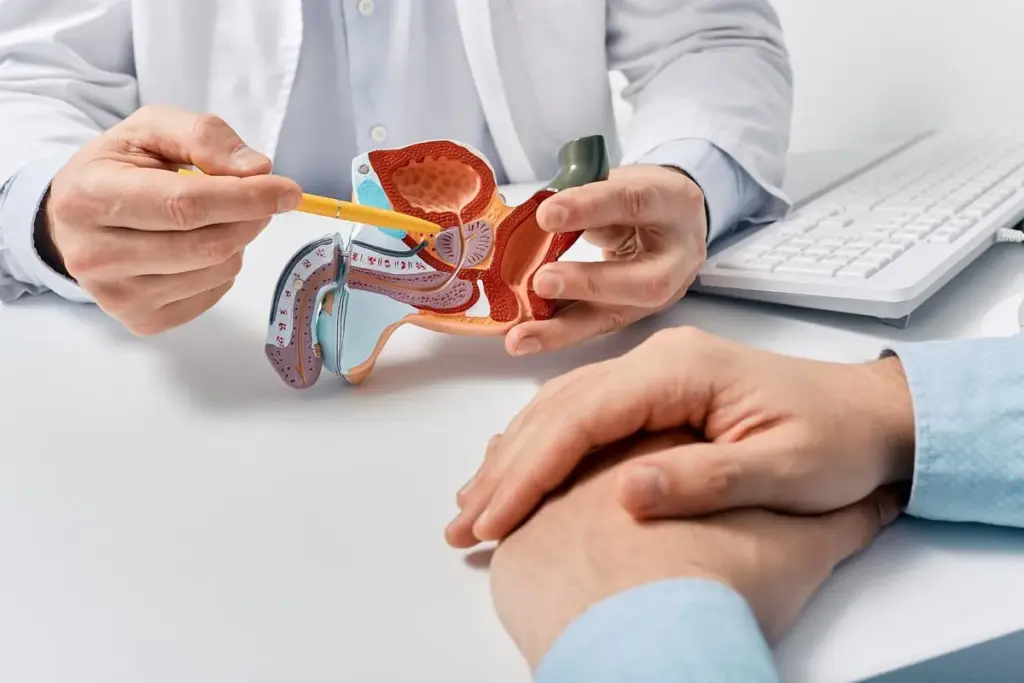
Prostate cancer prognosis is usually amazing. Learn the facts about long-term survival and how to find a powerful cure for your health. Nearly 1 in 8 men will get prostate cancer at some point. It’s a big health issue worldwide.
Knowing about the prognosis and what affects lifespan is key. We’ll look at what impacts survival rates. We’ll also talk about the need for quick and effective treatments.
We’ll dive into the latest on prostate cancer survival rates by age. We’ll also cover what affects them. Our goal is to give a full picture of what to expect and how to deal with this tough diagnosis.
Key Takeaways
- Prostate cancer is a leading health concern globally, with varying incidence and mortality rates.
- Understanding prognosis and lifespan factors is key for patients and their families.
- Survival rates depend on age, treatment, and overall health.
- Quick and effective treatment can greatly improve survival chances.
- Staying up-to-date with the latest data and treatments is essential.
What is Prostate Cancer?
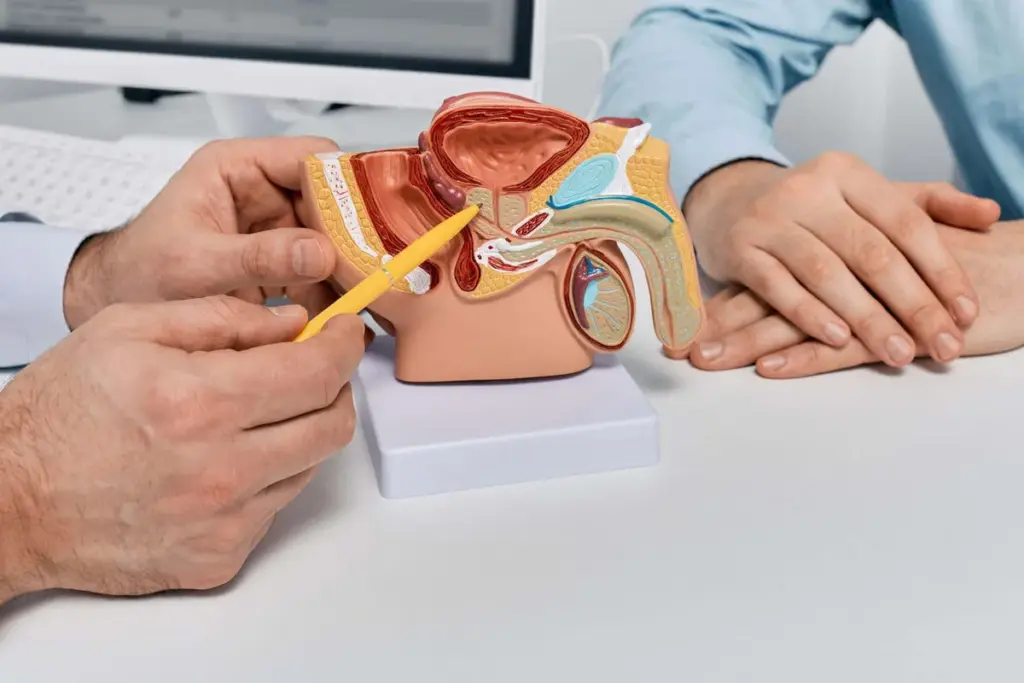
It’s important to understand prostate cancer early for better treatment. This cancer happens when cells in the prostate gland grow too much and form a tumor.
Overview of Prostate Cancer
Prostate cancer is a common cancer in men, mostly in older ages. The prostate gland is small, like a walnut, and is below the bladder and in front of the rectum. It’s key to the male reproductive system.
Prostate cancer develops from a mix of genetic and environmental factors. While we don’t know all the causes, some risk factors have been found.
Risk Factors and Causes
Various factors can elevate the risk of developing prostate cancer. These include:
- Age: The risk goes up a lot after 50.
- Family History: Men with a family history of prostate cancer are at higher risk.
- Genetic Factors: Some genetic mutations, like in BRCA1 and BRCA2 genes, raise the risk.
- Ethnicity: Prostate cancer is more common in certain ethnic groups, such as African American men.
Prostate cancer rates vary worldwide. For example, in 2008, China’s age-standardized incidence rate (ASR) was 4.3 per 100,000. This shows how health data can differ globally.
Staging Prostate Cancer
It’s key to accurately stage prostate cancer to predict outcomes and pick the right treatment. We’ll look at the different stages of prostate cancer and why staging is important for prognosis.
Understanding Cancer Stages
Prostate cancer staging uses the TNM system. This system looks at the tumor (T), nearby lymph nodes (N), and if it has spread (M). The American Urological Association (AUA) uses this system to classify prostate cancer into stages.
- Stage I: Cancer is found in the prostate and is often found by accident during surgery for other reasons.
- Stage II: Cancer is bigger in the prostate but is only in the gland.
- Stage III: Cancer has grown beyond the prostate and might affect nearby tissues.
- Stage IV: Cancer has spread to distant parts of the body, like lymph nodes or bones.
Importance of Staging in Prognosis
The stage of prostate cancer at diagnosis greatly affects treatment choices and outlook. Accurate staging helps doctors guess how well treatment will work and survival chances.
|
Cancer Stage |
Description |
Typical Treatment Approaches |
|---|---|---|
|
Stage I |
Localized to prostate, often asymptomatic |
Active surveillance, surgery, or radiation |
|
Stage II |
Confined to prostate, potentially symptomatic |
Surgery, radiation, or a combination of both |
|
Stage III |
Extends beyond prostate to nearby tissues |
Radiation, hormone therapy, or clinical trials |
|
Stage IV |
Distant metastasis, such as to lymph nodes or bones |
Hormone therapy, chemotherapy, palliative care |
Knowing the stage of prostate cancer helps patients and doctors make better treatment choices. This can lead to better outcomes and a better quality of life.
Treatment Options for Prostate Cancer
When you’re diagnosed with prostate cancer, knowing your treatment options is key. The right treatment depends on the cancer’s stage, how severe it is, and your overall health.
Common Treatment Modalities
There are many ways to treat prostate cancer. Each has its own benefits and possible side effects. Here are some:
- Surgery: Removing the prostate gland, or prostatectomy, is a common choice for early-stage cancer.
- Radiation Therapy: This uses high-energy rays to kill cancer cells. It can be used alone or with other treatments.
- Hormone Therapy: This treatment lowers male hormones that help cancer grow.
- Chemotherapy: Drugs are used to kill cancer cells. It’s often used when cancer has spread.
- Active Surveillance: For low-risk cancer, this means watching the cancer closely without immediate treatment.
Impact of Treatment on Lifespan
Treatments can affect how long you live and your quality of life. Surgery and radiation can cure or extend life for early cancer. Hormone therapy can slow cancer growth, improving survival chances. But, each treatment has side effects like urinary problems, erectile dysfunction, and tiredness.
It’s important to know how treatments affect survival rates. Studies show that with the right treatment, survival chances are good, even for early cancer. But, for advanced cancer, the risk of death is higher. New treatments are helping improve outcomes for patients.
Talking to your healthcare provider about treatment options is vital. They can help choose the best treatment for you based on your situation.
Factors Influencing Prognosis
Prostate cancer prognosis is influenced by several factors, including age, overall health, and genetic predisposition. Knowing these factors helps both patients and doctors make better treatment choices.
Age and Health Conditions
Age is a big deal when it comes to prostate cancer. Older men are more likely to get it, and the cancer can be more aggressive. Also, a person’s overall health and other health issues can affect how well they do with treatment.
Pre-existing health conditions like diabetes or heart disease can make treatment harder. For example, someone with serious heart disease might not be able to handle certain treatments that could harm their heart.
Genetic Factors and Family History
Genetics are very important in prostate cancer prognosis. Men with a family history of prostate cancer are at higher risk. Some genetic mutations, like in BRCA1 and BRCA2 genes, also raise the risk.
Knowing a patient’s genetic risk can help doctors choose the right treatment. For example, some genetic mutations might mean a patient needs more aggressive or targeted treatments.
Life Expectancy with Prostate Cancer
Life expectancy for those with prostate cancer can change a lot. It depends on several important factors. Knowing these helps patients make better choices about their treatment and care.
Statistical Insights on Lifespan
Survival rates for prostate cancer give us useful information. The American Cancer Society says the 5-year survival rate is almost 100% for all prostate cancer patients. But, this rate changes based on when the cancer is found.
|
Stage at Diagnosis |
5-Year Survival Rate |
|---|---|
|
Localized |
100% |
|
Regional |
100% |
|
Distant |
31% |
The table shows survival rates drop a lot for distant stage cancer. This shows how key early detection and treatment are.
Comparing Gleason Scores and Outcomes
The Gleason score is a big factor in how prostate cancer will do. It shows how aggressive the cancer is. A higher score means the cancer is more aggressive, which can affect how long you live.
“The Gleason score is a critical factor in determining the prognosis and treatment plan for prostate cancer patients. A score of 6 or less indicates a lower risk, while a score of 8 or higher suggests a more aggressive cancer.”
Looking at Gleason scores, we see big differences in survival rates:
|
Gleason Score |
10-Year Survival Rate |
|---|---|
|
6 or less |
95% |
|
7 |
75-90% |
|
8-10 |
50-60% |
These numbers show how important the Gleason score is. It helps figure out life expectancy and treatment plans for prostate cancer patients.
Advances in Prostate Cancer Research
Prostate cancer research has made big strides in recent years. This brings new hope to patients and their families. We’re learning more about this complex disease and finding better ways to treat it.
One exciting area is targeted therapies. These treatments aim to hit cancer cells hard while keeping healthy tissues safe. This method has shown great promise in making treatments work better and causing fewer side effects.
Recent Studies and Findings
Research into immunotherapy for prostate cancer is also promising. Immunotherapy uses the body’s immune system to attack cancer cells. A study in the Journal of Clinical Oncology found that immunotherapy is showing great promise for treating prostate cancer.
“Immunotherapy has emerged as a promising therapeutic strategy for prostate cancer, with several agents showing clinical activity and acceptable toxicity.”
This is a big deal because it opens up new ways to treat prostate cancer, even for those with advanced cases.
Recent research has led to some key findings:
- New targeted therapies are being developed. These treatments aim to fight prostate cancer more effectively with fewer side effects.
- Immunotherapy is being explored as a treatment option for advanced prostate cancer.
- Genetic testing is improving. This allows for more personalized treatment plans based on the cancer’s genetic makeup.
|
Treatment Approach |
Description |
Potential Benefits |
|---|---|---|
|
Targeted Therapies |
Specifically target cancer cells |
Reduced side effects, improved efficacy |
|
Immunotherapy |
Harness the immune system to fight cancer |
Potential for long-term cancer control, fewer side effects |
|
Genetic Testing |
Personalized treatment based on genetic characteristics |
More effective treatment plans, better patient outcomes |
Future Trends in Treatment
As research keeps moving forward, we’ll see even more innovative ways to treat prostate cancer. We’re looking at combining different treatments, like targeted therapies and immunotherapy, to get even better results.
There’s also a growing focus on personalized medicine. This means treatments will be tailored to each patient’s unique cancer. This approach could greatly improve treatment success and quality of life for patients.
In conclusion, the progress in prostate cancer research is giving patients new hope and better treatment options. As we keep exploring new possibilities, our goal remains to provide the most effective and caring care for those dealing with this disease.
The Role of Lifestyle in Prognosis
A patient’s lifestyle greatly affects their prostate cancer prognosis and overall health. Lifestyle is key in determining treatment outcomes and health.
Diet and Nutrition Considerations
Eating well is vital for those with prostate cancer. Nutritional intake helps the body recover and manage side effects. We suggest a diet full of fruits, vegetables, and whole grains for better health.
Some foods are good for prostate health. Berries and leafy greens are high in antioxidants, which reduce oxidative stress. Omega-3 fatty acids in fish like salmon also support heart health, important for hormone therapy patients.
Exercise and Overall Health
Regular physical activity is also important for prostate cancer prognosis. Exercise helps manage side effects, improves mental health, and boosts quality of life. We recommend a mix of aerobic exercises and strength training for muscle and bone health.
Exercise can lower the risk of prostate cancer getting worse. Studies show men who exercise regularly may have a lower risk of disease progression and death. It’s important for patients to talk to their healthcare provider about a personalized exercise plan.
By living a healthy lifestyle, including a balanced diet and regular exercise, patients can manage their prostate cancer prognosis. We encourage patients to work with their healthcare team to create a plan that meets their needs and promotes well-being.
Support Systems and Patient Resources
Support systems are vital for those facing prostate cancer. They offer emotional, practical, and informational help. A prostate cancer diagnosis can change a person’s life. A strong support system can greatly improve a patient’s well-being and treatment results.
Emotional Support
Emotional support is key for prostate cancer patients. It comes from family, friends, support groups, and healthcare professionals. This support helps patients deal with the emotional side of their diagnosis and treatment.
Key aspects of emotional support include:
- Listening and being present for the patient
- Encouraging open discussion about feelings and fears
- Providing reassurance and comfort
Available Support Services
Prostate cancer patients can find many support services. These services cater to different needs. They include:
- Support Groups: Organizations offer groups where patients can share and connect with others.
- Counseling Services: Professional counseling helps patients and families deal with the emotional side of prostate cancer.
- Online Resources: Websites and forums provide information, advice, and community for patients.
- Patient Navigation Programs: Some healthcare providers offer programs to guide patients through treatment.
A leading cancer support organization says, “A support system can greatly help patients cope with their diagnosis and treatment.” We understand the importance of these systems in improving patient care and outcomes.
“The emotional support I received from my family and support group was invaluable. It helped me stay positive and focused on my recovery.” – Prostate Cancer Survivor
By recognizing the value of support systems and using available resources, prostate cancer patients can better manage their journey. This leads to recovery and improved well-being.
Living with Prostate Cancer
Getting a prostate cancer diagnosis can change your life. But, with the right steps, you can handle it well. It’s all about a mix of medical care, emotional support, and changing your lifestyle.
Effective Coping Mechanisms
Coping strategies are key in dealing with prostate cancer. Patients and their families can find help through counseling, support groups, and stress management. These tools help deal with the emotional side of the diagnosis and treatment.
Future Planning and Support
Planning for the future is critical when facing prostate cancer. It means knowing the survival rate, choosing the right treatment, and finding support services. Being proactive helps patients feel in control and boosts their well-being.
Combining medical advice with emotional support and lifestyle changes helps manage prostate cancer. This way, people can live better despite the disease.
FAQ
What is the survival rate for prostate cancer?
The survival rate for prostate cancer changes based on the disease’s stage and grade. For early-stage prostate cancer, the 5-year survival rate is nearly 100%. But for advanced prostate cancer, it’s about 30%.
How long can you live with prostate cancer?
Living with prostate cancer’s life expectancy varies. It depends on the disease’s stage, grade, and how well it responds to treatment. With the right treatment, many men can live 10-20 years or more after being diagnosed.
Can you die from prostate cancer?
Yes, prostate cancer can be fatal if not caught and treated early. If it spreads to other parts of the body, it can cause serious problems and lead to death.
What is the impact of Gleason score on prostate cancer survival rate?
The Gleason score shows how aggressive prostate cancer is. A higher score means a lower survival rate. Men with a Gleason score of 6 or less usually have a better outlook than those with a score of 8 or higher.
How does age affect prostate cancer prognosis?
Age plays a big role in prostate cancer prognosis. Older men often face a poorer prognosis than younger men. This is because older men are more likely to have other health issues and a higher risk of cancer coming back.
What lifestyle changes can improve prostate cancer prognosis?
A healthy lifestyle can improve prostate cancer prognosis. Eating well, exercising regularly, and managing stress are key. Also, staying at a healthy weight, quitting smoking, and drinking less alcohol can help overall health and treatment success.
What support services are available for prostate cancer patients?
Prostate cancer patients have access to many support services. These include counseling, support groups, and online resources. These help patients deal with the emotional and practical challenges of living with prostate cancer.
How does prostate cancer treatment impact lifespan?
Prostate cancer treatment can affect lifespan, depending on the disease’s type and stage. Treatments like surgery, radiation, and hormone therapy can help control the disease and improve survival chances.
What are the latest advances in prostate cancer research?
Recent prostate cancer research has led to new treatments like immunotherapy and targeted therapy. Studies are ongoing to see if these treatments can improve survival rates and quality of life for patients.
References
National Center for Biotechnology Information. Evidence-Based Medical Insight. Retrieved from https://pubmed.ncbi.nlm.nih.gov/