
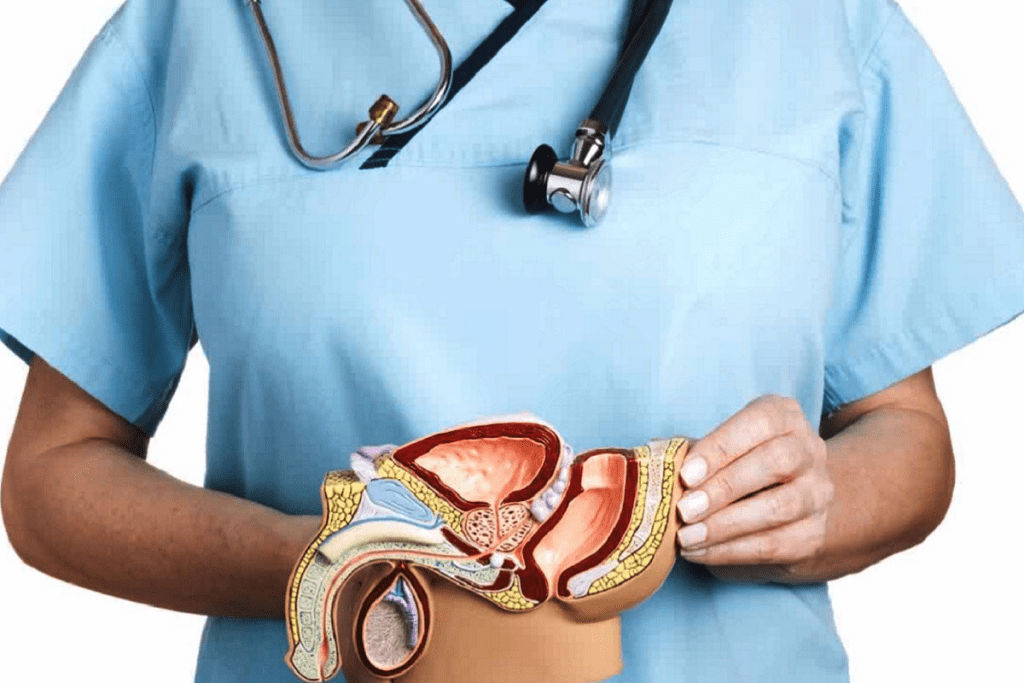
Did you know that survival rates for prostate cancer have gone up a lot? This is thanks to better treatments and finding cancer early. Studies show that how well you do depends on the cancer’s stage, Gleason score, and your health. The latest prostate cancer survival rate offers amazing hope. This essential guide breaks down the numbers by stage for a powerful perspective.
Knowing about these factors is key for those looking into prostate cancer. We aim to give a detailed look at cancer stages and how treatments affect survival rates.
Key Takeaways
- The survival rate for prostate cancer changes with the stage and Gleason score.
- Finding cancer early greatly boosts the survival rate.
- Your overall health is very important for survival rates.
- New medical treatments have helped raise survival rates.
- It’s vital to understand what affects survival rates for patients.
Understanding Prostate Cancer
Prostate cancer is a big health issue worldwide. It affects men of all ages and backgrounds. Knowing what it is and how it impacts people is key.
Definition and Prevalence
Prostate cancer happens when cells in the prostate gland grow too much. The prostate gland is small, like a walnut, and is below the bladder and in front of the rectum. It’s important for men’s health. This cancer grows slowly, often over years.
How common prostate cancer is changes with age and where you live. It’s the second most common cancer in men globally. Many new cases are reported every year.
How Common is Prostate Cancer?
Prostate cancer is very common in men, mostly in older men. The risk goes up with age, with most cases found in men over 65. Here are some important stats:
| Age Group | Incidence Rate | Mortality Rate |
| 45-49 | 13.4 per 100,000 | 1.4 per 100,000 |
| 50-54 | 54.8 per 100,000 | 4.4 per 100,000 |
| 55-59 | 124.8 per 100,000 | 10.4 per 100,000 |
| 60-64 | 244.1 per 100,000 | 22.1 per 100,000 |
| 65-69 | 384.1 per 100,000 | 40.6 per 100,000 |
These numbers show prostate cancer gets more common with age. This makes it important for older men to get checked.
How Prostate Cancer Survival Rates Are Measured

It’s important to know how prostate cancer survival rates are measured. These rates help us understand how likely it is for someone to survive a certain time after being diagnosed.
Five-Year Survival Rate Explained
The five-year survival rate shows the percentage of people who live for five years after being diagnosed. This rate is key because it lets us compare survival chances between different groups of patients.
For instance, if the five-year survival rate for prostate cancer is 90%, it means 90 out of 100 people diagnosed with it are expected to live for at least five years. Remember, survival rates are based on big data and don’t predict what will happen to one person.
Relative vs. Absolute Survival Rates
There are two main ways to look at survival rates: relative survival rate and absolute survival rate. The relative survival rate compares how long prostate cancer patients live to the general population. This helps account for other factors like age and health conditions.
The absolute survival rate just looks at how many patients survive a certain time after being diagnosed. It doesn’t compare them to the general population.
| Survival Rate Type | Description | Example |
| Relative Survival Rate | Compares survival rate of prostate cancer patients to the general population. | 90% relative survival rate means patients with prostate cancer are 90% as likely to survive as those without it. |
| Absolute Survival Rate | Measures percentage of patients surviving a specific period after diagnosis. | 85% absolute survival rate means 85 out of 100 patients survive for the specified period. |
It’s key to know the difference between relative and absolute survival rates. Both give us important insights into prostate cancer outcomes. They help patients make better choices about their treatment.
Prostate Cancer Survival Rate: Overall Statistics
The survival rate for prostate cancer patients has gone up. This is thanks to better early detection and treatments. New medical tech, better screening, and more effective treatments have helped a lot.
Current Survival Statistics
Good news for prostate cancer patients. The five-year survival rate is now over 90%. This big jump is thanks to more people getting screened early.
Early detection is very important. Catching the disease early means it’s easier to treat. A top oncologist, says, “Early detection is key. Regular screenings can catch it early.”
“The five-year survival rate for men diagnosed with prostate cancer is now over 90%.” – American Cancer Society
Historical Trends in Survival
Prostate cancer survival rates have really improved over the years. Better medical science and more focus on prevention have helped a lot.
In the 1990s, survival rates were much lower. But new tools and treatments have made a big difference. For example, PSA testing in the late 1980s helped find more cases early.
- Increased awareness and screening programs
- Advances in surgical techniques and radiation therapy
- Development of new therapeutic options, such as hormone therapy and chemotherapy
These changes have led to better survival rates today. As we learn more about prostate cancer, we’ll see even more progress.
Survival Rates by Stage of Prostate Cancer

Prostate cancer survival rates change a lot based on the stage at diagnosis. Knowing these rates helps patients and doctors make better treatment plans.
Stage 1 Prostate Cancer Survival
Stage 1 prostate cancer grows slowly and stays in the prostate gland. Men with Stage 1 prostate cancer have a very high survival rate. The American Cancer Society says the 5-year survival rate for localized prostate cancer, which includes Stage 1, is almost 100%.
Stage 2 Prostate Cancer Survival
At Stage 2, the cancer is in the prostate but might be growing. The 5-year survival rate is also very high, almost 100% for localized prostate cancer. But, the outlook can change based on the Gleason score and PSA levels.
Stage 3 Prostate Cancer Survival
Stage 3 prostate cancer has spread beyond the prostate. The 5-year survival rate for regional prostate cancer, which includes Stage 3, is about 100%, according to the American Cancer Society. At this stage, treatments get more aggressive to stop the cancer from spreading further.
Stage 4 Prostate Cancer Survival
Stage 4 is the most advanced stage, where cancer has spread to distant parts of the body. The 5-year survival rate for distant prostate cancer is much lower, around 31%, as the American Cancer Society reports. Treatment at this stage aims to control symptoms and slow the disease’s progression.
These statistics show that the stage at diagnosis greatly affects survival rates. Catching cancer early is key to better outcomes.
| Stage | 5-Year Survival Rate | Description |
| Stage 1 | Nearly 100% | Cancer is localized within the prostate. |
| Stage 2 | Nearly 100% | Cancer is within the prostate but may be growing. |
| Stage 3 | About 100% | Cancer has started to spread beyond the prostate. |
| Stage 4 | Around 31% | Cancer has spread to distant parts of the body. |
Early detection and treatment greatly improve survival chances for prostate cancer patients.
“The 5-year survival rate for men with prostate cancer that has not spread beyond the prostate is nearly 100%. But, this rate drops a lot for men whose cancer has spread to distant parts of the body.”
American Cancer Society
Gleason Score and Its Impact on Survival
The Gleason score is key in figuring out how long prostate cancer patients might live. It rates prostate cancer based on how much it looks like normal cells. We’ll look into how the Gleason score changes survival chances and what it means for patients.
Understanding the Gleason Scoring System
The Gleason scoring system rates prostate cancer from 1 to 5. It looks at how cancer cells appear under a microscope. Scores are combined for a total Gleason score, from 2 to 10. A lower score means the cancer is less aggressive, while a higher score means it’s more aggressive.
Survival Rates by Gleason Score
Survival rates for prostate cancer change a lot based on the Gleason score. Men with lower scores usually have a better outlook than those with higher scores. Let’s look at survival rates for different Gleason scores.
| Gleason Score | 5-Year Survival Rate | 10-Year Survival Rate |
| 6 or less | 100% | 98% |
| 7 | 95% | 85% |
| 8-10 | 80% | 60% |
The Gleason score is very important in figuring out prostate cancer survival. Knowing about the Gleason scoring system helps patients and doctors make better treatment choices.
Age and Prostate Cancer Survival
Knowing how age affects prostate cancer survival is key for good treatment plans. Age is a big factor that can change how well a patient does.
Survival Rates by Age Group
Survival rates for prostate cancer change with age. Younger men usually do better than older men. Men between 60 and 69 diagnosed with prostate cancer have a higher five-year survival rate than those 70 or older.
Survival rates by age group are as follows:
- Men under 50: Usually have a high survival rate because they get treated aggressively and have fewer health problems.
- Men between 50 and 69: This group has the best survival rates. They are often diagnosed early and get effective treatment.
- Men 70 and older: Face lower survival rates because they often have other health issues and may have more advanced disease.
Prostate Cancer in Younger vs. Older Men
Prostate cancer in younger men (under 50) is rare but aggressive. Younger men are more likely to have a family history of prostate cancer and may need genetic testing. Older men are more likely to get prostate cancer as they age.
Can you get prostate cancer at 30? Yes, men in their 30s can get prostate cancer, often a more aggressive type. Early detection and understanding genetic and environmental factors are key for this age group.
Age is a big factor, but not the only one in prostate cancer survival. Health, lifestyle, and access to care also matter a lot.
Metastatic Prostate Cancer and Survival Outcomes
It’s important to know about survival chances for metastatic prostate cancer. This type of cancer has spread beyond the prostate. Survival depends on several factors.
Bone Metastasis Survival Rates
Prostate cancer spreading to the bone is serious. It affects survival rates a lot. The extent of bone involvement and other metastases play big roles.
Here are some key statistics:
- Patients with bone metastasis can live 2 to 5 years after diagnosis.
- About 30% of men with bone metastasis survive 5 years.
- Bone pain and fractures can really lower quality of life.
Lymph Node Involvement and Prognosis
Lymph node involvement is key in prostate cancer prognosis. Cancer in lymph nodes means the disease is more advanced.
Prognosis for patients with lymph node involvement:
- Those with limited lymph node involvement might have a better outlook.
- The number and location of lymph nodes matter a lot for survival.
- Surgery and radiation therapy can help improve survival chances.
Distant Metastasis Survival Statistics
Distant metastasis means cancer has spread to organs like the lungs, liver, or brain. It’s a very advanced stage of prostate cancer.
- About 30% of men with distant metastasis survive 5 years.
- Survival times vary based on where the cancer has spread and treatment success.
- New treatments like targeted therapy and immunotherapy are helping more people survive.
Treatment Options and Their Effect on Survival
Prostate cancer treatments vary, and knowing their survival impact is key. The right treatment can greatly affect patient results. It’s important to look at the different options available.
Surgery (Prostatectomy)
Surgery, or prostatectomy, is a common prostate cancer treatment. Radical prostatectomy removes the prostate gland and nearby tissues. This surgery can be done in several ways, like open surgery, laparoscopic surgery, or robotic-assisted surgery.
The benefits of surgery include:
- Potential cure for localized prostate cancer
- Reduced risk of cancer spread
- Improved survival rates when combined with other treatments
Radiation Therapy
Radiation therapy is another effective prostate cancer treatment. It uses high-energy rays to kill cancer cells. There are two main types: external beam radiation therapy (EBRT) and brachytherapy. EBRT sends radiation from outside the body, while brachytherapy places radioactive seeds in the prostate.
The advantages of radiation therapy include:
- Non-invasive or minimally invasive option
- Effective for localized or locally advanced prostate cancer
- Can be used in combination with other treatments
Hormone Therapy
Hormone therapy, also known as androgen deprivation therapy (ADT), lowers male hormones that fuel prostate cancer. This treatment can slow disease growth and is used for advanced prostate cancer.
Benefits of hormone therapy include:
- Delayed disease progression
- Symptom relief
- Improved quality of life
Chemotherapy
Chemotherapy is a systemic treatment that kills cancer cells. For prostate cancer, it’s used when the disease has spread beyond the prostate. Chemotherapy can be taken orally or given intravenously.
The role of chemotherapy in prostate cancer treatment includes:
- Controlling symptoms
- Slowing disease progression
- Improving survival in advanced cases
Understanding prostate cancer treatments and their survival impact is vital. Each treatment has its benefits and outcomes. The right treatment should match the patient’s needs and disease characteristics.
Life Expectancy After Prostate Cancer Treatment
Understanding life expectancy after prostate cancer treatment is key. Different treatments can greatly affect a patient’s life. We’ll look at life expectancy after treatments like prostate removal and radiation therapy. We’ll also talk about what it’s like to live without a prostate.
Life Expectancy After Prostate Removal
Prostate removal, or prostatectomy, is a common treatment. Life expectancy after surgery depends on cancer stage, health, and more. Men with early-stage cancer often have a high survival rate.
Research shows survival rates for men after prostatectomy are similar to the general population. This is true if cancer is caught and treated early.
Life After Radiation Therapy
Radiation therapy is also effective against prostate cancer. Life expectancy after radiation therapy depends on several factors. These include radiation dose, type, cancer stage, and grade.
Patients may face side effects from radiation therapy. But, many manage these effects well and live active lives.
Living Without a Prostate
Living without a prostate means adjusting to urinary and sexual changes. But, with the right care and support, many men adapt well. They can maintain a good quality of life.
It’s important for patients to talk to their healthcare provider. This ensures the best outcomes for them.
| Treatment Type | 5-Year Survival Rate | 10-Year Survival Rate |
| Prostatectomy | 95% | 85% |
| Radiation Therapy | 90% | 80% |
| Combination Therapy | 92% | 82% |
Recurrence and Survival: Biochemical Recurrence
Biochemical recurrence is when PSA levels go up after treatment for prostate cancer. This means the cancer might have come back. It’s a reason to check again and maybe change treatment plans.
Getting a biochemical recurrence diagnosis can be scary. It makes people wonder about their future and if treatments worked. Knowing what biochemical recurrence is and how it affects life expectancy is key to dealing with it.
Understanding PSA Recurrence
PSA recurrence happens when PSA levels go up after prostate cancer treatment. This could mean the cancer has come back, either close by or far away.
- Local Recurrence: Cancer returns in the prostate or nearby areas.
- Distant Metastasis: Cancer spreads to other parts of the body, like bones or lymph nodes.
Knowing about biochemical recurrence is important for figuring out what to do next. Things that affect when and if it happens include the cancer’s stage and grade, how well the first treatment worked, and the patient’s health.
Life Expectancy After Biochemical Recurrence
How long someone lives after biochemical recurrence can vary a lot. It depends on how fast PSA levels go up, when it happens, and if cancer has spread. Studies show that slower PSA doubling times mean better chances of living longer.
- PSA Doubling Time: A slower doubling time is linked to longer survival.
- Time to Recurrence: Early recurrence might mean the disease is more aggressive.
- Metastasis at Recurrence: Having cancer spread can greatly affect survival.
We stress the need for personalized care and watching closely after biochemical recurrence. Treatment plans might include salvage therapies, hormone therapy, or other options based on the person’s situation and wishes.
Aggressive Prostate Cancer: Survival Considerations
Understanding aggressive prostate cancer is key to better treatment and outcomes. This type of cancer grows fast and can spread, making early diagnosis and treatment vital.
Identifying Aggressive Prostate Cancer
Doctors use several methods to spot aggressive prostate cancer. The Gleason score, from 2 to 10, shows how aggressive the cancer is. A higher score means it’s more aggressive.
Other signs include the patient’s PSA level, the cancer’s stage, and genetic markers. These help doctors decide if the cancer is low, intermediate, or high risk. This guides treatment choices.
Treatment Approaches for Aggressive Disease
Treatment for aggressive prostate cancer often combines different methods. The main options are surgery, radiation, hormone therapy, and chemotherapy.
- Surgery: Radical prostatectomy removes the prostate gland. It’s often chosen for localized aggressive cancer.
- Radiation Therapy: Uses high-energy rays to kill cancer cells. It can be used alone or with hormone therapy for aggressive cases.
- Hormone Therapy: Reduces male hormones that help cancer grow. It’s called androgen deprivation therapy.
- Chemotherapy: Uses drugs to kill cancer cells. It’s used when cancer has spread beyond the prostate.
Survival Outlook for High-Risk Disease
Survival chances for high-risk prostate cancer have improved with new treatments. But, it depends on several factors. These include the cancer’s stage, the patient’s health, and how well the cancer responds to treatment.
| Stage at Diagnosis | 5-Year Survival Rate | 10-Year Survival Rate |
| Localized | 100% | 98% |
| Regional | 95% | 84% |
| Distant | 30% | 15% |
Early detection and aggressive treatment are key to better survival rates for high-risk prostate cancer. Ongoing research and new treatments are improving outcomes for these patients.
Factors That Influence Prostate Cancer Survival
It’s important to know what affects prostate cancer survival. This includes genetics, lifestyle, healthcare access, and overall health. These factors all play a role in how well someone can fight the disease.
Genetic Factors
Genetics are a big deal when it comes to prostate cancer survival. Family history and certain genes, like BRCA1 and BRCA2, can change a person’s risk and how the disease might progress. Studies have found that some genetic changes can make prostate cancer more aggressive, which can affect survival.
Lifestyle and Environmental Factors
Lifestyle and the environment also matter a lot. Diet, exercise, and toxins can all impact health and how cancer grows. Eating lots of fruits, veggies, and whole grains can help keep you healthy.
Access to Healthcare
Getting good healthcare is key to surviving prostate cancer. Early detection and treatment are vital. Regular screenings and quick action can make a big difference. But, not everyone has the same access to care, which can affect survival rates.
Comorbidities and Overall Health
Having other health issues can also affect survival. Patients with conditions like diabetes or heart disease might find it harder to manage their cancer treatment. Comprehensive care that looks at both the cancer and overall health is important for the best results.
In summary, many factors influence prostate cancer survival. By understanding and tackling these factors, we can help improve outcomes and survival rates.
Advanced and Late-Stage Prostate Cancer
When prostate cancer gets advanced, managing symptoms and treatment is key. Advanced prostate cancer needs a full care plan. This plan should cover both physical and emotional needs of patients.
Recognizing Advanced Disease Symptoms
Advanced prostate cancer shows unique symptoms that can really affect a patient’s life. Symptoms like bone pain, fatigue, and trouble urinating are common. Spotting these symptoms early is vital for good management.
Some common symptoms of advanced prostate cancer are:
- Bone pain or discomfort
- Fatigue or feeling weak
- Difficulty urinating or painful urination
- Weight loss
Treatment Options for Advanced Disease
Treatment for advanced prostate cancer is varied and often combines different therapies. Hormone therapy is used to lower testosterone, slowing cancer growth. Other treatments include chemotherapy, radiation therapy, and immunotherapy.
The right treatment depends on many factors. These include the patient’s health, how far the cancer has spread, and any treatments they’ve had before.
Palliative Care Considerations
Palliative care is very important for patients with advanced prostate cancer. It helps manage symptoms and improve life quality. A team of healthcare professionals work together to meet physical, emotional, and social needs.
Palliative care considerations include:
| Symptom Management | Pain relief, managing side effects |
| Emotional Support | Counseling, support groups |
| Nutritional Support | Dietary advice, nutritional supplements |
Adding palliative care to the treatment plan can greatly improve life quality for patients with advanced prostate cancer.
Comparing Survival Rates Between Treatment Approaches
Understanding survival rates for prostate cancer treatments is key. Prostate cancer is complex, and treatment choices greatly affect outcomes. We’ll look at survival rates for surgery, radiation, active surveillance, and combination therapy.
Surgery vs. Radiation Outcomes
Surgery and radiation are main treatments for prostate cancer. Surgery, like radical prostatectomy, removes the prostate and nearby tissues. Radiation uses high-energy rays to kill cancer cells. Outcomes depend on cancer stage and aggressiveness.
A study found:
- Low-risk patients do well with both treatments.
- Intermediate-risk patients see better survival with surgery.
- High-risk patients benefit from radiation and hormone therapy.
Active Surveillance vs. Immediate Treatment
Active surveillance is for low-risk prostate cancer, focusing on monitoring. It’s good for older patients or those with less aggressive tumors. Immediate treatment starts therapy right after diagnosis.
For low-risk patients, active surveillance is safe and effective. It offers:
- Similar survival rates as immediate treatment.
- Less risk of treatment side effects.
- The chance to avoid or delay treatment.
Combination Therapy Survival Benefits
Combination therapy, using multiple treatments, is common in prostate cancer. Using surgery, radiation, and hormone therapy together can improve survival, mainly for aggressive or advanced disease.
| Treatment Combination | Survival Benefit |
| Surgery + Radiation | Improved local control and reduced recurrence |
| Radiation + Hormone Therapy | Enhanced survival for high-risk patients |
| Surgery + Hormone Therapy | Potential for improved survival in advanced cases |
In conclusion, comparing survival rates shows the best treatment varies by patient. Understanding each treatment’s benefits and drawbacks helps make informed decisions.
Improving Prostate Cancer Survival Rates
We are always working to make prostate cancer treatments better. This means using the latest research and practices. A mix of different methods is key to fighting prostate cancer.
Early Detection Strategies
Finding prostate cancer early is very important. We use tests like MRI scans and teach men about the need for early checks. This helps catch cancer when it’s easier to treat.
- Regular PSA testing for high-risk individuals
- Utilization of MRI scans for more accurate diagnoses
- Enhanced patient education and awareness campaigns
Studies show that early detection can save lives. A leading oncologist says, “Early detection is key to effective treatment and improved survival rates.”
“The earlier we detect prostate cancer, the better equipped we are to treat it effectively.”
An Oncologist
Advances in Treatment Technology
New treatments have greatly helped in fighting prostate cancer. Technologies like robotic surgery and proton therapy have made treatments more effective.
Key advancements include:
- Robotic-assisted surgery for more precise operations
- IMRT for targeted radiation therapy
- Proton therapy for reduced side effects
Research and Clinical Trials
Research and clinical trials are vital for better prostate cancer treatments. They help find new treatments and understand the disease better.
Some exciting research areas are:
- Genetic testing to identify high-risk patients
- Immunotherapy as a possible treatment
- Targeted therapies to lessen side effects
We must keep investing in research and trials. This is how we will keep improving prostate cancer survival rates.
Conclusion
Prostate cancer survival rates depend on many things. These include the cancer’s stage, Gleason score, age, and treatment. Thanks to new medical tech and treatments, survival rates have gotten better over time.
Knowing how to predict prostate cancer is key for patients. Looking at survival rates helps us see how important early detection and good treatment are. We need more research and better treatments to keep improving survival rates.
We must focus on finding cancer early and treating it well. This way, we can make life better for those with prostate cancer. Let’s keep working to improve care and outcomes for all patients.
FAQ
What is the survival rate for prostate cancer?
The survival rate for prostate cancer changes based on the disease’s stage and grade. For early-stage cancer, the five-year survival rate is nearly 100%. But for advanced cancer, the rate drops significantly.
How is prostate cancer survival rate measured?
Survival rates for prostate cancer are usually measured over five years. This rate shows the percentage of patients alive after five years post-diagnosis. Other rates, like relative and absolute survival, offer more detailed insights.
What is the Gleason score, and how does it impact survival?
The Gleason score rates prostate cancer’s aggressiveness. A higher score means more aggressive cancer, which can lower survival chances. Patients with lower scores tend to live longer.
How does age affect prostate cancer survival rates?
Age can affect survival rates, with older men often facing lower rates. This is mainly due to other health issues, not just the cancer itself.
What are the survival rates for metastatic prostate cancer?
Survival rates for metastatic prostate cancer vary based on where and how far the cancer has spread. Generally, those with bone or distant metastasis have lower rates than those with localized disease.
How do different treatment options affect prostate cancer survival rates?
Various treatments, like surgery, radiation, hormone therapy, and chemotherapy, can influence survival rates. The right treatment depends on the cancer’s stage, grade, and the patient’s health.
What is biochemical recurrence, and how does it affect survival?
Biochemical recurrence means PSA levels rise after treatment, suggesting cancer might return. Its impact on survival varies, depending on the initial treatment and how fast PSA levels rise.
Can aggressive prostate cancer be treated effectively?
Treating aggressive prostate cancer is challenging but possible. Combination therapies can improve survival chances. Early detection and timely treatment are key to managing aggressive disease.
How can prostate cancer survival rates be improved?
Survival rates can improve with early detection, better treatments, and ongoing research. Lifestyle, environment, and healthcare access also play important roles.
What is the life expectancy after prostate cancer treatment?
Life expectancy after treatment varies based on several factors. These include the cancer’s stage, treatment, and overall health. Patients with localized disease generally have better outcomes.
Can prostate cancer be cured?
Yes, prostate cancer can be cured, mainly if caught early. Treatments like surgery and radiation can remove the disease. Hormone and chemotherapy manage advanced cases.
What are the symptoms of advanced prostate cancer?
Symptoms of advanced prostate cancer include bone pain, urinary issues, and fatigue. Recognizing these symptoms is essential for timely care.
What is the role of palliative care in advanced prostate cancer?
Palliative care is vital for managing symptoms and improving life quality in advanced prostate cancer. It can be given alongside treatments to meet patients’ physical, emotional, and social needs.
Reference
- Shill, D. K., Spencer, B., Ahmadi, H., et al. (2021). Active surveillance for prostate cancer: Current evidence and contemporary state. Therapeutic Advances in Urology, 13, 17562872211029559. https://www.ncbi.nlm.nih.gov/pmc/articles/PMC8261451/