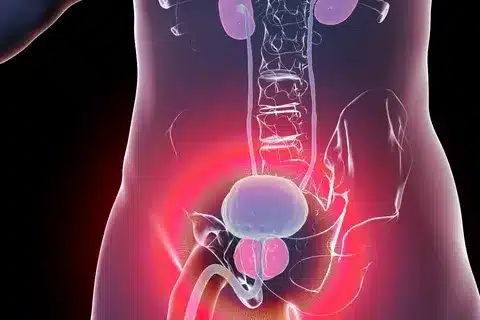
Nearly 1 in 3 men who get a biopsy for prostate issues find out they have cancer. This shows how key it is to have accurate tests.
Getting a biopsy can be scary, and finding out you have cancer can change your life. We’re going to look at prostate biopsies and cancer diagnosis. We’ll see how important tools like imaging tests are.
Advanced imaging: Learn why a doctor might order a prostate MRI before a biopsy and how it helps target suspicious areas more accurately.
A prostate mri is often used to spot prostate cancer. But what’s the most accurate test for prostate cancer? We’ll get into the details, explaining the diagnostic process and why accurate diagnosis matters.
Key Takeaways
- Prostate biopsies are a key tool for finding cancer.
- A big number of men who get biopsies are found to have cancer.
- Tests like imaging are very important for accurate diagnosis.
- Understanding the diagnostic process can help alleviate patient concerns.
- Getting a correct cancer diagnosis is key for good treatment and care.
Understanding Prostate Biopsies
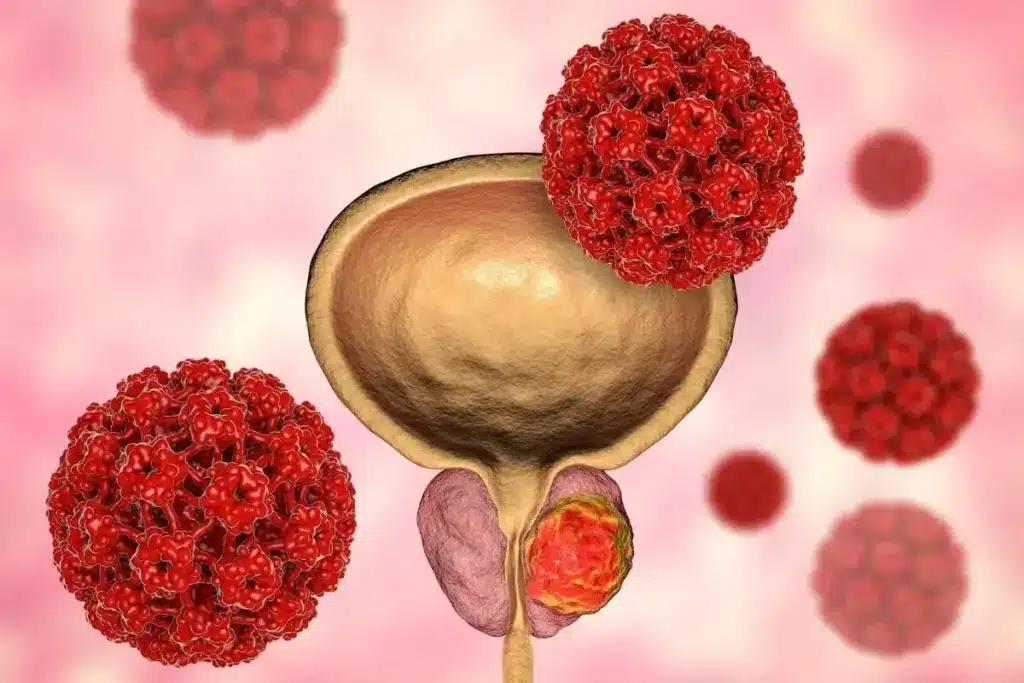
A prostate biopsy is a medical test that looks at tissue from the prostate gland for cancer. It’s key for finding prostate cancer, when tests like the PSA test show something’s off.
We’ll explain what a prostate biopsy is and when it’s needed. Knowing this can ease your worries and get you ready for what’s next.
What is a Prostate Biopsy?
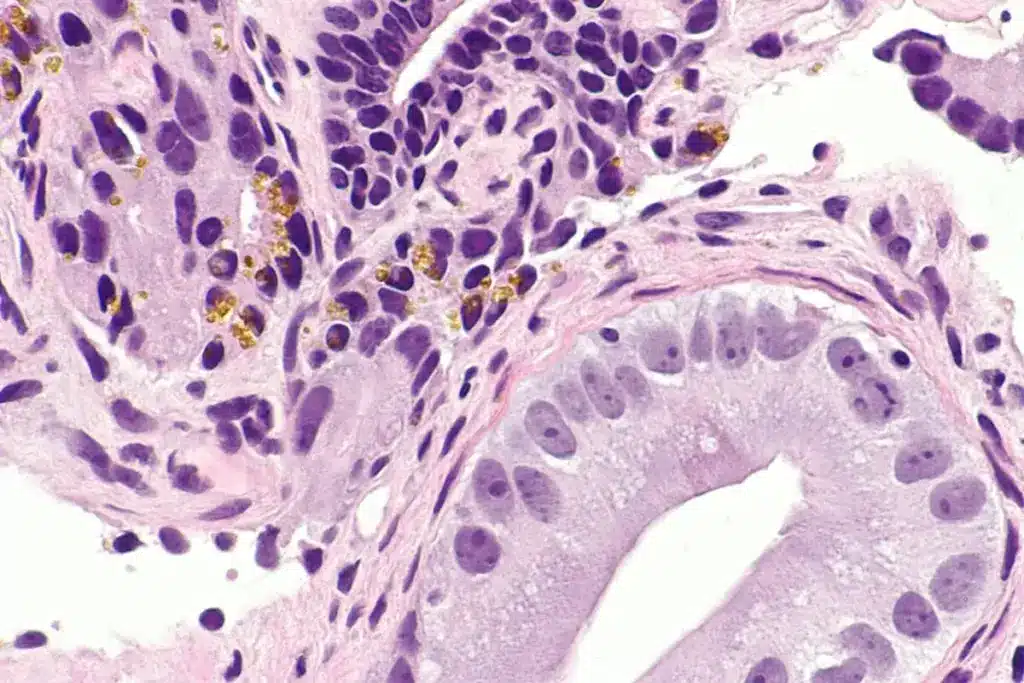
A prostate biopsy takes small tissue samples from the prostate gland with a special needle. It can be done through the rectum or perineum. Then, the samples are checked under a microscope for cancer.
At times, an MRI of the prostate is used to guide the needle. This prostate MRI procedure helps find the right spots in the prostate for the biopsy. It makes the test more precise.
When is a Prostate Biopsy Recommended?
A biopsy is usually suggested when tests show prostate cancer might be present. High PSA levels or unusual findings during a DRE are common reasons. Also, if a previous biopsy wasn’t clear or if there’s a family history of prostate cancer, a biopsy might be recommended.
Before a prostate MRI, you need to know the prep for MRI of prostate rules. This includes eating certain foods, managing your meds, and coming with a full bladder, among other things.
Talking to your doctor about the risks and benefits of a prostate biopsy is key. They can give advice tailored to your health and situation.
How Prostate Biopsies Are Conducted
Getting a prostate biopsy involves several steps. From getting ready to the actual biopsy, knowing these steps can make patients feel more comfortable.
Types of Prostate Biopsies
There are many types of prostate biopsies, each with its own way of doing things. The most common ones are:
- Transrectal Ultrasound-Guided (TRUS) Biopsy: This is the most common method. It uses ultrasound to guide the needle into the prostate.
- Transperineal Biopsy: This method involves putting the needle through the perineum, the area between the scrotum and anus.
- MR-guided Biopsy: This uses MRI images to guide the needle. It’s often used when cancer is suspected.
A medical expert says, “The choice of biopsy method depends on the patient’s health and where the cancer is thought to be.”
Preparation for a Prostate Biopsy
Getting ready for a biopsy is important for its success. Patients are usually told to:
- Stop blood-thinning medications a few days before.
- Take antibiotics before to lower the risk of infection.
- Tell their doctor about any allergies or health conditions.
It’s also good to talk to your healthcare provider about any worries or questions you have.
The Biopsy Procedure: Step-by-Step
The biopsy itself is quick, usually taking 15 to 30 minutes. Here’s what happens:
- The patient lies on their side or back, depending on the method.
- Local anesthesia may be given to make it less painful.
- The urologist uses ultrasound or MRI to guide the needle into the prostate.
- Several tissue samples are taken from different parts of the prostate.
After the biopsy, some discomfort or bleeding might happen. But these symptoms usually go away on their own. “Advances in biopsy techniques, such as MRI-guided biopsies, have improved the accuracy of prostate cancer diagnosis,” a recent study found.
Knowing about the biopsy process can help reduce anxiety and make the experience smoother.
Analyzing Prostate Biopsy Results
Understanding prostate biopsy results is key. The process gives vital info about cancer presence or absence. This info is critical for patient care planning.
What to Expect in Results
Biopsy results show if cancer is present. If so, they include a Gleason score. This score shows how cancer cells look like normal cells. A higher score means more aggressive cancer.
The report may also show how much cancer is in the samples. This info helps in cancer staging and treatment planning.
Factors Affecting Cancer Detection Rates
Several things can change how accurate biopsy results are. One big factor is the accuracy of MRI in diagnosing prostate cancer. MRI-guided biopsies can find cancer more accurately by targeting specific areas.
Other factors include the quality of the biopsy sample and the experience of the healthcare provider. The patient’s individual risk factors also play a role. Knowing these helps in understanding biopsy results.
We also look at Prostate-Specific Antigen (PSA) levels with biopsy results. High PSA levels might mean a biopsy is needed. The biopsy results then confirm if cancer is present.
Statistics on Prostate Biopsy Outcomes
It’s important for patients and doctors to know about prostate biopsy stats. These numbers help us understand how common cancer is and how well tests work.
Average Percentage of Cancer Diagnosed
Research shows that about 30% to 40% of prostate biopsies find cancer. But, this number can change based on who is being tested and how the test is done.
For example, men with high PSA levels are more likely to have cancer found. Using prostate cancer MRI scans helps find tumors better, making tests more accurate.
Variations in Cancer Detection Rates
How often cancer is found in biopsies can vary a lot. This is because of different testing methods and who is being tested. For instance, MRI prostate with and without contrast makes tumors easier to see, which can lead to more finds.
Studies show that MRI-guided biopsies find more cancer than regular biopsies. This shows why picking the right test is key for each patient.
How Geography Affects Biopsy Results
Where you live can also affect your biopsy results. Cancer rates can differ because of genetics, environment, and lifestyle.
|
Region |
Cancer Detection Rate (%) |
Average Age at Diagnosis |
|---|---|---|
|
North America |
35 |
65 |
|
Europe |
32 |
66 |
|
Asia |
28 |
67 |
The table shows how cancer rates and ages at diagnosis vary by region. Knowing these differences helps doctors tailor care for different groups.
Factors Influencing Biopsy Results
When looking at prostate biopsy results, many factors come into play. The results can be influenced by several elements. It’s important to know these factors for a correct diagnosis.
Age and Prostate Health
Age is a big deal when it comes to prostate health and biopsy results. As men get older, the chance of getting prostate cancer goes up. Older men are more likely to have prostate issues, which can affect biopsy results.
The health of the prostate gland is also key. Issues like prostatitis or benign prostatic hyperplasia (BPH) can change biopsy results. We need to think about these conditions when looking at biopsy results, as they can make diagnosis tricky.
Key considerations include:
- The increasing risk of prostate cancer with age
- The presence of other prostate conditions like prostatitis or BPH
- The overall health of the individual, which can impact biopsy results
Family History and Genetics
A man’s family history and genetics are also important for biopsy results. Studies show that men with a family history of prostate cancer are at higher risk. This is because genetics play a big role in prostate health.
Genetic mutations, like in the BRCA1 and BRCA2 genes, can increase the risk of prostate cancer. Genetic testing is key in figuring out risk and guiding biopsy decisions.
Important genetic factors to consider:
- Family history of prostate cancer
- Presence of specific genetic mutations like BRCA1 and BRCA2
- Genetic predispositions that may increase the risk of prostate cancer
Healthcare providers can better understand biopsy results by knowing these factors. Using advanced tools, like MRI for prostate evaluation, can also improve the accuracy of results.
The Role of PSA Testing
Prostate-Specific Antigen (PSA) testing is key in finding prostate cancer early. It helps us spot problems with the prostate gland.
Understanding Prostate-Specific Antigen (PSA)
PSA is a protein made by the prostate gland. High levels of PSA in the blood might mean prostate cancer, prostatitis, or BPH. The test checks PSA levels in the blood, shown in nanograms per milliliter (ng/mL).
The PSA test isn’t just for cancer. It helps find other issues that might need a biopsy.
How PSA Levels Correlate with Biopsy Results
PSA levels help decide if you need a prostate biopsy. Higher PSA levels often mean a higher chance of cancer. But, the link between PSA and biopsy results is complex.
|
PSA Level (ng/mL) |
Biopsy Cancer Detection Rate |
|---|---|
|
0 – 2.5 |
Low risk, but not negligible |
|
2.6 – 4 |
Moderate risk |
|
4 – 10 |
Higher risk, biopsy often recommended |
|
> 10 |
High risk, strong consideration for biopsy |
The table shows how PSA levels relate to cancer detection. But, remember, PSA levels are just one part of the picture. Age, family history, and health also matter.
Talking to a healthcare provider about PSA test results is important. They can help you understand what it means and what to do next.
Risks and Complications of Prostate Biopsies
It’s important for patients and doctors to know about the risks of prostate biopsies. These tests are key for finding prostate cancer. But, they can also lead to complications.
Common Risks Involved
Prostate biopsies, like any invasive test, have risks. Some common problems include:
- Infection: This is a big risk. It can be mild or serious, sometimes needing hospital care.
- Bleeding: Bleeding can happen during or after the test. It might show up as blood in urine, semen, or stool.
- Pain or Discomfort: Some men feel pain or discomfort. Doctors can help with pain medicine.
- Temporary Difficulty Urinating: Some men might have trouble peeing after the test. This usually gets better on its own.
Using MRI prostate imaging before a biopsy can help. It can make sure the biopsy is needed and targeted, reducing risks.
Long-term Considerations
While many problems from prostate biopsies are short-term, there are long-term ones too:
|
Complication |
Description |
Management |
|---|---|---|
|
Infection Resistance |
Having many biopsies can make infections harder to treat. |
Doctors use antibiotics wisely and look for other ways to diagnose. |
|
Anxiety and Stress |
The biopsy and waiting for results can be very stressful. |
Healthcare teams, counseling, and support groups can help. |
|
Potential for Overdiagnosis |
Biopsies might find cancers that won’t cause symptoms or death, leading to too much treatment. |
Doctors use active surveillance and think carefully about treatment. |
Getting ready for an MRI of the prostate or biopsy means knowing the risks. Talking to a doctor about these risks is key. Following instructions for prep for MRI of prostate can also help.
Diagnostic Tools Used Alongside Biopsies
Diagnosing prostate cancer often means using a biopsy and other tools together. We use many techniques to make sure we find and understand prostate cancer well.
Imaging Techniques: MRI and Ultrasound
Imaging is key in finding and understanding prostate cancer. MRI of the prostate is very good at spotting trouble spots in the gland. “MRI has changed how we diagnose prostate cancer,” says a top urologist. “It gives us clear images that help us decide on biopsies and treatments.”
An MRI of the prostate uses a special machine and coil. It takes many pictures, like T2-weighted images and diffusion-weighted imaging. This helps us see cancer and how serious it is.
Ultrasound, like transrectal ultrasound (TRUS), is also used during biopsies. TRUS helps guide the needle into the right spot in the prostate. It also gives us info on prostate size and any odd-looking areas.
Biopsy Alternatives
While biopsy is the main way to find prostate cancer, there are other tests being looked at. These include liquid biopsies and genetic tests that check urine or blood for cancer signs.
One test is the Prostate Health Index (phi), which uses blood tests to spot cancer better. Another area is advanced genomic testing to find genetic changes in cancer cells.
These new tests are promising but not yet common. So, biopsy is the main way to diagnose prostate cancer. But, research might change how we diagnose cancer in the future.
“The future of prostate cancer diagnosis lies in the integration of imaging, biomarkers, and genomic information to provide personalized risk assessment and treatment planning.”
A leading urologist
The Impact of Early Detection
Getting a diagnosis early is key in fighting prostate cancer. It affects the treatment choices and how well a patient does. Early detection can lead to better treatment results and lower cancer spread risks.
Importance of Early Diagnosis
Spotting prostate cancer early is critical. It lets doctors start treatment before the cancer grows too much. Screening with PSA tests and MRI scans can cut down on deaths from prostate cancer.
An MRI prostate with and without contrast gives clear images of the prostate. It helps find cancer spots. This tool is great for men with high PSA levels or those thought to have cancer.
Treatment Options for Detected Cancer
Early detection opens up several treatment paths. These depend on the cancer’s stage, how aggressive it is, and the patient’s health. Options include:
- Active surveillance for low-risk cancers
- Surgery, such as radical prostatectomy
- Radiation therapy, including external beam radiation and brachytherapy
- Focal therapies, like high-intensity focused ultrasound (HIFU)
Choosing a treatment is a personal decision. It should be made after talking it over with a healthcare provider. A prostate cancer MRI scan is key in figuring out the cancer’s stage and what treatment to use.
|
Treatment Option |
Description |
Typical Candidates |
|---|---|---|
|
Active Surveillance |
Monitoring cancer with regular PSA tests and biopsies, delaying treatment until necessary. |
Men with low-risk prostate cancer |
|
Radical Prostatectomy |
Surgical removal of the prostate gland. |
Men with localized prostate cancer |
|
Radiation Therapy |
Using high-energy rays to kill cancer cells. |
Men with localized or locally advanced prostate cancer |
We know each patient is different. The best treatment plan is one that fits the individual’s needs and situation.
Trends in Prostate Biopsy Practices
The world of prostate cancer detection is changing fast. New biopsy methods and imaging tech are leading the way. It’s important to keep up with these trends and technologies to better diagnose and treat prostate cancer.
Advances in Biopsy Techniques
New biopsy methods are making procedures more precise and less invasive. MRI-guided biopsies are a big step forward. They help target cancer areas more accurately.
Studies show MRI for prostate cancer detection is improving. It helps find serious cancers while avoiding unnecessary biopsies.
The role of MRI in detecting cancer is being studied a lot. MRI is seen as a valuable tool. It can help find important cancers and cut down on biopsies.
Future Directions in Prostate Cancer Detection
The future of prostate cancer detection looks bright. We expect more from imaging and biopsy tech. Artificial intelligence (AI) and machine learning will play a big role. They’ll help make diagnoses more accurate and tailored to each patient.
Research on liquid biopsies and other non-invasive tests is exciting. These could make diagnosing prostate cancer easier and less invasive. This could change how we detect prostate cancer for the better.
Conclusion: The Relevance of Understanding Biopsy Statistics
Knowing the stats on prostate biopsies is key to good health choices. We’ve seen how cancer rates in biopsies change with age, family history, and PSA levels.
Accurate Diagnosis with Advanced Tools
Tools like prostate MRI have made finding cancer more precise. They work with biopsy results to give a full picture of the disease. This helps doctors pick the best treatment.
Regular Screenings and Consultations
Seeing your doctor regularly is vital for catching cancer early. Knowing biopsy stats helps you make smart health choices. It’s a step towards preventing and treating the disease.
Figuring out the best test for prostate cancer means looking at biopsies and MRI scans. These tools help doctors tailor care for each patient. This approach leads to better health outcomes.
FAQ
What is a prostate biopsy?
A prostate biopsy is a procedure where doctors take a tissue sample from the prostate gland. They examine it under a microscope to check for cancer cells.
Why is a prostate biopsy performed?
A prostate biopsy is done to find prostate cancer. It’s often needed when a PSA test shows abnormal results or a DRE is not normal.
How is a prostate biopsy conducted?
A prostate biopsy uses a needle guided by ultrasound or MRI. It takes tissue samples from the prostate gland. The procedure can be done through the rectum or the perineum.
What are the different types of prostate biopsies?
There are several types of prostate biopsies. These include transrectal ultrasound-guided biopsy, MRI-guided biopsy, and saturation biopsy. The type chosen depends on the patient’s needs.
How accurate is a prostate biopsy in diagnosing cancer?
Prostate biopsy is very accurate for diagnosing prostate cancer. But, the accuracy can change based on the number of samples and the method used (like MRI or ultrasound).
What is the role of MRI in prostate cancer diagnosis?
MRI helps in finding suspicious areas in the prostate before a biopsy. This makes the biopsy more accurate by focusing on the most concerning areas.
How do PSA levels correlate with biopsy results?
High PSA levels might mean a biopsy is needed. But, PSA is not specific to cancer. A biopsy can show if the high PSA is due to cancer or other issues.
What are the risks and complications associated with prostate biopsies?
Risks include infection, bleeding, and temporary urinary problems. Serious problems are rare. Antibiotics are used to lower infection risk.
Can a prostate biopsy cause complications or long-term effects?
Most men don’t face long-term issues. But, complications like infection, bleeding, or urinary problems can happen. Erectile dysfunction is rare.
Are there alternatives to prostate biopsy?
Alternatives include MRI and biomarkers. But, biopsy is the best way to diagnose prostate cancer.
How important is early detection of prostate cancer?
Early detection is key for better treatment outcomes. Tests like PSA and biopsy are important for finding cancer early.
What are the treatment options for detected prostate cancer?
Treatment options depend on the cancer’s stage and the patient’s health. They include active surveillance, surgery, and radiation therapy.
How does geography affect prostate biopsy results?
Geography can influence prostate cancer rates and detection. This is due to healthcare access, screening practices, and genetic differences.
What is the significance of understanding biopsy statistics?
Knowing biopsy statistics helps make better decisions about screening and treatment. It improves prostate cancer management.
How often should men undergo prostate cancer screening?
Screening frequency depends on risk factors, age, and past results. Men should talk to their doctor about when to get screened.
What is the average percentage of cancer diagnosed through prostate biopsies?
The percentage of positive biopsies varies. It depends on the patient population, PSA levels, and why the biopsy was done. Studies show different detection rates.
References
Nature. Evidence-Based Medical Insight. Retrieved from https://www.nature.com/articles/s41391-021-00417-1