
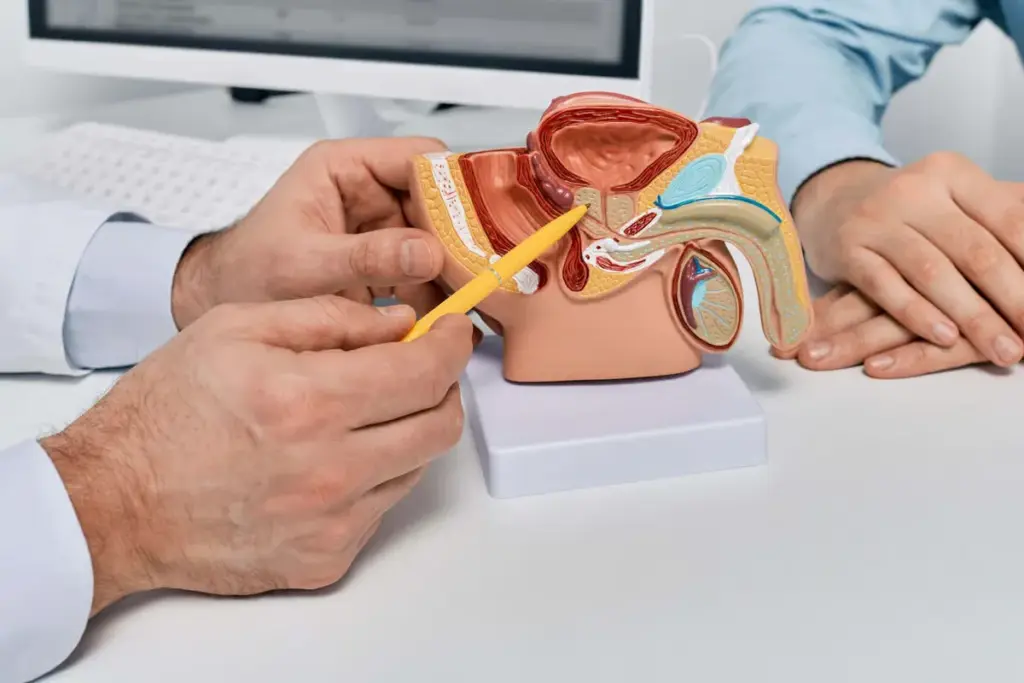
New tech has changed prostate removal surgeries. Now, patients have more precise and less invasive choices.
Robotic-assisted surgery, like the da Vinci procedure, is a big step forward. It lets surgeons do complex tasks with better control and accuracy.
Robotic prostatectomy is now a top prostate surgery option. It leads to better results and quicker healing for many patients.
Key Takeaways
- Robotic-assisted surgery is a significant advancement in prostate removal procedures.
- The da Vinci robotic procedure offers enhanced precision and control.
- Robotic prostatectomy provides improved outcomes and faster recovery times.
- Minimally invasive options reduce the risk of complications.
- Patients can expect a more precise and comfortable surgical experience.
The Evolution of Prostate Removal Surgery
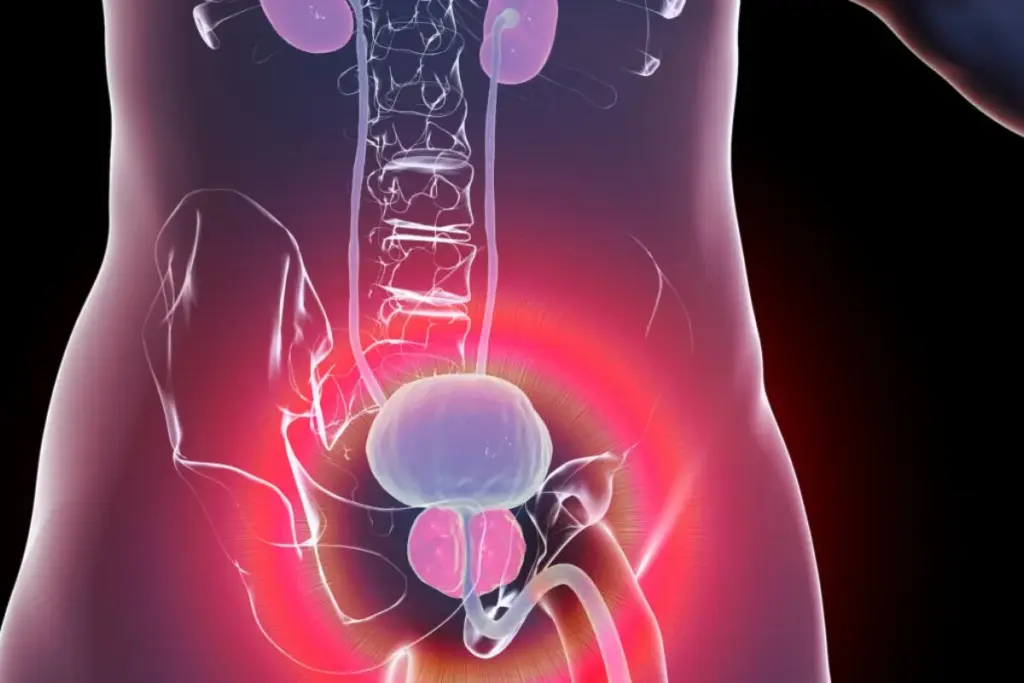
Prostate removal surgery has evolved, moving towards less invasive methods. This shift is designed to enhance patient care and surgical outcomes. Today, patients have more choices than ever before.
Traditional Open Prostatectomy Methods
Older methods of prostate removal involved big cuts in the belly or behind. This open surgery was common but had big downsides. It led to longer healing times, more blood loss, and more pain.
The Shift Toward Minimally Invasive Techniques
New minimally invasive surgery methods have changed prostate removal. These include laparoscopic and robotic-assisted surgeries. They offer greater precision and less trauma to patients. This makes the surgery safer and more effective.
Timeline of Surgical Innovations
Prostate removal surgery has seen many important changes. Here are some key milestones:
|
Year |
Technique |
Description |
|---|---|---|
|
Early 20th Century |
Open Prostatectomy |
First methods for prostate removal, involving large incisions. |
|
Late 20th Century |
Laparoscopic Prostatectomy |
Introduction of minimally invasive techniques, reducing recovery times. |
|
Early 21st Century |
Robotic-Assisted Prostatectomy |
Integration of robotic technology, enhancing precision and reducing trauma. |
The evolution of prostate removal surgery reflects significant advancements over time. New methods like minimally invasive techniques and robotic-assisted surgery have made a big difference. They help patients heal faster and face fewer complications.
Understanding Robotic Prostatectomy: The New Standard
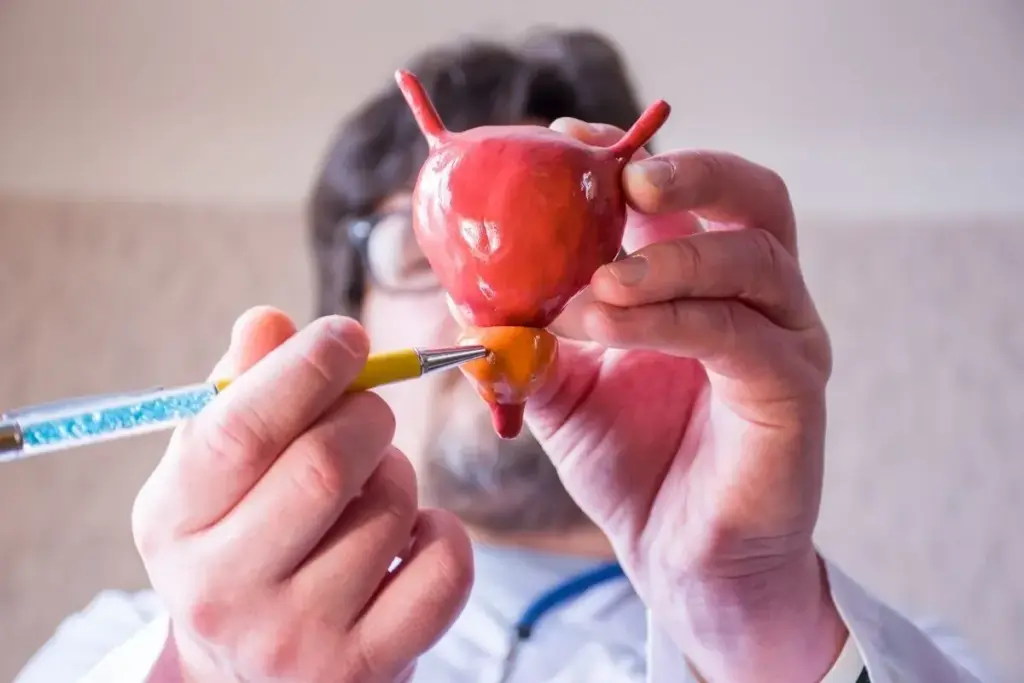
Robotic prostatectomy has changed prostate removal surgery a lot. It makes surgery more precise and helps patients recover faster. This method is now the top choice for treating prostate cancer, beating old surgery ways.
What is Robotic-Assisted Prostate Surgery?
Robotic-assisted prostate surgery uses a special robotic system to help the surgeon. It gives a clear, 3D view of the area being operated on. This makes it easier to remove the prostate gland accurately.
The robotic system turns the surgeon’s hand movements into exact actions of the surgical tools. This boosts the surgeon’s skill and control.
Key benefits of robotic-assisted prostate surgery include:
- Improved precision and accuracy
- Reduced blood loss and fewer complications
- Less post-operative pain
- Shorter hospital stays and faster recovery
The Da Vinci Surgical System Explained
The Da Vinci Surgical System is a top choice for robotic-assisted surgery, especially for prostatectomies. It has a surgeon’s console, a cart with robotic arms, and a vision system. The surgeon’s console gives a 3D view of the area, allowing for precise control.
How Robotic Technology Enhances Surgical Precision
Robotic technology makes surgery more precise by offering a steady, shake-free platform. The robotic tools can move in ways the human hand can’t, making delicate work easier. The 3D vision system also helps surgeons see the area clearly, helping them avoid damaging important structures.
The use of robotic technology in prostatectomy is a big step forward. It leads to better results and a better life for patients with prostate cancer.
Breaking News: Latest Innovations in Prostate Removal Techniques
The field of prostate removal surgery is changing fast with new technologies. These advancements mean patients get better, less invasive treatments. They are more precise and effective.
New tools include single-port robotic systems, AI for better surgery planning, and augmented reality for guidance. These tools make surgeries more precise and improve recovery times for patients.
Single-Port Robotic Systems: The SP Platform
Single-port robotic systems are a big step up in robotic prostate surgery. They let surgeons do complex surgeries through just one cut. This means less scarring and less pain after surgery.
The SP platform makes surgery easier and clearer. It helps surgeons work in tricky areas with more confidence.
“Single-port robotic systems have changed how we do prostate surgery,” says a top urologist. “They let us do surgeries with more precision and less invasion.”
AI-Enhanced Surgical Navigation Systems
AI is making a big difference in surgery planning. AI systems give surgeons real-time data and insights. This is especially helpful in prostate surgery options, where being precise is key.
AI looks at lots of data to predict problems and suggest solutions. This makes surgeries safer and more effective.
Augmented Reality Guidance Technology
Augmented reality (AR) is becoming a key tool in prostate surgery. AR shows digital info on the surgery site in real-time. This helps surgeons understand complex areas better.
AR in surgery robot systems is still new but very promising. It could lead to better surgery results and new possibilities with robotic surgery.
The Da Vinci Robotic Procedure: A Comprehensive Guide
The Da Vinci robotic procedure is a cutting-edge method for prostate removal. It uses advanced technology to help surgeons work with more precision and control. This makes complex operations easier and safer for patients.
Pre-Surgical Preparation and Patient Selection
Before the surgery, patients go through a detailed preparation process. They have medical checks, imaging tests, and talks with their surgical team. This helps set clear expectations and understand what to expect.
Choosing the right patients is key for the Da Vinci procedure’s success. Those with localized prostate cancer or big prostate issues are best candidates. Our skilled surgeons look at each patient’s health and condition to see if they’re a good fit.
Step-by-Step Surgical Process
The Da Vinci robotic procedure has several important steps:
- Initial incisions are made to insert the robotic ports.
- The Da Vinci system is docked, and the surgeon controls the robotic arms from a console.
- The prostate gland is carefully dissected and removed.
- Nerve-sparing techniques may be used to help keep sexual function and urinary control.
Post-Operative Care Protocol
After surgery, patients are watched closely for any immediate issues. They get help with pain, infection monitoring, and advice on recovery activities.
We have a detailed care plan for after surgery. This includes follow-up visits, physical therapy, and help with any side effects. Our goal is to make sure patients recover well and smoothly.
|
Aspect of Care |
Details |
Benefits |
|---|---|---|
|
Pre-Surgical Preparation |
Comprehensive medical evaluation, imaging studies |
Optimizes patient health, reduces surgical risks |
|
Surgical Process |
Minimally invasive, robotic-assisted |
Less blood loss, quicker recovery, fewer complications |
|
Post-Operative Care |
Pain management, infection monitoring, recovery guidance |
Enhances recovery, minimizes side effects, improves outcomes |
Prostate Removal Side Effects: What Patients Need to Know
It’s important for patients to know about the side effects of prostate removal surgery. This surgery, known as prostatectomy, is a common treatment for prostate cancer. It involves removing the prostate gland, which can affect a patient’s quality of life.
Short-Term Recovery Challenges
After prostate removal surgery, patients face several challenges. They may feel pain and discomfort, which doctors manage with medicine. Incontinence is also common, as the surgery can harm the muscles and nerves that control urination. Fatigue is another issue, caused by the body’s reaction to surgery.
To deal with these issues, patients need to follow a post-operative care plan. This plan includes rest, physical therapy, and check-ups with their doctor. It’s made to fit the patient’s specific needs and health.
Long-Term Functional Outcomes
Long-term, patients may see changes that affect their quality of life. Erectile dysfunction is a possible side effect because of the nerves near the prostate gland. The impact can vary based on the surgery type and if nerve-sparing methods were used.
Another long-term issue is urinary incontinence, but it usually gets better over time. Engaging in pelvic floor exercises can significantly assist in regaining bladder control.
New Approaches to Minimize Side Effects
New surgical techniques and technology are being developed to reduce side effects of prostate removal. Robotic-assisted surgery is one example, allowing for more precise work and less damage to nerves and tissues.
Nerve-sparing techniques are also getting better, aiming to keep nerves that control erection and urination intact. Research into new surgical approaches and post-operative care is ongoing. This research offers hope for better outcomes for patients having prostatectomy.
Can the Prostate Be Removed Completely? Surgical Approaches
Understanding the surgical options for prostate removal is key. The choice to have surgery depends on health, cancer stage, and the surgery’s benefits and risks.
We’ll look at the surgical methods for removing the prostate. These include radical prostatectomy, simple prostatectomy, and focal therapy. Each method has its own use, benefits, and possible downsides.
Radical Prostatectomy: Complete Gland Removal
Radical prostatectomy removes the prostate gland and some surrounding tissue. It’s often chosen for localized prostate cancer. The aim is to remove the cancer completely, aiming for a cure.
Benefits of Radical Prostatectomy: It can cure cancer if it’s only in the prostate. New surgical methods, like nerve-sparing, have improved outcomes for bladder control and sex life.
Simple Prostatectomy: Partial Gland Removal
Simple prostatectomy removes part of the prostate gland. It’s mainly used for BPH symptoms, not cancer.
Indications for Simple Prostatectomy: It helps those with BPH symptoms who haven’t improved with medicine. It can improve urine flow and reduce symptoms.
Focal Therapy: Emerging Targeted Approaches
Focal therapy is a new, targeted way to treat prostate cancer. It aims to kill cancer cells while saving healthy tissue.
Advantages of Focal Therapy: It might have fewer side effects than big surgeries, helping keep sex and bladder function. But, it’s still new, and more research is needed to confirm its long-term benefits.
Knowing about these surgical options helps patients and doctors choose the best treatment. Always talk about the pros and cons with a healthcare expert.
Retzius-Sparing Approach: The Newest Technique in Robotic Prostatectomy
Recent advancements in robotic prostatectomy include the Retzius-sparing technique. It offers better results for patients going through prostate surgery. This method has caught the eye of many in the medical field because it might help patients recover faster and face fewer complications.
Differences from Standard Approaches
The Retzius-sparing method is different from usual robotic prostatectomy ways. It keeps the Retzius space intact, which is important for keeping urine flow normal. By not cutting in this area, surgeons might lower the chance of harming important structures, helping patients stay continent better.
Key differences include:
- Preservation of the Retzius space
- Reduced risk of nerve damage
- Potential for faster recovery of urinary function
Improved Continence Outcomes
Research shows the Retzius-sparing method can lead to better control over urine for patients. It does this by causing less harm to the tissues and nerves around it. This could mean patients might get back to normal bladder function sooner.
Limitations and Patient Selection Criteria
Even though the Retzius-sparing method has many benefits, it’s not right for everyone. The choice depends on the cancer stage, the patient’s health, and past surgeries. Doctors must carefully pick who can benefit from this technique.
Knowing the limits and possible risks of any surgery is key. We keep an eye on new studies and data to make sure we’re giving our patients the best care possible.
Simple Prostatectomy: Modern Approaches for Benign Enlargement
The way we treat an enlarged prostate has changed. Simple prostatectomy is now a common choice. It helps men feel better by reducing symptoms of an enlarged prostate.
Indications for Simple Prostatectomy
Doctors suggest simple prostatectomy for men with big prostate issues. They look at the prostate size, how bad the symptoms are, and the patient’s health. This helps decide if surgery is right.
A study in the Journal of Urology found big benefits. Simple prostatectomy can make urination easier and lessen symptoms in BPH patients.
Urologist
Robotic Simple Prostatectomy Techniques
Robotic technology has made simple prostatectomy better. It lets doctors remove prostate tissue more accurately. This can lead to fewer problems and quicker healing.
The good things about robotic simple prostatectomy are:
- It’s less invasive, meaning less blood loss and scarring
- It offers better precision and a clearer view during surgery
- Patients usually stay in the hospital less and recover faster
Recovery Expectations After Simple Prostatectomy
How fast you recover from simple prostatectomy depends on your health and the surgery method. Most people can get back to normal in a few weeks.
|
Recovery Aspect |
Robotic Simple Prostatectomy |
Traditional Open Surgery |
|---|---|---|
|
Hospital Stay |
1-2 days |
3-5 days |
|
Return to Normal Activities |
1-3 weeks |
4-6 weeks |
|
Complications |
Lower risk |
Higher risk |
Following your surgeon’s advice after surgery is key. It helps avoid problems and makes recovery smoother.
Side Effects of Removing Prostate: Comparing Surgical Approaches
Prostate removal surgery has improved, reducing side effects. But, the effects differ based on the surgery type. It’s key to know how each method compares in side effects.
Open vs. Laparoscopic vs. Robotic Approaches
The surgery method greatly affects side effects. Open prostatectomy uses a big cut and is less common now. It has more risks and a longer recovery. Laparoscopic prostatectomy uses small cuts and has faster recovery but needs skill. Robotic-assisted laparoscopic prostatectomy is the latest. It offers better precision and view, possibly reducing side effects.
Robotic surgery often has fewer problems and less blood loss than other methods. Yet, the right surgery depends on many factors. These include the patient’s health, cancer stage, and the surgeon’s skill.
Nerve-Sparing Techniques and Sexual Function Preservation
Nerve-sparing is key for keeping sexual function after surgery. It involves saving nerves around the prostate for erections. Robotic surgery helps a lot in this area, thanks to its clear view and precision.
Keeping sexual function is a big worry for many patients. Studies show nerve-sparing surgery helps more patients keep their erections. But, results can vary by age, pre-surgery function, and how well nerves are saved.
Quality of Life Outcomes: Latest Research Findings
Quality of life after surgery depends on many things. These include being able to urinate, sexual function, and avoiding big problems. New studies compare these outcomes across different surgeries.
- Robotic-assisted surgery is linked to quicker return of urinary control and possibly better sex life than open surgery.
- Laparoscopic surgery is better than open but might take longer to recover for both urination and sex than robotic surgery.
- What patients say about their life after surgery shows the importance of considering each person’s needs and hopes.
As we keep improving prostate surgery, it’s vital to understand how these changes affect side effects and life quality. Patients and doctors must make choices based on the latest research and what’s best for each person.
Prostate Surgery Options: Making an Informed Decision
When thinking about prostate surgery, patients have many choices to consider. It’s important to know the different surgical methods, their advantages, and possible downsides.
Factors to Consider When Choosing a Surgical Approach
Several key factors help decide the best surgery for removing the prostate. These include the patient’s health, the prostate’s condition, and the surgeon’s skill.
- The patient’s age and general health status
- The surgeon’s experience with the specific surgical technique
- The technology and equipment available at the healthcare facility
- The potential risks and complications associated with each surgical approach
Knowing these factors helps patients choose wisely, based on their own needs and situation.
Questions to Ask Your Surgeon
It’s vital to talk openly with your surgeon to make a good choice. Here are some important questions to ask:
- What are the benefits and risks of the recommended surgical approach?
- What is your experience with this particular procedure?
- How will the surgery affect my quality of life post-operatively?
- What are the expected outcomes in terms of cancer control or symptom relief?
- Are there any alternative treatment options that I should consider?
These questions help patients understand what to expect and feel more confident in their choice.
Insurance Coverage and Cost Considerations
It’s also important to think about the cost of prostate surgery. Patients should know what their insurance covers and any costs they might have to pay.
|
Cost Component |
Average Cost Range |
Insurance Coverage |
|---|---|---|
|
Surgical Fees |
$5,000 – $15,000 |
Typically covered |
|
Hospital Stay |
$3,000 – $10,000 |
Usually covered |
|
Post-operative Care |
$1,000 – $3,000 |
Partially covered |
Patients should talk to their insurance to know what’s covered. They should also discuss payment plans with their healthcare providers if needed.
Finding Qualified Prostatectomy Surgeons: What to Look For
Choosing the right surgeon for prostate removal surgery is key for good results. Your surgeon’s skill can greatly affect your recovery and health. It also impacts your quality of life.
There are important things to think about when picking a prostatectomy surgeon.
Surgeon Experience and Case Volume
Experience is a good sign of a surgeon’s skill. Look for surgeons who have done many prostatectomies, especially with the robotic prostatectomy method.
More experienced surgeons usually have better results. They have fewer complications and better success rates in controlling cancer and preserving function.
|
Surgeon Experience Level |
Average Number of Procedures |
Complication Rate |
|---|---|---|
|
Low Experience |
<50 procedures |
Higher |
|
Moderate Experience |
50-200 procedures |
Moderate |
|
High Experience |
>200 procedures |
Lower |
Fellowship Training and Specialization
Fellowship training in urologic oncology or minimally invasive surgery is a big plus. Surgeons with this training are more likely to use the latest techniques, like the surgery robot.
Being specialized in prostatectomy and robotic surgery means they understand and can handle complex cases better. They also know how to use advanced surgical tools.
Hospital Facilities and Support Systems
The quality of the hospital and support systems is also important. Choose hospitals with the latest technology, including robotic prostatectomy systems.
A good support system, including nursing care and rehabilitation, can help your recovery a lot.
By looking at these factors, you can make a smart choice for a prostatectomy surgeon. Remember, your surgeon’s choice can greatly affect your health and happiness.
Latest Clinical Research on Robotic Prostatectomy Outcomes
Robotic prostatectomy is becoming more common. It’s important to know how it works through recent studies. These studies show it’s effective in controlling cancer, improving function, and saving money.
Cancer Control and Survival Rates
Studies say robotic prostatectomy is great at controlling cancer and keeping patients alive. A study in the Journal of Urology found it helps patients avoid cancer coming back.
The main points are:
- Robotic prostatectomy is good at fighting cancer
- It helps patients live longer than traditional surgery
- It lowers the chance of cancer coming back
Robotic surgery is precise and less invasive. This means it can remove cancer better while keeping healthy tissue safe.
Functional Outcomes Research
How well patients can pee and have sex after surgery is very important. Research shows robotic prostatectomy helps a lot. It’s because it’s precise and can spare nerves.
A study found that:
- Robotic surgery helps patients get back to normal urination faster
- It improves sexual function compared to old methods
- The nerve-sparing method used in robotic surgery boosts these outcomes
Cost-Effectiveness and Healthcare System Impact
It’s key to see if robotic prostatectomy is cost-effective. The upfront cost of the technology is high. But, studies show it can save money in the long run because patients recover faster.
The reasons for cost savings are:
- Patients stay in the hospital less
- They have fewer complications and don’t need to come back to the hospital
- They get back to normal life sooner, which saves money indirectly
Looking at these points helps healthcare systems decide if robotic prostatectomy is worth the investment.
Future Directions in Prostate Removal Surgery
The field of prostate removal surgery is changing fast. New tech in robotic systems, genomics, and telemedicine is leading the way. Soon, patients will have treatments that are more precise, effective, and less invasive.
Advancements in Robotic Technology
New robotic systems are being made to make prostate surgery better. They will have better vision, easier control, and more skill. This means surgeons can do complex surgeries with more ease and accuracy.
Key Features of Next-Generation Robotic Systems:
- Enhanced 3D visualization
- Improved robotic arm dexterity
- Advanced instrumentation
- Integration with AI for real-time guidance
Integration of Genomics and Precision Medicine
Genomics and precision medicine are changing how we treat prostate cancer. By knowing the genetic makeup of cancer, doctors can create treatments that target specific genes. This could lead to better results with fewer side effects.
The benefits of this approach include:
- Personalized treatment plans
- Targeted therapies
- Improved patient outcomes
- Reduced risk of unnecessary interventions
Remote Surgery and Telemedicine Applications
Telemedicine and remote surgery are changing prostate surgery. They make it easier for patients to get care without traveling far. This makes care more accessible and focused on the patient.
Potential Advantages:
- Increased access to specialized care
- Reduced need for travel
- Enhanced post-operative monitoring
- Improved patient satisfaction
Conclusion
The world of prostate surgery is changing fast. New robotic technology and surgical methods are making a big difference. These advancements are leading to more precise and less invasive prostate removal looking at prostate surgery options, it’s key to know about the newest techniques, like robotic prostatectomy. We’ve seen how these modern methods improve surgery results. They also help patients recover faster and have fewer side future of prostate surgery looks even brighter. We can expect even more advanced technologies to come. By keeping up with the latest research and innovations, patients and doctors can make better choices. This leads to better care and results for everyone.
FAQ
What is robotic prostatectomy?
Robotic prostatectomy is a new way to remove the prostate gland. It uses a robotic system, like the Da Vinci Surgical System. This method is more precise and flexible, helping to remove the prostate accurately while keeping nearby tissues safe.
Can the prostate be removed completely?
Yes, the prostate can be removed completely. This is done through a surgery called radical prostatectomy. The whole prostate gland and some surrounding tissue are taken out.
What are the benefits of robotic-assisted prostate surgery?
Robotic-assisted prostate surgery has many benefits. It uses smaller incisions, leading to less blood loss and fewer complications. Patients also recover faster than with traditional surgery.
What is the Da Vinci Surgical System?
The Da Vinci Surgical System is a robotic tool for complex surgeries, like prostatectomy. It gives surgeons better vision, precision, and control. This helps in accurately removing the prostate.
What are the potential side effects of prostate removal surgery?
Side effects of prostate removal surgery can include urinary incontinence and erectile dysfunction. But, advanced techniques like nerve-sparing approaches can help reduce these risks.
How does robotic prostatectomy compare to open prostatectomy?
Robotic prostatectomy has fewer complications and less pain than open prostatectomy. It also leads to faster recovery. Plus, it offers better vision and precision, improving outcomes.
What is simple prostatectomy?
Simple prostatectomy removes the inner part of the prostate gland. It’s used to treat benign prostatic enlargement. This method is less invasive than radical prostatectomy and helps with urinary symptoms.
What is the Retzius-sparing approach in robotic prostatectomy?
The Retzius-sparing approach in robotic prostatectomy preserves the Retzius space. This area is crucial around the prostate. This method can improve continence and reduce complications.
How do I choose a qualified prostatectomy surgeon?
When picking a prostatectomy surgeon, look at their experience and training. Make sure they specialize in urologic surgery. Also, check the hospital facilities and support systems.
What are the latest innovations in prostate removal techniques?
New innovations include single-port robotic systems and AI-enhanced navigation. Augmented reality guidance is also being explored. These advancements aim to improve precision and patient outcomes.
What are the future directions in prostate removal surgery?
Future advancements include next-generation robotic systems and genomics. Precision medicine and remote surgery are also on the horizon. These technologies will likely improve surgical results and patient care.
Reference
National Center for Biotechnology Information. Evidence-Based Medical Insight. Retrieved from https://pmc.ncbi.nlm.nih.gov/articles/PMC11557297