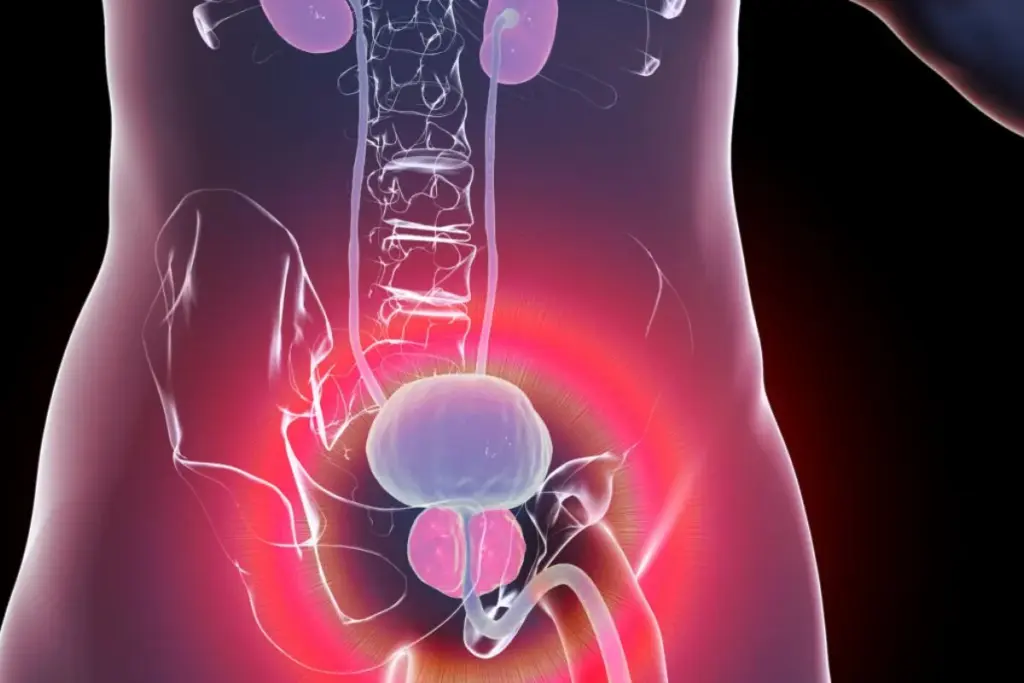
Robotic prostate surgery, also known as robotic prostatectomy, is a new way to treat prostate cancer. It’s a complex operation that requires precision and skill. Thanks to robotic technology, surgeons can do the surgery more accurately and with less blood loss.
Exploring robotic prostate surgery, it’s key to know about prostate removal side effects. We’ll look into the details of robotic prostatectomy. We’ll talk about its benefits and risks, helping those thinking about this treatment. Manage prostate removal side effects with elite care. Discover amazing and brilliant robotic solutions for a miraculous health journey.
Key Takeaways
- Robotic prostate surgery is a minimally invasive procedure used to treat prostate cancer.
- The procedure offers greater precision and minimal blood loss.
- Understanding the side effects of prostate removal is important for making informed choices.
- Robotic prostatectomy is a complex operation that requires skill and experience.
- We will explore the benefits and risks of robotic prostate surgery in this article.
Understanding Prostate Cancer and Surgical Interventions

Prostate cancer is a common cancer in men. It’s important to know about its surgery treatments. We need to understand how common this disease is and how surgery helps treat it.
The Prevalence of Prostate Cancer in the United States
In the United States, prostate cancer is a big health problem. Many men get diagnosed with it every year. It’s the second most common cancer in men, affecting many people’s health.
|
Year |
New Cases |
Deaths |
|---|---|---|
|
2020 |
191,930 |
33,330 |
|
2021 |
248,530 |
34,130 |
|
2022 |
268,490 |
34,500 |
The numbers show more men are getting prostate cancer. Finding good treatments is key.
When Surgical Intervention Becomes Necessary
Surgery for prostate cancer is considered when the cancer is local and the patient is healthy enough. The decision often requires evaluating the cancer’s stage and grade, along with a thorough assessment of the patient’s age and overall health.
Key factors determining the necessity for surgical intervention include:
- Cancer stage and grade
- Patient’s age and overall health
- Presence of other medical conditions
Goals of Prostate Cancer Surgery
The main goal of prostate cancer surgery is to remove the cancerous prostate gland. Surgeons try to remove the cancer while keeping other tissues safe. They also aim to keep urinary and sexual functions as good as possible.
The success of prostate cancer surgery depends on the surgeon’s skill and the patient’s health. Knowing these points helps patients make better treatment choices.
Evolution of Prostate Surgery Techniques

The way we treat prostate cancer has changed a lot. New technology and methods have made a big difference.
Traditional Open Prostatectomy
Older methods, like open prostatectomy, used a big cut in the belly to reach the prostate. This approach hurt more tissue, making recovery longer and riskier. Yet, it was a key treatment for prostate cancer for many years.
Laparoscopic Prostatectomy
Laparoscopic prostatectomy brought a big change with smaller cuts and tools. This method cuts down on blood loss, pain, and hospital time. But, it needs skilled hands and can be tricky.
Introduction of Robotic-Assisted Surgery
Robotic-assisted surgery is the newest step forward. It gives surgeons better control and precision. This makes complex surgeries easier and can help patients heal faster. It’s a big leap forward in prostate surgery.
Looking ahead, robotic prostate surgery will keep improving. The goal is always better care, less harm, and a better life for patients.
What is Robotic Prostate Surgery?
Robotic prostate surgery is a new way to treat prostate cancer. It’s less invasive than old methods. This makes recovery faster and outcomes better.
Defining Robotic-Assisted Radical Prostatectomy
Robotic-assisted radical prostatectomy is a surgery that uses a robot to remove the prostate gland. It offers enhanced surgical precision and control. This is thanks to the advanced technology in the robot.
The surgery is done through small cuts. The robot gives a clear, 3D view of the area. This helps surgeons work more accurately and easily.
The Da Vinci Surgical System Explained
The Da Vinci Surgical System is a state-of-the-art robotic platform. It helps with complex surgeries, making them more precise and less invasive. It’s often used for prostate surgery because of its advanced features and design.
The Da Vinci System has several important parts. These include the surgeon’s console, the patient-side cart, and the vision system. Each part is key to the surgeon’s ability to control and see the surgery clearly.
Components of the Robotic Surgery Platform
The robotic surgery platform has several important parts. These are:
- The surgeon’s console, where the surgeon controls the robotic instruments.
- The patient-side cart, where the robotic arms do the surgery.
- The vision system, which shows high-definition, 3D images to the surgeon.
These parts are essential for the success of robotic-assisted radical prostatectomy. They help surgeons perform complex surgeries with precision and control.
The Technology Behind Robotic Prostatectomy
Robotic-assisted radical prostatectomy uses the latest technology to improve surgery. This system gives surgeons more precision and control. It leads to better results for patients.
The Surgeon Console
The surgeon console is the heart of the robotic system. It’s where the surgeon controls the robotic arms. This console offers a clear, 3D view of the surgery area, making precise cuts and stitches easier. The controls are designed to match the surgeon’s hand movements.
The console’s design helps surgeons stay comfortable during long surgeries. This comfort is key to keeping focus and precision during the operation.
The Patient-Side Cart
The patient-side cart is a vital part of the robotic system. It has multiple arms that hold the surgical tools. These arms can move like a human wrist, making complex surgeries easier. The surgeon controls these arms from the console.
The cart sits next to the patient and has tools that can be swapped out easily. This keeps the surgery flowing smoothly.
The Vision System and Imaging Technology
The vision system is essential for robotic prostatectomy. It provides clear, 3D images of the surgery area. The camera sends these images to the surgeon’s console.
Advanced imaging helps see the prostate and nearby areas better. This technology is key to avoiding damage to important nerves and tissues.
Together, these technologies make robotic prostatectomy a precise and effective treatment for prostate cancer.
Patient Selection for Robotic Prostate Surgery
Choosing the right patients for robotic prostate surgery is key to success. We look at many factors to make sure the surgery will help and not harm. This careful evaluation is essential.
Ideal Candidates for the Procedure
Men with early prostate cancer and good health are usually good candidates. We consider the cancer’s stage, the patient’s health, and past surgeries. We want patients who are ready for surgery and will follow instructions after.
Key characteristics of ideal candidates include:
- Localized prostate cancer
- Good overall health
- No significant previous abdominal or pelvic surgery
- Motivation to undergo surgery and follow post-operative care instructions
Contraindications and Limitations
Robotic prostate surgery is not for everyone. It’s not suitable for those who are very overweight, have had a lot of previous surgery, or have certain health issues. We check each patient’s history to see if they’re a good fit.
Contraindications may include:
- Severe obesity
- Previous extensive abdominal or pelvic surgery
- Certain medical conditions (e.g., bleeding disorders, severe heart disease)
Pre-Surgical Evaluation Process
Before surgery, we do a detailed check to see if it’s right for the patient. This includes looking at their medical history, doing a physical exam, and running tests. We use this info to make sure the surgery is safe.
The pre-surgical evaluation typically includes:
- Medical history review
- Physical examination
- Imaging studies (e.g., MRI, CT scans)
- Laboratory tests (e.g., blood work, urinalysis)
By carefully looking at these factors, we can decide if robotic prostate surgery is the best choice. This helps ensure patients are ready for the surgery.
Preparing for Robotic Prostatectomy
Getting ready for robotic prostatectomy means doing a lot of things. You’ll need to get checked by doctors, change your diet, and get your mind ready. Doing all these things is key to having a good outcome and a quick recovery.
Medical Evaluations and Testing
Before surgery, you’ll get checked to see how healthy you are. Doctors will look at your blood, do scans, and check your heart. They might do other tests too.
- Blood tests to check for infections, blood type, and overall health
- Imaging tests such as MRI or CT scans to assess the prostate and surrounding tissues
- Cardiac evaluations if necessary, to assess heart health
- Other tests as recommended by the healthcare provider
A study in the Journal of Urology says, “Preoperative medical evaluation is critical in identifying patients at high risk for complications and optimizing their condition before surgery”
“Preoperative evaluation allows for the identification of possible risks and the implementation of strategies to mitigate them, improving surgical outcomes.”
Journal of Urology
Dietary and Medication Guidelines
You’ll need to follow certain rules about food and medicine before surgery. This might mean:
- Avoiding certain medications that could increase the risk of bleeding
- Adjusting or stopping certain medications as advised by the healthcare provider
- Following a specific diet to ensure optimal nutrition before surgery
- Staying hydrated by drinking plenty of fluids
Nutritional guidance is very important before surgery. Eating well can help you heal faster. It’s important to follow your surgeon’s advice on diet and medicine to avoid risks.
Mental Preparation and Expectations
Getting your mind ready is just as important as getting your body ready. You should:
- Understand the procedure and what to expect during recovery
- Discuss any concerns or fears with their healthcare provider
- Prepare their home environment for post-surgery recovery
- Arrange for support during the initial recovery period
a well-known urologist, says, “Mental preparation and having realistic expectations can significantly impact a patient’s recovery experience and overall satisfaction with the surgical outcome.” Having a positive outlook and being well-informed can make a big difference in your recovery.
Step-by-Step: The Robotic Prostate Surgery Procedure
Understanding robotic prostate surgery can ease concerns for those considering it. We’ll go through the procedure’s key stages, from start to finish.
Anesthesia Administration
The first step is giving anesthesia. This keeps the patient comfortable and pain-free. An anesthesiologist watches the patient’s vital signs and adjusts the anesthesia as needed.
Port Placement and Docking
With the patient under anesthesia, we start port placement. We make small incisions for trocar insertion. These trocars are for the robotic instruments.
The robotic ports are placed for the best access to the prostate. Then, the robotic system is docked. This aligns the robotic arms with the ports for precise movement.
Key Surgical Steps
The surgery involves several important steps:
- Dissection of the prostate gland: We carefully separate the prostate from surrounding tissues, protecting nerves and other vital structures.
- Lymph node dissection: Depending on the patient’s condition, we might remove lymph nodes to check for cancer.
- Removal of the prostate: After freeing the prostate, it’s removed through a port site.
These steps use the robotic system’s high-definition vision and precise tools for detailed work.
Completion and Closure
After the surgery, we close the ports. The robotic instruments are removed, and the specimen is sent for examination. The patient is watched in the recovery room as the anesthesia wears off.
|
Step |
Description |
|---|---|
|
Anesthesia Administration |
General anesthesia is administered to ensure patient comfort. |
|
Port Placement and Docking |
Small incisions are made for trocar insertion, and the robotic system is docked. |
|
Key Surgical Steps |
Dissection of the prostate, possible lymph node dissection, and removal of the prostate. |
|
Completion and Closure |
Robotic instruments are removed, and port sites are closed. |
Advantages of Robotic-Assisted Prostatectomy
Surgeons use advanced robotic technology for prostatectomies, leading to better results. This method is now a top choice for treating prostate cancer. It offers many benefits over traditional surgery.
Enhanced Surgical Precision
Robotic-assisted prostatectomy brings better precision to surgery. The robotic system gives surgeons a clear, 3D view of the area. This helps them avoid damaging nearby tissues.
The robotic tools also move more smoothly than traditional ones. This makes it easier for surgeons to do detailed work. The system’s ability to filter out tremors and scale movements adds to the precision.
Reduced Blood Loss
This method leads to less blood loss than other surgeries. The robotic system’s detailed view and precise tools help surgeons control bleeding. This means fewer blood transfusions are needed.
Less blood loss makes the surgery safer and cleaner. It helps surgeons focus better. This is good for avoiding complications and speeding up recovery.
Shorter Hospital Stay
Patients usually stay in the hospital less time after robotic-assisted prostatectomy. The surgery is less invasive, causing less pain and trauma. This means patients can go home sooner.
Staying in the hospital for less time saves money and reduces infection risks. It’s a big plus for patients who are more likely to get sick in the hospital.
Faster Recovery Times
Robotic-assisted prostatectomy leads to quicker recovery. The surgery causes less pain and fewer problems. This lets patients get back to their daily lives faster.
Research shows patients recover faster with this method. They get back to normal faster with their urine and sex life. The robotic system’s precision and less tissue damage are key to this quick recovery.
Prostate Removal Side Effects: What Patients Should Expect
It’s important for patients to know about the side effects of prostate removal before surgery. Each person’s experience can differ based on their health, cancer stage, and surgery type.
Short-Term Side Effects
Right after surgery, patients might feel several short-term side effects. These include:
- Discomfort or pain in the pelvic area
- Urinary incontinence or trouble urinating
- Fatigue and feeling weak
- Potential infection or bleeding
Doctors usually treat these side effects with medicine, catheters, and rest. Most people start feeling better in a few weeks.
Long-Term Considerations
While some side effects go away, others last longer. These include:
- Urinary Continence: Some people might always have some trouble with urination, but it often gets better with exercises.
- Erectile Dysfunction: There’s a chance of erectile problems, but it depends on the surgery’s nerve-sparing methods.
- Quality of Life: Adjusting to life after surgery means dealing with these side effects and possibly changing how you live.
Handling these long-term issues often requires medicine, lifestyle changes, and therapy. We help patients create a recovery plan that fits them.
Knowing about both short-term and long-term side effects helps patients prepare for their journey. Our team is dedicated to giving full care and support during recovery.
Potential Complications of Robotic Prostatectomy
It’s important to know the risks of robotic prostate surgery. This surgery is advanced and effective but can have complications.
Surgical Complications
Complications can happen during robotic prostate surgery. These include bleeding, injury to nearby organs, and issues with anesthesia. Though rare, these can greatly affect patient outcomes.
- Bleeding and Hemorrhage: Robotic surgery might have less blood loss than traditional surgery. But, there’s a risk of bleeding.
- Injury to Surrounding Organs: The prostate is close to other important structures. This means there’s a chance of injury during surgery.
- Anesthesia Complications: As with any surgery needing anesthesia, there are risks with its use.
Post-Operative Complications
After surgery, patients might face complications. Some can be serious.
- Infection: As with any surgery, there’s a chance of infection after robotic prostatectomy.
- Urinary Issues: Patients might have trouble with urination or other urinary problems after surgery.
- Erectile Dysfunction: There’s a risk of erectile dysfunction after prostate surgery. But, nerve-sparing techniques can help lower this risk.
Risk Mitigation Strategies
To lower the risk of complications, several strategies can be used.
- Pre-Surgical Evaluation: A thorough check before surgery helps find patients at higher risk for complications.
- Surgeon Experience: The surgeon’s experience is key in reducing complication risks.
- Post-Operative Care: Good care and follow-up after surgery are vital for managing complications.
Knowing about these complications and how to avoid them helps patients make better choices. This way, they can make informed decisions about their treatment.
Managing Urinary Function After Surgery
Recovering from robotic prostate surgery means getting back to normal with your urine. After surgery, changes in how you urinate can be tough to deal with. But, with the right steps, most men can get their urine control back.
Incidence of Urinary Incontinence
Urinary incontinence is a common side effect after robotic prostate surgery. Research shows that many men leak urine in the first few months after surgery. Knowing it’s temporary can help.
Recovery Timeline for Urinary Control
How fast you get your urine control back varies. Most see big improvements in 3 to 6 months. But, it can take up to a year or more for some. Your age, how you urinated before surgery, and the surgery itself affect how fast you recover.
Pelvic Floor Exercises and Rehabilitation
Kegel exercises are key in getting better. They help the muscles that keep you dry. Start these exercises soon after surgery and keep doing them for months to see the best results.
Medical and Surgical Interventions for Persistent Incontinence
If you’re leaking urine long after surgery, you might need more help. Doctors can try medicines or surgery, like an artificial sphincter. We help find the best option for you based on your health and situation.
Sexual Function Following Robotic Prostatectomy
Understanding how robotic prostatectomy affects sexual function is key for those thinking about it. This surgery, also known as robotic-assisted radical prostatectomy, treats prostate cancer. It has benefits over older surgical methods but raises concerns about sexual health.
Erectile Dysfunction: Prevalence and Causes
Erectile dysfunction (ED) is a possible side effect of this surgery. The rate of ED after surgery varies. It depends on the patient’s age, how well they could get an erection before surgery, and if nerve-sparing techniques were used.
The damage to nerves and blood vessels around the prostate gland often causes ED. Studies show ED rates after robotic prostatectomy range from 20% to 80%. The main reason is damage to the neurovascular bundles, which are key for erections.
Nerve-Sparing Techniques and Outcomes
Nerve-sparing techniques are vital in robotic prostatectomy to help keep sexual function. These methods aim to protect the neurovascular bundles that run alongside the prostate. Success depends on the surgeon’s skill, the patient’s preoperative condition, and the cancer’s extent.
When these techniques work well, patients are more likely to regain their ability to get an erection. Studies suggest up to 70% of patients may get their erectile function back within a year or two after surgery.
Treatment Options for Sexual Dysfunction
For those with sexual problems after robotic prostatectomy, there are treatments. Options include oral medications, vacuum erection devices, penile injections, and penile implants.
- PDE5 Inhibitors: These are often the first choice, helping by increasing blood flow to the penis.
- Vacuum Erection Devices: These devices create a vacuum around the penis to help achieve an erection.
- Penile Injections: Injecting medications directly into the penis can induce an erection.
- Penile Implants: For some, a penile implant may be a long-term solution.
It’s important for patients to talk to their healthcare provider about these options. This helps find the best treatment for their specific situation.
Recovery Process and Practical Guidelines
Knowing the recovery process is key for patients after robotic prostate surgery. It helps them heal smoothly and effectively. The recovery phase is as important as the surgery itself. It involves several steps and guidelines for patients to follow to get back to health.
Immediate Post-Operative Care
Right after surgery, patients go to the recovery room. There, medical staff watch their vital signs and manage pain. It’s vital to follow the instructions from the healthcare team for a smooth recovery.
Key aspects of immediate post-operative care include:
- Monitoring for any signs of complications
- Managing pain effectively
- Following dietary instructions
First Weeks at Home
In the first weeks at home, patients should rest and slowly increase activity. Avoid heavy lifting, bending, or strenuous activities.
It’s important to:
- Follow the medication regimen as prescribed
- Attend follow-up appointments
- Monitor for any unusual symptoms
Return to Normal Activities
The time it takes to get back to normal activities varies. Generally, patients can start with light activities in a few weeks. It’s important to listen to your body and not rush the recovery.
Long-Term Follow-Up Protocol
Long-term follow-up is key to check the surgery’s success and manage side effects. Regular check-ups with the healthcare provider are recommended. This helps monitor recovery progress and address any concerns.
|
Follow-Up Timeline |
Assessment Focus |
|---|---|
|
1-3 months |
Recovery progress, managing side effects |
|
6-12 months |
PSA levels, overall health assessment |
|
Annually thereafter |
Ongoing health monitoring, cancer recurrence screening |
Comparing Robotic Surgery to Other Prostate Surgery Options
It’s important for patients to know the differences between robotic surgery and other prostate surgery options. This knowledge helps them make the best choice for their treatment. Prostate cancer treatment has grown a lot, with many surgical and non-surgical options available.
Robotic vs. Open Radical Prostatectomy
Robotic-assisted radical prostatectomy and open radical prostatectomy are both good treatments for prostate cancer. But they are different in how they are done. Robotic surgery is less invasive and can lead to less blood loss and quicker recovery.
Open radical prostatectomy needs a bigger cut and is more invasive. It used to be the main choice, but robotic surgery is now preferred for its quicker recovery and less pain.
Robotic vs. Laparoscopic Prostatectomy
Laparoscopic prostatectomy is a minimally invasive surgery with small cuts. Robotic-assisted laparoscopic prostatectomy makes this better with clearer views and more precise movements. This can lower the risk of complications.
Both laparoscopic and robotic prostatectomy are better than open surgery. But robotic surgery is easier for surgeons to learn and might give better results for bladder control and sex life.
Robotic Surgery vs. Radiation Therapy
Radiation therapy is a non-surgical way to treat prostate cancer with high-energy rays. It’s often used for early-stage cancer or after surgery.
Choosing between robotic surgery and radiation therapy depends on the cancer stage, health, and side effects. Robotic surgery removes the prostate gland, which is good for aggressive cancer. But radiation therapy can treat cancer in the prostate with fewer immediate side effects.
Cost Considerations Across Treatment Options
Cost is a big factor in choosing prostate cancer treatment. Robotic surgery is pricier than open or laparoscopic prostatectomy because of the robotic system. But it might lead to shorter hospital stays and less post-op care, which could make it more cost-effective.
Radiation therapy costs can vary based on the type and length of treatment. Insurance and out-of-pocket costs are important to consider. Patients should talk to their doctor about the financial side of their treatment options.
Finding Qualified Prostatectomy Surgeons
Choosing the right surgeon for robotic prostatectomy is very important. It can greatly affect your surgery’s success and how well you recover. The skills and experience of your surgeon are key in this delicate procedure.
Surgeon Qualifications and Experience
First, check if your surgeon is board-certified in urology and trained in robotic surgery. Experience matters a lot. A surgeon who has done many robotic prostate surgeries is usually better at it.
Also, ask about the surgeon’s success and complication rates. Knowing this can tell you a lot about their skill and care quality.
Questions to Ask Your Surgeon
When talking to surgeons, have a list of questions ready. Some important ones include:
- What experience do you have with robotic prostate surgery?
- What are your complication and success rates?
- How do you handle complications during surgery?
- Do you use nerve-sparing techniques?
- How will you help me recover after surgery?
These questions help you understand the surgeon’s skills and care approach.
The Importance of Surgical Volume and Outcomes
The number of surgeries a surgeon does affects patient results. Surgeons who do more surgeries tend to have better results. Studies show they have fewer complications and better recovery times.
Researching Hospital Robotic Surgery Programs
It’s also key to look into the hospital’s robotic surgery program. Consider things like:
|
Program Aspect |
What to Look For |
|---|---|
|
Program Experience |
How long has the program been doing robotic surgery? What’s the yearly procedure volume? |
|
Multidisciplinary Team |
Is there a team of specialists, including urologists, oncologists, and support staff? |
|
Patient Support |
What support services are there for patients before, during, and after surgery? |
By researching both the surgeon and the hospital’s program, you can make a well-informed choice. This choice will support your surgical needs and recovery.
Conclusion: The Future of Robotic Prostate Surgery
Looking ahead, robotic prostate surgery will keep getting better. New tech will help doctors treat prostate cancer more precisely. This means patients will recover faster and have better results.
New tech like artificial intelligence and better imaging will change surgery. These tools will help doctors do complex surgeries with more skill. This means patients will get even better care.
We expect robotic surgery to keep improving patient care. It will lead to better outcomes and fewer side effects. As it grows, more people will get to try this advanced treatment.
FAQ
What is robotic prostate surgery?
Robotic prostate surgery is a new way to remove the prostate gland. It uses the Da Vinci Surgical System. This method is more precise, causes less blood loss, and helps patients recover faster than traditional surgery.
What are the benefits of robotic prostatectomy?
Robotic prostatectomy offers many benefits. It’s more precise, causes less blood loss, and patients recover faster. It also helps preserve urinary and sexual function by being more precise with nerve-sparing techniques.
What are the possible side effects of prostate removal?
Side effects can include urinary incontinence and erectile dysfunction. These can be significant. But, many patients see improvement over time with proper care and rehabilitation.
How long does it take to recover from robotic prostate surgery?
Recovery time varies, but most can get back to normal in a few weeks. The first weeks at home are key for rest. Patients should avoid heavy lifting and strenuous activities.
What is the difference between robotic and open prostatectomy?
Robotic prostatectomy is a minimally invasive procedure. Open prostatectomy requires a larger incision. Robotic surgery usually means less blood loss, less pain, and faster recovery.
Can robotic prostate surgery cause erectile dysfunction?
Erectile dysfunction is a possible side effect. But, nerve-sparing techniques can help. The risk depends on age, pre-existing function, and the surgeon’s skill.
How effective is robotic prostate surgery in treating prostate cancer?
Robotic surgery is very effective for localized prostate cancer. It allows for precise removal of the prostate and surrounding tissues. This reduces the risk of cancer coming back.
What are the risks and complications of robotic prostatectomy?
Complications can include bleeding or injury to surrounding organs. Post-operative issues like infection or urinary incontinence are also possible. Careful patient selection and experienced surgeons can help minimize these risks.
How do I find a qualified prostatectomy surgeon?
Look for surgeons with lots of robotic surgery experience. They should be board certified and have a good track record. Ask about their experience, techniques, and complication rates.
What is the future of robotic prostate surgery?
The future looks bright with ongoing tech advancements. New systems, better imaging, and more precise nerve-sparing techniques are on the horizon. These could lead to even better outcomes and fewer side effects for patients.
References
National Center for Biotechnology Information. Evidence-Based Medical Insight. Retrieved from https://pmc.ncbi.nlm.nih.gov/articles/PMC5776881/