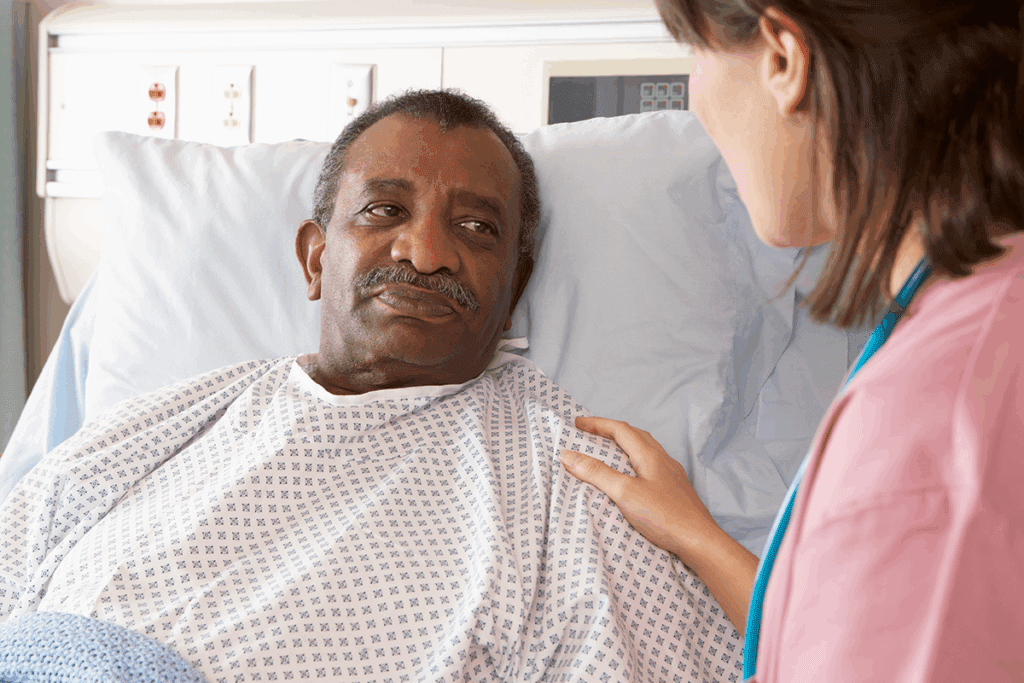
Nearly 1 in 8 men will get prostate cancer in their life. Many will have prostate surgery, or prostatectomy, as treatment. A big worry is when it’s okay to drive again.
It’s key for patients to know when they can drive after pHow Quickly Does Prostate Cancer Spread?rostate surgery. This ensures their safety and helps their recovery. The time needed to recover from prostate removal or radical prostatectomy varies. Knowing when to drive again is a big part of getting better.
Key Takeaways
- Understand the typical recovery time after prostate surgery.
- Learn about the factors that influence driving restrictions.
- Discover the guidelines for resuming driving after prostate surgery.
- Find out how to ensure a safe and smooth recovery.
- Know when to consult your doctor about driving again.
Understanding Prostate Surgery and Its Impact
Knowing about the different prostate surgeries is key for patients. It helps them understand what to expect during recovery and physical limitations. Each surgery is designed to tackle specific prostate issues.
Common Types of Prostate Procedures
There are many prostate surgeries, like open radical prostatectomy, laparoscopic prostatectomy, and robotic-assisted prostatectomy. Each has its own recovery time and effects.
- Open Radical Prostatectomy: This traditional method involves a larger incision and is associated with a longer recovery period.
- Laparoscopic Prostatectomy: A minimally invasive surgery that uses several small incisions, resulting in less tissue damage and quicker recovery.
- Robotic-Assisted Prostatectomy: Utilizes a robotic system to enhance the surgeon’s capabilities, providing precision and minimal invasiveness.
General Effects on Physical Mobility
Prostate surgery can affect physical mobility in different ways. It depends on the surgery type. Most patients face some activity limits after surgery.
| Procedure Type | Immediate Post-Surgery Mobility | Short-Term Recovery |
| Open Radical Prostatectomy | Limited mobility due to larger incision | Gradual improvement over 6-8 weeks |
| Laparoscopic Prostatectomy | Moderate mobility limitations | Significant improvement within 3-4 weeks |
| Robotic-Assisted Prostatectomy | Mild mobility limitations | Rapid recovery, often within 1-2 weeks |
Initial Recovery Expectations
At first, patients might feel some pain, tiredness, and mobility issues. Knowing this helps plan for post-surgery care and support.
It’s vital for patients to follow their surgeon’s recovery advice. This includes activity levels, pain management, and follow-up care.
Standard Driving Restrictions Following Prostatectomy
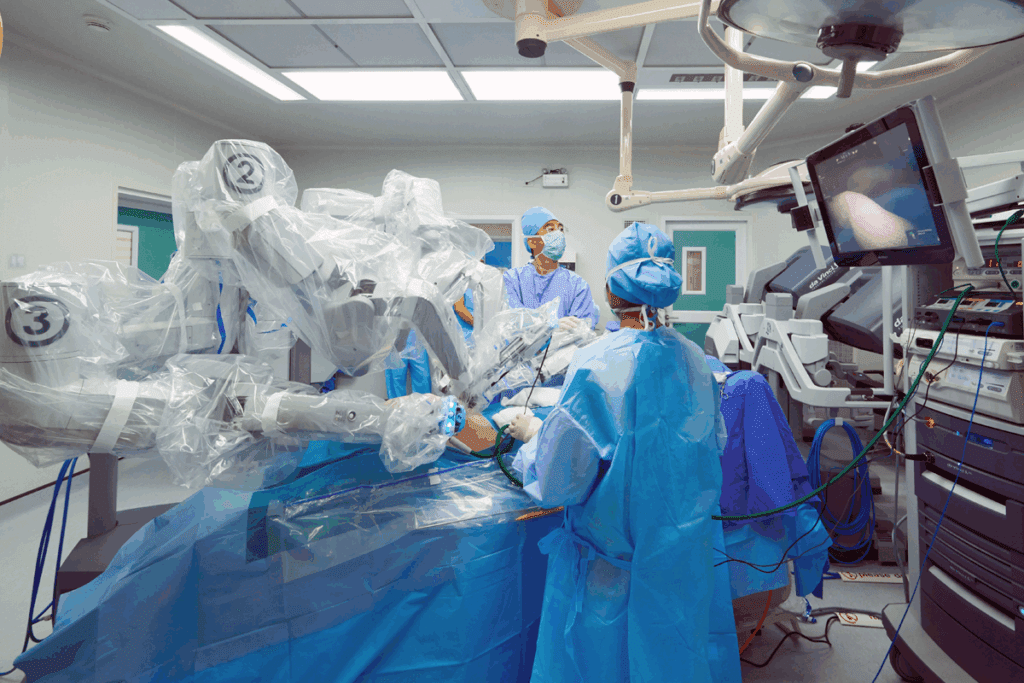
Driving after prostate surgery has rules that change based on how well you recover and what your doctor says. These rules help keep you safe and make sure you heal well.
General Medical Guidelines
Doctors usually say you shouldn’t drive for one to two weeks after surgery. This time lets your body start to heal. It also lowers the chance of problems that could make driving hard.
How long you can’t drive might change based on your surgery type and health.
Why Driving Is Restricted
Driving is limited after surgery because of possible pain or the side effects of pain meds. These can make it hard to drive safely. Also, driving might need you to move a lot or lift, which could hurt the surgery area.
Key factors influencing driving restrictions include:
- Potential discomfort or pain while seated
- Effects of pain medication on reaction time and alertness
- Limited range of motion or stiffness affecting vehicle control
Variations in Recommendations by Surgeon
Even though there are general rules, your doctor might give you different advice. This depends on your surgery and how you’re doing. Some doctors might say you can drive sooner or later than others.
It’s very important to listen to your doctor about when you can drive. This helps keep you safe and helps your recovery go well.
Timeline for Returning to Driving

After prostate surgery, many patients wonder when they can drive again. The answer varies based on the surgery type, recovery pace, and doctor’s advice.
Minimum Waiting Period
The time before you can drive again differs for everyone. Most doctors suggest waiting a few days to a few weeks. It’s key to listen to your surgeon or healthcare team’s specific advice.
Usually, the wait is 1-2 weeks. But, it can be longer for some. This depends on the surgery’s complexity and your health.
Factors That May Extend This Timeline
Several things can make you wait longer to drive:
- Complications during or after surgery
- Having a catheter or other medical devices that affect driving
- Medications that might make driving harder, like pain meds
- Physical issues, like pain or mobility problems
Remember, your safety and the safety of others are most important. If you’re facing these issues, talk to your doctor for advice.
Gradual Return Process
When you’re ready to drive again, start slowly. Begin with short trips in places you know well. Then, gradually make your drives longer and more challenging.
Here are some tips for a safe return to driving:
- Start with short trips to check how you feel and drive.
- Avoid driving when it’s busy or in heavy traffic.
- Make sure you’re not on any meds that could affect your driving.
- Have someone with you on your first few drives, if you can.
By following these steps and listening to your body, you can safely drive again after prostate surgery. Always check with your doctor if you’re unsure about your driving or recovery.
Recovery Periods for Different Types of Prostatectomy
Different surgeries for prostate removal have different recovery times. The surgery type greatly affects how long and hard the recovery is. Knowing these differences helps patients plan better and manage their recovery.
Open Radical Prostatectomy Driving Timeline
Open radical prostatectomy is more invasive, leading to a longer recovery. Patients might need 4 to 6 weeks before they can drive again. This is because the surgery involves a big cut and more damage to tissues.
A study in the Journal of Urology found that open radical prostatectomy recovery is longer. This is compared to laparoscopic or robotic-assisted surgeries.
“The median time to return to driving was 6 weeks for open radical prostatectomy, compared to 3 weeks for laparoscopic and 2 weeks for robotic-assisted prostatectomy.”
Laparoscopic Prostatectomy Recovery
Laparoscopic prostatectomy is less invasive, leading to a quicker recovery. Patients can drive again in 2 to 4 weeks. The smaller cuts and less invasive nature help in faster healing.
Robotic-Assisted Prostatectomy Advantages
Robotic-assisted prostatectomy is known for its precision and quick recovery. Patients often feel less pain and can drive again in 1 to 3 weeks. This is because it’s a minimally invasive method.
A study showed robotic-assisted prostatectomy’s benefits. It found that patients had less blood loss and fewer complications. The study concluded that it offers better recovery times and comfort.
TURP and Other Minimally Invasive Procedures
TURP and other minimally invasive surgeries have shorter recovery times. For TURP, patients might drive again in a few days to a week. This depends on their recovery and any complications.
| Surgical Technique | Typical Recovery Time to Resume Driving |
| Open Radical Prostatectomy | 4-6 weeks |
| Laparoscopic Prostatectomy | 2-4 weeks |
| Robotic-Assisted Prostatectomy | 1-3 weeks |
| TURP | A few days to 1 week |
The recovery time after prostate surgery varies by the type of surgery. Minimally invasive surgeries like laparoscopic and robotic-assisted prostatectomy have shorter recovery times. Knowing these differences helps patients plan their recovery and when they can drive again safely.
Physical Limitations Affecting Driving Ability
After prostate surgery, patients often face physical challenges that affect their driving. These issues vary based on the surgery type and the patient’s health.
Pain and Discomfort While Seated
Pain and discomfort are common after prostate surgery, making sitting hard. This can be due to the surgery site or a catheter. Managing pain is key to driving comfortably.
Limited Range of Motion for Vehicle Controls
Prostate surgery can limit how far you can move. This makes it hard to use vehicle controls like steering and braking.
Fatigue and Reduced Stamina Behind the Wheel
Fatigue is a big issue after prostate surgery. Patients might feel too tired to drive for long. Checking your energy before driving is important.
| Physical Limitation | Impact on Driving | Recommendation |
| Pain and Discomfort | Difficulty sitting for long periods | Manage pain with medication |
| Limited Range of Motion | Challenges with vehicle controls | Practice mobility exercises |
| Fatigue | Reduced ability to drive safely | Take regular breaks during drives |
Medication Considerations and Driving Safety
After prostate surgery, patients need to think about how their meds affect driving. They might take pain meds, antibiotics, or other drugs to help them heal. But these can make driving risky.
Pain Medications and Their Effects on Alertness
Pain meds, like opioids, are often given after surgery. They can make you feel sleepy, dizzy, and slow to react. It’s important to follow your doctor’s advice on how much to take and how it affects you.
Some common side effects include:
- Drowsiness or sedation
- Dizziness or lightheadedness
- Nausea or vomiting
- Confusion or disorientation
Wait until you know how your body reacts to these meds before driving.
Other Post-Surgery Medications Impacting Driving
Other drugs, like antibiotics and anti-inflammatory meds, can also affect driving. Always read the patient info leaflet to know about possible side effects.
When to Avoid Driving While Medicated
Always avoid driving if medication makes you feel unsafe behind the wheel. If you’re feeling drowsy, dizzy, or unsure, it’s safer to not drive.
Here are some tips:
- Wait 24 to 48 hours after starting a new med before driving, or as your doctor says.
- Have someone with you on your first drive to check how you’re doing.
- Start with short drives and gradually get longer as you get more comfortable.
Being aware of your meds and their effects on driving can help keep you safe. It’s key to a smooth recovery.
The Role of Catheterization in Driving Restrictions
After prostate surgery, patients often have a catheter. This can make driving unsafe and uncomfortable. It’s key to understand how a catheter affects driving for a safe return.
Managing a Catheter While in a Vehicle
Driving with a catheter needs some adjustments for safety and comfort. It’s important to keep the catheter secure to avoid discomfort. Using catheter securing devices or leg bags helps manage it while driving.
Wearing loose, comfy clothes also helps. It reduces irritation and makes managing the catheter easier. Plan to stop often to empty the catheter bag and avoid discomfort.
When Catheter Removal Affects Driving Timeline
Removing the catheter changes the driving timeline. Doctors usually advise against driving until after the catheter is out. This reduces discomfort and lowers the risk of complications.
After removing the catheter, wait a few hours before driving. This ensures there are no immediate issues like urinary retention. Always follow your surgeon’s advice on when to drive after catheter removal.
Practical Solutions for Comfort
Several solutions can make driving with a catheter more comfortable. Using a catheter leg bag makes managing it discreet and comfy. Adjusting your seat to reduce pressure on the catheter site also helps.
Avoid heavy lifting or bending to prevent straining the catheter site. Take breaks during long drives to stretch and move. These steps help reduce discomfort and ensure safer driving with a catheter.
Medical Clearance Requirements Before Resuming Driving
Getting medical clearance is key for patients wanting to drive again after prostate surgery. It makes sure they can drive safely.
When You Need Doctor’s Approval
Most patients need their doctor’s okay to start driving again. This rule helps make sure they’re physically and mentally ready.
The doctor checks how well you’ve recovered. They look at if you can drive without feeling pain or getting distracted.
What Your Doctor Will Assess
Your doctor will look at several important things, including:
- Your pain and discomfort
- How well you can move and drive
- How fast you react to driving situations
- Any side effects from your medicine
Documentation You May Need
At times, your doctor might ask for some papers to prove you’re ready to drive. These could be records from your check-ups, your medicine list, and test results.
The table below shows what papers you might need for clearance:
| Documentation Type | Purpose |
| Post-operative check-up records | To see how you’re doing after surgery |
| Medication lists | To check if your medicine affects driving |
| Relevant test results | To check your overall health |
Getting medical clearance means you’re ready to drive safely after prostate surgery. It’s a big part of getting back to normal and keeping everyone on the road safe.
Planning Transportation Needs Before Surgery
Getting your transportation sorted out before prostate surgery is key. It helps make your recovery smoother and more comfortable.
Creating a Post-Surgery Transportation Plan
Having a good plan for getting around is vital. It helps you get to doctor’s appointments and manage daily life. Think about what you need and what options you have.
- Look into who can drive you, like family, friends, or professional services.
- Choose a vehicle that’s comfy and big enough for any medical gear.
- Be ready for surprises, like changes in your recovery plan or new needs.
Coordinating with Family and Friends
Family and friends can be a big help with getting around. Let them know what you need and thank them for their help.
“Having a support system in place made a huge difference in my recovery. My family and friends were more than happy to help with transportation and other needs.”
Make a schedule with your loved ones. This way, you’ll have someone to rely on for all your trips and tasks.
Professional Services Available
If you can’t count on family or friends, or if you’d prefer not to, there are professional services. These include medical transport companies and rideshare programs for patients.
When picking a service, look for ones that focus on medical transport. Make sure they’re experienced with post-surgery patients. They should have the right gear and staff for safe and comfy rides.
By planning your transport before surgery, you can relax and focus on getting better. You’ll know you have reliable help when you need it.
Signs You’re Ready to Drive Again After Prostate Surgery
Deciding to drive again after prostate surgery needs clear signs of being ready. It’s key to check how you’re feeling before driving.
Physical Indicators of Readiness
Being physically ready is important to know if you can drive. Look for these signs:
- Less pain and discomfort when sitting
- Being able to move easily and use car controls
- Having more energy to avoid getting tired while driving
It’s also important to react quickly to driving situations without feeling too tired.
Mental Alertness Assessment
Mental sharpness is as important as physical health. Think about these points:
- Being able to focus on the road and what’s around you
- Not being distracted by pain or discomfort
- Knowing how your medicines affect your driving
Being mentally sharp helps you drive safely and handle unexpected situations.
Self-Assessment Tests to Try
Try these tests before you start driving again:
| Test | Description | Indicator of Readiness |
| Sitting Comfort | Can you sit comfortably for 30 minutes without feeling too uncomfortable? | Yes/No |
| Range of Motion | Can you move your legs and arms easily to use car controls? | Yes/No |
| Reaction Time | Can you quickly react to a sudden noise? | Yes/No |
When to Consult Your Doctor About Driving
Talk to your doctor before driving again, if you’re not sure. They can check your health and give advice tailored to you.
Important things to talk to your doctor about include:
- Your current health and how you feel
- Any medicines you’re taking and how they might affect driving
- Any worries or doubts you have about driving safely
By checking your readiness and talking to your doctor, you can safely start driving again after prostate surgery.
Potential Complications That May Delay Driving
After prostate surgery, some men face complications that affect when they can drive again. Knowing about these issues helps ensure a safe and timely return to driving.
Post-Surgical Infection Signs
Infection is a risk after surgery, including prostate surgery. Look out for fever, chills, redness, swelling, or drainage from the surgical site. If you notice these signs, contact your doctor right away.
Monitoring for infection is key after surgery. Your doctor might give you antibiotics to prevent or treat infection.
Bleeding Concerns
Bleeding or hemorrhage can happen after prostate surgery. Though rare, it’s serious and needs quick medical help. Look out for heavy bleeding, clots, or trouble urinating because of blood clots.
If you have persistent or severe bleeding, get medical help fast. Your doctor can check the situation and guide you.
Urinary Issues Impacting Mobility
Urinary problems are common after prostate surgery and can affect driving. Issues like incontinence, trouble starting to urinate, or weak urine flow are common. These usually get better with time but might need medical help.
Pelvic floor exercises, like Kegel exercises, can help with urinary control. But if your problems don’t get better or get worse, talk to your doctor for help.
When to Seek Emergency Care
Some symptoms need immediate medical help. Severe pain, heavy bleeding, fever over 101.5°F (38.6°C), or trouble urinating are signs of serious issues. These need quick treatment.
Knowing about possible complications after prostate surgery and when to get help is key for a safe recovery and driving return. Always listen to your healthcare provider and report any worrying symptoms.
Transportation Alternatives During Recovery
After prostate surgery, having a good way to get around is key. Patients often struggle because they can’t drive right away.
Having people to count on can make recovery easier. There are many ways to get around when you can’t drive.
Family and Friend Support Networks
One easy solution is to ask family and friends for rides. They can help with grocery shopping, doctor visits, and more.
Benefits of using family and friend support networks include:
- They can pick you up whenever it’s best for you.
- They offer emotional support, which is important during recovery.
- It’s free, so you don’t have to worry about the cost.
Medical Transportation Services
If you don’t have a strong support system, medical transportation services are a good choice. They take patients to doctor’s appointments and are great for those who can’t drive.
Some benefits of medical transportation services are:
- They have drivers who can help you get in and out of the vehicle.
- The vehicles are set up for comfort and safety.
- They take you right to your destination.
Rideshare, Taxi, and Public Transit Options
Rideshare services, taxis, and public transit are also good options. They offer flexibility and can save money.
Considerations for using rideshare, taxi, and public transit include:
- Compare costs to see what’s best for you.
- Check if these services are available in your area.
- Think about how comfortable and convenient they are.
By looking into these options, patients can get the care and support they need while recovering from prostate surgery.
Gradual Return to Driving: Best Practices
Going back to driving after prostate surgery needs a slow and careful plan. This ensures safety and comfort. It’s key to follow a structured approach that tackles the challenges of driving after surgery.
First Drive Recommendations
The first drive after surgery is a big step. Start with short trips, best done during quiet hours when there’s less traffic. This lets you check how comfortable and quick you are while driving. Make sure you’re not on any meds that could make driving harder.
Building Up Driving Stamina Safely
To get better at driving, start with short drives of 10-15 minutes. Then, slowly make the drives longer. Remember to take breaks during long trips to stretch and move. This helps avoid discomfort and blood clots.
Emergency Preparedness While Driving
Being ready for emergencies is very important. Keep a roadside emergency kit in your car. It should have a first-aid kit, phone charger, and snacks. Also, tell someone about your travel plans and when you’ll be back.
When to Avoid Driving Even After Clearance
Even with medical clearance, there are times when it’s best to wait to drive. For example, in heavy rain or fog, or if you’re very tired. Also, avoid driving in busy times if you’re not sure you can handle it.
| Driving Scenario | Precautions | Benefits |
| Short trips | Reduces initial strain | Enhances comfort |
| Off-peak hours | Less traffic stress | Improves safety |
| Regular breaks | Reduces fatigue | Prevents blood clots |
Special Considerations for Different Occupations
The job you have can really affect how you get back to driving after prostate surgery. Each job has its own needs that can impact your ability to drive safely and well.
Professional Drivers and Return-to-Work Protocols
Professional drivers need more than just to get strong again after surgery. They must show they can drive safely. They might need extra checks to make sure they can do their job without danger.
Here’s what might happen for professional drivers:
- They get a doctor’s okay to go back to work
- Their meds are checked to make sure they can drive okay
- They start with easier tasks and shorter drives
Long-Distance Commuters
Long-distance commuters face special challenges after prostate surgery. Sitting and driving for a long time can make it harder and riskier.
To stay safe, long-distance drivers should:
- Take breaks to stretch and move around
- Make their car seat and controls comfy and easy to use
- Watch how their body feels while driving and adjust their schedule as needed
Work-Related Driving Requirements and Accommodations
It’s key to know the work-related driving needs if driving is part of your job. Employers might need to help out to support workers coming back after surgery.
Here are some ways employers can help:
| Accommodation | Description |
| Modified Work Schedule | Change work hours or shifts to lessen driving needs |
| Temporary Reassignment | Give tasks that don’t need driving for a while |
| Vehicle Adjustments | Make company cars more comfy and easy to get in and out of |
Thinking about these job-related things and making the right changes can help people safely get back to driving after prostate surgery.
Conclusion
Recovering from prostate surgery needs a careful and slow approach, like when you start driving again. The time it takes to get back to normal varies. This depends on the surgery type, like open, laparoscopic, or robotic-assisted prostatectomy.
It’s key to follow your doctor’s advice on when to start driving after surgery. Taking care of yourself after surgery is very important. Knowing your physical limits and how medicines affect driving is also critical.
Following the recommended recovery time and knowing when you’re ready to drive is important. Check if you’re physically and mentally ready. Also, watch out for any issues that might slow down your recovery.
In the end, a good recovery from prostate surgery takes patience and careful planning. Following your doctor’s instructions is essential. This way, you can safely get back to driving when the time is right.
FAQ
How long after prostate surgery should I wait before driving again?
Waiting time to drive after prostate surgery varies. It depends on the surgery type and your recovery. Usually, it’s one to two weeks. But, your doctor might suggest a longer wait based on your health.
What are the general effects of prostate surgery on physical mobility?
Surgery can make moving hard. You might feel pain, be less mobile, and have trouble driving safely.
Can I drive while taking pain medications after prostate surgery?
It’s best to avoid driving on pain meds. They can make you less alert and slow to react. Always check with your doctor when it’s okay to drive.
How does catheterization affect driving after prostate surgery?
A catheter can make driving uncomfortable. You’ll need to figure out how to manage it while driving. Removing it might also affect when you can drive again. Talk to your doctor about solutions.
When do I need my doctor’s approval to resume driving after prostate surgery?
You’ll need your doctor’s okay to start driving again. They’ll check if you’re ready, considering your pain, mobility, and overall health.
What signs indicate I’m ready to drive again after prostate surgery?
You’re ready when you can move easily, feel less pain, and stay alert. You should also be able to drive safely. Always check with your doctor before driving.
What are the possible complications after prostate surgery that may delay driving?
Issues like infection, bleeding, and urinary problems can keep you from driving. Watch for signs of these problems. If symptoms are severe, seek emergency care.
What transportation alternatives are available during recovery from prostate surgery?
You can use family, friends, medical transport, rideshare, taxi, or public transit for rides during recovery.
What are the best practices for a gradual return to driving after prostate surgery?
Start with short drives and gradually increase time. Be ready for emergencies and avoid tough driving conditions, even with a doctor’s okay.
Are there special considerations for professional drivers or long-distance commuters after prostate surgery?
Yes, professional drivers and long-distance commuters need special plans. They must ensure their safety and the safety of others on the road.
How does the type of prostate surgery affect the recovery and driving timeline?
Different surgeries, like open or robotic-assisted prostatectomy, affect recovery and driving times differently. Your doctor can guide you based on your surgery.
Can the prostate gland be removed, and what are the implications for driving?
Yes, the prostate gland can be removed. Driving implications depend on your recovery, surgery type, and following doctor’s orders.
What is a prostatectomy, and how does it affect driving?
Prostatectomy is removing the prostate gland. Driving impact varies by surgery method, health, and recovery.
Reference
PMC. (2018, January 13). Robot-assisted radical prostatectomy is more beneficial than open prostatectomy. Retrieved from https://pmc.ncbi.nlm.nih.gov/articles/PMC5776881/