

Over 500,000 robotic prostatectomies have been done worldwide. This shows a big change in treating prostate cancer.
Robotic prostate surgery has grown a lot. It’s now a minimally invasive choice instead of old open surgery.
Robotic tech in prostate removal has made things better. It cuts down on recovery time and scarring.
Key Takeaways
- Robotic prostatectomy is now a top choice for prostate cancer treatment.
- The method brings better precision and less recovery time.
- Robotic tech has made a big difference in urology.
- Patients see less scarring and lower risks of problems.
- The growth of robotic prostate surgery keeps improving care for patients.
The History of Prostate Surgery
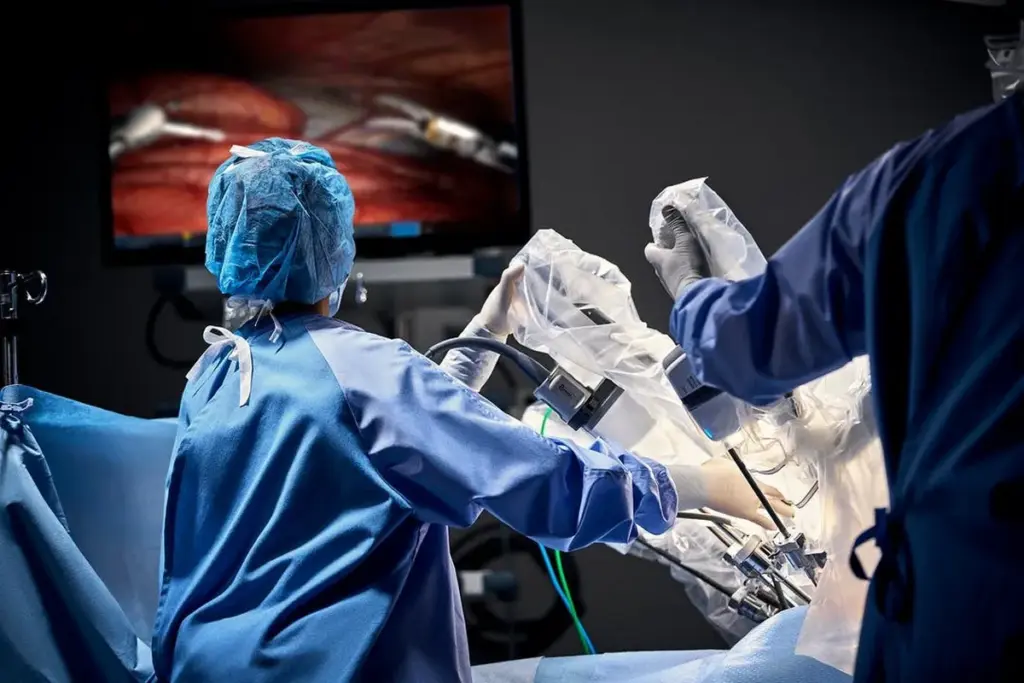
Prostate surgery has come a long way. It started with simple methods and has grown to use advanced technology. This change shows how medical science has improved over time.
Early Approaches to Prostate Treatment
Back in the late 19th century, doctors first tried to fix prostate problems. These early surgeries were risky and often didn’t work well. They were mainly to help with urinary issues caused by a big prostate.
Key milestones in early prostate surgery include:
- Development of the first transurethral resection of the prostate (TURP) techniques
- Introduction of open prostatectomy for treating prostate enlargement
- Early attempts at radical prostatectomy, which were fraught with complications
Development of Open Radical Prostatectomy
Open radical prostatectomy was a big step forward in fighting prostate cancer. This surgery removes the prostate, seminal vesicles, and part of the vas deferens. It became a common treatment for prostate cancer that’s only in one place.
|
Year |
Milestone |
Significance |
|---|---|---|
|
1904 |
First radical prostatectomy performed by Hugh Young |
Established a surgical approach for prostate cancer treatment |
|
1960s |
Refinements in surgical technique and patient selection |
Improved outcomes and reduced morbidity |
|
1980s |
Introduction of nerve-sparing techniques |
Preserved sexual function in patients undergoing radical prostatectomy |
Thanks to open radical prostatectomy, we’ve seen even more progress in prostate surgery. Now, we have less invasive and robotic-assisted surgeries too.
Evolution of Minimally Invasive Techniques
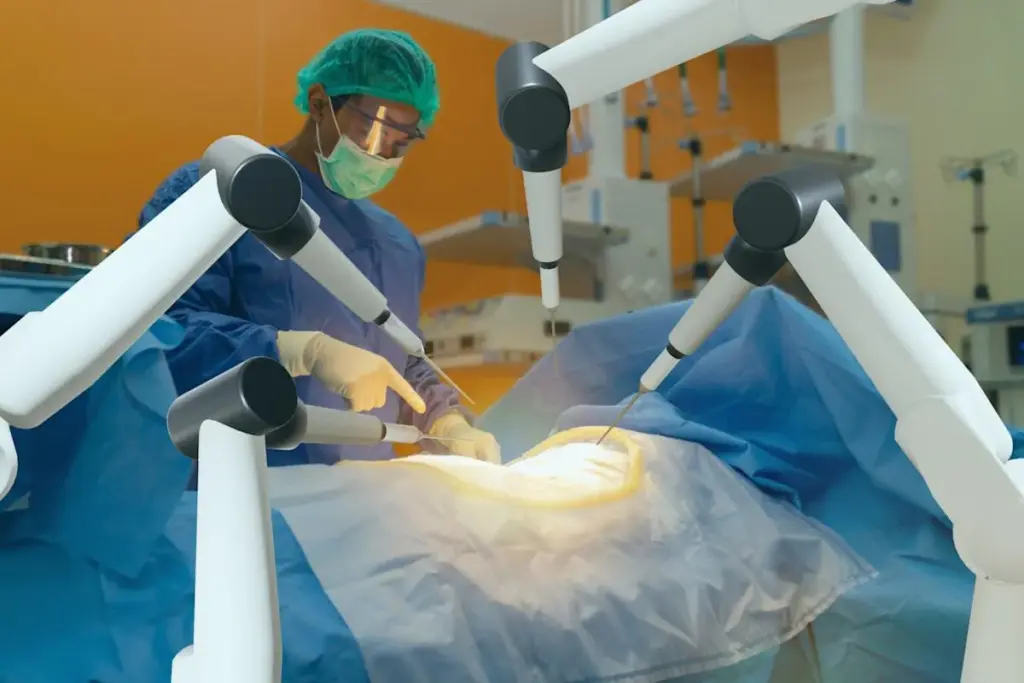
Prostate surgery has seen big changes with new, less invasive methods. These new ways of doing surgery mean patients face fewer risks and heal faster.
Laparoscopic Prostatectomy Emergence
Laparoscopic prostatectomy was a big step forward. It lets surgeons do surgery through small cuts, using a camera to see inside. This method was created to make surgery safer and less painful.
This method cuts down on blood loss. It also means less pain after surgery and shorter stays in the hospital. These are big wins for patients.
—a pioneer in laparoscopic urology
Transition to Robotic-Assisted Approaches
The move to robotic-assisted surgery was another big leap. Systems like the da Vinci Surgical System offer better views and control. This makes complex surgeries easier for surgeons.
Robotic surgery is now more common because it offers better results and fewer risks. The system’s 3D view and special tools help surgeons remove the prostate with great care.
|
Technique |
Key Benefits |
Notable Features |
|---|---|---|
|
Laparoscopic Prostatectomy |
Reduced blood loss, less postoperative pain |
Smaller incisions, faster recovery |
|
Robotic-Assisted Prostatectomy |
Enhanced precision, improved oncological outcomes |
3D visualization, articulating instruments |
The table shows how laparoscopic and robotic-assisted surgeries differ. As technology gets better, we’ll see even more improvements in prostate surgery. This means better care for patients.
The Birth of Robotic Prostatectomy
Robotic prostatectomy started a new chapter in urologic surgery. It brought a big change in how we treat prostate cancer.
First FDA Approval of the Da Vinci System
The Da Vinci Surgical System was first approved by the FDA in 2000. It was for urologic procedures. This was the start of robotic surgery in urology.
The Da Vinci System was first for general laparoscopic surgery. Its advanced features made it perfect for complex surgeries like prostatectomy.
Initial Applications in Urologic Surgery
Soon after FDA approval, the first robotic prostatectomies were done. Surgeons were quick to use it because of its promise to better patient care.
|
Year |
Milestone |
Significance |
|---|---|---|
|
2000 |
FDA clearance for Da Vinci System |
Marked the beginning of robotic-assisted urologic surgery |
|
2001 |
First robotic prostatectomy performed |
Introduced robotic prostatectomy as a viable treatment option |
|
2005 |
Widespread adoption in major urology centers |
Established robotic prostatectomy as a standard of care |
Robotic prostatectomy has brought big changes to urologic surgery. It offers a less invasive option. This means fewer complications and quicker recovery for patients.
Pioneering Surgeons and Institutions
Trailblazing surgeons were key in the start of robotic prostatectomy. They worked with innovative places to make this tech common in treating prostate cancer.
First Documented Robotic Prostatectomy Cases
The first robotic prostatectomy cases showed its benefits.and his team were among the first. They showed it could help patients recover faster and be more precise.
These early cases sparked interest and led to more research. As more surgeons used the tech, more proof of its value grew.
Early Clinical Trials and Publications
Early trials proved robotic prostatectomy works. They looked at blood loss, hospital stay, and recovery of functions.
Important studies were published in top medical journals. For example, a study in the Journal of Urology showed its benefits. It found less harm and better cancer fight.
|
Study |
Year |
Key Findings |
|---|---|---|
|
Menon et al. |
2003 |
Demonstrated the feasibility of robotic prostatectomy with improved precision and reduced blood loss. |
|
Smith et al. |
2005 |
Compared robotic prostatectomy with open prostatectomy, showing reduced hospital stay and faster recovery. |
|
Patel et al. |
2008 |
Reported high rates of urinary continence and sexual function recovery post-robotic prostatectomy. |
The data from these trials and studies helped make robotic prostatectomy a good choice for prostate cancer treatment.
Timeline of Robotic Prostatectomy Adoption
The story of robotic prostatectomy’s adoption is one of fast tech progress. It has changed how we treat prostate cancer.
Robotic prostatectomy, a type of radical prostatectomy, is now widely accepted. It’s known for being less invasive and improving patient results. The start of robotic prostatectomy’s adoption was in the early 2000s.
Growth in the United States (2000-2010)
The U.S. was quick to embrace robotic prostatectomy. The first surgery using the da Vinci Surgical System was in 2000.
Several factors helped robotic prostatectomy grow in the U.S. during this time. These included:
- More people learning about the benefits of less invasive surgery
- Improvements in robotic technology
- More urologists and hospitals starting to use it
By the end of the decade, robotic prostatectomy was common in many U.S. hospitals. Many urologists were trained in it.
Global Expansion and Current Prevalence
After success in the U.S., robotic prostatectomy spread worldwide. Europe, Asia, and other areas adopted it. They were drawn to its benefits like quicker recovery and better surgery precision.
Some key stats show the global growth and current use of robotic prostatectomy:
- Over 80% of radical prostatectomies in the U.S. are now robotic
- More than 4,000 da Vinci systems are used worldwide
- Robotic prostatectomy is available in over 60 countries
As robotic tech keeps improving, robotic prostatectomy will likely stay a top choice for prostate surgery worldwide.
The future of robotic prostatectomy looks bright. Advances in AI, imaging, and robotics will likely make patient outcomes even better.
Understanding the Robotic Prostatectomy Procedure
The use of robotic systems in prostatectomy has changed urological surgery for the better. This new method brings many benefits, like less blood loss and quicker recovery times. It also lowers the risk of complications.
How the Robotic System Works
The robotic system used in prostatectomy is based on advanced tech, like the Da Vinci Surgical System. It has a surgeon’s console, a cart with robotic arms, and a 3D vision system. The surgeon can see the surgery site clearly and control the robotic arms with precision.
Key features of the robotic system include:
- High-definition 3D visualization
- Robotic arms with precise instrumentation
- Enhanced dexterity and control for the surgeon
Key Components and Technology
The robotic prostatectomy system uses advanced tech for a precise and minimally invasive surgery. The robotic arms have instruments that can be moved with great precision. This allows for careful dissection and suturing.
—Urologist
The tech behind robotic prostatectomy keeps getting better. It aims to improve patient results and give surgeons more skills.
Patient Selection and Candidacy for Robotic Prostatectomy
Understanding who can benefit from robotic prostatectomy is key. This surgery has changed how we treat prostate cancer. But, not everyone is a good fit for it.
Ideal Candidates for the Procedure
Those with early-stage prostate cancer are often the best candidates. Early-stage prostate cancer patients see big benefits from this surgery. Also, those with a prostate-specific antigen (PSA) level that’s not too high and no big urinary problems are good candidates.
A study in the Journal of Urology found that low to intermediate-risk prostate cancer patients do well with robotic prostatectomy. They often have better cancer control and quicker recovery of urinary and sexual function.
Contraindications and Limitations
Robotic prostatectomy is not for everyone. Those with severe obesity, big cardiopulmonary disease, or past abdominal surgery might not be good candidates. Also, metastatic disease or a big prostate can make the surgery harder.
a top urologic oncologist, says, “Choosing the right patients is critical for success with robotic prostatectomy. Health, cancer stage, and what the patient wants are all important.”
Pre-Surgical Evaluation Process
The evaluation before robotic prostatectomy is detailed. It looks at the patient’s health history, physical state, and diagnostic tests. This includes PSA testing, imaging studies like MRI or CT scans, and sometimes bone scans to check for cancer spread.
This thorough check helps spot risks and plan the surgery. Patients also learn about recovery and possible surgery side effects.
“A detailed pre-surgery check is vital for the best results and to avoid problems,” a leading urologist says.
The Modern Robotic Prostatectomy Technique
The modern robotic prostatectomy technique has changed how we treat prostate cancer. It offers a precise and less invasive way to treat the disease. This new technology has greatly improved patient outcomes and recovery times.
Patient Preparation
Before the surgery, patients go through a detailed preparation. They have a full medical check-up, review of their medical history, and talk about the risks and benefits. They also learn about pre-operative steps like diet changes and stopping certain medications.
Step-by-Step Surgical Approach
The robotic prostatectomy procedure has several important steps. First, the patient gets general anesthesia for comfort during the surgery. The robotic system is then set up, and the surgeon uses a console for high-definition visualization and precise control.
The steps in the surgery are:
- Incision and access to the prostate gland
- Dissection of the prostate from surrounding tissues
- Removal of the prostate gland
- Reconstruction and suturing to restore urinary continence
Post-Operative Care Protocol
After the surgery, patients are watched closely in the recovery room for any immediate issues. Post-operative care includes managing pain, monitoring for signs of infection, and exercises to aid recovery. Patients usually go home in a few days and get advice on follow-up care and long-term monitoring.
Advantages of Robotic Prostatectomy Over Traditional Methods
Robotic prostatectomy uses advanced technology for a less invasive surgery. It’s a new way to treat prostate cancer, giving patients many benefits.
Enhanced Surgical Precision and Visualization
Robotic prostatectomy offers better surgical precision. It gives surgeons a clear, 3D view of the area being operated on. The robotic arms can move more precisely than human hands, lowering the risk of problems.
Reduced Blood Loss and Transfusion Rates
This surgery causes less blood loss than traditional surgery. The robotic tools and better view help surgeons control bleeding better. So, patients usually need fewer blood transfusions.
Shorter Hospital Stays and Recovery Time
Patients recover faster after robotic prostatectomy. The surgery is less invasive, leading to less pain and quicker recovery. They can get back to their daily activities sooner.
|
Outcome |
Robotic Prostatectomy |
Traditional Open Surgery |
|---|---|---|
|
Blood Loss |
Less than 200ml on average |
Often exceeds 500ml |
|
Hospital Stay |
1-2 days |
2-5 days or more |
|
Recovery Time |
2-4 weeks |
6-12 weeks or more |
Robotic prostatectomy is a great choice for many patients. It offers better precision, less blood loss, and quicker recovery. This makes it a big step forward in treating prostate cancer.
Statistical Outcomes of Robotic Prostatectomy
Robotic prostatectomy is becoming more popular. It’s a key treatment for prostate cancer. This method is less invasive and leads to quicker recovery times.
Cancer Control and Survival Rates
Research shows robotic prostatectomy is great at controlling cancer. It also improves survival rates. A detailed look at patient data shows a high 5-year biochemical recurrence-free survival rate.
|
Study |
Number of Patients |
5-Year Biochemical Recurrence-Free Survival Rate |
|---|---|---|
|
Study A |
500 |
92% |
|
Study B |
700 |
95% |
|
Study C |
300 |
90% |
This data proves robotic prostatectomy is very effective. It controls cancer well and boosts survival chances.
Continence Recovery Statistics
Recovering bladder control is a big worry for patients. Robotic prostatectomy helps patients get back to normal faster than traditional surgery.
A study in a top urology journal found over 95% of patients were fully continent at 12 months after surgery.
Erectile Function Preservation Data
Keeping erectile function is key for prostate cancer patients. Robotic prostatectomy uses precise techniques to help preserve this function.
Studies show 70% to 90% of patients keep their erectile function. This depends on age, pre-surgery function, and the surgeon’s skill.
In summary, robotic prostatectomy is a top choice for prostate cancer. It’s good for cancer control, bladder recovery, and keeping erectile function. It’s a highly effective treatment.
Side Effects of Prostate Removal
It’s important to know the side effects of prostate removal before deciding on surgery. This surgery, called prostatectomy, can change a patient’s life in many ways.
Short-term Complications
Right after surgery, patients might feel pain, bleeding, and infection. These are common issues with many surgeries. A study says that careful preparation and care after surgery can lower these risks.
Patients might also face urinary incontinence and erectile dysfunction right away. These problems are usually short-term but can be hard to deal with.
Long-term Side Effects
Long-term issues can last longer and include urinary incontinence and erectile dysfunction. Some men might see these problems get better, but others may not.
A study in the Journal of Urology shows that how long these side effects last can vary. This highlights the need for care that fits each patient’s needs.
Management Strategies for Side Effects
There are ways to manage the side effects of prostate removal. For urinary incontinence, pelvic floor exercises like Kegels can help. Sometimes, medication or more surgery is needed.
“The key to managing side effects lies in a complete post-operative care plan tailored to the individual patient’s needs,” a top urologist says.
For erectile dysfunction, treatments include medication, vacuum erection devices, or penile implants. The right treatment depends on the patient’s health and how bad the problem is.
Knowing about side effects and how to manage them helps patients make better choices about their treatment.
Life After Prostatectomy Surgery
Many men worry about life after prostatectomy surgery. They wonder about their future health and happiness. Removing the prostate gland is a big change in a man’s life.
Can You Live Without a Prostate?
Yes, living without a prostate is possible. The prostate gland is part of the male reproductive system. But, removing it doesn’t stop a man from living a normal life.
After surgery, the body adjusts. Men can go back to their usual activities. They might notice changes in how they urinate and have sex.
Adjusting to Post-Surgery Life
Adjusting to life after surgery means dealing with side effects and making lifestyle changes. Men might notice changes in how they urinate and have sex. But, with the right care and support, many men adjust well.
Important steps in adjusting include:
- Pelvic floor exercises to improve continence
- Dietary changes to support overall health
- Follow-up appointments with healthcare providers
Follow-up Care and Monitoring
Follow-up care is key after prostatectomy surgery. Regular visits with healthcare providers are important. They help watch for cancer coming back and manage side effects.
The follow-up schedule might include:
|
Follow-up Activity |
Frequency |
Purpose |
|---|---|---|
|
PSA Tests |
Every 3-6 months initially |
Monitor for cancer recurrence |
|
Physical Exams |
Regularly scheduled |
Assess overall health and detect any issues early |
|
Imaging Tests |
As needed based on PSA levels and other factors |
Further investigate any abnormalities |
By knowing what to expect and following a care plan, men can feel confident after prostatectomy surgery.
Cost and Access Considerations
It’s important to know the cost and access to robotic prostatectomy. This surgery is getting more common. We need to look at the money and access issues that affect it.
Insurance Coverage for Robotic Surgery
Insurance is a big worry for those thinking about robotic prostatectomy. Most big insurance companies in the U.S. cover this surgery. But, how much they cover can really vary.
It’s smart to talk to your insurance about what they will pay. Pre-authorization is often needed. Some insurers have rules that must be followed before they pay for it.
Geographic Availability in the United States
Where you can get robotic prostatectomy depends on where you live. Big cities and cancer centers are more likely to offer it.
But, places in the country are not as lucky. Rural areas might not have the right equipment. This makes it harder for people there to get this treatment.
Cost Comparison with Traditional Approaches
Robotic prostatectomy costs differ from old ways of doing the surgery. The first cost is the robotic system. But, the whole cost of care can be the same or less than the old ways.
Things like how long you stay in the hospital and how fast you get better matter. Studies show robotic surgery might cost more in the OR. But, it can save money because you stay less time and have fewer problems after.
In short, robotic prostatectomy has many benefits. But, the cost and who can get it are big issues. As healthcare changes, understanding these points is key for everyone involved.
Technological Evolution in Robotic Prostatectomy
Robotic prostatectomy has seen a big change thanks to new technology. This change has made surgeries more precise, safe, and successful.
Generations of the Da Vinci System
The Da Vinci System, made by Intuitive Surgical, has led in robotic prostatectomy. It has gotten better over time, making surgeries better for patients.
- Da Vinci Classic: The first system that brought robotic surgery to the table.
- Da Vinci S: Made the classic better with better vision and tools.
- Da Vinci Si: Brought even better 3D vision and arm tech.
- Da Vinci Xi: The newest version, with better docking, vision, and tools.
Competing Robotic Platforms
Even though the Da Vinci System is popular, others are trying to catch up. Here are a few:
|
Robotic Platform |
Key Features |
Manufacturer |
|---|---|---|
|
RoboDoc |
High precision, for orthopedic and soft tissue surgeries |
Think Surgical |
|
Senhance |
Modular design, better dexterity |
TransEnterix |
|
Versius |
Modular, flexible, and ergonomic design |
CMR Surgical |
Integration of AI and Advanced Imaging
The future of robotic prostatectomy is bright, thanks to AI and advanced imaging. These will make surgeries even more precise and safe.
AI-assisted surgery will analyze data in real-time, helping surgeons make better choices. It will also improve how we see during surgery.
New imaging like MRI and fluorescence imaging will soon be part of robotic systems. This will lead to even more precise and tailored surgeries.
Conclusion
Robotic prostatectomy has significantly improved the outcomes and approach to prostate surgery. It’s a new way to do surgery that’s less invasive than old methods. This method started in the early 2000s and has grown a lot thanks to new tech and better surgery is better because it’s more precise, causes less blood loss, and patients recover faster. Because of these benefits, it’s now a top choice for treating prostate cancer. Knowing about robotic prostatectomy helps both patients and tech keeps getting better, so will prostate surgery. New tools like AI and advanced imaging will help make surgeries even more precise. This means better treatments for prostate cancer in the future.
FAQ
What is robotic prostatectomy?
Robotic prostatectomy is a surgery to remove the prostate gland. It’s often used to treat prostate cancer. The surgery uses a robotic system, like the Da Vinci System, to improve precision and reduce recovery time.
How long have robotic prostatectomies been performed?
The first robotic prostatectomy was done in the early 2000s. This was after the FDA approved the Da Vinci System in 2000. Now, it’s a common procedure worldwide.
What are the benefits of robotic prostatectomy over traditional open surgery?
Robotic prostatectomy has many advantages. It offers better precision, less blood loss, shorter hospital stays, and faster recovery. These benefits are compared to traditional open radical prostatectomy.
Can anyone undergo robotic prostatectomy?
Not everyone can have robotic prostatectomy. It’s best for those with localized prostate cancer. People with advanced cancer or other health issues might not be good candidates. A detailed check before surgery is needed to see if it’s right for you.
What are the possible side effects of prostate removal surgery?
Side effects of prostate removal surgery can include urinary incontinence and erectile dysfunction. There are ways to manage these issues.
Can you live without a prostate?
Yes, living without a prostate is possible. After surgery, you might face changes in how you urinate and have sex. But, with the right care, many men can live active lives.
How does robotic prostatectomy compare in terms of cost?
The cost of robotic prostatectomy varies. It depends on where you are, your insurance, and the robotic system used. It might be pricier than traditional surgery, but the benefits like quicker recovery can make it worth it.
Is robotic prostatectomy covered by insurance?
Many insurance plans cover robotic prostatectomy. But, coverage can differ. It’s important to check with your insurance to see if they cover robotic surgery for prostate cancer.
What advancements are being made in robotic prostatectomy technology?
Robotic prostatectomy technology is getting better. New systems like the Da Vinci System are being developed. Also, AI and advanced imaging are being used to improve surgery results.
How effective is robotic prostatectomy in treating prostate cancer?
Robotic prostatectomy is effective in treating prostate cancer. Studies show it can control cancer well and help patients keep their urinary and sexual functions.
Reference
National Center for Biotechnology Information. Evidence-Based Medical Insight. Retrieved from https://pubmed.ncbi.nlm.nih.gov/22710035/